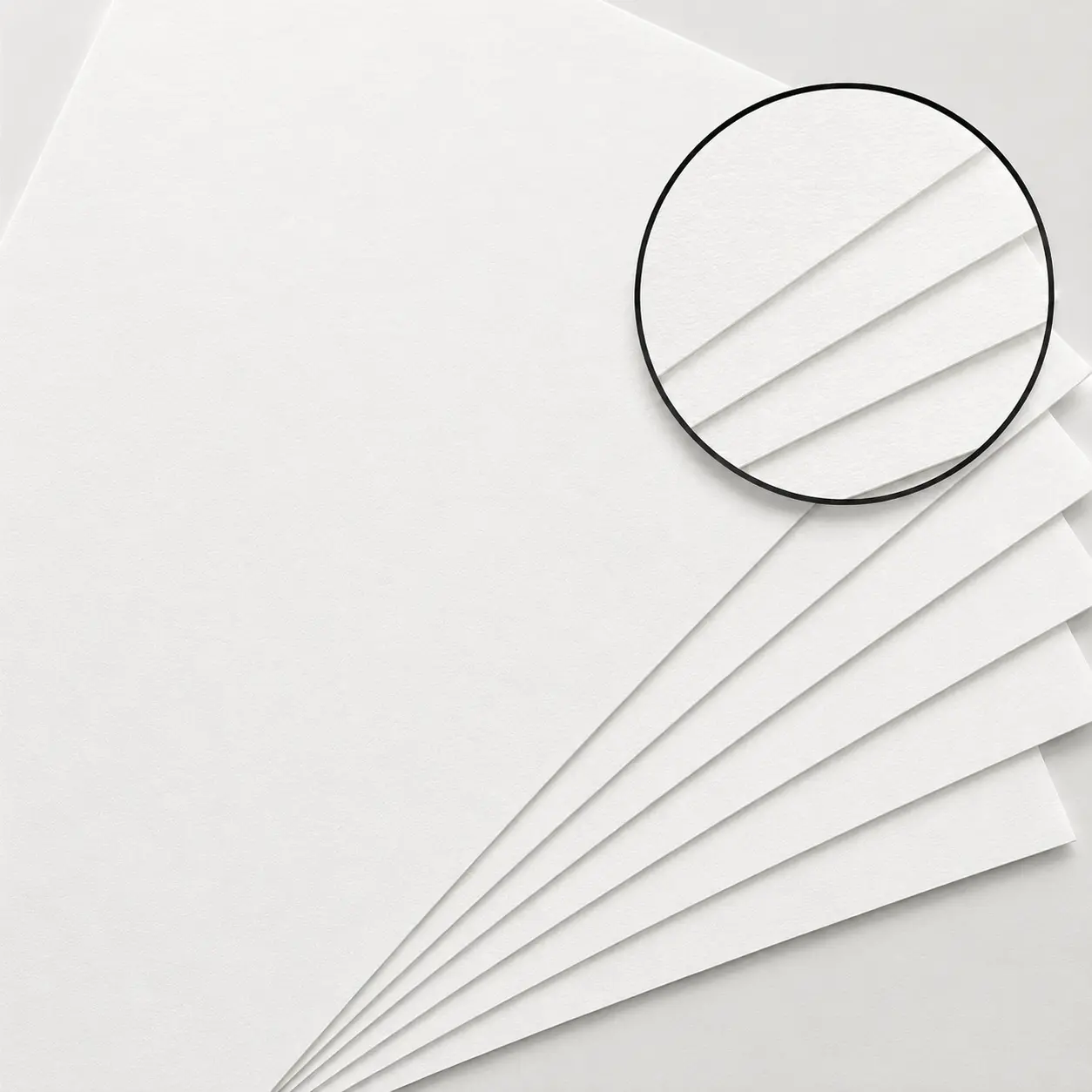
SBS Cardboard
Premium bleached substrate engineered for retail-ready packaging with sharp, high-resolution print performance across bulk SKUs.
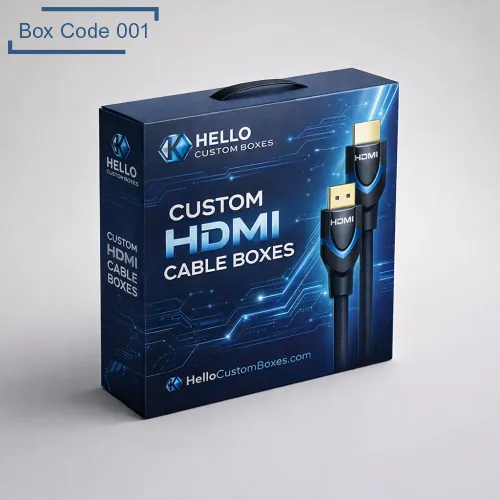
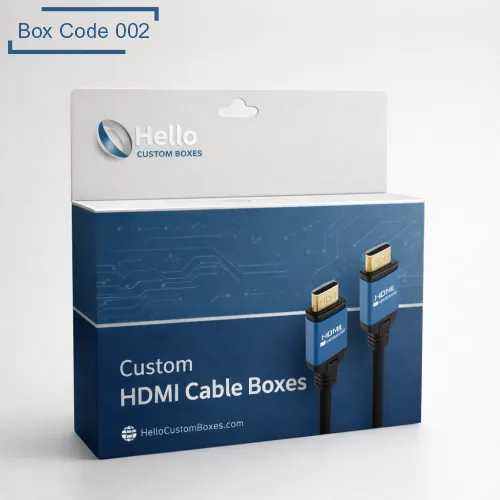
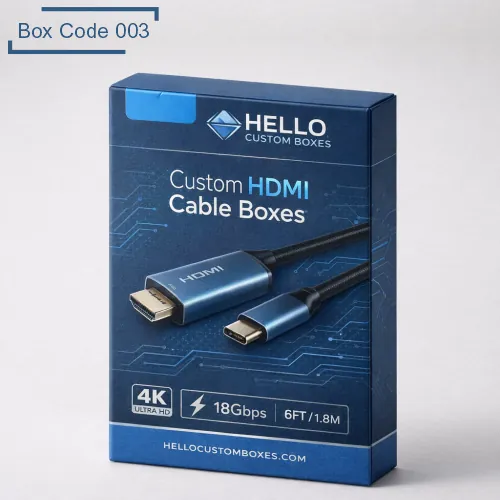
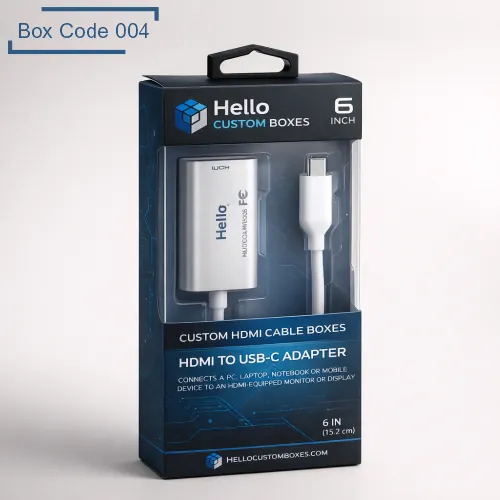
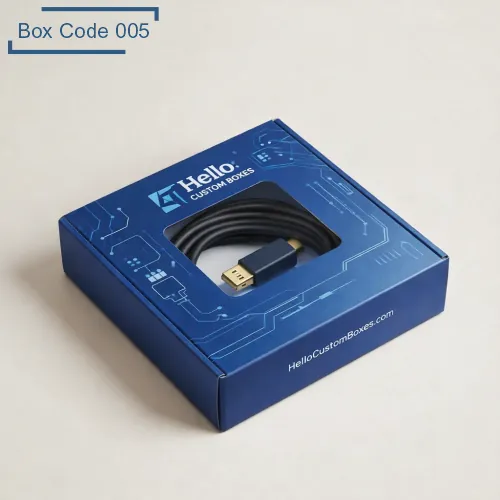
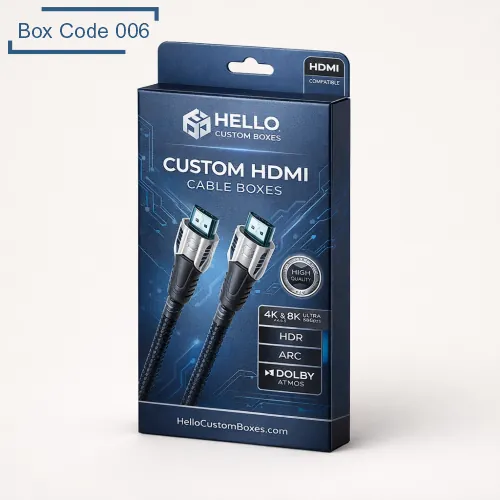
HDMI cable boxes are used to pack cables so they don’t tangle, bend, or lose shape during storage and handling. If the inside space isn’t controlled, cables can shift and form sharp bends. These boxes are made from cardboard or kraft and help keep cables steady, making them easier to store, display, and manage in everyday use.
Tell us your specs and we'll send pricing within one business day.
HDMI cables are meant to bend.
That’s what makes them easy to use.
But inside a box, that same flexibility can create problems. The cable shifts, loops tighten, and connectors start pressing against the edges.
It doesn’t look like damage at first, but over time, it changes how the cable sits.
With HDMI cable boxes, the goal is simple, keep the cable in place without forcing it into a fixed shape.
With custom HDMI cable boxes, the inside layout matters more than the outer shell.
A few things usually make the difference:
Too tight, and the cable bends sharply. Too loose, and it shifts around.
The right balance keeps the cable usable and presentable.
For packaging that gets handled often, the structure needs to hold up.
I’ve seen lighter boxes start to open slightly after repeated use. That’s when cables begin losing their position inside.
With retail HDMI cable boxes, the box is opened and handled multiple times.
So it needs to stay consistent.
That’s what keeps the packaging usable beyond the first opening.
Not all cables behave the same way.
If the internal layout doesn’t match, the cable won’t sit properly.
That’s why custom HDMI cable packaging boxes are built around how the cable rests, not just its length.
You’ll see these boxes across different setups.
Compact retail HDMI cable boxes that stay neat on display.
Packaging that keeps cables from tangling during delivery.
Used as part of bulk HDMI cable boxes systems.
Used when multiple items are packed together.
In many cases, these are packed alongside laptop packaging boxes, especially when brands handle cables as part of larger electronic product bundles.
Some brands begin with general packaging.
At first, it works.
Then small issues start appearing:
That’s when switching to proper custom HDMI cable boxes becomes necessary.
Not because the packaging failed completely, but because it wasn’t built for this type of product.
HDMI cable packaging doesn’t need heavy decoration.
Most brands keep things simple:
Still, surface protection matters. Subtle details like UV coating on packaging boxes can help reduce wear, especially when boxes are handled often.
These don’t stand out immediately.
But after repeated use:
These small details affect how the packaging performs in real use.
We don’t use fixed templates.
Each custom HDMI cable packaging boxes setup is built based on:
We adjust the internal structure so the cable stays controlled without pressure.
Everything is made to order.
They’re part of a larger system that includes storage, display, and shipping.
Some setups need more flexibility. Others need more structure.
HDMI cable boxes sit somewhere in between, keeping cables stable while still easy to handle.
HDMI Cable Boxes Specifications |
|
|---|---|
| Materials | SBS paperboard (300–400 gsm), white cardboard, bux board, corrugated E-flute, FSC-certified recyclable stock |
| Packaging Styles | Reverse tuck end, straight tuck end, sleeve & tray, hanging euro slot boxes, window boxes, mailer boxes |
| Product Protection | Die-cut inserts for cable holding, anti-tangle support, connector protection, shock-resistant structure |
| Cable Management | Winding slots, compartment separation, custom length fit, optional clips or backing cards |
| Printing & Branding | CMYK & Pantone printing, product specs, barcode labeling, foil stamping, embossing, spot UV, inside printing |
| Surface Finish | Matte or gloss lamination, soft-touch coating, anti-scuff layer, UV coating, metallic or holographic finish |
| Retail Display | Euro hanger slot, window cut-outs, shelf-ready design, compact stackable structure |
| Sizes | Custom sizes for 1m, 2m, 5m cables, slim retail formats, multi-pack bundle options |
| Durability | Reinforced edges, crush-resistant structure, lightweight yet strong for shipping and display |
| Wholesale & Production | Low MOQ, bulk pricing, custom dielines, sampling before production, quality control assurance |
| Sustainability | Recyclable materials, soy inks, plastic-free inserts, eco-friendly coating options |
Choose from practical materials, print methods, inks, finishes, and add-ons for a better product presentation.
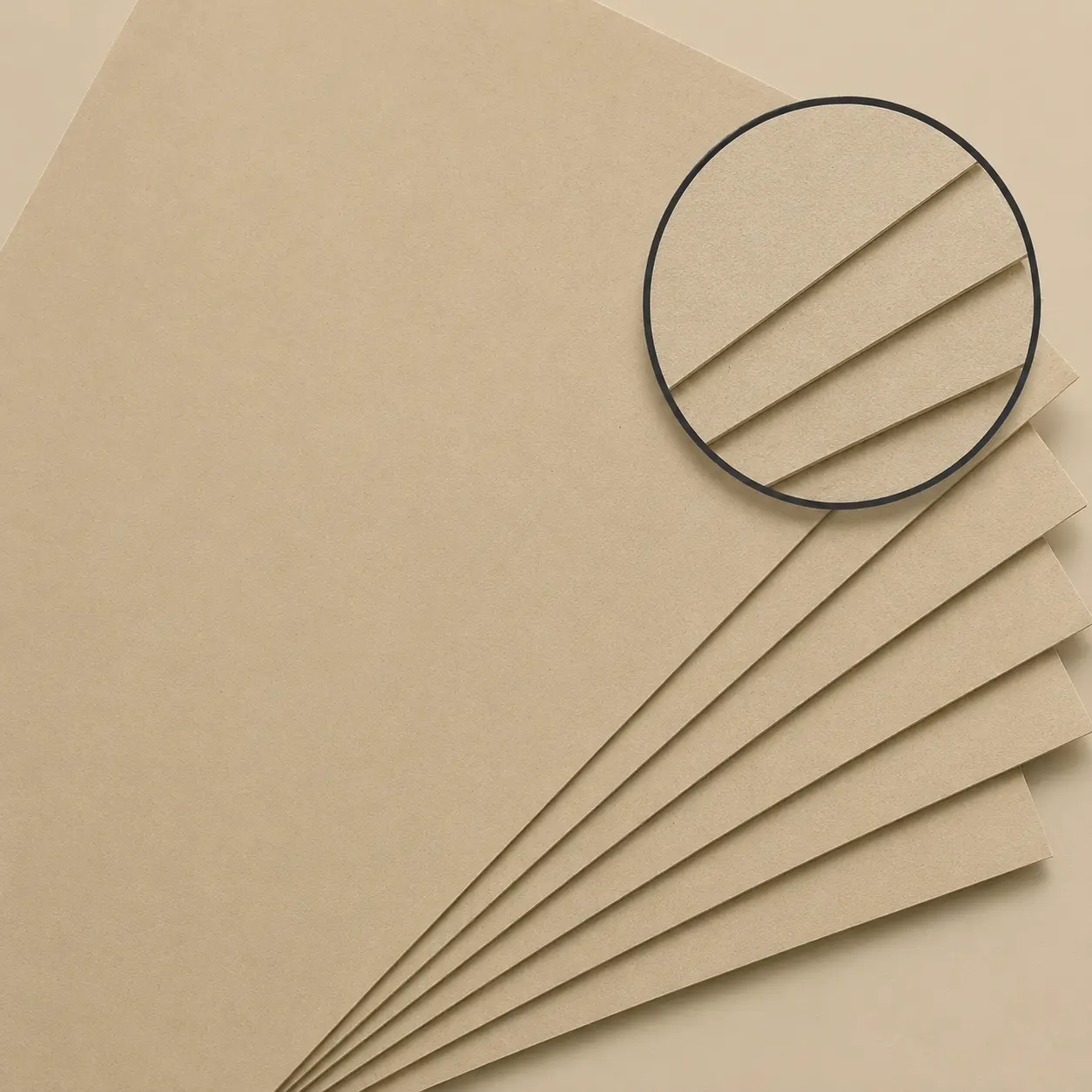
Premium bleached substrate engineered for retail-ready packaging with sharp, high-resolution print performance across bulk SKUs.
High-density rigid board built for wholesale cartons, structural strength, and stack-ready warehouse logistics.
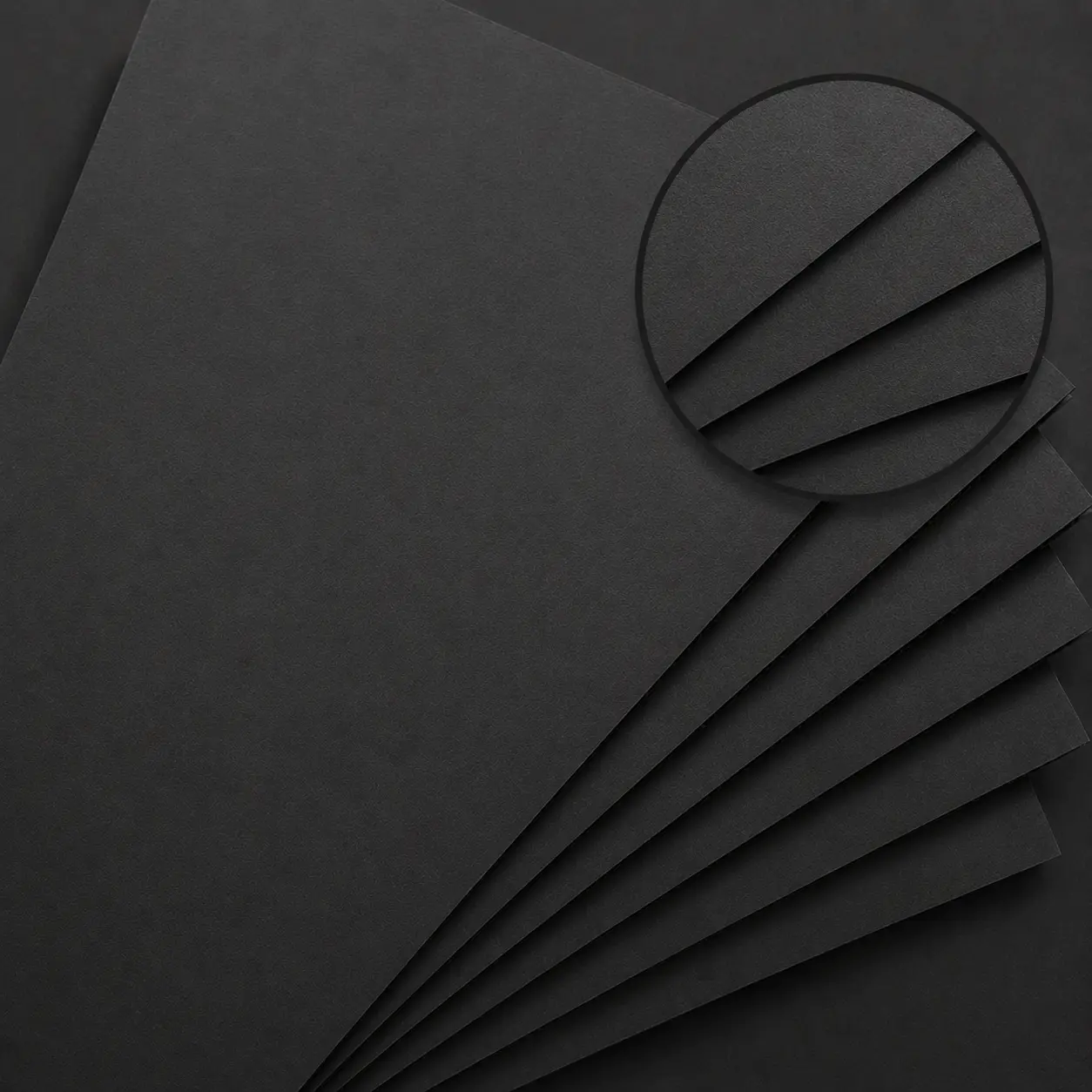
Eco-conscious black kraft for premium unboxing programs, corporate gifting, and limited-edition product lines.
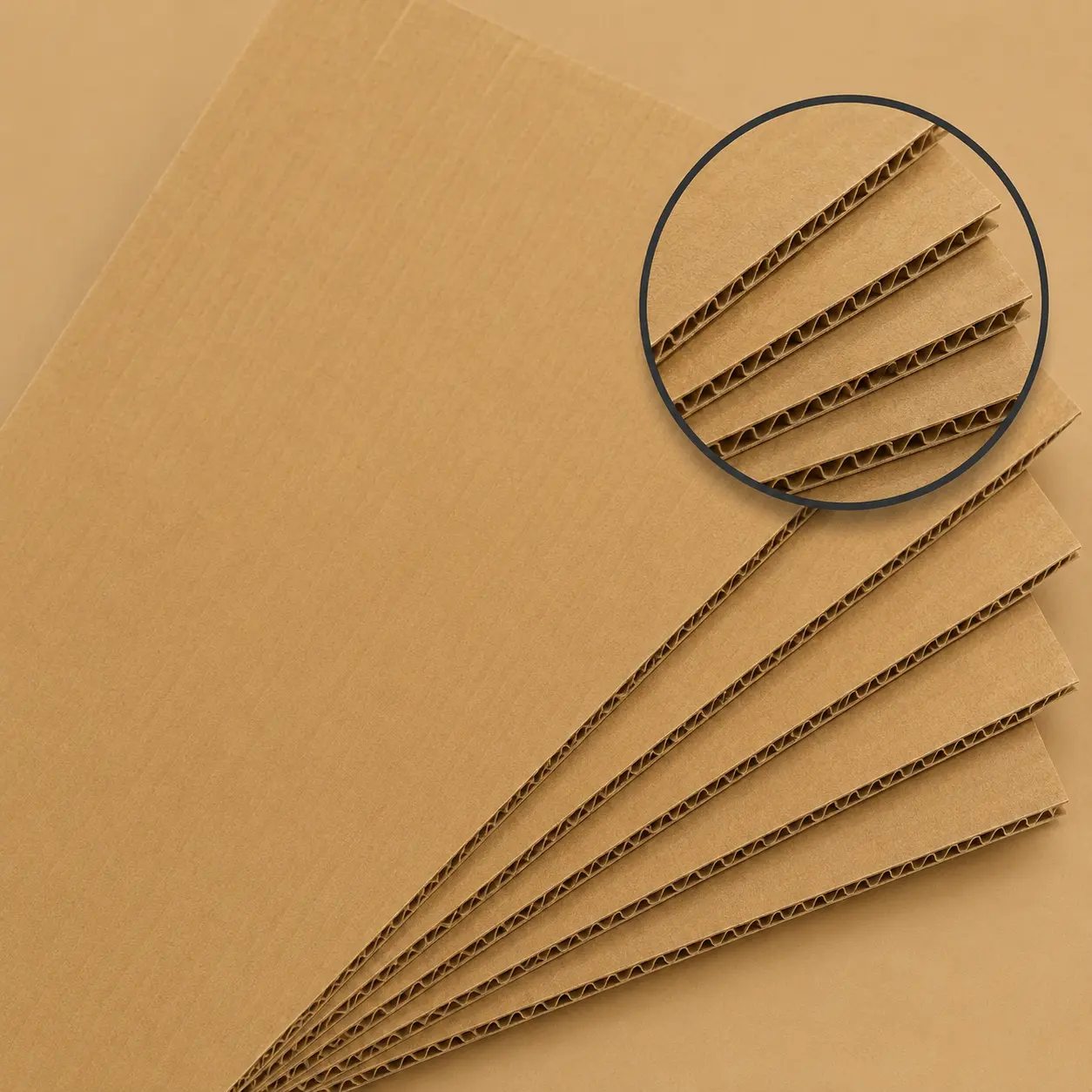
Multi-flute corrugated board built for protective shipping, e-commerce dispatch, and high-volume B2B fulfillment.
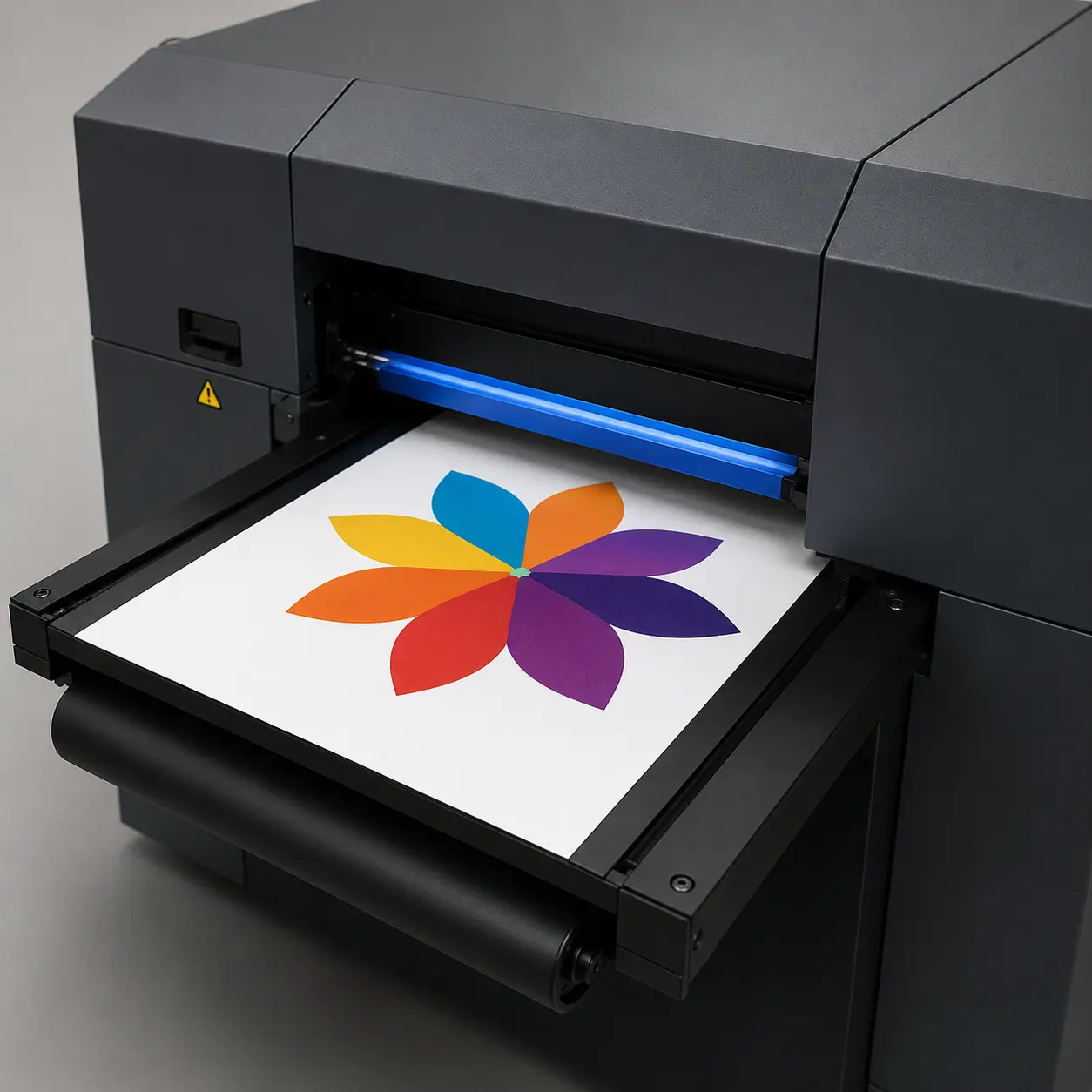
Short-run digital printing with no plate setup — ideal for prototypes, sample approvals, and quick reorders.
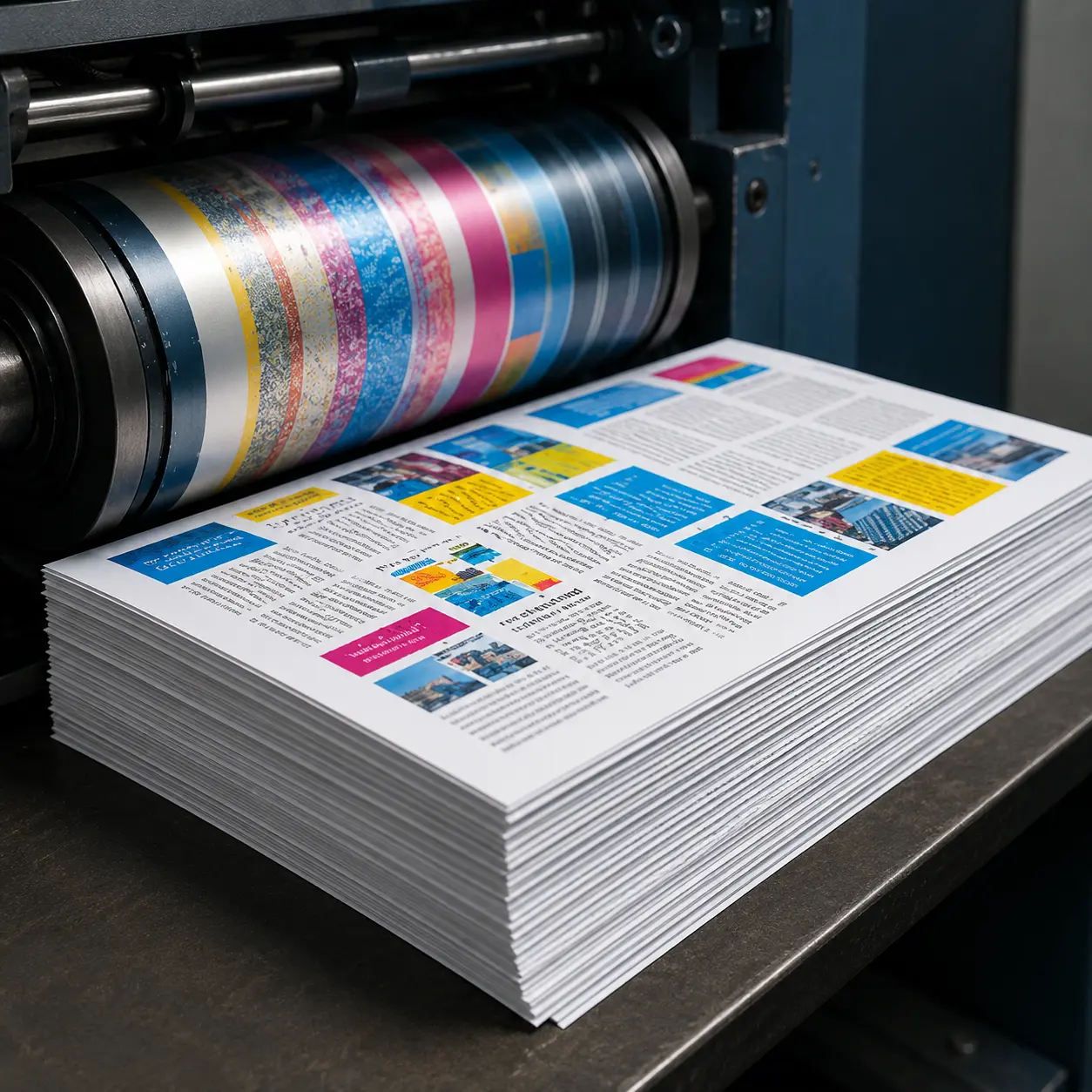
Industry-standard offset printing for high-volume runs with consistent color matching across bulk production.

Selective dimensional embellishment for premium B2B branding, tactile depth, and shelf differentiation.

Vibrant UV-cured printing suited for promotional packaging, event giveaways, and trade-show units.
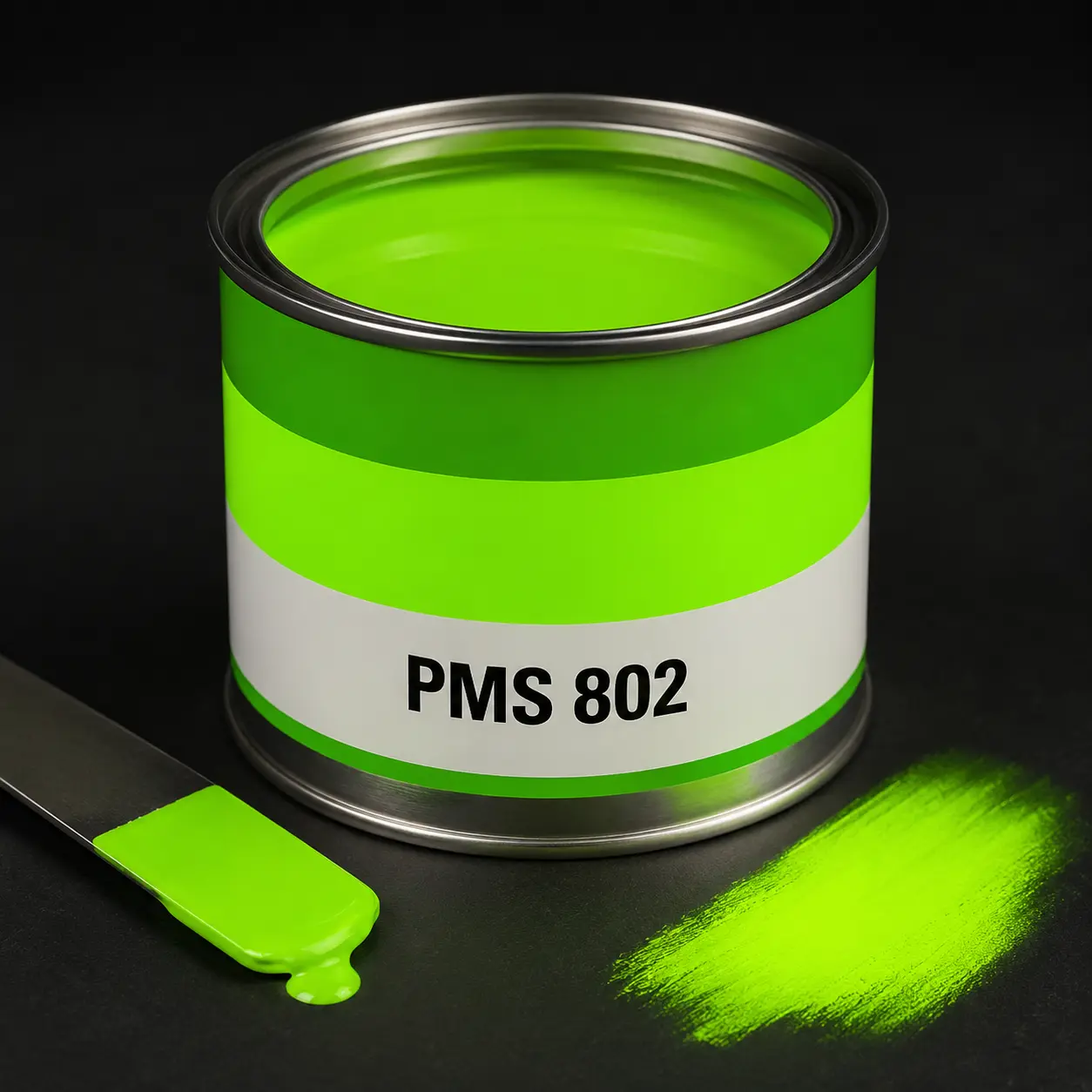
High-visibility ink system engineered for shelf impact, retail displays, and wholesale point-of-sale units.
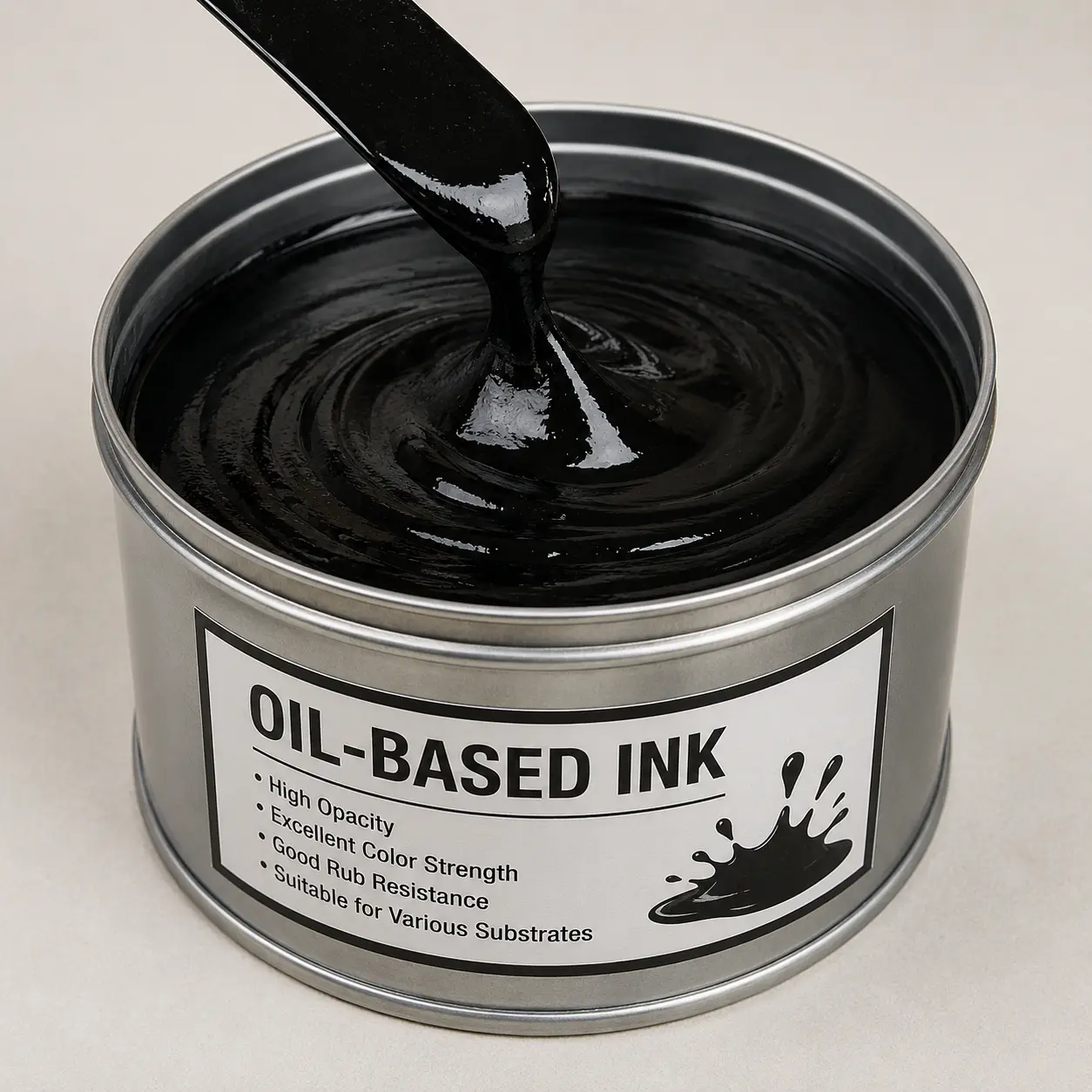
Industry-grade ink for durable, scuff-resistant production runs across long-haul distribution.

Spot-color matching to corporate brand standards — consistent identity across every SKU and reorder.

Sustainable plant-based ink for eco-certified packaging programs and ESG-aligned product launches.

Protective film extends shelf life and protects packaging during shipping and warehouse handling.

Water-based protective seal — fast-drying, food-safe-friendly finish for high-volume bulk production.

Premium tactile finish that elevates corporate gifting boxes and high-end B2B product lines.

Highlight logos and key artwork with selective gloss for maximum retail brand recognition.

Raised brand marks for tactile, premium identity on retail shelves and corporate packaging.

Pressed impressions for subtle, sophisticated branding on premium B2B product lines.

Metallic foil application — gold, silver, and custom finishes for luxury wholesale packaging.
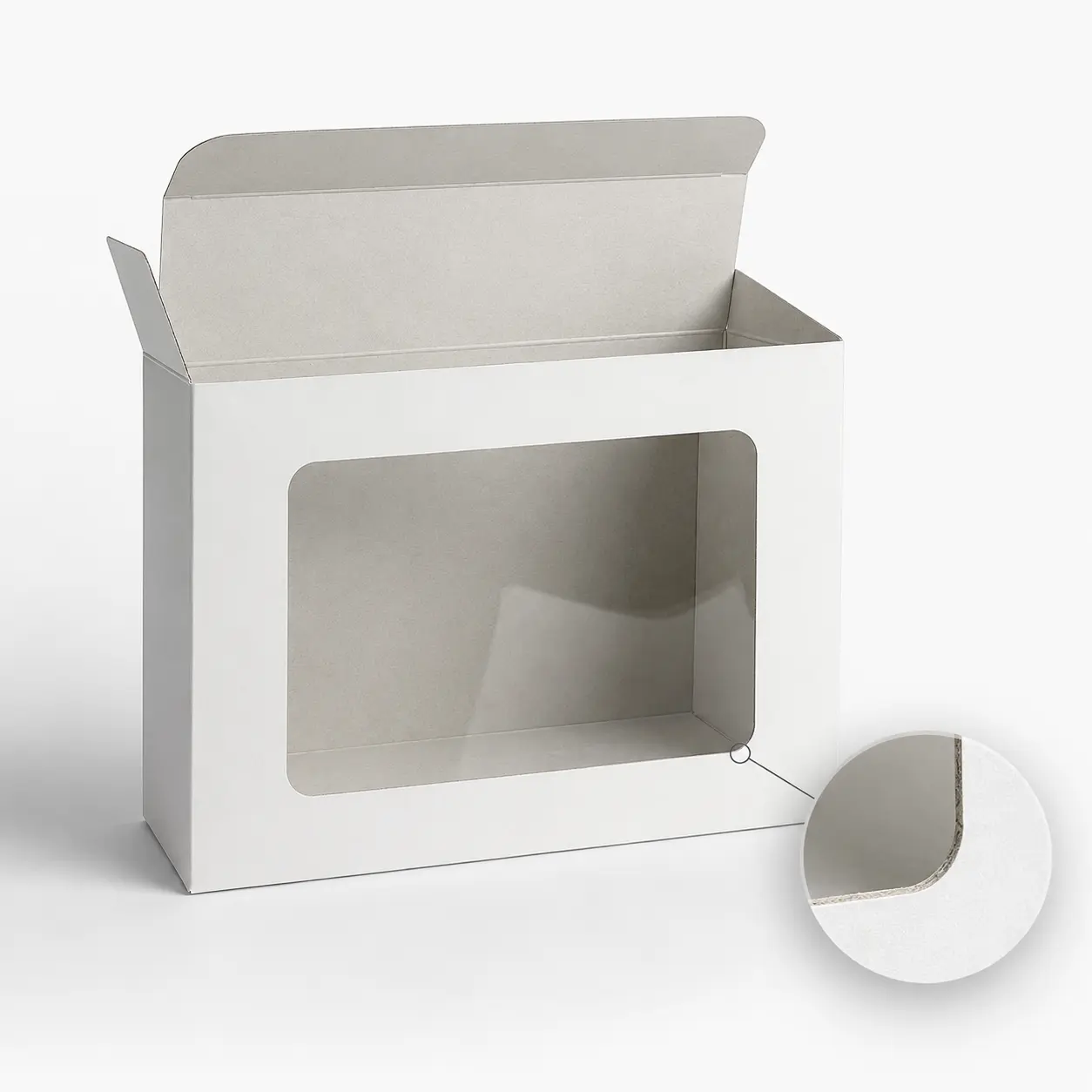
Precision die-cut openings that let customers view the product inside, with optional clear patching for better protection and presentation.
Simple, practical, and built around real B2B production needs.
Send product size, quantity, material preference, artwork, and delivery details.
Our team prepares a proof or 3D mockup so you can check design and structure.
Once approved, your packaging moves into printing, cutting, finishing, and packing.
Finished boxes are packed and shipped to your warehouse, retailer, or 3PL.
Explore similar packaging options that may fit your product line.
Reviews
There are no reviews yet.