Custom 1-2-3 Bottom Display Lid Boxes
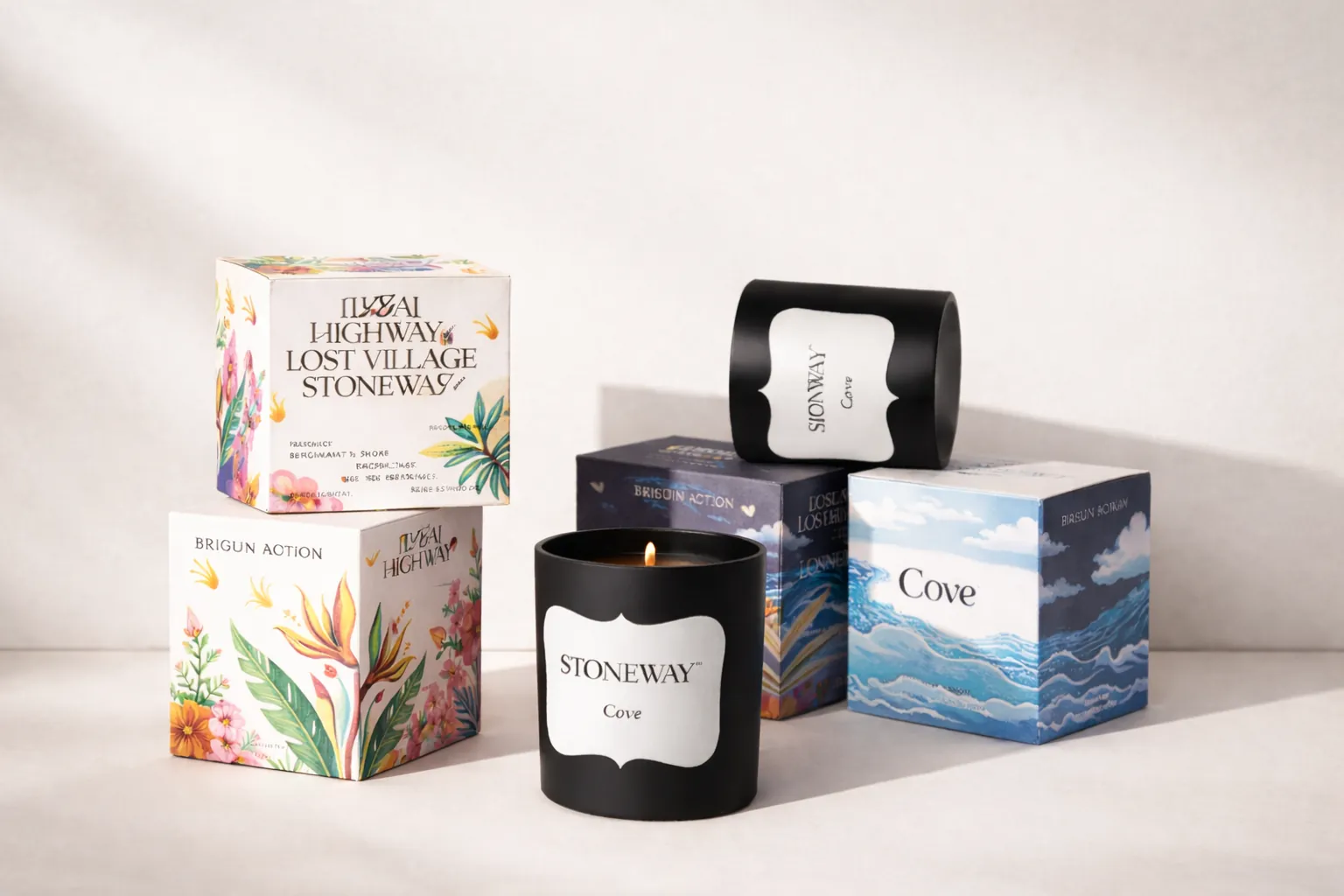
A 123 Bottom Display Lid box works like a regular folding carton...
Box style affects how a product fits, packs, stores, and travels. This guide looks at the main structures used for retail, food, shipping, and other products. It also explains what to check before making a choice, including weight, size, assembly, and delivery, so the box works properly once it reaches production.
A 123 Bottom Display Lid box works like a regular folding carton...
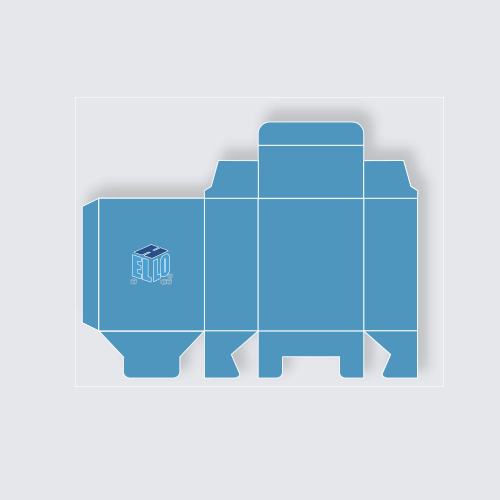
Custom 123 bottom boxes are made for products that need a stronger...
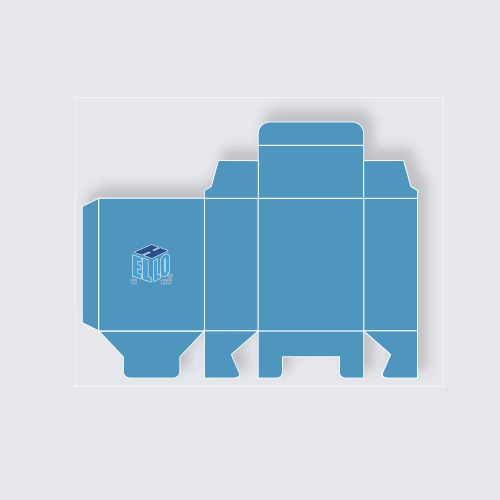
The 123 Bottom Tuck Top boxes are flat shipping cartons that have...
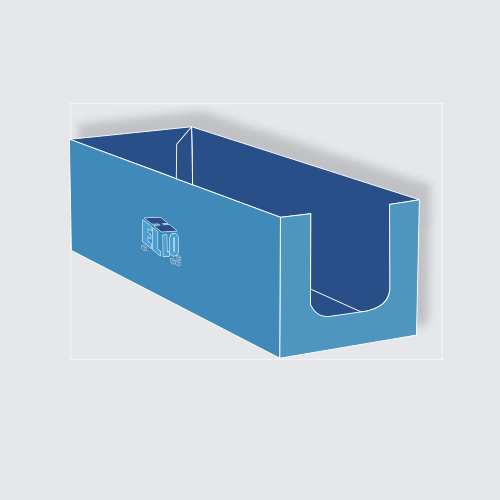
Auto bottom trays are built for speed and strength. With a glued...
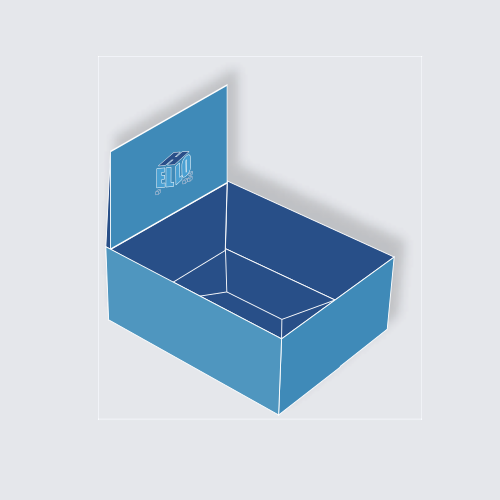
Custom auto bottom with display lid boxes give you fast assembly and...
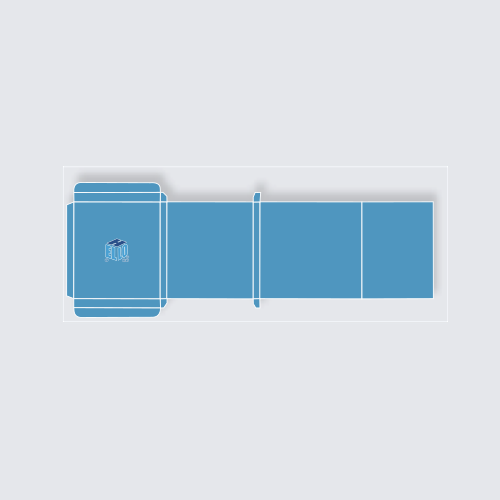
A custom bookend CD Case gives your disc a cleaner cover than...
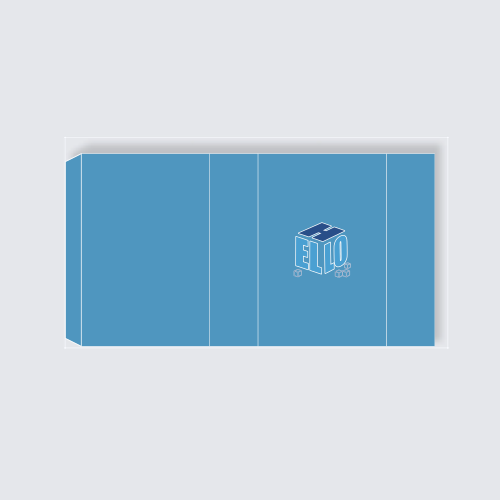
A bowl sleeve is a custom-cut wrap made from recyclable card, designed...
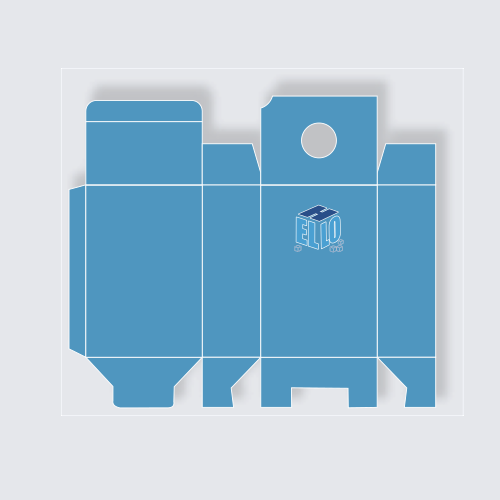
Die Cut Bulb Boxes are made for brands that want lighting products...
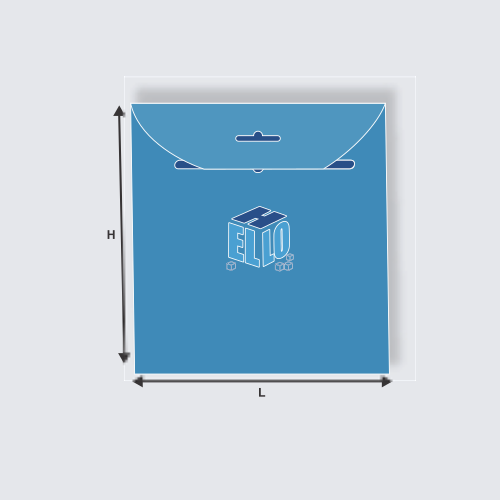
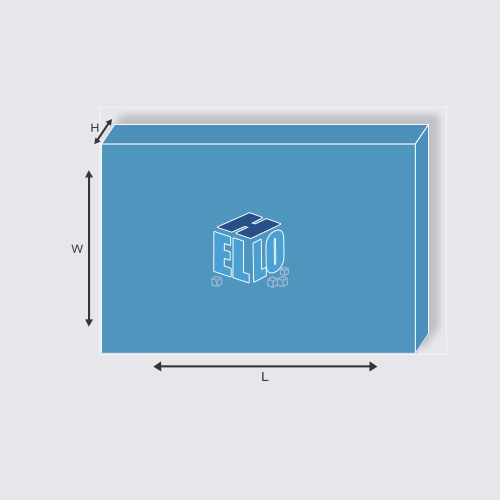
Custom double locked wall lid boxes are made for products that need...
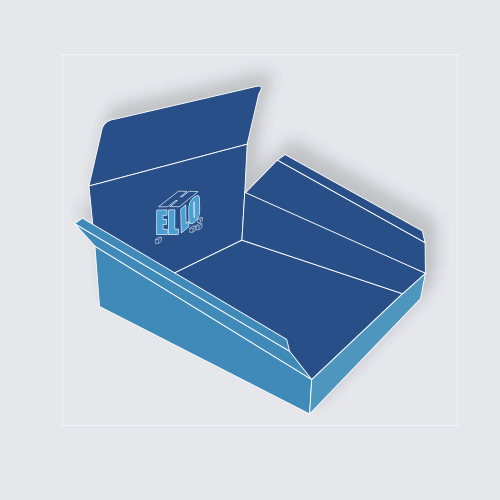
Double wall display lid boxes give your product solid protection and a...
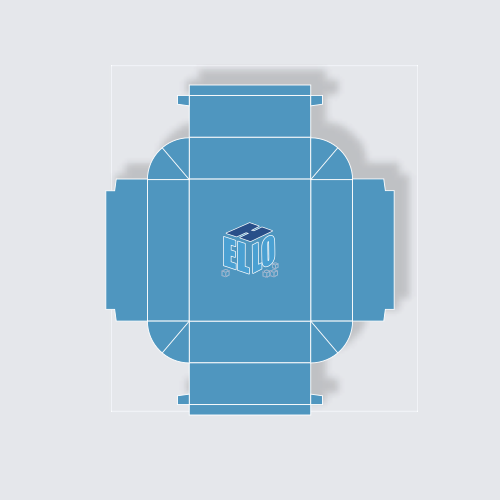
A double wall lid tray is a sturdy, premium two-piece folding carton...
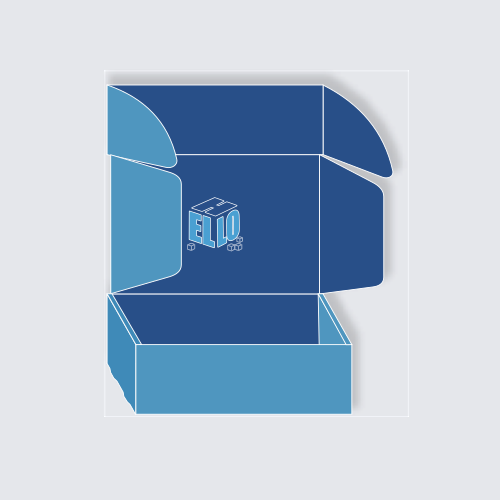
Custom double wall tuck front boxes are a good fit when a...

Custom fence partitions designed to protect delicate products during transit. Made from...
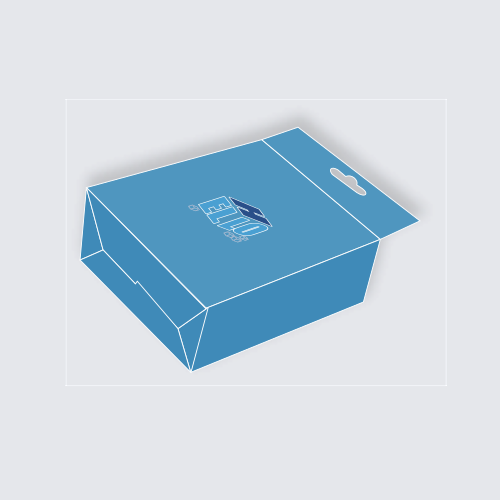
Five panel hanger boxes are built to hang. Literally. They’ve got a...


Four Corner Cake Boxes are the kind of boxes bakeries and cafés...
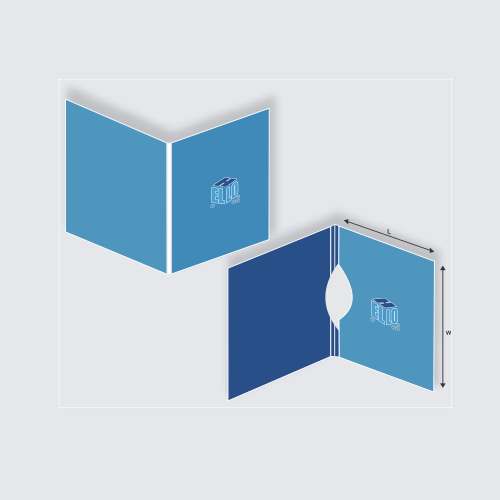
A custom four panel cd jacket gives the disc space to carry...

Full Flap Auto Bottom Boxes combine rapid assembly with maximum base strength....
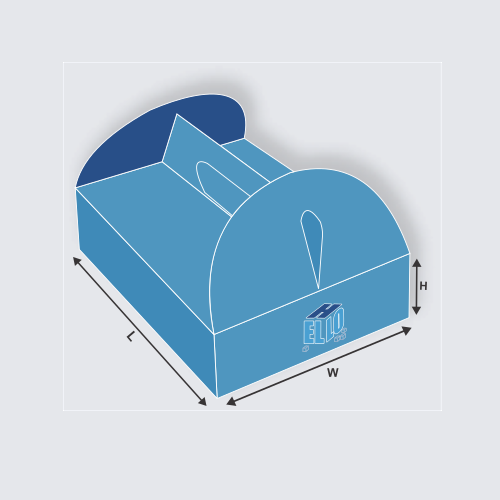
Handle food boxes are the little carry cartons you’ll spot in cafés...

Hexagon boxes add a different kind of presence to your product without...
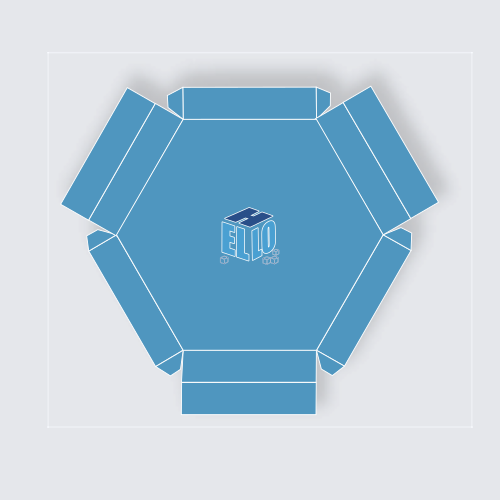
Hexagon trays are just open trays that hold items without covering anything....
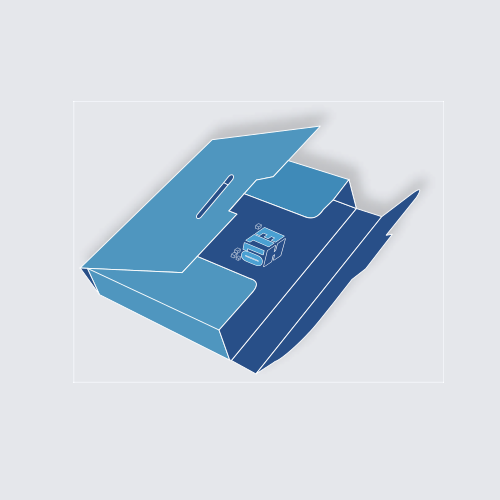
A paper briefcase box is a strong folding packaging style made from...
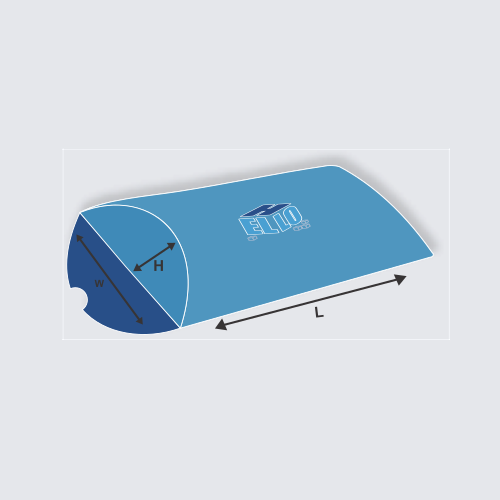
Custom pillow boxes offer that distinctive curved shape that catches attention right...
Choose production-grade materials, print methods, ink systems, finishing, and add-ons engineered for retail, wholesale, and B2B packaging programs.
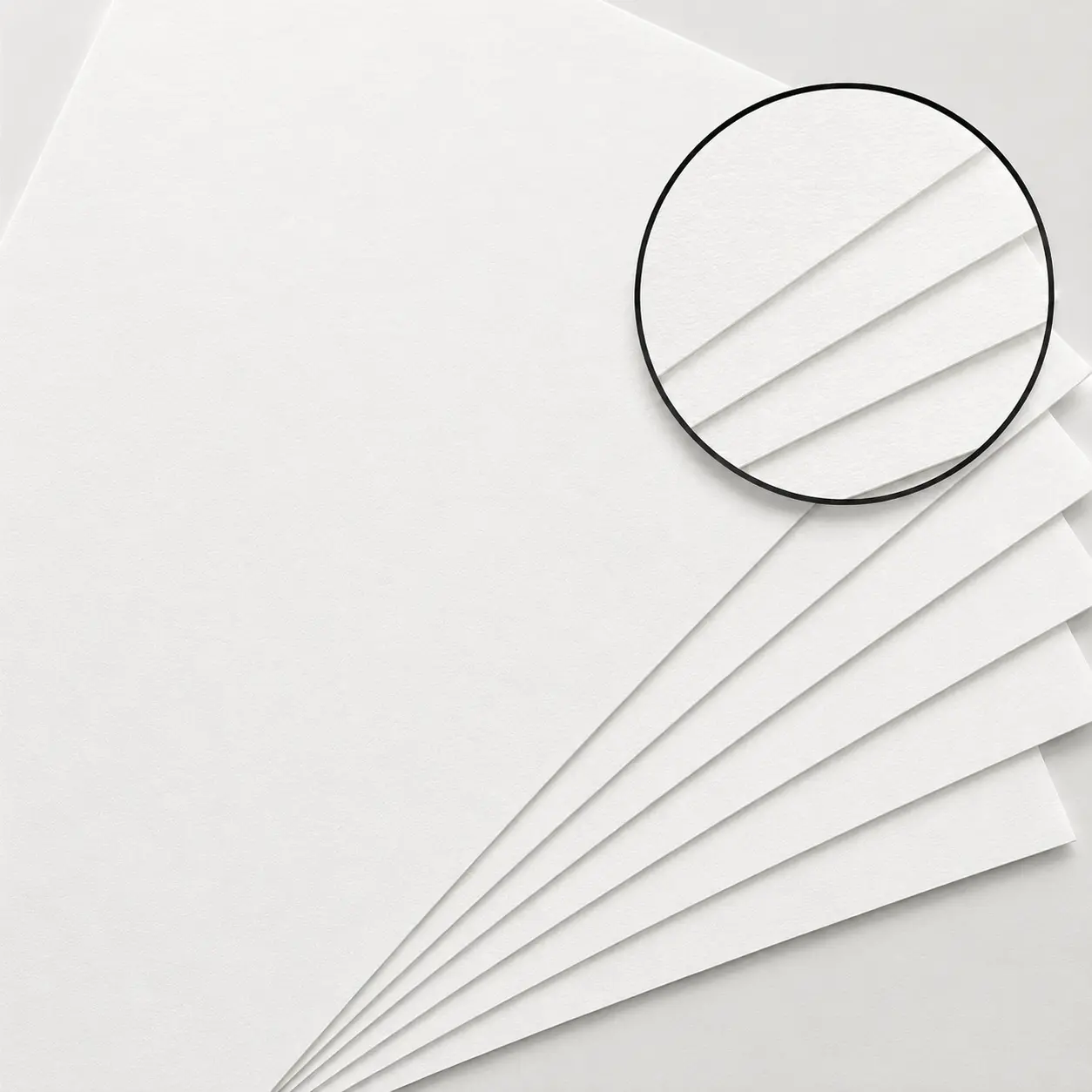
Premium bleached substrate engineered for retail-ready packaging with sharp, high-resolution print performance across bulk SKUs.
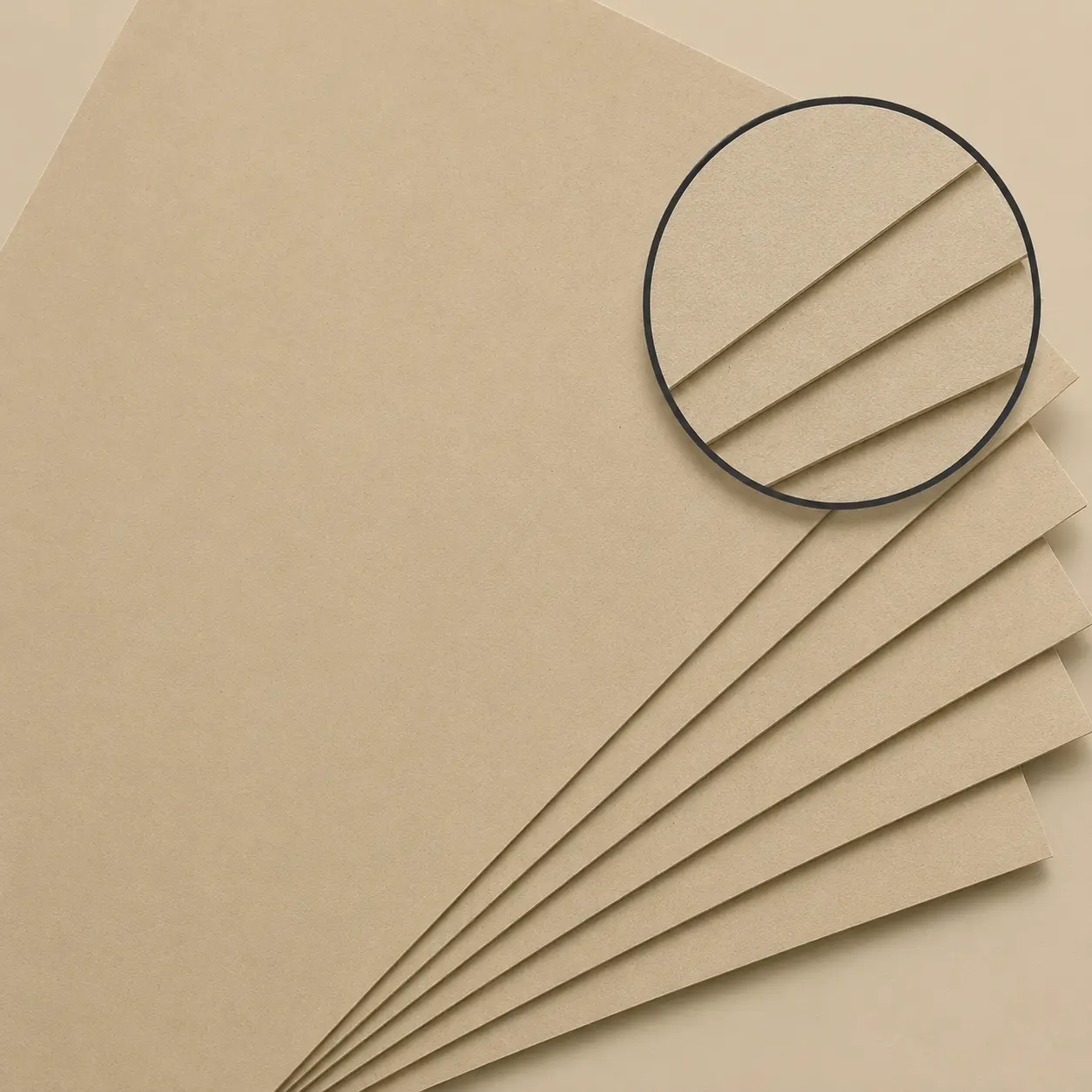
High-density rigid board built for wholesale cartons, structural strength, and stack-ready warehouse logistics.
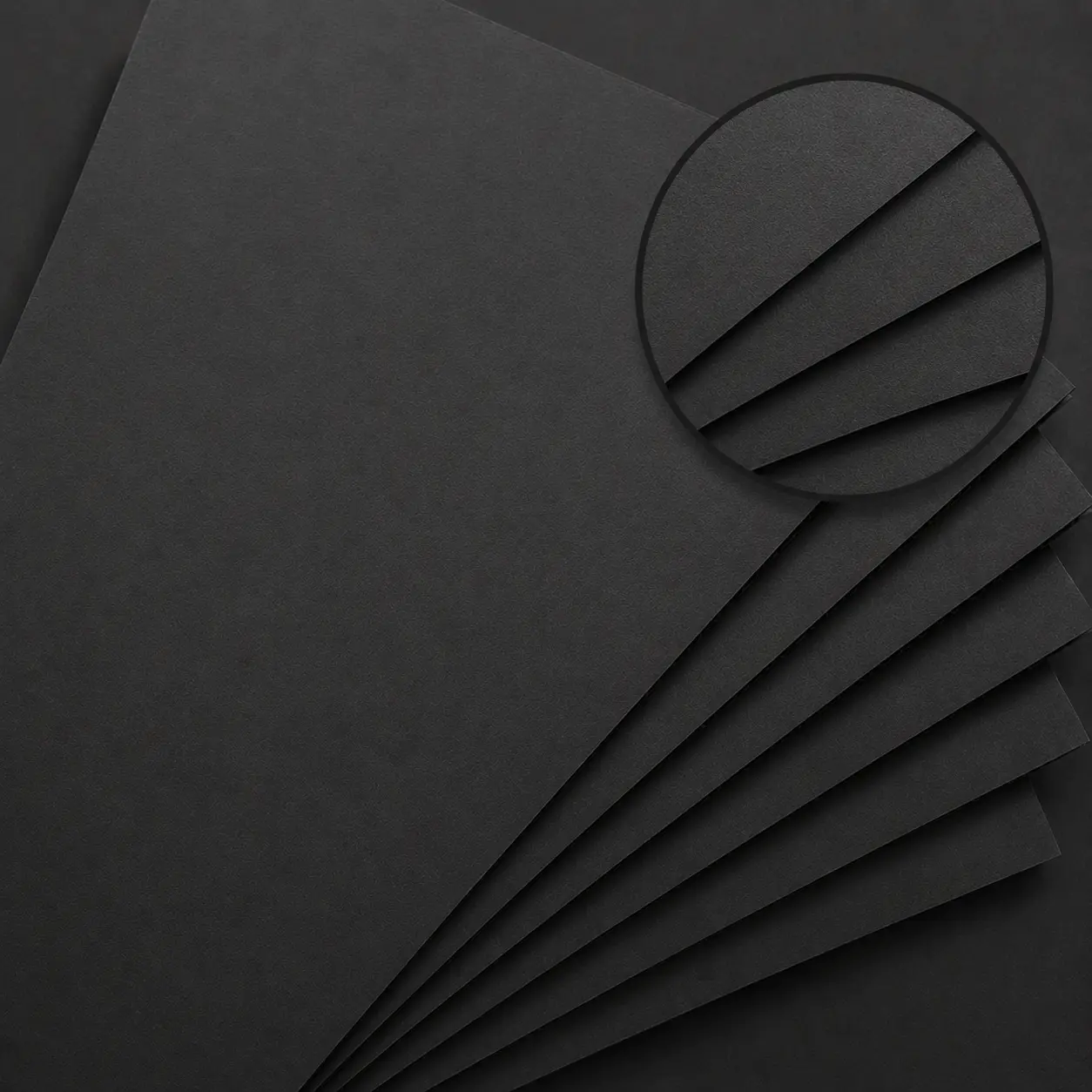
Eco-conscious black kraft for premium unboxing programs, corporate gifting, and limited-edition product lines.
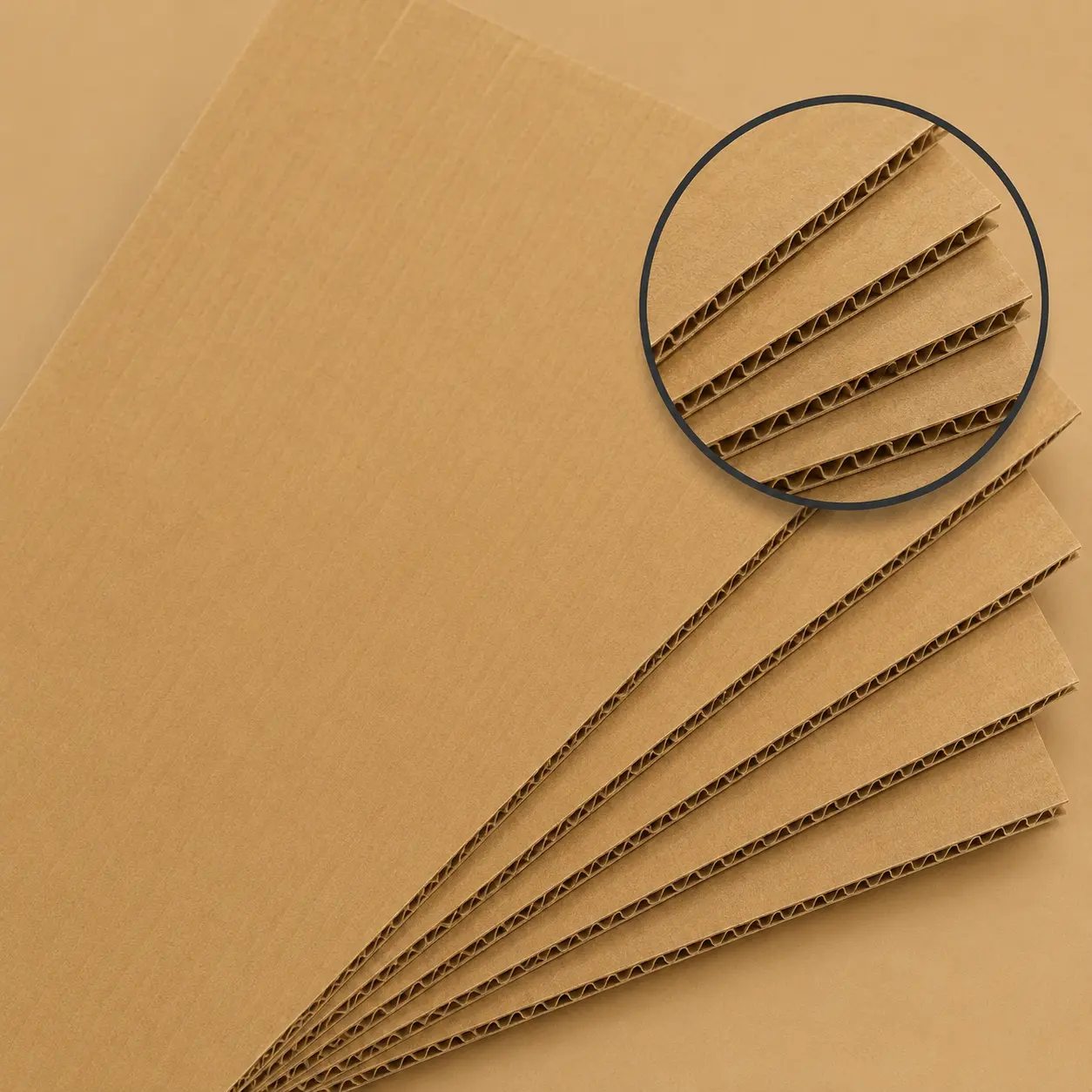
Multi-flute corrugated board built for protective shipping, e-commerce dispatch, and high-volume B2B fulfillment.
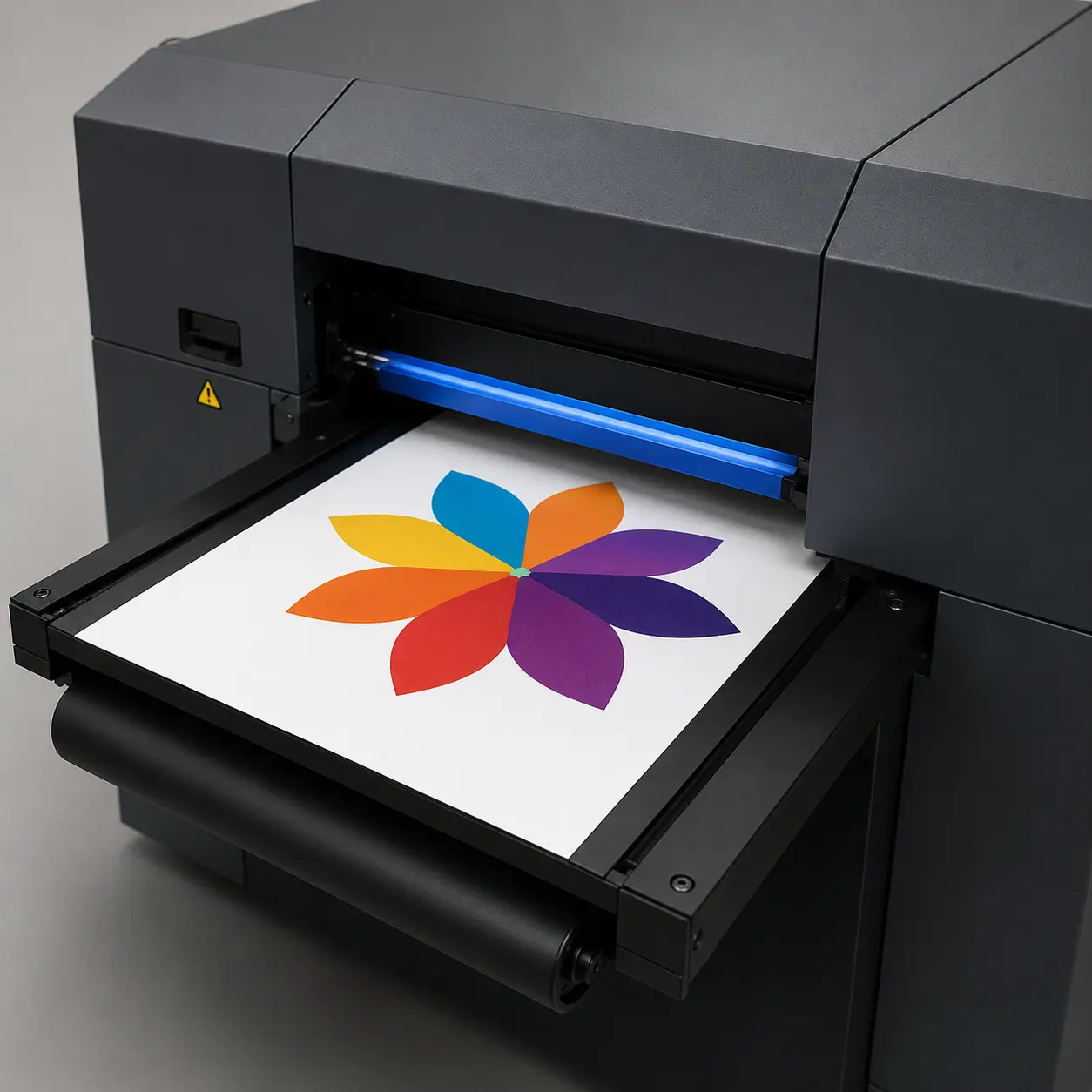
Short-run digital printing with no plate setup — ideal for prototypes, sample approvals, and quick reorders.
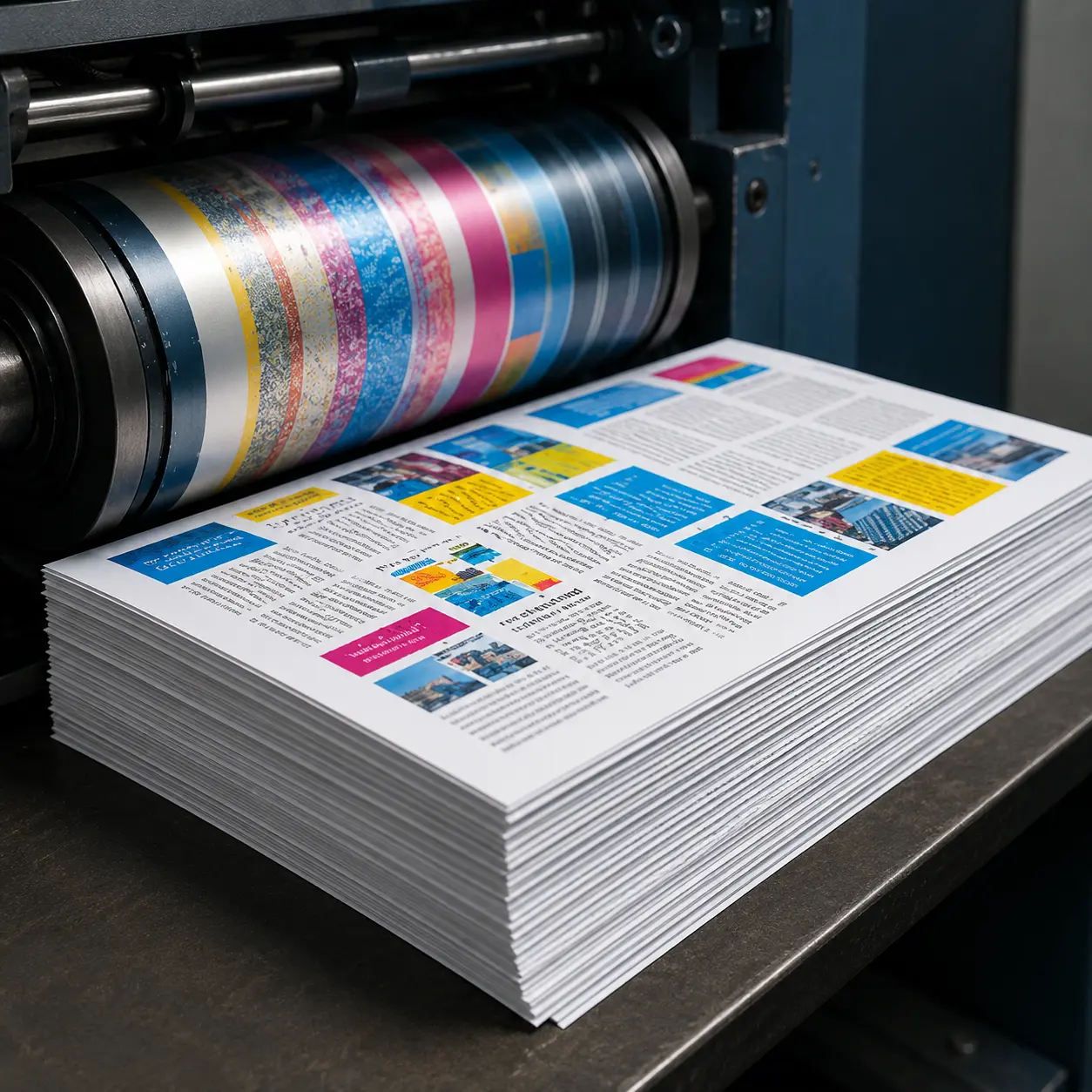
Industry-standard offset printing for high-volume runs with consistent color matching across bulk production.

Selective dimensional embellishment for premium B2B branding, tactile depth, and shelf differentiation.

Vibrant UV-cured printing suited for promotional packaging, event giveaways, and trade-show units.

High-visibility ink system engineered for shelf impact, retail displays, and wholesale point-of-sale units.
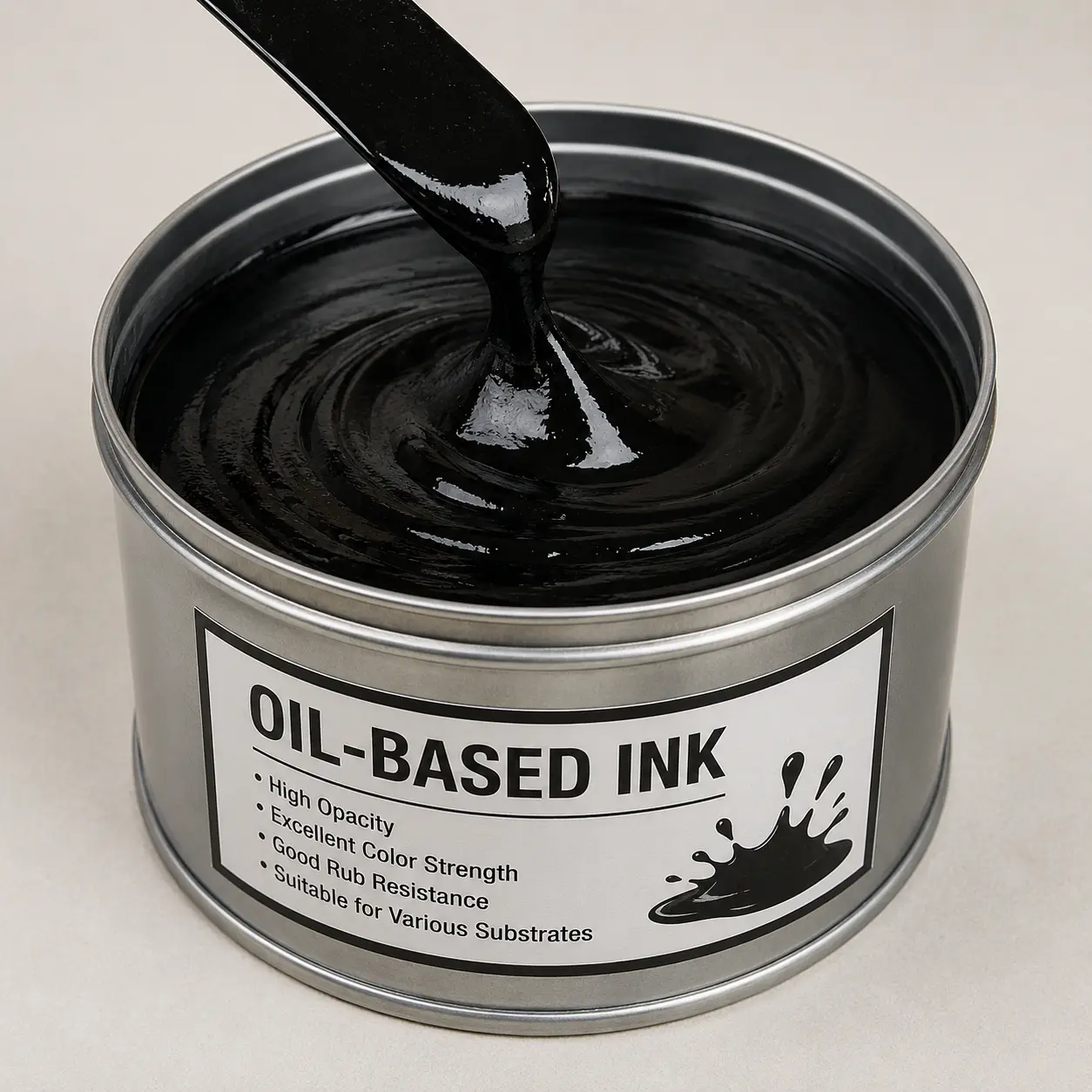
Industry-grade ink for durable, scuff-resistant production runs across long-haul distribution.

Spot-color matching to corporate brand standards — consistent identity across every SKU and reorder.

Sustainable plant-based ink for eco-certified packaging programs and ESG-aligned product launches.

Protective film extends shelf life and protects packaging during shipping and warehouse handling.

Water-based protective seal — fast-drying, food-safe-friendly finish for high-volume bulk production.

Premium tactile finish that elevates corporate gifting boxes and high-end B2B product lines.

Highlight logos and key artwork with selective gloss for maximum retail brand recognition.

Raised brand marks for tactile, premium identity on retail shelves and corporate packaging.

Pressed impressions for subtle, sophisticated branding on premium B2B product lines.

Metallic foil application — gold, silver, and custom finishes for luxury wholesale packaging.
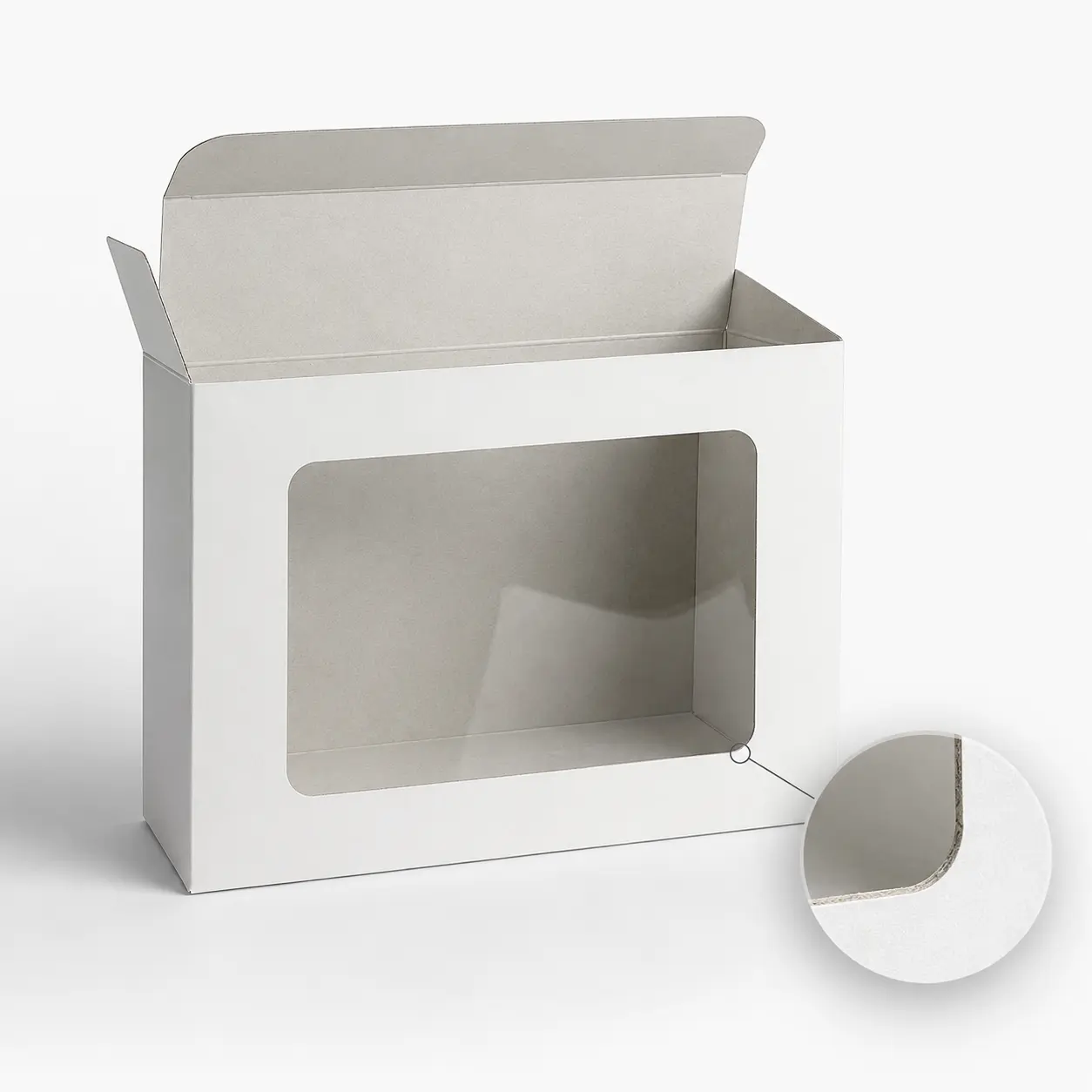
Precision die-cut openings that let customers view the product inside, with optional clear patching for better protection and presentation.
We usually deal with the box style first and leave the artwork until later. The main thing is making sure the product fits well, the box is easy to pack, and it can handle storage and delivery. A nice shape is not much use if it causes problems once the box is being used.
Many buyers begin by discussing printing, colours, or finishes. In practice, packaging engineers usually start with the structure.
Good printing cannot make up for a weak box. If the lid comes open in delivery or the bottom gives way under the product, the packaging has failed. A plain box with the right folds and a firm base will often perform better, pack faster, and cause fewer problems in shipping.
The structure determines things such as:
These details rarely appear in product photographs, but they make a noticeable difference once production begins.
There is no universal packaging style.
A lightweight cosmetic carton has completely different structural requirements from a frozen food package or an eCommerce shipping box.
For example:
Retail cartons usually need clean front panels for branding while remaining easy to open without damaging the package.
Reverse tuck end and straight tuck end cartons are common choices because they use material efficiently and ship flat.
Food packaging often needs fast assembly, secure closures, and compatibility with food-safe coatings. Some products also require ventilation, grease resistance, or product windows.
Products travelling through courier networks experience repeated handling. Mailer styles, locking tabs, and reinforced bases become more important than decorative features.
Items like candles in glass jars, electronics, supplements in glass bottles, or hardware may require stronger bottom constructions or inserts rather than simply using thicker paperboard.
Increasing board thickness alone does not always solve structural problems.
Different industries often use the same structural concepts while changing dimensions, board grades, and printing.
Both tuck flaps fold in the same direction.
This style offers a clean presentation on retail shelves and is commonly used for cosmetics, pharmaceuticals, electronics, and small consumer goods.
Top and bottom flaps fold in opposite directions.
It uses board efficiently during production and works well for lightweight retail packaging.
The base locks automatically when opened.
Businesses packing products by hand often prefer this style because it reduces assembly time compared with manually locking every bottom panel.
Frequently chosen for heavier products that need additional support without slowing packing operations.
These are glued during packing and commonly used where tamper resistance or automated filling lines are required.
Sleeves wrap around an inner tray or existing package instead of enclosing the product completely.
This approach is frequently used for gift packaging, promotional packaging, and premium retail presentation.
Mailer styles combine product presentation with shipping protection.
Subscription businesses, online retailers, and promotional campaigns often select this structure because one box performs both jobs.
Before selecting from available custom product box styles, we usually ask buyers several practical questions.
How heavy is the product?
Will customers see it on a retail shelf or receive it through courier delivery?
Will staff assemble thousands of boxes every day or only small batches?
Will inserts be required?
The answers often narrow the options quickly.
For example, products with unusual shapes usually benefit from custom inserts instead of increasing box size. Empty space inside a carton allows movement, which increases the chance of product damage during shipping.
The same structural style behaves differently depending on the paperboard selected.
Folding carton board works well for lightweight retail packaging where print quality matters.
Corrugated board provides greater compression strength for shipping cartons.
Kraft board is often selected when businesses prefer an uncoated natural appearance or need recycled paper content.
Board thickness should match the product rather than simply making the carton feel heavier. Overspecifying material increases shipping weight and production cost without always improving performance.
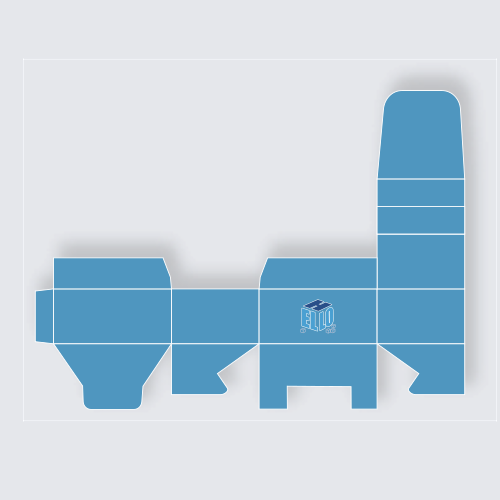
Artwork is created after the dieline—not before.
Every fold, glue area, locking tab, and tuck flap affects where important graphics should appear.
We regularly recommend leaving critical branding away from score lines because repeated folding can weaken ink coverage along heavy creases.
Large panels provide space for branding, while smaller locking tabs should normally remain free from detailed artwork.
If a product requires barcodes, ingredient information, or regulatory content, those areas should be planned during structural design instead of being squeezed into leftover space.
One advantage shared by most folding cartons is efficient storage.
Boxes arrive flat, occupying only a fraction of the warehouse space required after assembly.
Businesses with seasonal demand often order packaging months before product launches. Flat-packed cartons simplify storage while reducing freight costs compared with rigid assembled packaging.
Assembly time then becomes an important consideration.
Simple tuck-end cartons can usually be folded quickly by hand. More complex locking structures save time later but may require slightly more precise manufacturing.
Sometimes existing layouts simply do not suit the product.
Products with unusual dimensions, multiple components, or presentation requirements may need a customized style box developed from scratch.
This usually involves creating a new dieline, producing prototypes, testing assembly, checking product fit, and confirming shipping performance before full production begins.
Prototype testing often identifies small adjustments that are inexpensive before printing starts but expensive after thousands of cartons have already been manufactured.
A structural choice should balance several factors instead of focusing on appearance alone.
Consider:
Looking at these points together usually produces a more reliable packaging specification than selecting a style from photographs alone.
No FAQs added yet.
Whether you need sleek retail boxes, protective mailers, or eco-friendly designs, we build everything to your specs. From material and style to dimensions and print details, every box starts with your vision.
No design? No problem. Upload your logo or sketches and our team will help bring your box to life with a complimentary digital mockup.

| # | Date | Days | Holidays | Offer |
|---|---|---|---|---|
| 1 | Wednesday, Jan 1, 2026 | Wednesday | New Year's Day | Up To 40% Off |
| 2 | Monday, Jan 20, 2026 | Monday | Martin Luther King Jr. Day | Up To 40% Off |
| 3 | Monday, Feb 17, 2026 | Monday | Presidents' Day | Up To 40% Off |
| 4 | Monday, May 26, 2026 | Monday | Memorial Day | Up To 40% Off |
| 5 | Thursday, Jun 19, 2026 | Thursday | Juneteenth | Up To 40% Off |
| 6 | Friday, Jul 4, 2026 | Friday | Independence Day | Up To 40% Off |
| 7 | Monday, Sep 1, 2026 | Monday | Labor Day | Up To 40% Off |
| 8 | Monday, Oct 13, 2026 | Monday | Columbus Day | Up To 40% Off |
| 9 | Tuesday, Nov 11, 2026 | Tuesday | Veterans Day | Up To 40% Off |
| 10 | Thursday, Nov 27, 2026 | Thursday | Thanksgiving Day | Up To 40% Off |
| 11 | Thursday, Dec 25, 2026 | Thursday | Christmas Day | Up To 40% Off |
Browse more product categories to discover a wide range of options tailored to your needs.