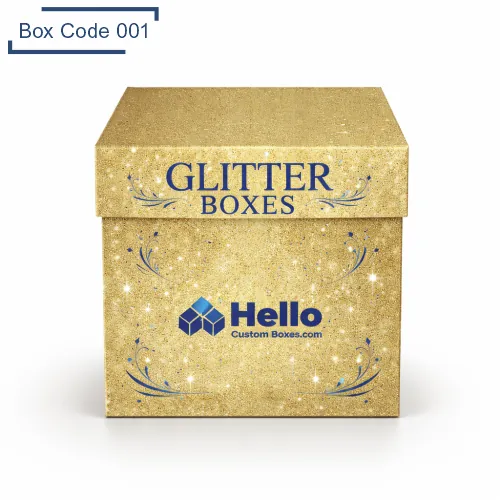
Custom Glitter Boxes
Some packaging quietly holds a product. Other packaging gets noticed before the...
Metalized Packaging, usually picked when a standard board finish just doesn’t give the same impact. It adds that reflective layer without compromising the box structure underneath, so packs still hold up during handling and storage. Often used where shelf presence matters, but the packaging still needs to work in real packing and shipping conditions.
Some packaging quietly holds a product. Other packaging gets noticed before the...
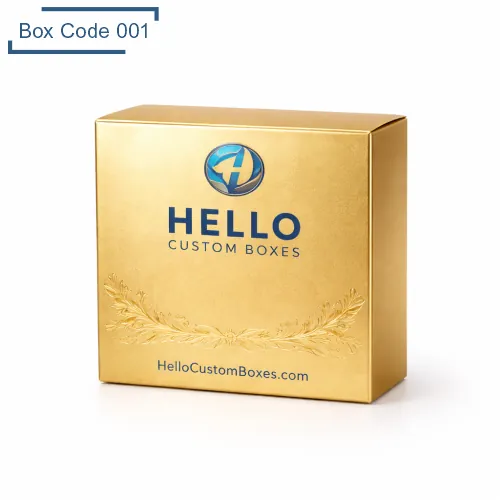
Some packaging quietly protects a product. Other packaging shapes the first impression....
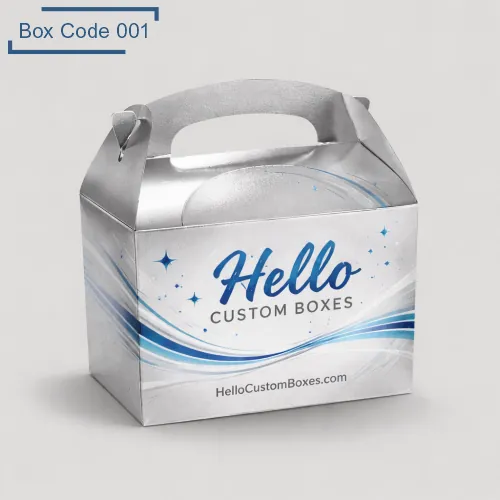
Packaging sometimes needs more than color or print. Some products require a...
Choose production-grade materials, print methods, ink systems, finishing, and add-ons engineered for retail, wholesale, and B2B packaging programs.
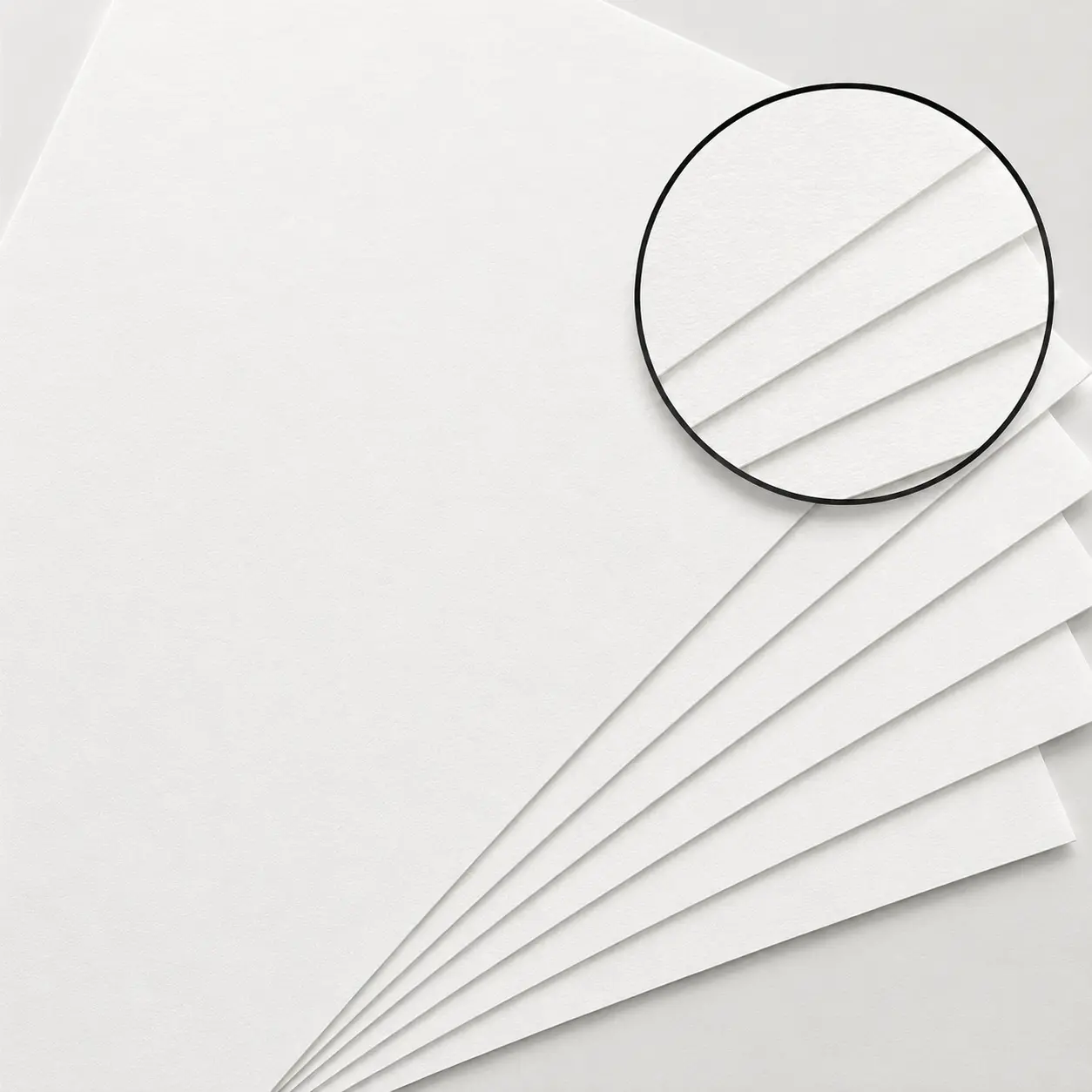
Premium bleached substrate engineered for retail-ready packaging with sharp, high-resolution print performance across bulk SKUs.
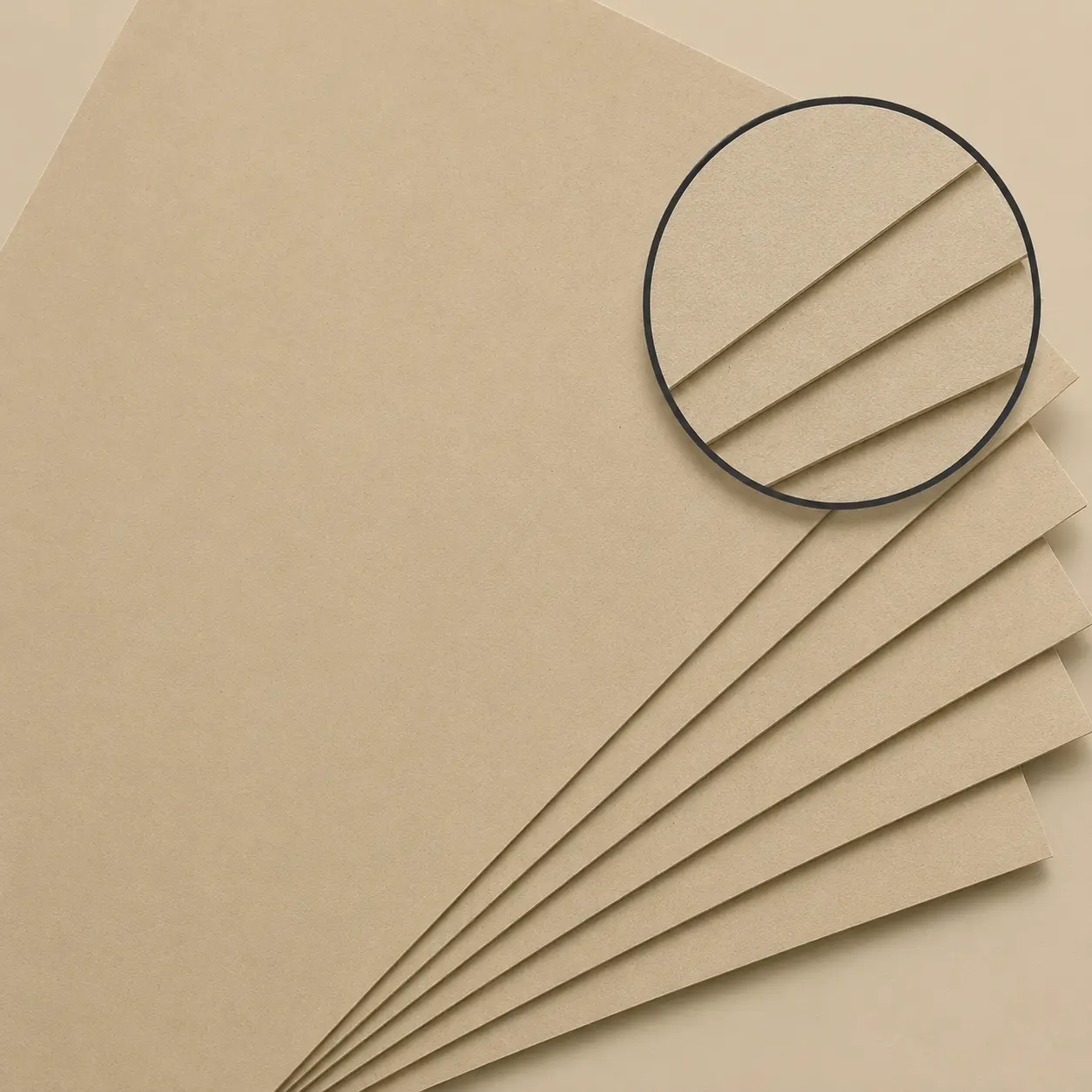
High-density rigid board built for wholesale cartons, structural strength, and stack-ready warehouse logistics.
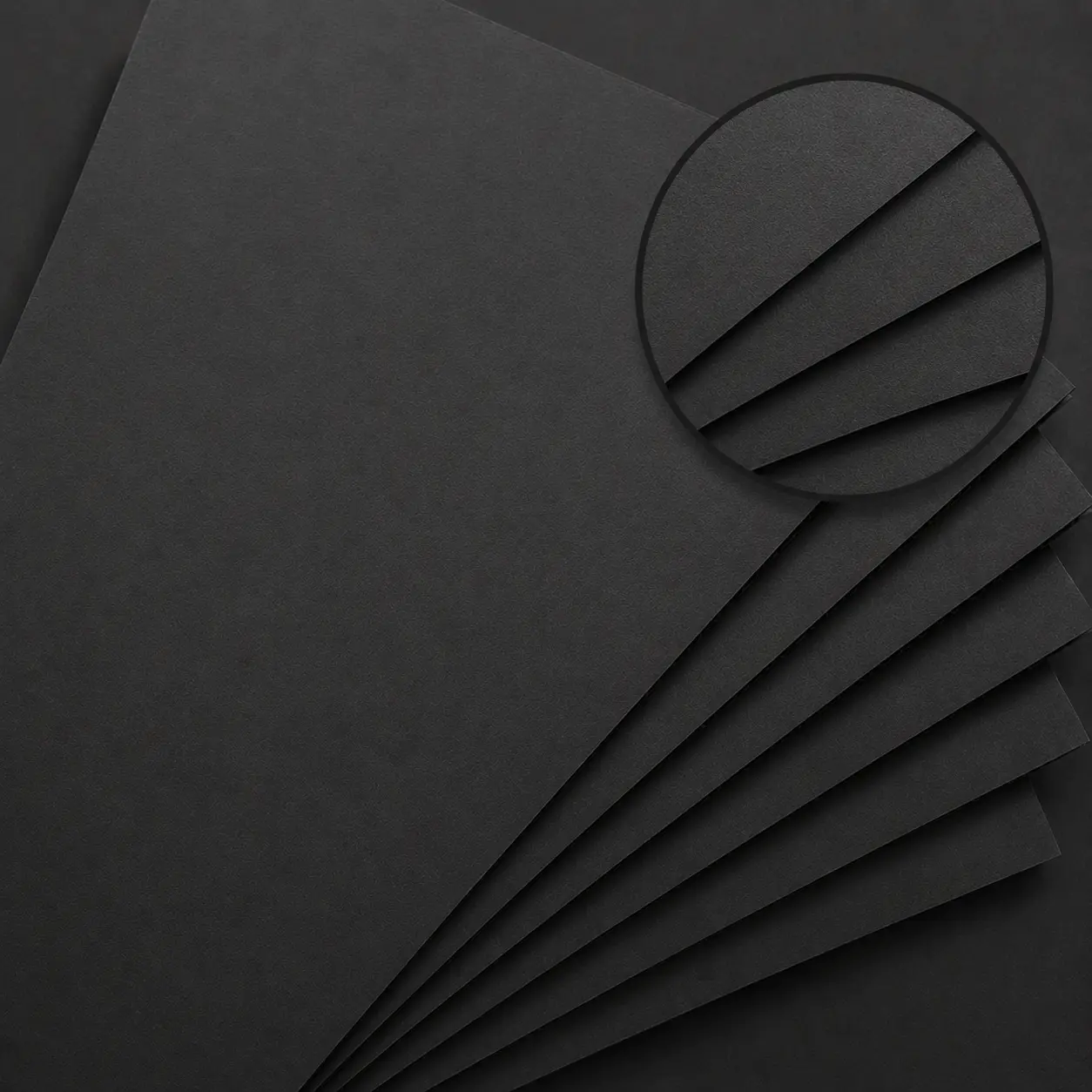
Eco-conscious black kraft for premium unboxing programs, corporate gifting, and limited-edition product lines.
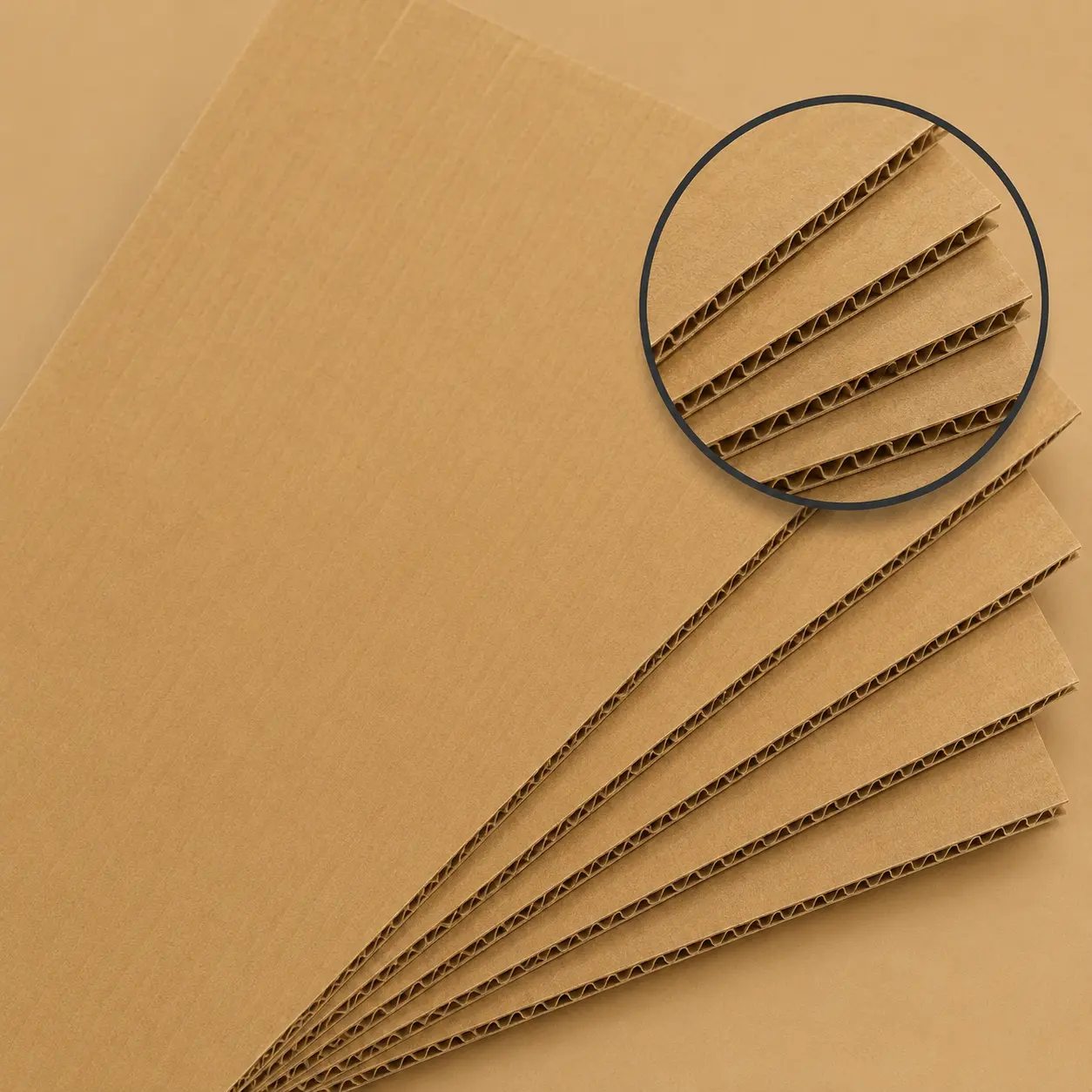
Multi-flute corrugated board built for protective shipping, e-commerce dispatch, and high-volume B2B fulfillment.
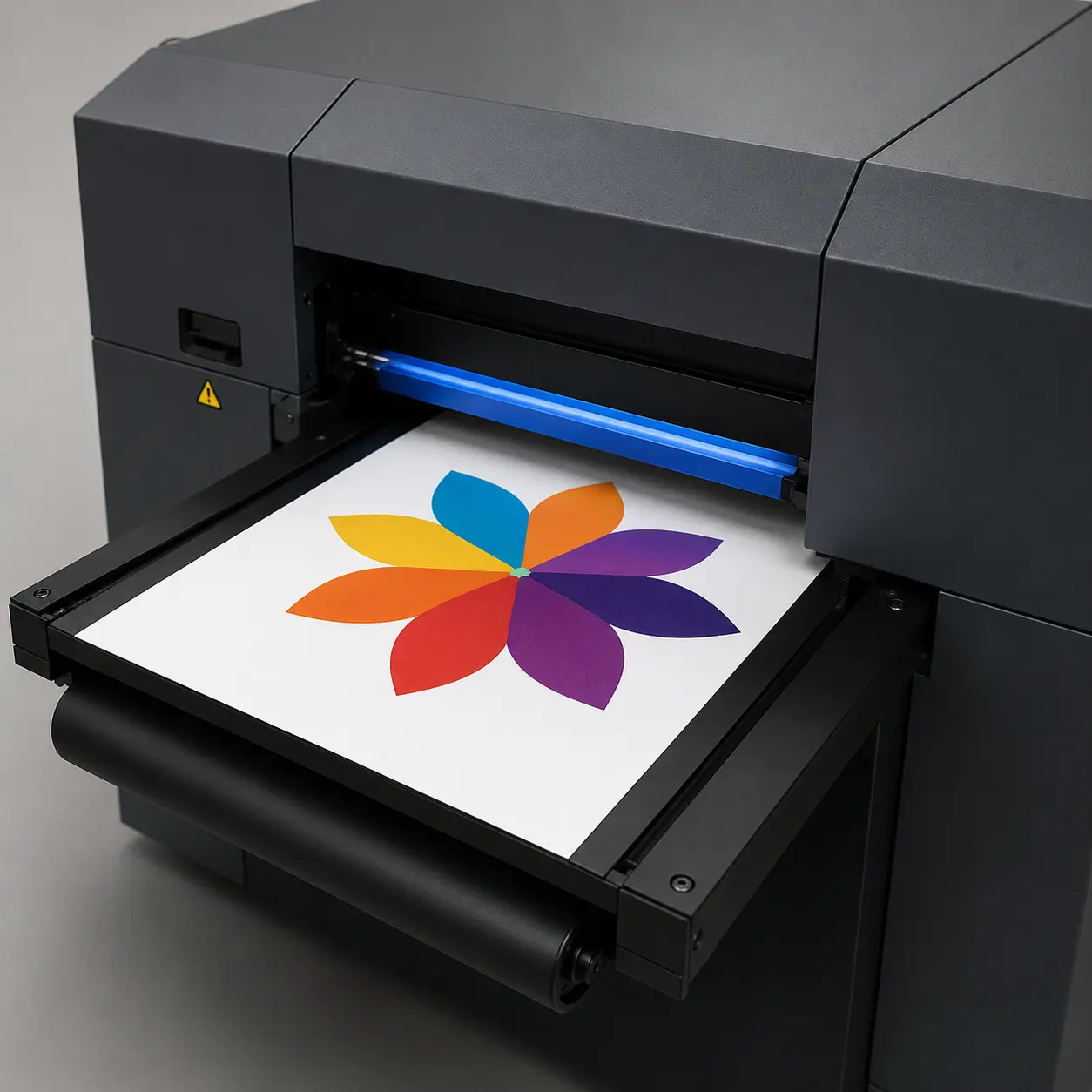
Short-run digital printing with no plate setup — ideal for prototypes, sample approvals, and quick reorders.
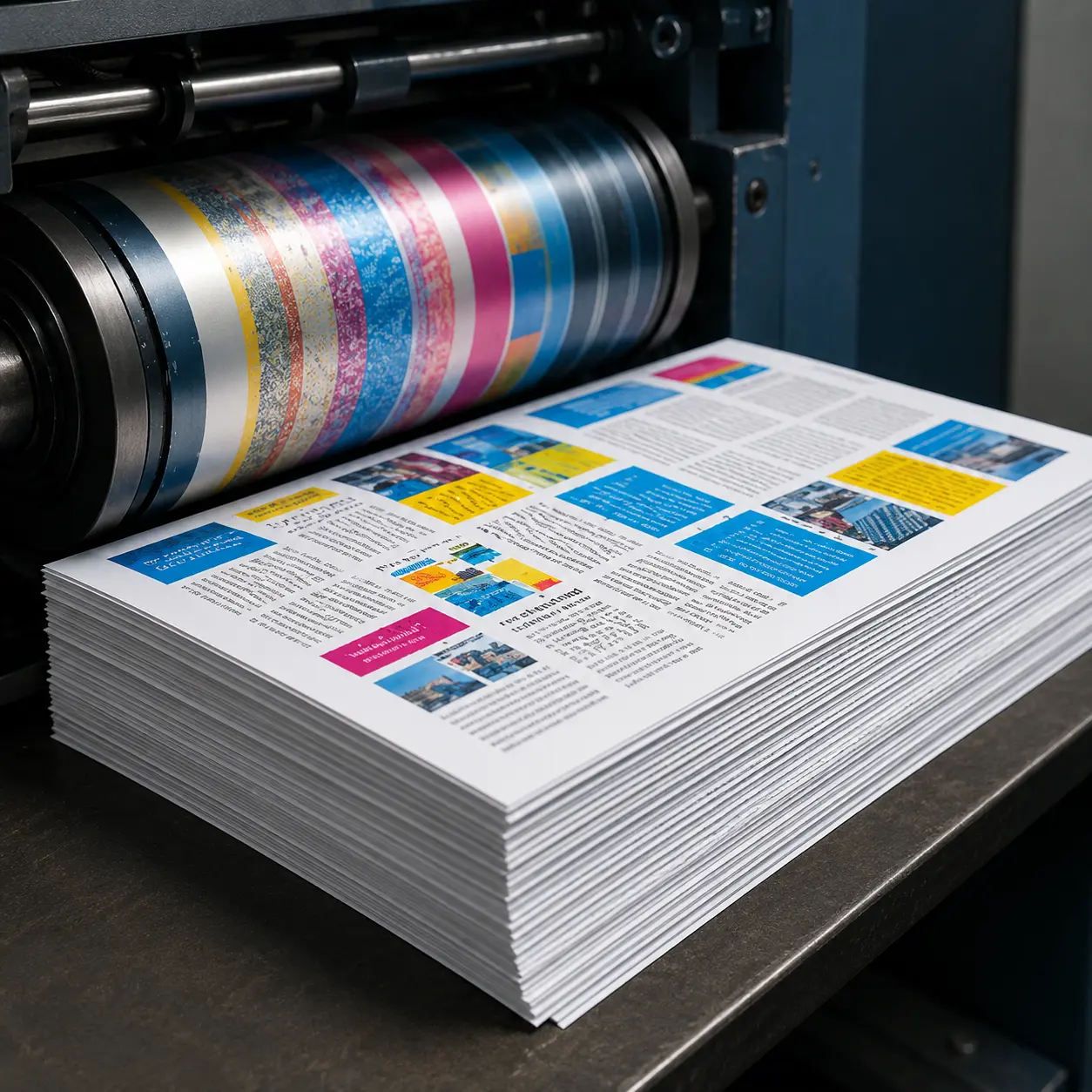
Industry-standard offset printing for high-volume runs with consistent color matching across bulk production.

Selective dimensional embellishment for premium B2B branding, tactile depth, and shelf differentiation.

Vibrant UV-cured printing suited for promotional packaging, event giveaways, and trade-show units.
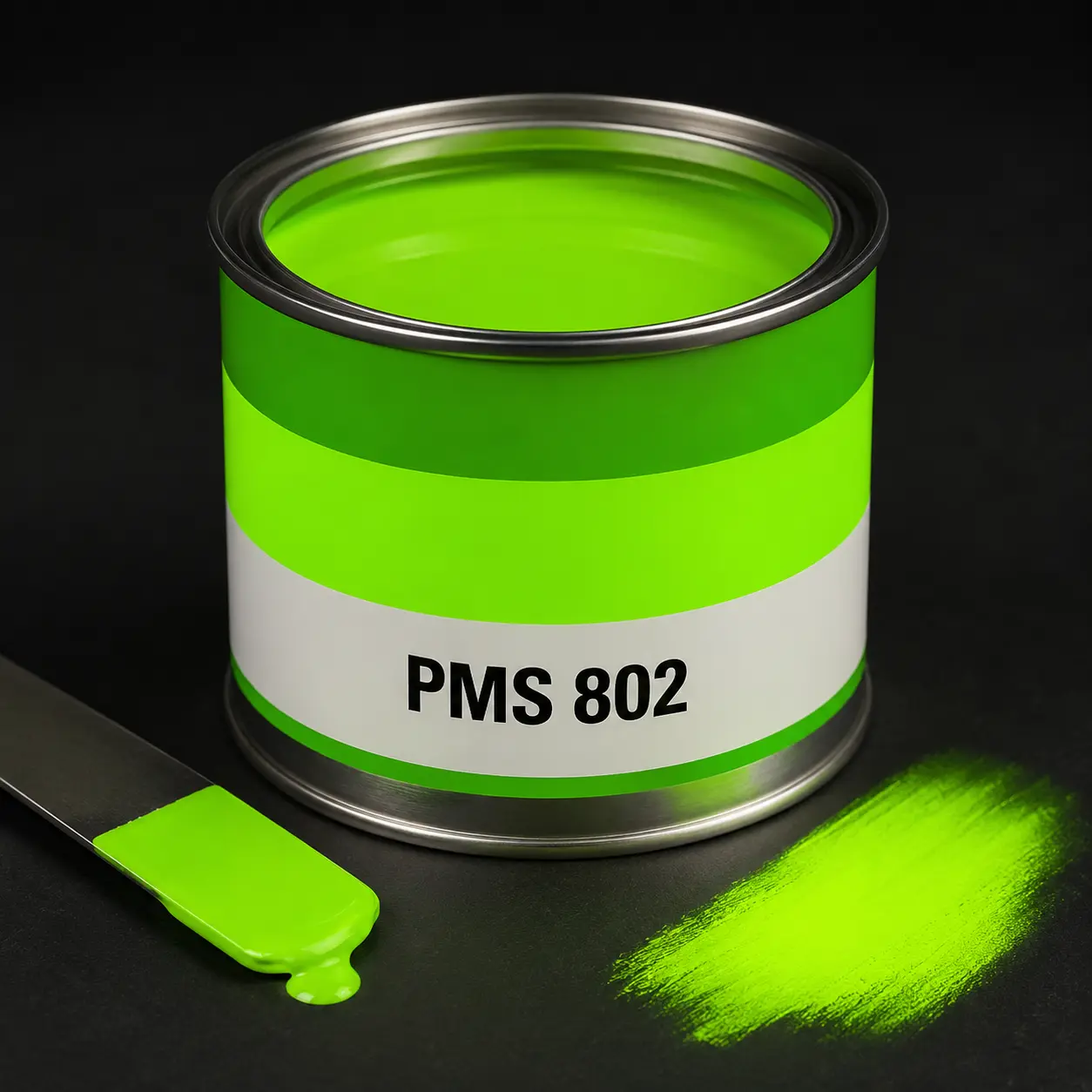
High-visibility ink system engineered for shelf impact, retail displays, and wholesale point-of-sale units.
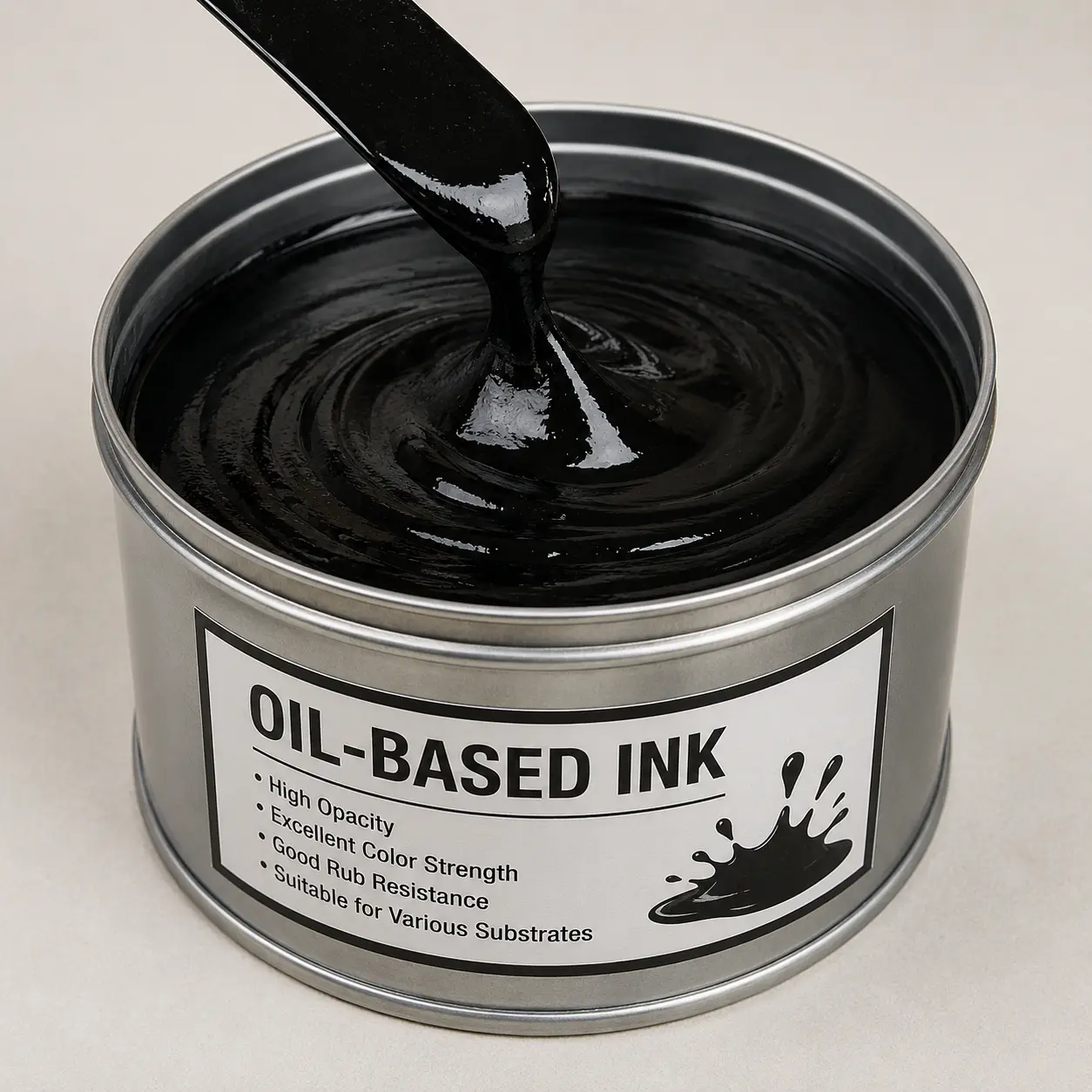
Industry-grade ink for durable, scuff-resistant production runs across long-haul distribution.

Spot-color matching to corporate brand standards — consistent identity across every SKU and reorder.

Sustainable plant-based ink for eco-certified packaging programs and ESG-aligned product launches.

Protective film extends shelf life and protects packaging during shipping and warehouse handling.

Water-based protective seal — fast-drying, food-safe-friendly finish for high-volume bulk production.

Premium tactile finish that elevates corporate gifting boxes and high-end B2B product lines.

Highlight logos and key artwork with selective gloss for maximum retail brand recognition.

Raised brand marks for tactile, premium identity on retail shelves and corporate packaging.

Pressed impressions for subtle, sophisticated branding on premium B2B product lines.

Metallic foil application — gold, silver, and custom finishes for luxury wholesale packaging.
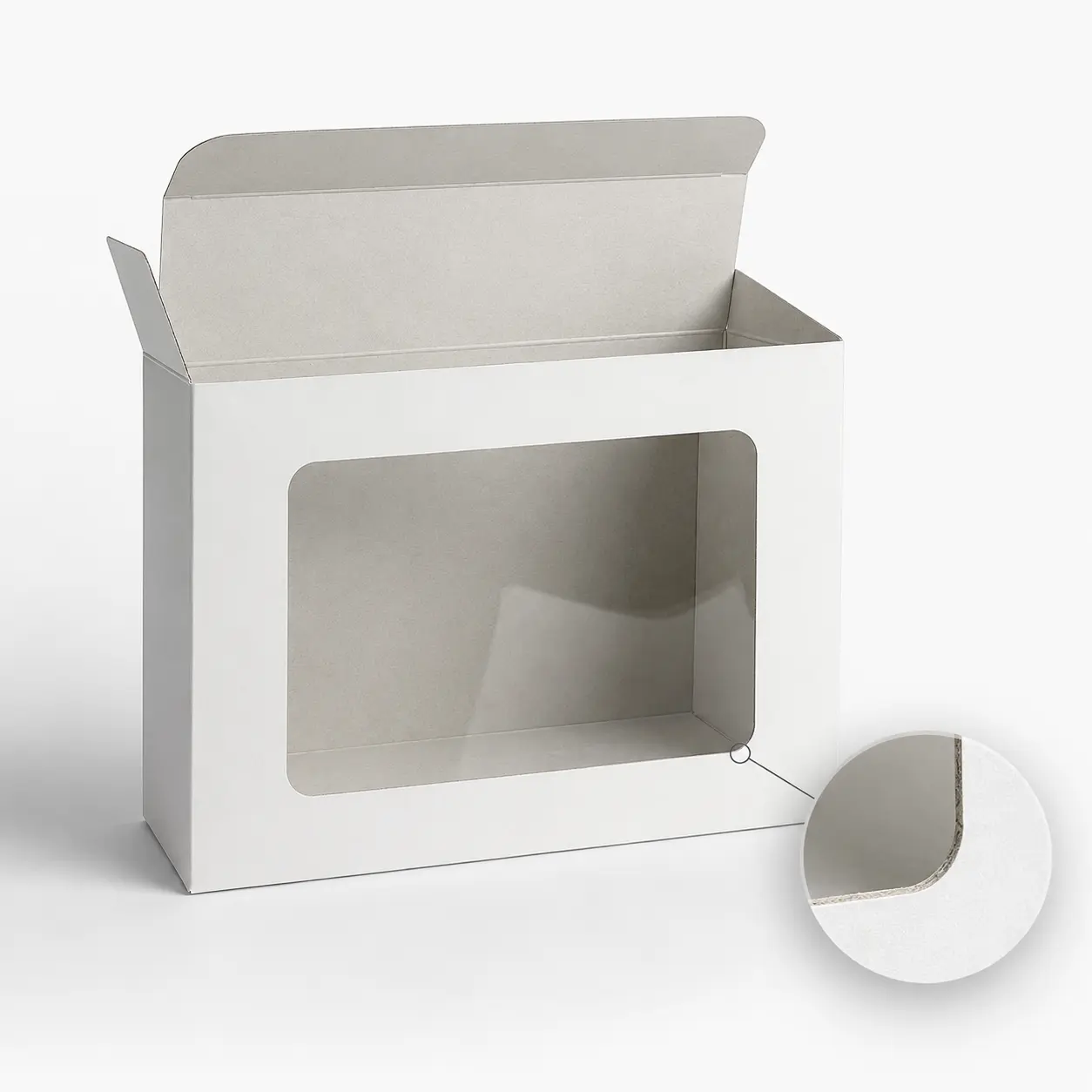
Precision die-cut openings that let customers view the product inside, with optional clear patching for better protection and presentation.
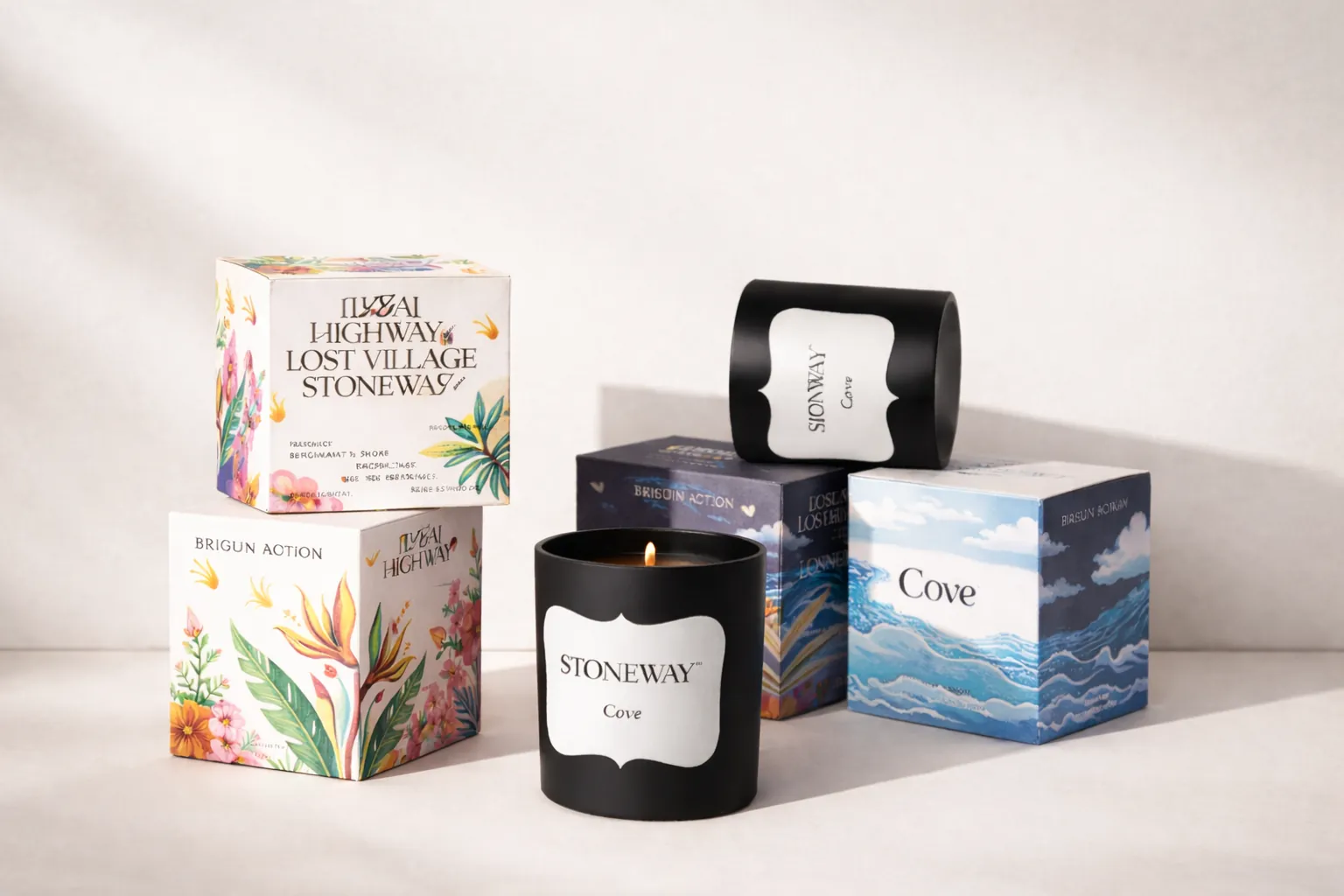
Metalized packaging uses a reflective surface to create silver, gold, or other metallic effects across part or all of a box. The material can be used with folding cartons, rigid boxes, sleeves, displays, and other structures, but the finish needs to work with the artwork and product inside. With custom metalized packaging boxes, print coverage, folds, surface protection, and box construction should be considered before production rather than treating the metallic effect as a final decoration.
Not every metallic-looking box is produced in the same way.
A broad reflective surface may come from metalized paper or board, a laminated material, or a wrapped construction depending on the box style and required finish. Foil stamping works differently because it normally places the metallic effect on selected artwork rather than across the complete surface.
This distinction affects more than appearance. It can influence artwork preparation, folding, finishing, and how much of the original board remains visible.
If the intention is a metallic logo on an otherwise conventional carton, selective foil may be enough. When larger panels need a continuous reflective appearance, a metalized surface may be more appropriate.
Metalized material gives printed artwork a different starting background from white paperboard.
Where the reflective base remains visible beneath printed areas, colors can take on a metallic character. Other parts of the artwork may need a more controlled background when accurate color, fine copy, or strong contrast matters.
This is particularly relevant to ingredients, instructions, barcodes, and small typography. These elements have a practical job and should not become difficult to read because of the surface underneath them.
For custom metallic boxes, artwork should identify which areas are meant to show the reflective material and which need greater print control. Planning this before production is easier than trying to correct an overly active design afterwards.
Using a metalized material does not mean every panel needs to look reflective.
A cosmetic carton might use the metallic surface across the front while keeping information-heavy side panels quieter. Gift packaging may concentrate the effect on the lid or sleeve. On another project, a small foil detail may provide enough contrast without covering the full box.
Heavy print coverage over metalized board can hide much of the material that was selected in the first place. Too little control can create the opposite problem, with graphics and copy competing against the reflective background.
The amount left visible should come from the artwork and viewing conditions rather than from the assumption that more metallic surface is always better.
A flat sheet can look excellent before it becomes a box. The folds are where the material starts doing real work.
Score lines, corners, tuck flaps, and other moving areas need to suit the board and surface construction. A finish crossing these areas has to tolerate the way the carton will be folded during assembly and packing.
This becomes particularly important on folding cartons with several closure points or small panels. Rigid boxes behave differently because their metallic paper may be wrapped around a thicker board rather than repeatedly folded like a carton.
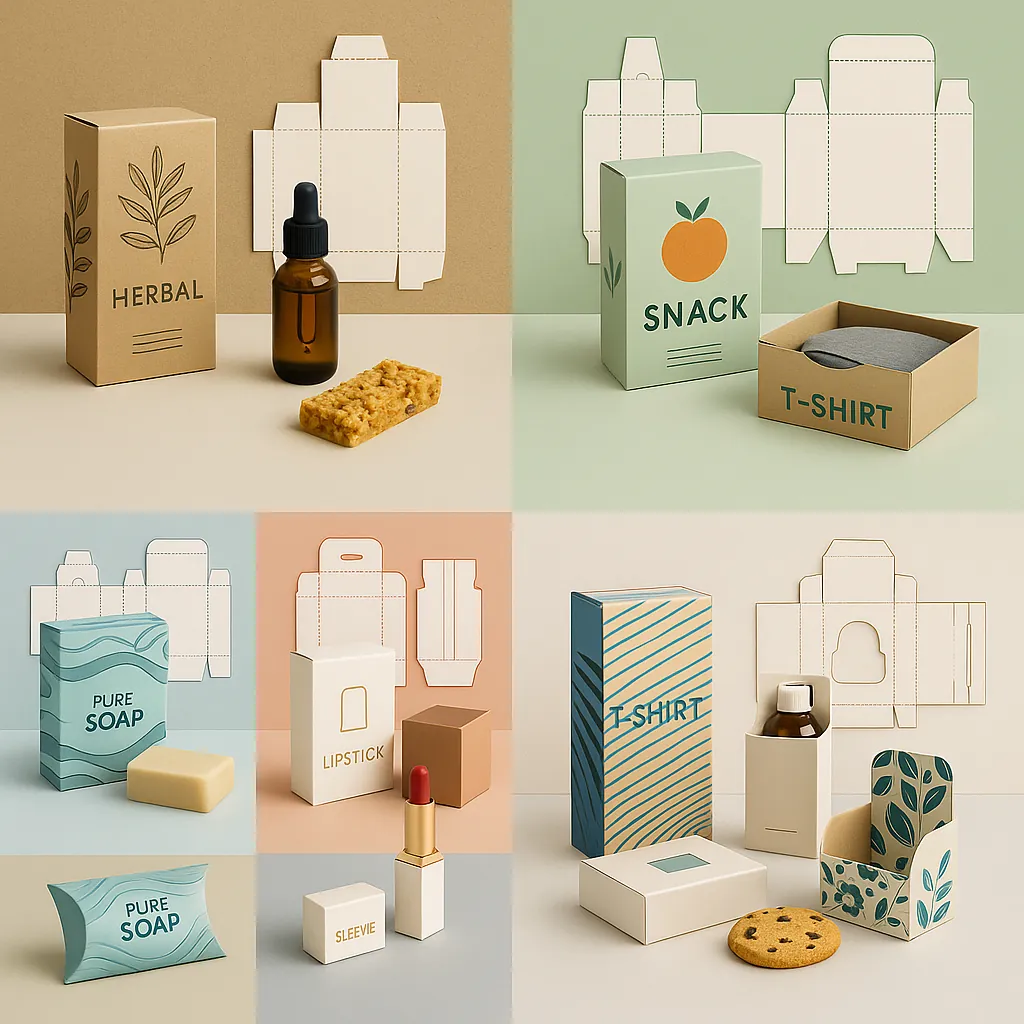
The structure and surface treatment should therefore be considered together when the dieline is prepared.
A metallic finish cannot compensate for the wrong construction.
Lightweight cosmetics may work in folding cartons, while glass bottles can need closer internal control. Gift sets may require dividers, and heavier products can call for a stronger base or different board construction.
A product that moves excessively does not always need a thicker outer box. Sometimes the better answer is a closer fit or support in the area where movement occurs.
The same applies to metalized packaging boxes used for retail and shipping. Dimensions, weight, fragility, and handling conditions establish what the box needs to do before its exterior finish is considered.
These finishes are often grouped together because they all interact with light, but they produce different results.
Metalized material can provide a continuous reflective appearance across larger areas of the box.
Foil stamping is generally used on selected artwork such as logos, borders, names, or patterns.
Holographic material creates a more noticeable change in color or pattern as the viewing angle moves.
The right choice depends on how much of the box needs the effect. A restrained metallic logo calls for a different process from an all-over silver carton or a box where the changing holographic pattern is central to the artwork.
Knowing that distinction early can simplify both material selection and artwork preparation.
Metalized packaging may look clean when it comes off the production line, but that is not the only condition worth checking.
Retail cartons are handled during packing, case packing, shelf stocking, and customer inspection. Mailers and shipped gift boxes face rubbing and movement during delivery. Some surfaces can show handling marks more readily than others.
Where this is likely to matter, the finishing specification can be reviewed for the intended use. Coatings or laminations may be considered where appropriate, but they can also change the appearance and feel of the underlying metallic surface.
The useful question is not simply which finish looks best on a sample. It is how that finish should look after the box has been packed and handled.
The same metallic treatment will not have the same effect on every structure.
Folding cartons provide several connected panels, scores, and closing flaps. Rigid boxes offer larger presentation surfaces and can use wrapped constructions. Sleeves have fewer structural interruptions, while displays combine horizontal and upright surfaces that meet store lighting from different angles.
That affects where the reflective material is most useful.
A metallic sleeve can create contrast around a plain inner box. A rigid lid gives the finish a broad uninterrupted area. On a counter display, the header may catch considerably more overhead light than the tray below it.
Choosing the box style first makes it easier to decide where the metallic treatment belongs.
Metalized packaging can be used around confectionery, gift foods, beverages, and other food products, but suitability depends on how the food is contained.
Where the product is already sealed inside a pouch, wrapper, tray, or another primary container, the metalized box may serve as secondary packaging. Direct food contact needs a different review.
In that case, the complete specification may involve the board, metallic surface construction, inks, coatings, adhesives, and any required barriers.
The visual finish should not be used as evidence that a material is suitable for a particular food application. Contact conditions and the intended use need to establish that first.
A metallic-looking paper box may contain more than the paper fibers visible at an exposed edge.
The reflective appearance can involve additional layers or treatments depending on the material and production method. Laminations, coatings, windows, adhesives, magnets, ribbons, and internal components can add further materials to the finished construction.
This is particularly relevant when recyclability or other environmental requirements form part of the brief.
Rather than assuming a metallic carton has certain environmental properties, the complete specification should be reviewed. Material choices can then be considered alongside the structural and visual requirements of the project.
Metallic surfaces react to the light around them, which makes a digital proof useful for some checks and limited for others.
Artwork position, copy, and general layout can be reviewed digitally. A physical sample allows the assembled structure, actual surface, folds, and product fit to be seen together.
It can also reveal practical issues that are difficult to judge from a flat file: a reflective area may dominate more than expected, a fold may interrupt an important graphic, or the product may sit differently once the box is assembled.
For a new material or structure, checking these details before the full production quantity reduces the risk of repeating the same issue across every box.
Start with the product in the condition in which it will be packed. Measurements should include caps, pumps, lids, inner containers, or other parts that change the finished size.
It also helps to provide:
Hello Custom Boxes can use these details to work through the structure, material, print, and metallic finish as one specification rather than treating each part separately.
Whether you need sleek retail boxes, protective mailers, or eco-friendly designs, we build everything to your specs. From material and style to dimensions and print details, every box starts with your vision.
No design? No problem. Upload your logo or sketches and our team will help bring your box to life with a complimentary digital mockup.

| # | Date | Days | Holidays | Offer |
|---|---|---|---|---|
| 1 | Wednesday, Jan 1, 2026 | Wednesday | New Year's Day | Up To 40% Off |
| 2 | Monday, Jan 20, 2026 | Monday | Martin Luther King Jr. Day | Up To 40% Off |
| 3 | Monday, Feb 17, 2026 | Monday | Presidents' Day | Up To 40% Off |
| 4 | Monday, May 26, 2026 | Monday | Memorial Day | Up To 40% Off |
| 5 | Thursday, Jun 19, 2026 | Thursday | Juneteenth | Up To 40% Off |
| 6 | Friday, Jul 4, 2026 | Friday | Independence Day | Up To 40% Off |
| 7 | Monday, Sep 1, 2026 | Monday | Labor Day | Up To 40% Off |
| 8 | Monday, Oct 13, 2026 | Monday | Columbus Day | Up To 40% Off |
| 9 | Tuesday, Nov 11, 2026 | Tuesday | Veterans Day | Up To 40% Off |
| 10 | Thursday, Nov 27, 2026 | Thursday | Thanksgiving Day | Up To 40% Off |
| 11 | Thursday, Dec 25, 2026 | Thursday | Christmas Day | Up To 40% Off |
Browse more product categories to discover a wide range of options tailored to your needs.