
Custom Bandage Boxes
Custom bandage boxes are designed to protect sterile bandages from moisture, dust,...
Custom pharmaceutical packaging boxes are made around the primary pack, whether the carton holds blister cards, medicine bottles, vials, tubes, or related healthcare products. Box size, board, printed information, leaflets, coding areas, and internal support can be planned around the packed product and how it will be handled. Hello Custom Boxes supplies custom printed pharmaceutical cartons for healthcare, OTC, supplement, and related product ranges across the USA, including wholesale orders.
Custom bandage boxes are designed to protect sterile bandages from moisture, dust,...

Capsules may be small, but they move easily if the box doesn’t...

Custom contact lenses boxes are used to protect delicate lens packs during...

Custom dental boxes are used to package dental products and instruments that...
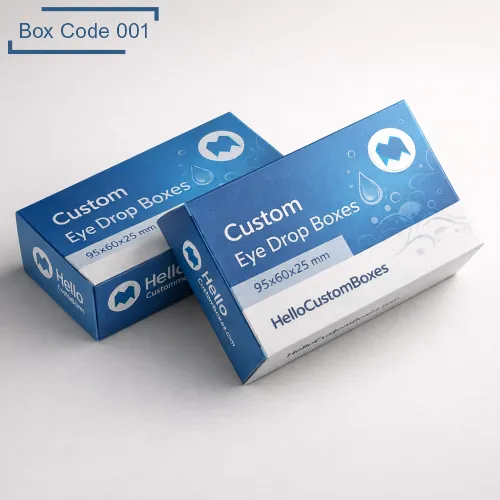
Custom eye drop boxes are used to protect small liquid bottles during...
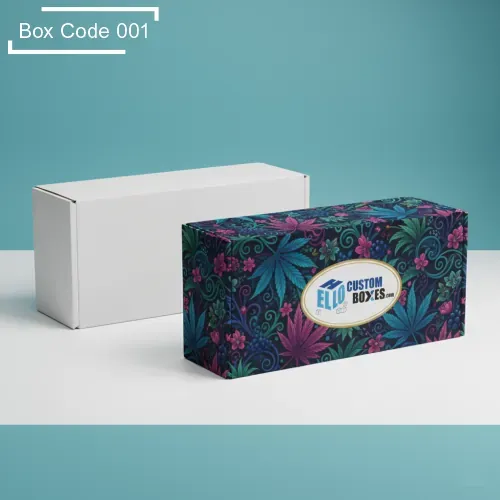
Keep every mask sale-ready with sturdy, custom printed face mask boxes from...
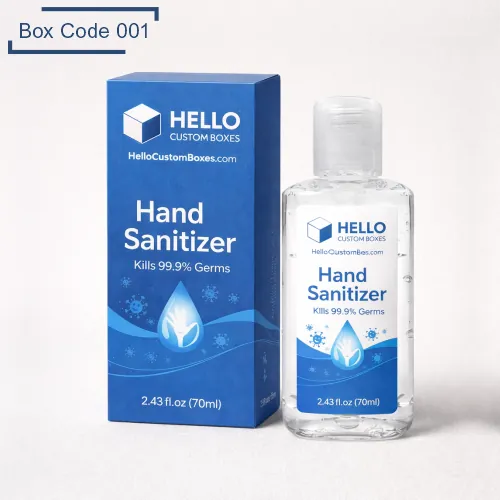
Custom hand sanitizer boxes are used to protect bottles and sachets during...
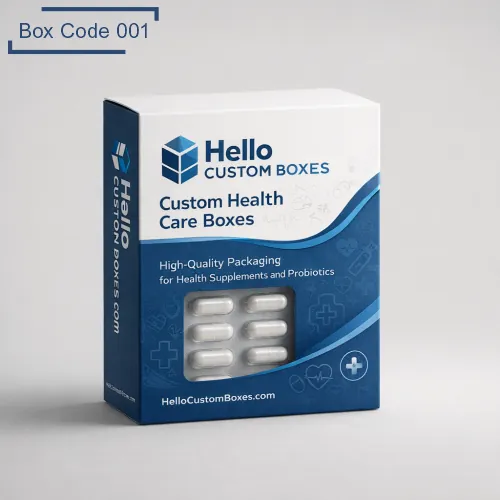
Custom health care boxes are used to package medical and wellness products...
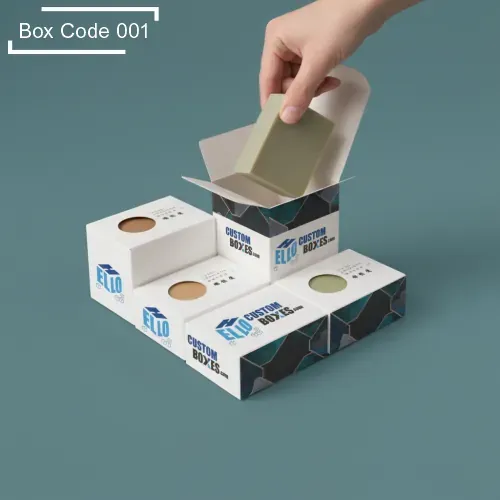
Herbal product packaging from Hello Custom Boxes keeps teas, tinctures, oils, and...
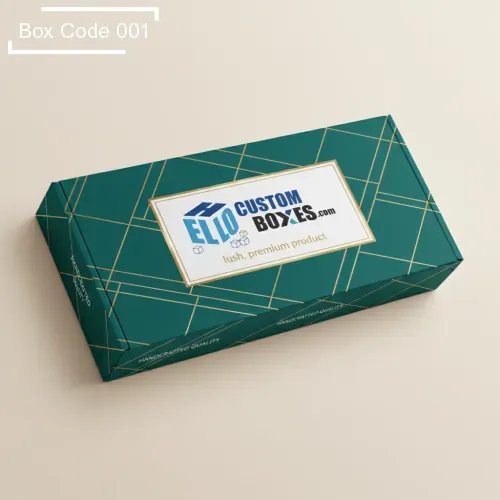
Pharma gel packaging boxes from Hello Custom Boxes are made for pharmaceutical...

Pharmaceutical patches are easy to damage if they don’t stay flat. When...
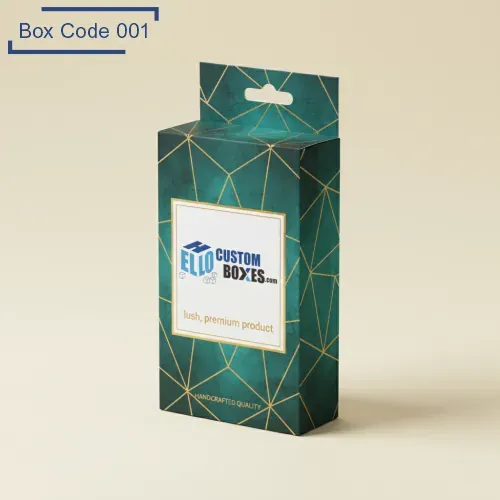
Custom pill boxes from Hello Custom Boxes aren’t just packaging—they’re a safeguard...
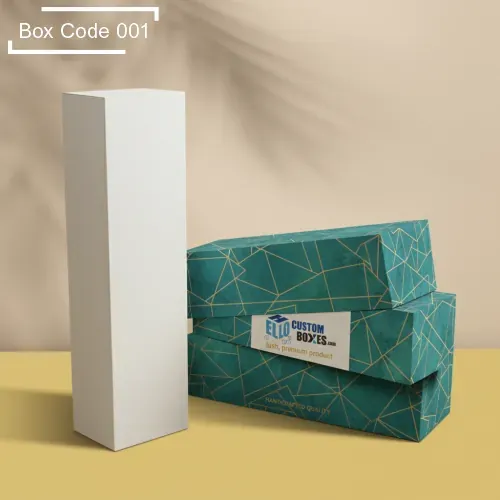
Custom Scar Gel Boxes protect delicate skincare products while giving your brand...
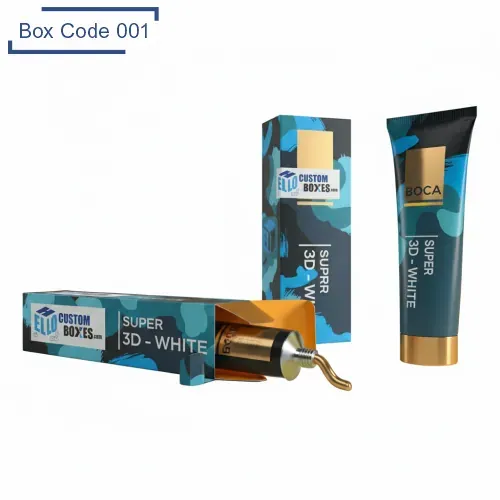
Custom toothpaste boxes from Hello Custom Boxes USA combine retail appeal with...

Test kit packaging boxes are used to protect diagnostic components during storage,...
Choose production-grade materials, print methods, ink systems, finishing, and add-ons engineered for retail, wholesale, and B2B packaging programs.
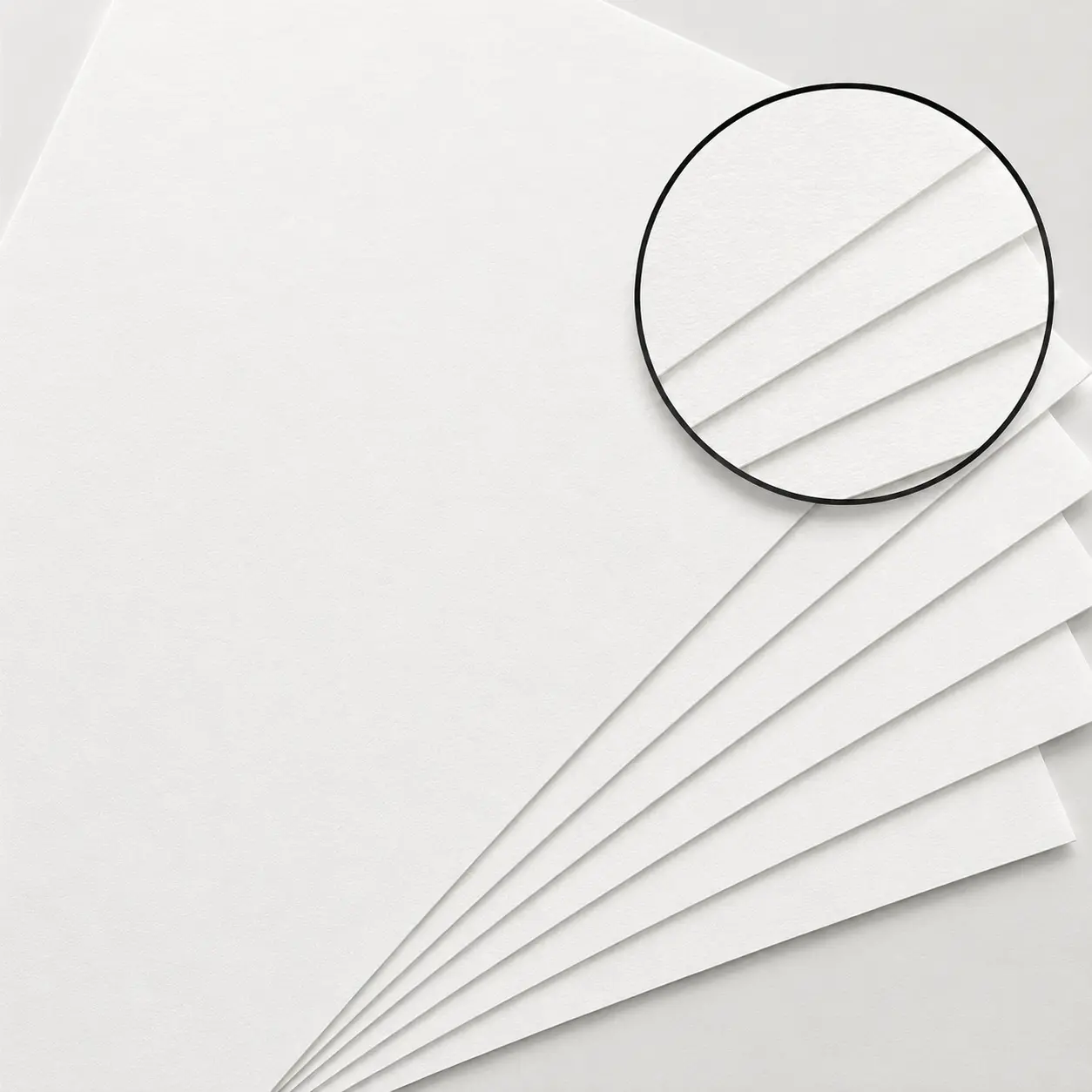
Premium bleached substrate engineered for retail-ready packaging with sharp, high-resolution print performance across bulk SKUs.

High-density rigid board built for wholesale cartons, structural strength, and stack-ready warehouse logistics.

Eco-conscious black kraft for premium unboxing programs, corporate gifting, and limited-edition product lines.
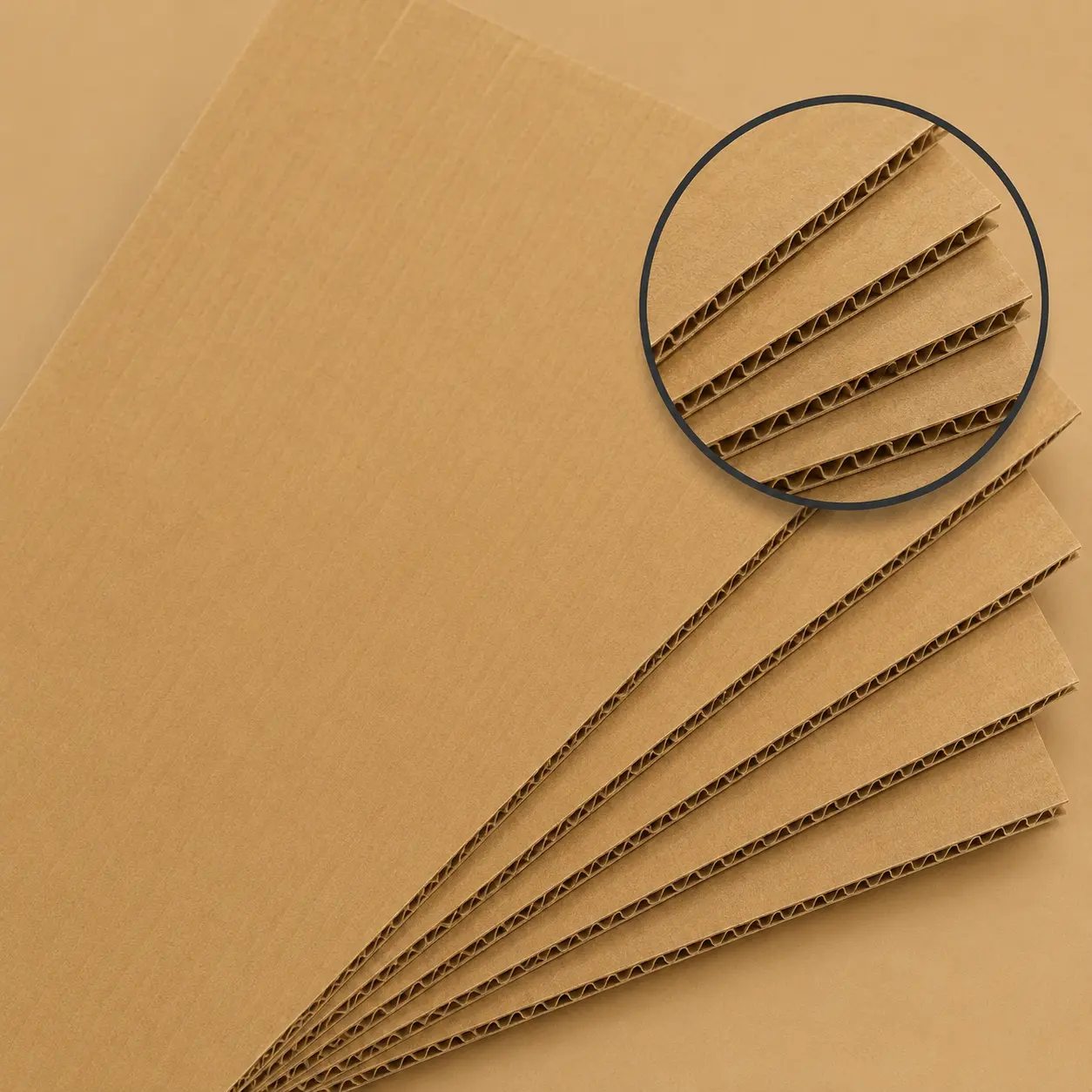
Multi-flute corrugated board built for protective shipping, e-commerce dispatch, and high-volume B2B fulfillment.
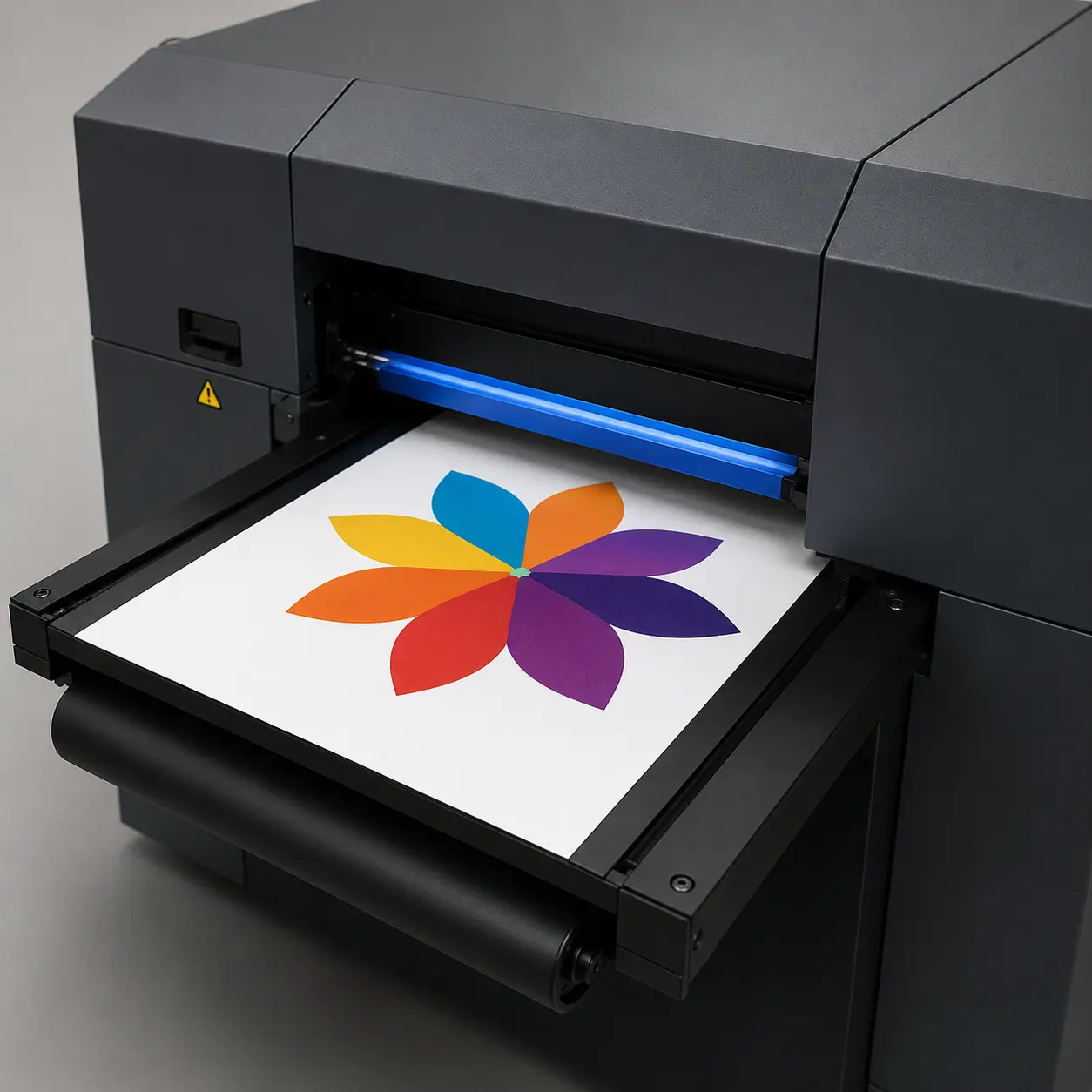
Short-run digital printing with no plate setup — ideal for prototypes, sample approvals, and quick reorders.
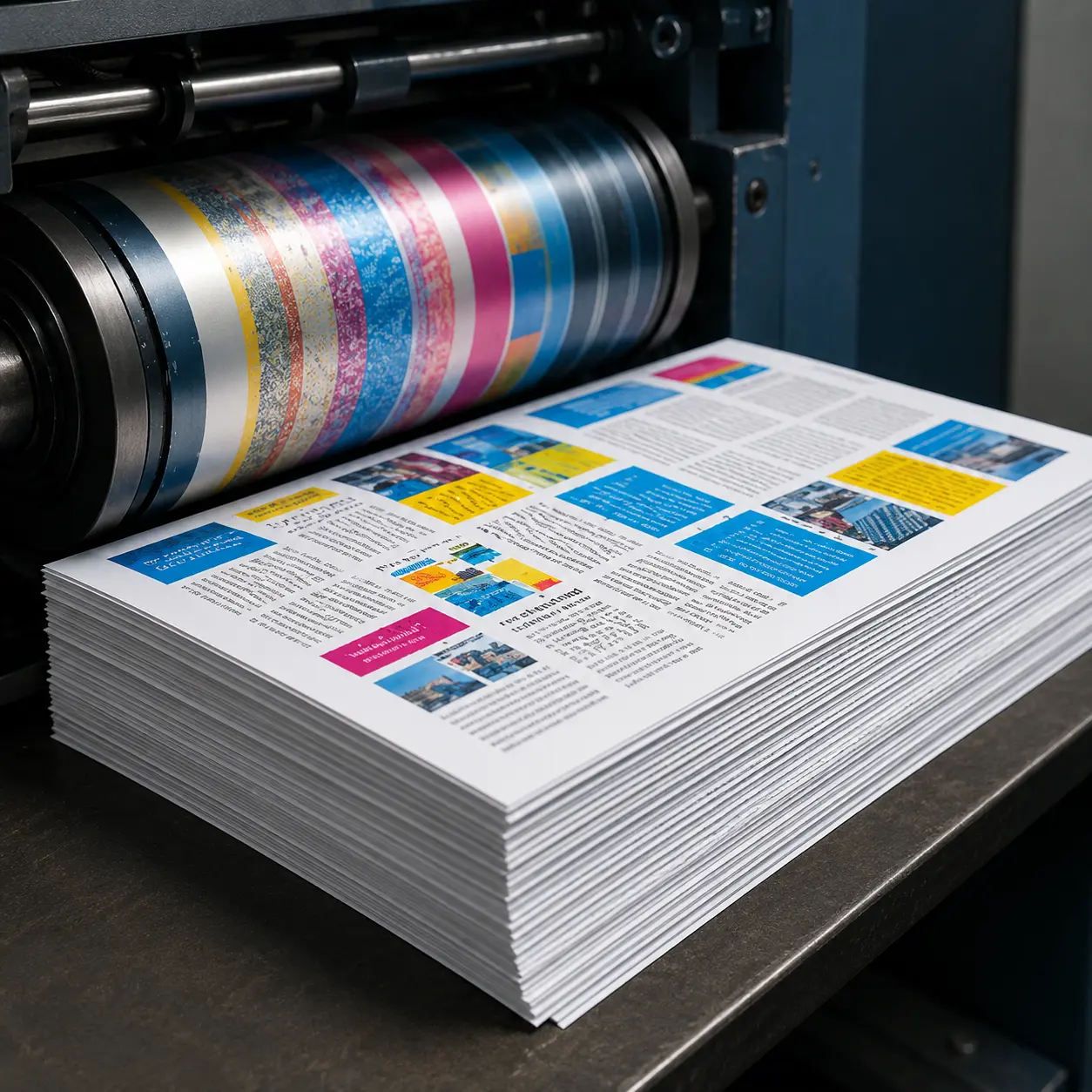
Industry-standard offset printing for high-volume runs with consistent color matching across bulk production.

Selective dimensional embellishment for premium B2B branding, tactile depth, and shelf differentiation.

Vibrant UV-cured printing suited for promotional packaging, event giveaways, and trade-show units.
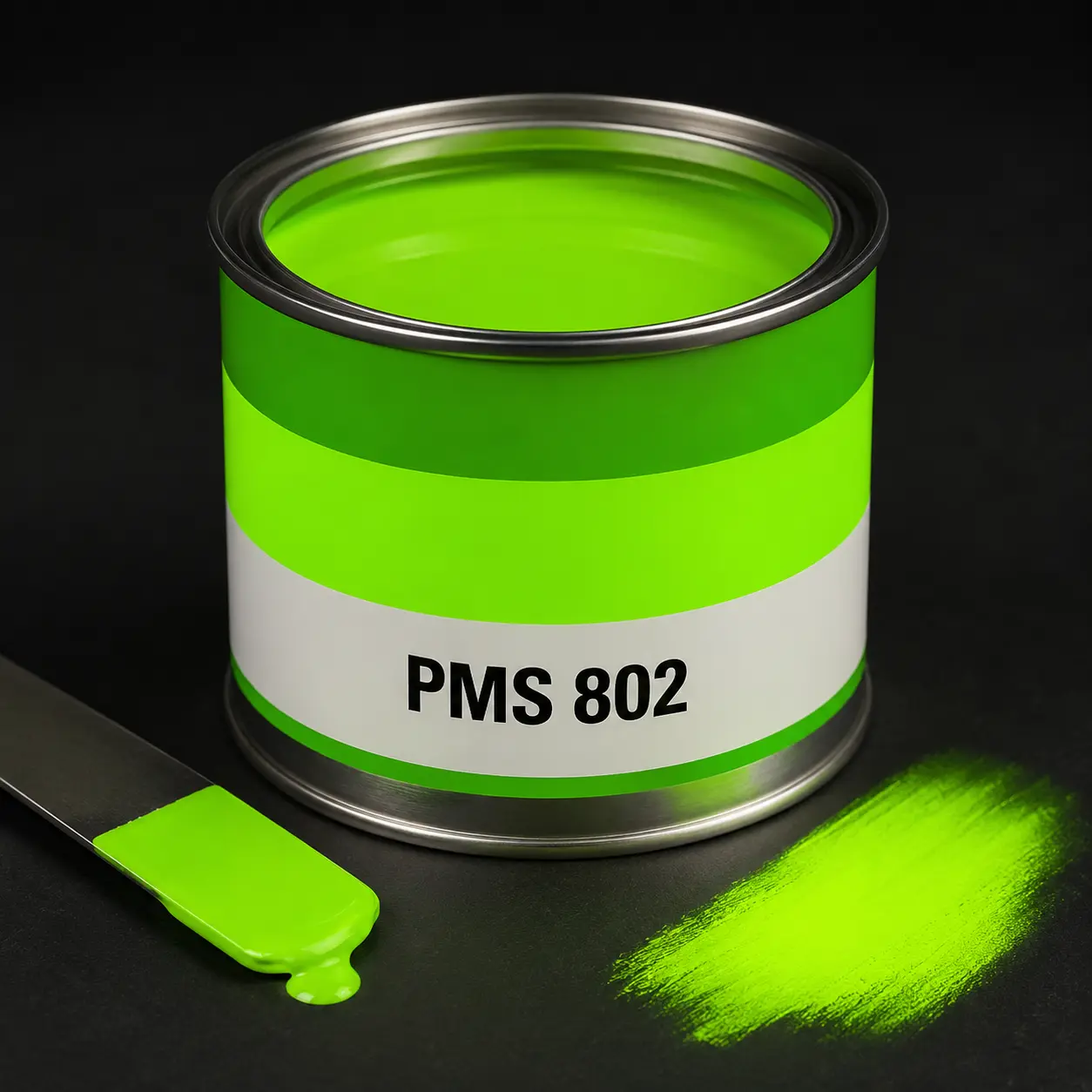
High-visibility ink system engineered for shelf impact, retail displays, and wholesale point-of-sale units.
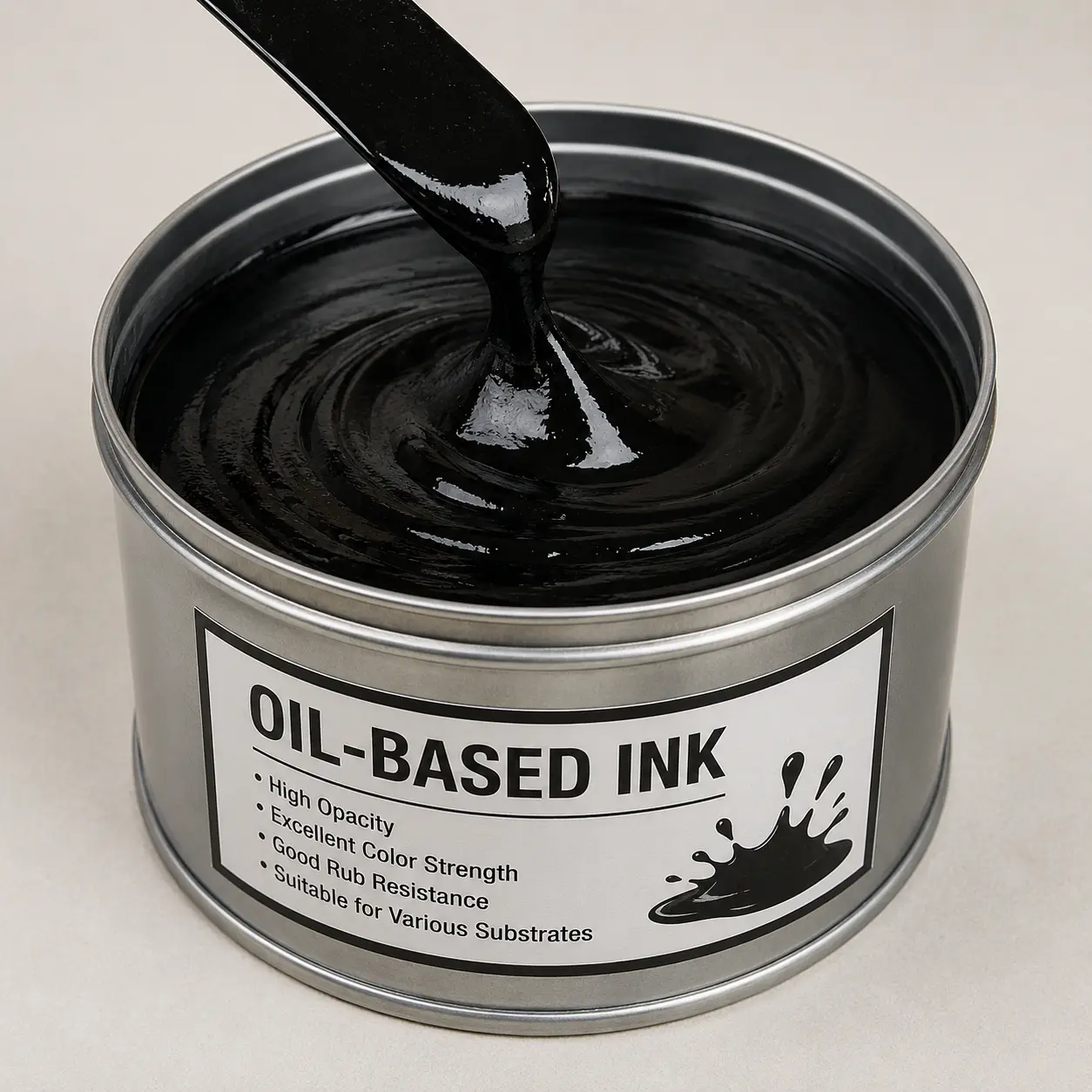
Industry-grade ink for durable, scuff-resistant production runs across long-haul distribution.

Spot-color matching to corporate brand standards — consistent identity across every SKU and reorder.

Sustainable plant-based ink for eco-certified packaging programs and ESG-aligned product launches.

Protective film extends shelf life and protects packaging during shipping and warehouse handling.

Water-based protective seal — fast-drying, food-safe-friendly finish for high-volume bulk production.

Premium tactile finish that elevates corporate gifting boxes and high-end B2B product lines.

Highlight logos and key artwork with selective gloss for maximum retail brand recognition.

Raised brand marks for tactile, premium identity on retail shelves and corporate packaging.

Pressed impressions for subtle, sophisticated branding on premium B2B product lines.

Metallic foil application — gold, silver, and custom finishes for luxury wholesale packaging.
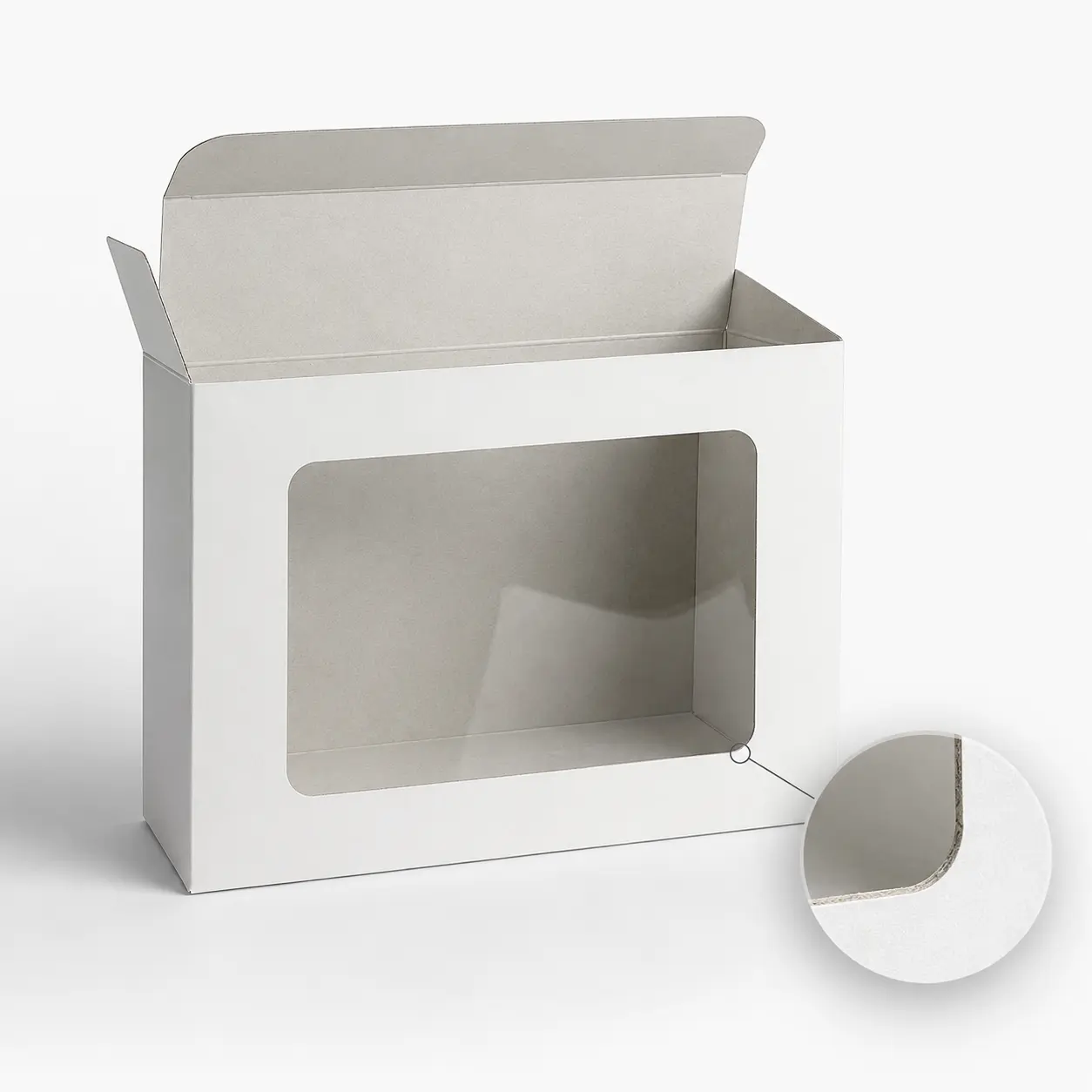
Precision die-cut openings that let customers view the product inside, with optional clear patching for better protection and presentation.
The box around a blister pack does not perform the same job as the blister itself. The same applies to a medicine bottle or vial that already contains the product before it enters a folding carton.
That distinction matters. The printed carton is generally the secondary package. It may keep primary packs together, carry printed information, provide room for a leaflet, or make the packed product easier to identify, store, and handle.
Start with the primary pack rather than choosing a box style first. Its finished dimensions, weight, shape, orientation, and number of units per carton give a more useful starting point for the structure.
Caps, pumps, droppers, folded leaflets, and other components should be included in those measurements. For an existing range, a current carton, sample, or dieline can also show what already works and what needs to change.
Blister cards are generally thin and flat. A carton holding several cards needs to account for their combined thickness, arrangement, and any folded leaflet packed alongside them.
Medicine bottles create different sizing points. Shoulders, caps, pumps, or droppers can make the widest part different from the main body. Measurements should therefore come from the complete primary pack rather than the container body alone.
Tubes have their own sizing issue. The cap and crimped end can change the packed dimensions, while cartons holding vials or several components may need a different internal arrangement again.
These details determine usable clearance. A little room can make packing easier, but unnecessary empty space may allow the contents to move more than intended. The aim is a carton developed around the actual packed configuration rather than a standard pharmaceutical box size.
Small medicine cartons can run out of printable space quickly.
Product identification, directions, warnings, ingredients or active information, manufacturer or distributor details, and other approved copy may need to share only a few panels. Folds, glue areas, and closing flaps reduce the usable space further.
The dieline should account for this before the artwork becomes crowded. Important information needs suitable space away from structural areas that could interfere with its presentation once the carton is folded and closed.
Leaflets need planning too. Their folded size should be included when the internal dimensions are established rather than treated as an extra component after the box has already been sized.
The exact information required depends on the product and applicable requirements. Once that content is established by the product owner, the carton can be structured around it without forcing branding and practical information to compete for the same space.
An insert should solve something.
If the primary pack already sits securely inside a correctly sized carton, adding another component may only increase material use, assembly steps, and cost.
Inserts become more useful when a carton holds a medicine bottle or vial that needs positioning, several components need to remain in a set arrangement, or excess internal space allows unwanted movement. Folded paperboard supports and partitions can then be developed around the areas that actually need control.
The insert also has to work during packing. A complicated construction may look effective as a single sample but become inconvenient when it has to be folded, loaded, and closed repeatedly.
Internal support should therefore follow the primary pack and packing method rather than being added automatically to every pharmaceutical box.
Storage requirements come from the product and its complete packaging system. A printed secondary carton does not set those conditions on its own.
A product kept under ordinary indoor storage gives the carton a different working environment from one moving through refrigerated distribution or another controlled setting. Temperature, moisture, light exposure, handling, and storage time may need consideration depending on the product.
Known conditions can influence decisions around board, coating, adhesive, and the wider packaging configuration. Where the unit carton will be packed into an outer corrugated shipping case, each packaging layer can be specified for the job it actually needs to perform.
If the product already has defined storage or distribution requirements, those details should be included in the packaging brief before materials are finalized.
Some information on a pharmaceutical carton changes from one production run to another.
Batch or lot numbers, expiration dates, barcodes, QR codes, and serialized identifiers may need dedicated areas where applicable. Coding across a fold, too close to an edge, or over a busy printed background can make variable information unnecessarily difficult to apply or read.
Reserve suitable space early. It gives changing information somewhere practical to go without disturbing the fixed artwork each time a new batch is produced.
Product families add another consideration. Cartons with the same dimensions may represent different strengths, counts, formulations, or variants. A shared structure can simplify the physical packaging where the products genuinely fit it, while separate artwork identifies each SKU.
Artwork versions still need to be controlled carefully. A product change such as a new closure, thicker leaflet, different count, or revised internal component should also trigger a carton-fit check rather than assuming the existing dieline will continue to work unchanged.
Tamper-evident and child-resistant packaging describe different things.
Tamper evidence is intended to provide an indication that a pack has been opened or interfered with. Child resistance involves separate requirements. A locking flap, tight tuck, or unusual opening should not automatically be described as child-resistant.
The terminology used for the finished package should match what the complete packaging system actually provides.
If either function is required, identify it before the carton structure is finalized. This allows the packaging specification to be considered around the actual requirement rather than applying a safety claim to an ordinary folding carton that was not developed for that purpose.
There is no single paperboard weight that works for every pharmaceutical carton.
A lightweight blister pack creates different structural demands from a carton holding a heavier medicine bottle or several components. Corrugated cases used for secondary shipping perform another job again.
Board choice should reflect the packed weight, carton dimensions, internal support, stacking, handling, and packing method. Using more board than the product needs is not automatically better, just as selecting a lightweight stock for a demanding pack can create avoidable problems.
Coatings and other surface treatments can then be considered around printing and handling requirements. Whatever specification is selected, important product information still needs to remain clear and usable on the finished carton.
One sample can hide problems that become obvious on a busy packing line.
A tight tuck flap may seem minor when one box is being assembled. Repeat the same action across hundreds of cartons and it can slow packing. The same applies to inserts with too many folds or components that need careful positioning every time.
The intended packing method should be considered before the structure is approved. Manually loaded cartons may have different practical requirements from boxes intended to work with existing packing equipment.
For wholesale pharmaceutical packaging orders, flat delivery, assembly time, internal clearance, and the number of components per carton can all affect what makes sense in regular production.
A straightforward construction that packs consistently is often more useful than adding structural details that serve no clear purpose.
You do not need every packaging detail finalized before requesting a quote.
Start with the primary-pack dimensions, the number of units going into each carton, and the approximate order quantity. Measurements should come from the product in the form it will actually enter the box, including closures or other components that affect its finished size.
If available, you can also provide artwork, a current carton, product photographs, a dieline, or details about inserts and variable coding areas. Information about the intended packing method or known storage and distribution conditions can be added where relevant.
Hello Custom Boxes can use the supplied product and project details to narrow down the carton dimensions, construction, printing, internal support, and other relevant production options.
Whether you need sleek retail boxes, protective mailers, or eco-friendly designs, we build everything to your specs. From material and style to dimensions and print details, every box starts with your vision.
No design? No problem. Upload your logo or sketches and our team will help bring your box to life with a complimentary digital mockup.

| # | Date | Days | Holidays | Offer |
|---|---|---|---|---|
| 1 | Wednesday, Jan 1, 2026 | Wednesday | New Year's Day | Up To 40% Off |
| 2 | Monday, Jan 20, 2026 | Monday | Martin Luther King Jr. Day | Up To 40% Off |
| 3 | Monday, Feb 17, 2026 | Monday | Presidents' Day | Up To 40% Off |
| 4 | Monday, May 26, 2026 | Monday | Memorial Day | Up To 40% Off |
| 5 | Thursday, Jun 19, 2026 | Thursday | Juneteenth | Up To 40% Off |
| 6 | Friday, Jul 4, 2026 | Friday | Independence Day | Up To 40% Off |
| 7 | Monday, Sep 1, 2026 | Monday | Labor Day | Up To 40% Off |
| 8 | Monday, Oct 13, 2026 | Monday | Columbus Day | Up To 40% Off |
| 9 | Tuesday, Nov 11, 2026 | Tuesday | Veterans Day | Up To 40% Off |
| 10 | Thursday, Nov 27, 2026 | Thursday | Thanksgiving Day | Up To 40% Off |
| 11 | Thursday, Dec 25, 2026 | Thursday | Christmas Day | Up To 40% Off |
Browse more product categories to discover a wide range of options tailored to your needs.