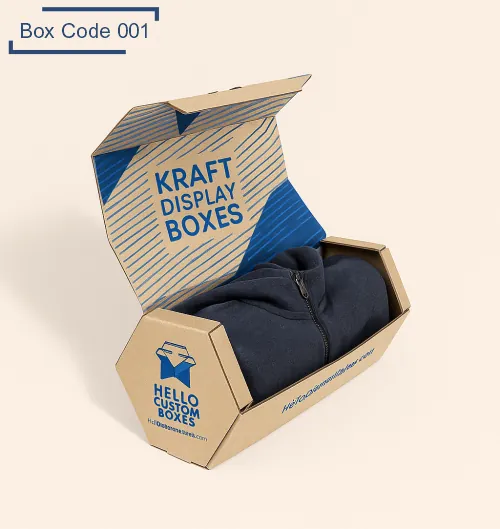
Custom Kraft Apparel Boxes
These custom kraft apparel boxes are made for brands that care how...
Soap packaging that’s shaped around how bars are actually made and handled, cut, cured, wrapped, then stored or displayed. It helps keep edges from denting, reduces surface scuffs, and handles a bit of humidity without falling apart. Nothing overdesigned here, just packaging that works through real use, from workbench to shelf.
These custom kraft apparel boxes are made for brands that care how...
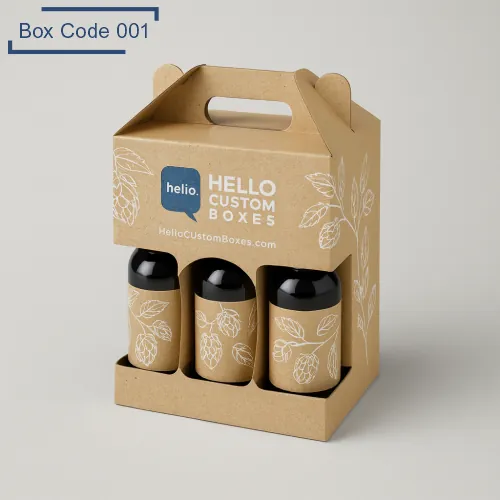
We build kraft carrier boxes for real-world use — food, drinks, gifts,...
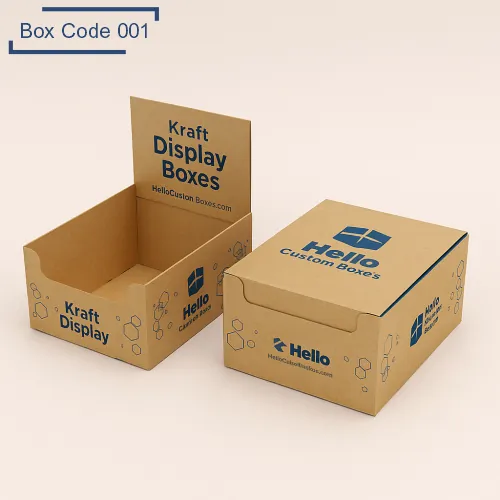
We build custom kraft display boxes that show your products off without...
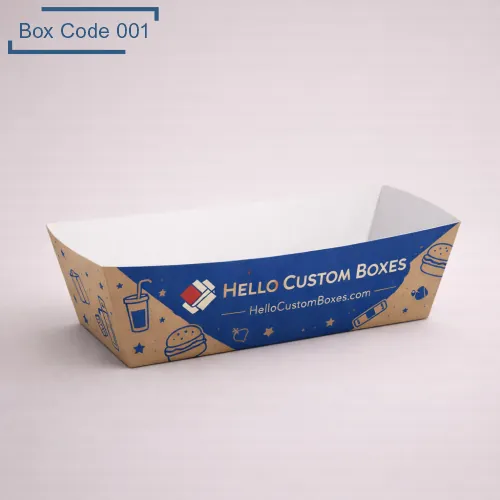
Kraft food trays are made to carry food without losing shape or...
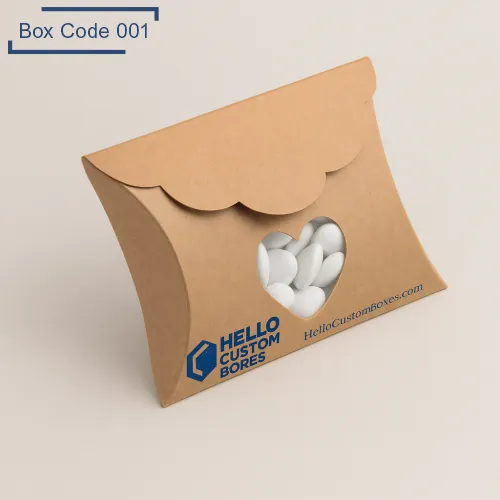
These kraft pillow boxes are simple, reliable, and look good without trying....

Our kraft shipping boxes are made from corrugated kraft board with E-flute...
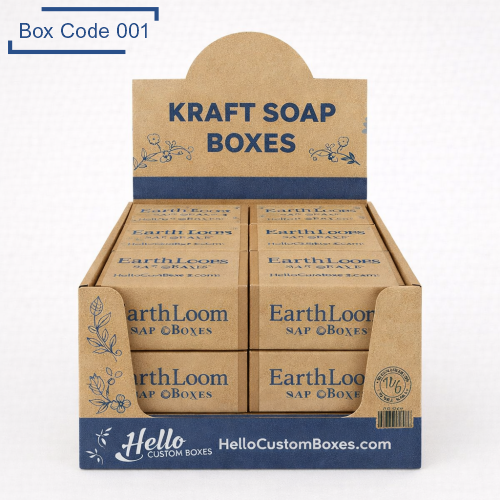
Kraft soap boxes give the bar a simple, natural place to sit...
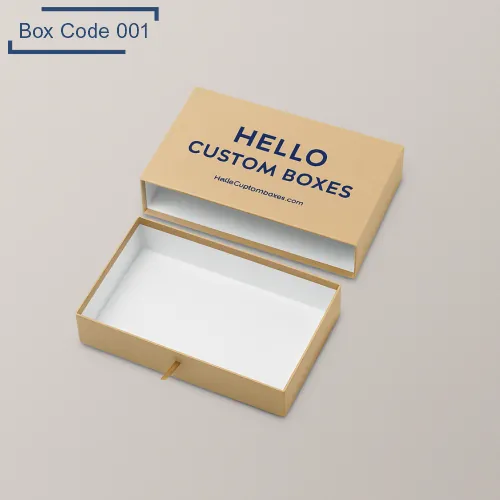
These white kraft boxes are simple, sturdy, and naturally good-looking. Made from...
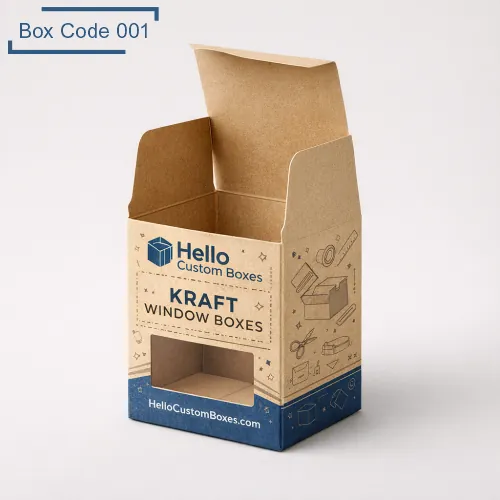
Kraft window boxes are chosen when seeing the product matters before purchase....
Choose production-grade materials, print methods, ink systems, finishing, and add-ons engineered for retail, wholesale, and B2B packaging programs.
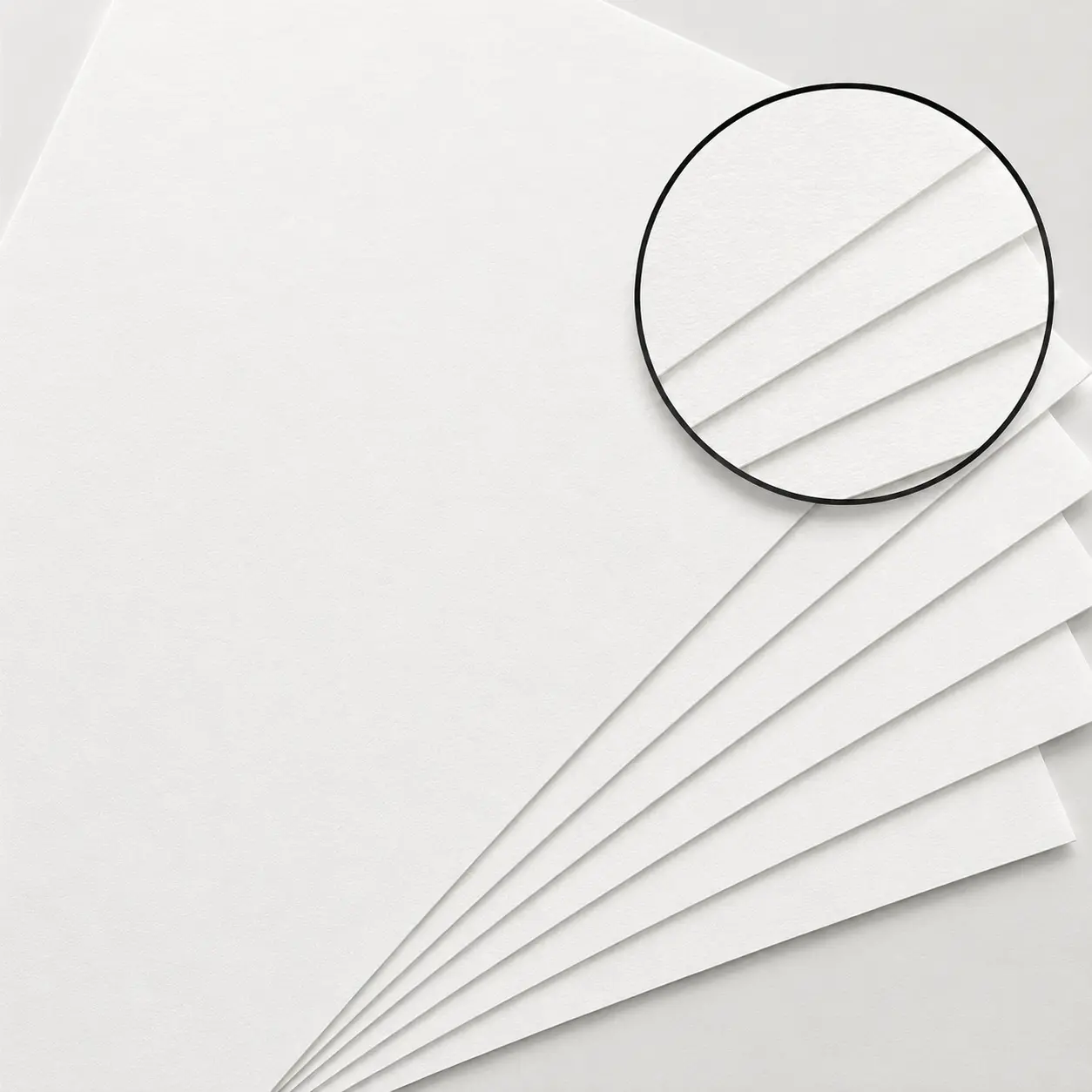
Premium bleached substrate engineered for retail-ready packaging with sharp, high-resolution print performance across bulk SKUs.
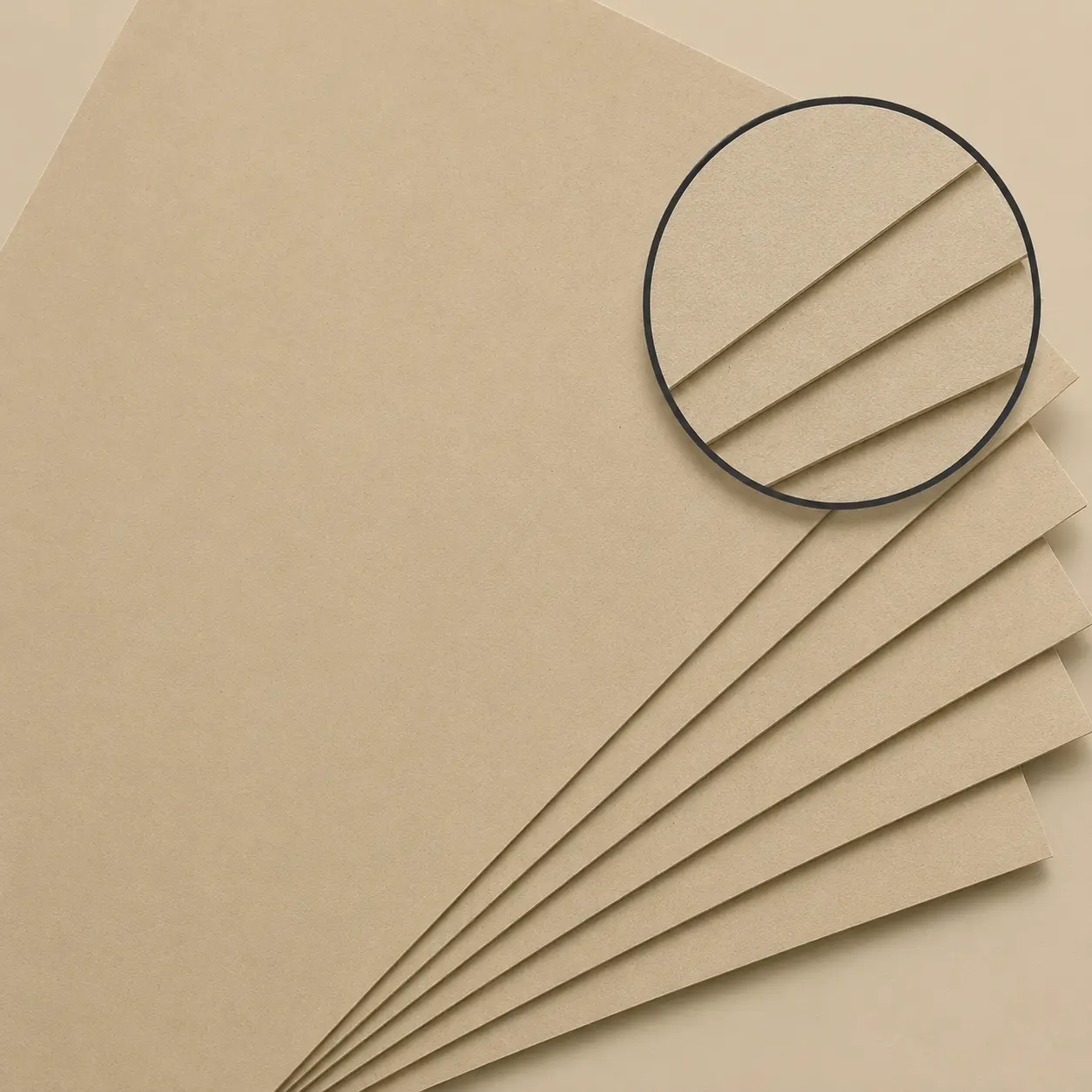
High-density rigid board built for wholesale cartons, structural strength, and stack-ready warehouse logistics.
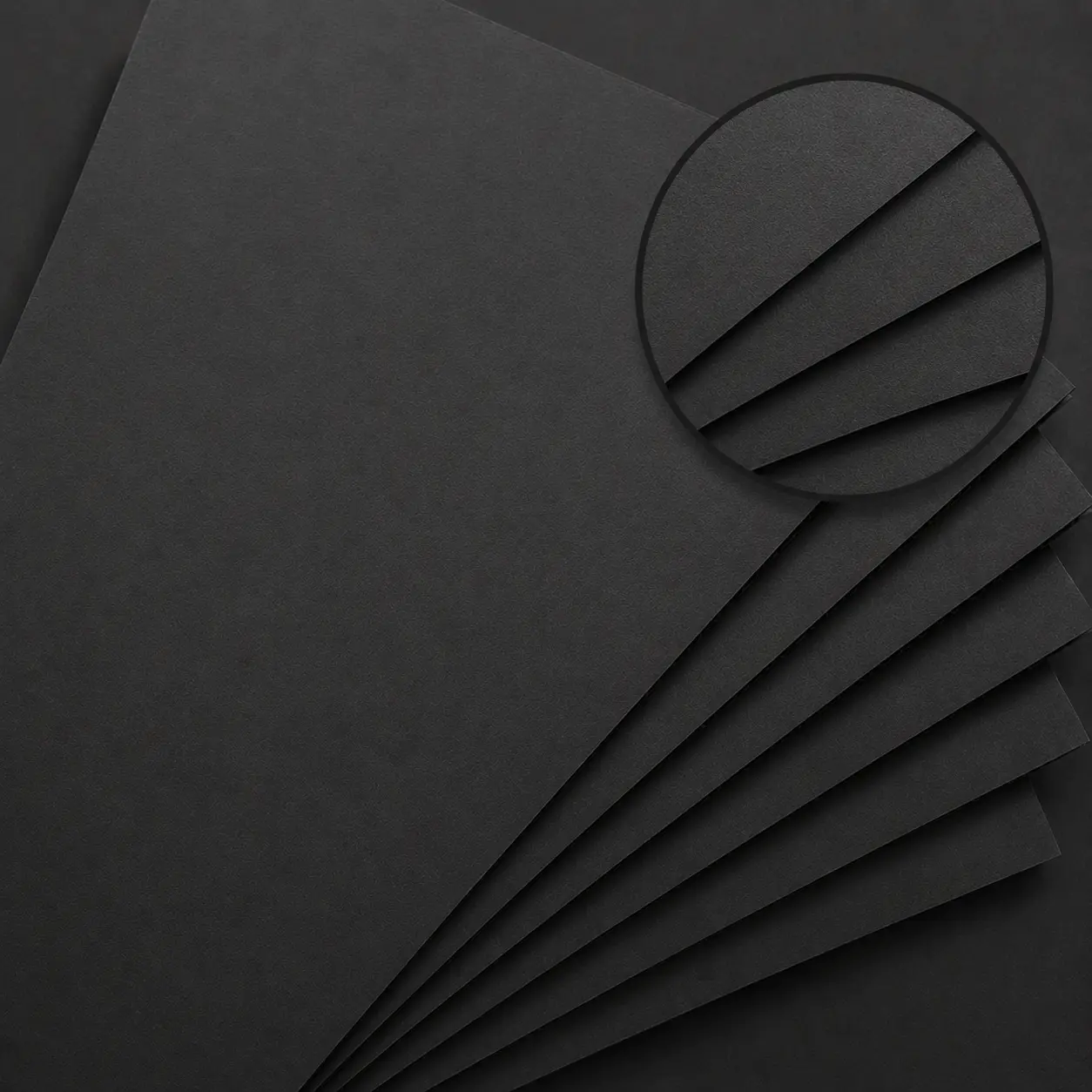
Eco-conscious black kraft for premium unboxing programs, corporate gifting, and limited-edition product lines.
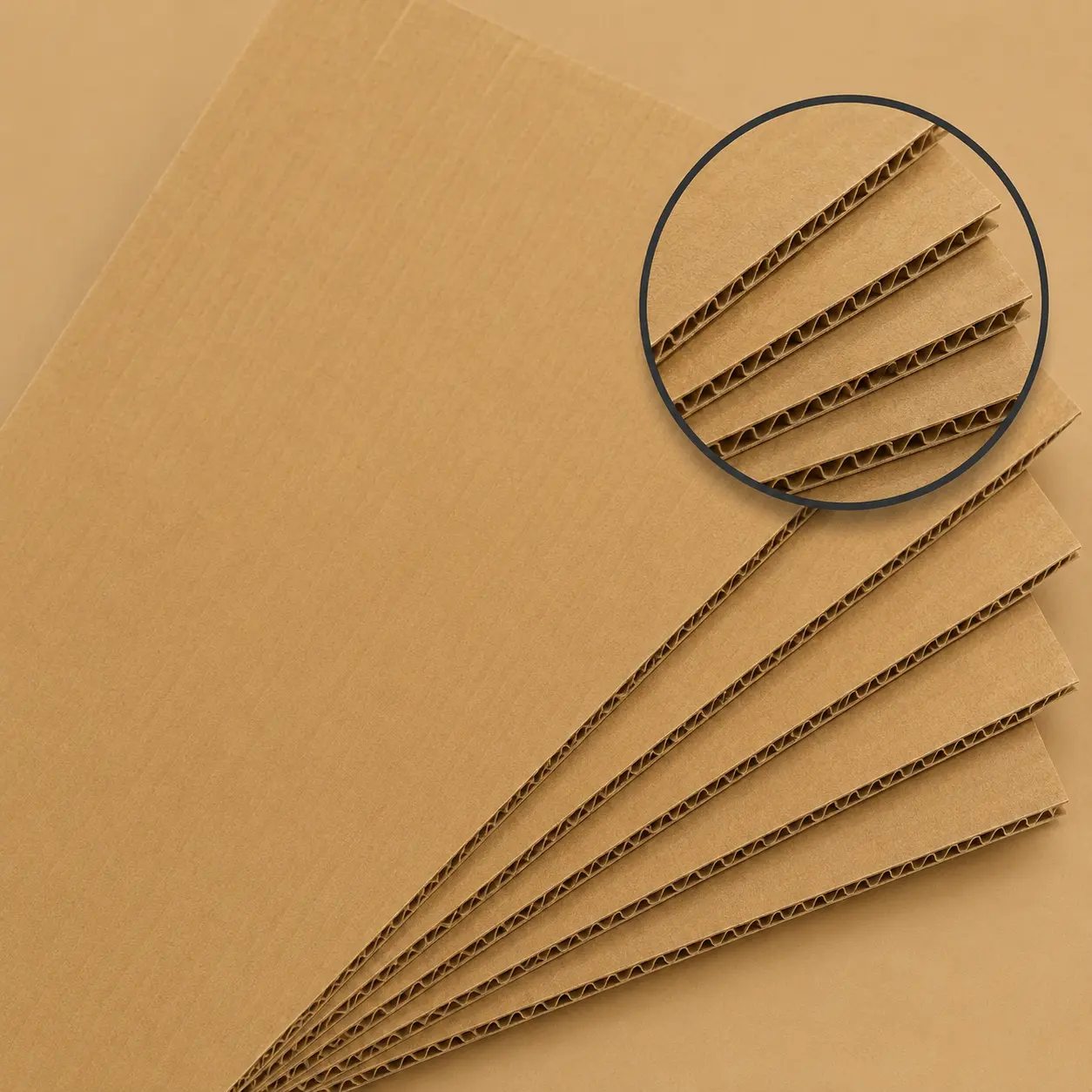
Multi-flute corrugated board built for protective shipping, e-commerce dispatch, and high-volume B2B fulfillment.
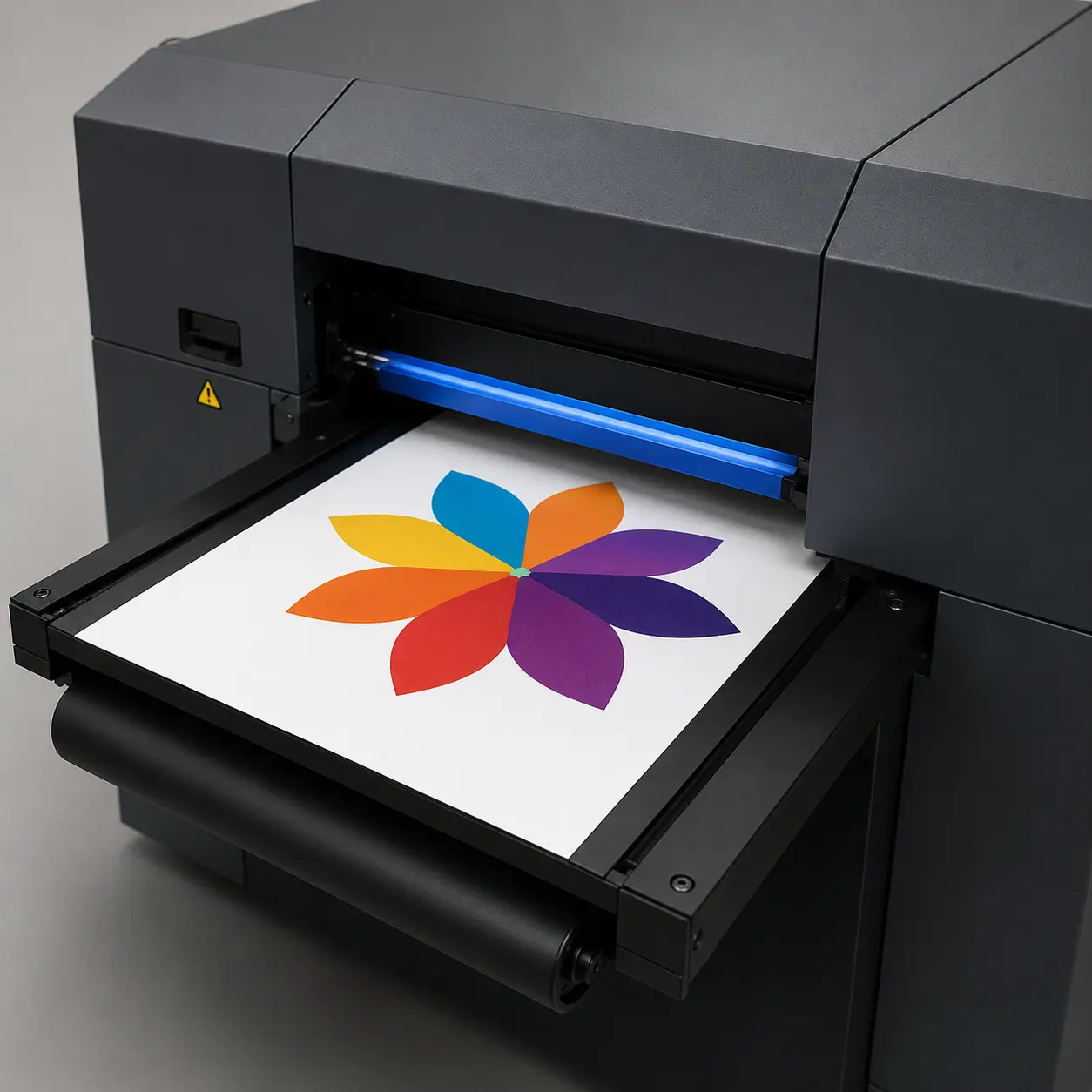
Short-run digital printing with no plate setup — ideal for prototypes, sample approvals, and quick reorders.
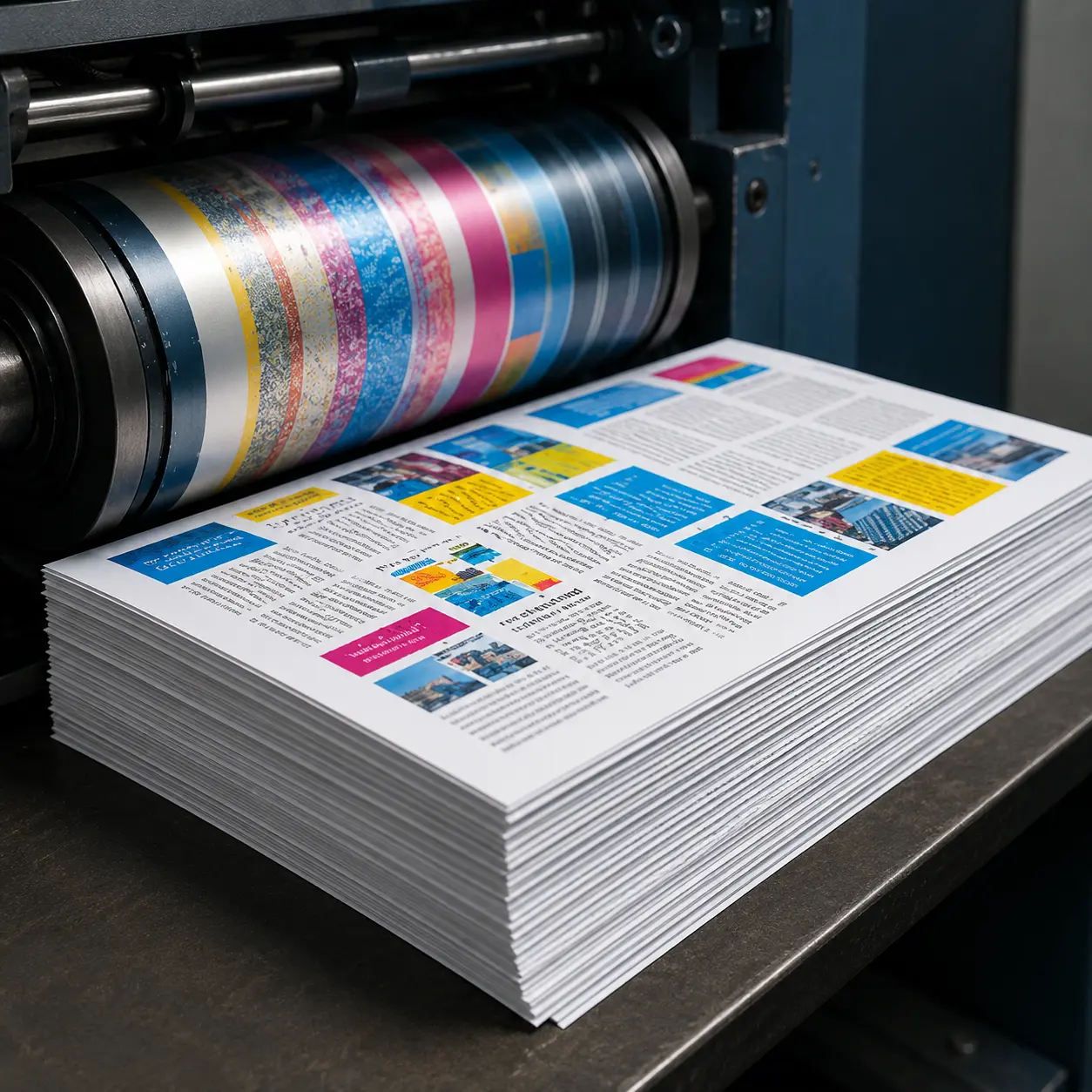
Industry-standard offset printing for high-volume runs with consistent color matching across bulk production.

Selective dimensional embellishment for premium B2B branding, tactile depth, and shelf differentiation.

Vibrant UV-cured printing suited for promotional packaging, event giveaways, and trade-show units.
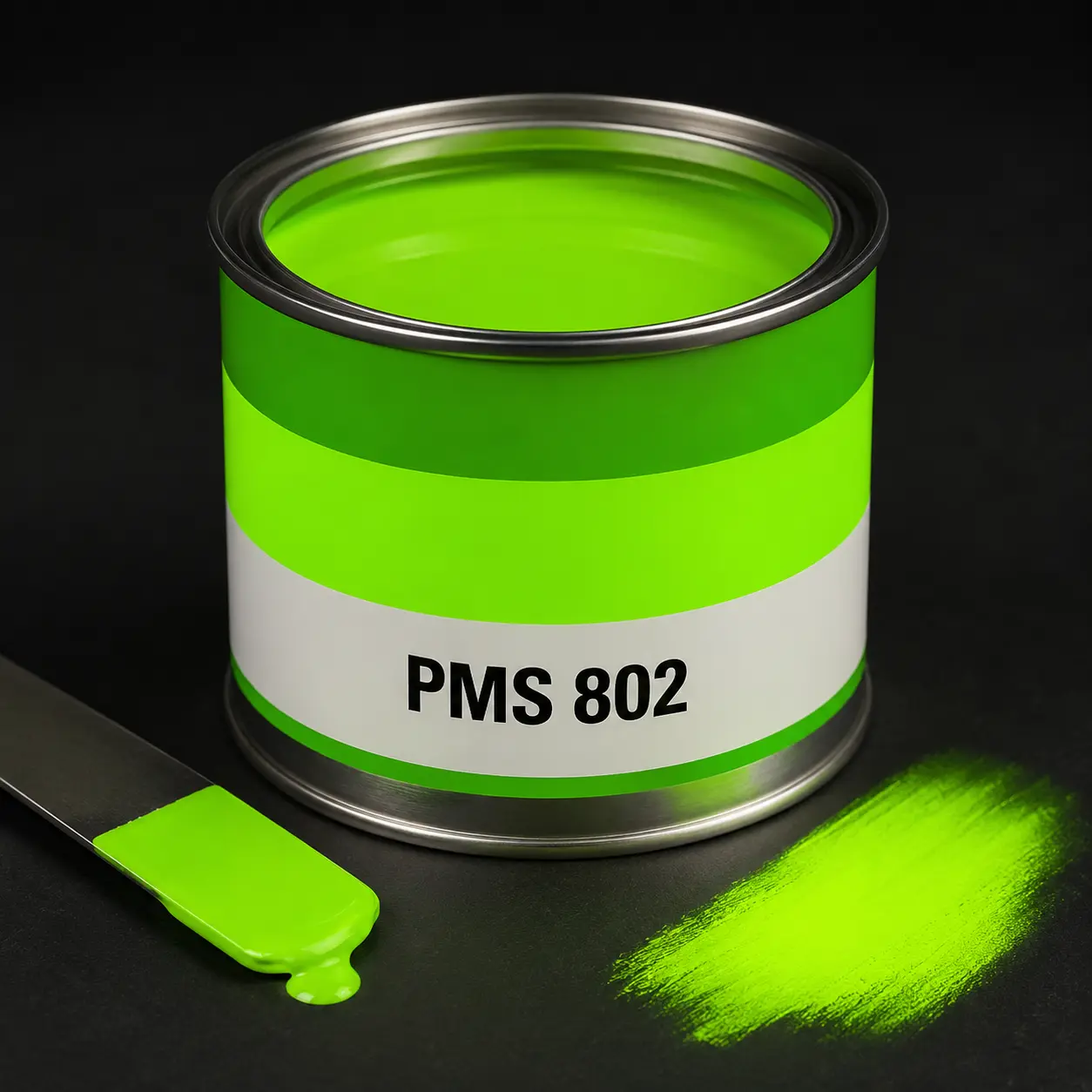
High-visibility ink system engineered for shelf impact, retail displays, and wholesale point-of-sale units.
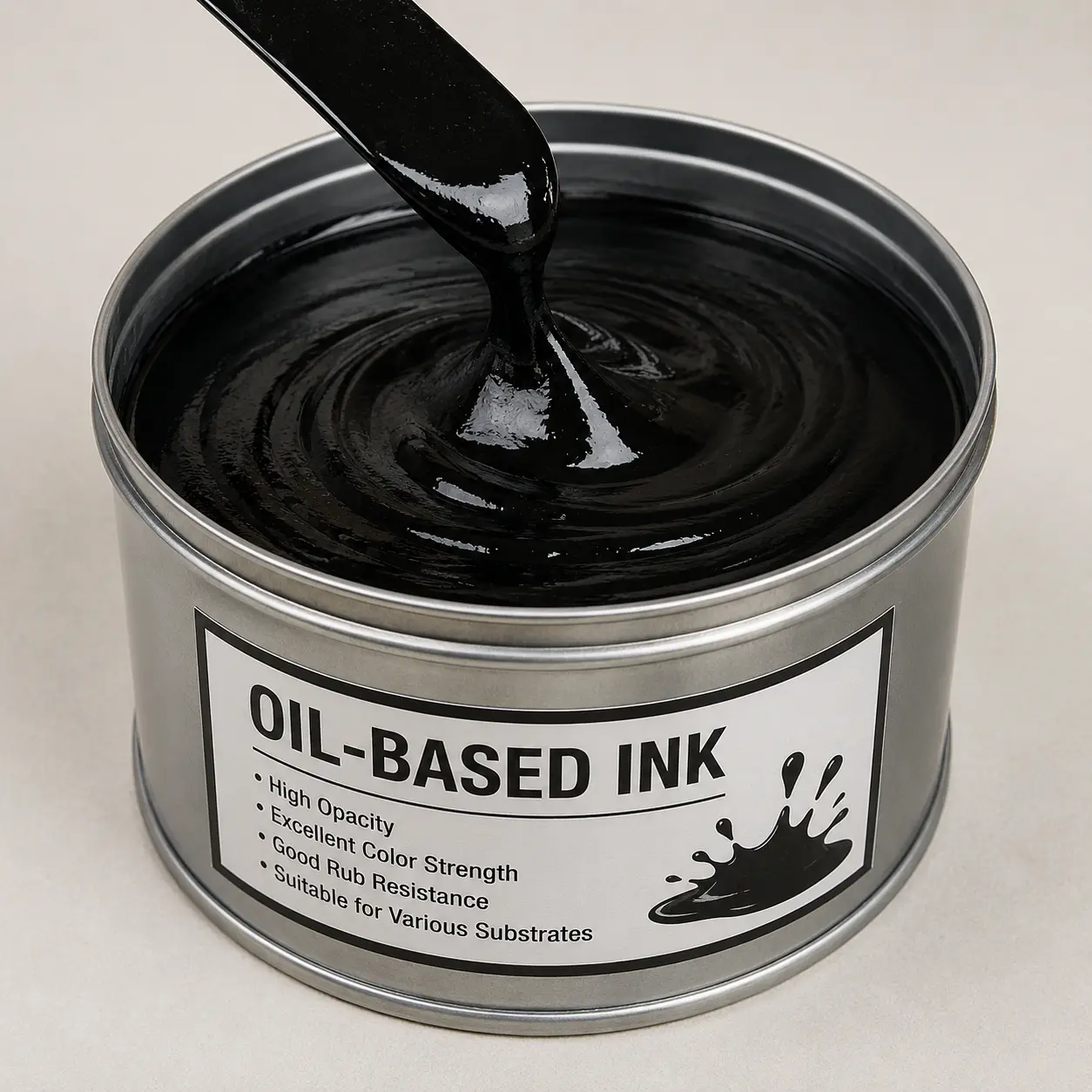
Industry-grade ink for durable, scuff-resistant production runs across long-haul distribution.

Spot-color matching to corporate brand standards — consistent identity across every SKU and reorder.

Sustainable plant-based ink for eco-certified packaging programs and ESG-aligned product launches.

Protective film extends shelf life and protects packaging during shipping and warehouse handling.

Water-based protective seal — fast-drying, food-safe-friendly finish for high-volume bulk production.

Premium tactile finish that elevates corporate gifting boxes and high-end B2B product lines.

Highlight logos and key artwork with selective gloss for maximum retail brand recognition.

Raised brand marks for tactile, premium identity on retail shelves and corporate packaging.

Pressed impressions for subtle, sophisticated branding on premium B2B product lines.

Metallic foil application — gold, silver, and custom finishes for luxury wholesale packaging.
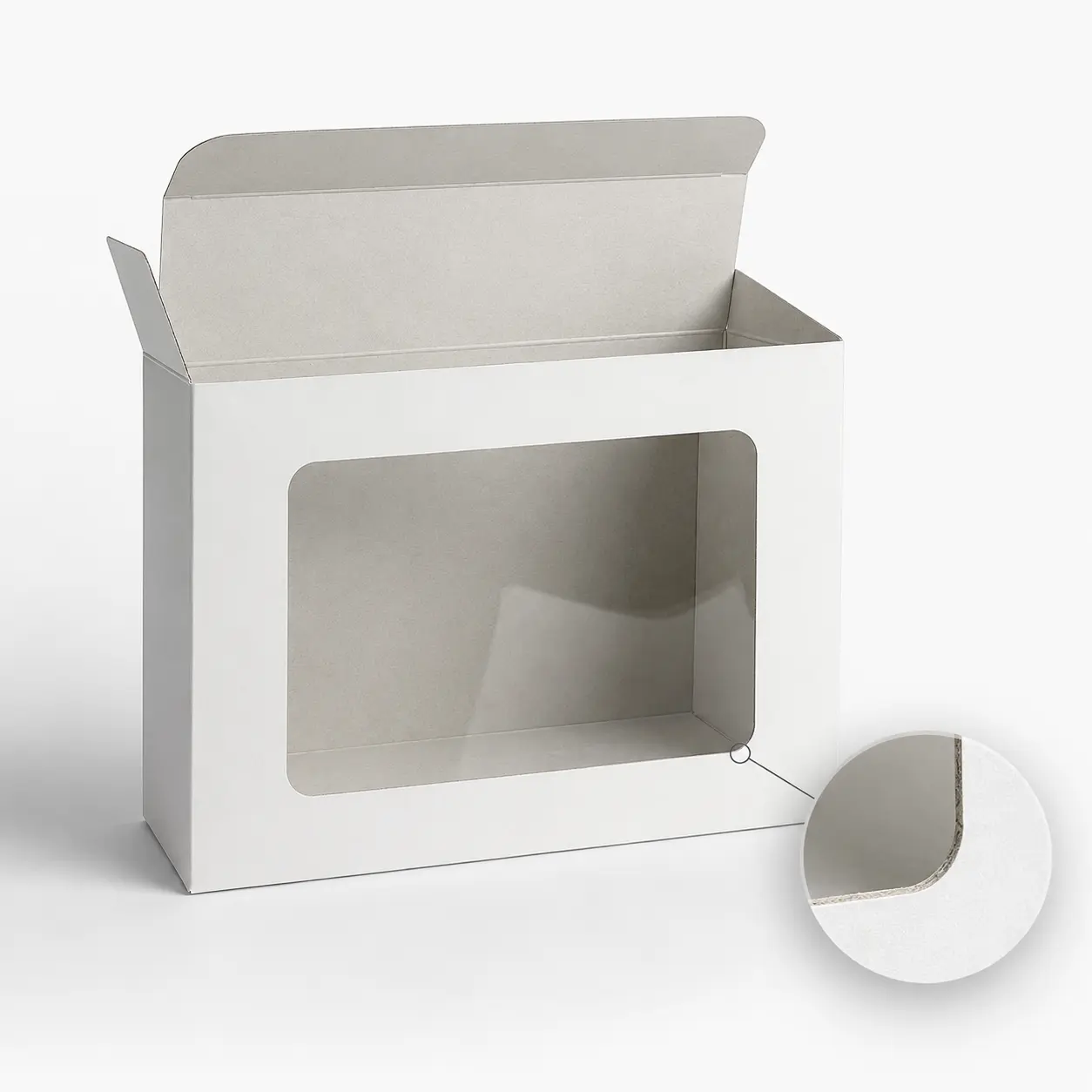
Precision die-cut openings that let customers view the product inside, with optional clear patching for better protection and presentation.
Kraft packaging is often chosen for its natural brown appearance, but the board still has to suit the job inside the box. A light soap carton, food sleeve, cosmetic pack, and corrugated shipper place very different demands on the material. With custom kraft boxes, the useful decisions are board grade, product fit, closure, print coverage, and the conditions the box will meet during packing, storage, and delivery.
The word “kraft” covers several packaging constructions.
Folding kraft paperboard boxes work well for many lightweight retail products. Corrugated kraft board adds fluting between liners, giving the box more resistance to compression and handling. That makes it a more practical starting point for heavier products and shipping cartons.
Board weight should follow the product rather than the natural look you want. A small cosmetic carton does not need the same construction as a box carrying several glass jars.
This distinction is worth making early because changing from paperboard to corrugated board affects the structure, print surface, folds, and finished dimensions.
Natural kraft has its own base color, so artwork does not behave exactly as it does on white board.
Dark inks generally remain easy to distinguish, while pale colors can be influenced by the brown surface beneath them. Where a cleaner or brighter printed color is needed, the artwork and printing method need to account for the board underneath.
That does not mean the whole box needs heavy ink coverage. In many custom kraft packaging projects, leaving some board visible is part of the intended appearance.
Fine text still needs enough contrast. Ingredients, directions, barcodes, and small product details should remain readable without relying on a screen proof that shows the artwork against a white background.
A common mistake is choosing kraft board by thickness alone.
Weight distribution matters too.
A light product spread across a wide carton behaves differently from a compact glass jar putting most of its weight through a small base. If several items share one box, movement between them may create more of a problem than the strength of the outer walls.
For heavier orders, kraft corrugated shipping boxes can provide the extra structure needed for stacking and transit. Lighter retail goods may only need folding paperboard.
If the product is fragile or has an unusual shape, an insert or divider can sometimes solve the problem without making the entire box heavier.
A window can be useful when seeing the product helps the customer make a buying decision.
Soap, confectionery, cosmetics, candles, and gift items are common examples. The opening should be sized around what needs to be visible rather than simply taking up most of the front panel.
With custom kraft boxes with window, enough board needs to remain around folds, corners, and locking areas. Removing too much material can make a wide panel less firm after cutting and assembly.
Window material is another part of the finished construction, so it should be included when material or disposal requirements are being reviewed.
Not every kraft carton used for food has the same material requirements.
If cookies, confectionery, tea, or another product is already sealed in a wrapper, pouch, tray, or liner, the kraft carton may act as secondary packaging. Direct food contact needs a closer material review.
For kraft food packaging, the intended food, grease or moisture exposure, temperature, and contact conditions can influence the board, coatings, inks, adhesives, and barriers used.
Hot or greasy food creates a different requirement from dry packaged goods. Frozen products bring another set of storage conditions.
The familiar brown appearance should never be taken as proof that a particular kraft construction is suitable for every food application.
Soap looks simple to pack until the bar is slightly larger, rougher, or less uniform than the nominal dimensions suggest.
A carton made too tightly can become difficult to close. Too much clearance lets the bar move and can make the finished pack feel poorly fitted.
For custom kraft soap boxes, measurements should come from the finished bar and include any inner wrap being used. If the soap is wrapped before it enters the carton, measure the wrapped product rather than the bare bar.
Windows and sleeves can also work for soap, but their dimensions should follow the product rather than being added independently of the box structure.
Kraft works well for many skincare, soap, balm, and personal-care products, but small cosmetic cartons can carry a surprising amount of copy.
Ingredients, directions, product volume, barcodes, warnings, and branding all compete for limited panel space. Once folds and glue areas are removed from the usable artwork area, that space becomes tighter again.
With kraft cosmetic packaging, the dieline should be considered before the artwork becomes crowded. Information-heavy panels can use stronger print contrast while other areas retain more of the natural kraft surface.
Glass jars and bottles may also need internal support. That decision should come from product weight and movement, not from the appearance of the outer carton.
The curved sides of a pillow box create its shape when the end flaps are folded inward. That makes it useful for small products, but it also limits the amount of flat internal space.
Kraft pillow boxes are commonly considered for jewelry, small gifts, accessories, soaps, and lightweight promotional items. They are less suitable when a product needs a flat base or must remain upright.
For custom kraft pillow boxes, product depth deserves particular attention. An item that appears to fit by width and length can still put too much pressure on the curved sides if it is too thick.
Testing the actual product is more reliable than choosing the structure from two dimensions alone.
A shipping carton should be specified for the packed order, not just the individual product.
Once several units, inserts, wrapping materials, or accessories are added, the total weight can be very different from the product weight used during early planning.
Kraft shipping boxes made from corrugated board can be selected according to box size, packed weight, stacking, and the expected delivery journey. Oversizing should be avoided where possible because unused space allows products to move and often requires more filler.
For eCommerce and distribution, the outside appearance is only one consideration. Corners, closures, internal clearance, and how the box performs when stacked matter more once it enters transit.
A sleeve looks simple because it has fewer panels and no conventional top or bottom closure, but the fit has a narrow working range.
If a kraft packaging sleeve is too loose, it can slide away from the tray, box, cup, or product underneath. Make it too tight and packing becomes slow or the sleeve can catch on corners.
The dimensions should be based on the item after any wrapping, folding, or filling has taken place.
For food trays and retail products, it is also worth checking how the sleeve will be applied during packing. A fit that works by hand for one sample may become inconvenient when staff are packing larger quantities.
Retail cartons usually spend much of their time on a shelf or in an outer shipping case. A kraft mailer or shipping carton is more exposed.
Edges can rub, surfaces can pick up marks, and boxes may be stacked during storage and delivery. Natural kraft can suit this type of use well, but the board still needs to be selected for the expected handling conditions.
This is particularly relevant when the shipping box also carries the main branding. Print should be planned with the delivery journey in mind rather than judged only on a fresh production sample.
Natural brown packaging is often associated with environmental claims, but appearance alone does not establish what a finished box contains or how it should be disposed of.
Coatings, laminations, windows, adhesives, inks, and internal components can all change the material build.
For businesses considering eco friendly kraft packaging, it is better to review the actual board specification and any added components before making recyclability or sustainability claims.
There are practical ways to reduce material regardless of the visual style. Correct sizing, avoiding unnecessary inserts, and using enough board for the job without overspecifying it are sensible places to start.
Larger quantities can improve unit economics, but they also make a small sizing error expensive.
Before ordering kraft boxes wholesale, check the finished dimensions with the actual product, particularly when inserts, windows, or unusual closures are involved. A production sample can reveal tight folds, excess movement, awkward packing, or artwork sitting too close to a score line.
Businesses with several related products may be able to share a box size, but only when the fit remains practical for each item. Reducing the number of packaging sizes can simplify stock; forcing several different products into one poorly fitting carton usually creates a different problem.
Start with the product at the stage when it will actually be packed. Include any bottle cap, jar lid, inner wrap, pouch, tray, or other component that changes its finished dimensions.
Useful project information includes:
Hello Custom Boxes can use those details to work through the structure, board grade, fit, printing, and any additional components as one custom kraft packaging specification.
Whether you need sleek retail boxes, protective mailers, or eco-friendly designs, we build everything to your specs. From material and style to dimensions and print details, every box starts with your vision.
No design? No problem. Upload your logo or sketches and our team will help bring your box to life with a complimentary digital mockup.

| # | Date | Days | Holidays | Offer |
|---|---|---|---|---|
| 1 | Wednesday, Jan 1, 2026 | Wednesday | New Year's Day | Up To 40% Off |
| 2 | Monday, Jan 20, 2026 | Monday | Martin Luther King Jr. Day | Up To 40% Off |
| 3 | Monday, Feb 17, 2026 | Monday | Presidents' Day | Up To 40% Off |
| 4 | Monday, May 26, 2026 | Monday | Memorial Day | Up To 40% Off |
| 5 | Thursday, Jun 19, 2026 | Thursday | Juneteenth | Up To 40% Off |
| 6 | Friday, Jul 4, 2026 | Friday | Independence Day | Up To 40% Off |
| 7 | Monday, Sep 1, 2026 | Monday | Labor Day | Up To 40% Off |
| 8 | Monday, Oct 13, 2026 | Monday | Columbus Day | Up To 40% Off |
| 9 | Tuesday, Nov 11, 2026 | Tuesday | Veterans Day | Up To 40% Off |
| 10 | Thursday, Nov 27, 2026 | Thursday | Thanksgiving Day | Up To 40% Off |
| 11 | Thursday, Dec 25, 2026 | Thursday | Christmas Day | Up To 40% Off |
Browse more product categories to discover a wide range of options tailored to your needs.