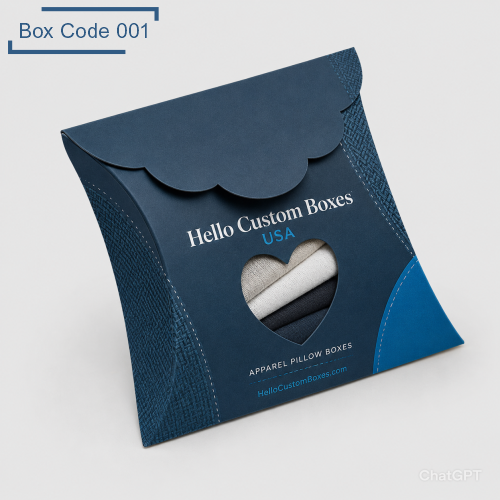
Custom Apparel Pillow Boxes
Some apparel items do not need rigid cartons or oversized packaging. A...
Apparel packaging built for how clothing brands actually pack, store, and ship. Designed to protect fabric quality, prevent creasing, and present garments cleanly from warehouse to customer. Made to support real retail and ecommerce operations, not just visual appeal.
Some apparel items do not need rigid cartons or oversized packaging. A...
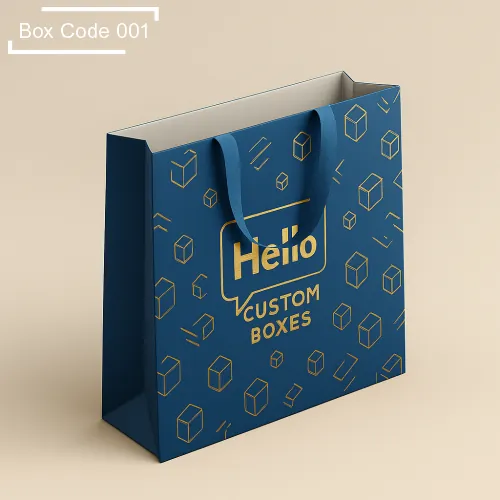
Custom apparel packaging bags are a simple way to make clothing orders...
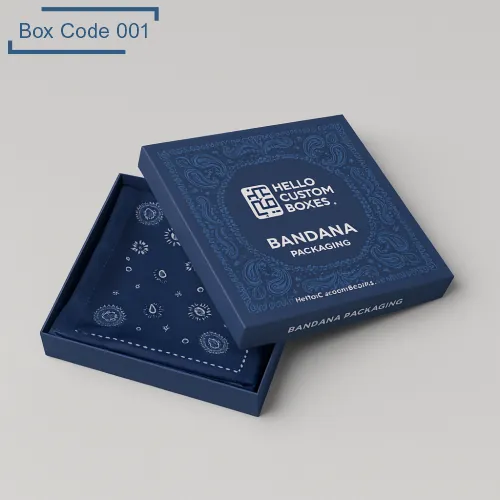
Bandanas aren’t complicated, but they look much better when the packaging is...
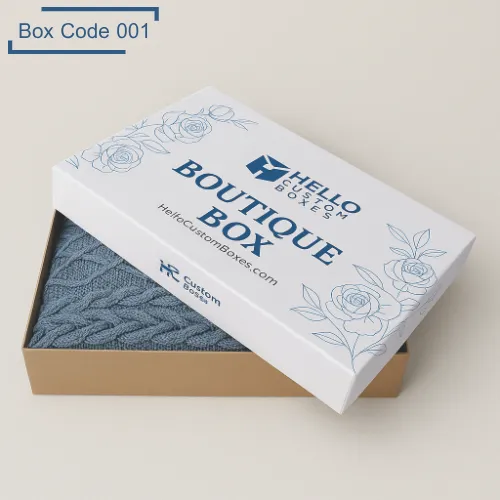
Boutique items feel special on their own, but a good box helps...
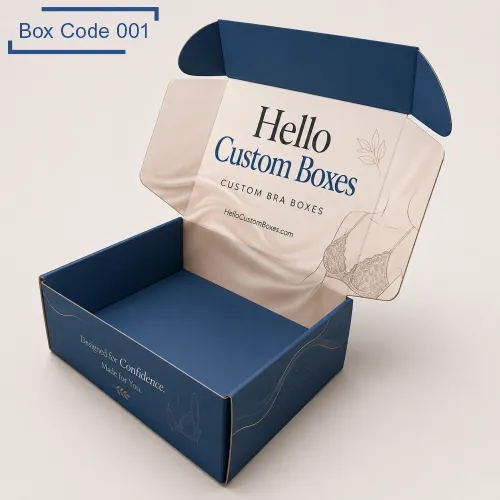
Custom bra shipping boxes help apparel brands ship delicate products without ruining...
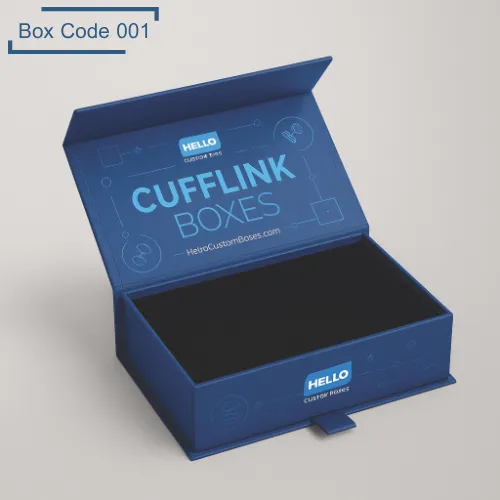
Our custom cufflink boxes are built to give small accessories the kind...
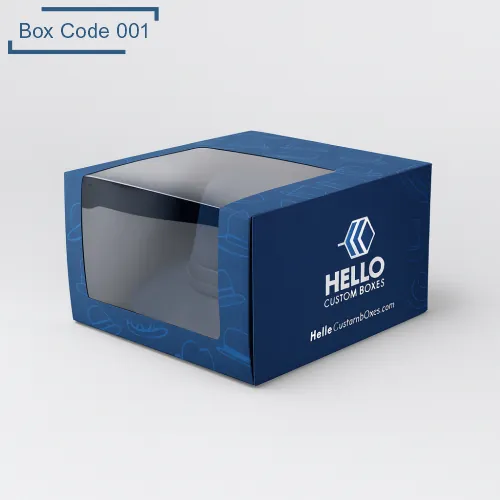
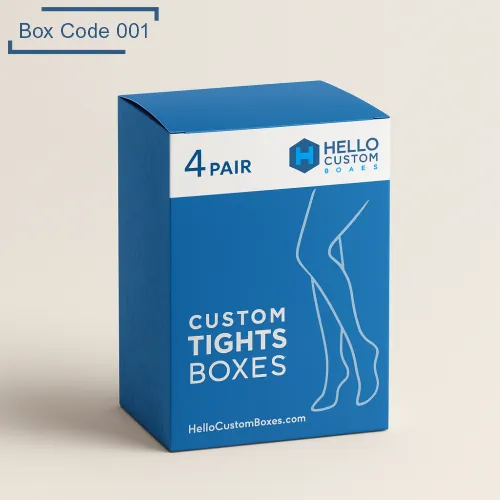
Tights can be a bit fussy. You fold them nicely, and then...

Hoodies never stay folded the way you left them. The hood moves,...

Custom leggings packaging boxes built for real apparel brands, whether you sell...
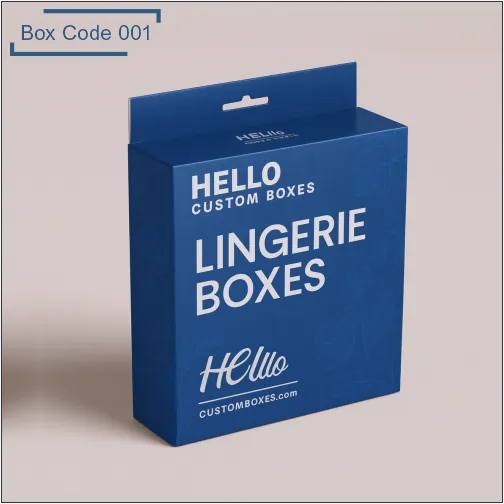
Lingerie doesn’t handle rough packaging very well. Even a tiny mistake can...
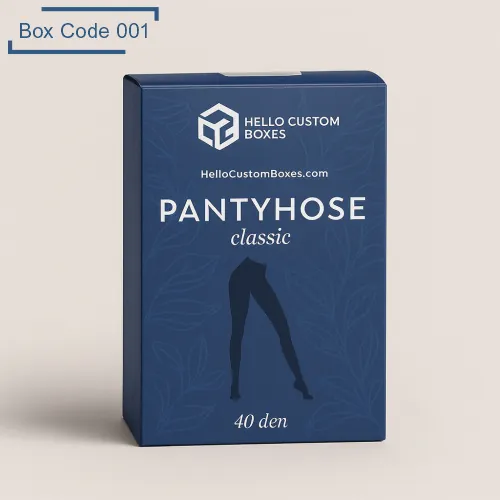
Pantyhose can snag, stretch, or lose shape from the smallest mistake in...
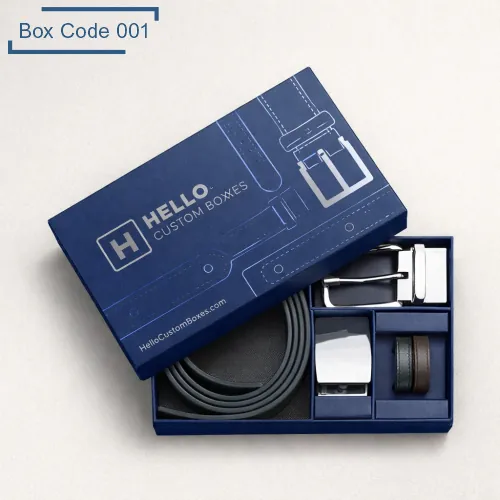
A belt box seems simple until products start moving through shipping, storage,...
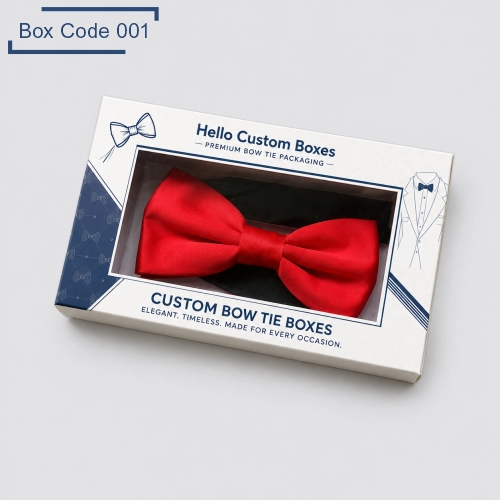
A presentation container that protects fabric and shape is essential for neckwear...
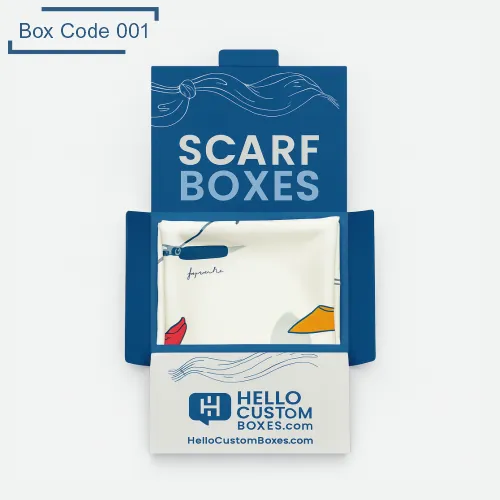
Scarves wrinkle fast, pick up dents from folding, and lose their clean...
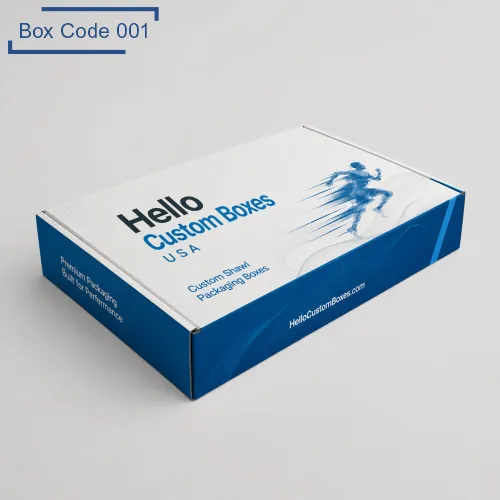
Shawl boxes are made to keep shawls folded without getting crushed or...
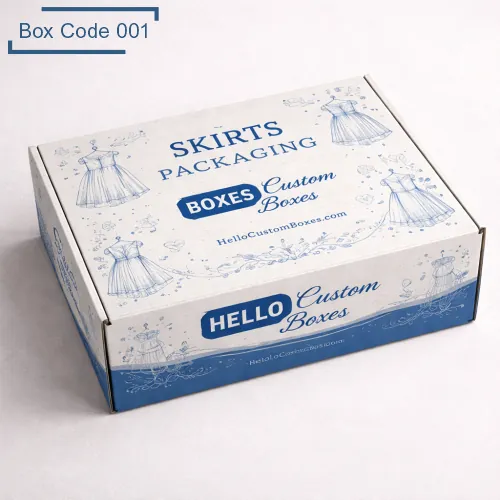
We make skirts boxes the way apparel brands actually need them made....
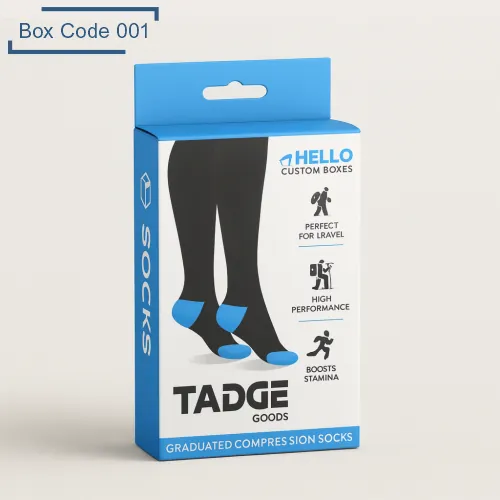
Scarves wrinkle fast, pick up dents from folding, and lose their clean...
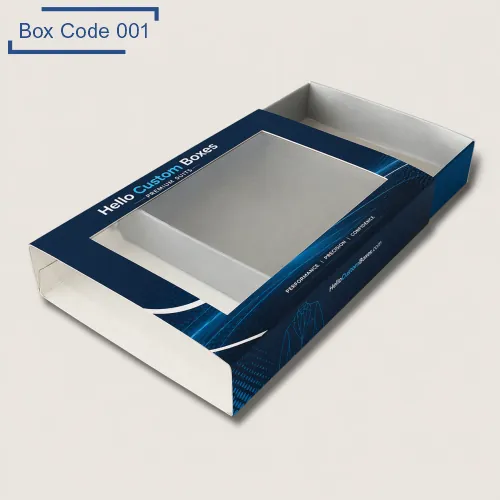
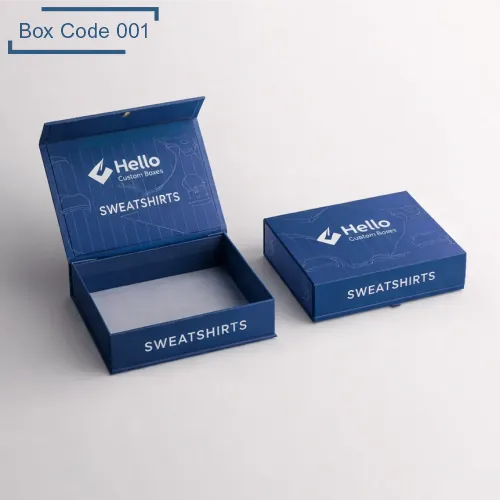
Custom Sweatshirts Boxes made around the way your garments actually fold and...
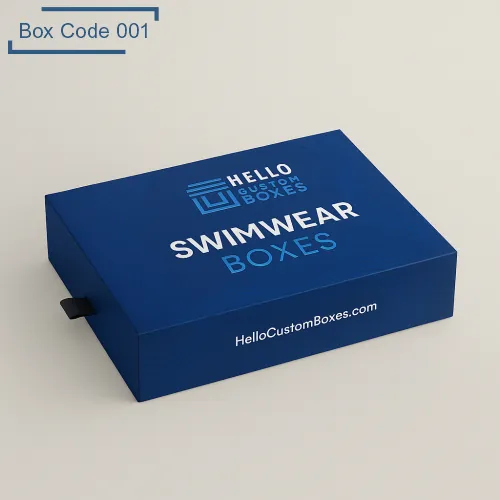
Custom swimwear boxes keep bikinis, one-piece suits, and swim sets neatly packed...
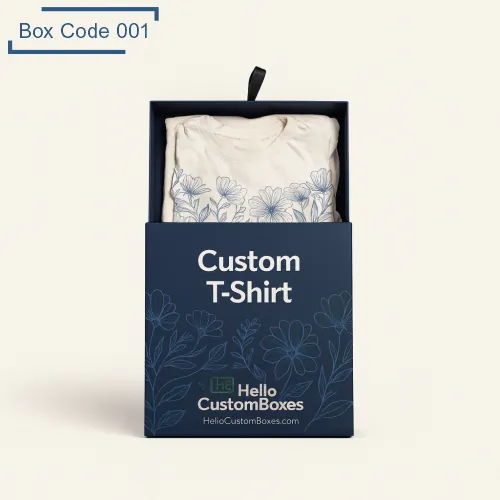
T-shirts never stay folded the way you left them. A little movement...
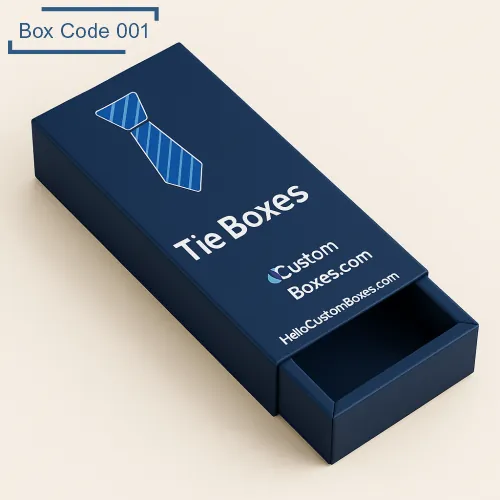
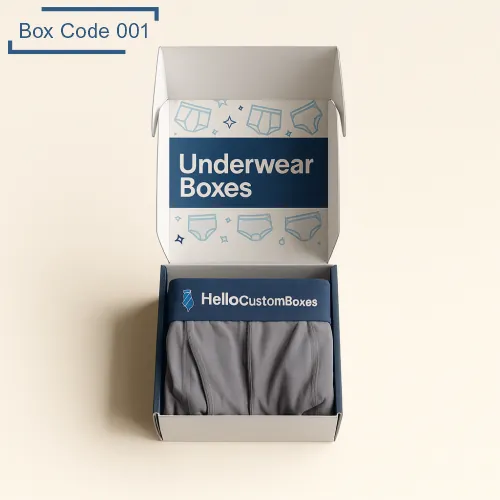
Underwear seems easy to pack, but it loses its shape fast if...
Choose production-grade materials, print methods, ink systems, finishing, and add-ons engineered for retail, wholesale, and B2B packaging programs.
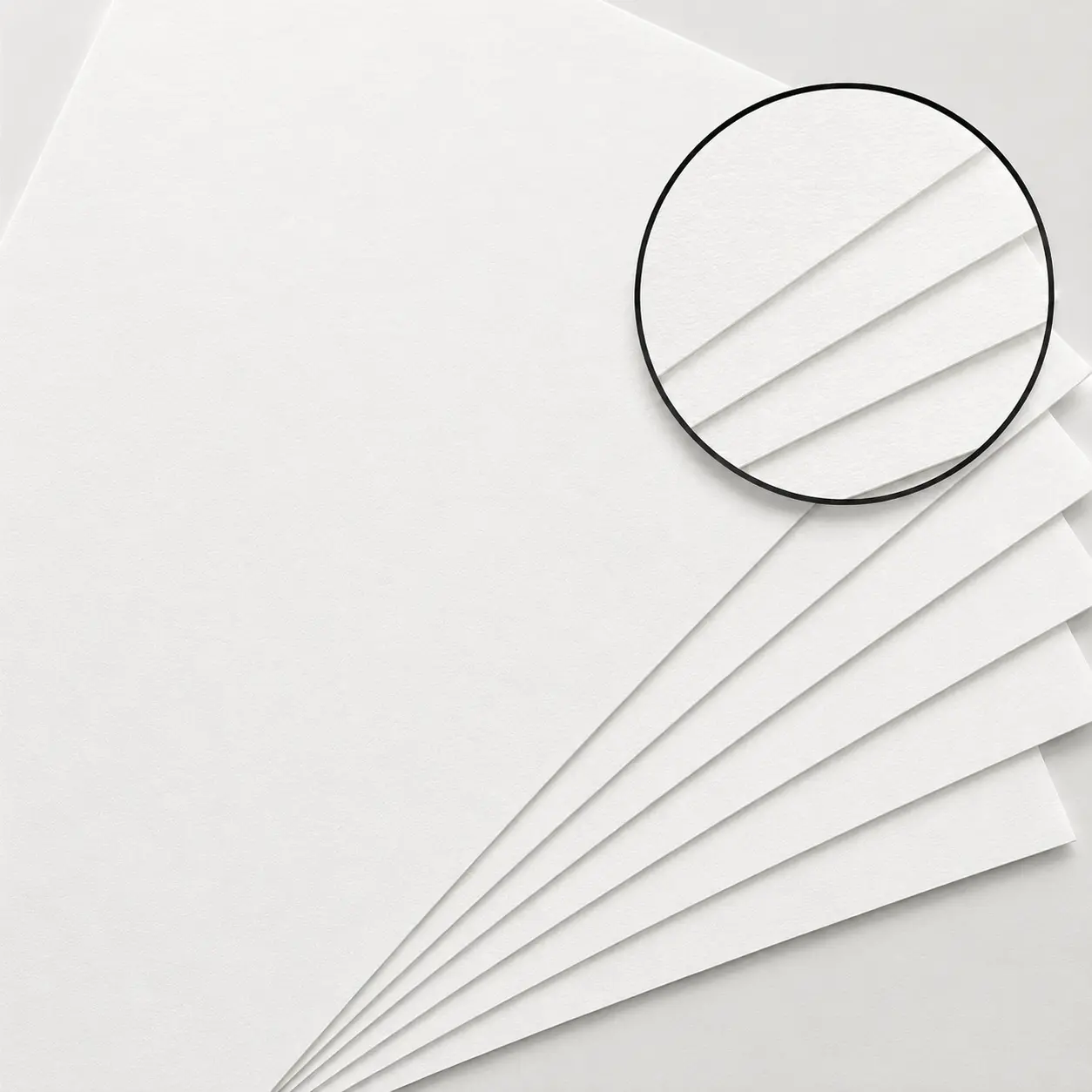
Premium bleached substrate engineered for retail-ready packaging with sharp, high-resolution print performance across bulk SKUs.
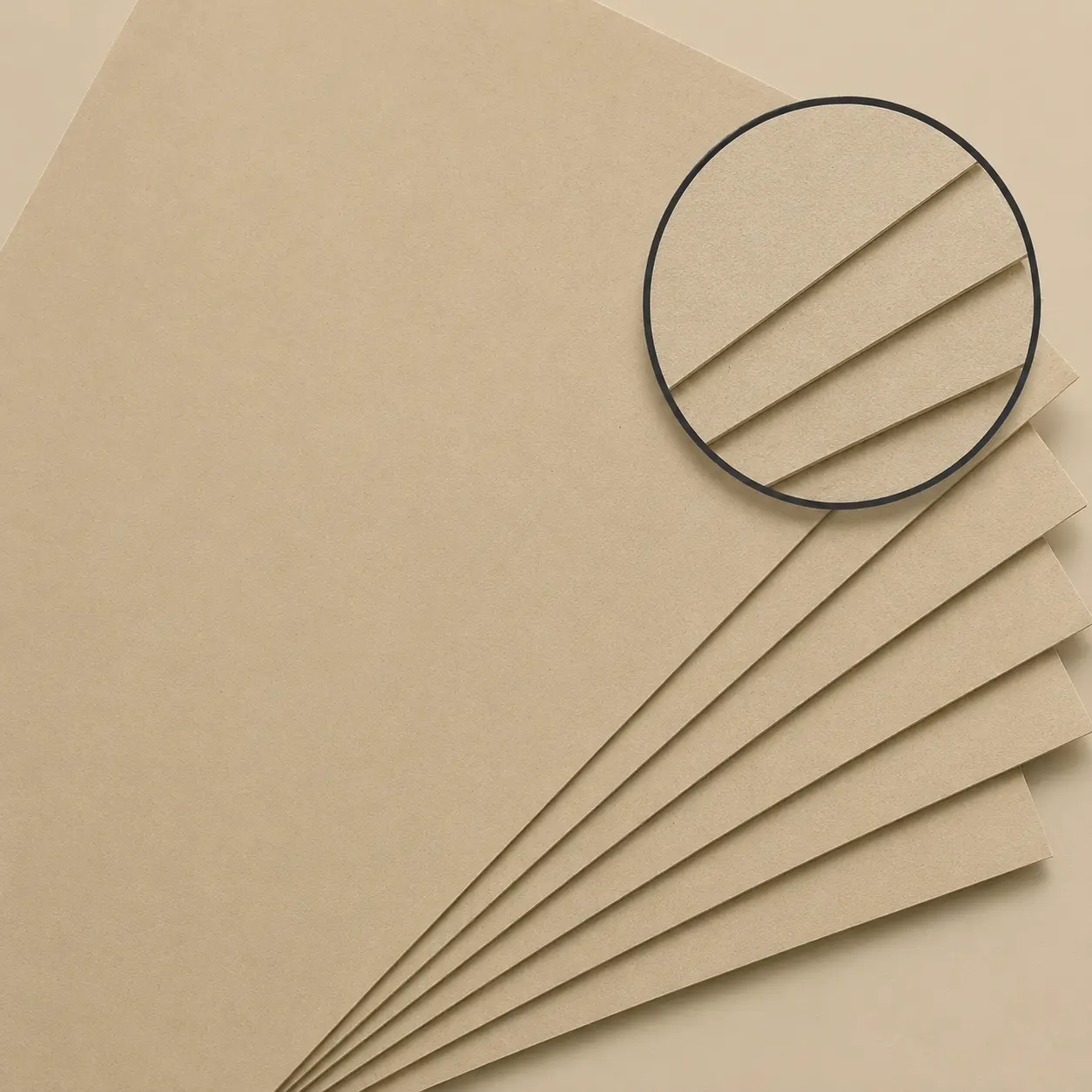
High-density rigid board built for wholesale cartons, structural strength, and stack-ready warehouse logistics.
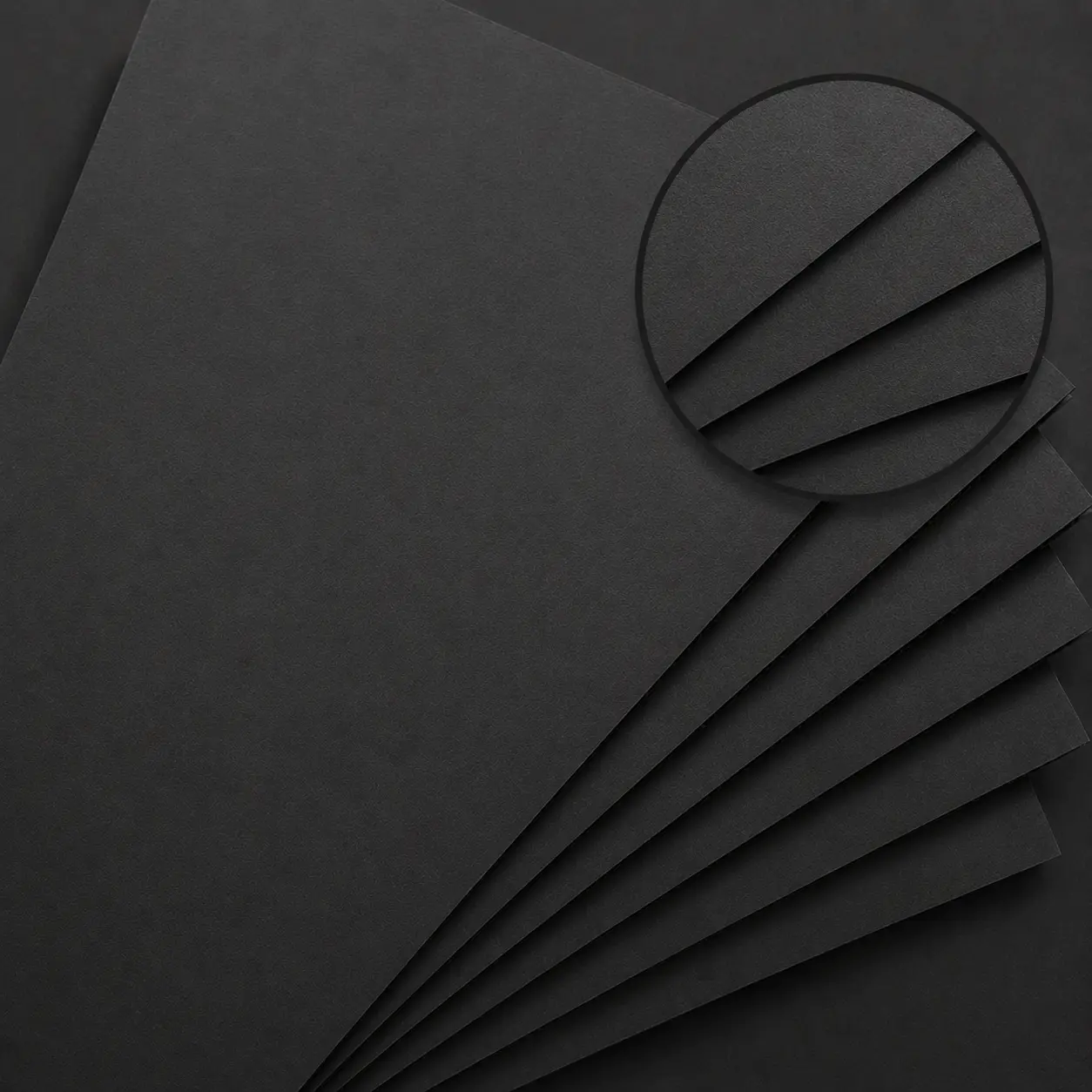
Eco-conscious black kraft for premium unboxing programs, corporate gifting, and limited-edition product lines.
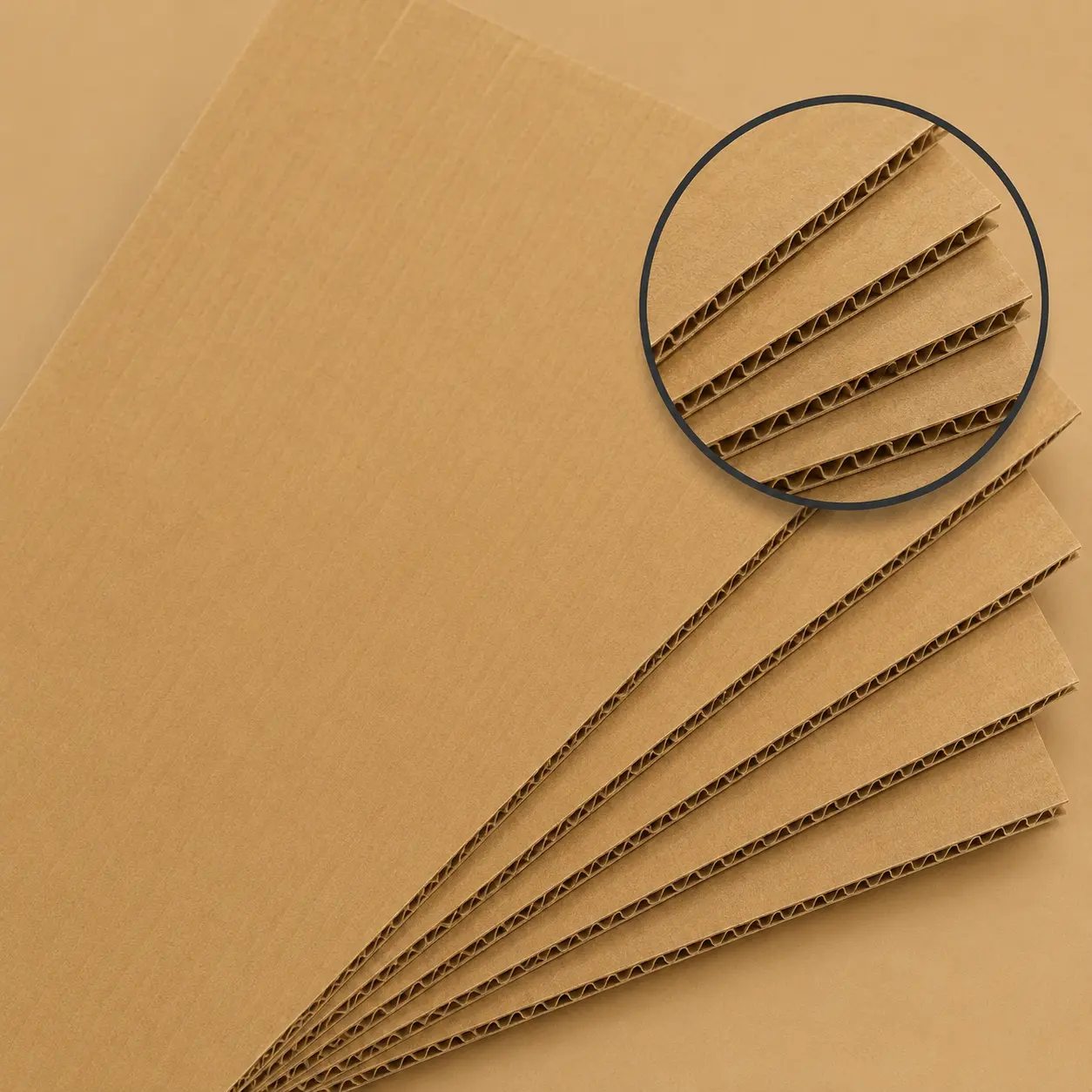
Multi-flute corrugated board built for protective shipping, e-commerce dispatch, and high-volume B2B fulfillment.
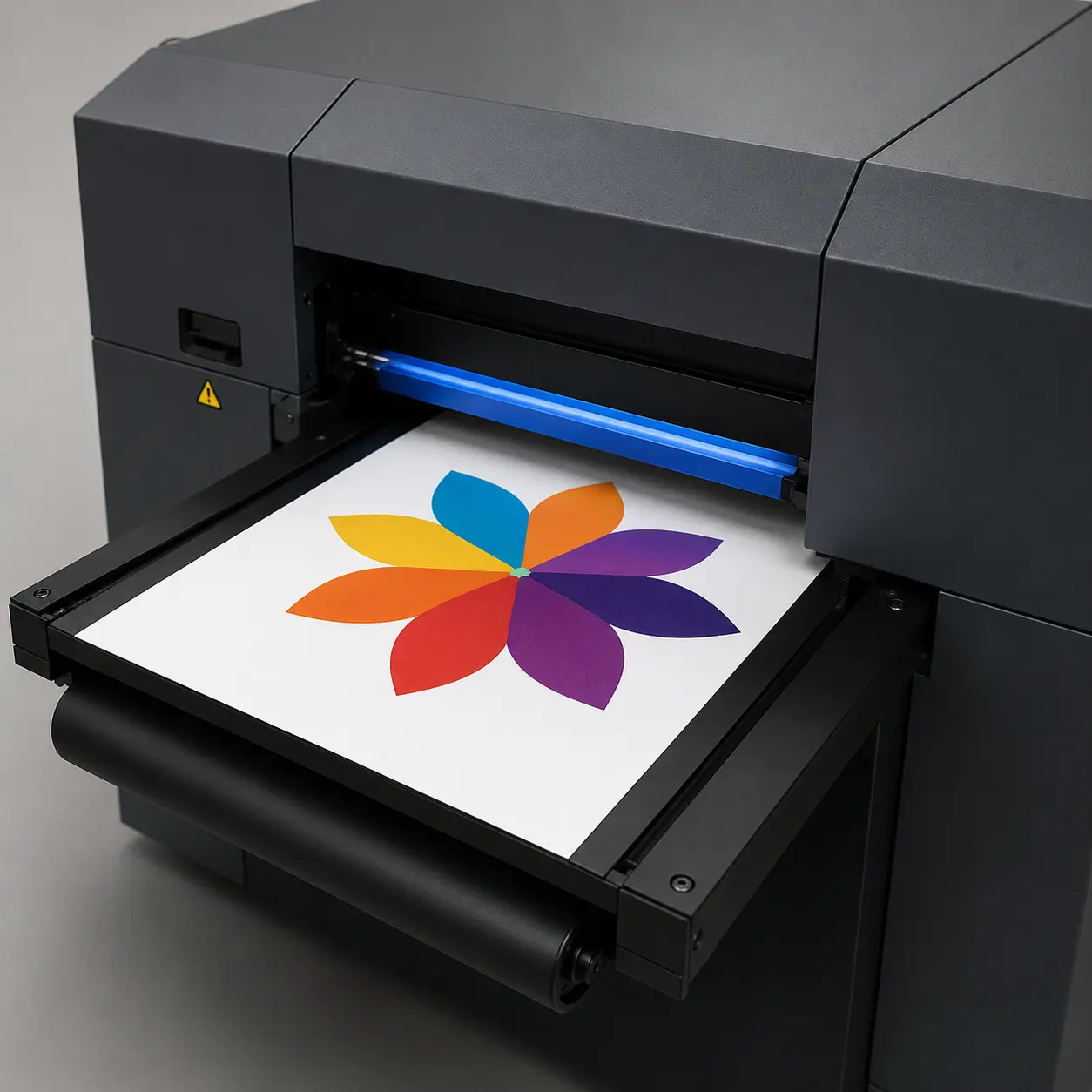
Short-run digital printing with no plate setup — ideal for prototypes, sample approvals, and quick reorders.
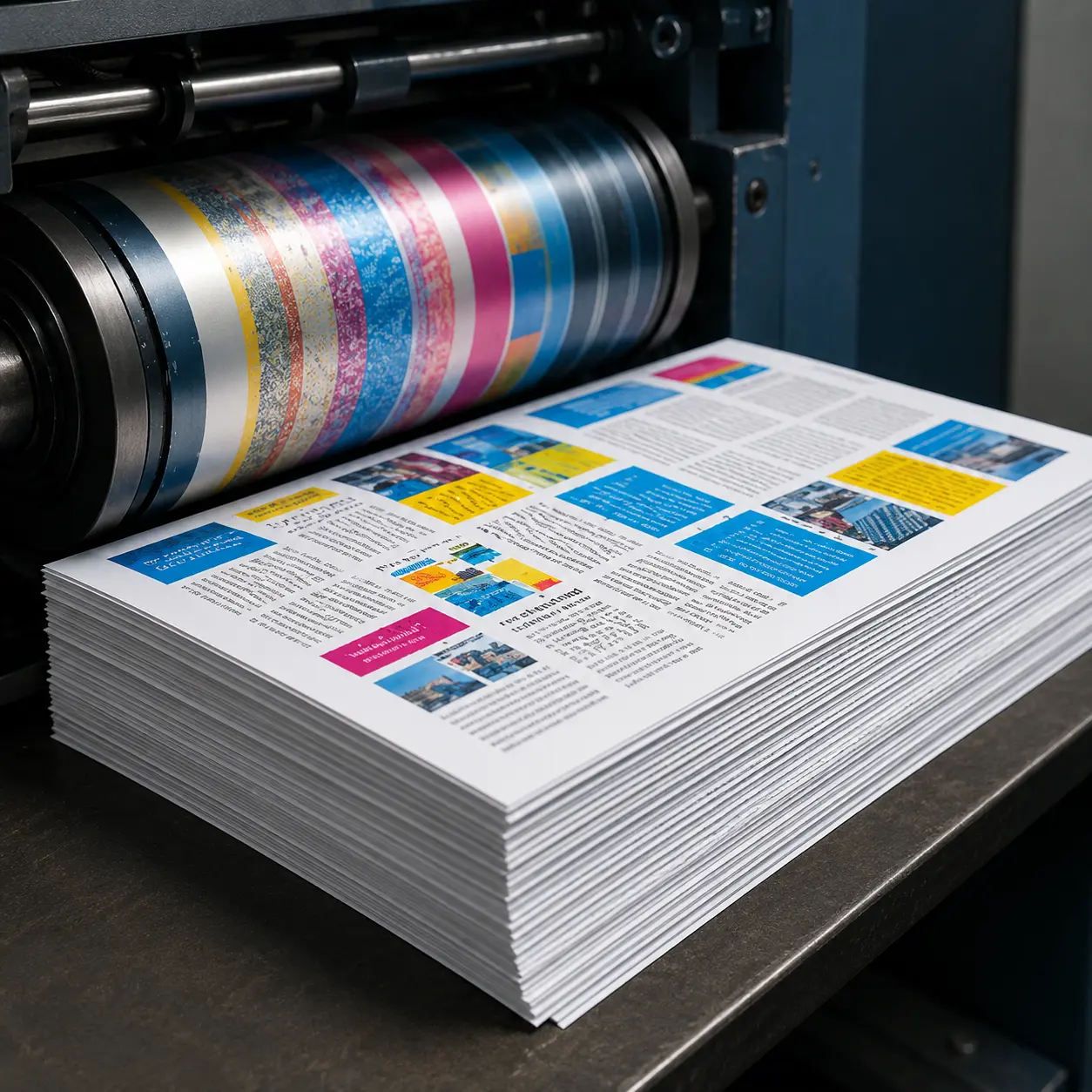
Industry-standard offset printing for high-volume runs with consistent color matching across bulk production.

Selective dimensional embellishment for premium B2B branding, tactile depth, and shelf differentiation.

Vibrant UV-cured printing suited for promotional packaging, event giveaways, and trade-show units.
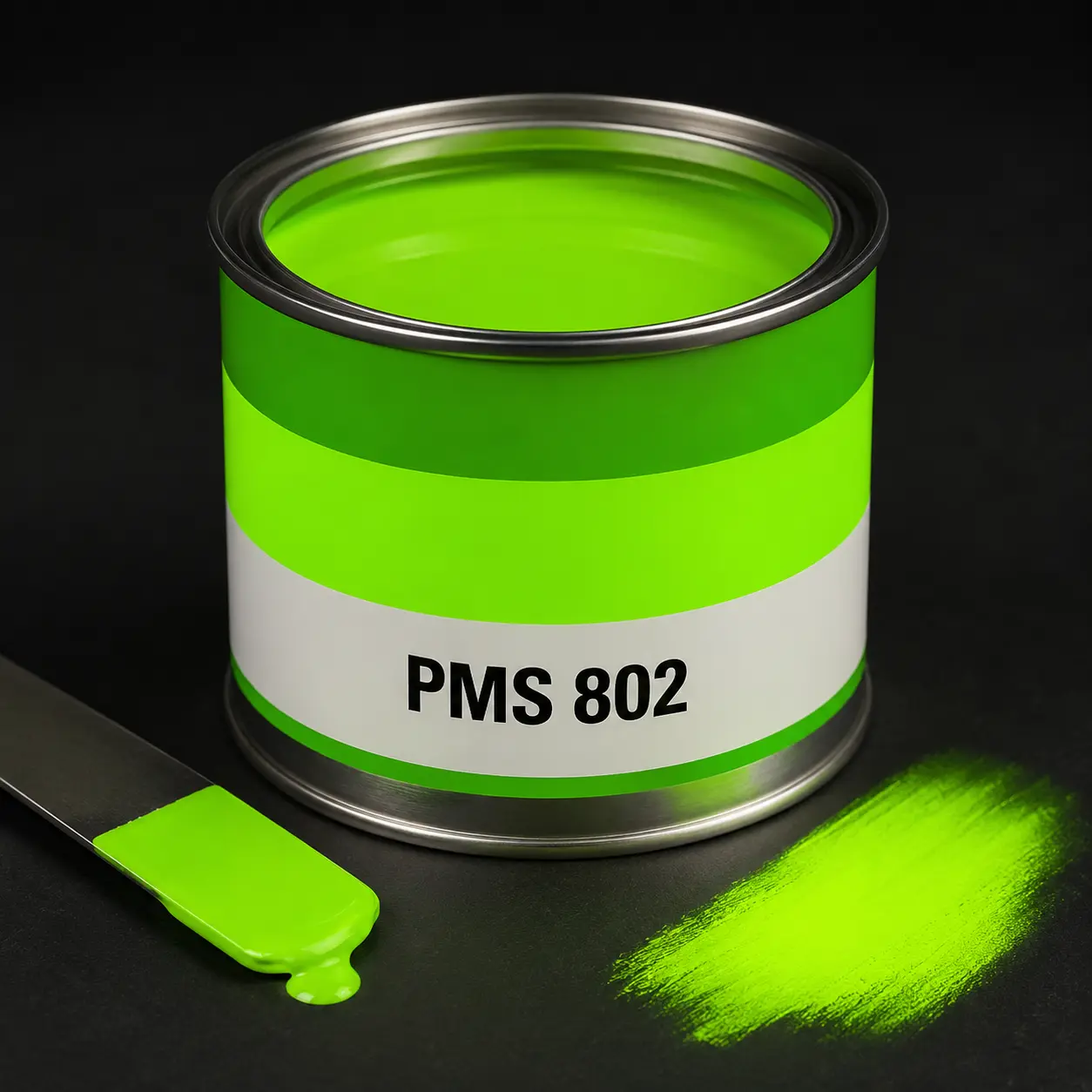
High-visibility ink system engineered for shelf impact, retail displays, and wholesale point-of-sale units.
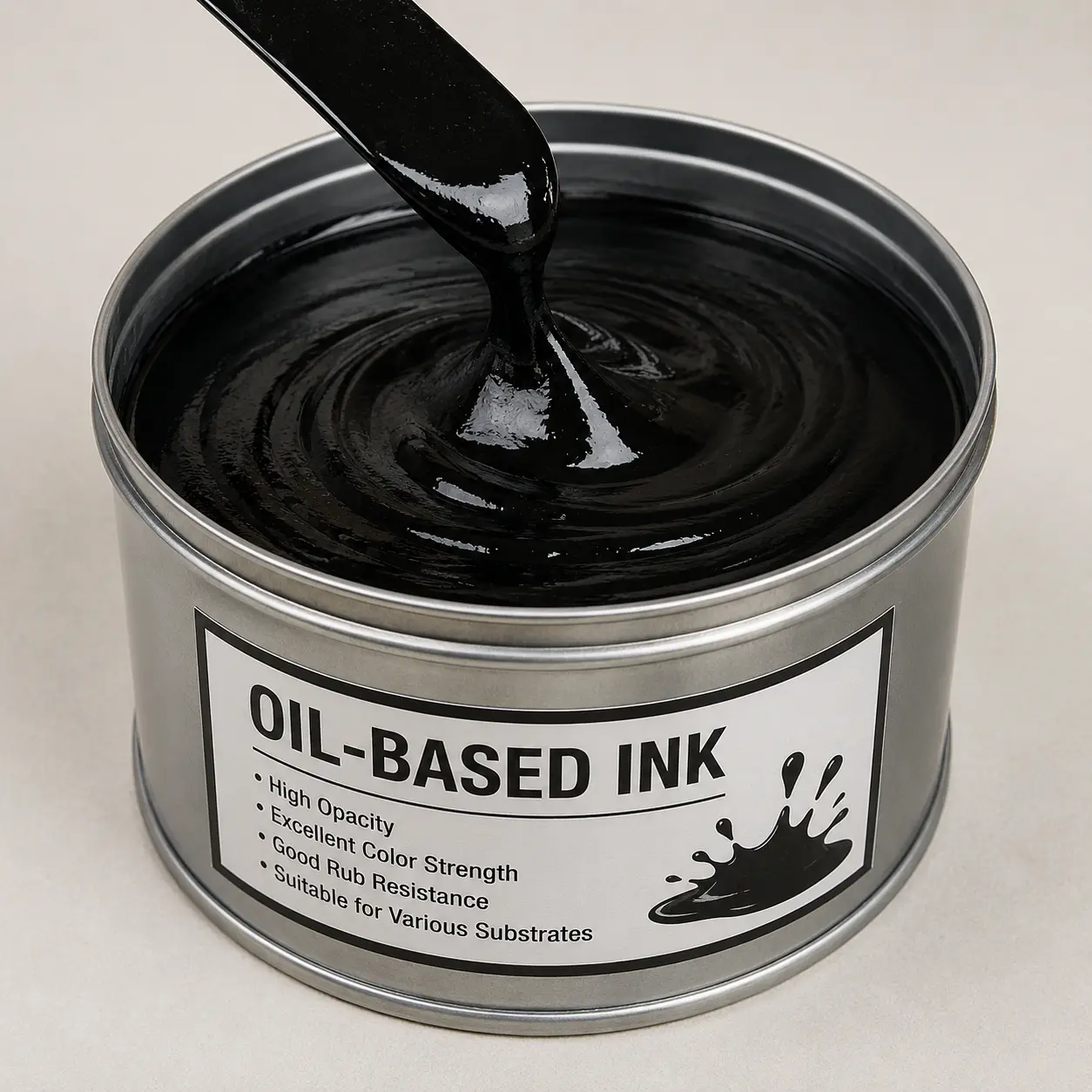
Industry-grade ink for durable, scuff-resistant production runs across long-haul distribution.

Spot-color matching to corporate brand standards — consistent identity across every SKU and reorder.

Sustainable plant-based ink for eco-certified packaging programs and ESG-aligned product launches.

Protective film extends shelf life and protects packaging during shipping and warehouse handling.

Water-based protective seal — fast-drying, food-safe-friendly finish for high-volume bulk production.

Premium tactile finish that elevates corporate gifting boxes and high-end B2B product lines.

Highlight logos and key artwork with selective gloss for maximum retail brand recognition.

Raised brand marks for tactile, premium identity on retail shelves and corporate packaging.

Pressed impressions for subtle, sophisticated branding on premium B2B product lines.

Metallic foil application — gold, silver, and custom finishes for luxury wholesale packaging.
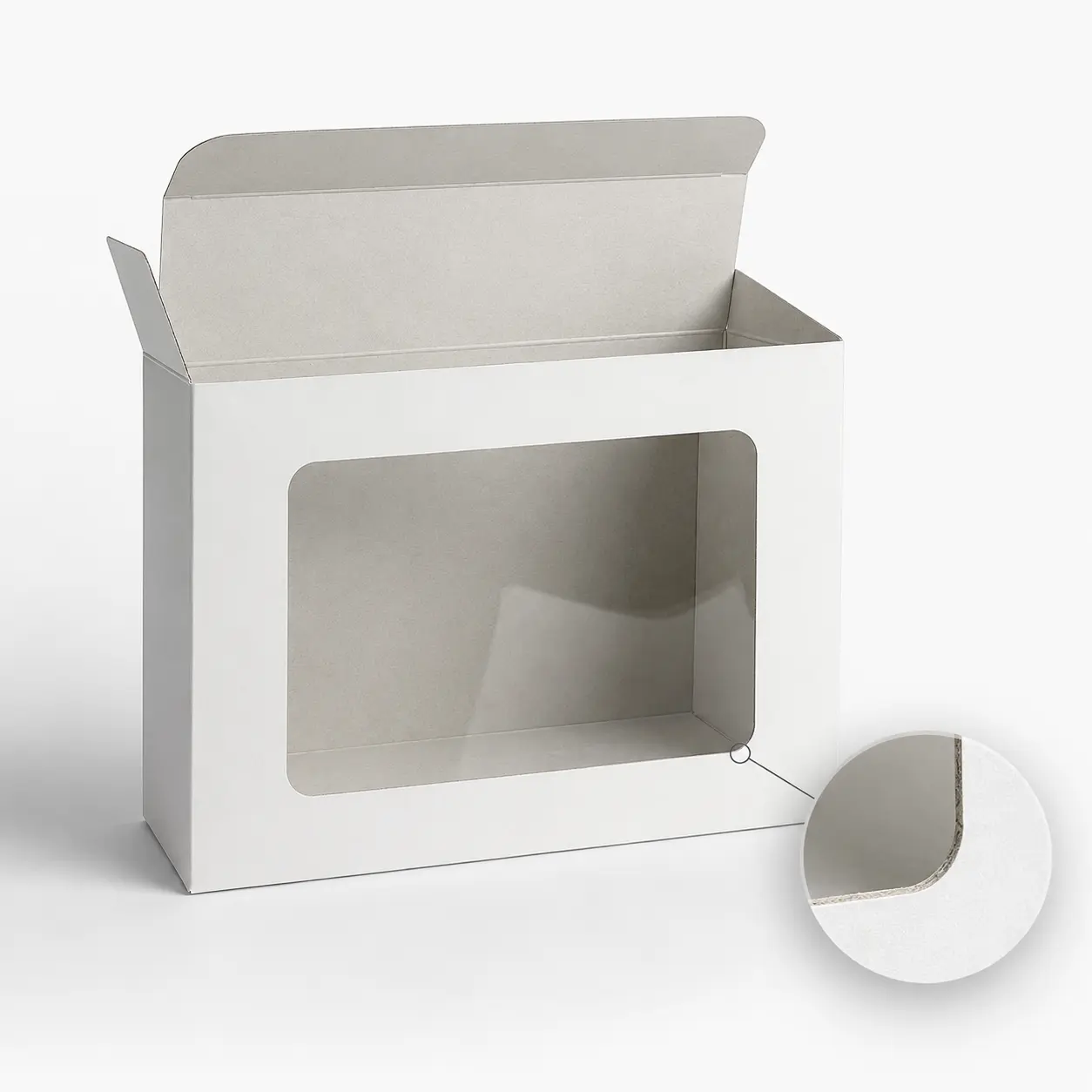
Precision die-cut openings that let customers view the product inside, with optional clear patching for better protection and presentation.
Good apparel packaging begins with the folded product, not a box selected from a size chart. A scarf, structured shirt, knitted sweater, and leather belt all sit differently once packed. We make custom apparel boxes around those practical details, including garment thickness, tissue, tags, shipping method, shelf space, and presentation. That groundwork helps clothing brands avoid loose fits, crushed folds, oversized cartons, and packaging that slows down the packing bench.
Terms such as shirt box, sweater box, or scarf packaging box are useful starting points. They are not accurate specifications.
Take two medium-sized shirts from different collections. One may be thin cotton with a soft collar. The other could have heavy fabric, raised buttons, embroidery, or a stiff collar insert. Fold both the same way and their packed depths may still be noticeably different.
Measure the item after it has been prepared for sale. That means folding it properly, adding tissue, fastening any belly band, attaching the hangtag, and including cards or accessories that will sit in the box. Measure the finished pack at its widest, longest, and highest points.
The box needs a little breathing room. Not much. A tight carton can press collars, snag tissue, or make garments awkward to remove. Too much room allows the fold to open during handling, which leaves the product looking poorly packed when the customer lifts the lid.
An apparel packaging box should suit the garment and the way it reaches the customer. Retail display, gifting, ecommerce fulfillment, subscription orders, and PR mailings place different demands on the same box.
A lid-and-base box is a familiar choice for folded shirts, shawls, robes, knitwear, and sweater gift boxes. Since the full top lifts away, packing teams have clear access to the base and can arrange tissue without working around narrow flaps.
Lid depth changes the character of the box. A shallow lid leaves part of the base visible and gives the pack a traditional clothing-store look. A deeper lid covers more of the base and feels more substantial in the hand.
The material and construction also matter. Folding two-piece cartons can be stored flat, which helps businesses with limited shelving. Rigid setup boxes arrive formed and look more substantial, though they consume considerably more storage space before they are used.
Apparel mailer boxes are usually the more sensible choice when one package must hold the garment, carry the branding, and travel through a parcel network.
Corrugated board gives better edge support than thin folding board. It also handles stacking, conveyor movement, and general courier handling more reliably. These boxes are commonly used for T-shirts, leggings, lightweight jackets, shirts, sweatshirts, scarves, and clothing subscription orders.
There is still a limit. A large clothing set, heavy winter garment, or mixed order with accessories may need a stronger flute, added support, or an outer shipping carton.
Presentation boxes should not automatically be treated as shipping boxes. A rigid apparel gift box may look excellent on a retail counter but pick up dirty marks, rubbed corners, or crushed edges when sent without protection.
Brands packing garments for delivery can compare suitable structures in our corrugated box range.
Drawer boxes suit products that benefit from a slower, more controlled opening. Scarves, socks, neckties, lingerie, belt sets, and compact clothing accessories are common examples.
Fit is particularly important with this structure. When the tray is too tight, staff struggle to open the sample and customers may assume the box is faulty. If the fit is too loose, the tray can slide out while the box is being picked up.
Small opening details can help. A thumb cut is simple. A ribbon pull has a dressier appearance. A folded paper tab keeps the construction mostly paper based. Each choice changes the look, assembly work, material mix, and cost, so it should earn its place in the pack.
Apparel pillow boxes are most useful for flexible, low-bulk products. Socks, handkerchiefs, slim ties, fabric accessories, and small scarves often pack well in this format.
The curved sides need to be considered during sizing. They reduce the clear rectangular space inside the box. A product that fits comfortably in a regular folding carton may push against the curved panels of a pillow box.
Buckles, thick labels, knots, pins, and raised decorations can also affect the closure. A plain paper sample will usually reveal these problems before printing begins.
Apparel PR boxes are rarely holding one folded product on its own. They may carry two or three garments, a campaign card, product notes, accessories, a lookbook, or small promotional items.
Putting everything into one deep box can technically work, but the opening experience may be disappointing. The uppermost item covers everything underneath, and smaller pieces drift toward the corners.
Paperboard levels, shallow compartments, dividers, sleeves, and simple product bands can create order inside the box. Foam is not always necessary. In many apparel projects, a well-planned paper insert does the job with less bulk and fewer mixed materials.
More board does not automatically mean better packaging.
Paperboard is suitable for many apparel boxes used in shops, gift sets, and protected ecommerce orders. White solid board provides a clean surface for detailed graphics and accurate color work. Uncoated kraft board gives kraft apparel boxes their natural brown finish, although printed colors appear darker and less vivid on it.
Box size changes how the material behaves. A paperboard grade that feels firm when used for a small belt box may flex across the lid of a wide sweater box. Large panels are less forgiving.
In some cases, a heavier board is the right answer. In others, the structure needs improvement. Folded edges, lid depth, corner construction, and internal supports can add stiffness without making every panel unnecessarily thick.
Corrugated apparel shipping boxes are usually better for heavier garments, warehouse stacking, and courier delivery. Fine fluting produces a neater surface for printing and keeps the profile relatively slim. Stronger flute combinations may be needed for large boxes or multi-item orders.
The sensible specification is the lightest construction that still performs properly through packing, storage, handling, and delivery.
Warehouse space often settles the argument between two box styles.
Folding cartons and corrugated mailers generally arrive flat. Hundreds can be stored in a relatively small area, then assembled when required. This works well for brands that carry several garment sizes or rotate artwork by season.
The cost is packing time. Someone still has to open, fold, lock, and prepare each box.
Rigid apparel gift boxes reverse that trade-off. They arrive formed and are quicker to fill, but they take up their full finished volume from the day they reach the warehouse. A few sample boxes never look like a storage problem. Five hundred wide sweater boxes certainly can.
Before placing a custom apparel boxes wholesale order, check the available racking, expected monthly usage, staffing at the packing bench, and the likely life of the artwork. A lower price per box loses its appeal when unused stock blocks valuable warehouse space or carries an old collection name.
Large clothing boxes have broad panels, and broad panels reveal print weaknesses.
Solid dark colors may show scuffs, fingerprints, rubbing, or slight shade differences more readily than lighter artwork. Ink can also crack around heavily folded areas if the board, grain direction, coating, and artwork have not been considered together.
A coating or lamination may reduce surface marking, though it changes the feel of the pack and can affect how the materials are separated after use. The decision should be based on actual handling, not simply appearance on a screen.
Fine text needs enough contrast. Care notes, website addresses, social handles, and small collection details can disappear when printed too lightly. Kraft apparel boxes need extra care because the brown board changes every color placed on top of it. Pale tones may become dull, and unprinted board can show through the ink.
White ink or a white underlayer may help with selected artwork, depending on the board and printing method.
Logo scale is another common issue. On a computer monitor, a logo covering half a panel may appear restrained. Once printed on a broad shirt-box lid, it can dominate the entire package.
For custom apparel boxes with logo printing, build the artwork on the production dieline. Keep text and important graphics clear of fold lines, glue flaps, thumb cuts, locking areas, and panel edges.
A clothing brand may sell T-shirts, trousers, sweaters, scarves, belts, and gift sets. Producing a different box for every product is possible, but it creates more tooling, artwork files, stock lines, and warehouse handling.
Grouping products by folded size is often more manageable.
One carton might cover T-shirts, vests, and light tops. A second could handle hoodies, sweaters, and folded trousers. Small apparel packaging boxes can then be reserved for scarves, socks, belts, and accessories.
Tissue, paper belly bands, or simple platforms can help smaller garments sit neatly inside a shared box. The packaging range remains visually consistent, and the buying team has fewer sizes to reorder and monitor.
Standardization should not be pushed too far. Putting a slim scarf into a sweater box merely to avoid creating another size wastes board and delivery space. It can also make a modest product look lost inside the package.
A shared size makes sense when the packed dimensions are close. When they are not, another box size is usually the cleaner decision.
Customers see the garment before they inspect the board grade or print finish.
Tissue keeps folds together, protects the fabric from rubbing against the carton, and makes the product easier to lift. A paper belly band can hold shirts, leggings, knitwear, or scarves without requiring a complicated insert.
Printed cards are useful when they carry information the buyer may need: garment care, sizing notes, returns guidance, collection details, or a brief message from the brand.
Products with separate parts need more control. Belt boxes may need a way to stop the buckle striking the strap. Scarf-and-accessory sets can shift out of place unless each piece has a clear position. Die-cut paperboard supports, narrow dividers, or shaped bands often solve this without introducing plastic trays.
Every component should have a job. Layers added purely to make the box feel fuller slow down packing and leave the customer with more material to remove and discard.
A wholesale order should not be the first time the garment is placed inside the proposed box.
Confirm the final folded size, construction, material, print coverage, surface finish, inserts, and packing direction before the production run. A plain sample helps check the physical fit. A printed sample or proof is useful for reviewing color, scale, and placement, though certain finishes may appear slightly different during full production.
Let the packing team test the structure. They often spot practical issues that are missed during an office review.
A tab may take too long to lock. A lid may catch on the tissue. A drawer may need both hands to open. An assembled box may occupy too much space beside the packing station. None of these problems appear in a flat artwork file.
Seasonal stock deserves extra thought. Apparel gift boxes wholesale with a fixed holiday date, collection name, or campaign line can become unusable quickly. A plain branded box paired with a changeable sleeve, sticker, card, or paper band gives the business more flexibility.
Start with the box size.
Reducing unused space cuts board consumption, tissue use, shipping volume, and storage requirements at the same time. That usually has more practical value than adding an environmental statement to an oversized pack.
Flat-packed cartons can reduce inbound freight and warehouse space compared with rigid assembled boxes. Paper inserts and folded board supports may replace plastic trays or foam where the garment does not require heavy cushioning.
Keeping the pack mostly within one material family also makes disposal clearer for customers. A paper box with a paper insert and paper pull is easier to understand than a carton containing magnets, foam, plastic film, and fabric ribbons.
Kraft apparel boxes are often selected because they look simple and natural. That appearance should not be mistaken for a full sustainability assessment. The board source, coatings, adhesives, printing, inserts, dimensions, and number of materials all contribute to the final result.
The most useful information for a packaging quote is not simply “I need boxes for clothing.”
Provide the folded length, width, and depth of the garment after tissue and tags have been added. Include the order quantity, preferred box style, number of print colors, finish requirements, and details of any cards, accessories, or inserts.
Also explain how the box will be used. A retail gift box placed inside a shopping bag has different needs from an apparel mailer passing through a courier network.
Hello Custom Boxes can use those details to narrow down suitable custom clothing boxes, board options, structures, and dimensions before the artwork is prepared for production.
Whether you need sleek retail boxes, protective mailers, or eco-friendly designs, we build everything to your specs. From material and style to dimensions and print details, every box starts with your vision.
No design? No problem. Upload your logo or sketches and our team will help bring your box to life with a complimentary digital mockup.

| # | Date | Days | Holidays | Offer |
|---|---|---|---|---|
| 1 | Wednesday, Jan 1, 2026 | Wednesday | New Year's Day | Up To 40% Off |
| 2 | Monday, Jan 20, 2026 | Monday | Martin Luther King Jr. Day | Up To 40% Off |
| 3 | Monday, Feb 17, 2026 | Monday | Presidents' Day | Up To 40% Off |
| 4 | Monday, May 26, 2026 | Monday | Memorial Day | Up To 40% Off |
| 5 | Thursday, Jun 19, 2026 | Thursday | Juneteenth | Up To 40% Off |
| 6 | Friday, Jul 4, 2026 | Friday | Independence Day | Up To 40% Off |
| 7 | Monday, Sep 1, 2026 | Monday | Labor Day | Up To 40% Off |
| 8 | Monday, Oct 13, 2026 | Monday | Columbus Day | Up To 40% Off |
| 9 | Tuesday, Nov 11, 2026 | Tuesday | Veterans Day | Up To 40% Off |
| 10 | Thursday, Nov 27, 2026 | Thursday | Thanksgiving Day | Up To 40% Off |
| 11 | Thursday, Dec 25, 2026 | Thursday | Christmas Day | Up To 40% Off |
Browse more product categories to discover a wide range of options tailored to your needs.