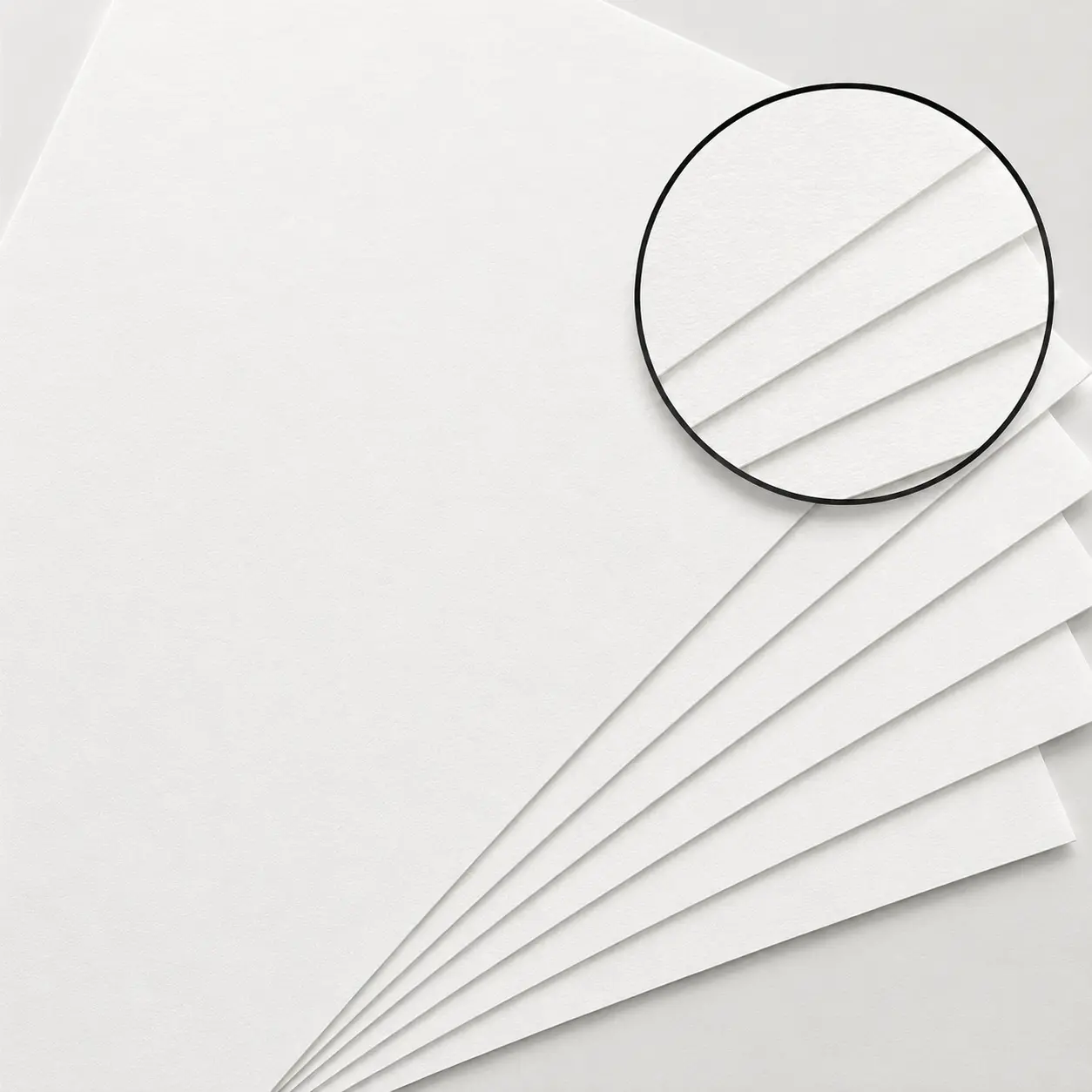
SBS Cardboard
Premium bleached substrate engineered for retail-ready packaging with sharp, high-resolution print performance across bulk SKUs.
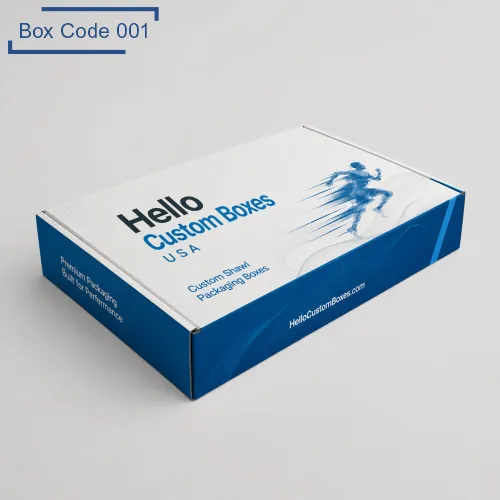
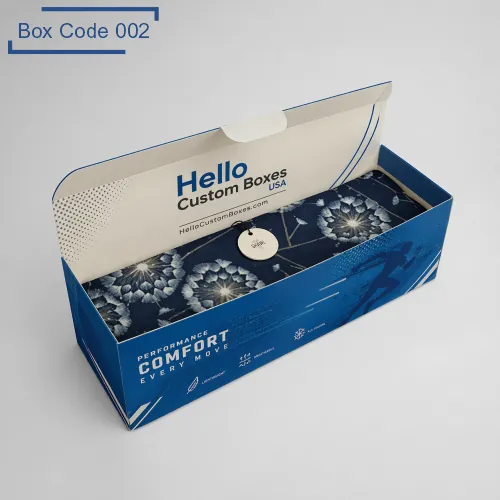
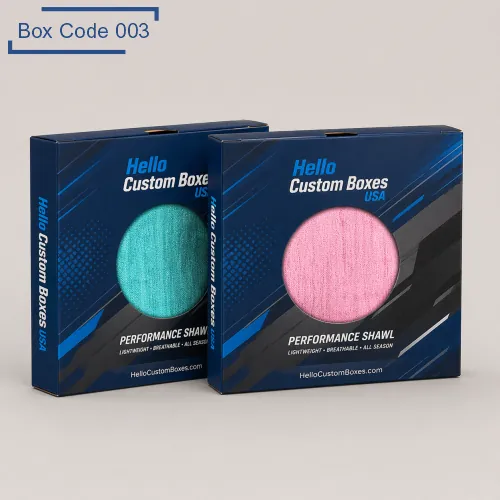
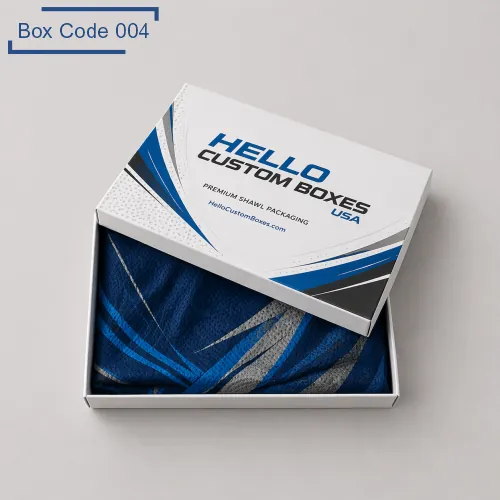
Shawl boxes are made to keep shawls folded without getting crushed or losing shape. In shops and during shipping, they usually get stacked, moved around, and opened more than once. That’s why the box needs to hold structure. Depending on the brand, people use kraft, cardboard, or rigid material to keep the shawl sitting properly inside the packaging.
Tell us your specs and we'll send pricing within one business day.
Shawls are not like standard apparel. They shift, fold unevenly, and pick up pressure marks easily. That’s why, in apparel packaging, boxes are built with more internal space and a softer structural behavior to handle delicate fabrics properly.
A tight box might look neat at first, but over time it creates fold lines that don’t go away. A slightly relaxed fit works better. It lets the fabric sit naturally instead of forcing it into shape.
Most brands go for shallow-depth boxes. Not too deep, not too flat. Just enough room to hold a folded shawl without stacking weight directly on it.
Material is where most of the performance comes from.
Kraft shawl packaging boxes are common for everyday retail. They handle stacking well and don’t show scratches easily. But they’re not ideal for premium gifting since they can absorb moisture if left in humid storage.
Cardboard (SBS or duplex) gives a cleaner surface for printing. It’s smoother, so custom printed shawl boxes come out sharper. However, under heavy stacking, thinner grades may slightly bow in the middle.
Rigid boxes are used when presentation matters more than shipping efficiency. These don’t collapse or bend easily. They hold shape even after repeated handling, which makes them ideal for shawl gift box setups.
Bux board sits somewhere in between. It’s stronger than standard cardboard but still flexible enough for custom shawl boxes wholesale production.
The structure of a shawl packaging box isn’t just about shape—it affects how the product behaves inside.
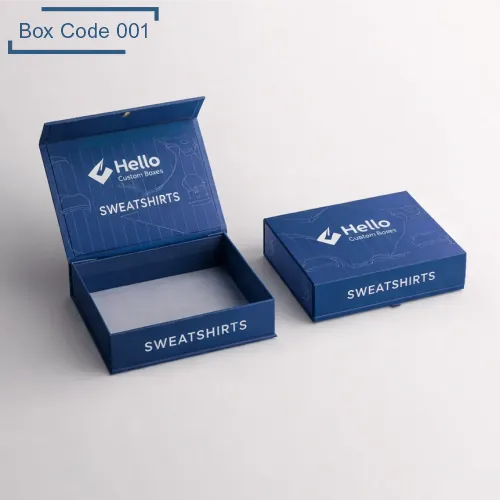
Two-piece lid and base boxes are widely used. They open smoothly and don’t disturb the fold much. Magnetic closure boxes look premium but can sometimes press down too tightly if sizing isn’t right.
Drawer-style boxes are interesting. They slide open without lifting the lid, which helps maintain the shawl’s fold. But if the tray is too snug, fabric edges may rub against the walls.
Some brands add tissue lining or soft inserts. Not always necessary, but helpful when dealing with silk or embroidered shawls.
On shelves, shawl boxes are rarely handled gently.
Boxes get stacked. They slide against each other. Customers pick them up, open them halfway, and put them back slightly off-center.
This is where material thickness and surface finish start showing their value.
Gloss lamination looks clean but shows fingerprints quickly. Matte finishes hide handling marks better. Soft-touch coatings feel premium but can scuff if rubbed repeatedly against rough surfaces.
For custom shawl boxes with logo, placement matters. Logos printed too close to edges tend to wear off first due to friction during stacking.
In shipping cartons, shawl packaging boxes face compression from all sides.
If the box walls are too thin, corners start collapsing first. Once that happens, the inside fold shifts, and the shawl loses its presentation.
Humidity is another factor. In long transit cycles, especially across regions, kraft materials may soften slightly. Rigid boxes handle this better but cost more in freight due to weight.
Flat-packed custom shawl boxes wholesale are often preferred for bulk orders. They save space during transport and are assembled later.
Printing on shawl boxes isn’t just about design—it’s about durability.
Offset printing gives sharp detail for patterns and branding. Digital works for smaller runs. Flexo is used for simpler kraft designs.
Logos on shawl gift boxes often use finishes like foil stamping on packaging boxes because they catch attention quickly. It looks sharp at first, but with repeated handling or friction in stacked cartons, that shine can slowly lose its crisp edge.
Embossing adds texture, which works well for premium collections. But deep embossing on thinner cardboard can weaken the surface slightly.
UV coating highlights specific areas but may crack if applied on fold lines.
Sizing isn’t as straightforward as measuring fabric length.
You have to consider fold style. Some shawls are folded twice, others rolled loosely. That changes the box dimensions.
Too much empty space inside causes shifting during movement. Too little space creates pressure lines.
A good shawl box allows slight movement without letting the product slide around freely.
Custom printed shawl boxes are often the first thing customers notice.
But overly complex designs don’t always work in real retail conditions. Fine details can blur under certain lighting. Dark colors may show dust more easily.
Simple layouts with strong contrast tend to perform better. Especially when boxes are stacked or partially visible.
Custom shawl boxes with logo should focus on visibility from multiple angles—not just the top panel.
Shawl packaging boxes aren’t limited to one environment.
They sit on retail shelves.
They go into shipping cartons.
They’re stored in warehouses for months.
Sometimes they’re reused by customers for personal storage.
That means the box has to perform consistently across different conditions—not just look good at first glance.
Shawl Boxes Specifications |
|
|---|---|
| Material Options | Premium SBS paperboard (300–400 gsm), kraft board, black kraft, bux board, and rigid board for luxury shawl packaging. |
| Box Styles Available | Magnetic closure rigid boxes, two-piece lid and base boxes, drawer (sleeve and tray) boxes, foldable cartons, and window display boxes. |
| Product Protection | Designed to protect delicate shawls from dust, moisture, creasing, and fabric damage during storage and transit. |
| Structural Stability | Sturdy construction ensures boxes maintain shape when stacked, preventing compression of soft fabric items. |
| Brand Presentation | Smooth finishes and refined edges provide a premium look, ideal for elegant textile branding and luxury presentation. |
| Printing & Finishes | CMYK and Pantone printing, matte/gloss lamination, soft-touch coating, foil stamping, embossing, debossing, and spot UV. |
| Custom Sizes & Dimensions | Custom sizing available for folded shawls, scarves, wraps, and lightweight fabric garments. |
| Insert Options | Tissue paper, fabric wraps, cardboard inserts, and ribbon ties to enhance presentation and keep shawls neatly arranged. |
| Shipping & Storage Efficiency | Flat-pack options for easy storage, while rigid boxes offer enhanced protection for premium retail and gift packaging. |
| Retail Applications | Perfect for fashion brands, boutiques, gift shops, textile retailers, and eCommerce apparel packaging. |
| Wholesale & Production | Low MOQs for small brands, bulk production for large orders, custom dielines, prototyping, and strict quality checks. |
| Sustainability Options | Recyclable materials, FSC-certified boards, and eco-friendly inks available for sustainable shawl packaging solutions. |
Choose from practical materials, print methods, inks, finishes, and add-ons for a better product presentation.
Premium bleached substrate engineered for retail-ready packaging with sharp, high-resolution print performance across bulk SKUs.
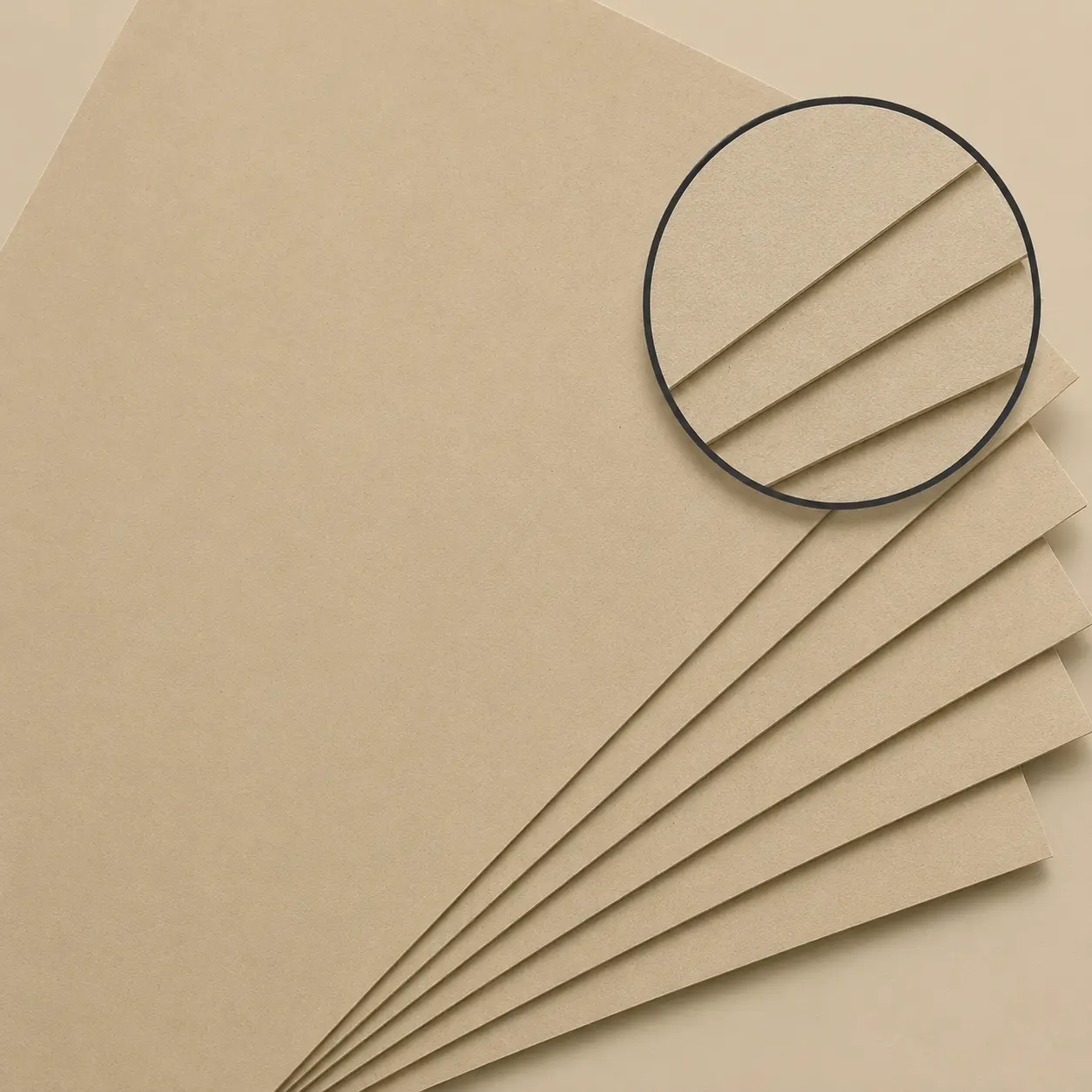
High-density rigid board built for wholesale cartons, structural strength, and stack-ready warehouse logistics.
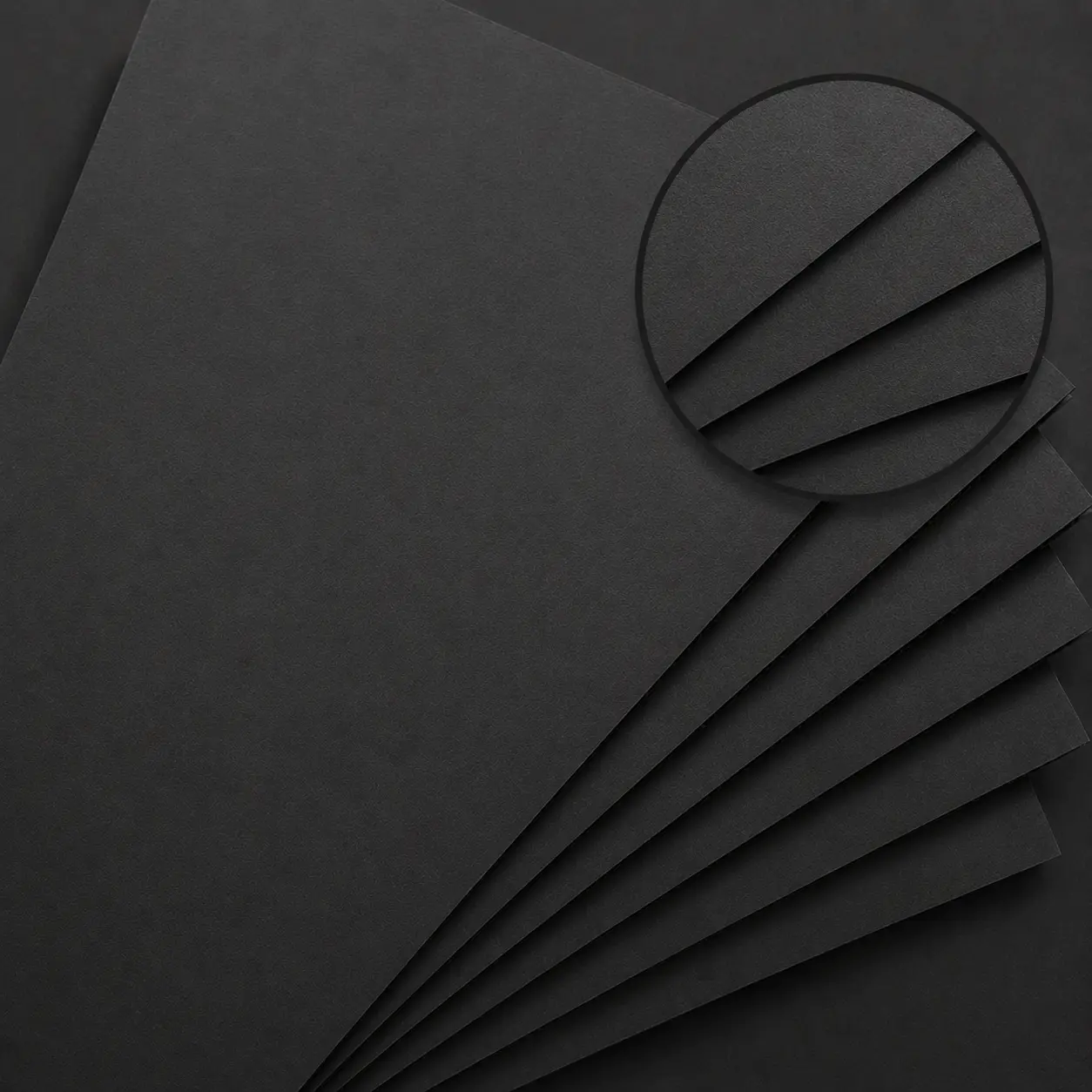
Eco-conscious black kraft for premium unboxing programs, corporate gifting, and limited-edition product lines.
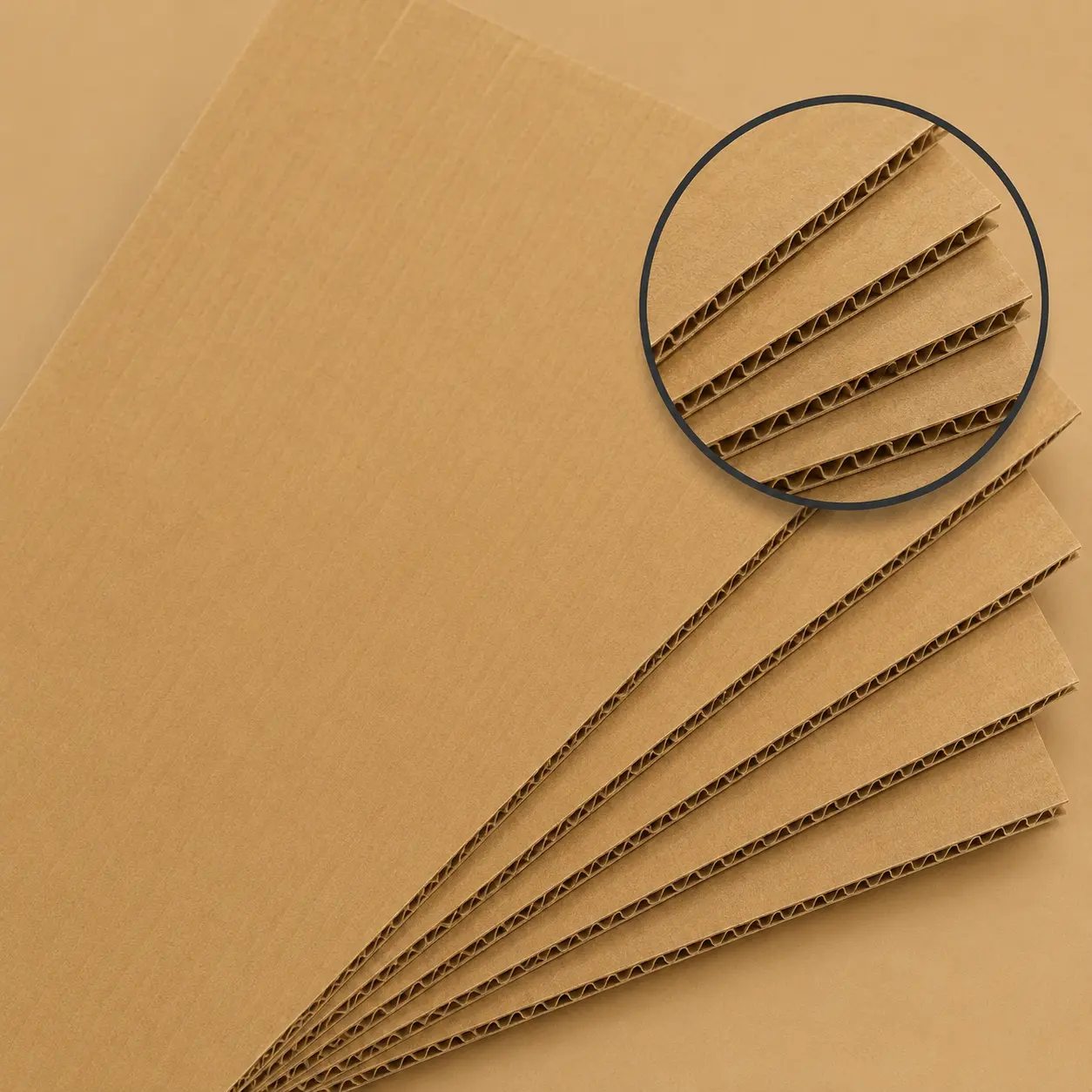
Multi-flute corrugated board built for protective shipping, e-commerce dispatch, and high-volume B2B fulfillment.
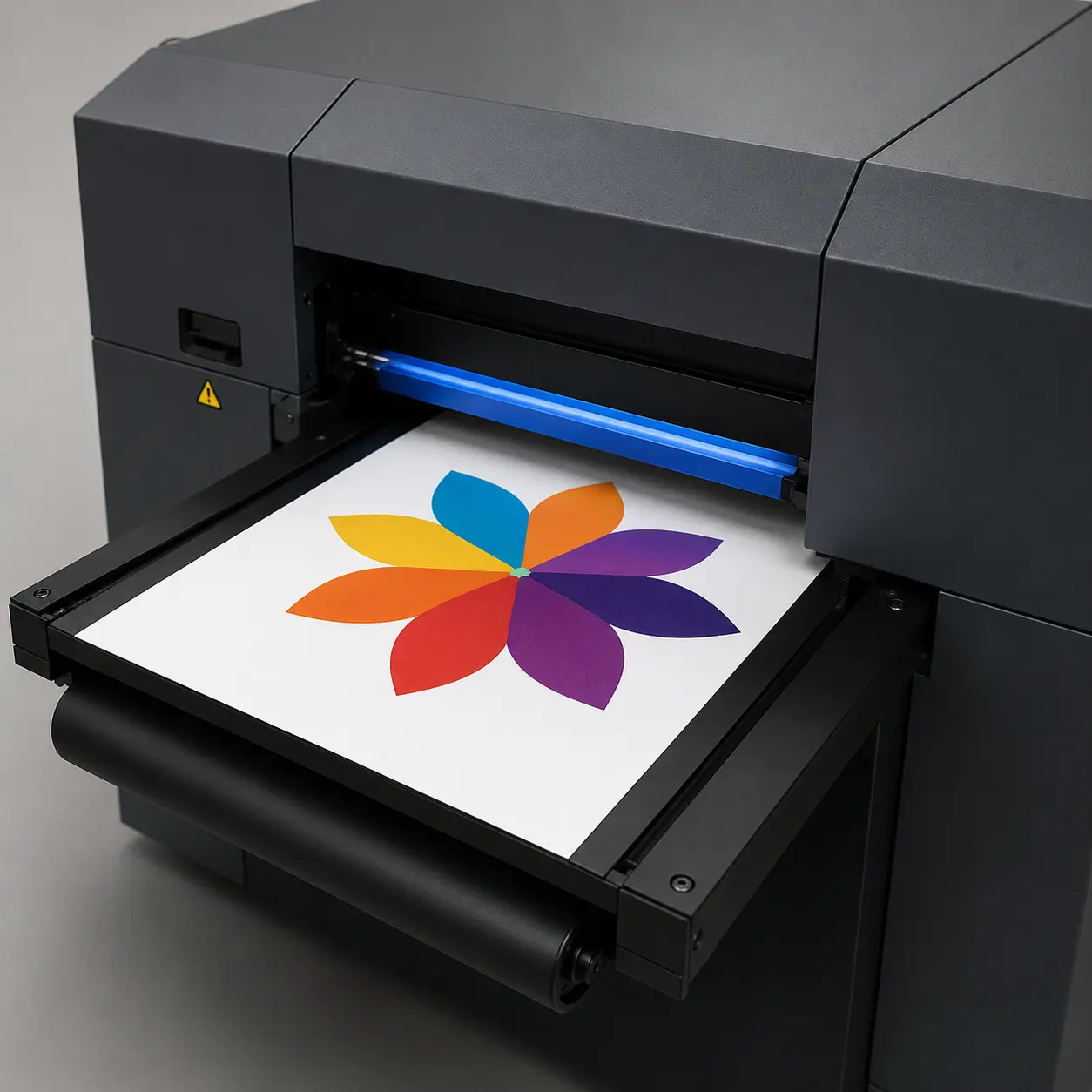
Short-run digital printing with no plate setup — ideal for prototypes, sample approvals, and quick reorders.
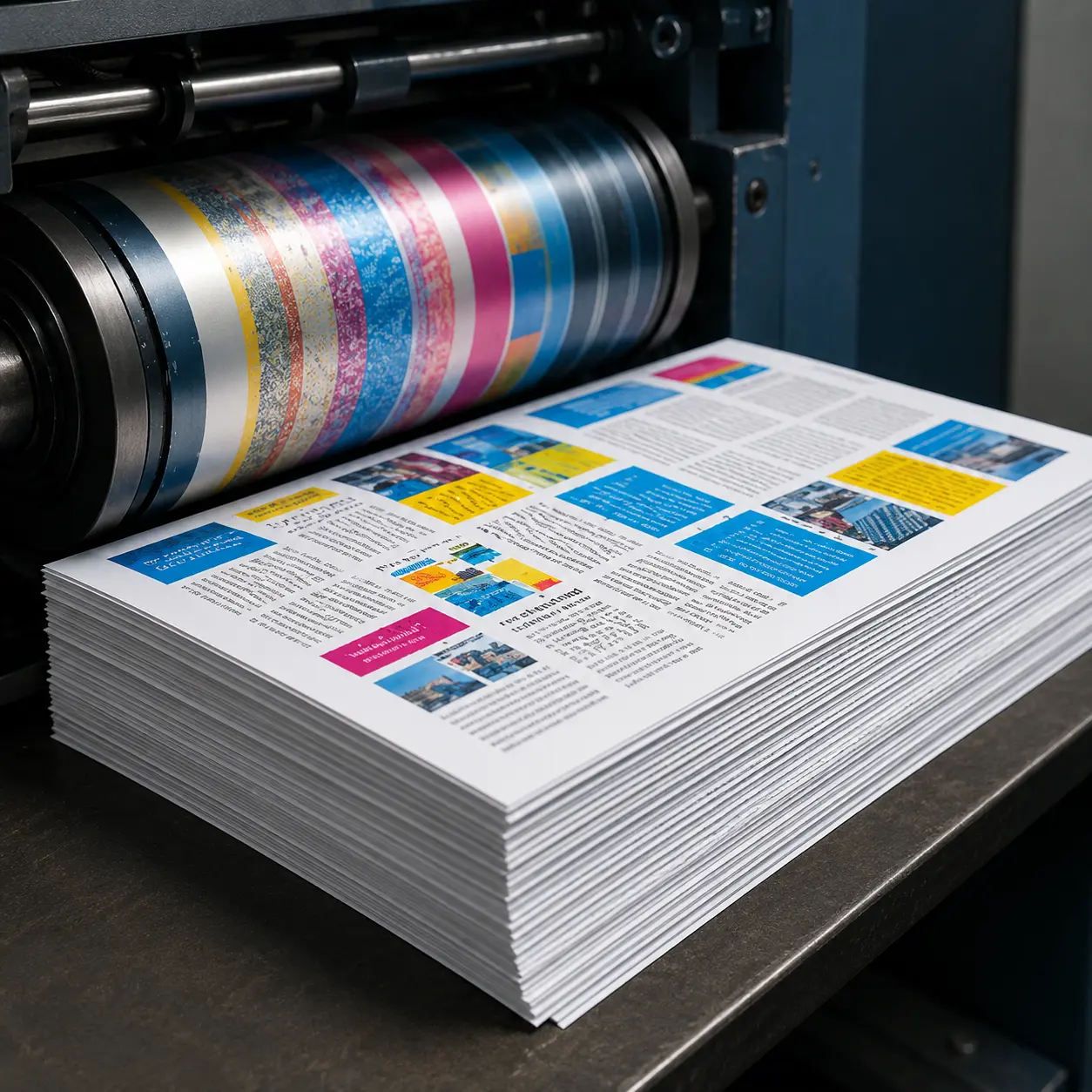
Industry-standard offset printing for high-volume runs with consistent color matching across bulk production.

Selective dimensional embellishment for premium B2B branding, tactile depth, and shelf differentiation.

Vibrant UV-cured printing suited for promotional packaging, event giveaways, and trade-show units.
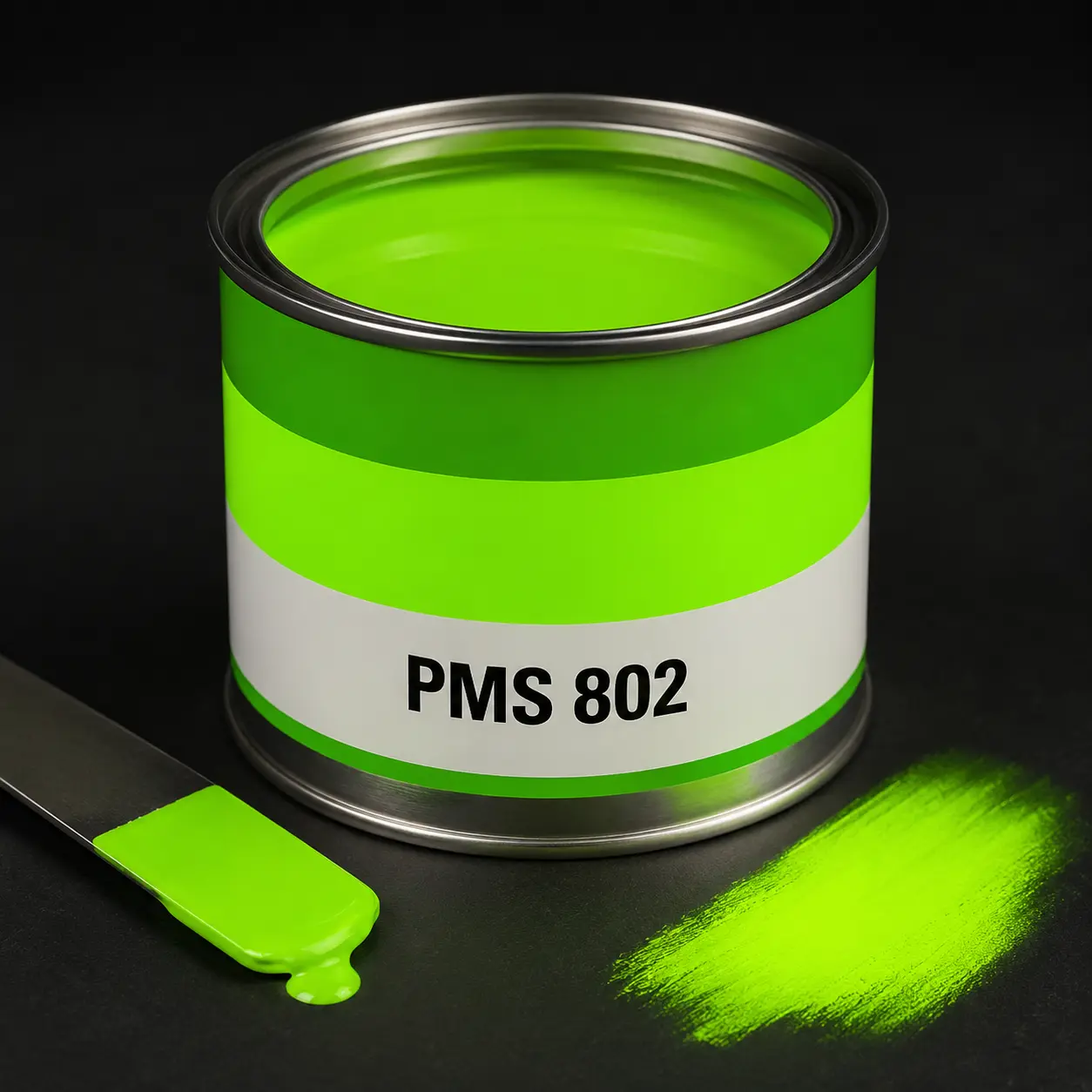
High-visibility ink system engineered for shelf impact, retail displays, and wholesale point-of-sale units.
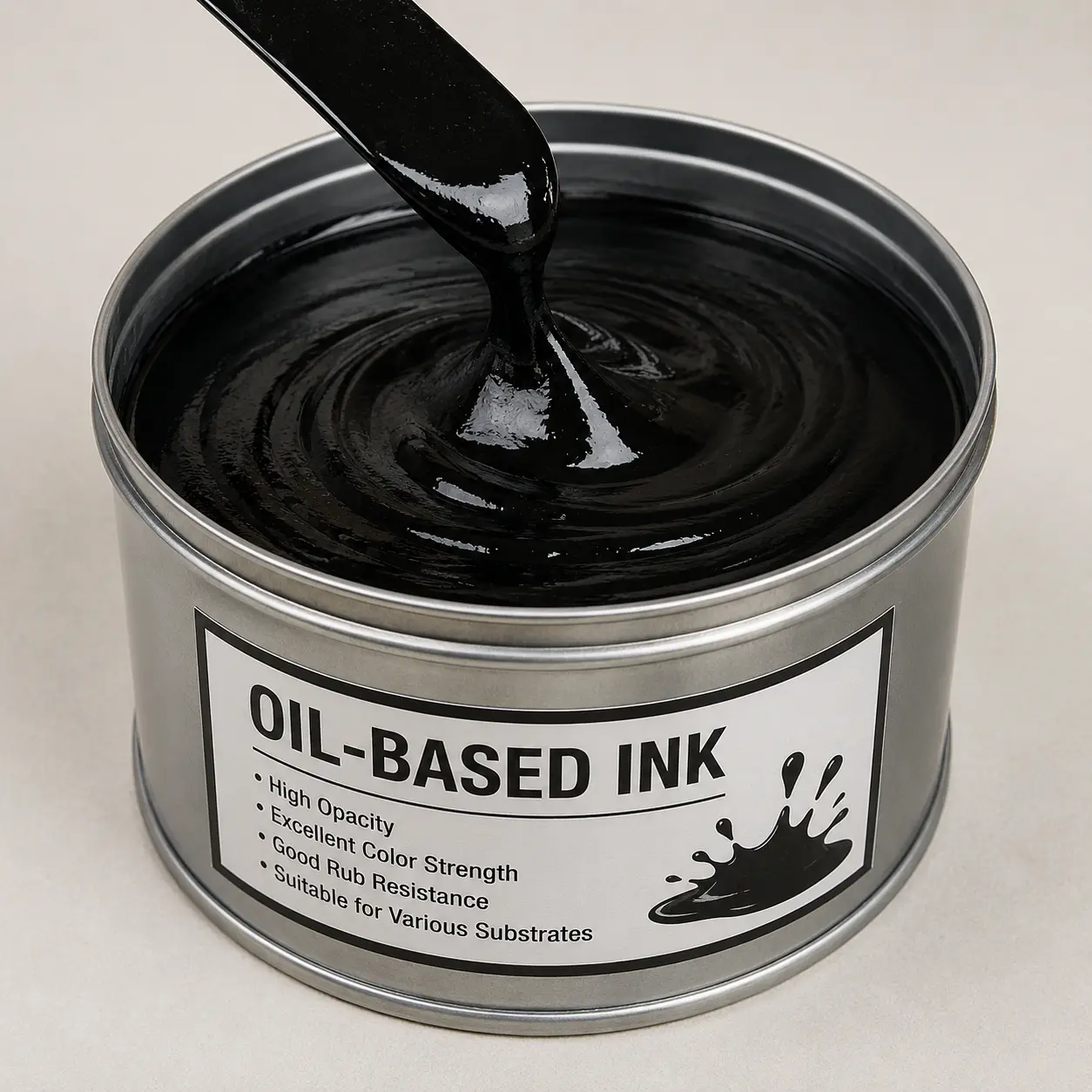
Industry-grade ink for durable, scuff-resistant production runs across long-haul distribution.

Spot-color matching to corporate brand standards — consistent identity across every SKU and reorder.

Sustainable plant-based ink for eco-certified packaging programs and ESG-aligned product launches.

Protective film extends shelf life and protects packaging during shipping and warehouse handling.

Water-based protective seal — fast-drying, food-safe-friendly finish for high-volume bulk production.

Premium tactile finish that elevates corporate gifting boxes and high-end B2B product lines.

Highlight logos and key artwork with selective gloss for maximum retail brand recognition.

Raised brand marks for tactile, premium identity on retail shelves and corporate packaging.

Pressed impressions for subtle, sophisticated branding on premium B2B product lines.

Metallic foil application — gold, silver, and custom finishes for luxury wholesale packaging.
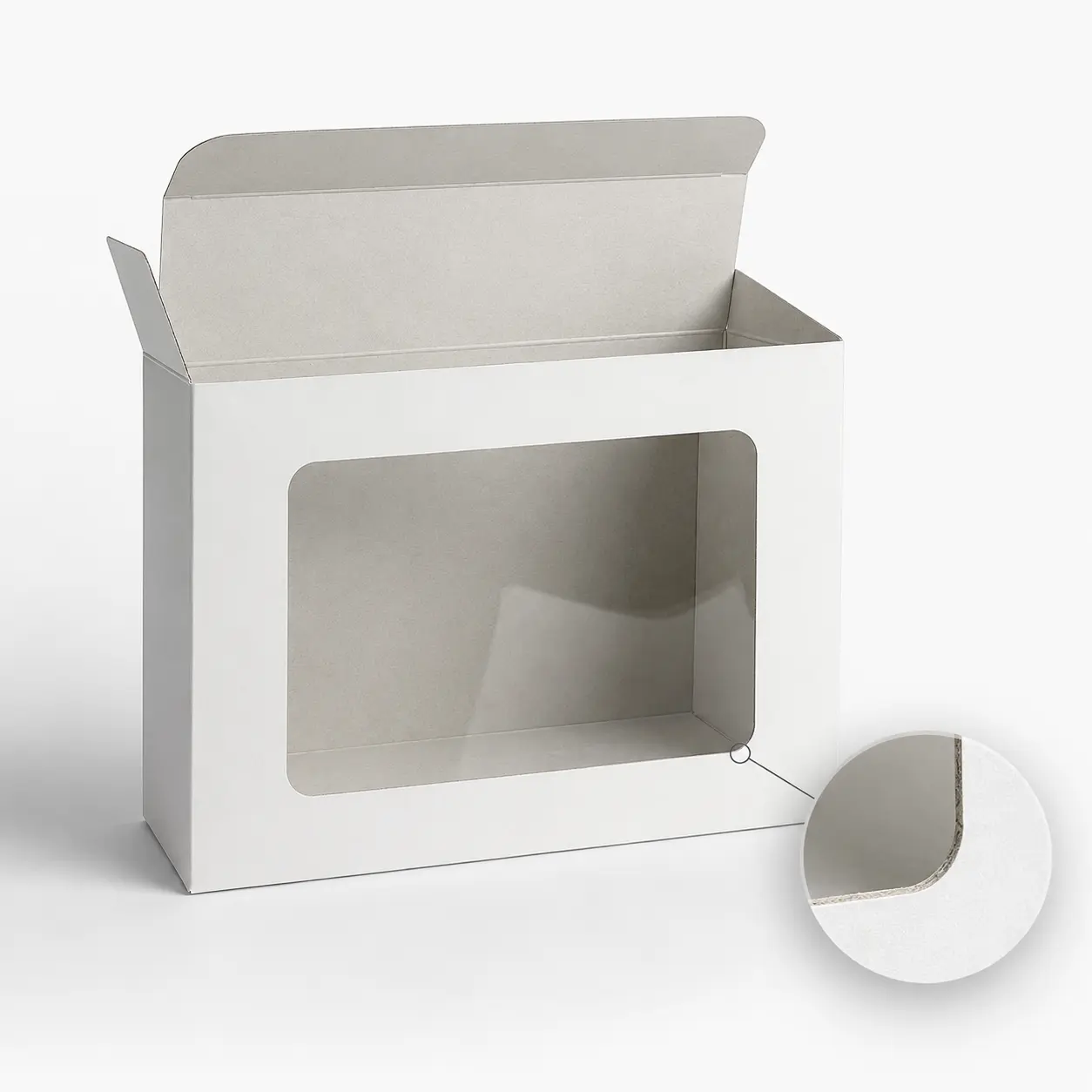
Precision die-cut openings that let customers view the product inside, with optional clear patching for better protection and presentation.
Simple, practical, and built around real B2B production needs.
Send product size, quantity, material preference, artwork, and delivery details.
Our team prepares a proof or 3D mockup so you can check design and structure.
Once approved, your packaging moves into printing, cutting, finishing, and packing.
Finished boxes are packed and shipped to your warehouse, retailer, or 3PL.
Explore similar packaging options that may fit your product line.

Reviews
There are no reviews yet.