
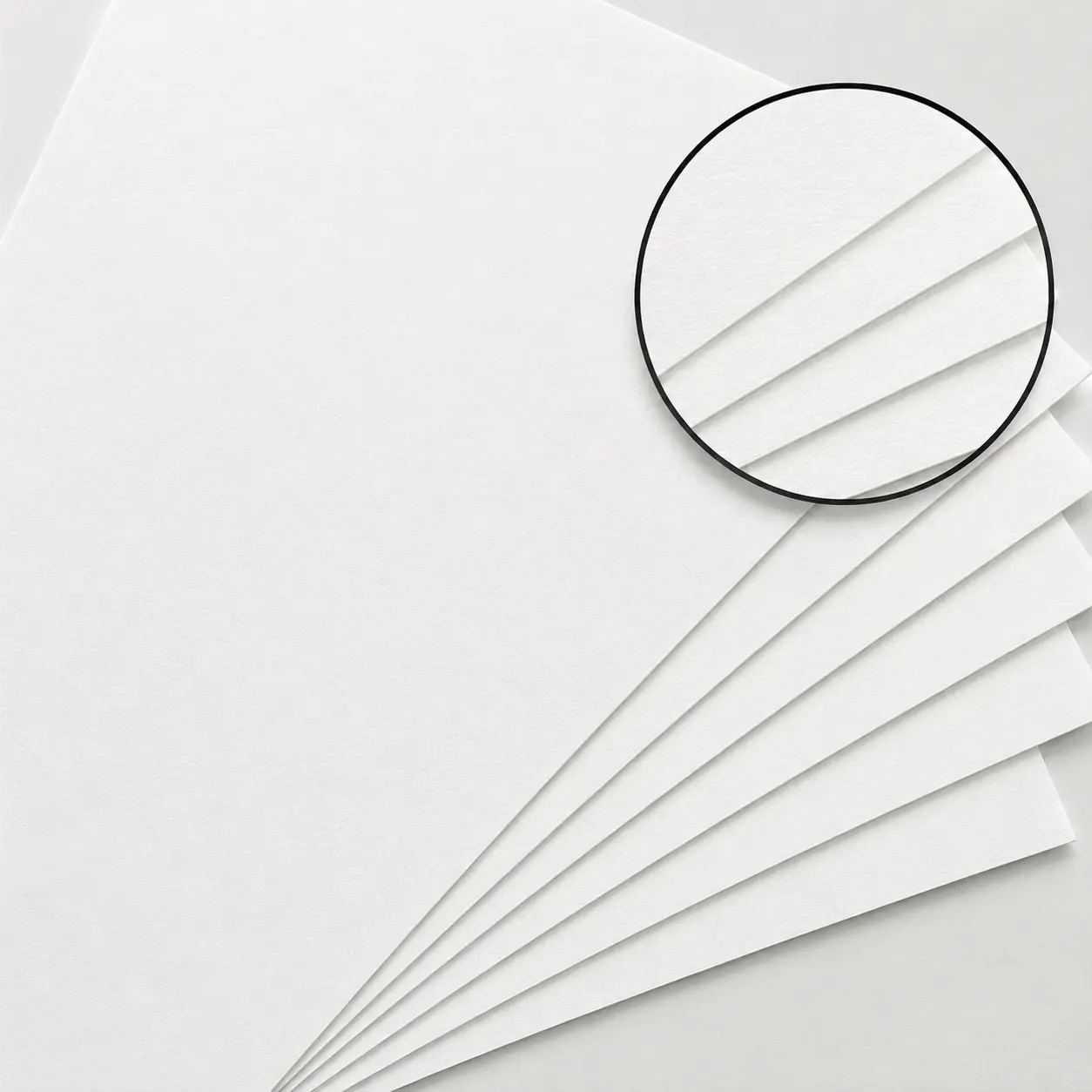
SBS Cardboard
Premium bleached substrate engineered for retail-ready packaging with sharp, high-resolution print performance across bulk SKUs.
Custom eye drops boxes give small dropper bottles an outer carton sized around the actual bottle, with additional room for supplied branding and product information. The structure can stay simple when the bottle already fits well or include an insert when a more controlled position is needed. Dimensions, board, printing, and finishing can then be selected around the bottle and the way the finished pack needs to look and function.
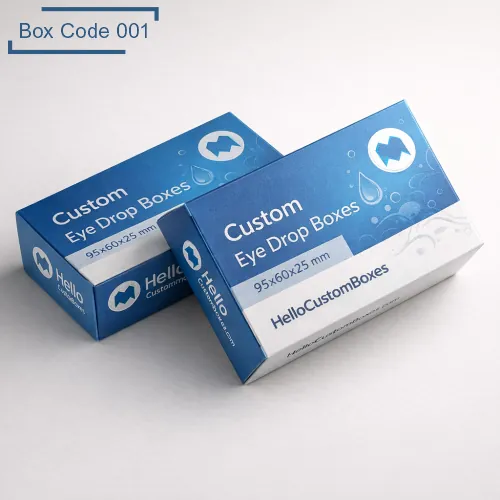
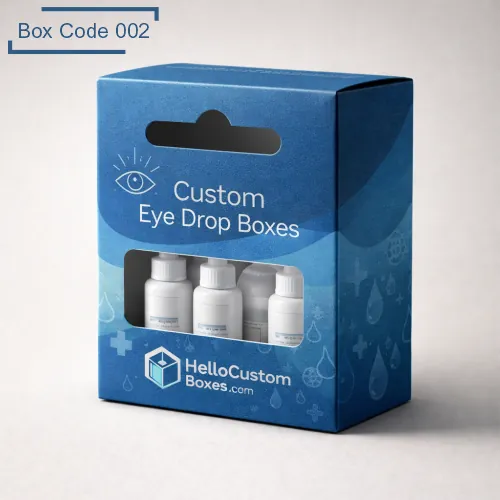
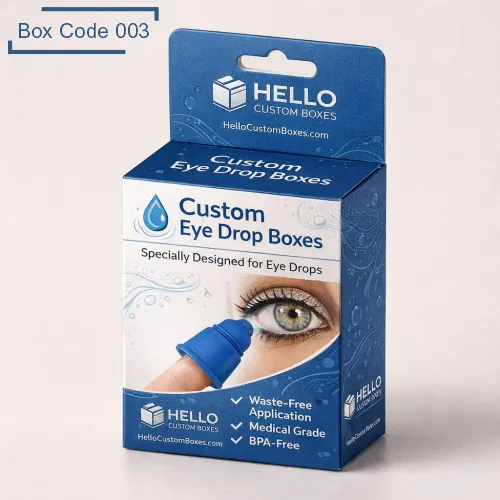
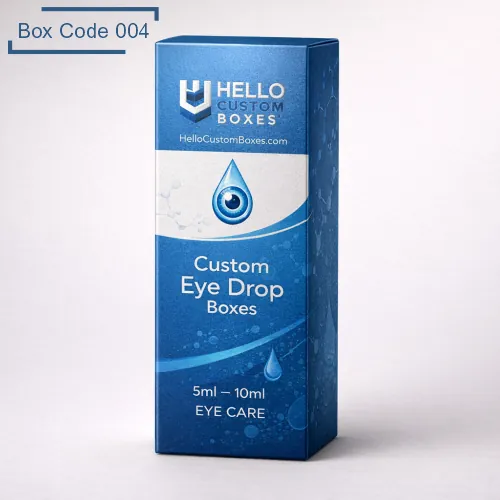
Tell us your specs and we'll send pricing within one business day.
Eye drop bottles may look similar, but small differences in diameter, height, and cap profile can change how they sit inside a carton. On packaging this compact, even a little unnecessary space can be noticeable.
The complete bottle with its final closure fitted gives a better basis for sizing than capacity alone. The carton needs enough clearance for straightforward packing and removal without leaving the bottle free to move around inside.
With custom eye drop boxes, this keeps the finished carton closer to the proportions of the actual bottle instead of trying to make the product fit a standard box size.
Eye drop cartons can go through packing, storage, shipping, and repeated handling. The bottle should still sit properly inside the carton as the package moves through those stages.
An insert can help when more control is needed, but not every bottle requires one. A close-fitting carton may already provide enough support. If there is more room around the bottle, a die-cut paperboard insert can give it a defined position.
The layout changes again when several bottles share one box. Separate compartments or dividers may be more practical than leaving every bottle in the same open space. Because these components take up room, they should be considered while the carton dimensions are being set rather than added afterward.
Bottle labels are small. An outer eye drop packaging carton creates front, back, and side panels where branding and supporting information can be spread out instead of squeezed into the same limited area.
That extra space is useful across different types of pharmaceutical product packaging. The main panel can focus on the supplied product identity, while supporting details can use the remaining surfaces.
Readability needs attention at the actual printed size. Text that looks comfortable on a large design screen can feel crowded once it is reduced to a narrow carton panel. Font size, spacing, contrast, and the amount of information on each panel should be judged with the finished box in mind.
Any required instructions, identifiers, barcodes, warnings, or other product-specific information should be established by the responsible brand according to the applicable requirements before artwork is finalized.
A product range may use similar bottles for several eye drop variants. The cartons can help make those products easier to distinguish without requiring a completely unrelated design for each one.
An eye drops box design might use changes in color, typography, product naming, or another consistent visual cue. Those differences should work within the brand’s own system rather than relying on a particular color to carry a universal meaning.
The same idea can extend across related eye-care packaging. For example, custom contact lens packaging will have its own size and structural needs, but selected elements such as typography, logo placement, or the broader visual system can still connect it with an eye drop range.
This allows each package to respond to the product inside while keeping the wider eye-care line recognizable.
Artwork has to work on a folded carton, not just on the flat file used to create it.
The dieline shows the usable panels along with folds, cuts, and closure areas. A logo sitting too close to a crease may not look right after assembly, and dense information can become difficult to read when pushed onto a narrow side panel.
For custom printed eye drops boxes, establishing the carton dimensions first gives the artwork known boundaries. The design can then be positioned around the actual panels rather than resized later to fit a structure it was not prepared for.
The board you choose changes both the print surface and how the carton feels around the bottle. A few options work well for different packaging needs:
For eco-friendly eye drop boxes, it helps to look at everything used in the pack, including coatings, laminations, and inserts. If the bottle sits securely without an insert, there may be no reason to add one. Any recyclable, recycled-content, or certification claim should also reflect the material actually used for the box.
An eye drop carton has limited visual space, so using too many decorative finishes at once can make a small design feel crowded rather than refined. Depending on the artwork, suitable options include:
Not every customized eye drops box needs an additional finish. If the printing and board already create the intended look, keeping the surface simpler may work better.
An eye drops boxes wholesale order may include several products rather than one carton repeated across the entire quantity.
When different products use the same bottle dimensions and need the same internal fit, they may be able to share one structural dieline while using different artwork. A change in bottle dimensions, closure profile, or internal layout may require another box size.
That distinction is useful when planning custom eye drops boxes wholesale. It separates a print variation from a structural variation and makes it easier to identify which products genuinely share the same packaging setup.
For products intended to look like part of one range, agreed design elements can also remain consistent from one version to the next without forcing every carton to use identical artwork.
Start with the bottle exactly as it will be packed, including the final cap or closure. If an insert is needed, include it while the internal space is being planned.
Next, identify the required quantity and whether the project includes different bottle sizes or artwork versions. Existing artwork can be supplied where available. Once the carton dimensions and structure are settled, the dieline provides the working layout for final artwork placement.
This keeps the project in a practical order: establish the bottle fit first, decide whether anything is needed inside the carton, settle the structure, and then prepare the print artwork for the actual box.
| Specification | Details |
|---|---|
| Box Style | Folding carton |
| Size | Custom to complete bottle dimensions |
| Structure | Single-bottle or multi-bottle format |
| Board Options | Paperboard/cardstock, with Kraft where suitable |
| Printing | Custom printing from supplied artwork |
| Interior | Plain or die-cut paperboard insert where required |
| Branding | Logo and custom artwork |
| Dieline | Custom to finished carton dimensions |
| Finishes | Compatible matte, gloss, foil, embossing, or Spot UV |
| Variants | Multiple artwork or structural versions where required |
Choose from practical materials, print methods, inks, finishes, and add-ons for a better product presentation.
Premium bleached substrate engineered for retail-ready packaging with sharp, high-resolution print performance across bulk SKUs.
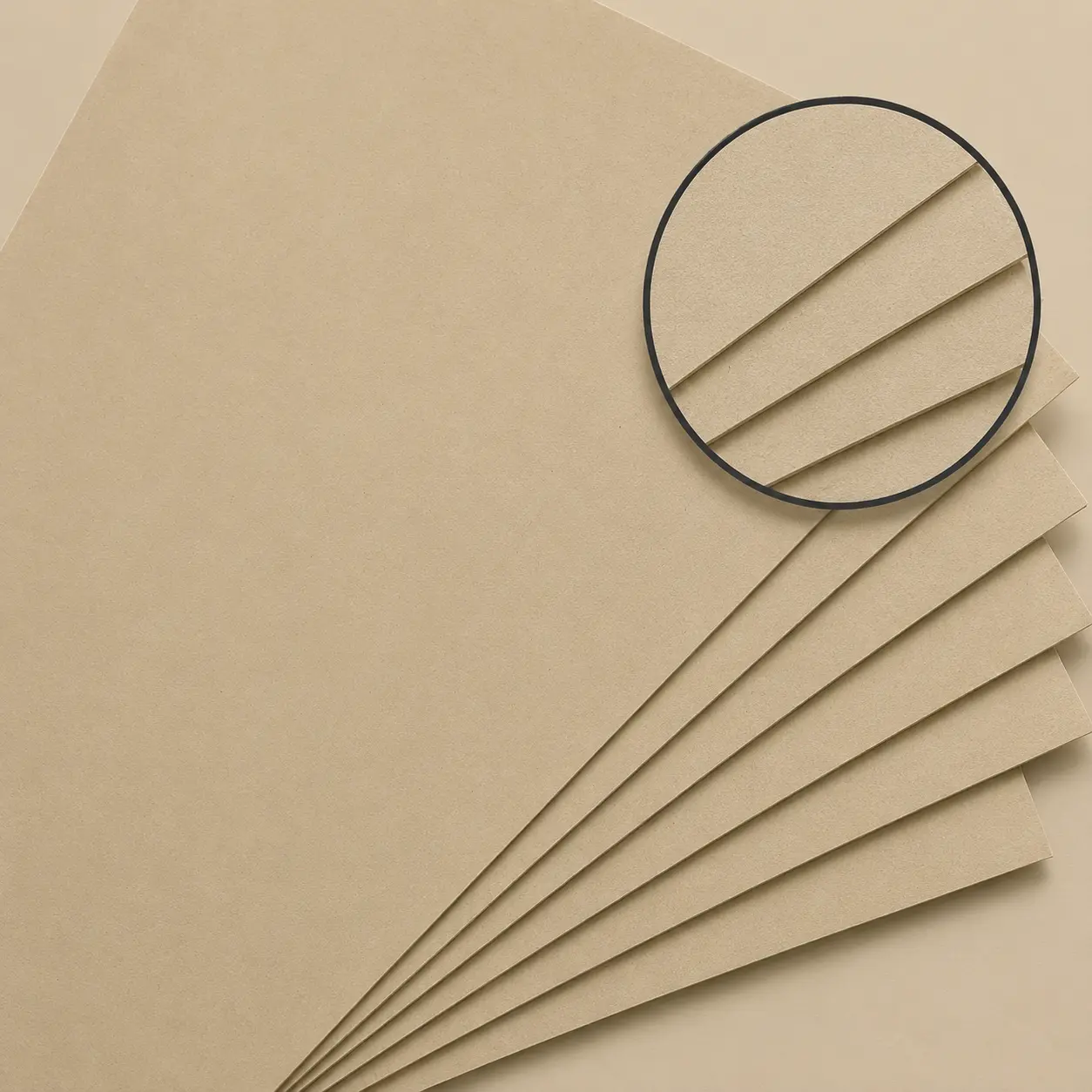
High-density rigid board built for wholesale cartons, structural strength, and stack-ready warehouse logistics.
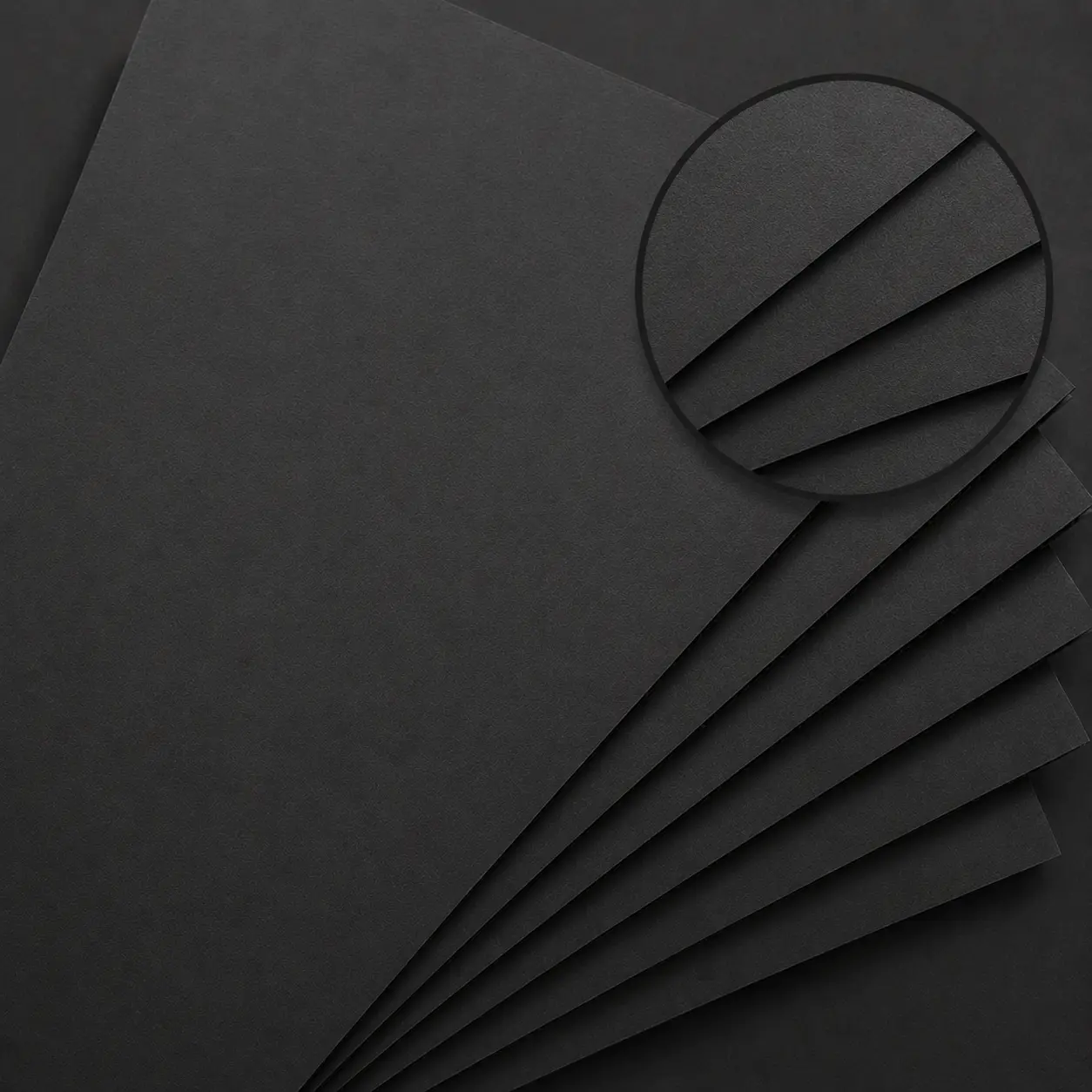
Eco-conscious black kraft for premium unboxing programs, corporate gifting, and limited-edition product lines.
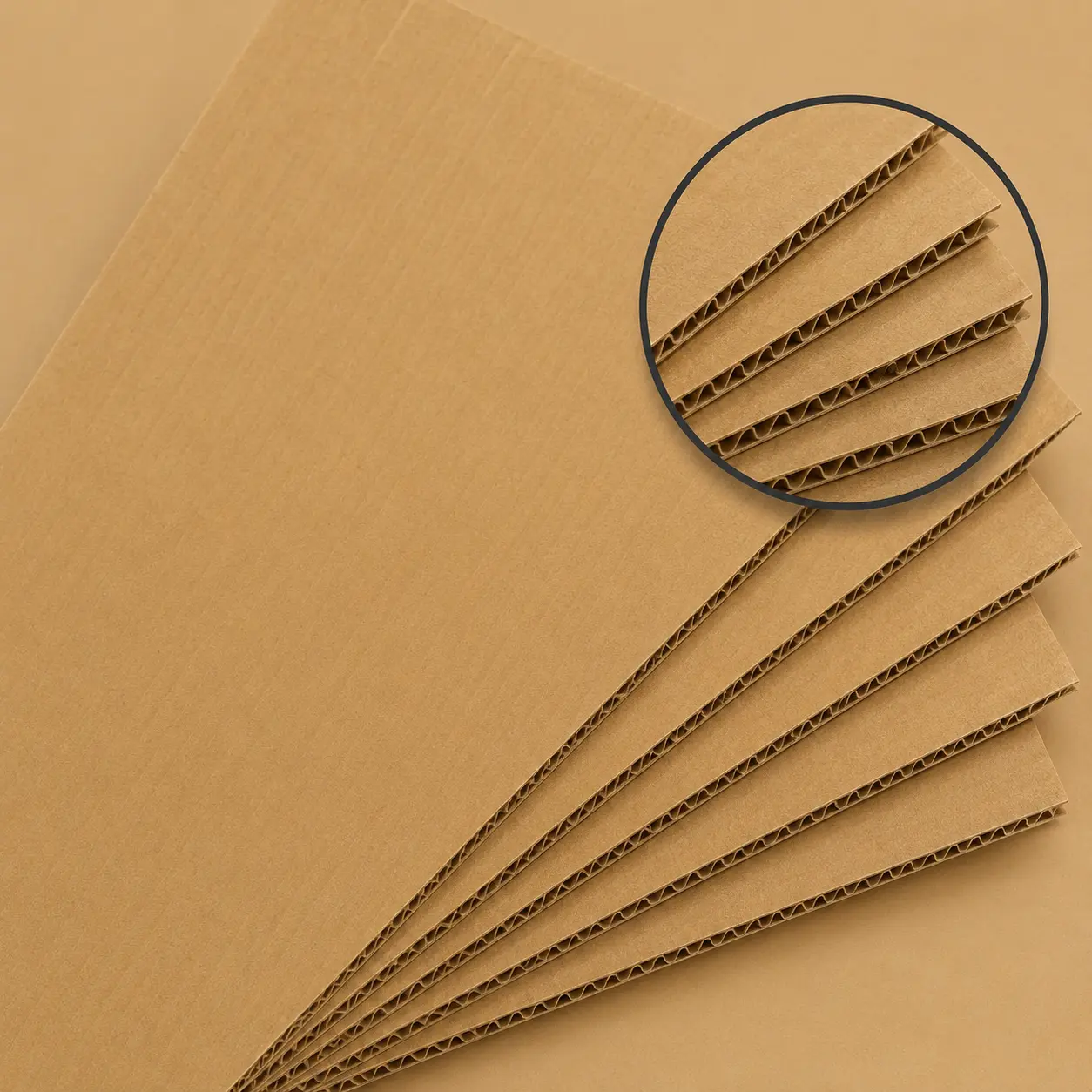
Multi-flute corrugated board built for protective shipping, e-commerce dispatch, and high-volume B2B fulfillment.
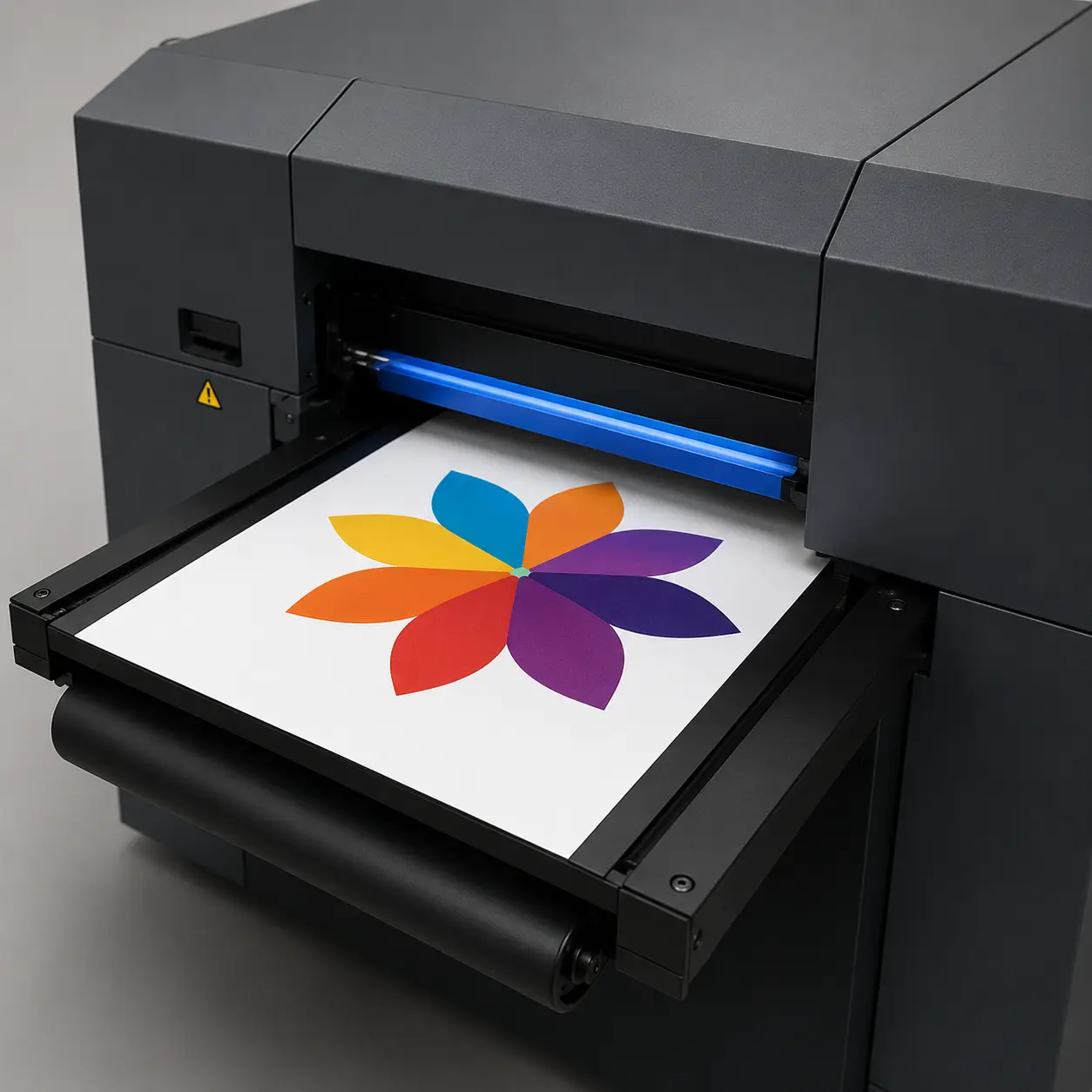
Short-run digital printing with no plate setup — ideal for prototypes, sample approvals, and quick reorders.
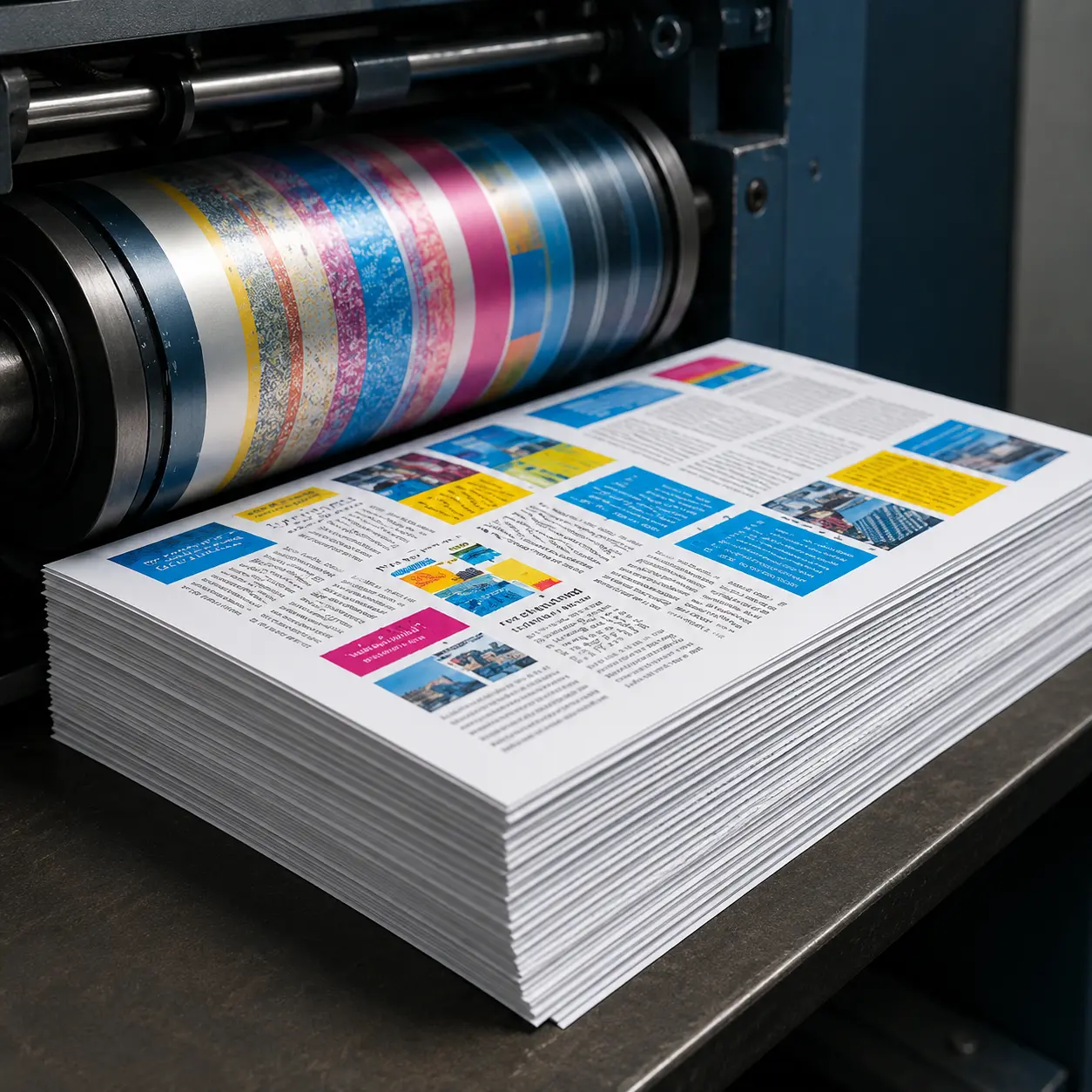
Industry-standard offset printing for high-volume runs with consistent color matching across bulk production.

Selective dimensional embellishment for premium B2B branding, tactile depth, and shelf differentiation.

Vibrant UV-cured printing suited for promotional packaging, event giveaways, and trade-show units.
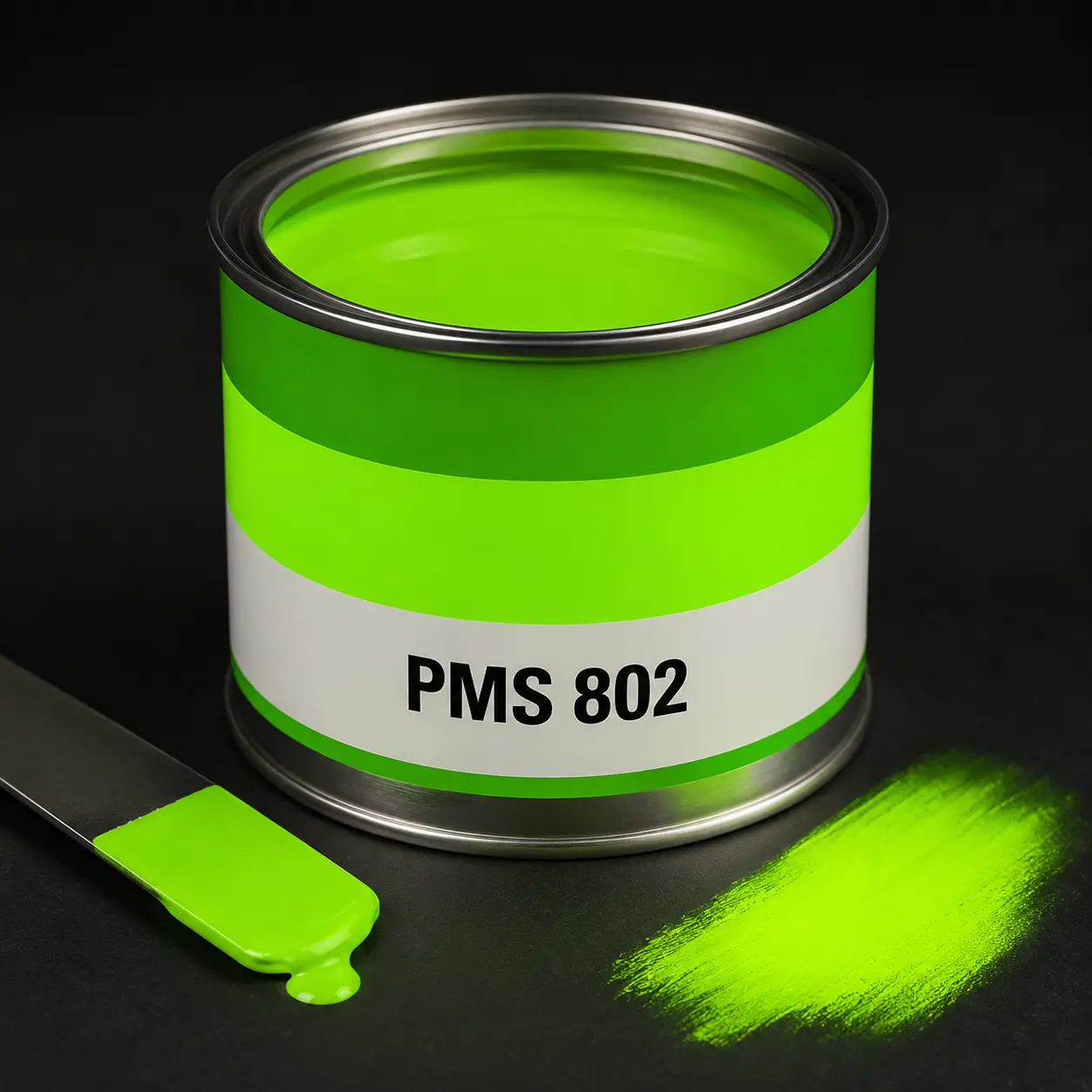
High-visibility ink system engineered for shelf impact, retail displays, and wholesale point-of-sale units.
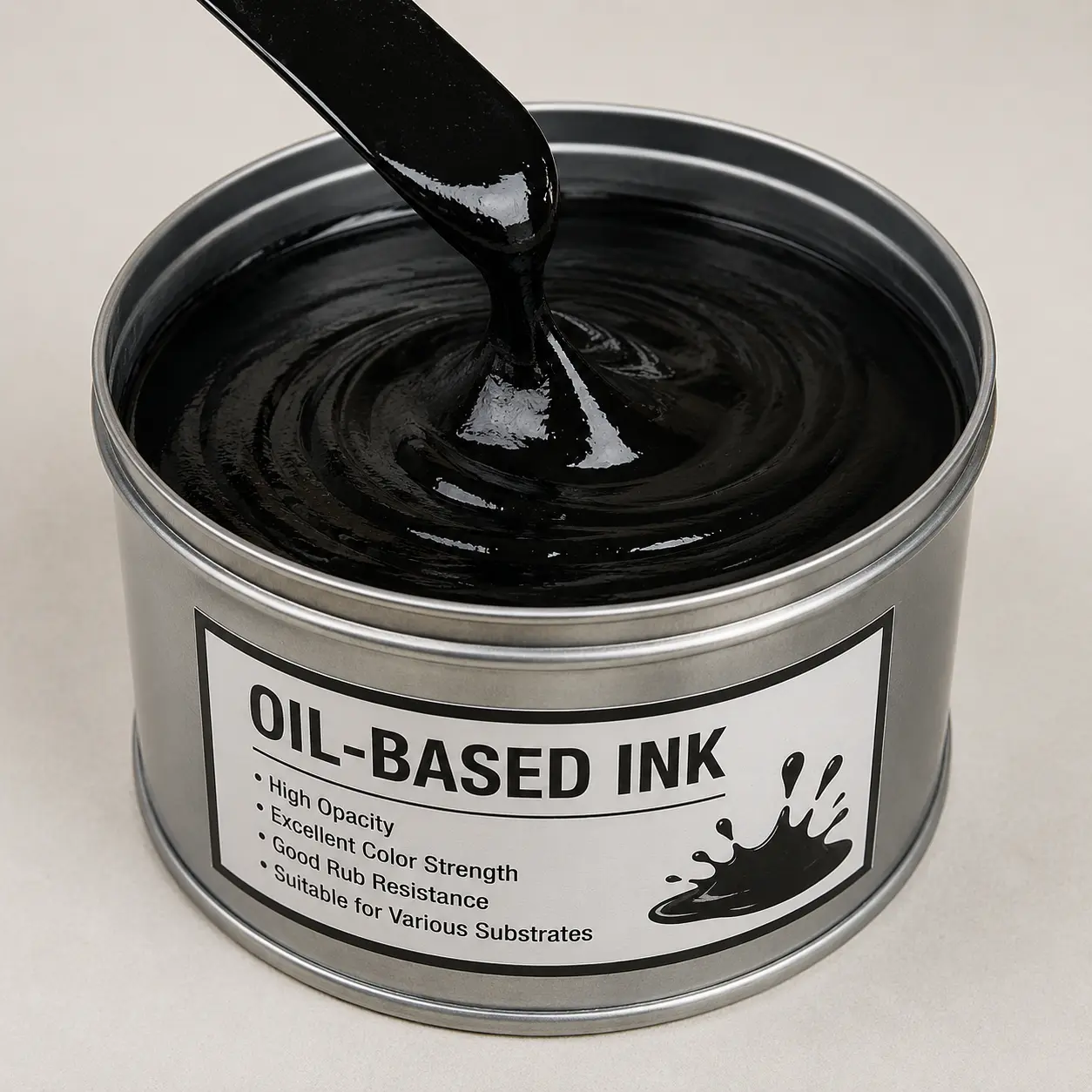
Industry-grade ink for durable, scuff-resistant production runs across long-haul distribution.

Spot-color matching to corporate brand standards — consistent identity across every SKU and reorder.

Sustainable plant-based ink for eco-certified packaging programs and ESG-aligned product launches.

Protective film extends shelf life and protects packaging during shipping and warehouse handling.

Water-based protective seal — fast-drying, food-safe-friendly finish for high-volume bulk production.

Premium tactile finish that elevates corporate gifting boxes and high-end B2B product lines.

Highlight logos and key artwork with selective gloss for maximum retail brand recognition.

Raised brand marks for tactile, premium identity on retail shelves and corporate packaging.

Pressed impressions for subtle, sophisticated branding on premium B2B product lines.

Metallic foil application — gold, silver, and custom finishes for luxury wholesale packaging.
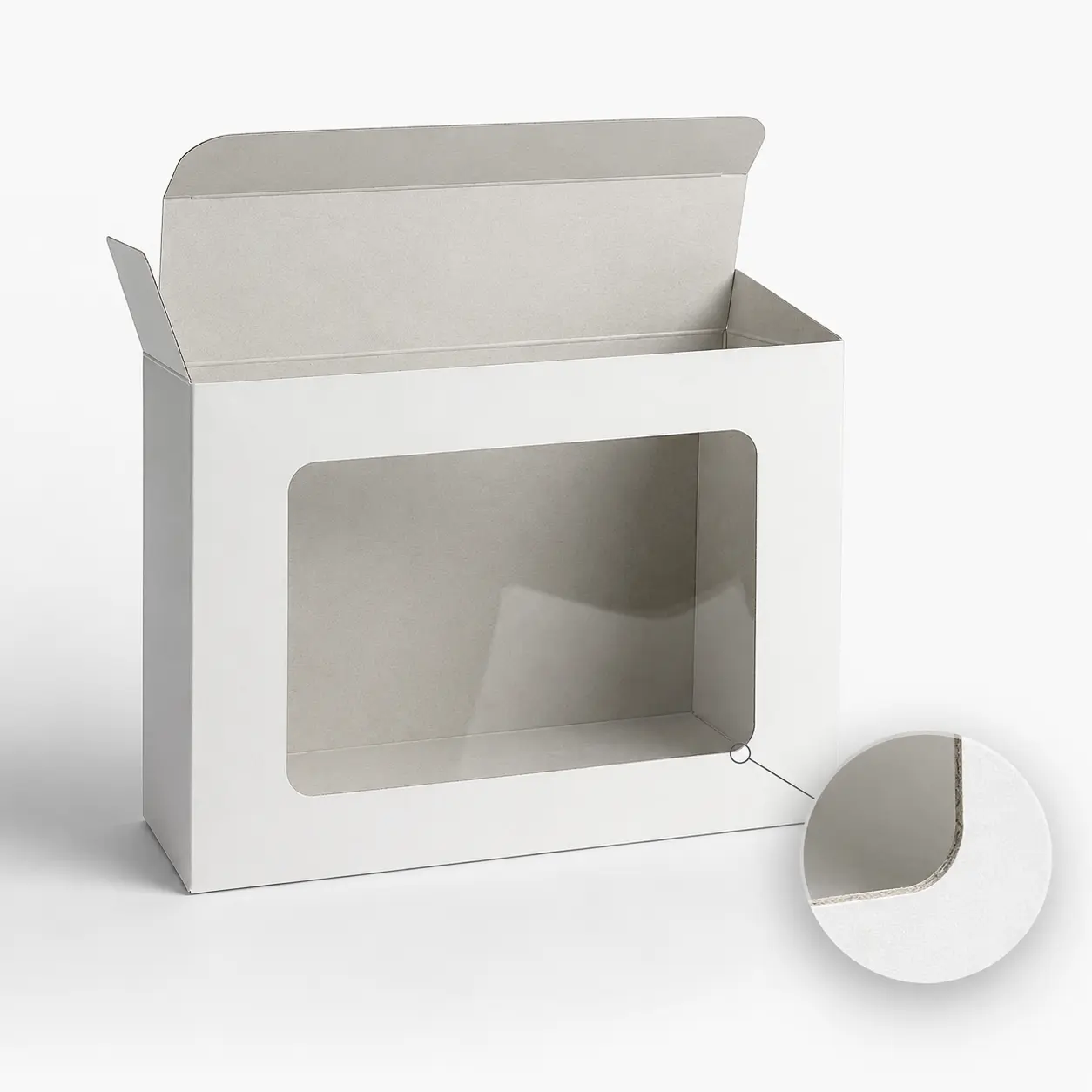
Precision die-cut openings that let customers view the product inside, with optional clear patching for better protection and presentation.
Simple, practical, and built around real B2B production needs.
Send product size, quantity, material preference, artwork, and delivery details.
Our team prepares a proof or 3D mockup so you can check design and structure.
Once approved, your packaging moves into printing, cutting, finishing, and packing.
Finished boxes are packed and shipped to your warehouse, retailer, or 3PL.
Explore similar packaging options that may fit your product line.

Reviews
There are no reviews yet.