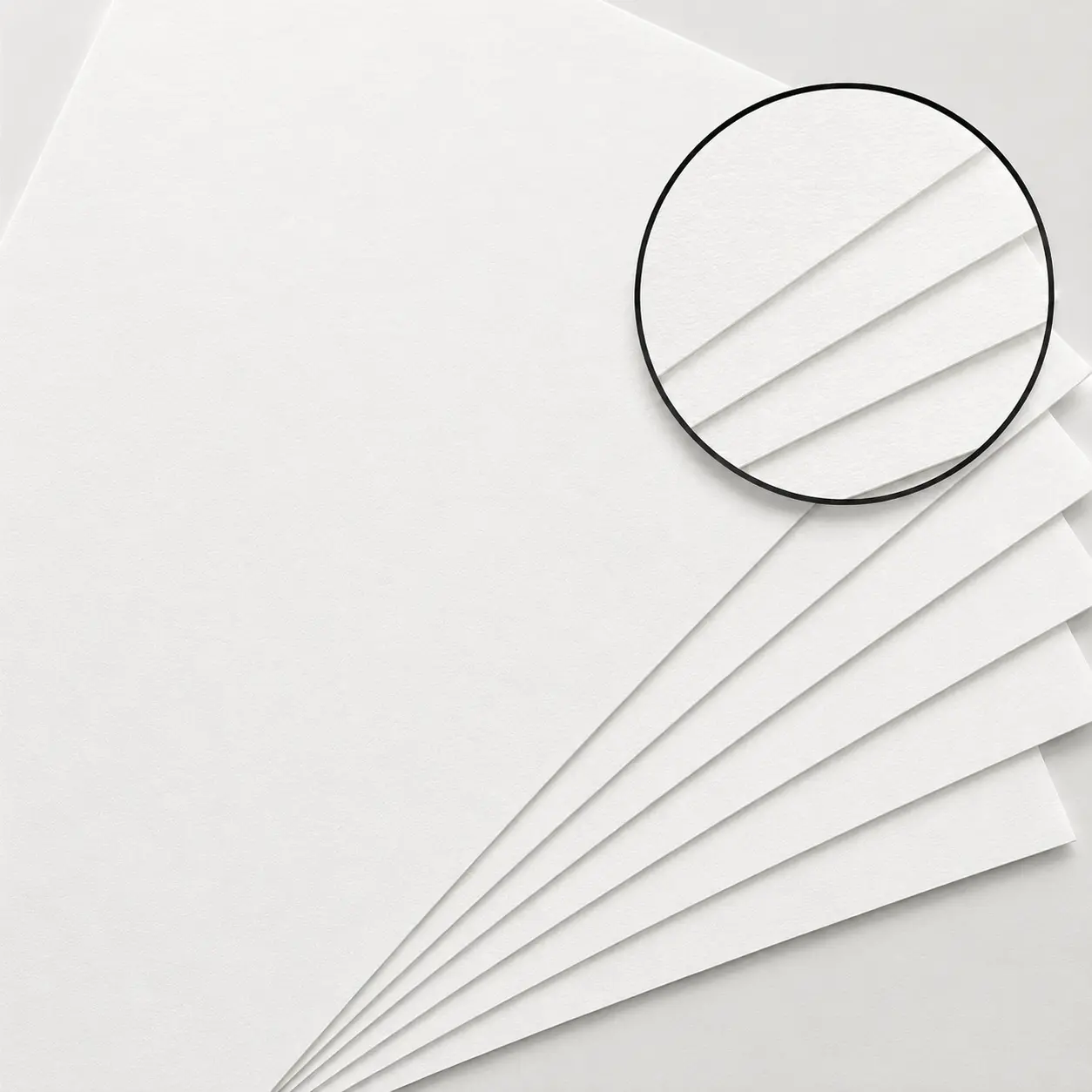
SBS Cardboard
Premium bleached substrate engineered for retail-ready packaging with sharp, high-resolution print performance across bulk SKUs.
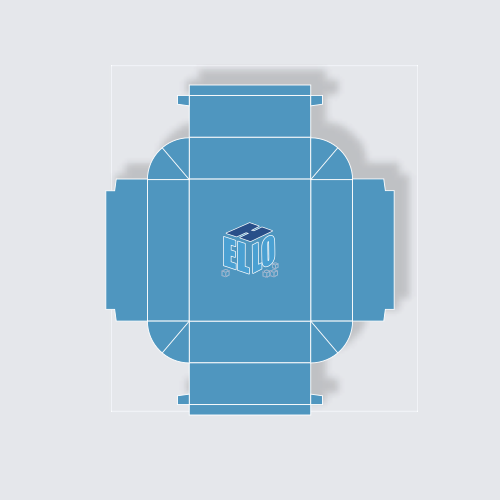
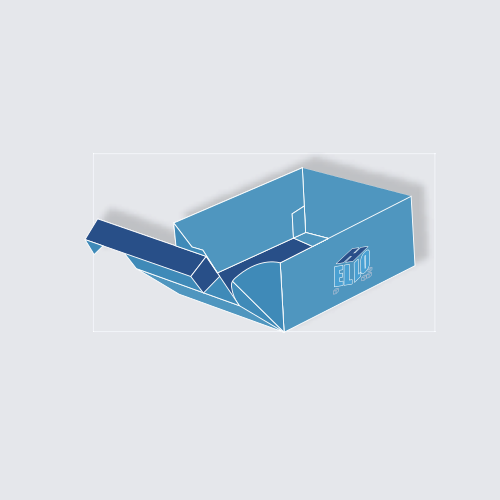
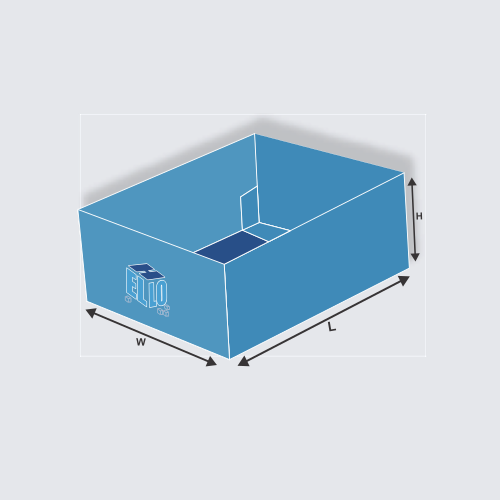
A double wall lid tray is a sturdy, premium two-piece folding carton built for U.S. brands that want stronger walls, elevated unboxing, and clean presentation. Its reinforced tray and smooth-fitting lid make it ideal for cosmetics, wellness, tech accessories, and gift sets. It’s a reliable, upscale foundation for creating your next custom packaging design.
Premium finishes, retail-ready packaging, and B2B volume pricing for beauty brands.
If you’ve opened a box where the lid slides off to reveal a clean, framed product inside, you’ve experienced the appeal of a double wall lid tray. This structure looks refined, but it starts with simple folding-carton engineering. The tray is built with double-folded sidewalls that reinforce every edge, giving it noticeably more, strength than standard tuck-end packaging.
The lid is made as its own piece, and it simply slides over the tray for a clean, secure fit. When the two come together, the box opens with the kind of smooth, elevated feel people normally associate with rigid packaging. You still get that premium experience, but with the easier production and lower cost of a standard folding carton.
In the U.S. packaging market, this format is used when a brand wants an upscale look, protective strength, and retail-ready appeal without investing in fully rigid board boxes. It’s efficient, elegant, and versatile enough for dozens of industries.
Because it balances structure, presentation, and cost, the double wall tray and lid format shows up in a wide range of U.S. product categories. It adapts easily, which is why growing brands and designers rely on it so often.
Serum kits, skincare trios, facial tools, and limited-edition bundles work extremely well in this structure. The double walls prevent glass bottles from shifting and give the entire set a sophisticated feel.
CBD tinctures, aromatherapy oils, bath bombs, roller kits, and supplement sets benefit from the added strength. Wellness brands appreciate the clean presentation and the ability to add inserts for secure placement.
You can pack all sorts of small tech items in this style — earbuds, a charger, maybe a cable or a watch attachment — and everything sits the way it should because the tray has enough strength to hold it all steady. When brands want things separated, they usually drop in a simple insert, which also makes the inside look more put-together when someone lifts the lid.
Wallets, socks, ties, scarves, or small lifestyle items often use this structure for a gift-ready appearance. Retail stores love the lid-off reveal because it elevates even simple accessories.
Whether it’s a holiday set, influencer box, or subscription welcome kit, this structure helps create a moment. The lid becomes an opportunity for exterior branding, while the tray holds multiple products in a curated layout.
After more than two decades of working with U.S. packaging buyers, designers, and product founders, we’ve seen this style succeed repeatedly for a few key reasons.
Those folded walls do more than look neat. They add real strength to the tray, enough to support heavier pieces — things like glass bottles, metal items, or small grouped sets. That extra rigidity makes a difference once the box leaves your workspace and starts moving through storage rooms, retail displays, or the usual bumps of shipping.
Rigid boxes look amazing but can be cost-prohibitive for small or seasonal runs. A double wall lid tray provides a similar experience at a more manageable price point.
The tray comes together fast — a few folds and it’s set. The lid goes on just as easily since it doesn’t rely on glue, magnets, or any special locking parts. When you’re packing a handful of boxes or running through thousands, that little bit of saved time really shows up.
Rigid boxes show up already made, so they take up a bunch of room before you even touch them. This one doesn’t—it comes flat. You can stack a lot more of them without crowding your storage, and shipping usually costs less too. For a lot of U.S. DTC brands, that small difference ends up helping more than they expect.
The friction-fit between the lid and tray creates a tight, satisfying close. It’s sturdy enough for store shelves and polished enough for gifting.
One of the biggest advantages of working with this template is how well it supports creatives brand expressions. Designers love it, and customers notice it.
The lid provides a broad canvas for bold color, patterns, or logos. The tray offers secondary messaging or a clean contrast beneath the lid. Together, they create a layered brand story.
Most U.S. brands choose:
These finishing touches instantly elevate perceived value.
If you want customers to see the product before purchasing a die-cut window works well on the lid. Inside, custom paperboard or foam inserts can hold individual items neatly in place.
Because the lid and tray are produced separately, you can include:
This format encourages thoughtful presentation and layered design — perfect for gift sets and influencer packaging.
This structure has earned its place as a favorite among American startups, growing brands, retailers, and subscription companies.
When you remove a lid instead of opening a flap, the product immediately feels more premium. That’s why many brands choose this style even when the product inside is lightweight or simple.
You can adjust the height, depth, insert layout, and print variations without changing the core structure. This flexibility allows U.S. brands to scale efficiently.
Few folding-carton templates perform well in both channels. This one does — and reliably.
Whether you’re launching a new product or scaling into national retail, this style adapts to your volume and workflow.
If you’re looking for a box style that holds up well, looks good on the shelf, and doesn’t cost a fortune to produce, this one is usually where people start. A double wall lid tray gives you solid protection and a nicer reveal than most folding cartons, which is why it tends to stick in customers’ minds during that first open.
Think of this style as a starting point. You can keep it plain or build it up however you want… maybe an insert, maybe a different finish, maybe a design tweak — whatever matches what you’re trying to do. The structure isn’t complicated, and that’s the nice part. It leaves you with plenty of space to shape the box around your own brand instead of working against it.
Specifications |
|
|---|---|
| Material Options | E-flute corrugated board, B-flute corrugated, Kraft board, FSC-certified recyclable paperboard |
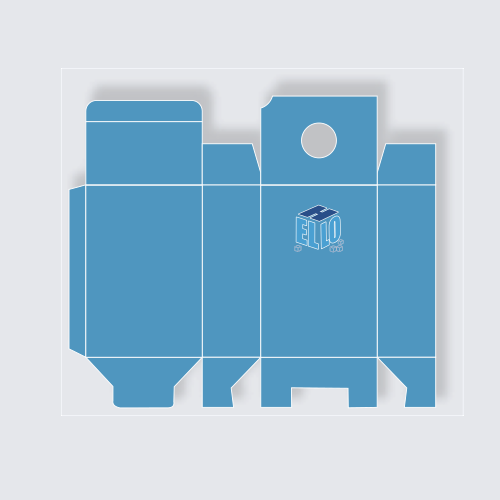
| Structural Features | Double-layer sidewalls for crush resistance, Die-cut from a single sheet, Reinforced corners, Fast-fold assembly (no glue/tape needed) |
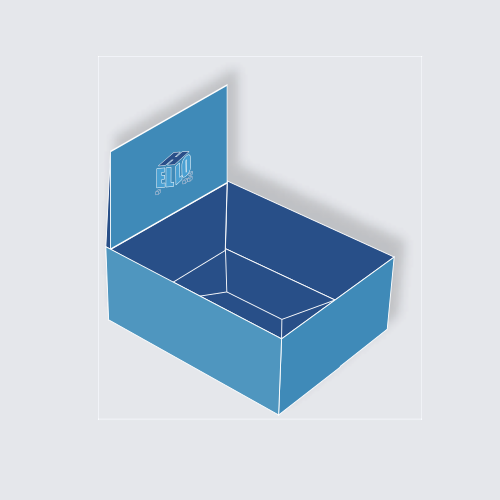
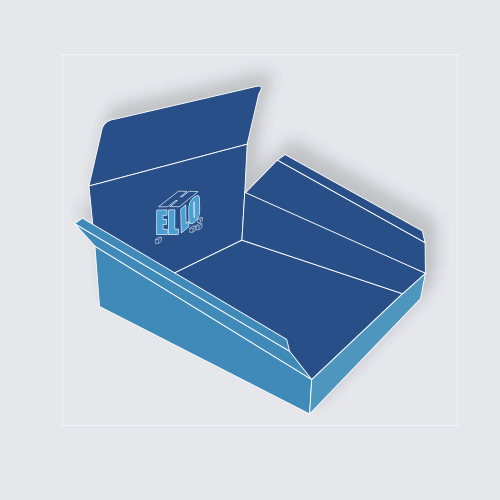
| Tray Styles | Retail Display Tray (open-front), Inserted Partition Tray, Subscription Shipping Tray, Die-Cut Handle Tray, Custom-engineered designs |
| Protection Features | Crush-resistant walls, Optional inserts for glass or fragile items, Secure stacking tabs, Dust and moisture-resistant coatings |
| Printing & Branding | High-resolution CMYK & Pantone printing, Waterproof inks, Foil stamping, Embossing/Debossing, Matte/Gloss/Soft-touch finishes |
| Sizes & Dimensions | Custom-fit for product size, stack height, and shelf depth. Designed to hold heavy jars, glass bottles, candles, coffee bags, or kits. |
| Eco-Friendly Options | FSC-certified corrugated, Recyclable boards, Soy-based inks, Minimal waste die-cuts |
| Applications | Coffee & spice packaging, Heavy glass jars, Cosmetic kits, Subscription boxes, Retail displays, Hardware or specialty goods |
Choose from practical materials, print methods, inks, finishes, and add-ons for a better product presentation.
Premium bleached substrate engineered for retail-ready packaging with sharp, high-resolution print performance across bulk SKUs.
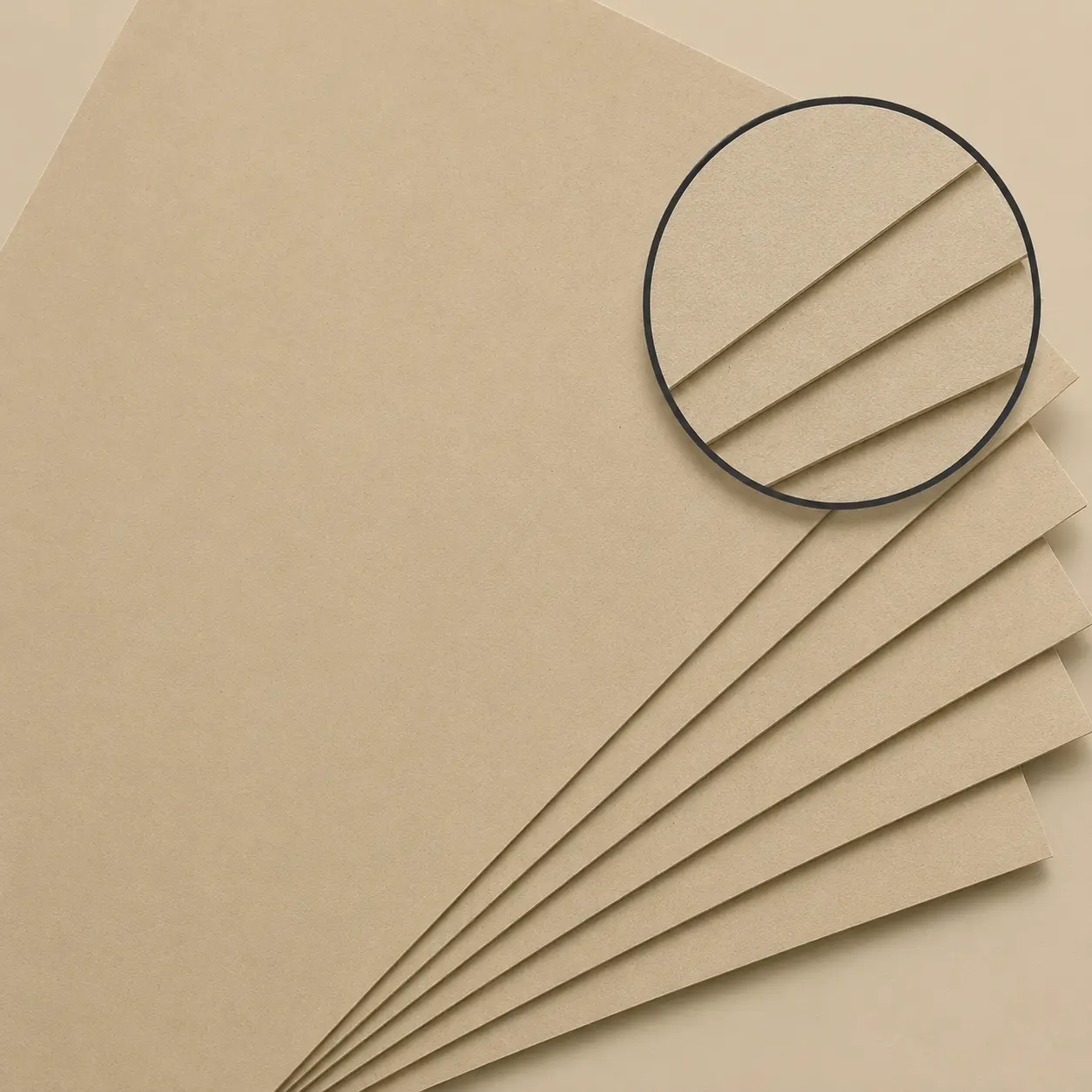
High-density rigid board built for wholesale cartons, structural strength, and stack-ready warehouse logistics.
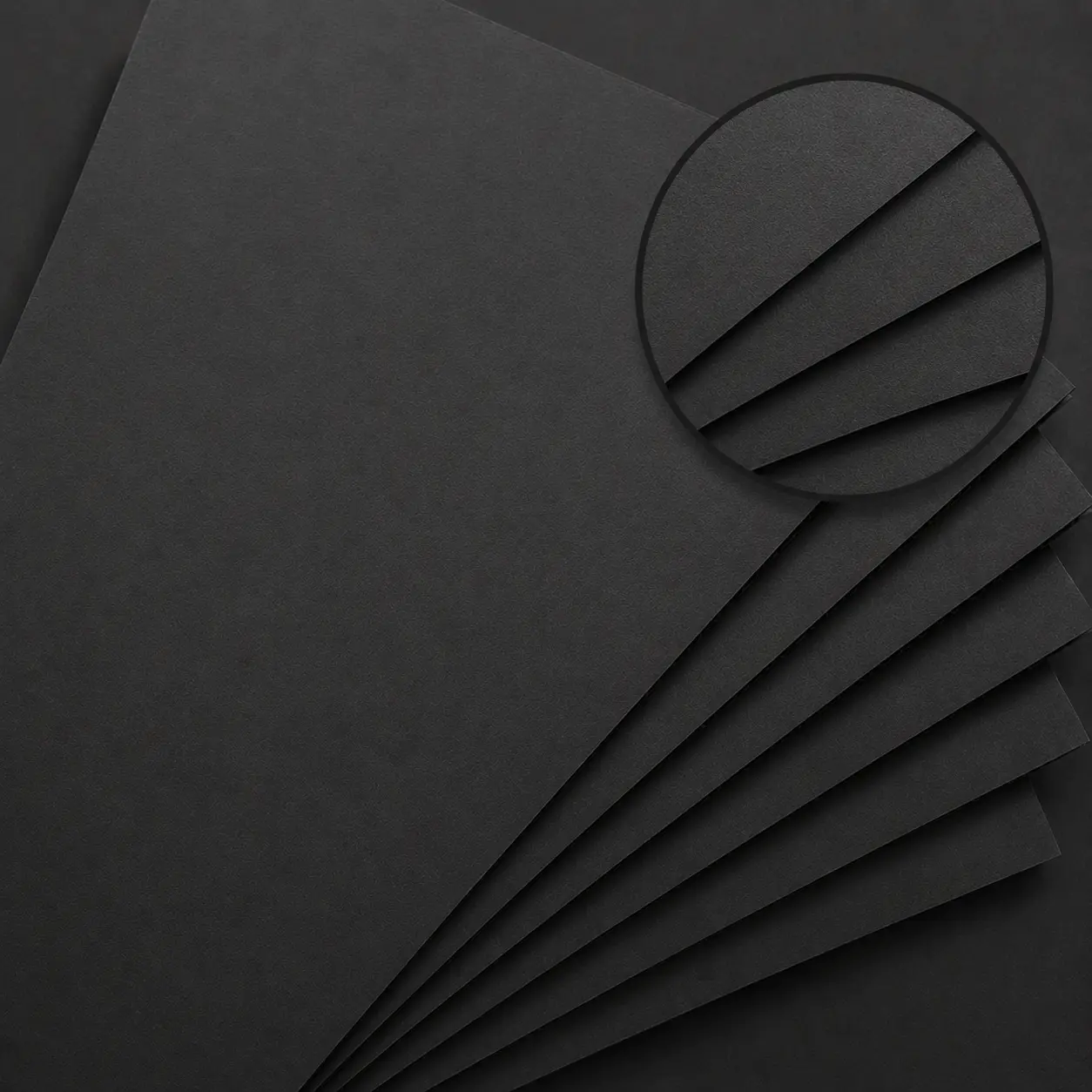
Eco-conscious black kraft for premium unboxing programs, corporate gifting, and limited-edition product lines.
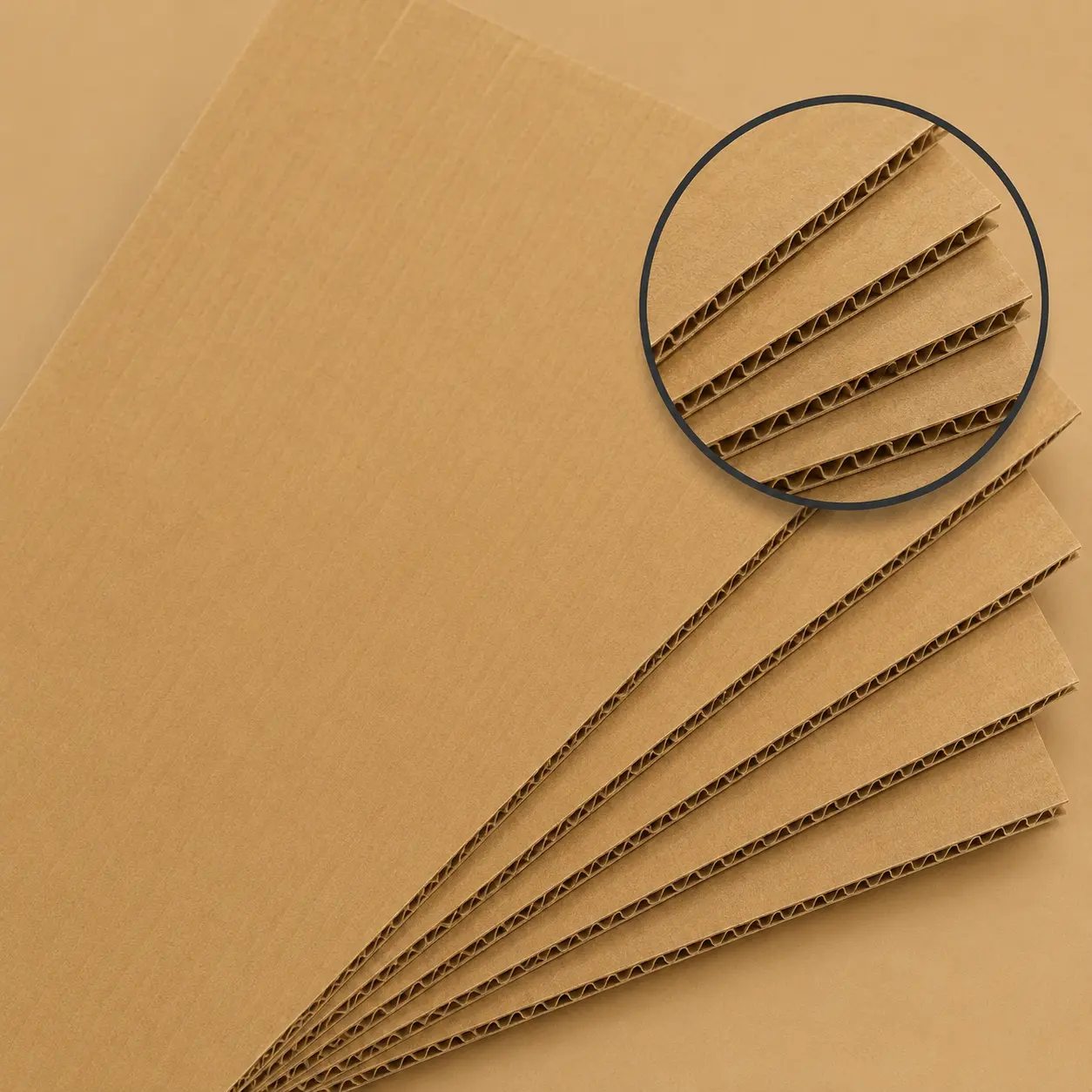
Multi-flute corrugated board built for protective shipping, e-commerce dispatch, and high-volume B2B fulfillment.
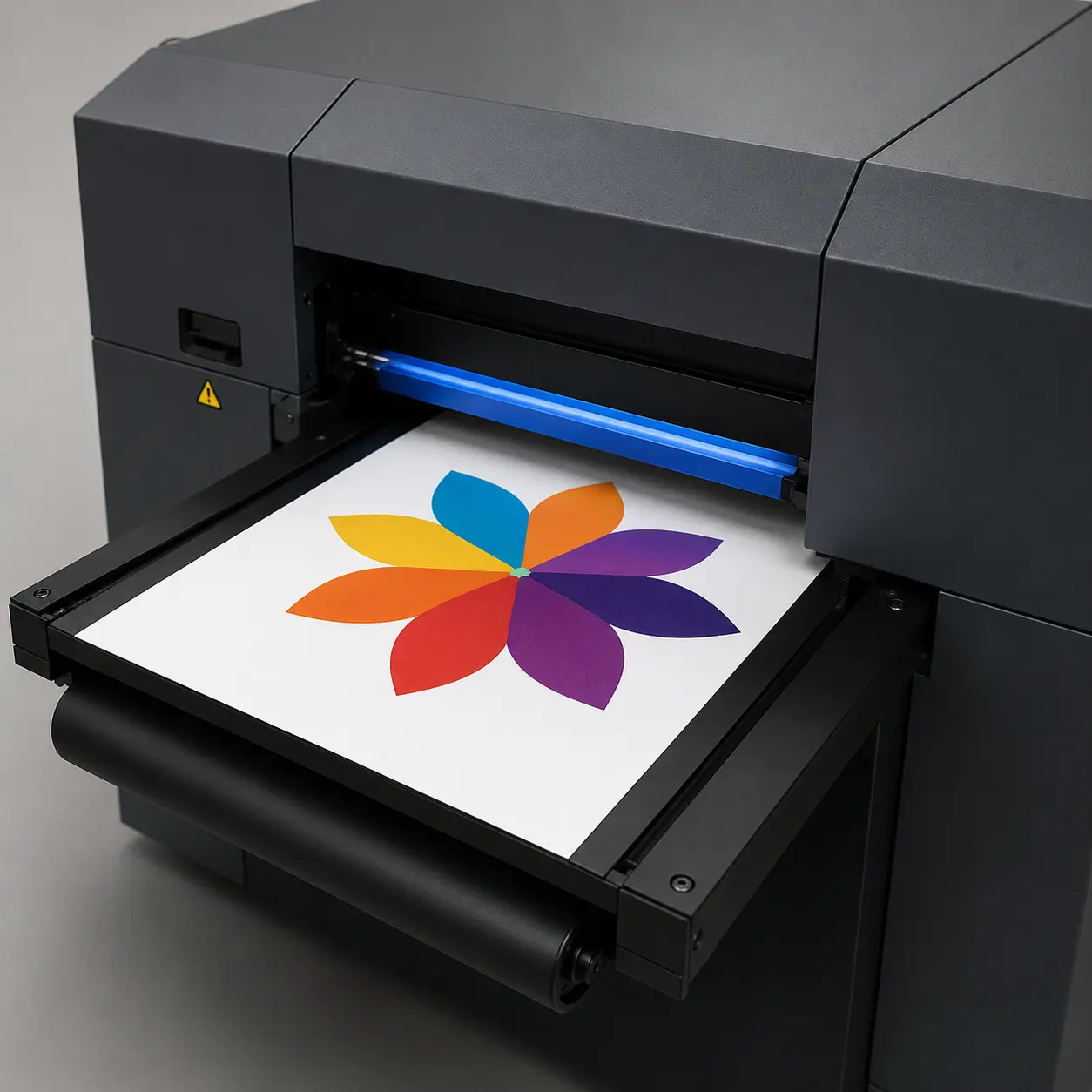
Short-run digital printing with no plate setup — ideal for prototypes, sample approvals, and quick reorders.
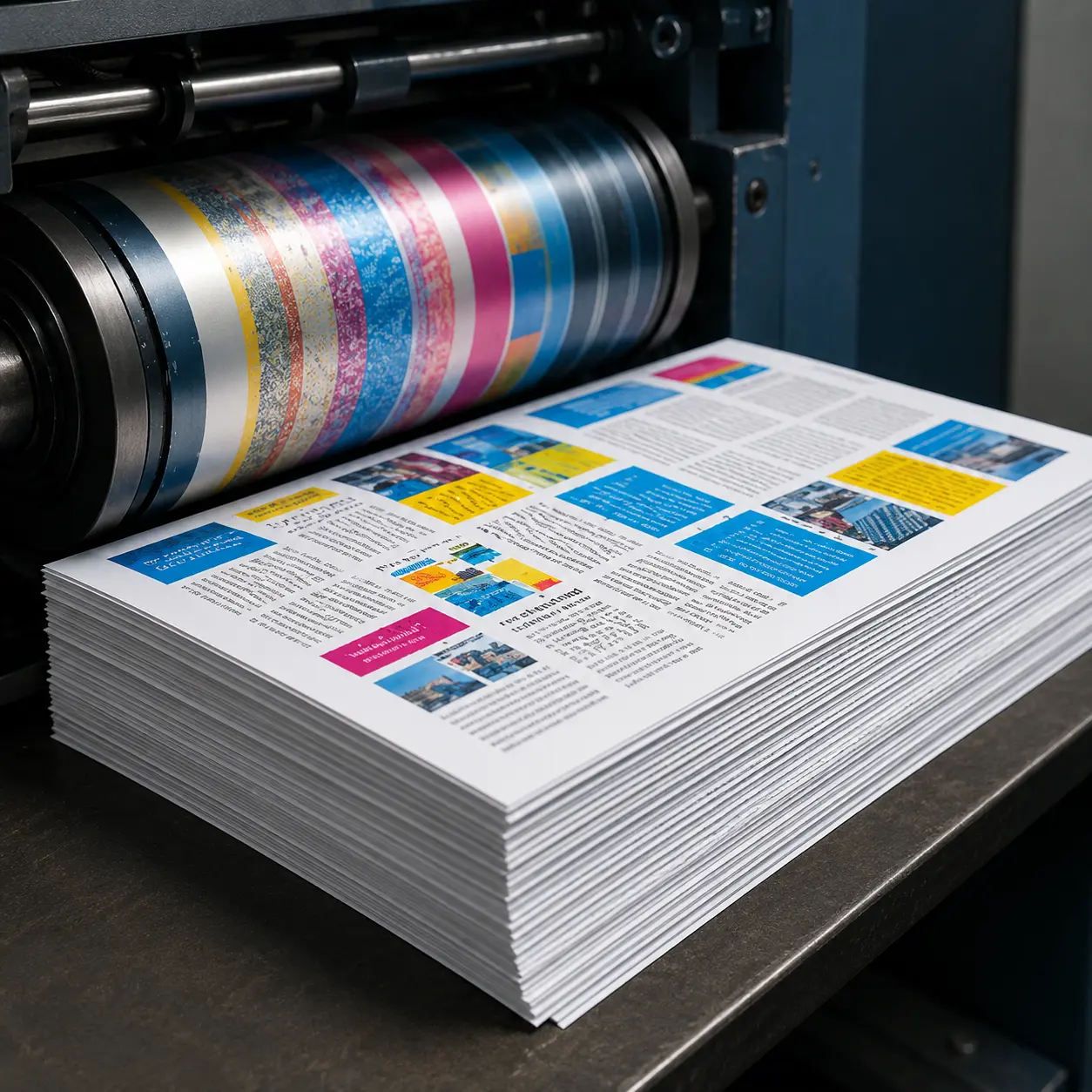
Industry-standard offset printing for high-volume runs with consistent color matching across bulk production.

Selective dimensional embellishment for premium B2B branding, tactile depth, and shelf differentiation.

Vibrant UV-cured printing suited for promotional packaging, event giveaways, and trade-show units.
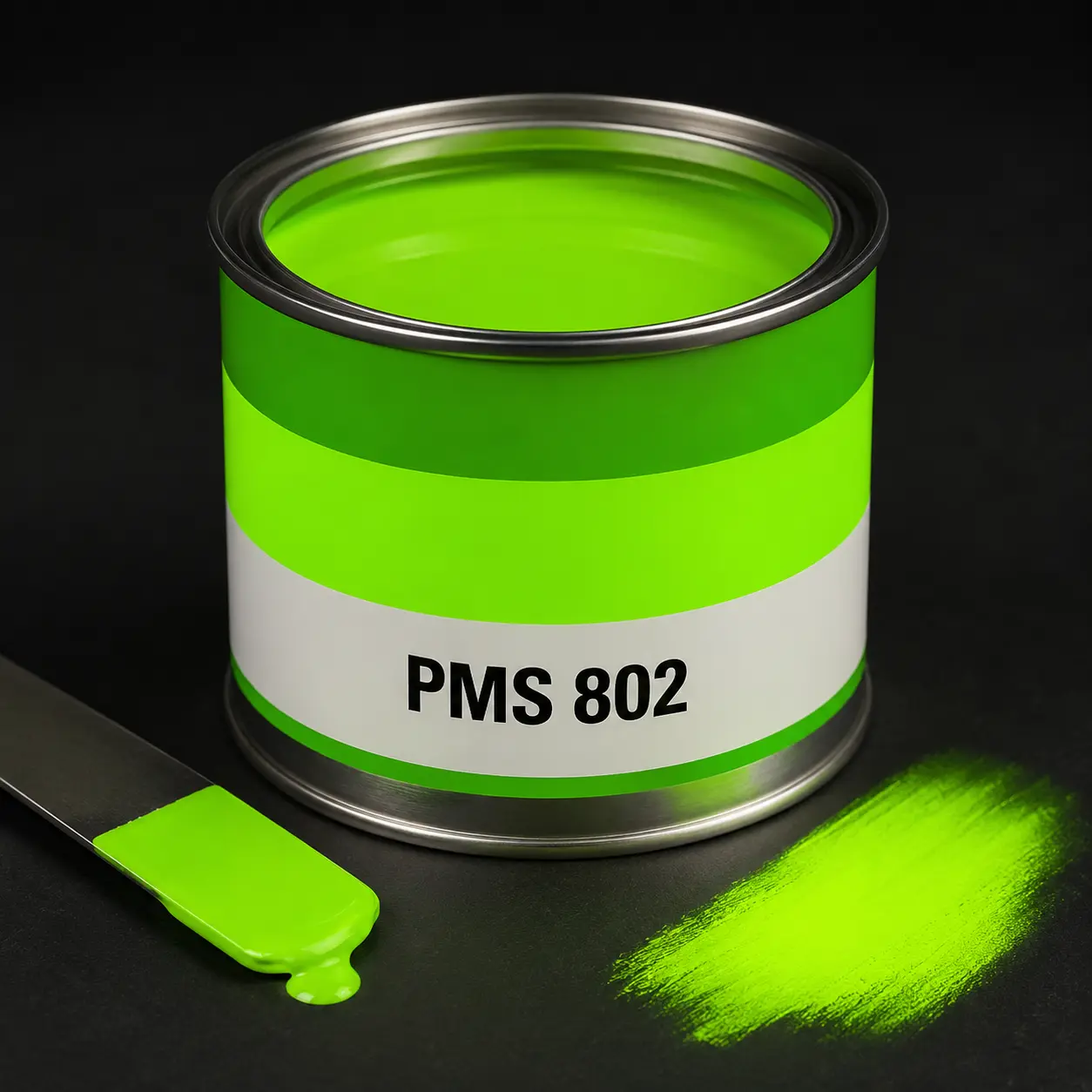
High-visibility ink system engineered for shelf impact, retail displays, and wholesale point-of-sale units.
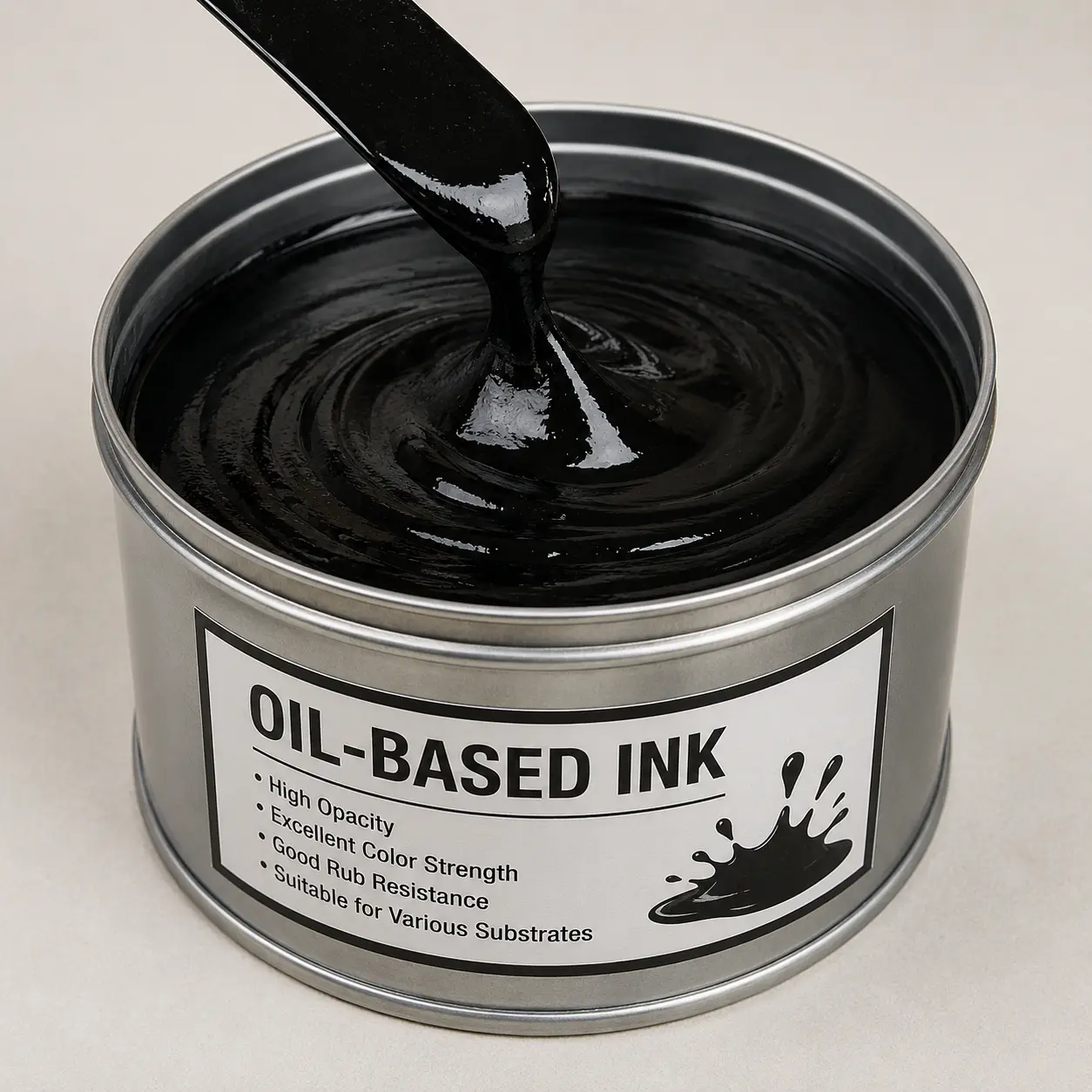
Industry-grade ink for durable, scuff-resistant production runs across long-haul distribution.

Spot-color matching to corporate brand standards — consistent identity across every SKU and reorder.

Sustainable plant-based ink for eco-certified packaging programs and ESG-aligned product launches.

Protective film extends shelf life and protects packaging during shipping and warehouse handling.

Water-based protective seal — fast-drying, food-safe-friendly finish for high-volume bulk production.

Premium tactile finish that elevates corporate gifting boxes and high-end B2B product lines.

Highlight logos and key artwork with selective gloss for maximum retail brand recognition.

Raised brand marks for tactile, premium identity on retail shelves and corporate packaging.

Pressed impressions for subtle, sophisticated branding on premium B2B product lines.

Metallic foil application — gold, silver, and custom finishes for luxury wholesale packaging.
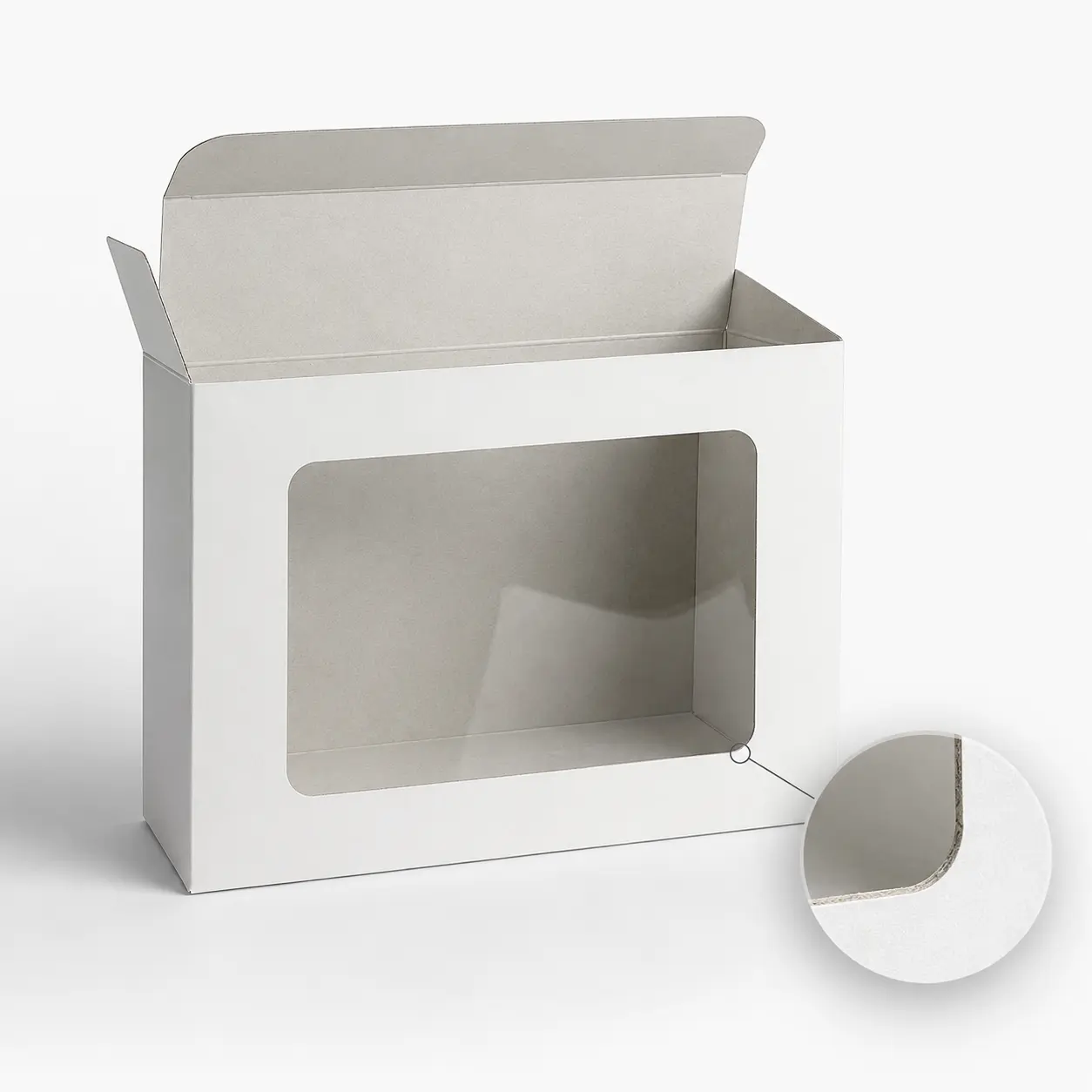
Precision die-cut openings that let customers view the product inside, with optional clear patching for better protection and presentation.
Simple, practical, and built around real B2B production needs.
Send product size, quantity, material preference, artwork, and delivery details.
Our team prepares a proof or 3D mockup so you can check design and structure.
Once approved, your packaging moves into printing, cutting, finishing, and packing.
Finished boxes are packed and shipped to your warehouse, retailer, or 3PL.
Explore similar packaging options that may fit your product line.

Reviews
There are no reviews yet.