
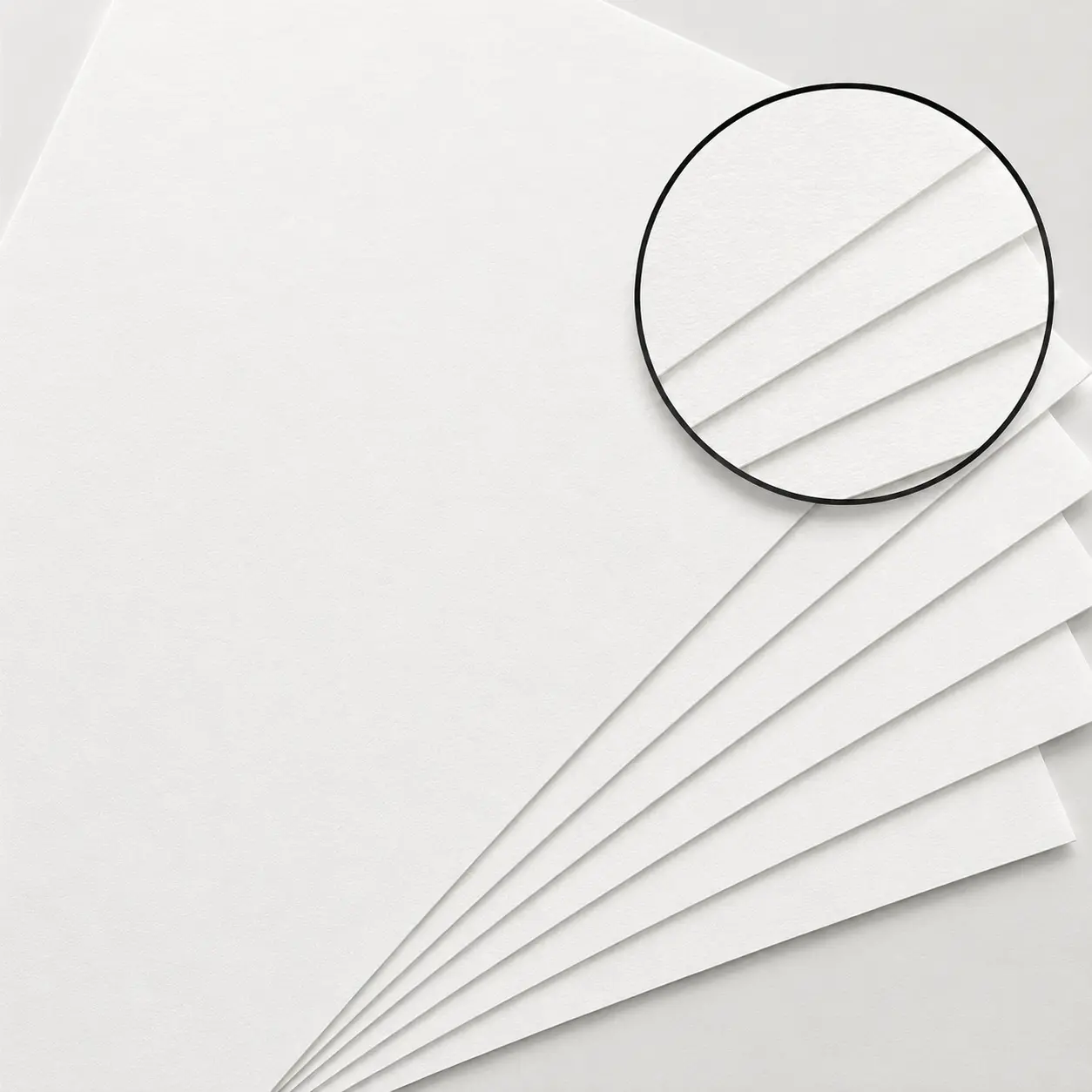
SBS Cardboard
Premium bleached substrate engineered for retail-ready packaging with sharp, high-resolution print performance across bulk SKUs.
Sportswear boxes that don’t flop open or cave in on a shelf. We make them from actual sturdy cardboard, not flimsy mailer stuff. Your logo stays clean. The box holds hoodies, shorts, or cleats without bending. No weird plastic windows unless you ask. Just a solid custom box that shows up ready for retail or shipping.
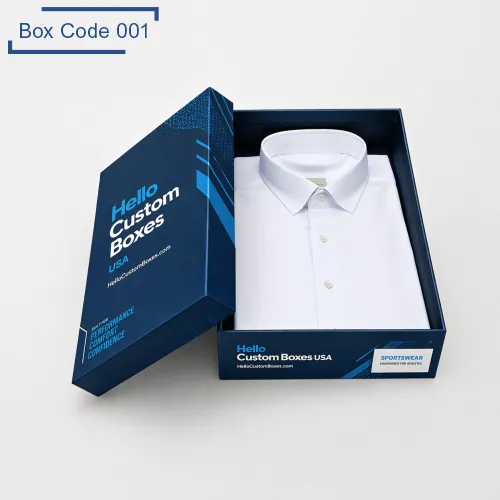
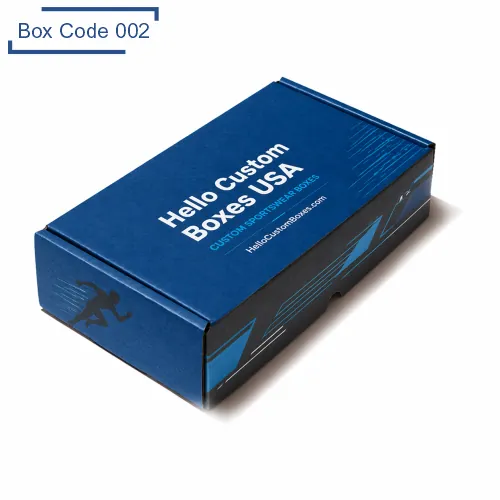
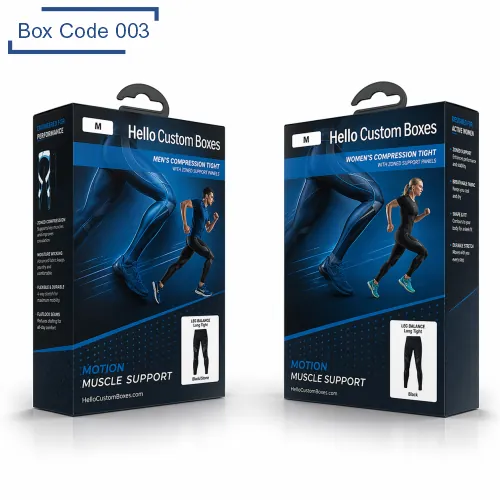
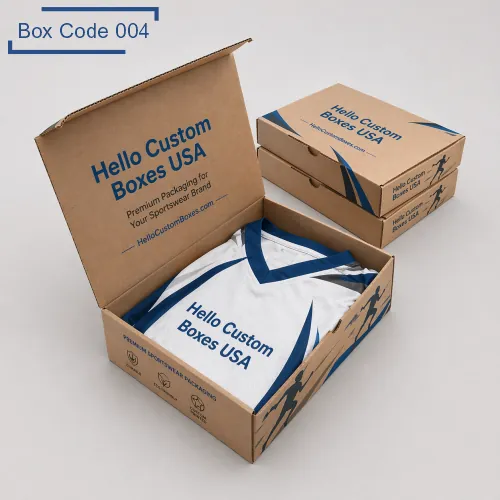
Tell us your specs and we'll send pricing within one business day.
You ever grab a “premium” box from a supplier, and it feels like wet paper the second you stack two of them? Yeah. We’ve seen that too.
Sportswear packaging boxes need to do two things at once. Look good on a retail shelf. And survive a shipping carton without turning into origami. Most people only think about the printing. Big mistake.
The real work is in the board.
We use rigid box board and heavy-duty cardboard as the baseline. Not the thin stuff that bends when you hold a pair of basketball shorts. For lighter items like t-shirts or running tanks, a good B-flute cardboard works fine. But for hoodies, cleats, or any gear with weight? Go rigid. There’s a noticeable difference when you pick it up. The box doesn’t flex in your hands. Customers feel that.
Let’s be honest. A lot of sportswear boxes look great from ten feet away. Then someone picks one up, the lid doesn’t stay shut, and the whole thing tilts forward.
We solve that with box structure.
Tuck-top closures are fine for basic tees. But for anything you want to feel premium? Magnetic closure or a full telescoping lid. The lid slides over the bottom tray. No gap. No shifting. When a customer lifts the box, the weight stays balanced.
Here’s a real observation: most returns happen not because the product is bad, but because the box arrived crushed on one corner. People judge the gear by the box. Harsh but true.
So we double-score the fold lines. That sounds like a small detail, but it means the box folds straight every time. No crooked flaps. No weird tension that makes the lid pop open during shipping.
You don’t need a PhD in packaging to pick the right material. But you do need to know what fails and what doesn’t.
Most sportswear brands mix two. Rigid for in-store displays. Corrugated for e-commerce shipments. Same design. Different materials. We can do that.
Here’s where most packaging sites get weird. They start talking about “unprecedented vibrancy” and “revolutionary coating technology.” Just tell me what it looks like in real life.
CMYK printing works fine for most logos and product shots. Pantone matching costs more but gives you that exact red or blue across every single box. If your brand color is off by a shade, people notice. Not consciously. But something feels cheap.
Matte lamination kills glare. That’s it. Also hides small scratches pretty well. Feels soft too. Gloss? Looks nice at first. Then someone touches it. Scuffs everywhere. Good for stuff that sells in a week. Bad for anything people actually handle.
Spot UV? That’s the glossy logo on a matte box. Looks expensive. Costs a little extra. Worth it for flagship products.
One thing nobody tells you: dark-colored sportswear boxes with matte lamination show dust. Light-colored boxes with gloss show fingerprints. There’s no perfect finish. Just trade-offs. We explain this before you order, not after.
A customer of ours sells yoga pants. They used cheap boxes for two years. Every month, about 8% arrived with bent corners. That doesn’t sound huge until you do the math. Eight percent of 5,000 boxes is 400 unhappy customers.
They switched to our custom sportswear packaging boxes with reinforced corners. Bent corners dropped under 1%. Same shipping carrier. Same warehouse. Just a better box.
That’s the difference between guessing and knowing.
Size matters more than you think. If your box is half an inch too big, the product slides around during shipping. That sliding causes internal wear on the garment. If the box is too tight, customers struggle to get the item back in. Frustrating for returns.
We keep sample sizes on hand. You can order a single physical proof before committing to 1,000 units. Smart brands do this.
Warehouse reality: boxes get stacked seven or eight high. Bottom boxes take the weight. If your sportswear packaging boxes have weak side walls, they fail under pressure, the same way poorly structured baseball packaging boxes do when stacking isn’t supported properly. The bottom row crushes. Then the whole pallet leans. Then your warehouse manager calls you names.
We add edge crush resistance testing. That’s a fancy way of saying we press the box until it fails and tell you the number. Most suppliers skip this. We don’t.
Also – humidity kills cardboard. If your boxes sit in a non-climate-controlled warehouse for three months, they absorb moisture. They get soft. By the time they reach customers, they feel flimsy. Our boxes use moisture-resistant coating on request. It adds cost. But it’s cheaper than replacing 500 crushed boxes.
Sportswear Boxes Specifications |
|
|---|---|
| Materials | SBS paperboard (300–400 gsm), kraft board (natural & black), bux board, rigid board for premium packaging |
| Box Styles | Mailer boxes, magnetic rigid boxes, two-piece lid & base boxes, drawer-style boxes, retail display cartons |
| Protection | Protects garments from dust, moisture, creasing, and handling damage during shipping and storage |
| Structural Strength | Reinforced panels for stacking durability, stable construction for warehouse and retail environments |
| Branding Surface | Smooth finish for high-impact branding, clean edges for premium presentation, ideal for athletic visuals |
| Printing & Finishes | CMYK & Pantone printing, offset & digital, matte/gloss lamination, soft-touch coating, spot UV, foil stamping, embossing/debossing |
| Sizes & Customization | Custom sizes for t-shirts, hoodies, tracksuits, gym sets, and other folded sportswear items |
| Insert Options | Tissue paper, cardboard inserts, divider panels for organized and premium presentation |
| Shipping Efficiency | Flat-pack options for storage savings, rigid formats for enhanced protection during transit |
| Applications | Sportswear brands, fitness apparel retailers, e-commerce stores, gyms, athletic merchandise packaging |
| Production | Low MOQs, bulk manufacturing, custom dielines, prototyping, and strict quality control processes |
| Sustainability | Recyclable materials, FSC-certified boards, soy-based inks for eco-conscious packaging solutions |
Choose from practical materials, print methods, inks, finishes, and add-ons for a better product presentation.
Premium bleached substrate engineered for retail-ready packaging with sharp, high-resolution print performance across bulk SKUs.
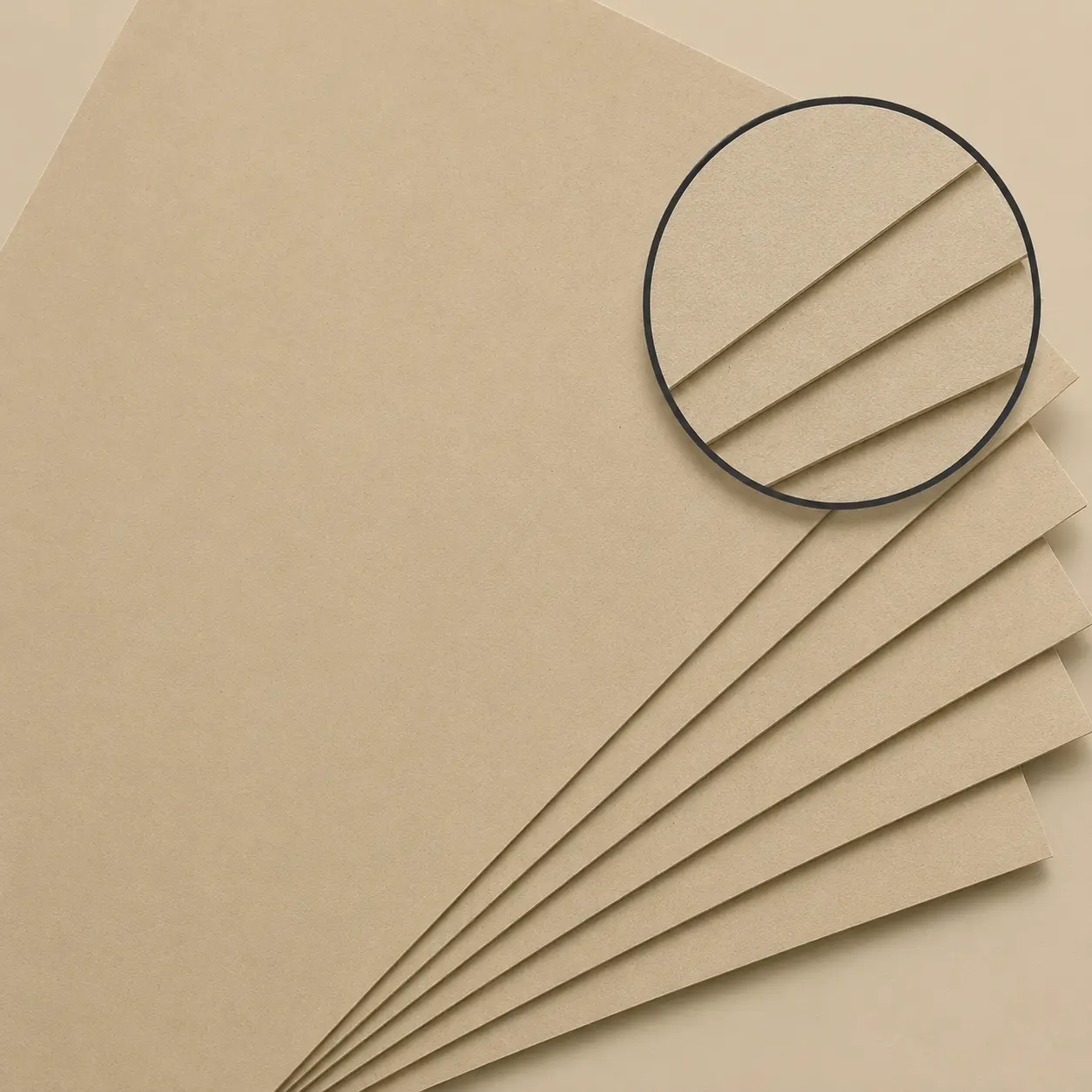
High-density rigid board built for wholesale cartons, structural strength, and stack-ready warehouse logistics.
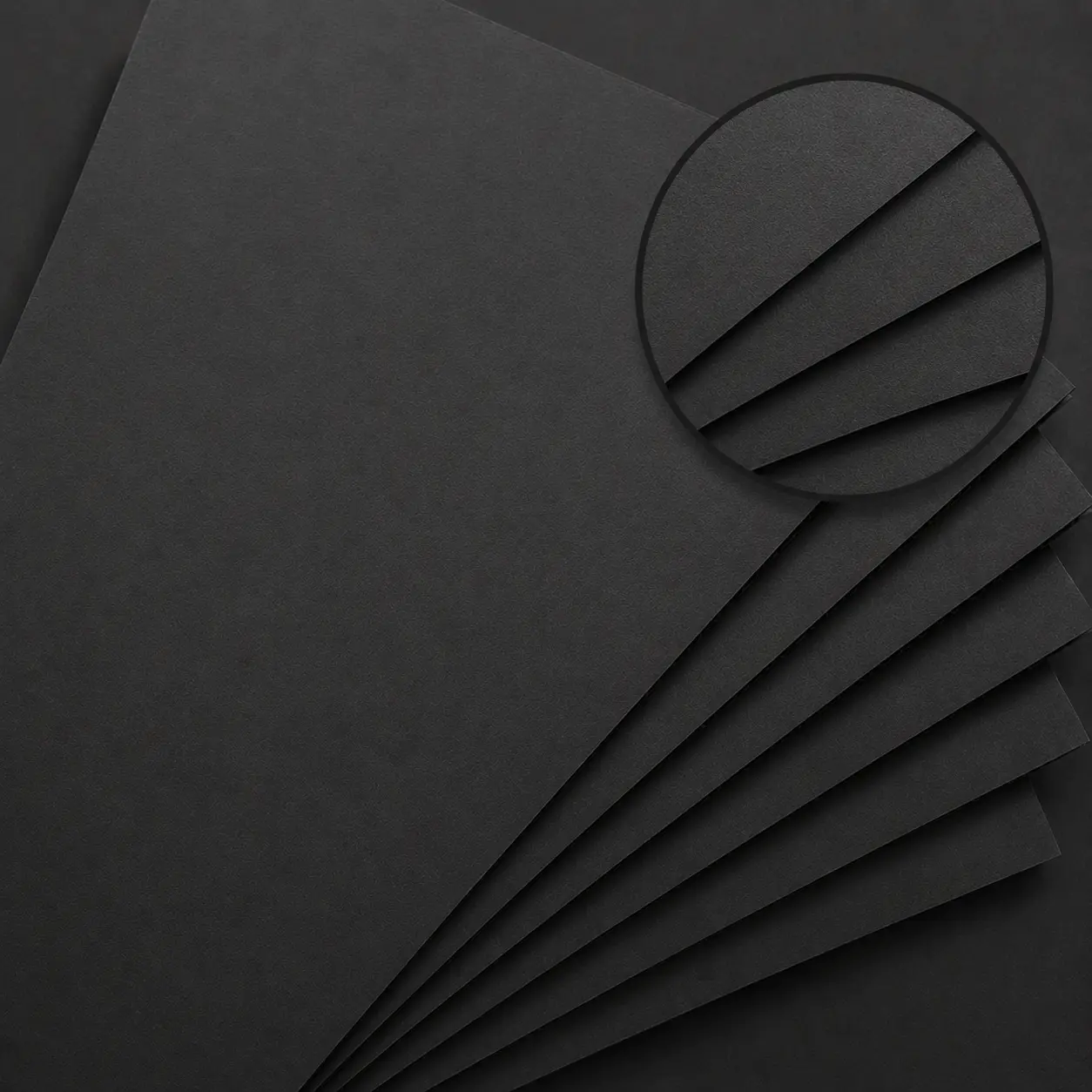
Eco-conscious black kraft for premium unboxing programs, corporate gifting, and limited-edition product lines.
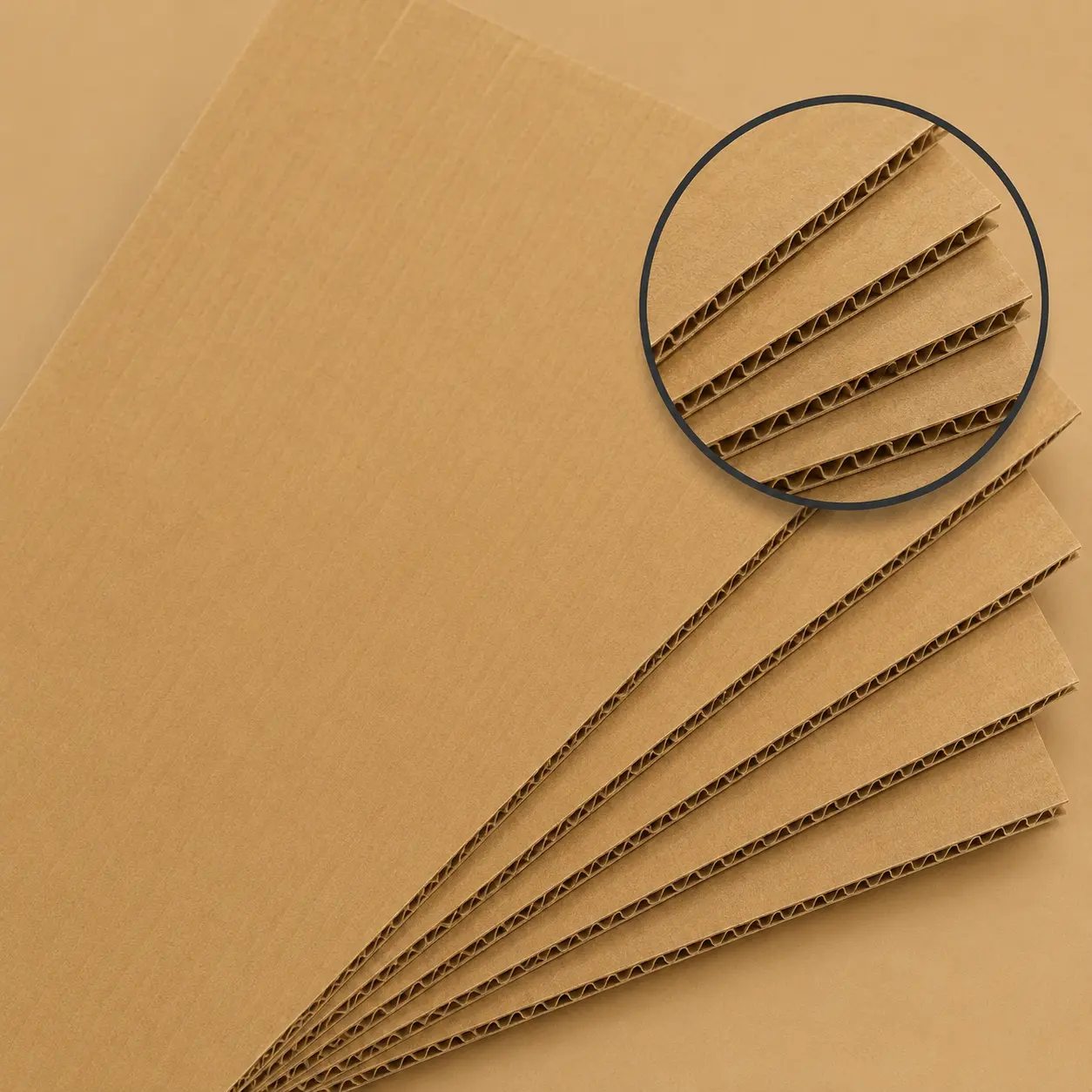
Multi-flute corrugated board built for protective shipping, e-commerce dispatch, and high-volume B2B fulfillment.
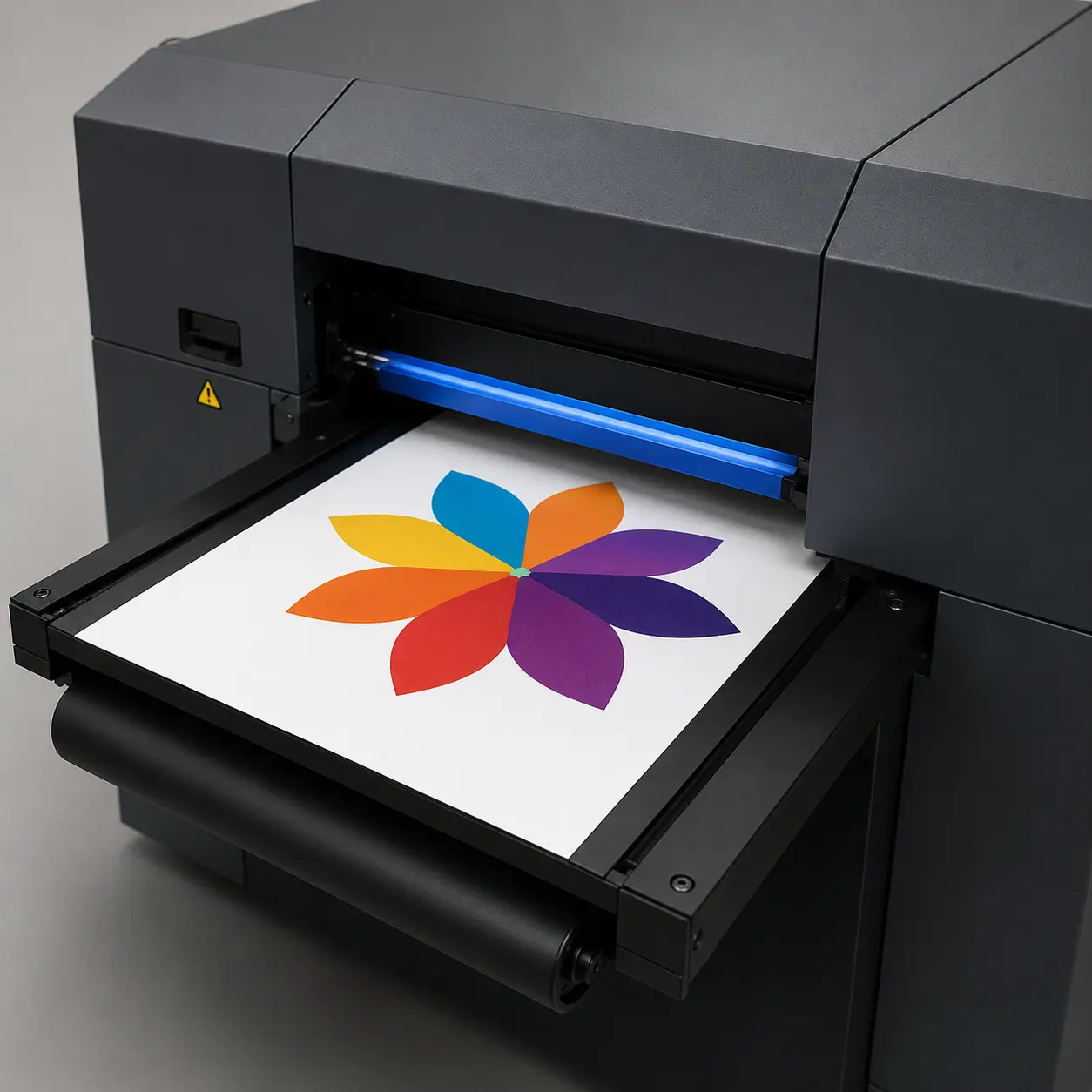
Short-run digital printing with no plate setup — ideal for prototypes, sample approvals, and quick reorders.
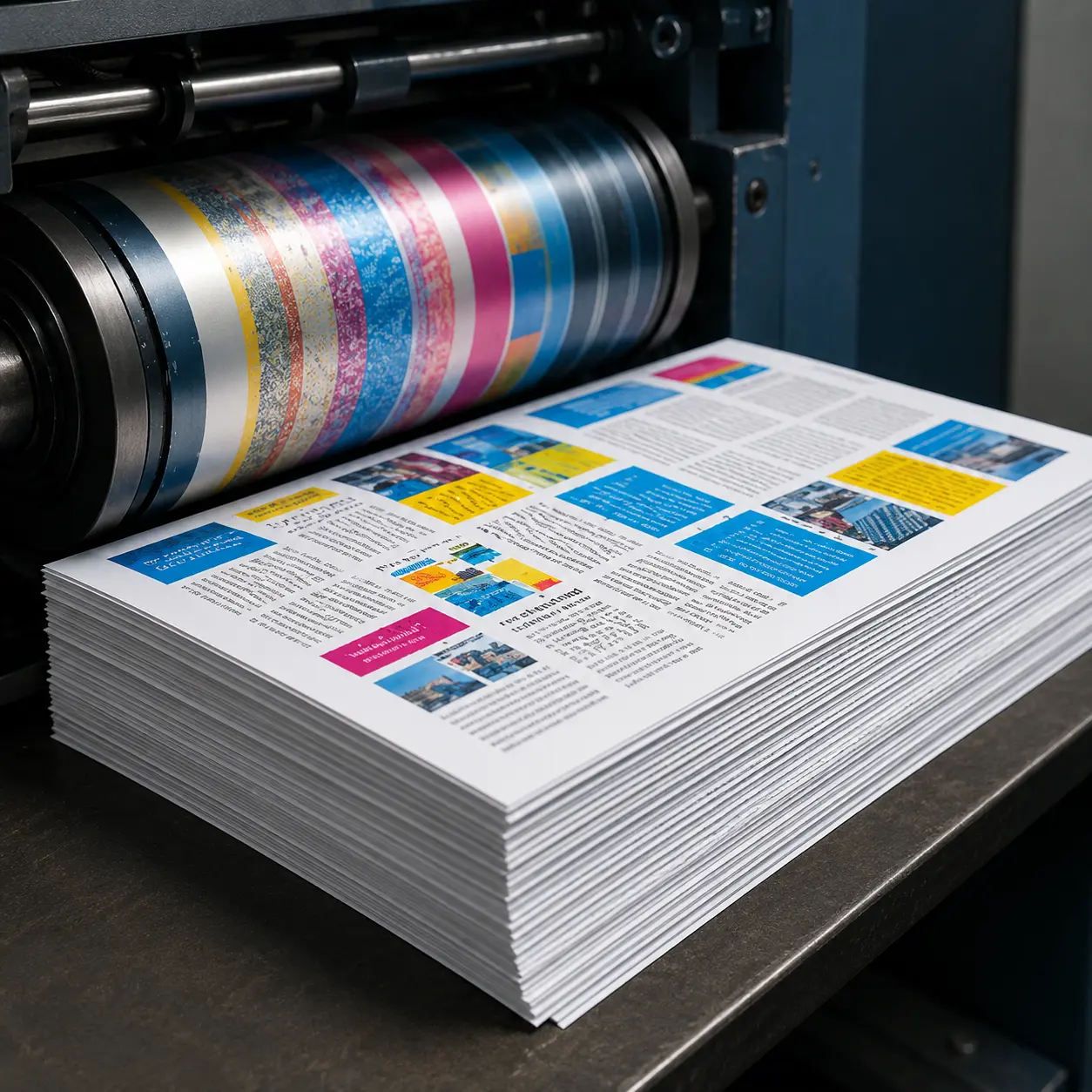
Industry-standard offset printing for high-volume runs with consistent color matching across bulk production.

Selective dimensional embellishment for premium B2B branding, tactile depth, and shelf differentiation.

Vibrant UV-cured printing suited for promotional packaging, event giveaways, and trade-show units.
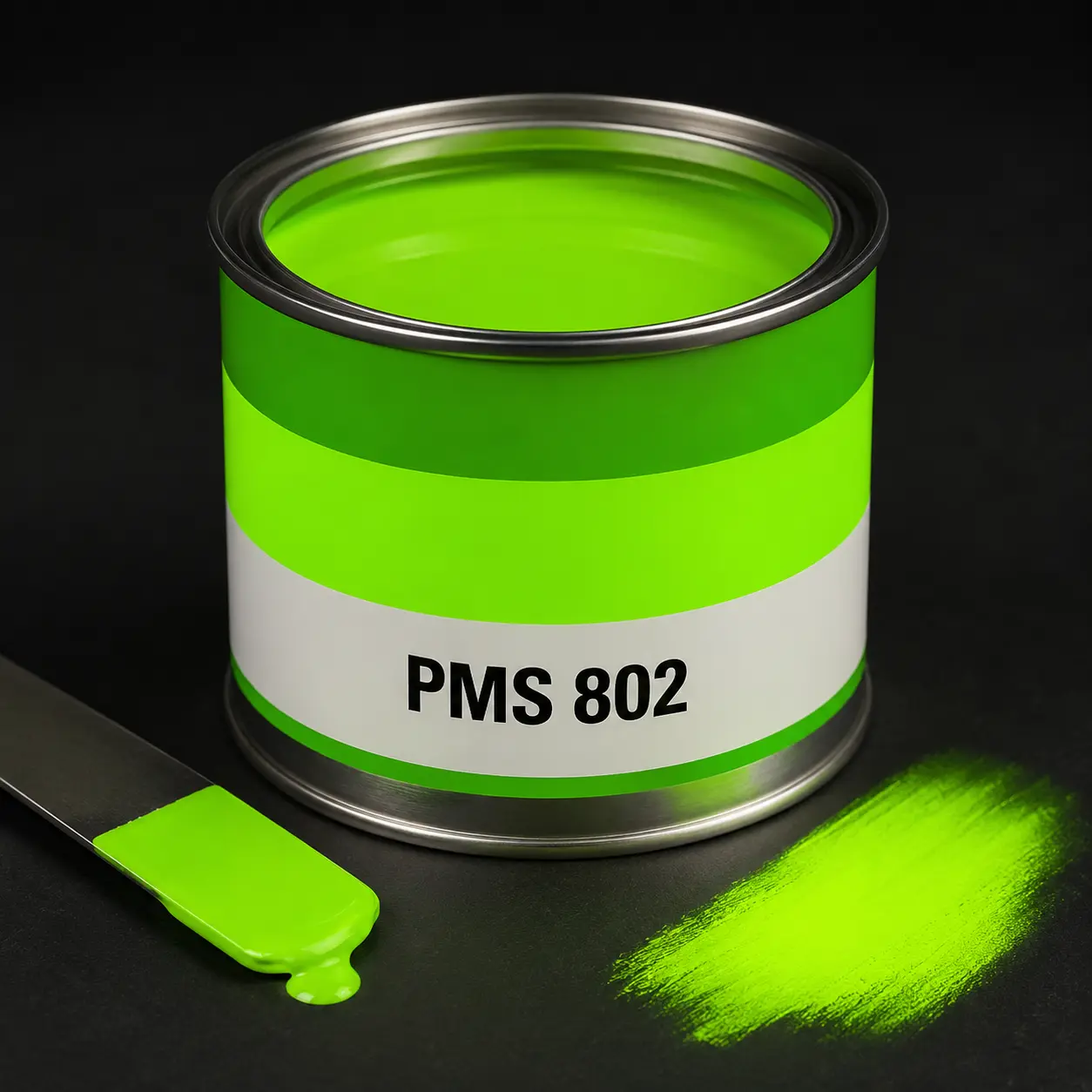
High-visibility ink system engineered for shelf impact, retail displays, and wholesale point-of-sale units.
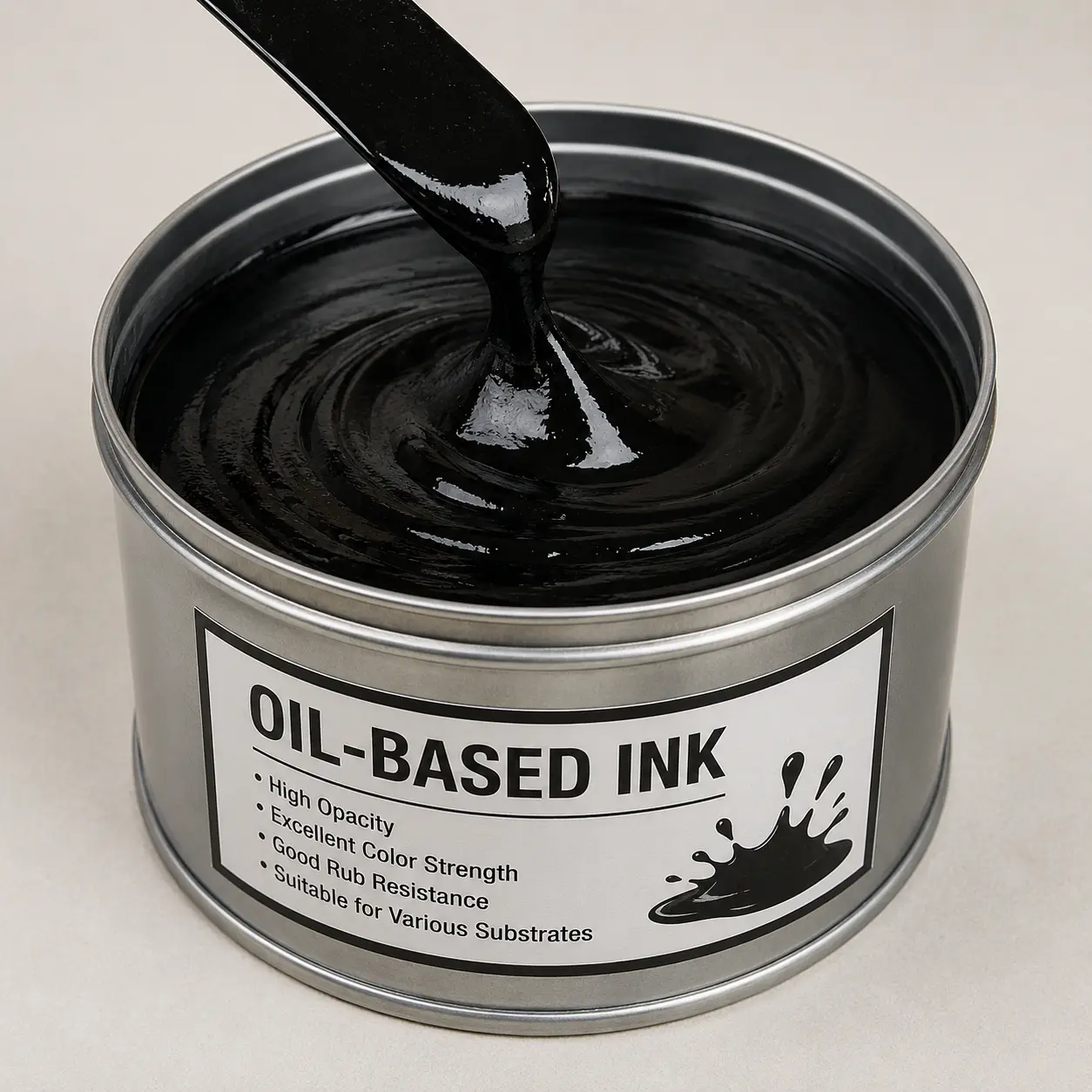
Industry-grade ink for durable, scuff-resistant production runs across long-haul distribution.

Spot-color matching to corporate brand standards — consistent identity across every SKU and reorder.

Sustainable plant-based ink for eco-certified packaging programs and ESG-aligned product launches.

Protective film extends shelf life and protects packaging during shipping and warehouse handling.

Water-based protective seal — fast-drying, food-safe-friendly finish for high-volume bulk production.

Premium tactile finish that elevates corporate gifting boxes and high-end B2B product lines.

Highlight logos and key artwork with selective gloss for maximum retail brand recognition.

Raised brand marks for tactile, premium identity on retail shelves and corporate packaging.

Pressed impressions for subtle, sophisticated branding on premium B2B product lines.

Metallic foil application — gold, silver, and custom finishes for luxury wholesale packaging.
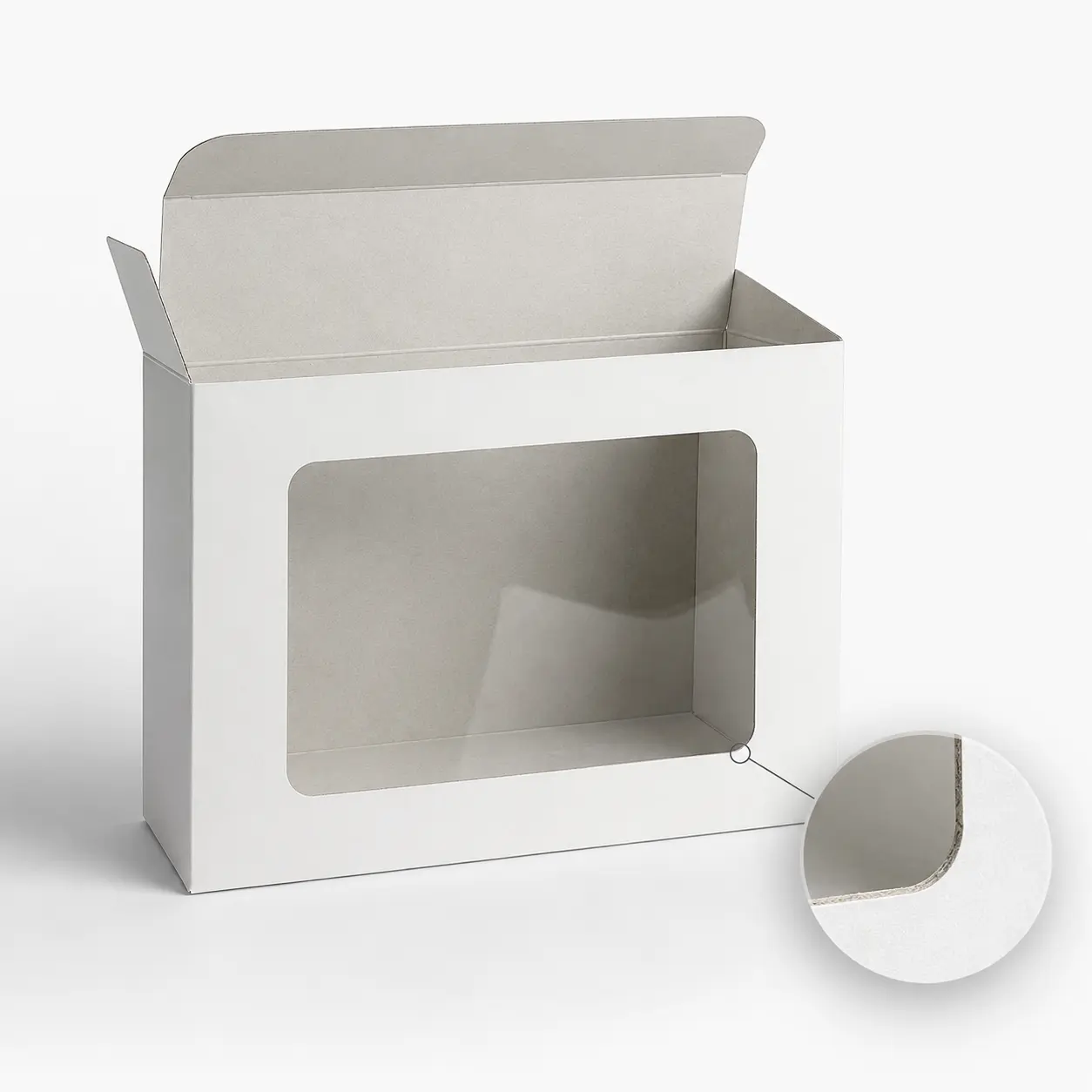
Precision die-cut openings that let customers view the product inside, with optional clear patching for better protection and presentation.
Simple, practical, and built around real B2B production needs.
Send product size, quantity, material preference, artwork, and delivery details.
Our team prepares a proof or 3D mockup so you can check design and structure.
Once approved, your packaging moves into printing, cutting, finishing, and packing.
Finished boxes are packed and shipped to your warehouse, retailer, or 3PL.
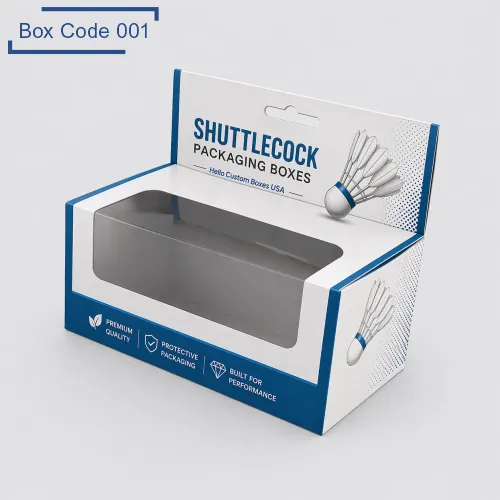
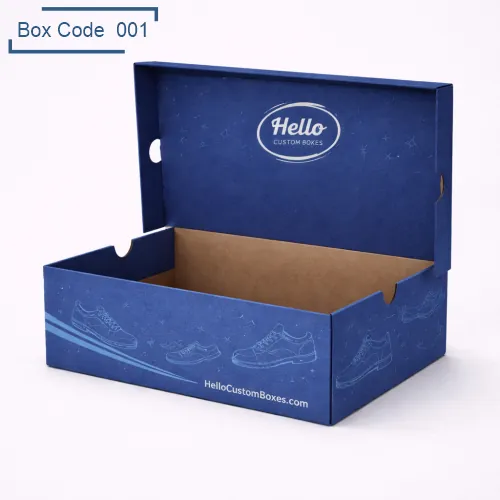
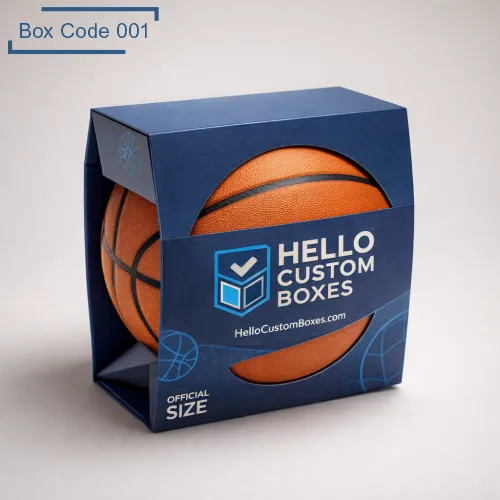
Explore similar packaging options that may fit your product line.

Reviews
There are no reviews yet.