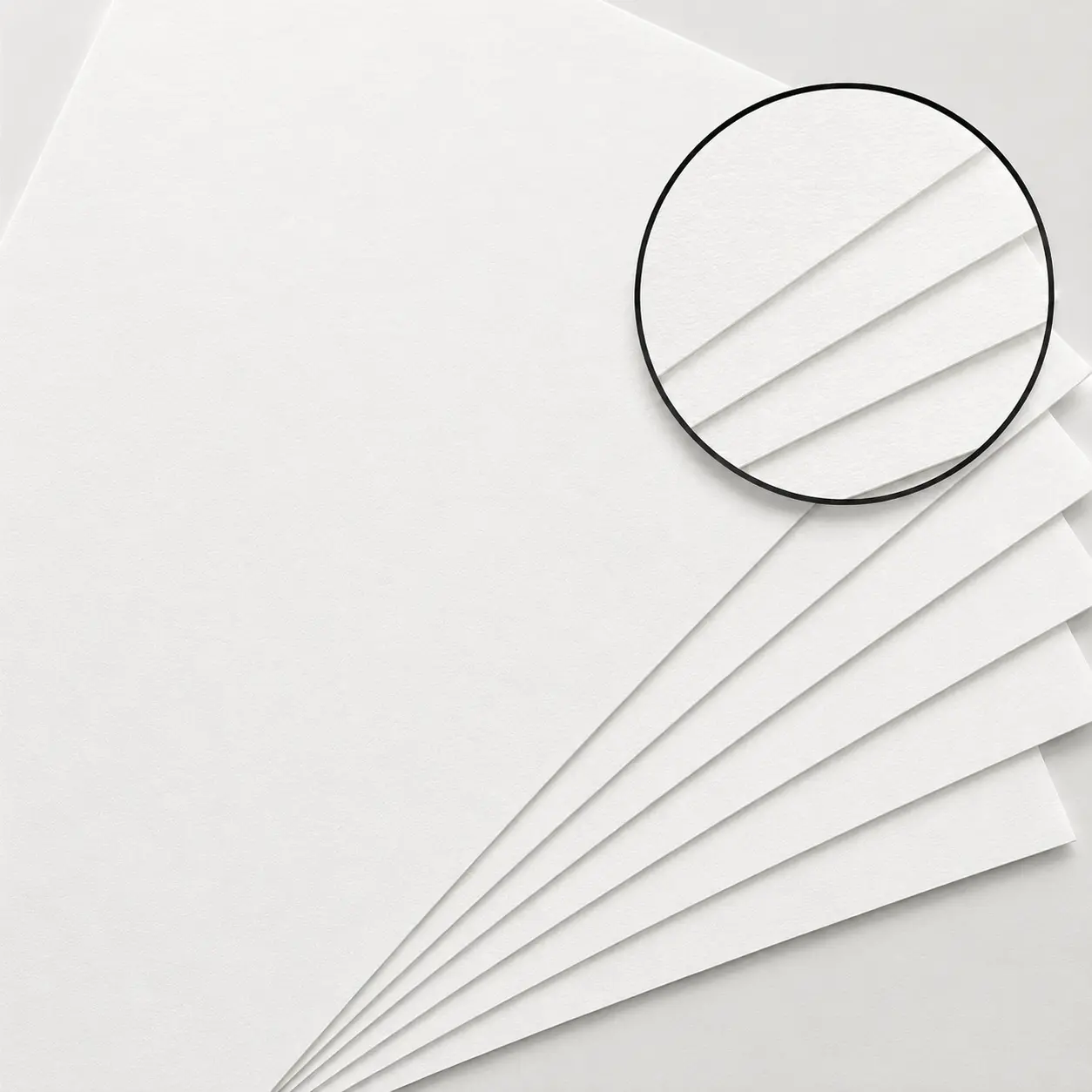
SBS Cardboard
Premium bleached substrate engineered for retail-ready packaging with sharp, high-resolution print performance across bulk SKUs.
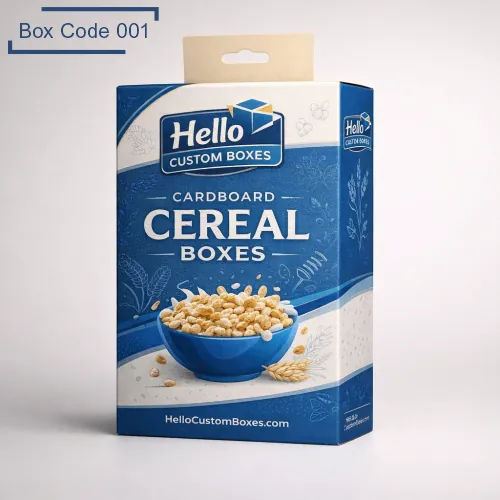
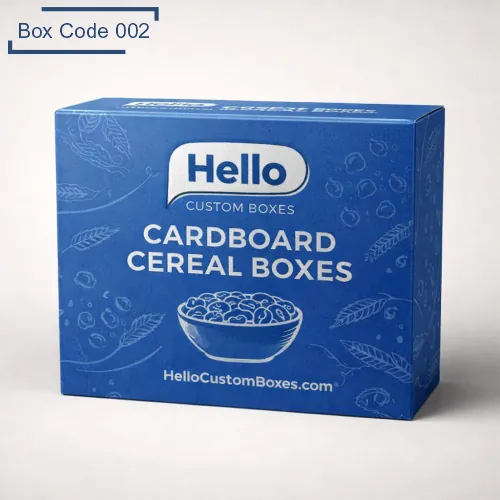
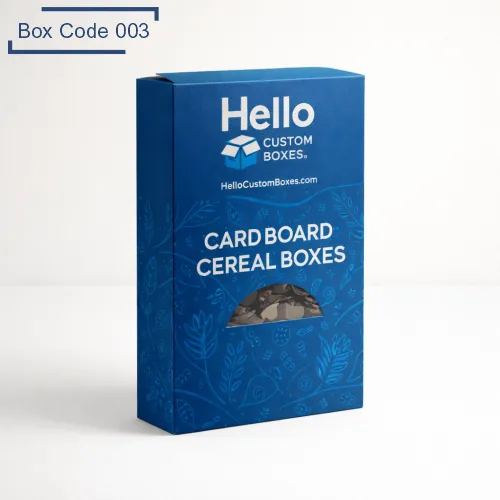
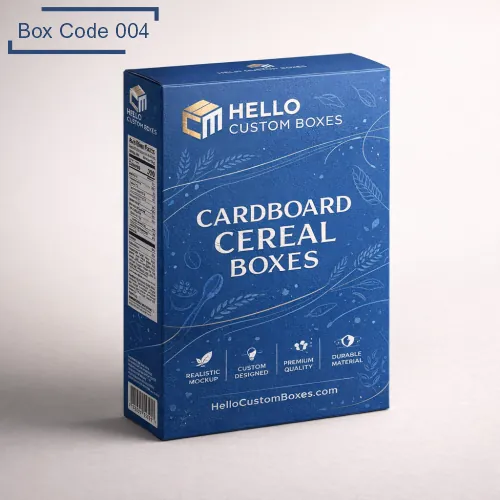
On busy supermarket shelves, cereal products are usually placed in printed cardboard cartons that keep the contents safe and easy for shoppers to spot. The box stays firm during packing, storage, and transport. Hello Custom Boxes develops cereal packaging based on cereal weight, brand artwork on the carton, and the routine handling boxes go through from warehouse storage to store display.
Tell us your specs and we'll send pricing within one business day.
Walk through the cereal aisle in almost any supermarket.
You will notice something quickly. Most cereal packages share the same tall rectangular shape.
The artwork changes from brand to brand. Colors change. Mascots change. But the box shape rarely does.
That format has stayed around for a long time for a practical reason. It works.
The tall structure stacks well during transport. Pallets stay stable. On store shelves, the boxes line up neatly and keep the aisle looking organized.
Another advantage is the large front panel. It gives cereal brands enough space to show the product name, flavor, and graphics clearly to shoppers passing by.
Retailers prefer packaging that stays straight and consistent. When boxes sit evenly on the shelf, the entire display looks cleaner.
Custom cardboard cereal boxes keep that familiar shape while allowing brands to adjust important details like board strength, carton size, and printing quality.
Cereal packaging can look simple at first.
Just a box holding cereal.
But real distribution conditions sometimes reveal problems that were not obvious during design.
This usually shows up during warehouse storage. Cartons get stacked layer after layer on pallets, and after some time the pressure starts pushing the side panels outward a little. One leaning box is hardly noticeable. But when many of them begin tilting the same way, the row on the store shelf stops looking straight.
Shipping can cause another issue. Grocery products are packed tightly during transport. If the cardboard stock is not strong enough, cartons may compress before they even reach the store.
Printing can also behave differently under retail lighting. Artwork that looked bright during design might appear slightly dull once the product sits under supermarket lights.
These are things companies often discover only after the product reaches the shelf.
When cereal brands contact us about packaging, the discussion usually begins with the cereal itself.
Not the graphics.
The product.
Some cereals are extremely light. Others are dense. Granola mixes and protein cereals, for example, create more internal pressure inside the carton.
That difference affects how the box needs to be built.
Carton size, layout, and structure are designed around the cereal being packed. Nothing comes from a stock template. Every project is developed according to the product and the distribution path it will follow.
Cereals that travel through big grocery distribution systems often need sturdier cartons. The boxes must hold their shape during pallet stacking and long shipping trips. Brands selling through smaller retail channels sometimes do not face the same level of stress on their packaging.
Over time we have helped cereal companies move away from generic folding cartons and adopt custom cardboard packaging boxes designed specifically for cereal products.
The improvement usually becomes visible once the products reach store shelves.
Most cereal packaging follows the same general shape, but several structural variations are still used depending on the product.
This is the style many people recognize. The top and bottom flaps close in opposite directions, making cartons easier to assemble during packing.
Both flaps fold in the same direction. Some brands prefer this format because the artwork alignment on the front panel becomes slightly easier.
Heavier cereal products sometimes need additional support. Auto bottom cartons lock automatically when opened, creating a stronger base.
A few cereal packages are made with a small window section covered by clear film. That opening allows customers to see the cereal itself. Granola and specialty cereal brands use this approach fairly often.
From the outside, cereal cartons look straightforward.
But small technical details keep the packaging functioning properly.
The cardboard must resist pressure created by stacked pallets during shipping and storage.
Clean scoring lines allow panels to fold correctly without creating bulges.
Flaps should close smoothly while avoiding damage to the cereal liner bag inside.
Clear printing helps the graphics remain visible under bright store lighting.
Carton dimensions must match the cereal filling equipment used during production.
Balanced proportions help cartons remain upright during retail display.
Customers may never notice these details directly, but retailers usually do.
Hello Custom Boxes has supported packaging production for brands producing cereals, breakfast mixes, and grain-based snacks within the broader food packaging industry.
One situation we often see involves companies that originally used standard folding cartons. As their product begins appearing in more stores, packaging performance becomes more important.
Retail shelves reveal packaging weaknesses quickly.
Cartons that bend or lose their shape stand out immediately when placed next to sturdier boxes.
A cereal carton does more than hold the product.
It protects freshness, carries brand identity, and affects how the product appears among competitors.
When cartons stay straight and printing remains clear, the shelf display looks organized. That alone can make the product easier for shoppers to notice.
In busy breakfast aisles, even small presentation differences can influence whether someone stops to look at a product or continues walking.
Our packaging work normally begins with a discussion about the cereal itself and how it will be distributed.
After that, the project usually moves through several steps:
• carton structure planning
• artwork preparation
• board selection
• prototype sampling
• production and delivery
Every package is built specifically for the cereal product and brand requirements involved.
Nothing is taken from pre-existing stock designs.
Everything is produced to order.
Cardboard Cereal Boxes Specifications |
|
|---|---|
| Material Options | Food-grade SBS paperboard (300–400 gsm), white cardboard stock, natural kraft board, bux board for added rigidity, and corrugated E-flute for secondary shipping cartons. |
| Box Styles Available | Reverse tuck end cereal cartons, straight tuck end boxes, auto-lock bottom boxes, side lock tuck top cartons, and retail display cereal packaging. |
| Food Safety & Inner Protection | Food-safe interior surfaces designed to hold sealed cereal pouches, moisture-resistant board layers, and hygienic packaging structures that maintain cereal freshness. |
| Structural Stability | Tall rectangular folding carton structure designed for efficient pallet stacking, shelf stability, and protection during warehouse handling and transportation. |
| Printing & Finishes | Offset and digital printing, CMYK and Pantone color matching, matte or gloss lamination, spot UV highlights, embossing, debossing, and foil stamping for cereal brand packaging. |
| Custom Sizes & Dimensions | Custom dimensions designed for different cereal weights including 250g, 375g, 500g, and family-size cereal boxes used in retail grocery packaging. |
| Inner Bag Compatibility | Designed to hold inner polyethylene or laminated cereal bags that provide an additional moisture and freshness barrier. |
| Shipping & Storage Efficiency | Flat-packed cartons reduce storage volume and freight costs while maintaining strong structural integrity for palletized shipping. |
| Retail Applications | Breakfast cereal packaging for supermarkets, grocery stores, food brands, organic cereal products, granola packaging, and bulk food retailers. |
| Wholesale & Production | Low MOQ available for food brands, bulk production for cereal manufacturers, custom dieline engineering, sampling before production, and strict quality control. |
| Sustainability Options | Recyclable cardboard materials, FSC-certified paperboard, soy-based printing inks, and eco-friendly food packaging production methods. |
Choose from practical materials, print methods, inks, finishes, and add-ons for a better product presentation.
Premium bleached substrate engineered for retail-ready packaging with sharp, high-resolution print performance across bulk SKUs.
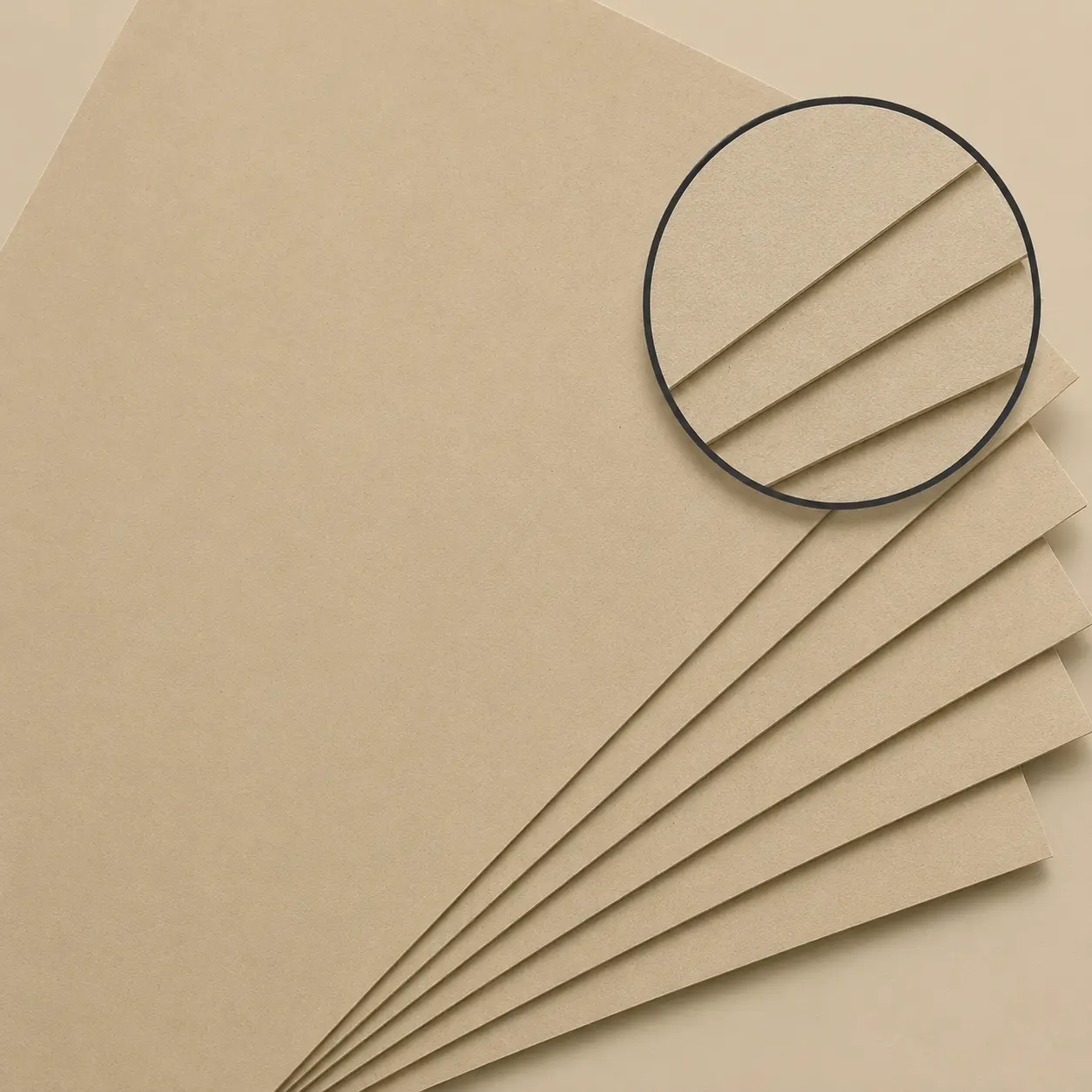
High-density rigid board built for wholesale cartons, structural strength, and stack-ready warehouse logistics.
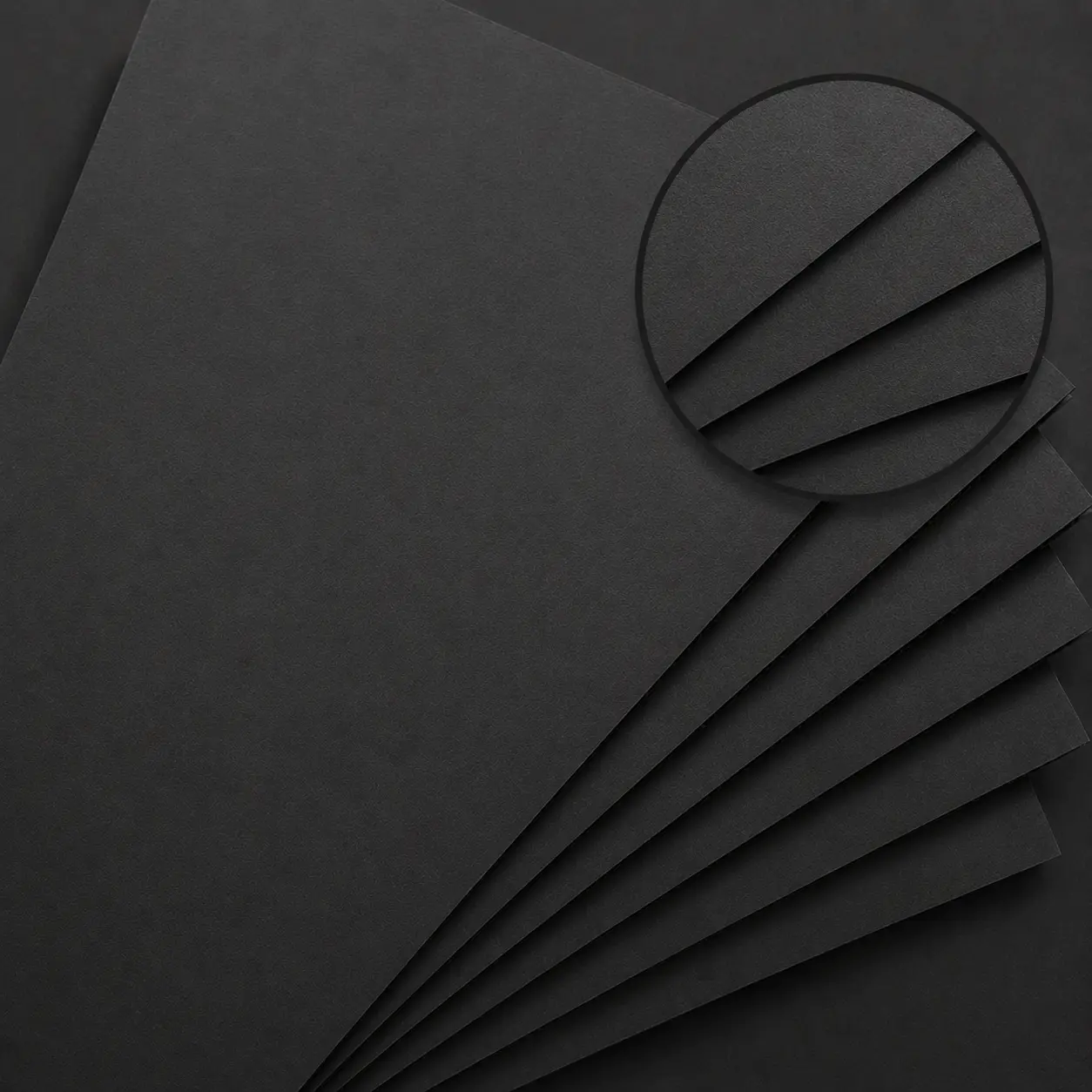
Eco-conscious black kraft for premium unboxing programs, corporate gifting, and limited-edition product lines.
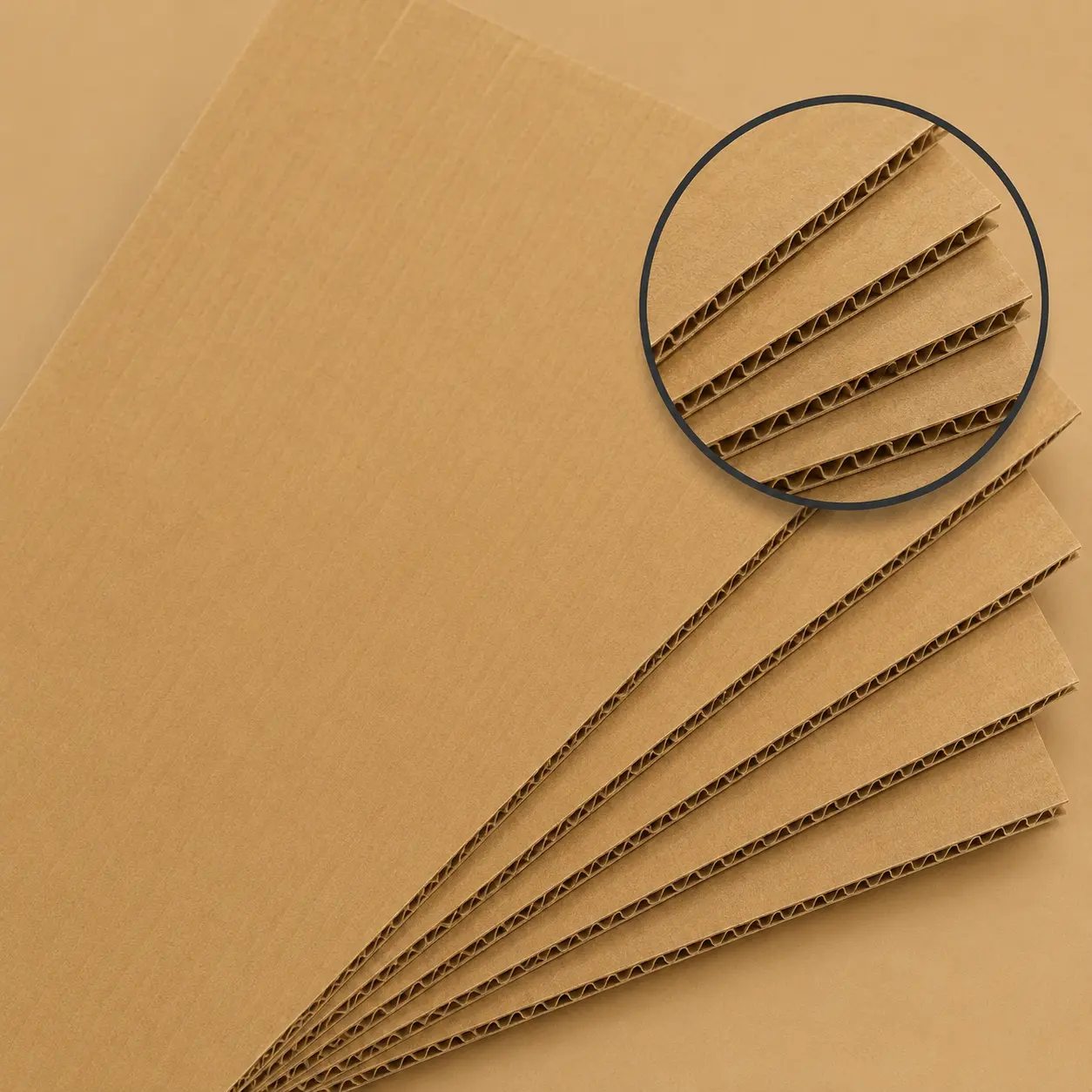
Multi-flute corrugated board built for protective shipping, e-commerce dispatch, and high-volume B2B fulfillment.
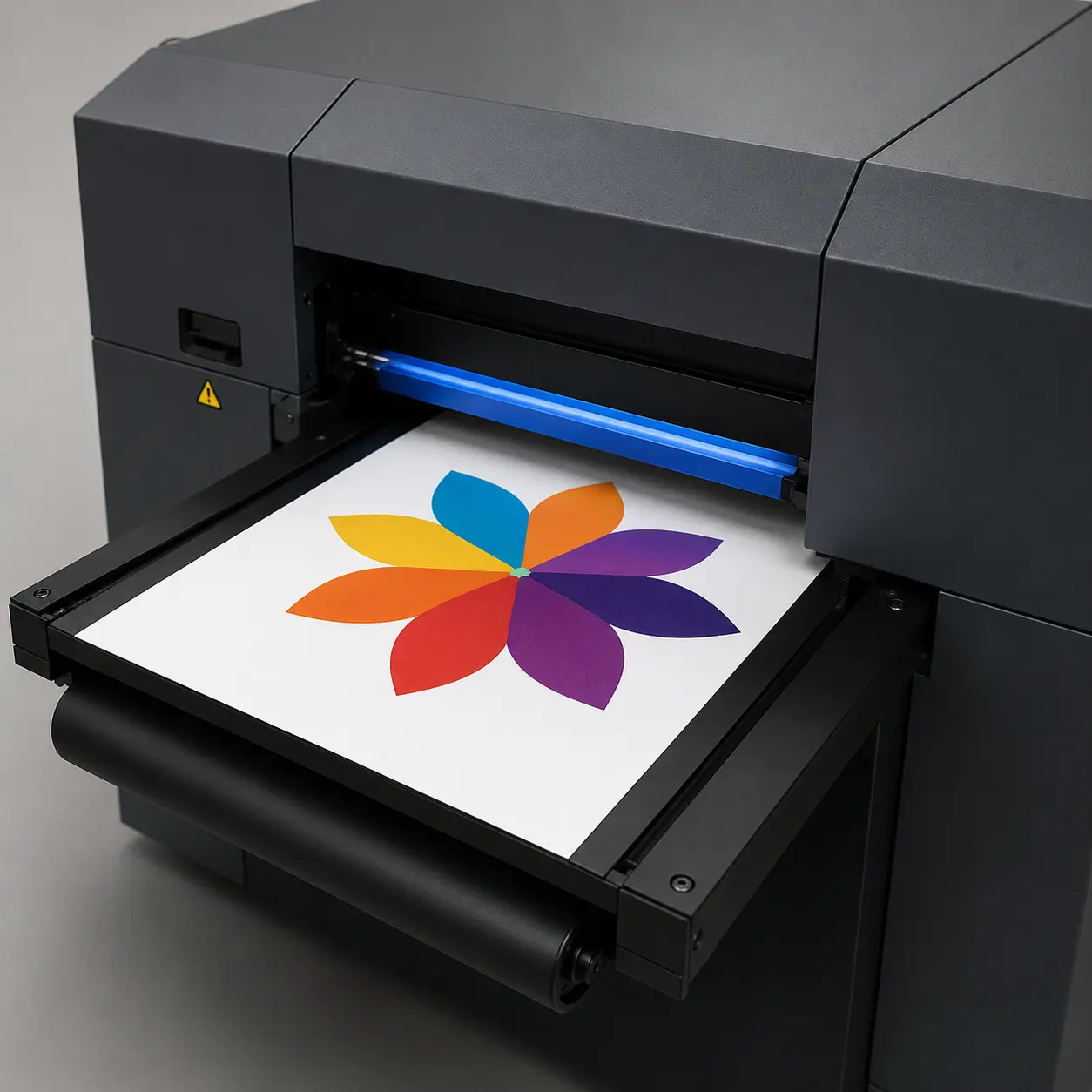
Short-run digital printing with no plate setup — ideal for prototypes, sample approvals, and quick reorders.
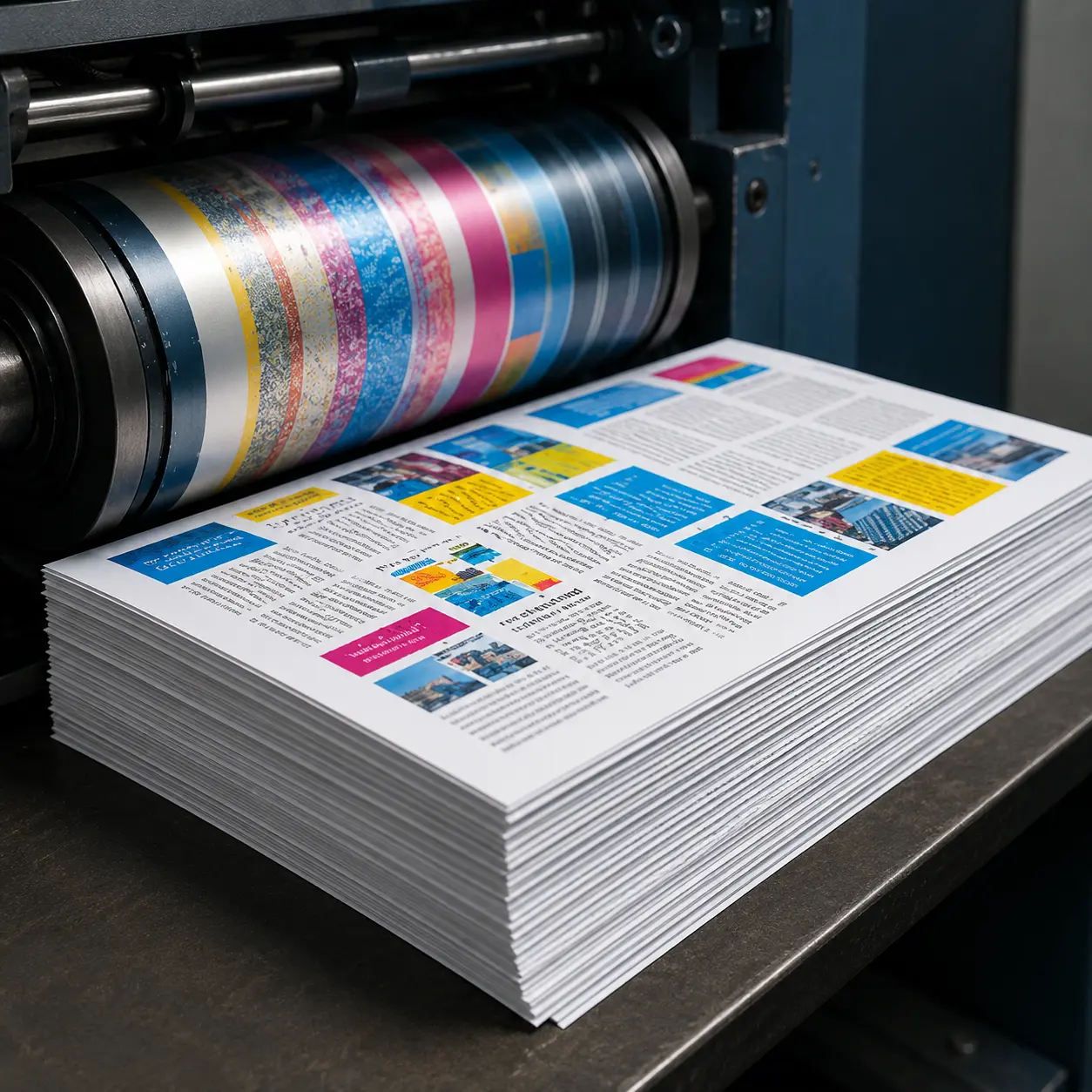
Industry-standard offset printing for high-volume runs with consistent color matching across bulk production.

Selective dimensional embellishment for premium B2B branding, tactile depth, and shelf differentiation.

Vibrant UV-cured printing suited for promotional packaging, event giveaways, and trade-show units.
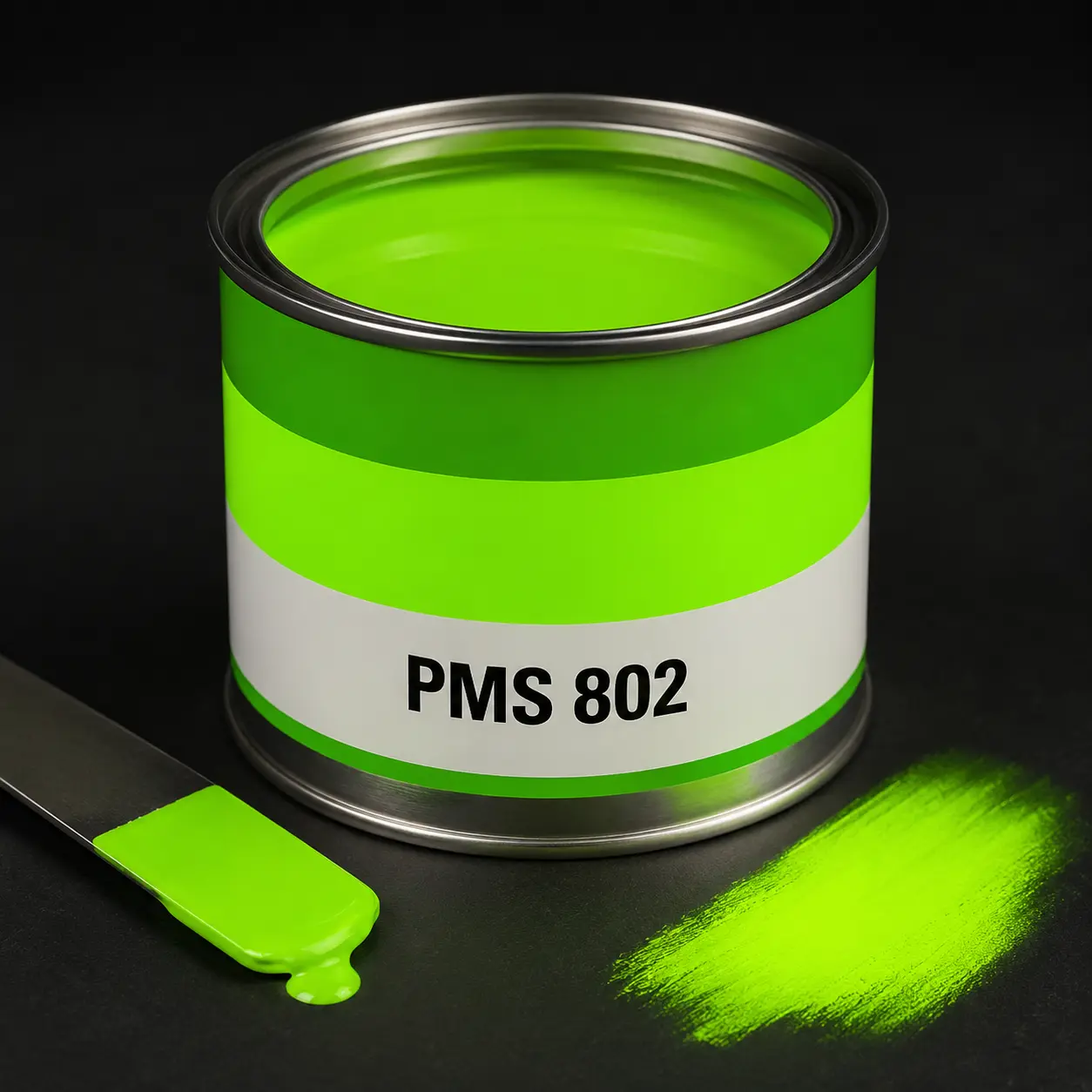
High-visibility ink system engineered for shelf impact, retail displays, and wholesale point-of-sale units.
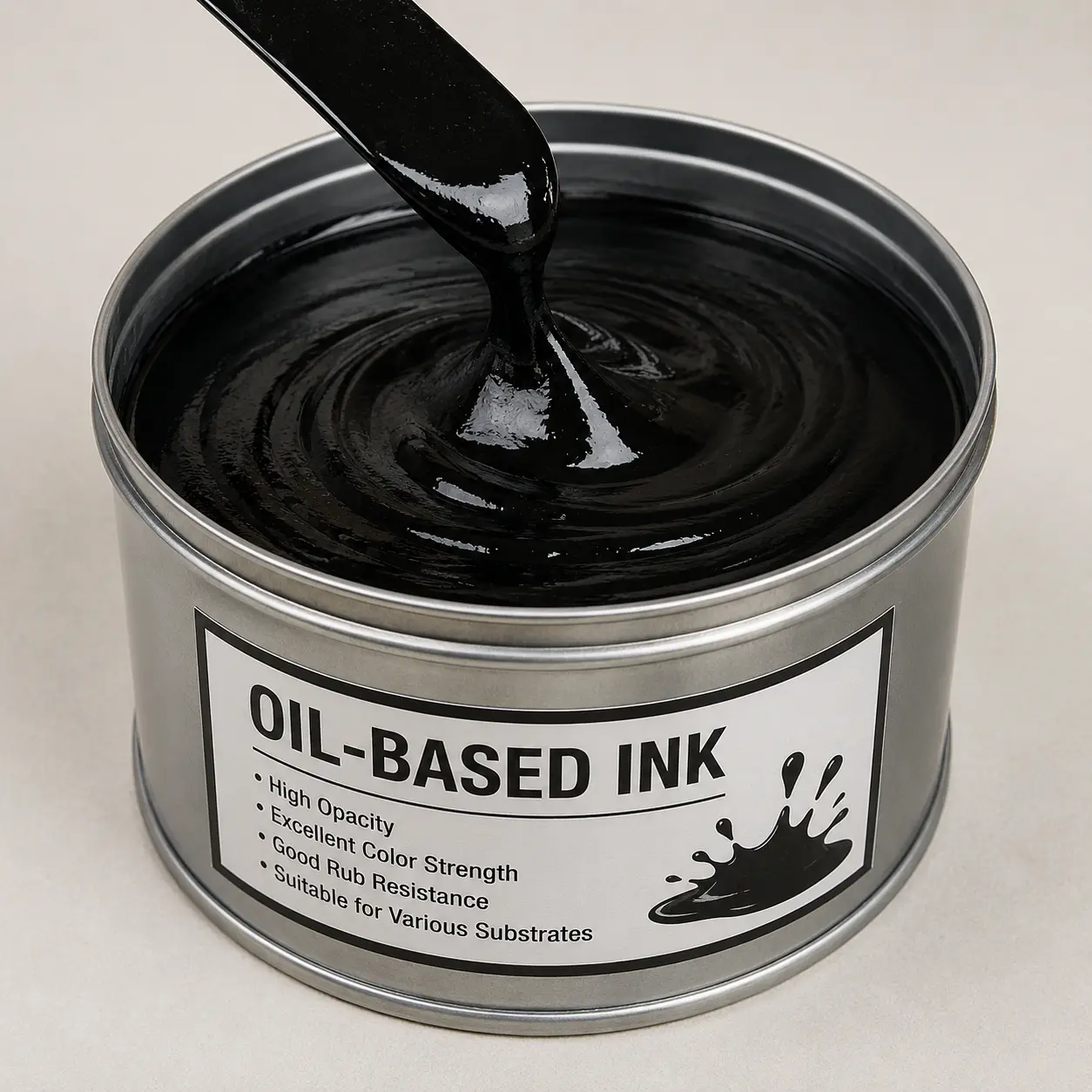
Industry-grade ink for durable, scuff-resistant production runs across long-haul distribution.

Spot-color matching to corporate brand standards — consistent identity across every SKU and reorder.

Sustainable plant-based ink for eco-certified packaging programs and ESG-aligned product launches.

Protective film extends shelf life and protects packaging during shipping and warehouse handling.

Water-based protective seal — fast-drying, food-safe-friendly finish for high-volume bulk production.

Premium tactile finish that elevates corporate gifting boxes and high-end B2B product lines.

Highlight logos and key artwork with selective gloss for maximum retail brand recognition.

Raised brand marks for tactile, premium identity on retail shelves and corporate packaging.

Pressed impressions for subtle, sophisticated branding on premium B2B product lines.

Metallic foil application — gold, silver, and custom finishes for luxury wholesale packaging.
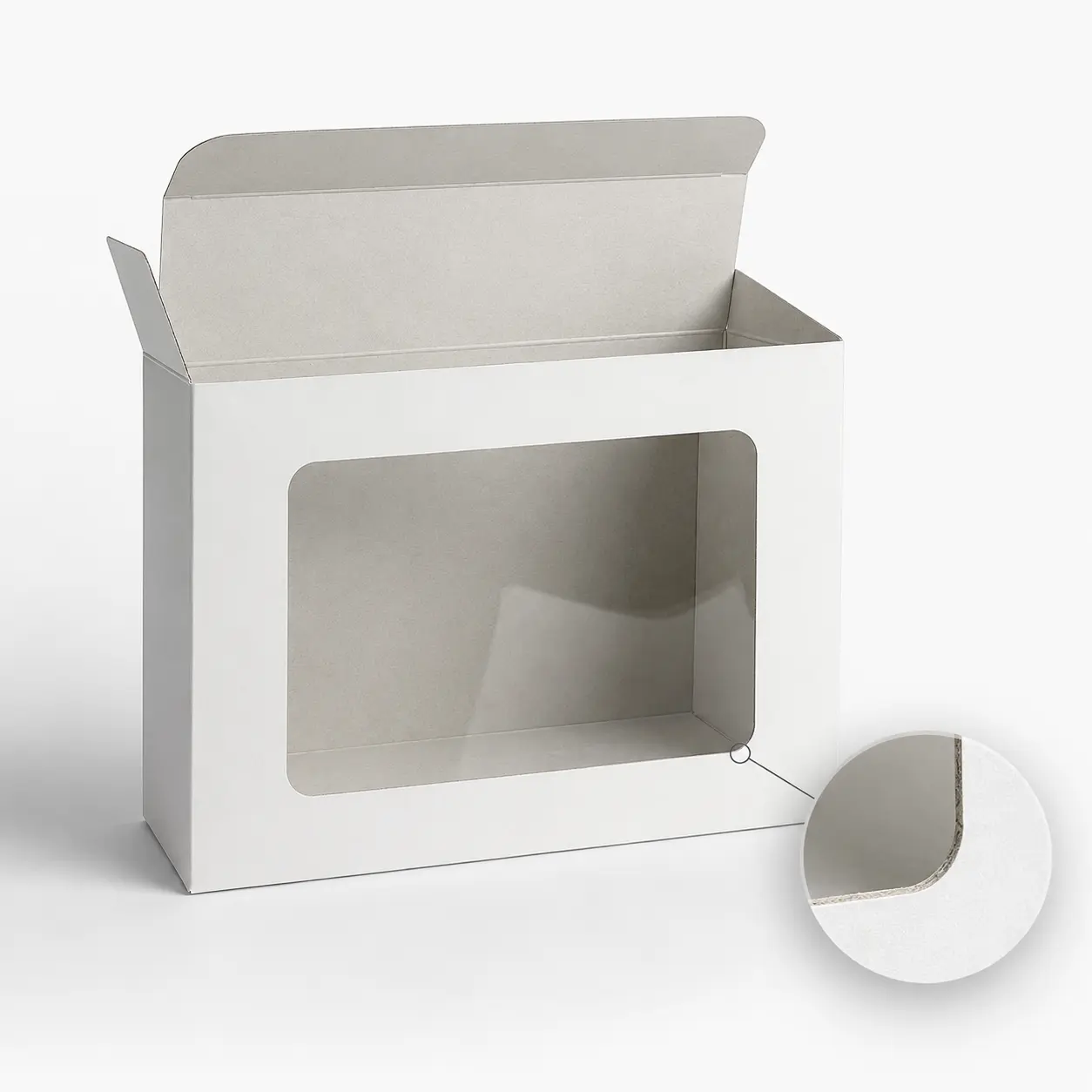
Precision die-cut openings that let customers view the product inside, with optional clear patching for better protection and presentation.
Simple, practical, and built around real B2B production needs.
Send product size, quantity, material preference, artwork, and delivery details.
Our team prepares a proof or 3D mockup so you can check design and structure.
Once approved, your packaging moves into printing, cutting, finishing, and packing.
Finished boxes are packed and shipped to your warehouse, retailer, or 3PL.
Explore similar packaging options that may fit your product line.
Reviews
There are no reviews yet.