
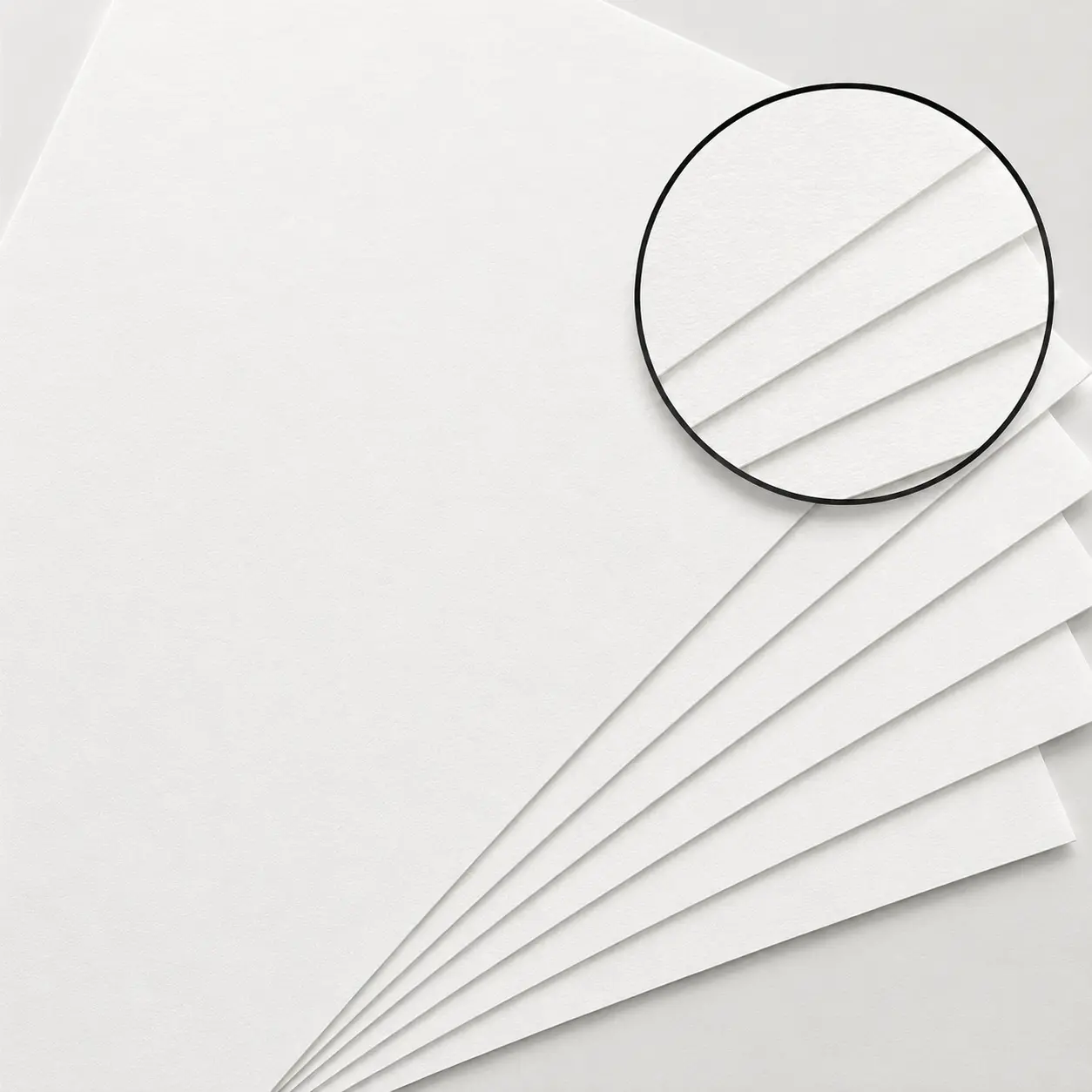
SBS Cardboard
Premium bleached substrate engineered for retail-ready packaging with sharp, high-resolution print performance across bulk SKUs.
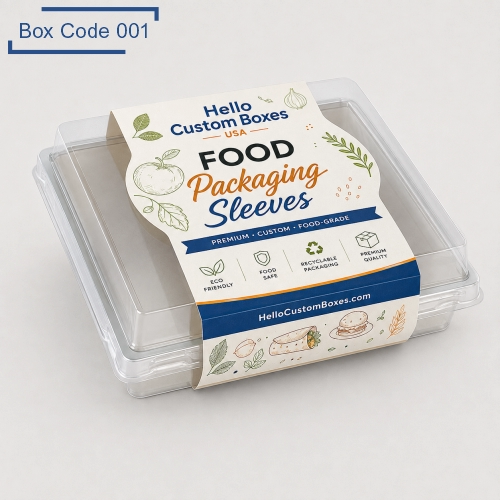
Food packaging sleeves are made to slide over trays, cartons, or food containers and keep the pack sitting properly during handling. They also give you extra space for print and branding. The board cannot be chosen on looks alone. Food weight, grease, temperature, and the way the pack will be stored or moved all affect the material and thickness. Sleeve size and printing are then worked out from the actual pack and order quantity.
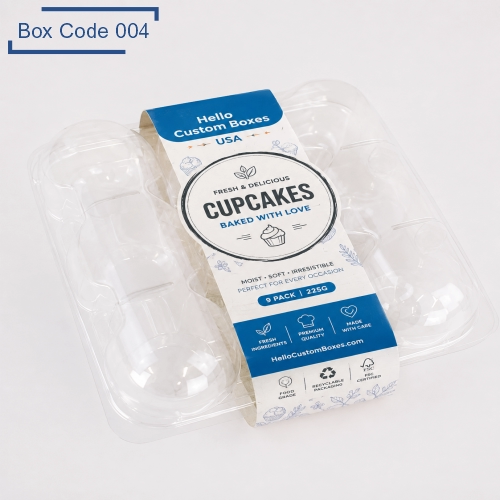
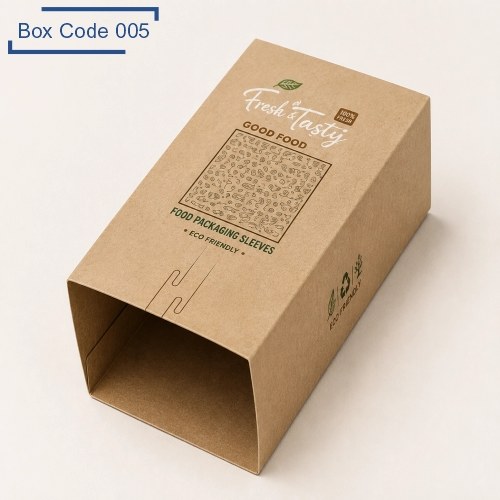
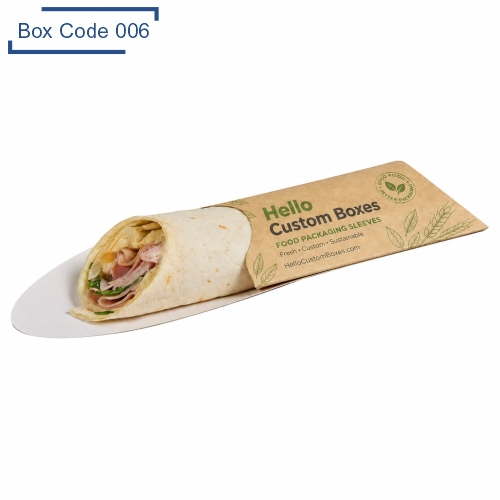
Tell us your specs and we'll send pricing within one business day.
Greasy food can be surprisingly hard on paperboard. Pastries, fried products, sauces, and buttery foods can leave oil sitting against the sleeve for hours. If the board has little resistance to grease, that oil gradually moves into the fibres.
The problem is not always obvious when the food is first packed. A sleeve may feel firm at the start of the shift but look softer, stained, or slightly distorted once the product reaches a shop shelf. Printed areas can also lose their clean appearance as grease works through the surface.
When the food is oily or carries moisture, the sleeve material needs to be chosen with that in mind. The board and barrier should suit the product before any printing or finishing is added. That helps the sleeve stay firm during packing, cold storage, delivery, and handling in store.
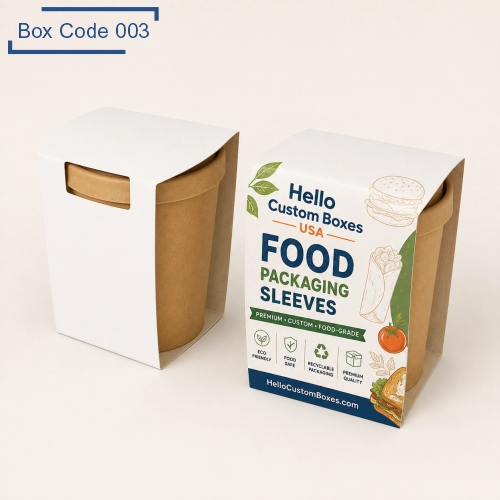
Many food sleeves are made as simple open-ended wraps that slide around a tray, carton, or food container. Once fitted, the sleeve provides a printable outer surface while helping the inner pack stay neatly positioned.
Application may be completely manual. A packing operator can slide each filled tray into the sleeve before placing it into the outer case. Larger production runs may use basic sleeving equipment instead.
The fit makes a noticeable difference here. Too much room allows the tray to move inside the sleeve. Too little room makes the pack difficult to insert and may cause tearing around the edges or score lines.
Cardboard packaging sleeves and paper sleeves for food normally work best when there is enough clearance for easy packing without leaving the product visibly loose.
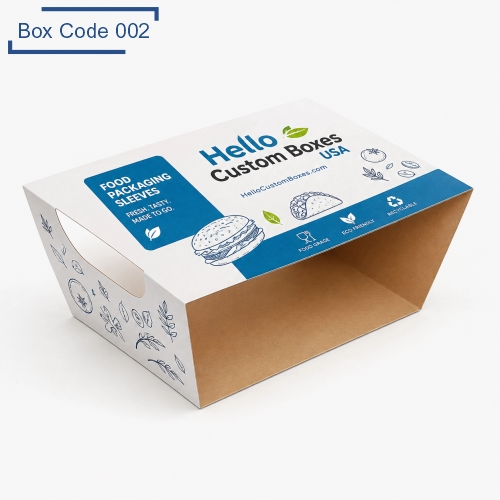
A straight-sided sleeve is often the easiest option to manufacture and pack. It works well around rectangular trays and cartons where the width stays fairly consistent from top to bottom.
Tapered trays may need a slightly shaped sleeve instead. Following the tray profile can improve the fit and remove unnecessary space around the pack. Small locking tabs or friction points can also be added where the sleeve needs a little more resistance to movement.
Heavier food may require extra depth or more board around the lower area so the sleeve feels stable when lifted and stacked.
Windows are another option, particularly when the food itself is part of the shelf presentation. They can make the product easier to see, although the opening removes printable board and may reduce strength around that area.
Accurate dimensions matter with every style. Even a small error in the die-line can make custom packaging sleeves difficult to apply or noticeably loose around the finished product.
The food inside the pack has more influence on board choice than appearance alone.
A lightweight sandwich, snack, or dry bakery item may only need a relatively light paperboard sleeve. It keeps the pack tidy, prints well, and takes up little space when supplied flat.
Heavier products put more pressure on the structure. Frozen meals, moist bakery products, larger trays, and multipacks may require thicker solid board or corrugated material, particularly where filled packs will be stacked inside shipping cases.
Corrugated food packaging sleeves provide additional rigidity but also use more storage space than paperboard. With corrugated material, flute direction should be considered as part of the structure because it affects how the sleeve resists pressure.
The board surface also changes the final printed result. Natural kraft tends to soften bright colours, while white or coated stock produces a cleaner base for detailed graphics.
A suitable grade can only be chosen properly once the actual filled weight and expected stacking conditions are known.
Some food applications need more than plain board.
Frozen food packaging sleeves can face condensation when packs move between freezer, chilled, and warmer conditions. Bakery foods, fried snacks, and prepared meals may introduce grease as well as moisture.
In these situations, a grease- or moisture-resistant treatment may be added to help stop oil or water from soaking into the fibres. The exact solution depends on the food, expected contact, storage temperature, and length of exposure.
Temperature changes also matter. A material that performs well around a dry product at room temperature may react differently around frozen or hot-filled food.
Any surface or liner intended for food-contact use needs to suit the relevant application and contact conditions. Barrier selection should therefore be made from the actual product specification rather than added automatically to every sleeve.
Stronger barriers can improve resistance, but they may also affect scoring, folding, board feel, and recyclability depending on the material combination used.
Printing is normally selected after the material and expected order quantity are understood.
Digital printing is useful for shorter runs or artwork that changes regularly because it avoids the need for conventional print plates. Longer repeat orders may be better suited to flexographic or lithographic printing where consistency and production scale become more important.
Artwork coverage also deserves some thought. Large areas of dark or heavy colour often make scratches and rubbing marks easier to see after case packing or shelf handling. Lighter backgrounds and more selective ink coverage can be more forgiving.
Special finishes can be added when required, although every additional process changes the production cost and sometimes the surface feel of the sleeve.
For custom printed food packaging sleeves, the important point is to match the printing process to the board rather than choosing the artwork finish in isolation.
The job of a food sleeve changes depending on where the product is being sold.
On a supermarket shelf or inside a freezer cabinet, the sleeve often carries most of the visible branding. Product name, preparation information, nutritional panels, barcodes, and other required details need enough room to remain clear.
Food-service and wholesale packs have different priorities. Here, the sleeve may spend more time inside an outer shipping case, where stacking pressure, vibration, humidity, and repeated handling matter more than decorative presentation.
Storage before packing should also be considered. Flat paperboard sleeves are easy to stack and use relatively little warehouse space. Bulkier structures may require more room.
Once products are packed, the outer shipping case should also suit the finished sleeve dimensions. Too much unused space inside the case allows the packs to move and can create crushed corners or rubbing marks during transit.
Personalised food packaging and customisable food packaging still need to work as physical packs first. Branding only performs well when the structure survives the journey.
A sleeve die-line needs to reflect the material that will actually be used in production.
Board thickness affects folds, score positions, panel alignment, and the final internal dimensions. Artwork is then placed around that structure with the correct bleed, safe areas, barcode position, and panel orientation.
Proofing against the chosen board is particularly useful when using kraft, recycled, or other naturally coloured stocks. The same ink can look noticeably different on brown board than it does on bright white paperboard.
Before production begins, the sleeve size, board grade, barrier requirement, and print process should all be confirmed together.
Skipping one of these checks can result in a sleeve that looks correct on screen but fits poorly or prints differently once the first production run is complete.
A useful quotation starts with the product rather than the artwork.
Provide the finished tray or carton dimensions, filled product weight, and whether the food is dry, oily, chilled, or frozen. The intended sleeve style should also be identified, such as a straight open tube, tapered sleeve, or a design with a product window.
If a board preference is already known, include it along with the expected print coverage, number of colours, and estimated order quantity.
These details make it possible to select the material, sleeve construction, barrier, tooling, and printing process around the way the food will actually be packed and handled.
Specifications |
|
|---|---|
| Materials | Food-grade paperboard, SBS stock, kraft board, recycled paperboard, recyclable carton materials, grease-resistant board options. |
| Sleeve Style | Wrap-around sleeves, open-ended sleeves, slip-on sleeves, band-style packaging, die-cut sleeves, tray-and-sleeve combinations. |
| Food Compatibility | Suitable for bakery items, takeaway foods, snacks, confectionery, sandwiches, cups, trays, and individually wrapped food products. |
| Protection | Adds an outer layer around food containers, helps prevent scuffing, supports product presentation, and provides additional handling protection. |
| Printing | CMYK printing, Pantone color matching, digital printing, offset printing, logo printing, product information, barcode printing, custom artwork. |
| Finishes | Matte coating, gloss coating, soft-touch finish, aqueous coating, spot UV, foil stamping, embossing and debossing. |
| Fit & Sizing | Custom length, width, and height, snug-fit construction, adjustable dimensions, tailored openings, and sizing for different food containers and trays. |
| Display Features | Die-cut windows, product-viewing cutouts, branded panels, shelf-ready presentation, and display-focused sleeve structures. |
| Production | Custom dielines, prototype samples, low MOQ options, bulk production, flat-shipped sleeves, and consistent print and cutting quality. |
| Sustainability | Recyclable paperboard, kraft options, recycled stock, plastic-free sleeve designs, food-safe inks, and lower-material packaging formats. |
Choose from practical materials, print methods, inks, finishes, and add-ons for a better product presentation.
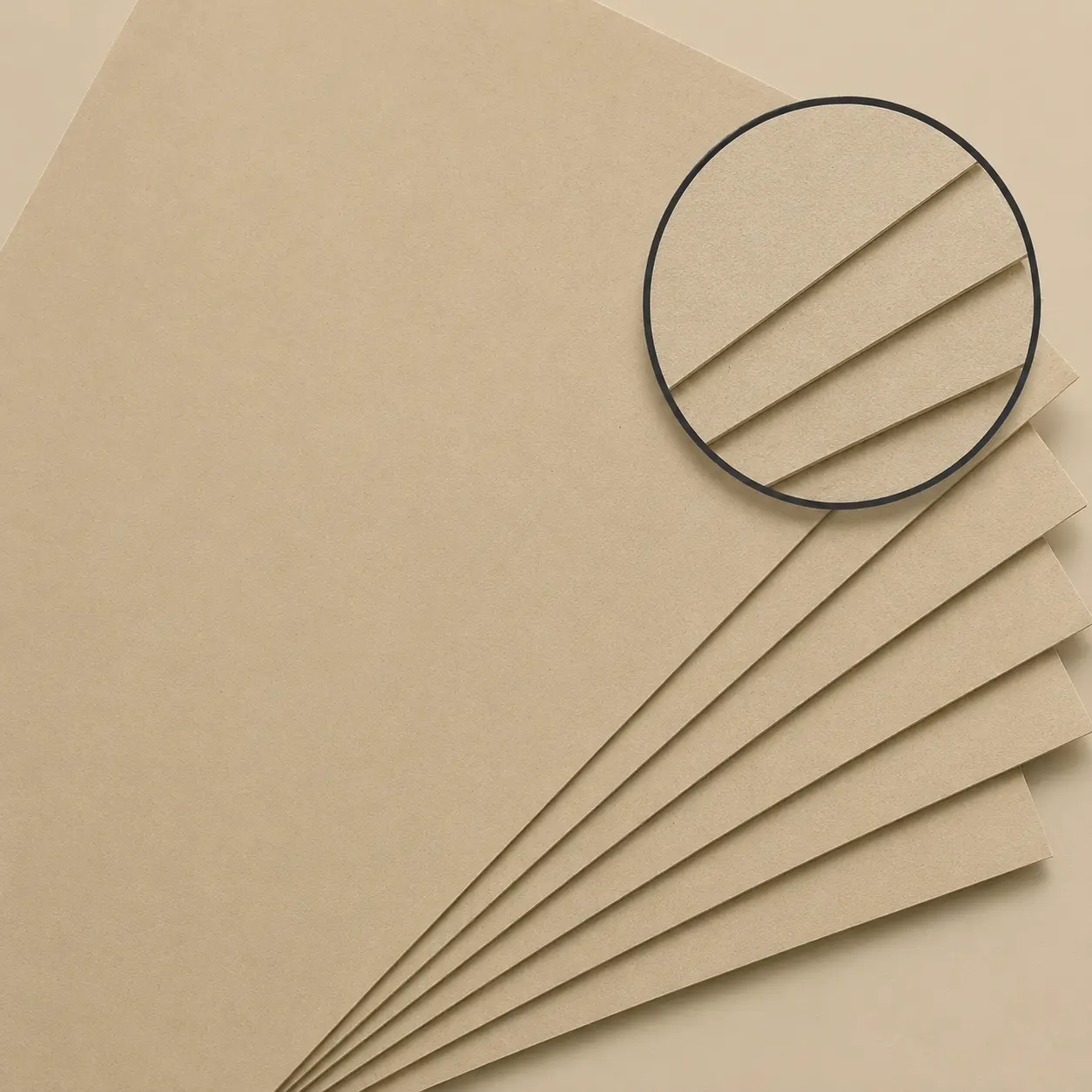
Premium bleached substrate engineered for retail-ready packaging with sharp, high-resolution print performance across bulk SKUs.
High-density rigid board built for wholesale cartons, structural strength, and stack-ready warehouse logistics.
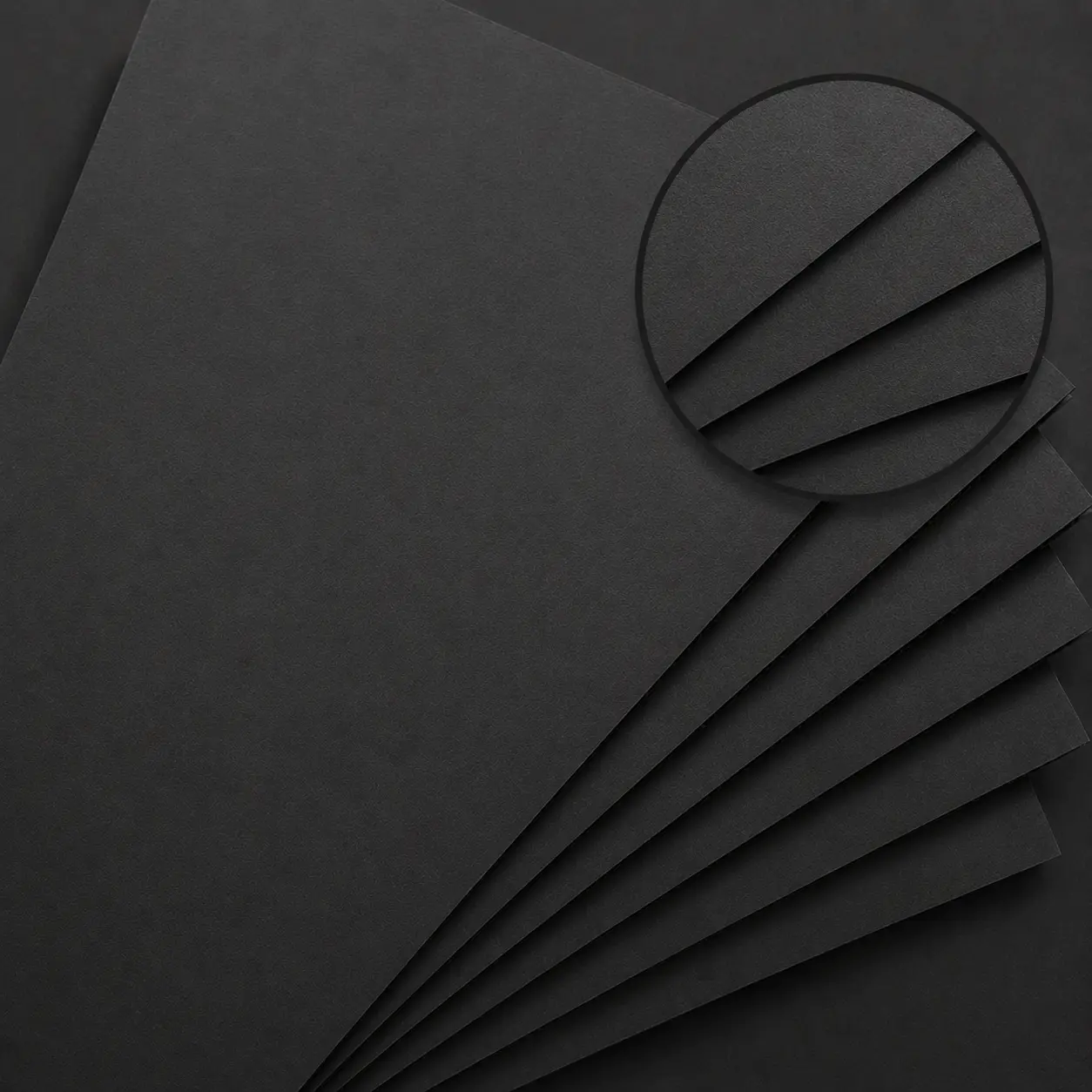
Eco-conscious black kraft for premium unboxing programs, corporate gifting, and limited-edition product lines.
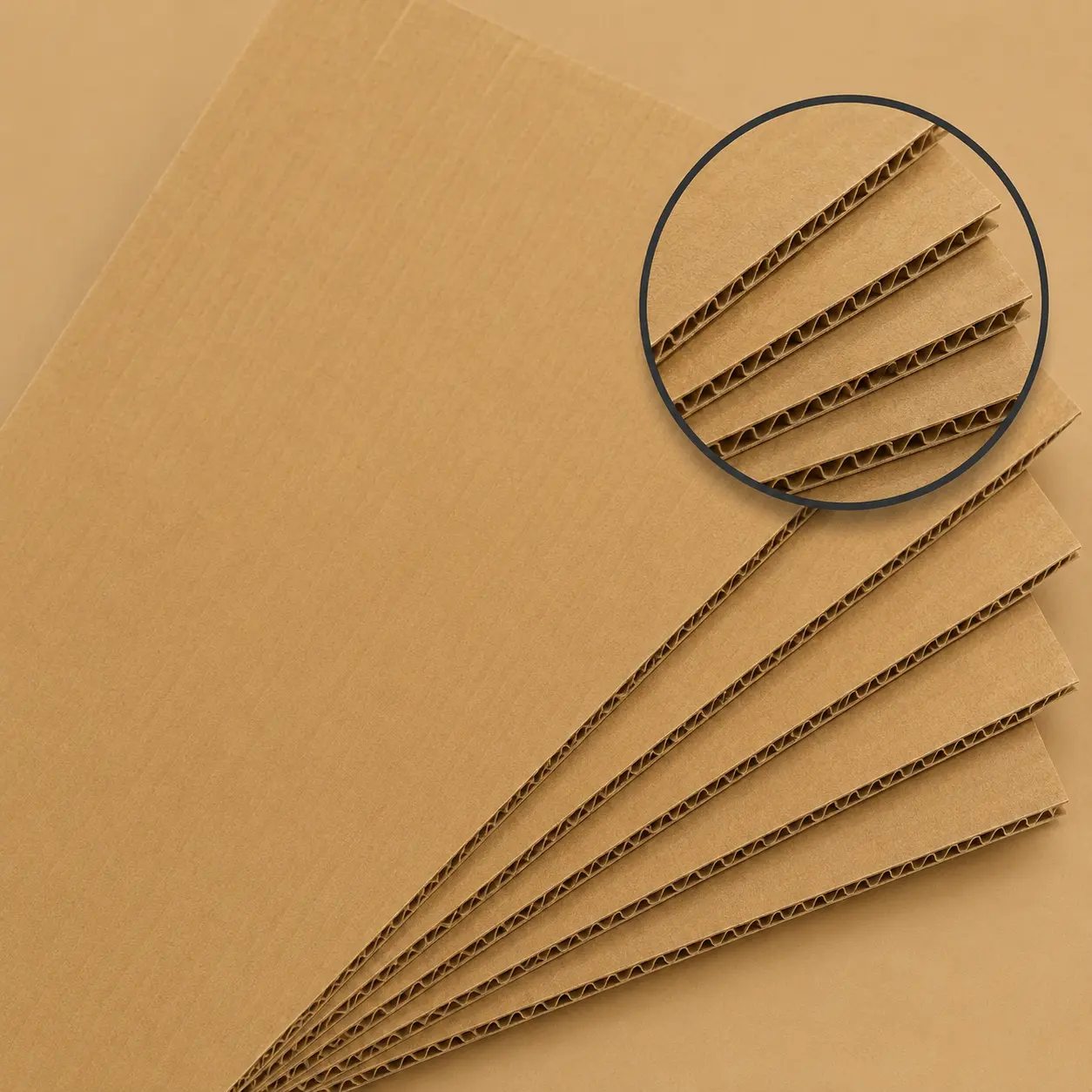
Multi-flute corrugated board built for protective shipping, e-commerce dispatch, and high-volume B2B fulfillment.
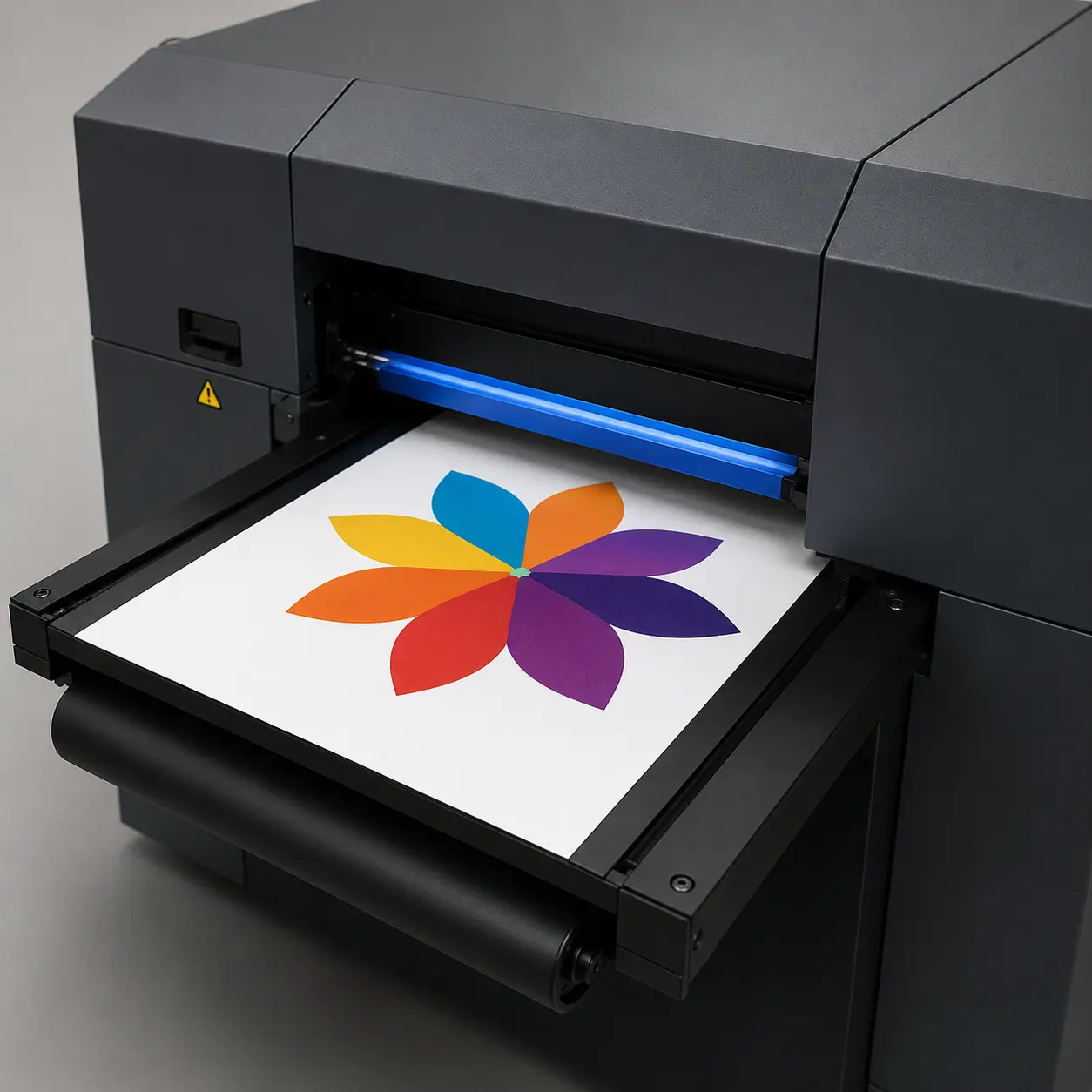
Short-run digital printing with no plate setup — ideal for prototypes, sample approvals, and quick reorders.
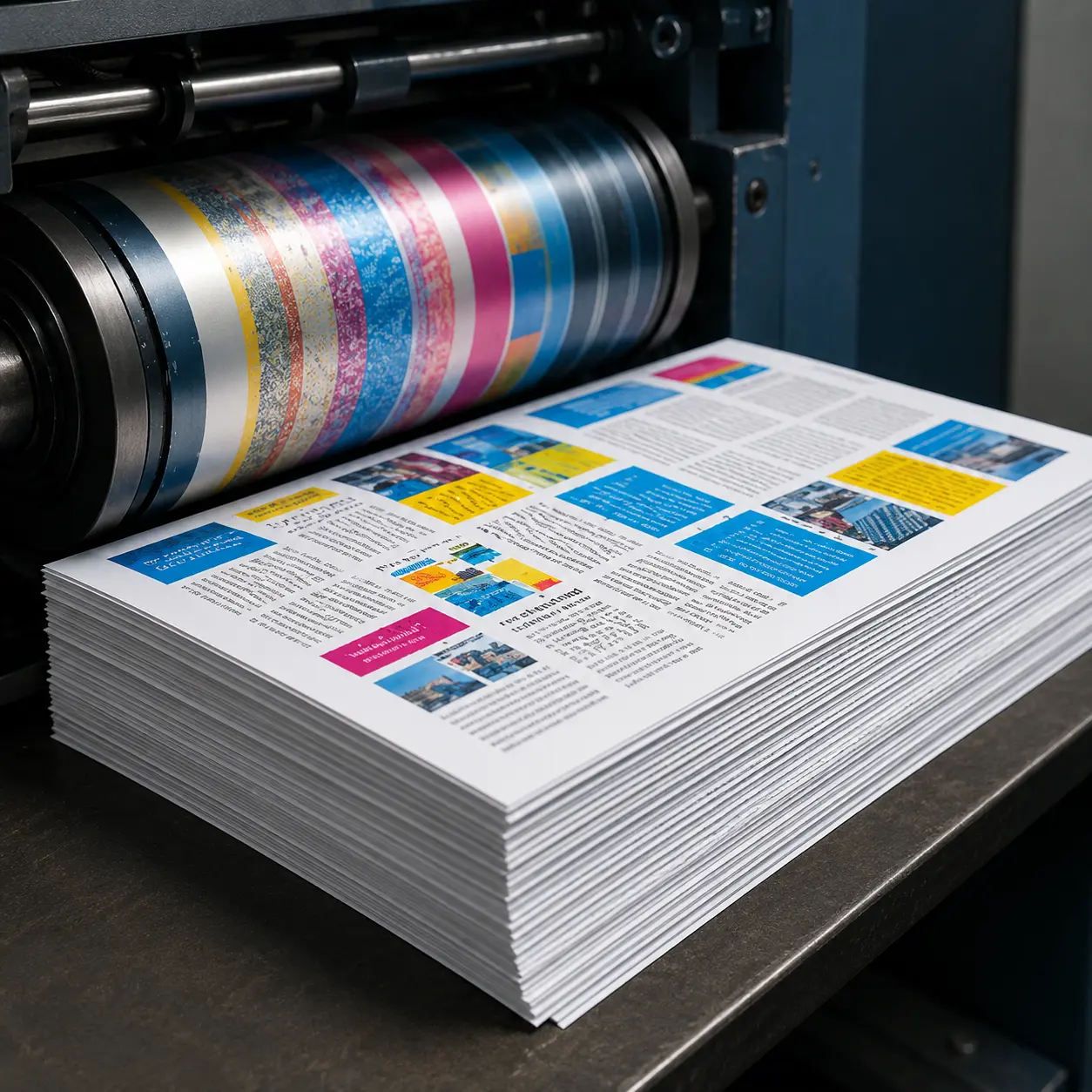
Industry-standard offset printing for high-volume runs with consistent color matching across bulk production.

Selective dimensional embellishment for premium B2B branding, tactile depth, and shelf differentiation.

Vibrant UV-cured printing suited for promotional packaging, event giveaways, and trade-show units.

High-visibility ink system engineered for shelf impact, retail displays, and wholesale point-of-sale units.
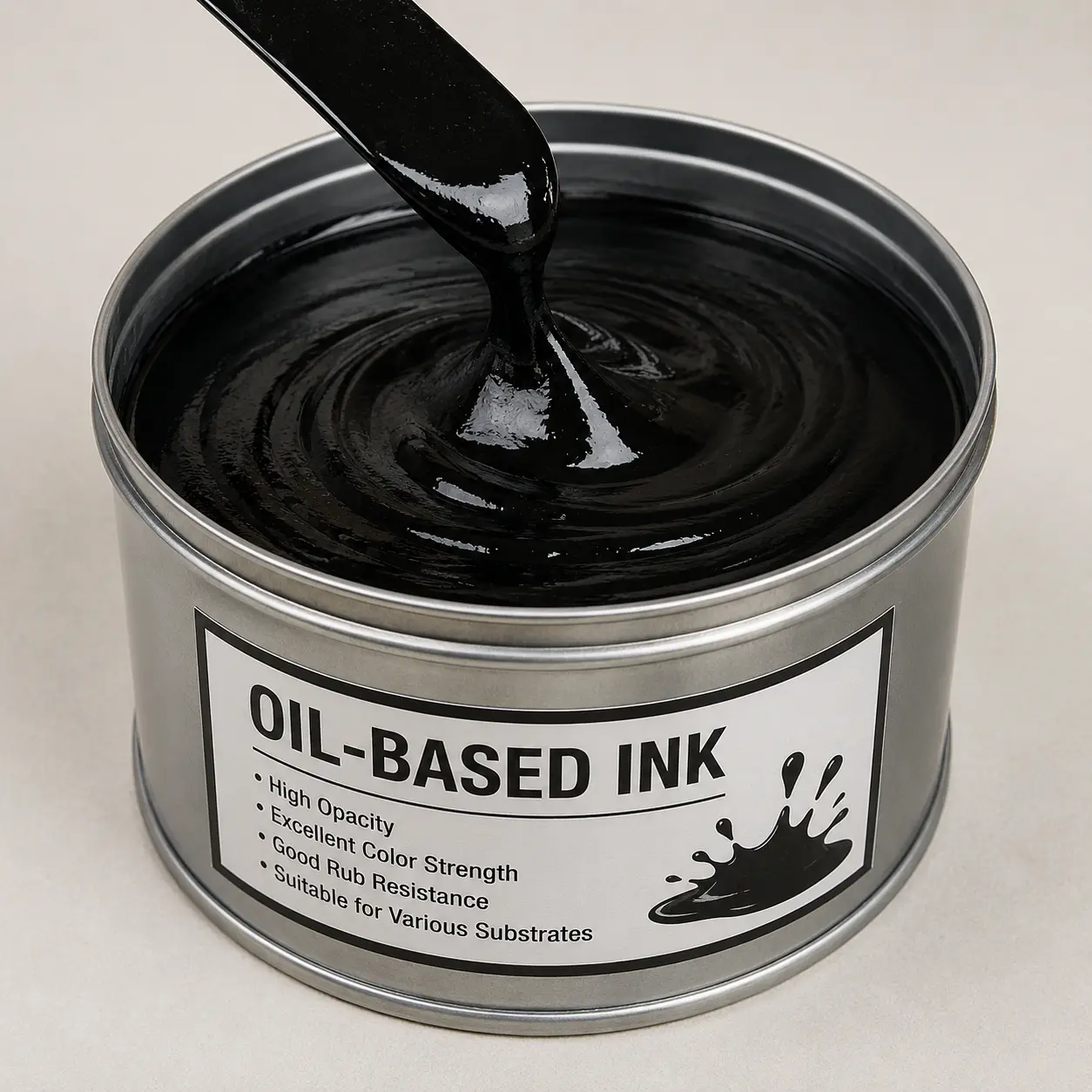
Industry-grade ink for durable, scuff-resistant production runs across long-haul distribution.

Spot-color matching to corporate brand standards — consistent identity across every SKU and reorder.

Sustainable plant-based ink for eco-certified packaging programs and ESG-aligned product launches.

Protective film extends shelf life and protects packaging during shipping and warehouse handling.

Water-based protective seal — fast-drying, food-safe-friendly finish for high-volume bulk production.

Premium tactile finish that elevates corporate gifting boxes and high-end B2B product lines.

Highlight logos and key artwork with selective gloss for maximum retail brand recognition.

Raised brand marks for tactile, premium identity on retail shelves and corporate packaging.

Pressed impressions for subtle, sophisticated branding on premium B2B product lines.

Metallic foil application — gold, silver, and custom finishes for luxury wholesale packaging.
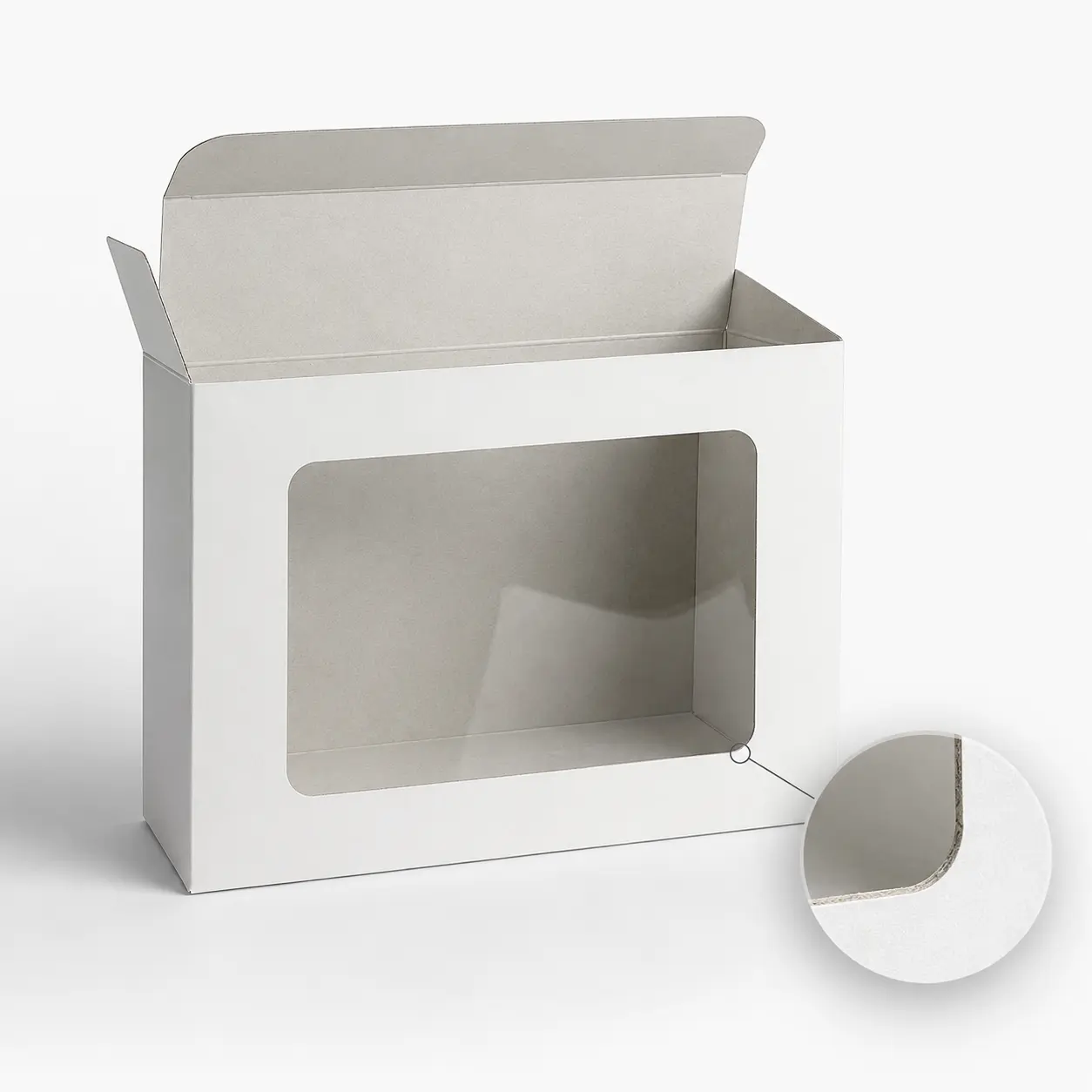
Precision die-cut openings that let customers view the product inside, with optional clear patching for better protection and presentation.
Simple, practical, and built around real B2B production needs.
Send product size, quantity, material preference, artwork, and delivery details.
Our team prepares a proof or 3D mockup so you can check design and structure.
Once approved, your packaging moves into printing, cutting, finishing, and packing.
Finished boxes are packed and shipped to your warehouse, retailer, or 3PL.
Explore similar packaging options that may fit your product line.


Reviews
There are no reviews yet.