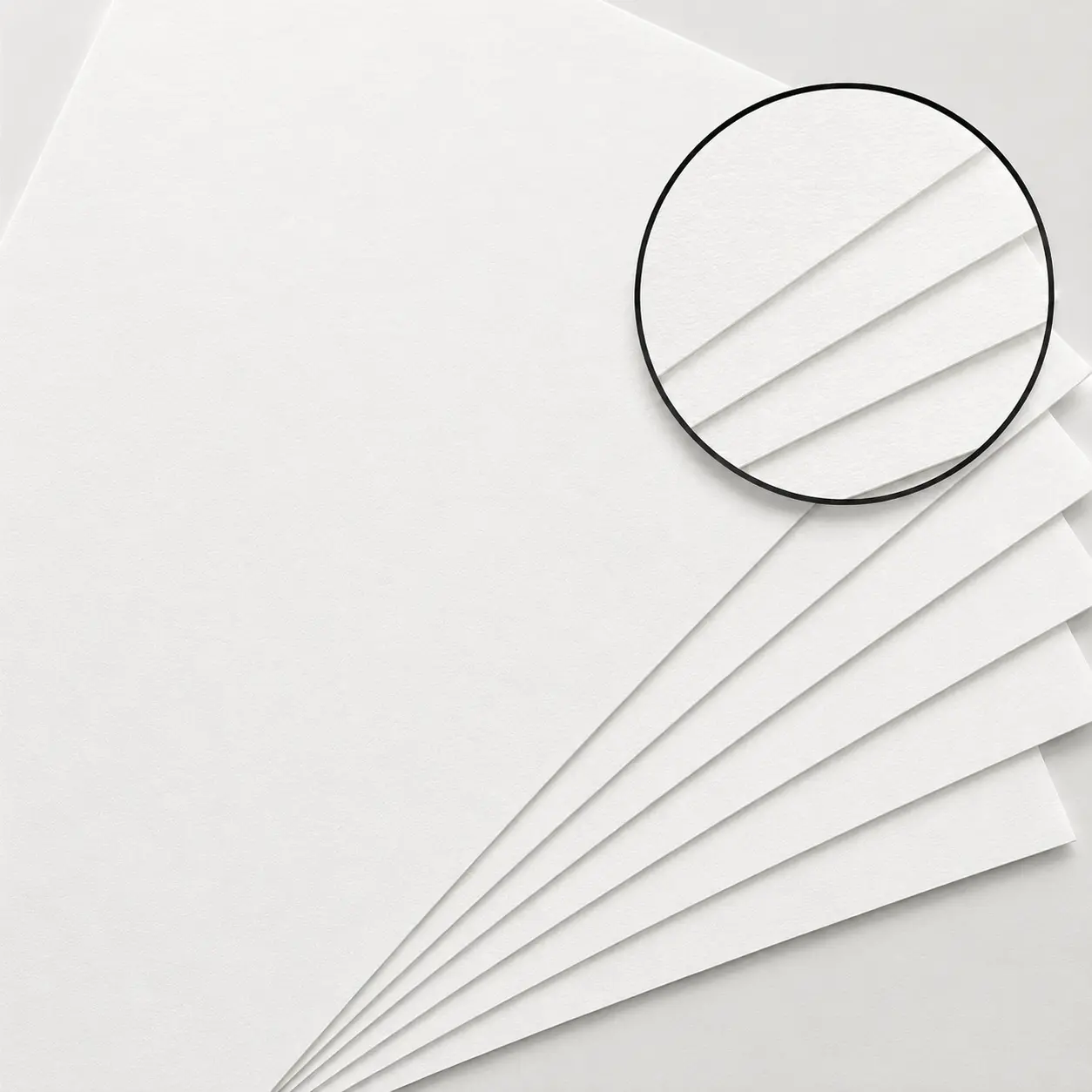
SBS Cardboard
Premium bleached substrate engineered for retail-ready packaging with sharp, high-resolution print performance across bulk SKUs.
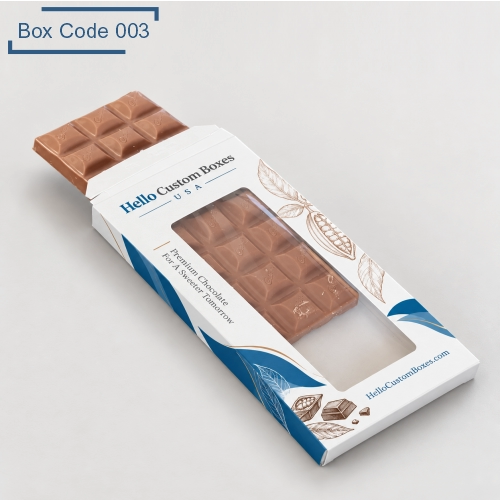
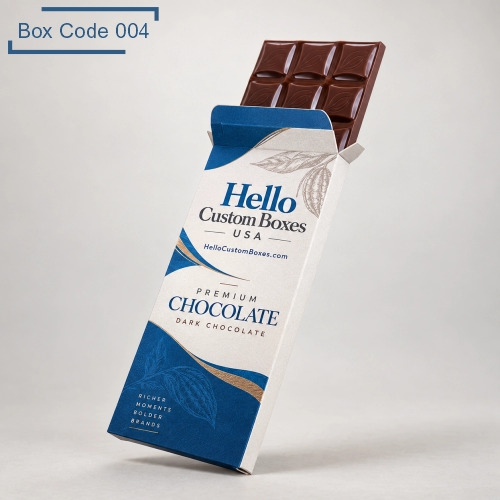
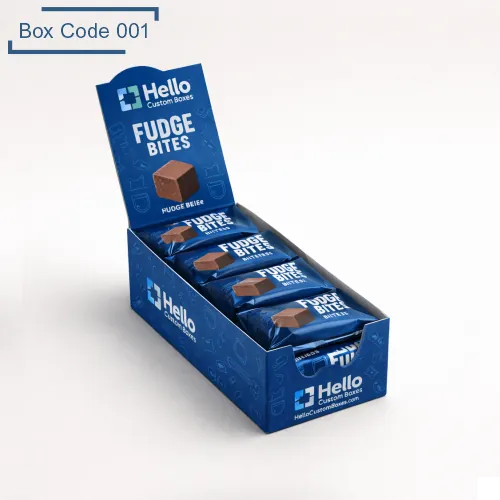
Custom chocolate bar boxes should fit the wrapped bar closely, present the flavor clearly, and give enough space for branding and product information. HCB produces printed cartons for slim bars, thick bars, filled bars, multi-bar sets, and seasonal chocolate ranges. Choose dimensions, paperboard, artwork, and finishes around the bar you actually sell rather than adapting the product to a generic carton.
Tell us your specs and we'll send pricing within one business day.
Custom chocolate bar boxes should be developed from the finished wrapped product, not from the bare chocolate alone.
A slim tablet, thick filled bar, oversized bar, and segmented specialty bar can all need different carton depth and overall dimensions. The outer box should leave enough room for the wrapped product to fit comfortably without creating unnecessary empty space.
If your chocolate bar is already packed in foil, paper, film, or another primary wrap, provide the dimensions after that wrapping has been applied.
This gives HCB a more accurate basis for the outer carton.
Not every chocolate bar uses the same physical format.
A traditional flat bar may suit a shallow folding carton. A thicker filled bar may need more depth. Larger premium bars can require a broader face for artwork and product information, while smaller bars benefit from a compact structure that keeps the pack proportionate.
For chocolate bar packaging, the carton specification should therefore follow:
Using these details prevents the packaging from being designed around an assumed “standard” chocolate bar size.
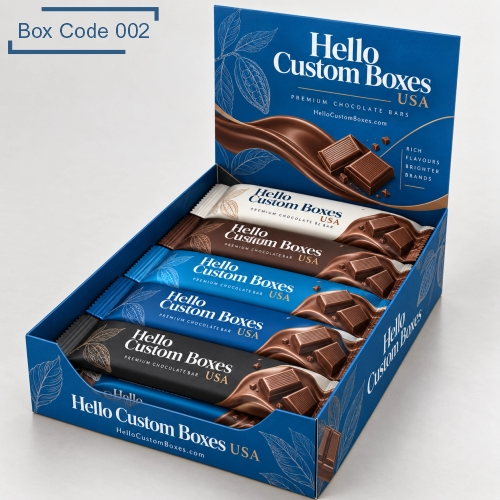
Chocolate brands often use one structural box across several flavors.
Dark chocolate, milk chocolate, caramel, hazelnut, fruit, and limited-edition bars can share the same carton dimensions while using different artwork. The branding should remain consistent enough for the range to feel connected, but each flavor should still be identifiable quickly.
Color coding, flavor names, ingredient illustrations, cocoa percentages, or other supplied graphics can help distinguish each bar.
This is particularly useful when several products are displayed together and customers need to compare options without reading every panel.
The front of a chocolate bar carton has limited space, so it should prioritize the information that helps customers identify the product immediately.
That may include:
Secondary details can move to side or back panels.
With chocolate bar box packaging, this hierarchy is more useful than trying to place every product message on the front face. It keeps the design easier to scan and gives important information a clearer visual order.
Chocolate bars often require substantial supporting information alongside branding.
Depending on the product and applicable requirements, supplied artwork may include ingredients, allergen information, nutrition information, net weight, storage guidance, barcode details, and manufacturer or distributor information.
The layout should account for these details before decorative artwork is finalized.
If the back panel becomes crowded after the required copy is added, side panels can provide additional space rather than reducing everything to difficult-to-read text.
This is one reason the dieline and information hierarchy should be resolved together.
Premium chocolate packaging usually works better when finishing is selective.
Foil accents can emphasize a logo, flavor name, border, or small graphic element. Embossed or raised details can add texture where the carton and artwork support them. Matte and gloss treatments can also change how the printed design feels without altering the basic structure.
The finish should support the price position and brand identity of the chocolate bar.
Using multiple decorative effects simply because they are available can make a premium carton feel visually busy rather than refined.
A box holding several bars should not simply be treated as a larger version of a single-bar carton.
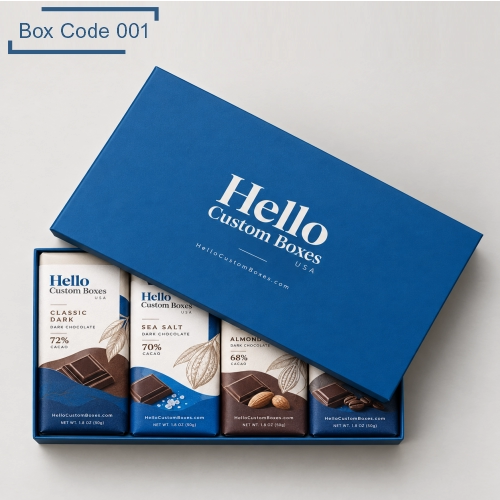
Multi-bar packs need enough internal space for the bars to sit in the intended arrangement. The number of bars, their individual dimensions, and whether they are stacked or positioned side by side all affect the outer box.
These larger chocolate boxes can work for:
If individual bars already have their own cartons, the outer gift box should be sized around those finished packs rather than around the chocolate itself.
Many chocolate brands keep the same bar size throughout the year but change artwork for seasonal releases.
Valentine’s Day, Easter, Christmas, limited editions, and brand collaborations can often use the established carton dimensions while the printed design changes.
This is more practical than developing a new structural box for every campaign when the product dimensions remain unchanged.
For seasonal chocolate boxes packaging, HCB can work from the existing specification and apply the new supplied artwork as a separate version.
For wholesale chocolate boxes, the clearest way to price a range is to separate the order by size and artwork version.
For example, five flavors may all use the same carton dimensions but require five different printed designs. A thicker filled bar may need a separate structural specification even if it belongs to the same brand family.
When requesting wholesale pricing, provide:
This gives a clearer production brief than supplying one combined quantity for the entire chocolate range.
For a new custom chocolate bar boxes order, start with the chocolate bar after its primary wrapping has been applied.
Provide the finished length, width, and thickness, along with the quantity required. If several flavors use the same dimensions, note how many printed artwork versions are needed.
For multi-bar gift boxes, also provide the number of bars in each set and how you want them arranged.
If you already have an existing carton, you can instead provide its dimensions or dieline as the starting reference.
| Specification | Details |
|---|---|
| Packaging Style | Custom cartons designed for individual chocolate bars and assorted bar formats |
| Bar Dimensions | Developed around the chocolate bar's length, width, and thickness |
| Pack Configuration | Single-bar packaging and grouped bar presentations available |
| Inner Wrap Compatibility | Suitable for bars packaged with foil, paper wraps, or other primary wrapping |
| Opening Style | Tuck-end, sleeve, flip-top, or other suitable carton constructions |
| Board Selection | Choice of food-suitable paperboard grades based on the packaging structure |
| Shelf Presentation | Front-facing layout designed to highlight the chocolate name and product identity |
| Product Information | Space for ingredients, allergens, net weight, flavour details, barcode, and other required information |
| Brand Artwork | Custom graphics, typography, illustrations, and chocolate-themed visual elements |
| Pack Finishes | Options such as soft-touch, matte coating, gloss coating, foil details, and embossing |
| Window Feature | Optional viewing panel where the chocolate or inner wrap needs to be visible |
| Assorted Bar Options | Different artwork and carton versions can be produced for flavours or product varieties |
| Display Use | Suitable for retail shelves, confectionery counters, gift collections, and promotional ranges |
| Storage Format | Flat-packed cartons available for convenient storage before assembly |
| Custom Production | Manufactured according to the selected bar dimensions, artwork, and carton structure |
Choose from practical materials, print methods, inks, finishes, and add-ons for a better product presentation.
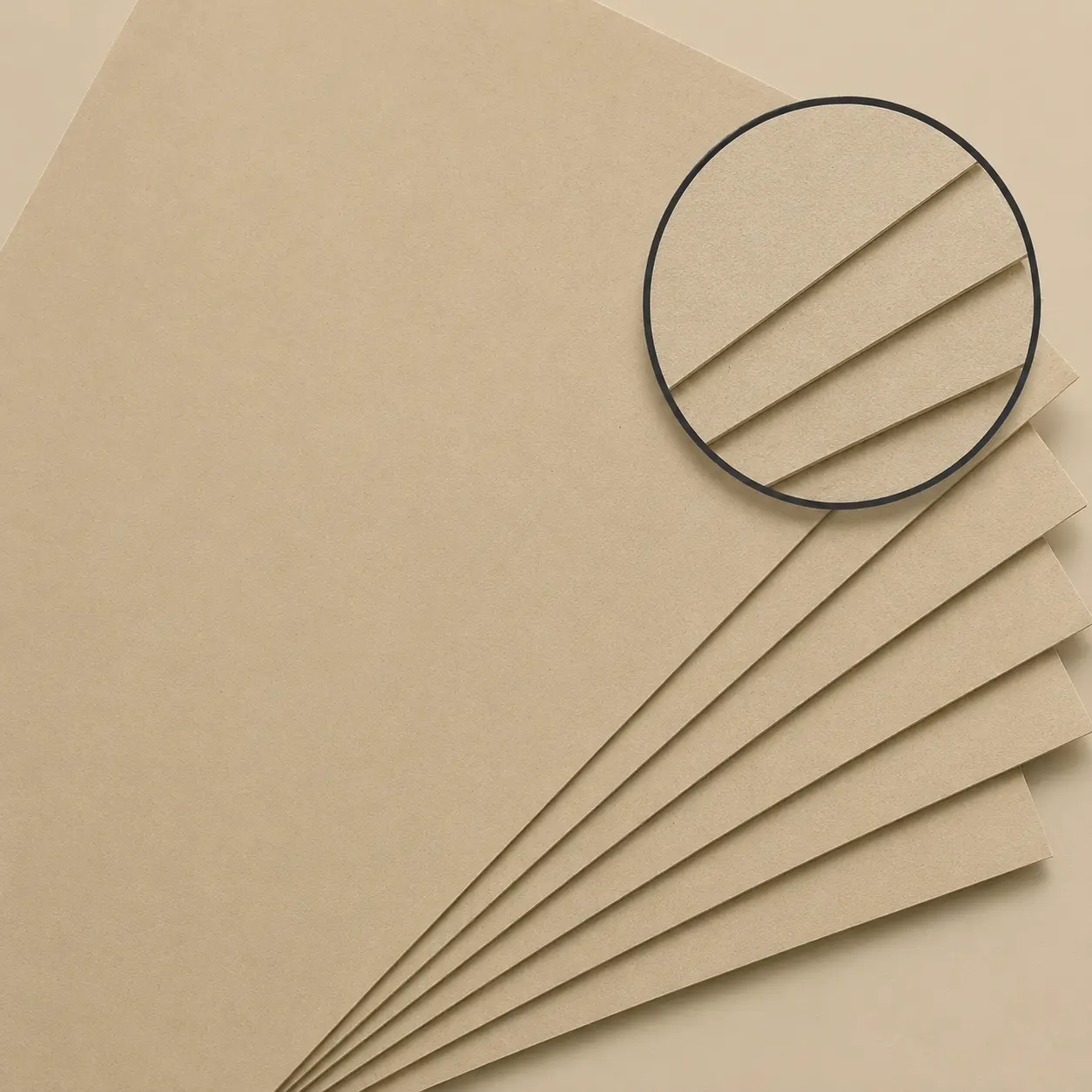
Premium bleached substrate engineered for retail-ready packaging with sharp, high-resolution print performance across bulk SKUs.
High-density rigid board built for wholesale cartons, structural strength, and stack-ready warehouse logistics.
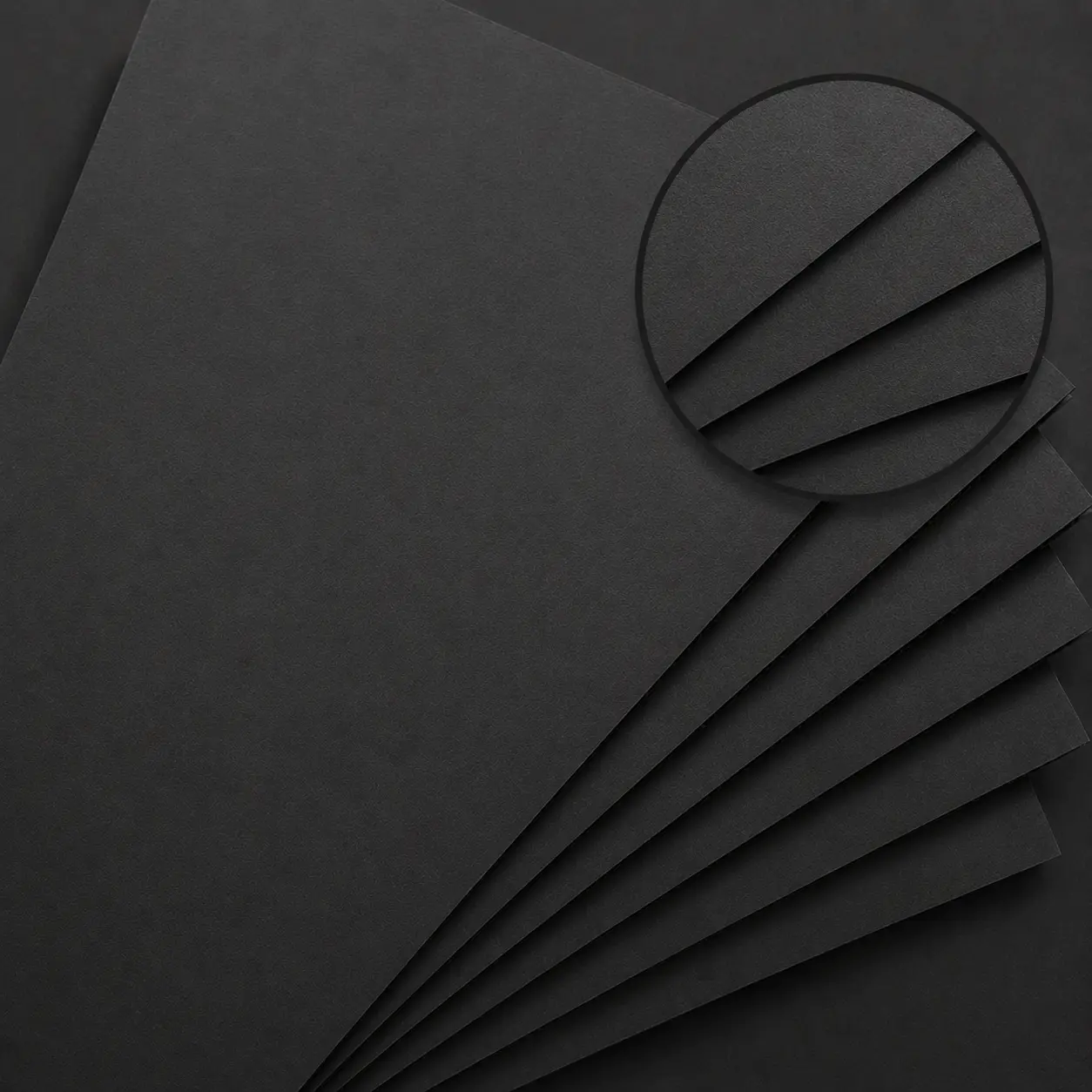
Eco-conscious black kraft for premium unboxing programs, corporate gifting, and limited-edition product lines.
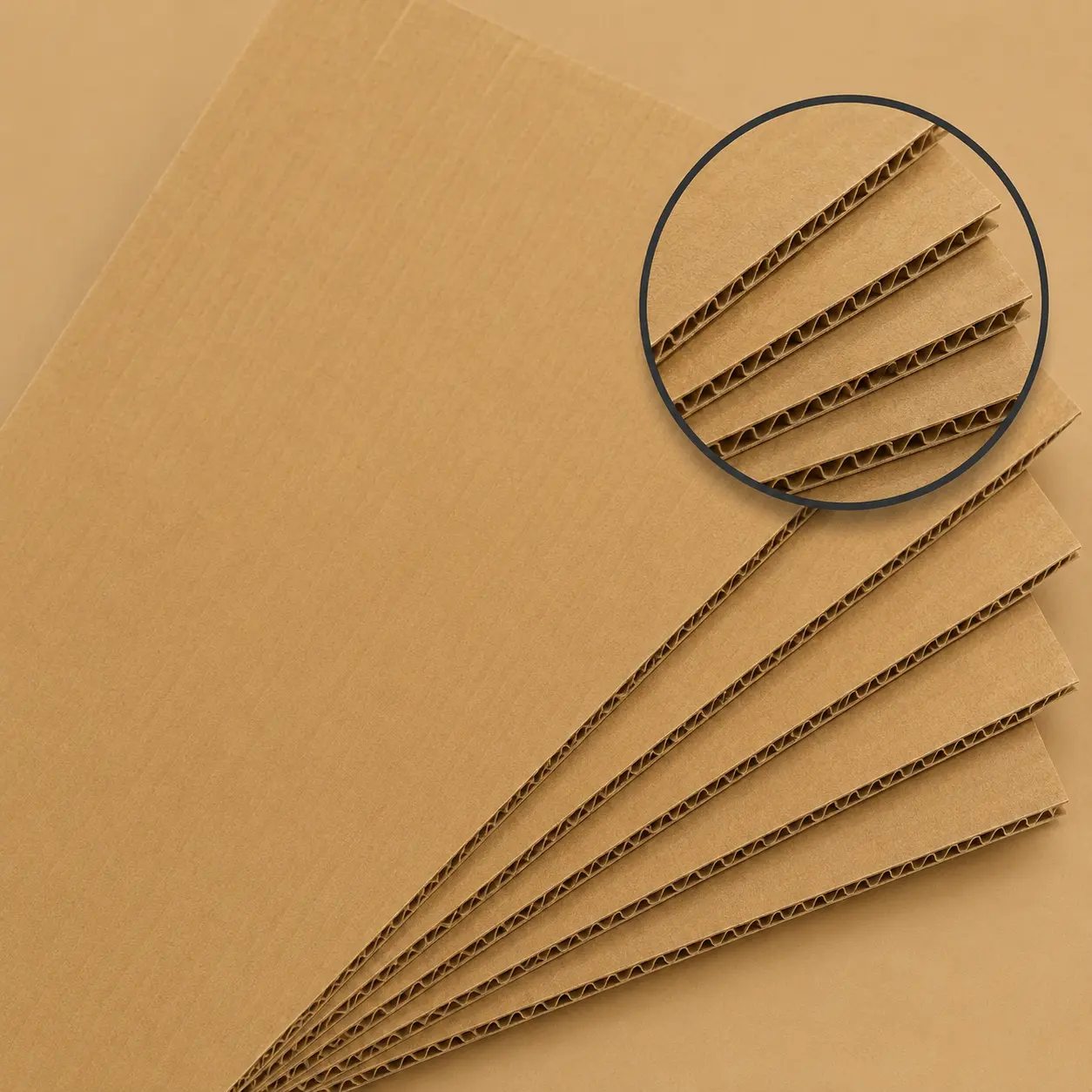
Multi-flute corrugated board built for protective shipping, e-commerce dispatch, and high-volume B2B fulfillment.
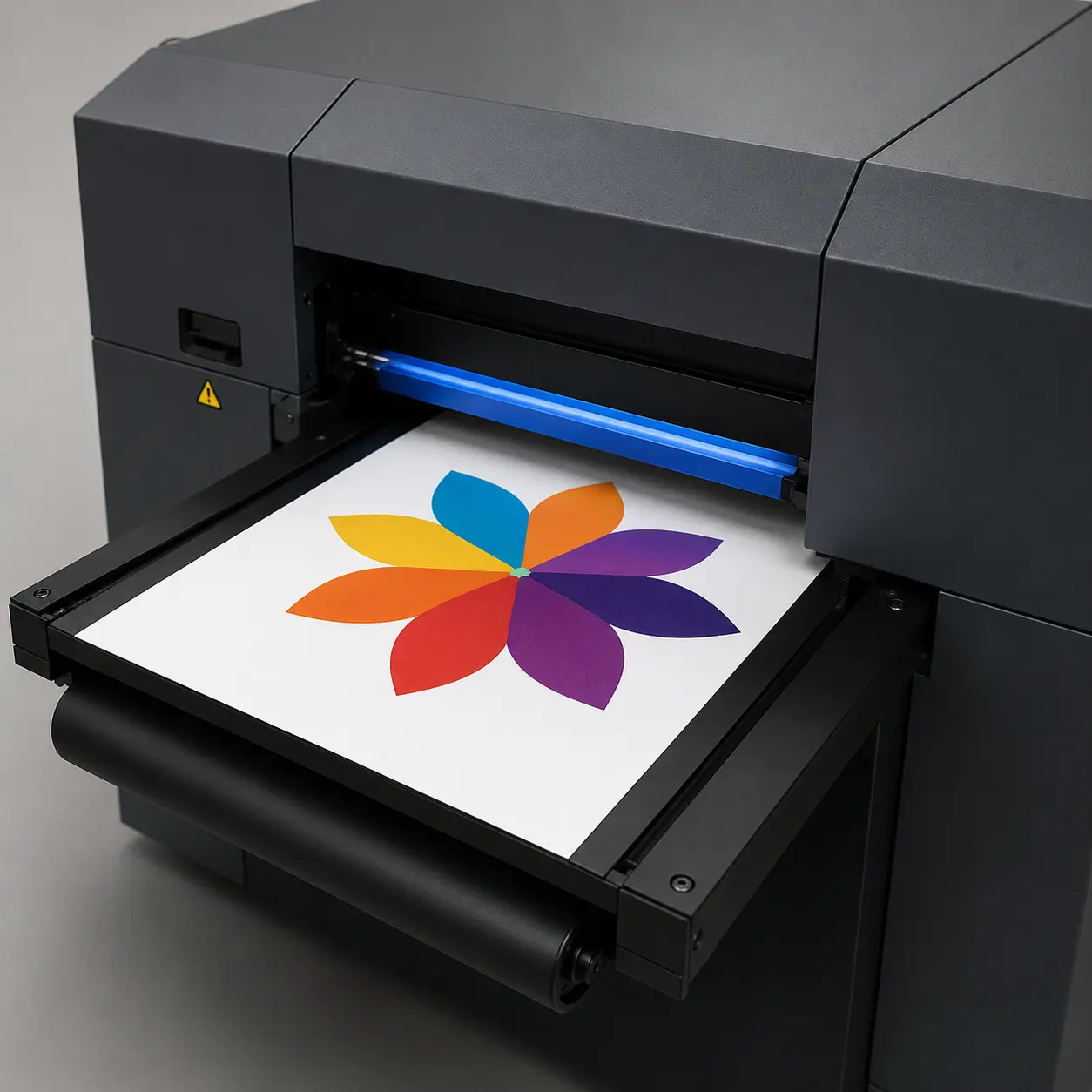
Short-run digital printing with no plate setup — ideal for prototypes, sample approvals, and quick reorders.
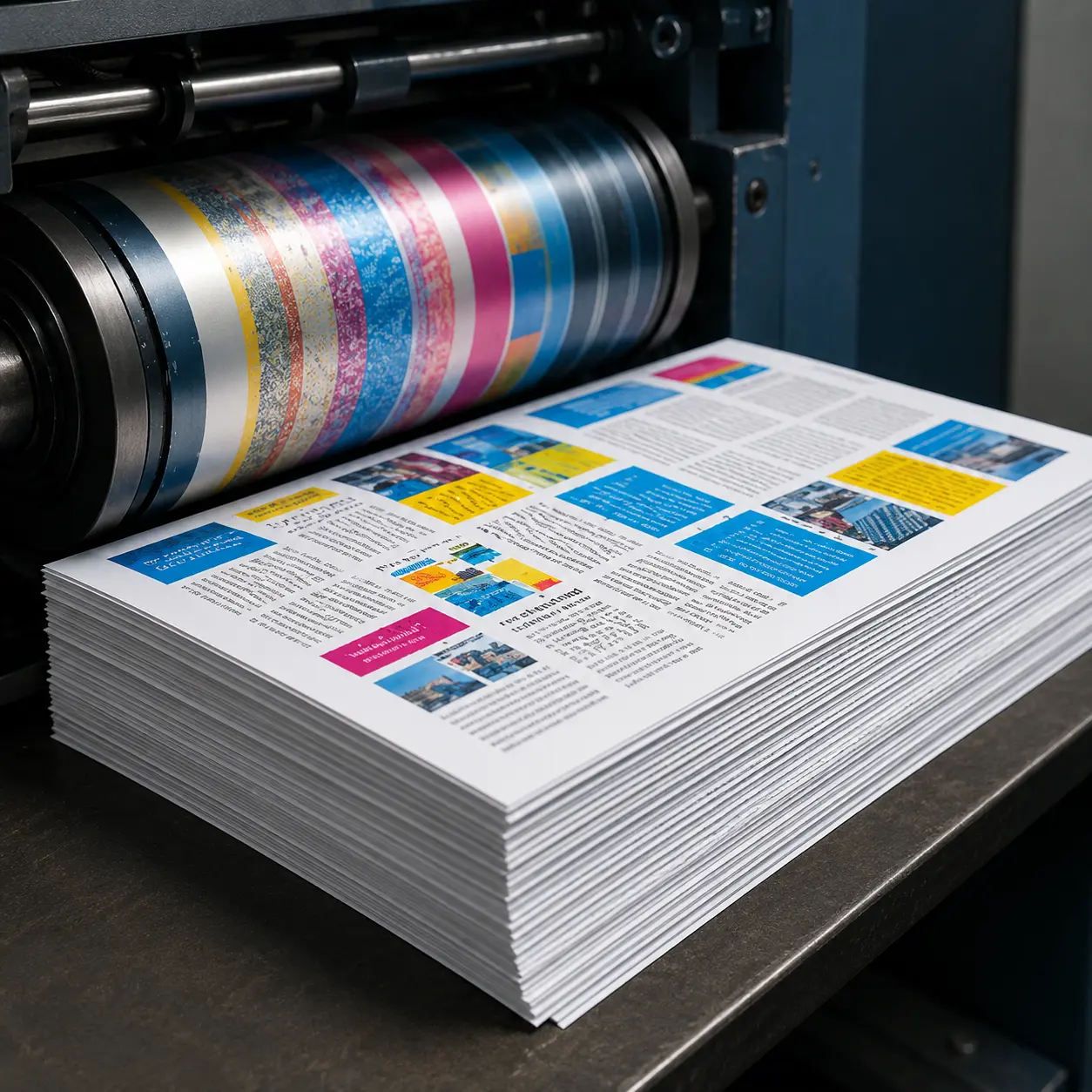
Industry-standard offset printing for high-volume runs with consistent color matching across bulk production.

Selective dimensional embellishment for premium B2B branding, tactile depth, and shelf differentiation.

Vibrant UV-cured printing suited for promotional packaging, event giveaways, and trade-show units.
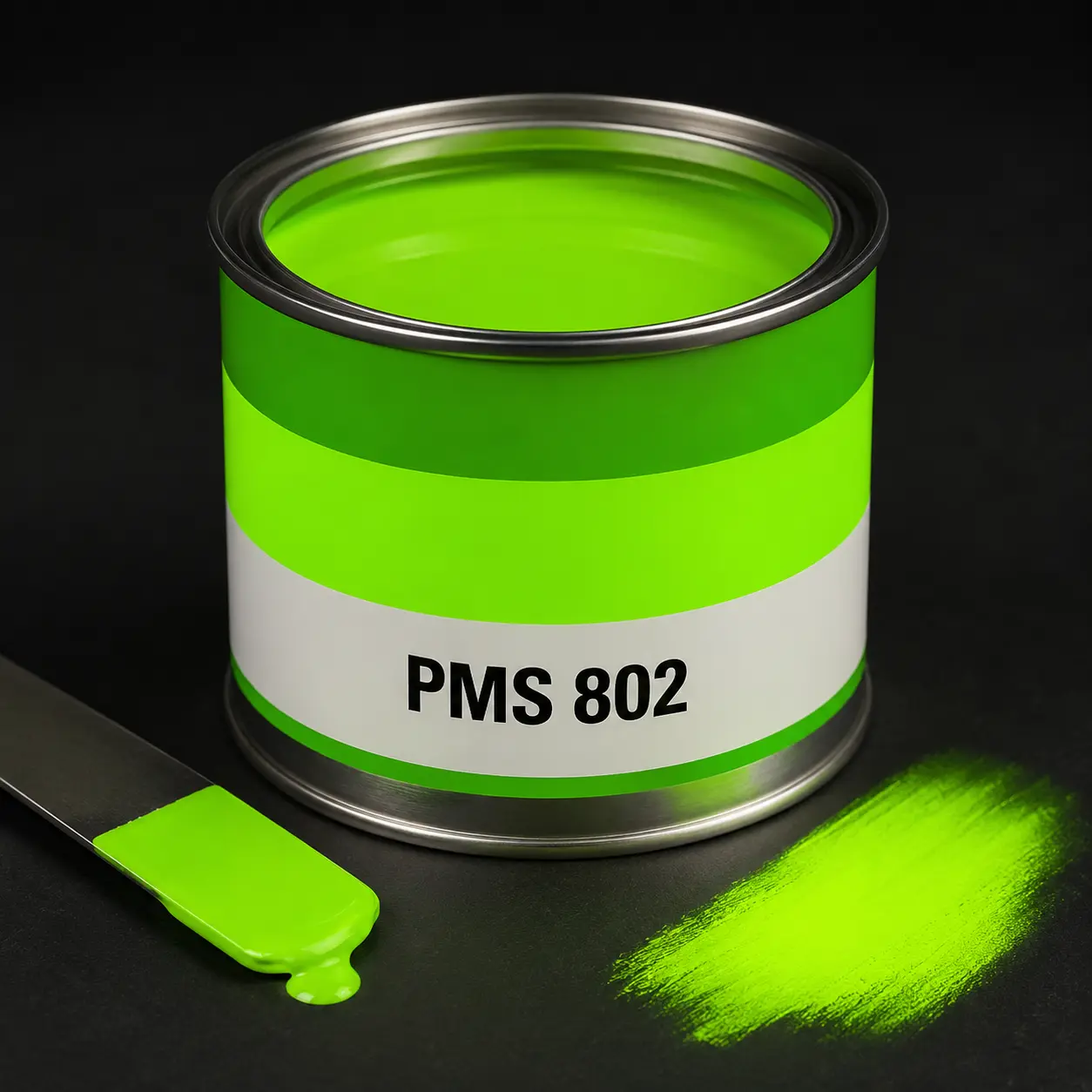
High-visibility ink system engineered for shelf impact, retail displays, and wholesale point-of-sale units.
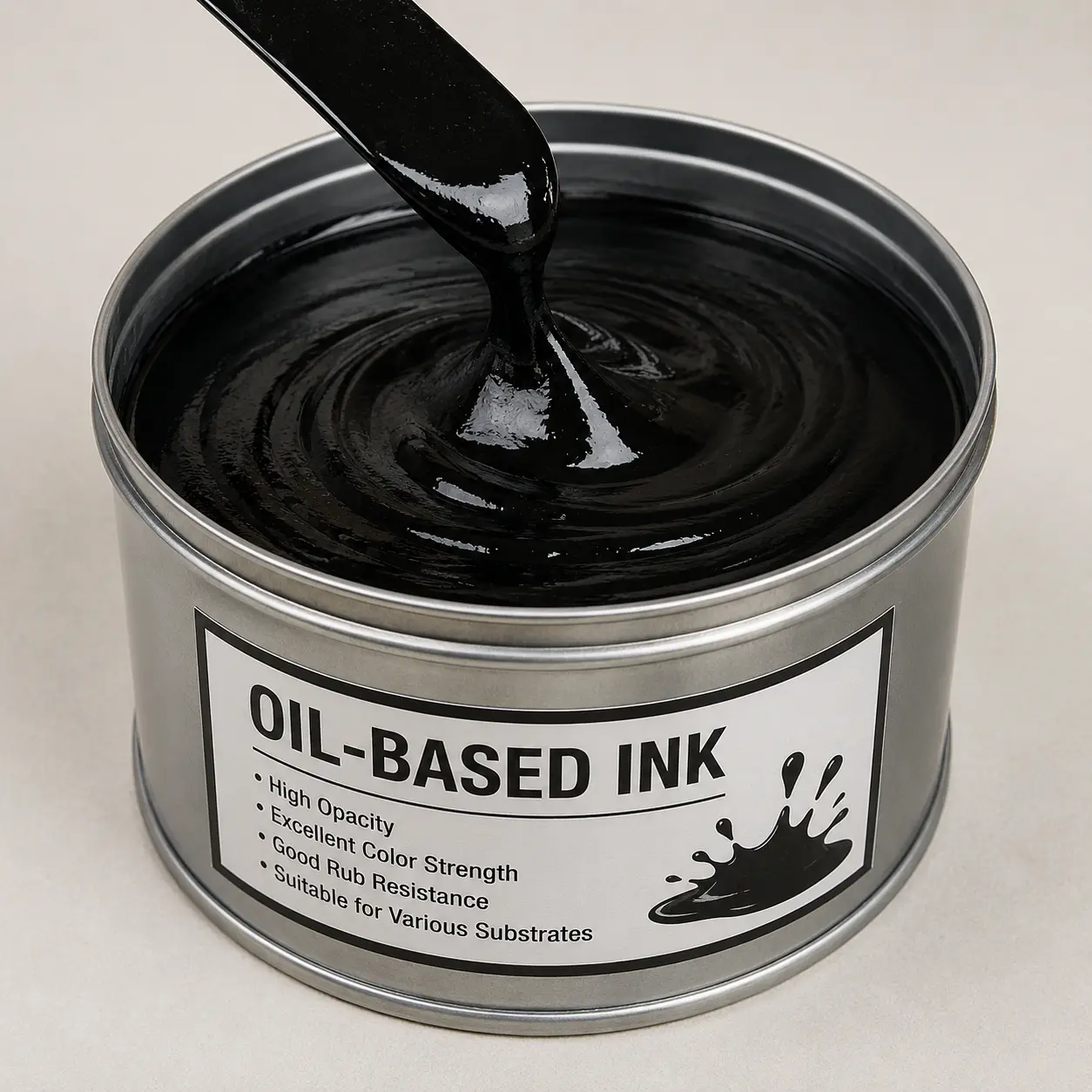
Industry-grade ink for durable, scuff-resistant production runs across long-haul distribution.

Spot-color matching to corporate brand standards — consistent identity across every SKU and reorder.

Sustainable plant-based ink for eco-certified packaging programs and ESG-aligned product launches.

Protective film extends shelf life and protects packaging during shipping and warehouse handling.

Water-based protective seal — fast-drying, food-safe-friendly finish for high-volume bulk production.

Premium tactile finish that elevates corporate gifting boxes and high-end B2B product lines.

Highlight logos and key artwork with selective gloss for maximum retail brand recognition.

Raised brand marks for tactile, premium identity on retail shelves and corporate packaging.

Pressed impressions for subtle, sophisticated branding on premium B2B product lines.

Metallic foil application — gold, silver, and custom finishes for luxury wholesale packaging.
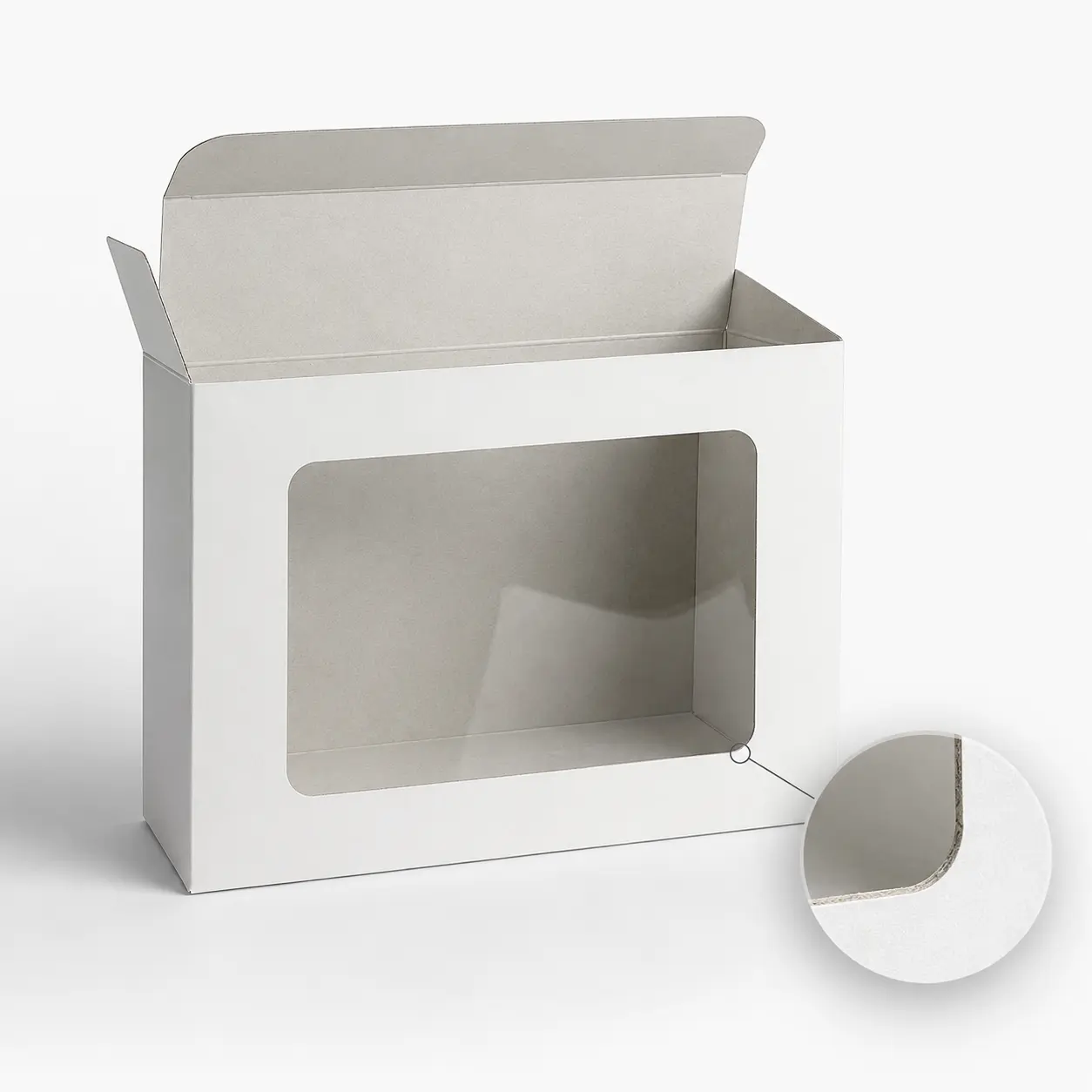
Precision die-cut openings that let customers view the product inside, with optional clear patching for better protection and presentation.
Simple, practical, and built around real B2B production needs.
Send product size, quantity, material preference, artwork, and delivery details.
Our team prepares a proof or 3D mockup so you can check design and structure.
Once approved, your packaging moves into printing, cutting, finishing, and packing.
Finished boxes are packed and shipped to your warehouse, retailer, or 3PL.
Explore similar packaging options that may fit your product line.

Reviews
There are no reviews yet.