
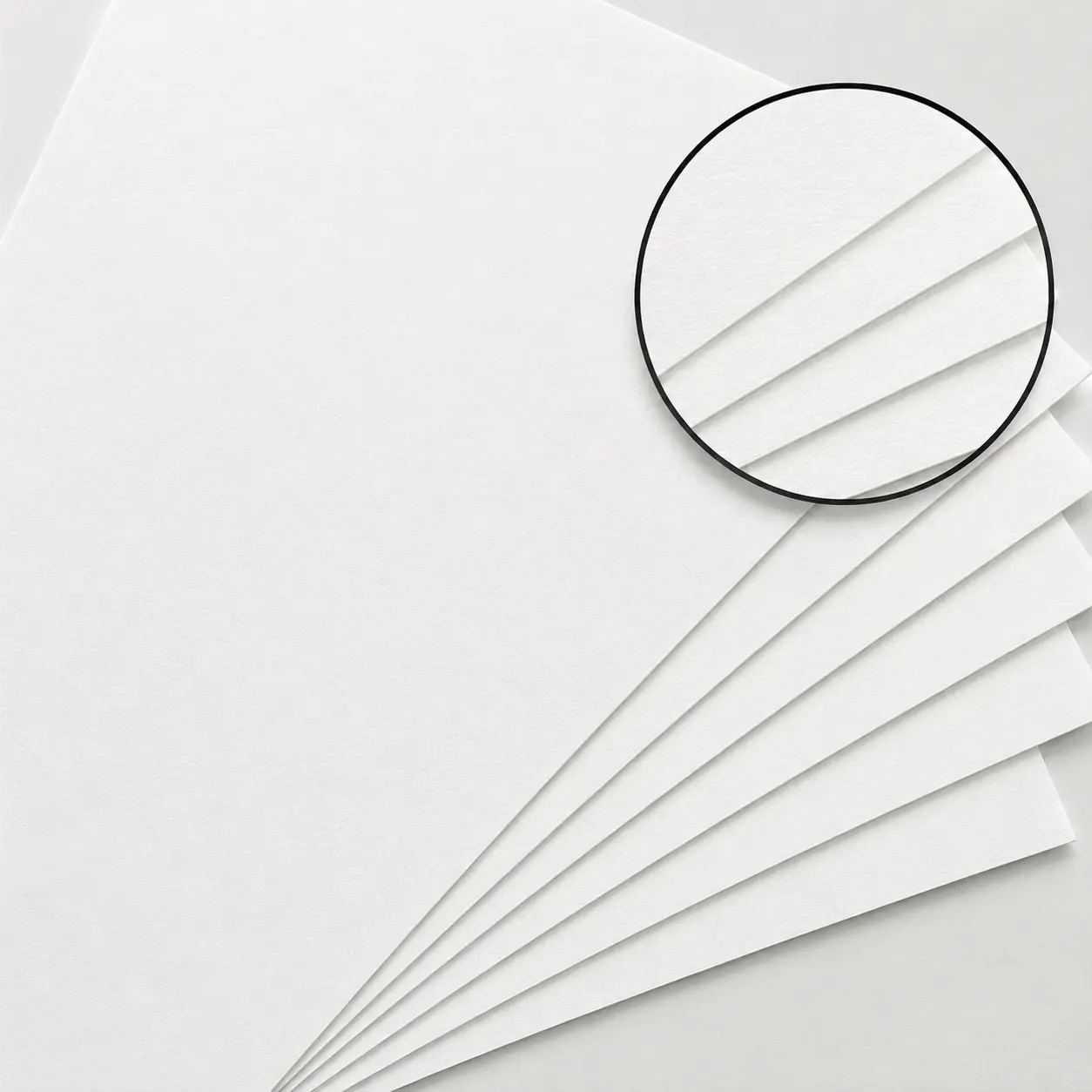
SBS Cardboard
Premium bleached substrate engineered for retail-ready packaging with sharp, high-resolution print performance across bulk SKUs.
The way a towel is folded changes the package it needs. Our custom towel boxes can be sized for individual towels, bath sets, gift collections, and other folded textile arrangements rather than relying on a standard carton size. You can choose a sleeve, folding carton, two-piece box, or presentation-style format and add your supplied logo and artwork. This gives the towel a defined presentation while keeping the packaging appropriate for the size and number of pieces inside.


Tell us your specs and we'll send pricing within one business day.
The open dimensions of a towel are not enough to determine the box size. What matters is the space it takes up after it has been folded for packing.
A lightweight hand towel may fit into a fairly shallow carton. A thick bath towel can need considerably more depth, even when its overall dimensions do not seem much larger. Sets change the calculation again because several folded pieces may be stacked or arranged beside one another.
Fabric thickness and the intended fold therefore need to be settled before the carton dimensions are finalized. The towel should go into the box without being unnecessarily compressed, but excessive empty space is not useful either.
For a better fit, measure the towel in the same folded position in which it will actually be packed.
There is a noticeable difference between packaging one bath towel and presenting a coordinated set.
A single towel can sit flat inside a straightforward carton. Add a hand towel and washcloth, and you have another decision to make: stack the pieces to keep the package compact or spread them across a wider box so more of the set is visible when opened.
That makes bath towel packaging less about finding one standard box and more about deciding how the contents should sit inside it.
Soft textiles usually do not need complicated internal support. If a set stays neatly arranged on its own, an open interior may be enough. Dividers make more sense when individual pieces need to remain separated or when a particular arrangement needs to be maintained.
Some towels benefit from being visible before the package is opened.
A towel sleeve wraps around part of the folded textile, leaving its color, weave, texture, or embroidery exposed. The sleeve still provides a dedicated surface for branding without covering the product completely.
A full towel packaging box does the opposite. It encloses the towel and provides more uninterrupted space for artwork and product information.
For sets, several structures are possible:
The most elaborate option is not necessarily the most suitable one. The box should match how the towels will be sold and presented.
For a boxed set, think about what the customer sees when the package is opened.
Stacking towels keeps the footprint smaller, but the top piece may hide most of the set. Placing pieces side by side takes more width but allows several items to be seen at once.
This matters for Bath Towel Boxes containing coordinated colors, sizes, or embroidered pieces. The layout can become part of the presentation instead of simply being a way to fit everything into the carton.
Once that arrangement is established, it becomes much easier to determine the required box width, depth, and opening style.
A fabric tag has limited room for branding. Custom printed towel boxes provide larger surfaces for a supplied logo, collection name, graphics, patterns, and other product information.
Artwork placement should follow the structure. On a two-piece box, the lid naturally becomes an important branding surface. A folding carton may put more emphasis on its front panel, while a sleeve places the printed design directly against the visible towel.
The same physical box can also support personalized towel boxes for different collections or branded programs when the contents do not change. If the folded dimensions remain the same, changing the artwork does not automatically require a different box structure.
This can be useful for brands that sell one towel format in several colors, collections, or seasonal designs.
Material choice depends on the size and weight of the finished pack rather than the towel category alone.
For premium towel packaging, using the heaviest board available is not the goal. A material should provide the structure the pack actually needs while still working with the intended appearance and box style.
Towels already bring texture into the presentation, so the carton does not always need several decorative treatments.
Matte or gloss lamination can change the overall surface appearance. Foil can draw attention to a logo or selected graphic, embossing adds raised detail, and Spot UV can introduce gloss in specific printed areas.
A well-printed towel box may need no additional treatment at all. Finishing works better when it highlights something intentional in the artwork rather than being added simply because the option is available.
Not every towel package needs to remain useful after purchase. When storage is part of the product concept, however, the structure needs to account for repeated use.
Towel storage boxes should be easy to open again and have enough internal room for towels to be removed and returned without requiring an exact original fold every time.
A two-piece or rigid format may be more appropriate for this use than a lightweight folding carton. If the box is intended only for initial packaging and presentation, there is little reason to add extra structure for long-term storage.
The most useful starting point is the packed product itself.
For one towel, provide its folded length, width, and height. For a set, arrange the pieces as you want them packed and measure the complete layout. Also identify whether the towels will be stacked, positioned side by side, or separated.
Quantity, preferred box format, and available logo or artwork files help define the rest of the project. If several collections use the same towel arrangement but different graphics, those artwork versions can be identified separately.
With those details established, custom towel packaging can be planned around the actual contents—from dimensions and box style through material and printing—rather than trying to make the towels fit a predetermined package.
Bath Towel Packaging Specifications |
|
|---|---|
| Packaging Concept | Bath towel packaging engineered to support heavy fabric weight, maintain folded shape, and protect towels during storage, stacking, and transport. |
| Primary Objective | Prevent box collapse, fabric compression, and fold distortion while keeping towels clean, dry, and retail-ready. |
| Main Structural Risk | Fabric weight and bulk causing panel bowing, corner tearing, and long-term deformation during stacking or storage. |
| Common Problems Solved | Box collapse, torn corners, uneven folds, moisture absorption, poor sizing, and loss of presentation after transit. |
| Box Depth Engineering | Depth calibrated to towel fold thickness to avoid compression while preventing excess internal void. |
| Panel & Corner Strength | Board grade selected to resist bowing and corner failure under stacked fabric weight. |
| Weight Distribution Design | Even pressure spread across panels to prevent stress points that cause creasing or collapse. |
| Available Packaging Styles | Folding carton towel boxes, rigid towel boxes, window towel packaging, and multi-towel set boxes. |
| Material Options | Cardboard stock, rigid board, moisture-resistant board options, and recyclable materials when structure allows. |
| Moisture Consideration | Board selection and coatings chosen to reduce moisture absorption that could affect fabric quality or box strength. |
| Stacking Performance | Structures designed to maintain shape and alignment under long-term warehouse and retail stacking. |
| Best Use Cases | Retail bath towels, hospitality towel supply, gift towel sets, private-label towel brands, and bundled linen packaging. |
| Specification Lock | Box dimensions, board grade, fold depth, and structure approved before production with no mid-run substitutions. |
Choose from practical materials, print methods, inks, finishes, and add-ons for a better product presentation.
Premium bleached substrate engineered for retail-ready packaging with sharp, high-resolution print performance across bulk SKUs.

High-density rigid board built for wholesale cartons, structural strength, and stack-ready warehouse logistics.
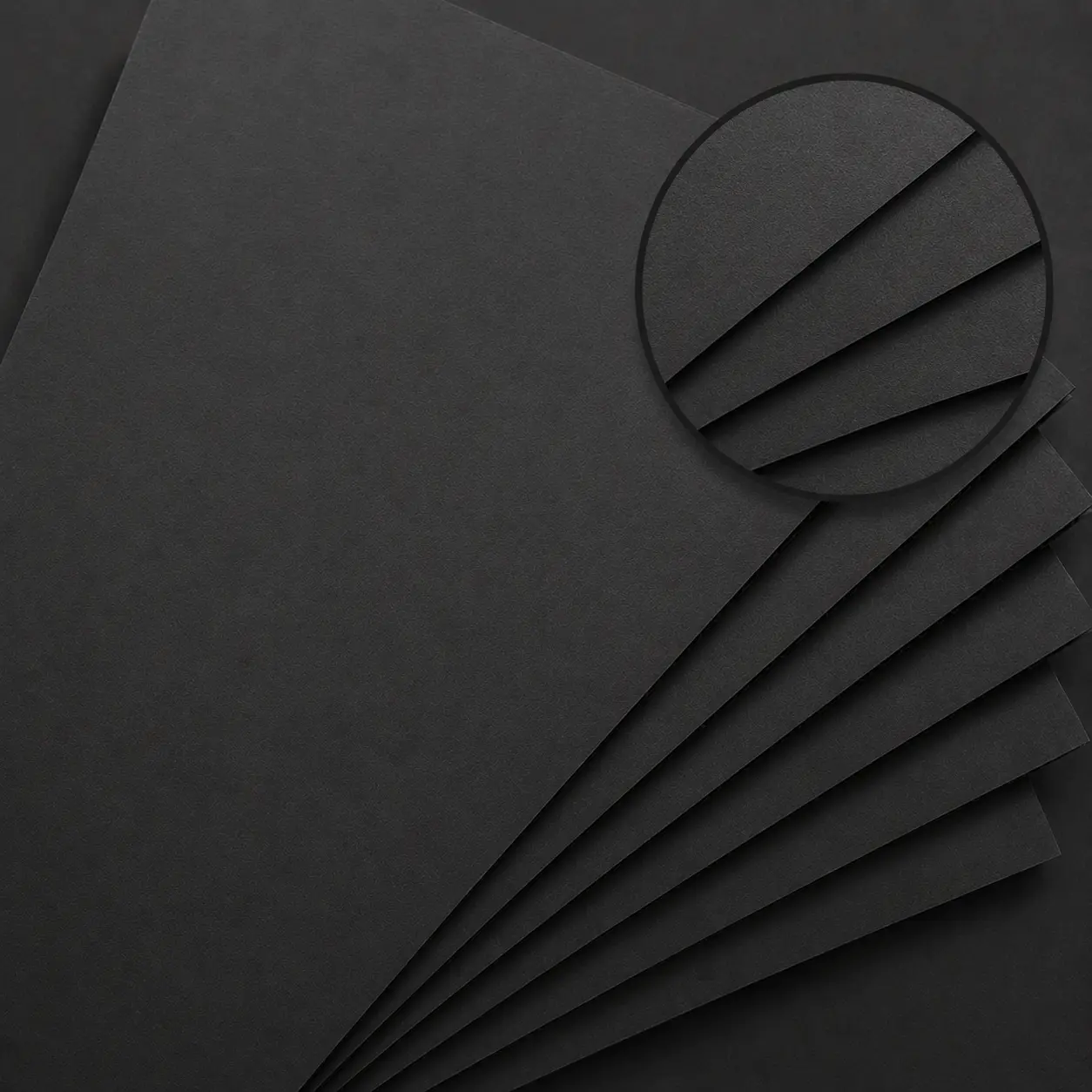
Eco-conscious black kraft for premium unboxing programs, corporate gifting, and limited-edition product lines.
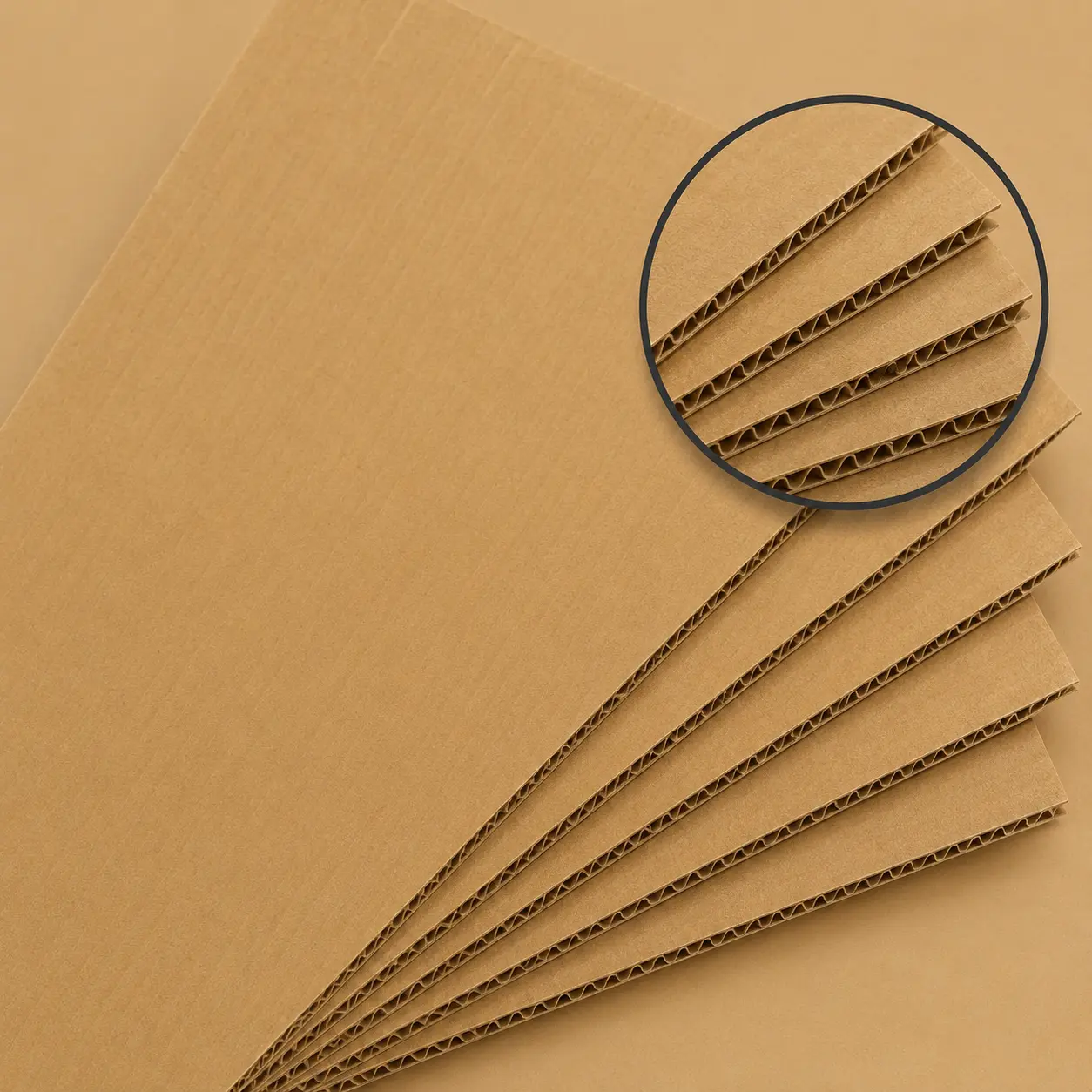
Multi-flute corrugated board built for protective shipping, e-commerce dispatch, and high-volume B2B fulfillment.
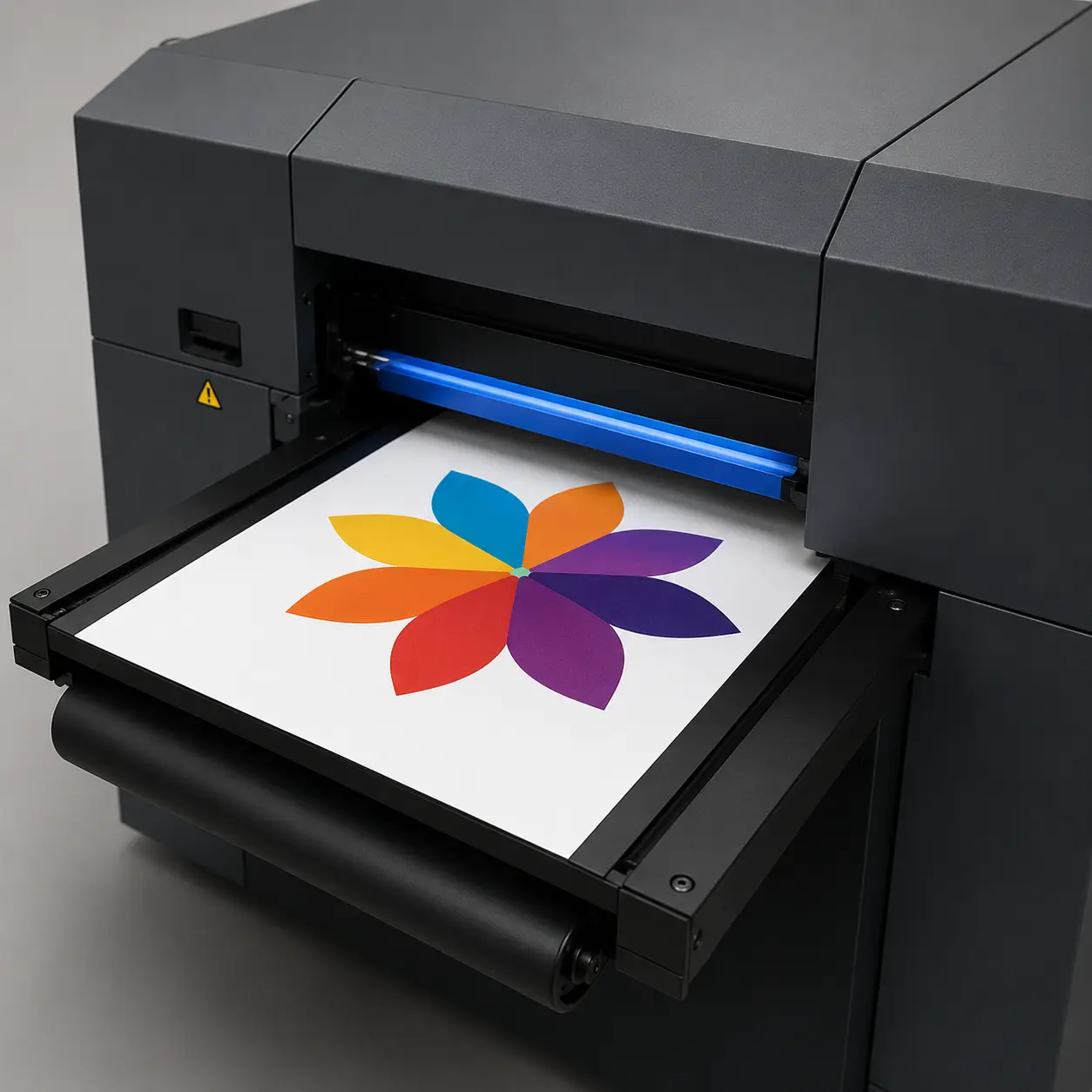
Short-run digital printing with no plate setup — ideal for prototypes, sample approvals, and quick reorders.
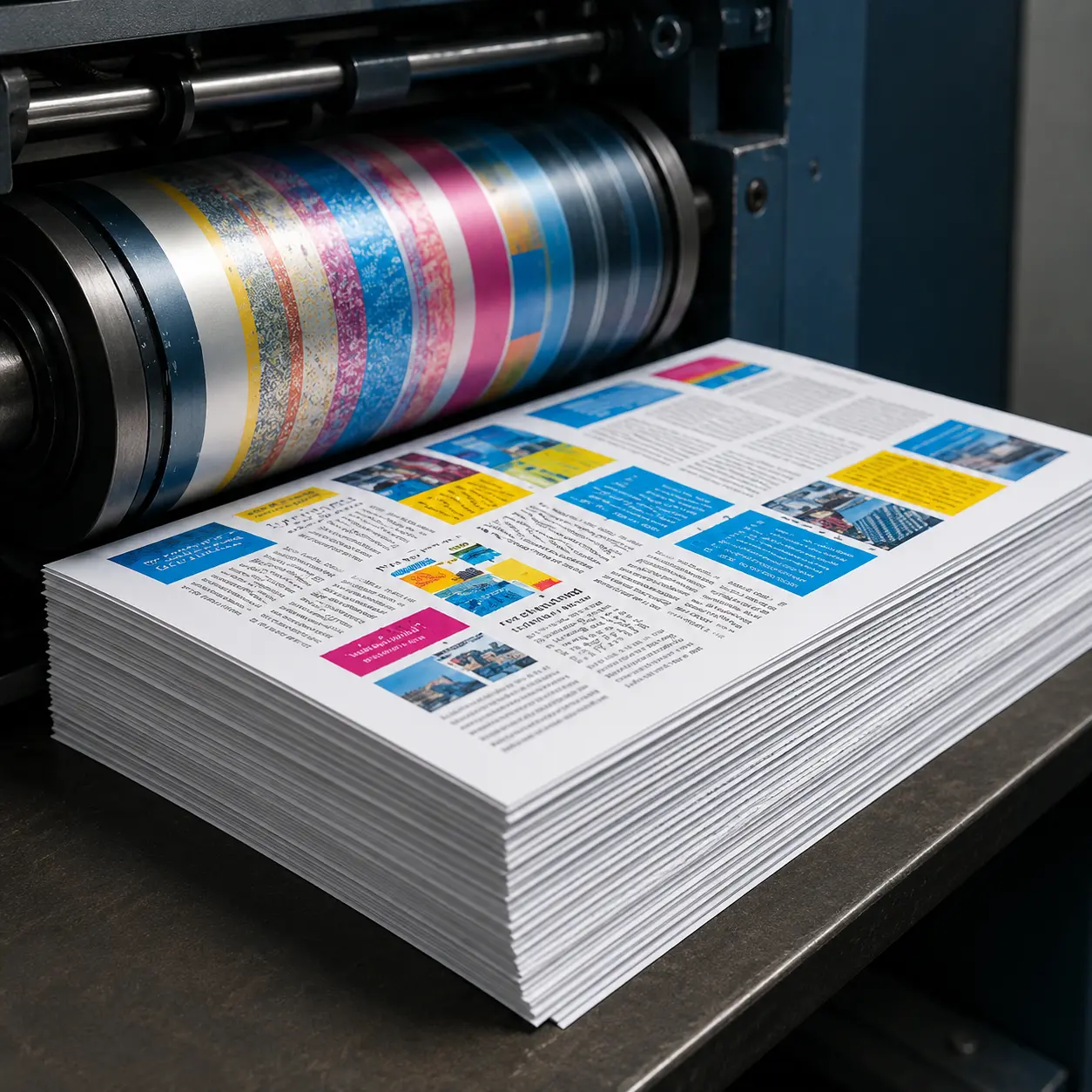
Industry-standard offset printing for high-volume runs with consistent color matching across bulk production.

Selective dimensional embellishment for premium B2B branding, tactile depth, and shelf differentiation.

Vibrant UV-cured printing suited for promotional packaging, event giveaways, and trade-show units.
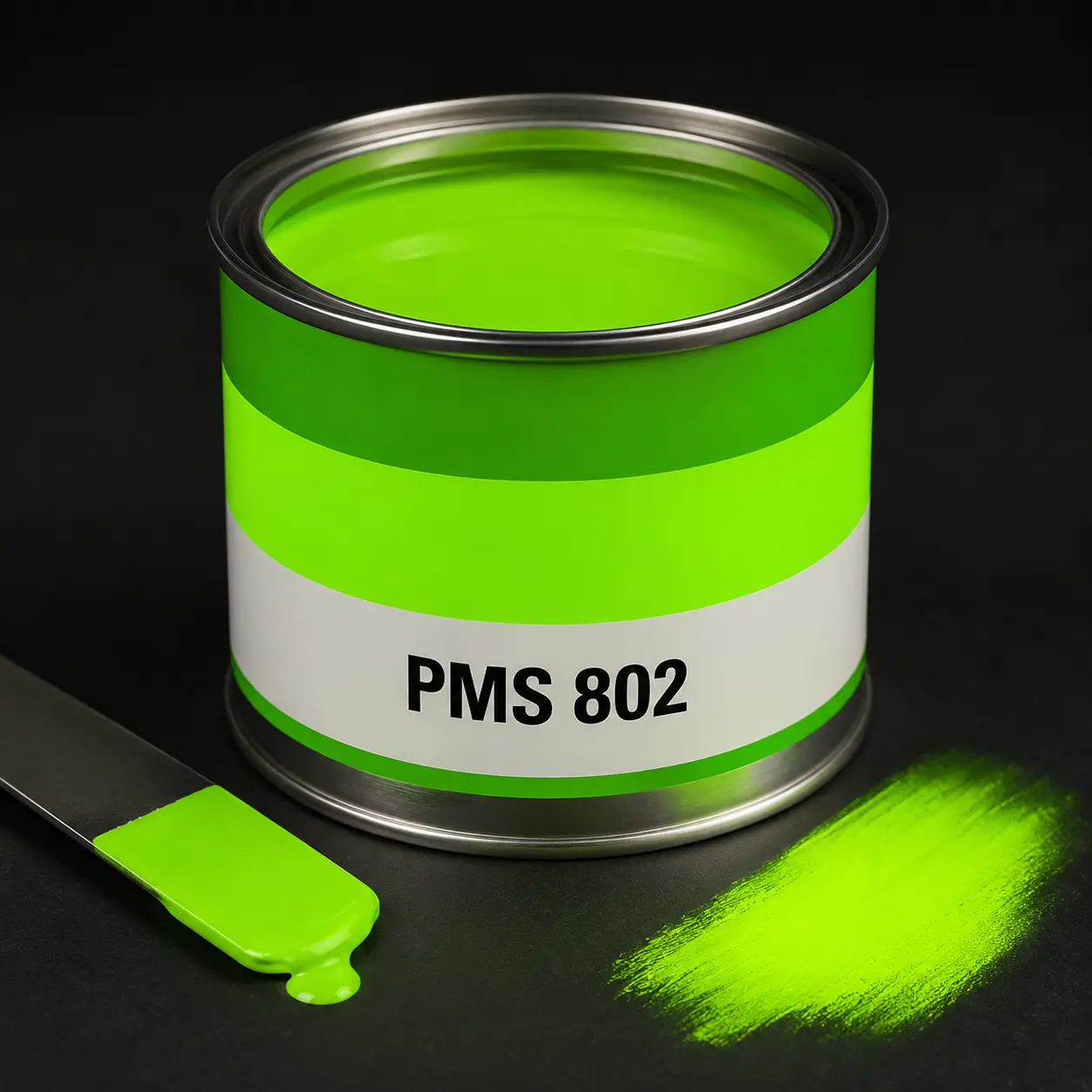
High-visibility ink system engineered for shelf impact, retail displays, and wholesale point-of-sale units.
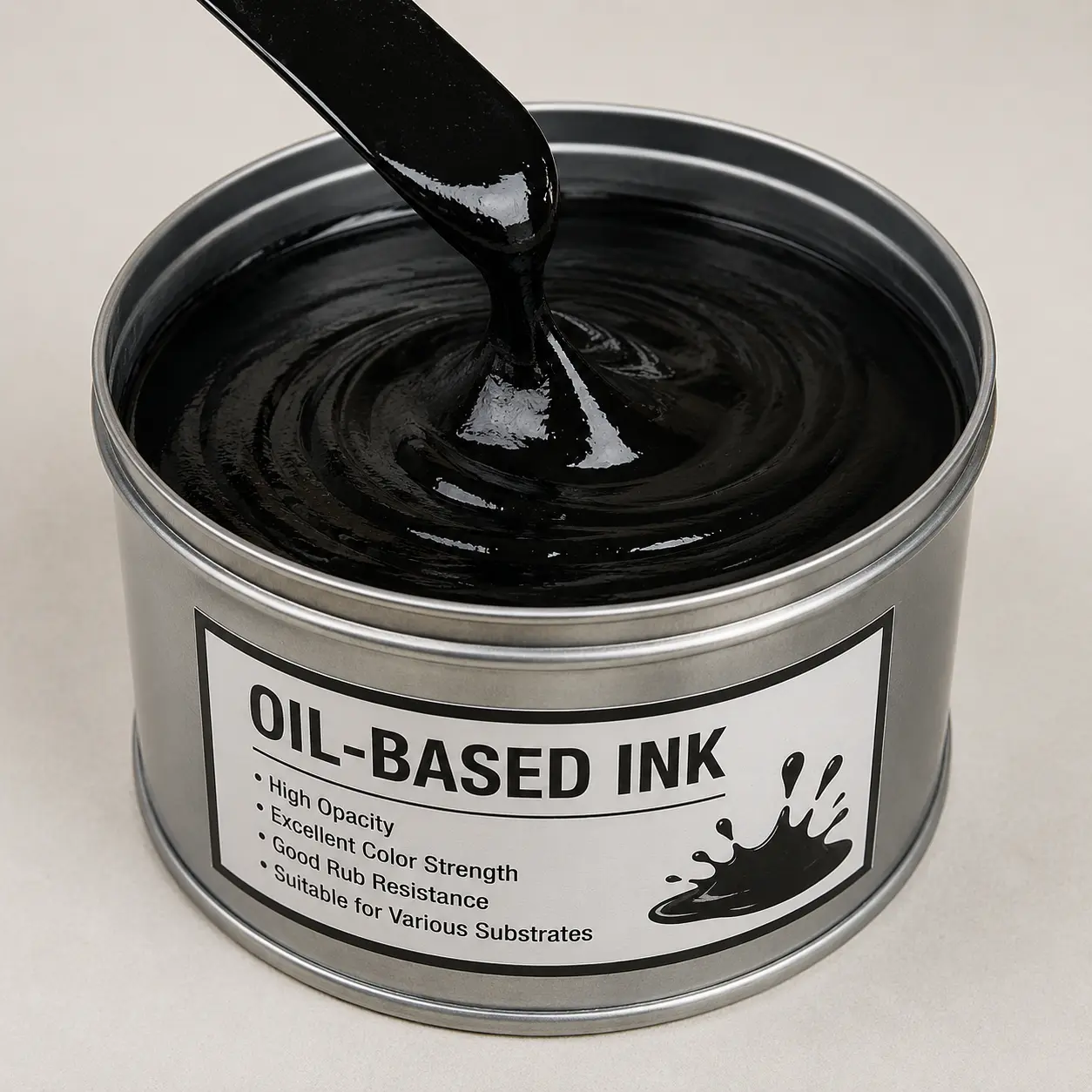
Industry-grade ink for durable, scuff-resistant production runs across long-haul distribution.

Spot-color matching to corporate brand standards — consistent identity across every SKU and reorder.

Sustainable plant-based ink for eco-certified packaging programs and ESG-aligned product launches.

Protective film extends shelf life and protects packaging during shipping and warehouse handling.

Water-based protective seal — fast-drying, food-safe-friendly finish for high-volume bulk production.

Premium tactile finish that elevates corporate gifting boxes and high-end B2B product lines.

Highlight logos and key artwork with selective gloss for maximum retail brand recognition.

Raised brand marks for tactile, premium identity on retail shelves and corporate packaging.

Pressed impressions for subtle, sophisticated branding on premium B2B product lines.

Metallic foil application — gold, silver, and custom finishes for luxury wholesale packaging.
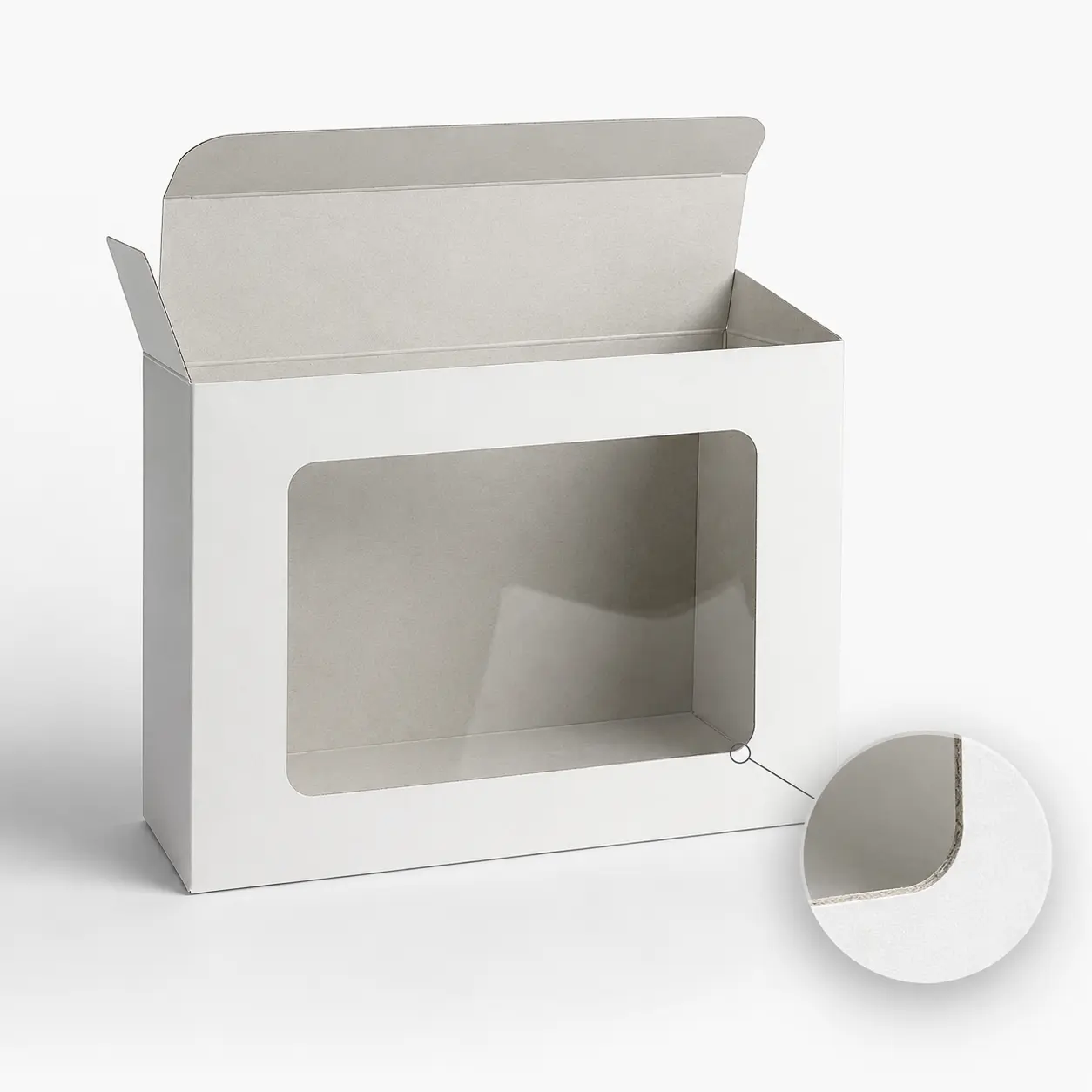
Precision die-cut openings that let customers view the product inside, with optional clear patching for better protection and presentation.
Simple, practical, and built around real B2B production needs.
Send product size, quantity, material preference, artwork, and delivery details.
Our team prepares a proof or 3D mockup so you can check design and structure.
Once approved, your packaging moves into printing, cutting, finishing, and packing.
Finished boxes are packed and shipped to your warehouse, retailer, or 3PL.
Explore similar packaging options that may fit your product line.

Reviews
There are no reviews yet.