
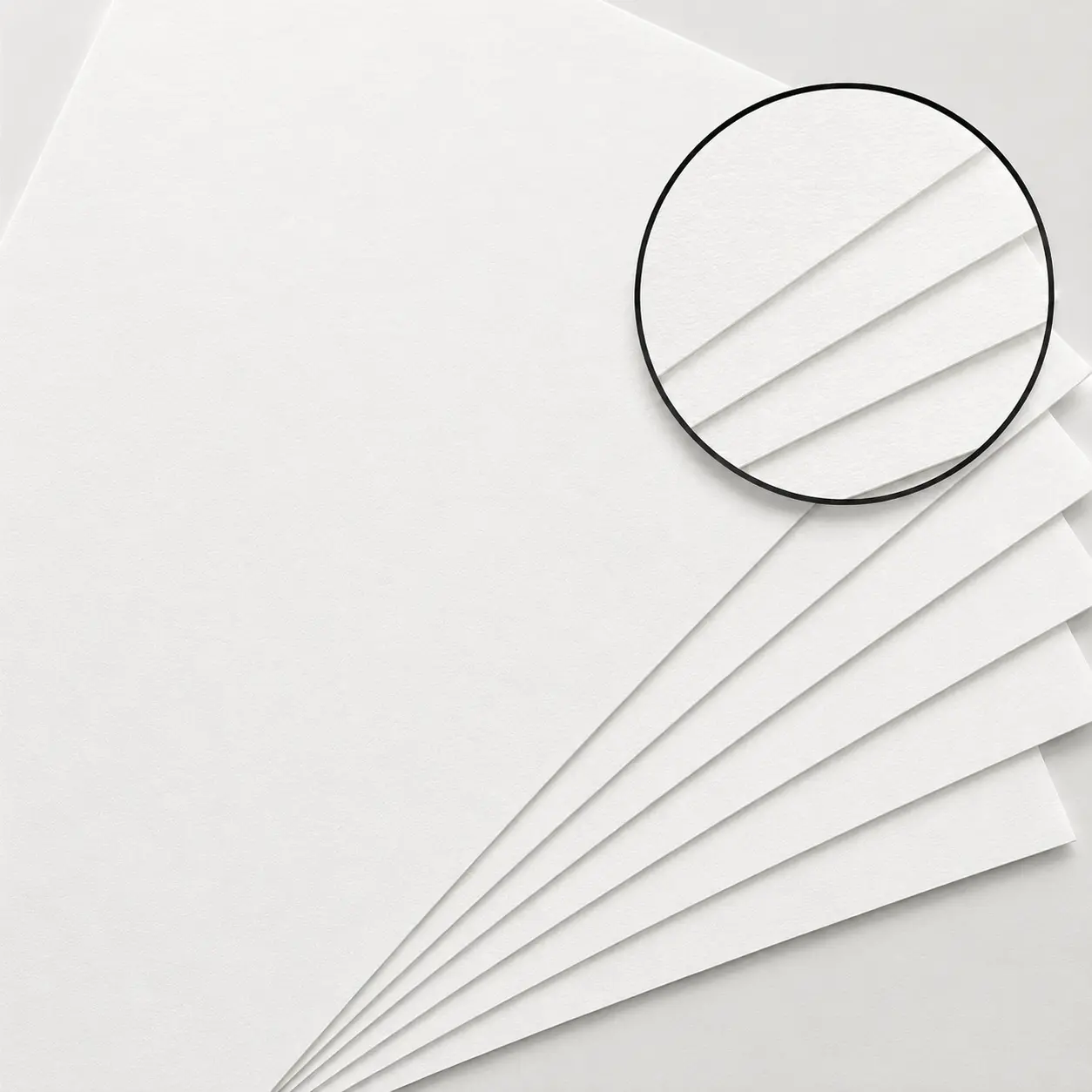
SBS Cardboard
Premium bleached substrate engineered for retail-ready packaging with sharp, high-resolution print performance across bulk SKUs.
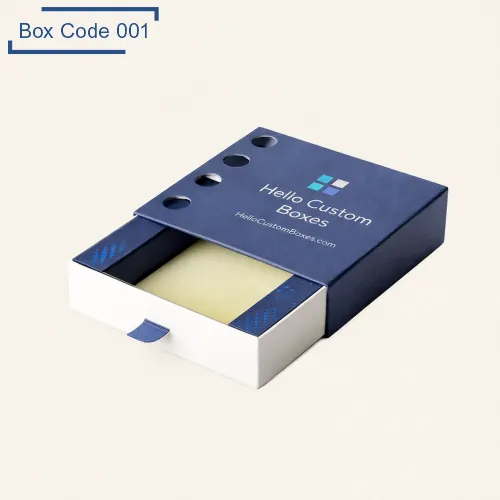
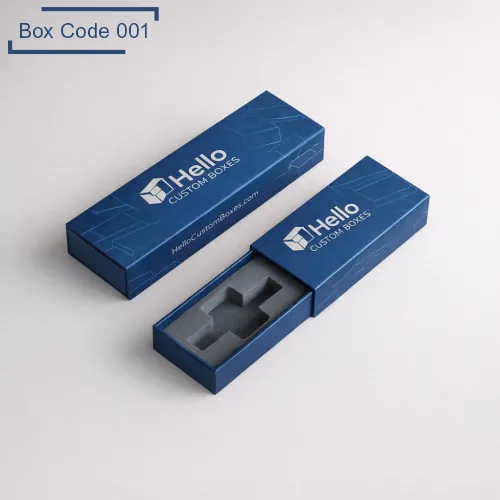
A slip case box works in a simple way: you hold the sleeve, pull the inside tray, and the product shows up slowly instead of all at once. That little pause makes things feel more thoughtful. The sleeve keeps everything steady during shipping, so electronics, books, small gifts, apparel pieces, or special kits stay neat and keep their shape.
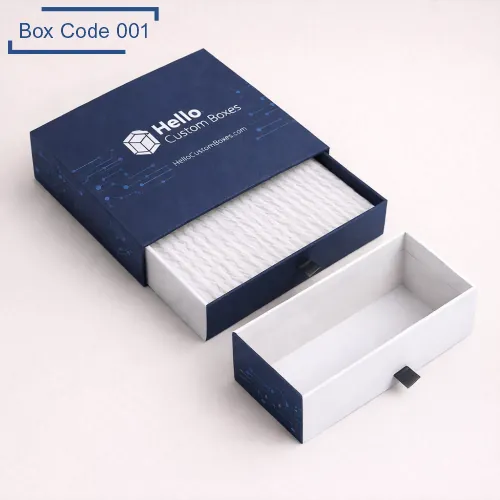


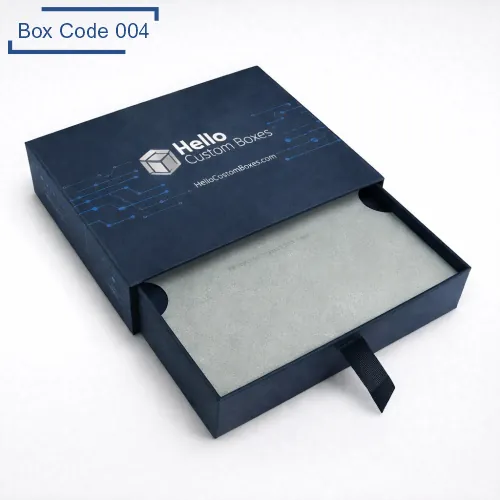
Tell us your specs and we'll send pricing within one business day.
There’s a moment with slip case boxes that never gets old.
You hold the sleeve with one hand, pull the inner tray with the other, and the product doesn’t just appear — it arrives. The motion feels deliberate, steady, and almost staged. Customers notice that. They slow down, pay attention, and assume the item inside is worth the pause.
But that feeling only works when the engineering underneath is right.
If the tray sticks, if it slides out too fast, if the sleeve bends under light pressure, or if the edges warp during shipping, the whole effect disappears instantly. Slip cases are unforgiving. Any flaw shows up the moment the box is touched.
So the structure has to be correct — not close, not almost — correct.
Slip case rigid boxes look simple from far away, but they require more precision than most packaging types.
Common issues brands face:
Slip case boxes must balance tension + alignment + strength.
Most suppliers treat it like a regular rigid box — and that’s why it fails.
We engineer the box around:
Different industries need different setups:
If you prefer sustainable packaging, we offer recyclable rigid board and eco laminates that maintain sleeve strength.
The classic two-piece system. Clean edges, perfect for books, kits, and premium items.
Reinforced sleeve for heavier products like electronics or glass items.
Tray exposed slightly for a premium “pull-tab” style reveal.
Sleeve wraps completely around the tray for a seamless appearance.
Easier pull motion for heavier inner trays.
Used for kits, product bundles, or layered presentations.
Each style is engineered so the glide feels clean and deliberate — not loose or forced.
Slip case boxes succeed because of small engineering choices:
When these details are right, the unboxing feels intentional rather than accidental.
We’ve built slip case rigid boxes for:
Across all categories, one thing stays consistent:
The slide-out reveal becomes part of the brand story.
A well-made slip case box gives you:
When customers feel the structure work, they trust the product immediately.
Step 1: Product + Presentation Review
We study weight, dimensions, reveal order, and brand style.
Step 2: Structural Planning
Sleeve thickness, tray height, friction level, interior lining, and reinforcement.
Step 3: Artwork Guidance
We help align graphics so seams, edges, and wrap lines stay clean.
Step 4: Production
Precision rigid wrapping, consistent radius, clean corners, and tension calibration.
Step 5: Delivery
Assembled and ready to pack.
Slip Case Rigid Box Specifications |
|
|---|---|
| Packaging Concept | Slip case rigid packaging designed to deliver a controlled, deliberate slide-out reveal that slows the unboxing moment and elevates perceived product value. |
| Why It Feels Premium | The outer sleeve holds firm tension while the inner tray glides smoothly, creating a staged reveal that feels intentional rather than accidental. |
| Primary Structural Challenge | Achieving the correct balance between sleeve tension, tray alignment, and board strength so the tray neither sticks nor slides freely. |
| Common Problems Solved | Prevents tray scraping, loose slide-out, sleeve warping, edge misalignment, denting, artwork seam mismatch, and tray bowing under product weight. |
| Outer Sleeve Engineering | Rigid board density selected to resist denting, maintain straight edges, hold consistent tension, and preserve clean lines during shipping and handling. |
| Inner Tray Engineering | Reinforced tray walls, balanced base support, smooth interior lamination, and shape retention under repeated sliding motion. |
| Fit & Tolerance Control | Custom tolerances engineered to control glide speed, compensate for humidity exposure, prevent friction damage, and avoid loose tray movement. |
| Available Slip Case Styles | Standard slipcase with tray, double-wall reinforced sleeves, partial reveal slipcases, full-cover slipcases, finger-cut openings, and multi-tray systems. |
| Material Options | Rigid board, premium wrapped board, recyclable rigid stock, eco laminates, soft-touch interiors, and scratch-resistant inner linings. |
| Technical Focus Areas | Sleeve tension calibration, corner wrap precision, board thickness control, friction reduction, scoring accuracy, pressure resistance, and glide testing. |
| Best Use Cases | Luxury gift sets, electronics packaging, collector books and albums, PR kits, premium apparel, corporate gifting, and limited-edition launches. |
| Business Benefits | Premium unboxing experience, controlled reveal flow, strong shelf presence, improved product protection, safer shipping, and higher perceived value. |
Choose from practical materials, print methods, inks, finishes, and add-ons for a better product presentation.
Premium bleached substrate engineered for retail-ready packaging with sharp, high-resolution print performance across bulk SKUs.
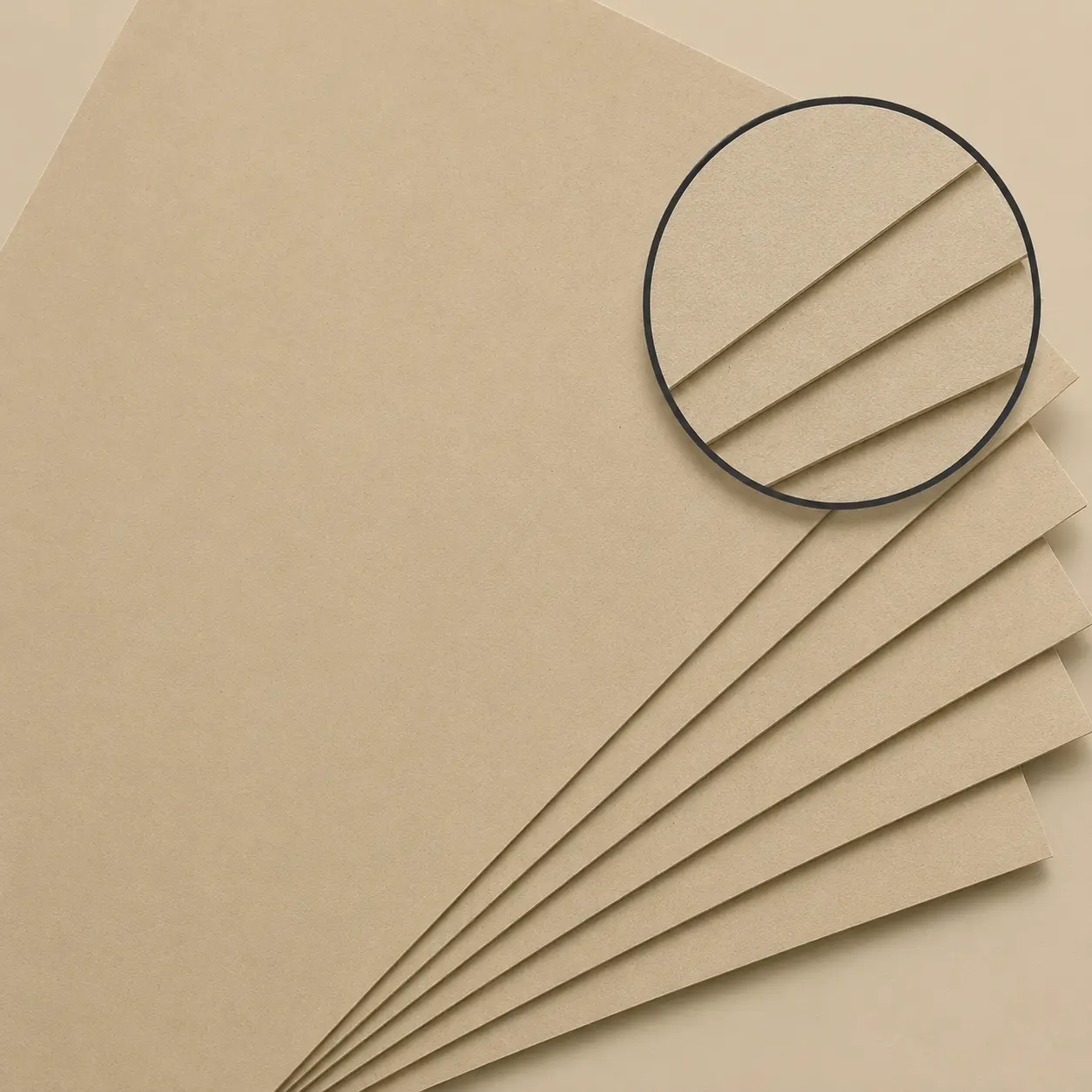
High-density rigid board built for wholesale cartons, structural strength, and stack-ready warehouse logistics.
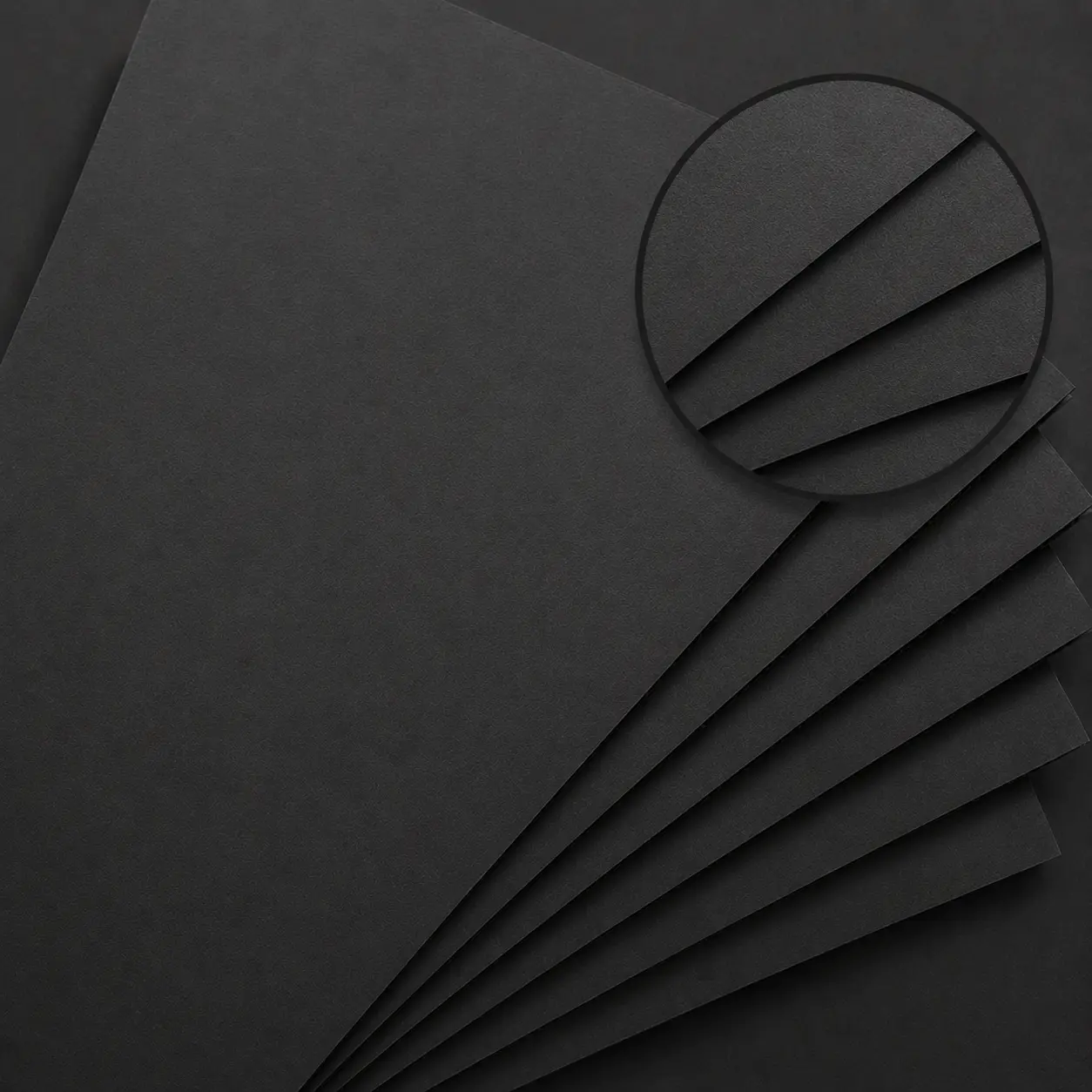
Eco-conscious black kraft for premium unboxing programs, corporate gifting, and limited-edition product lines.
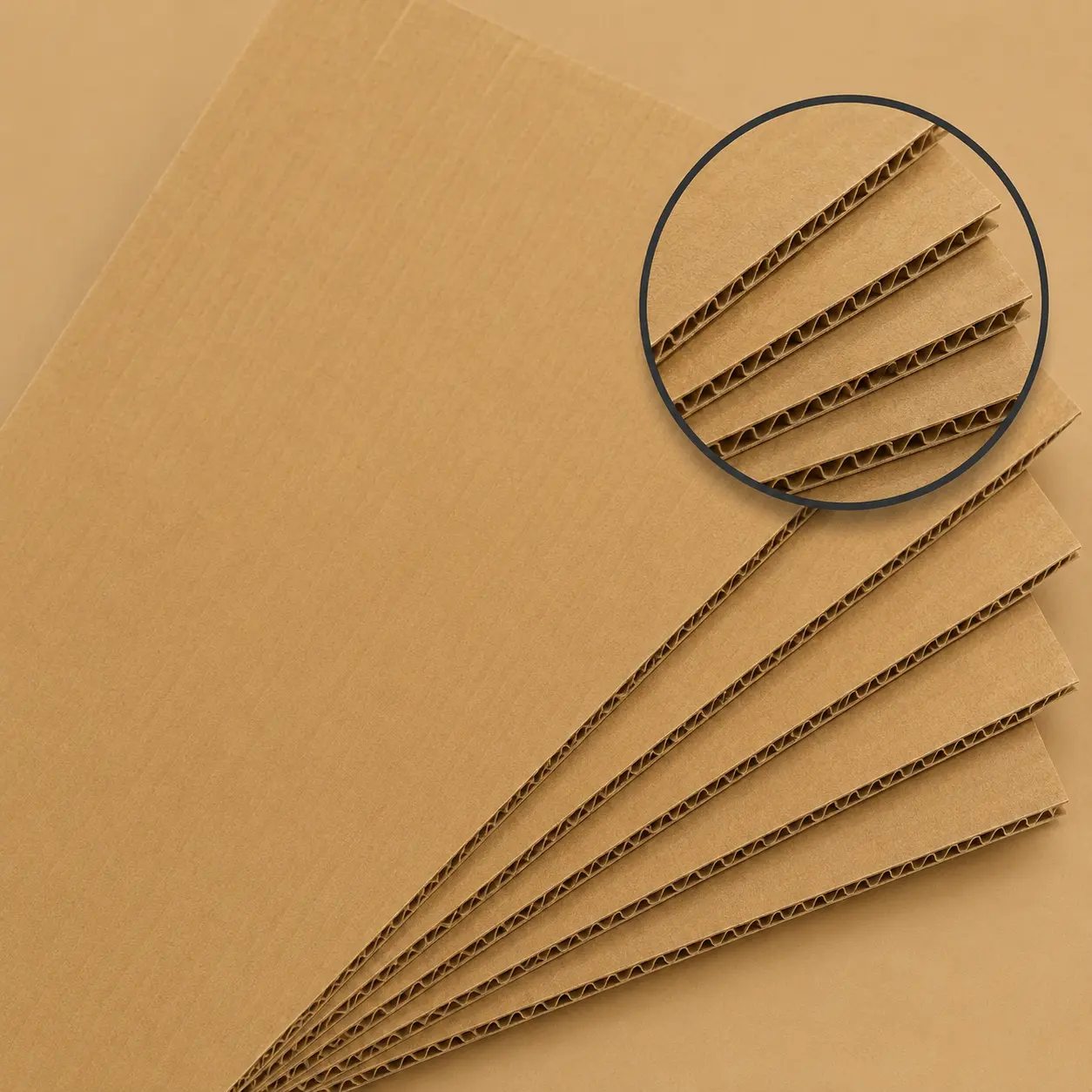
Multi-flute corrugated board built for protective shipping, e-commerce dispatch, and high-volume B2B fulfillment.
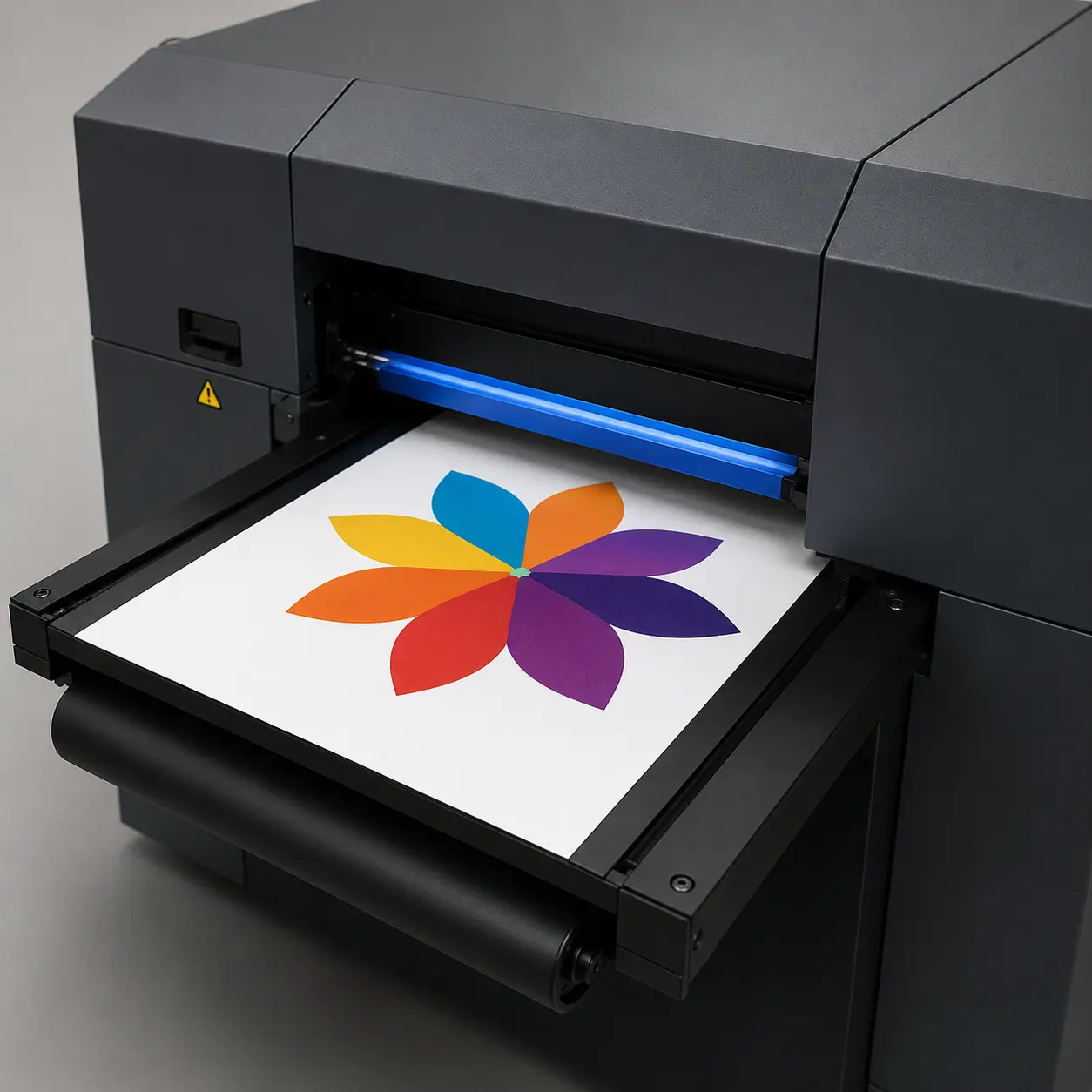
Short-run digital printing with no plate setup — ideal for prototypes, sample approvals, and quick reorders.
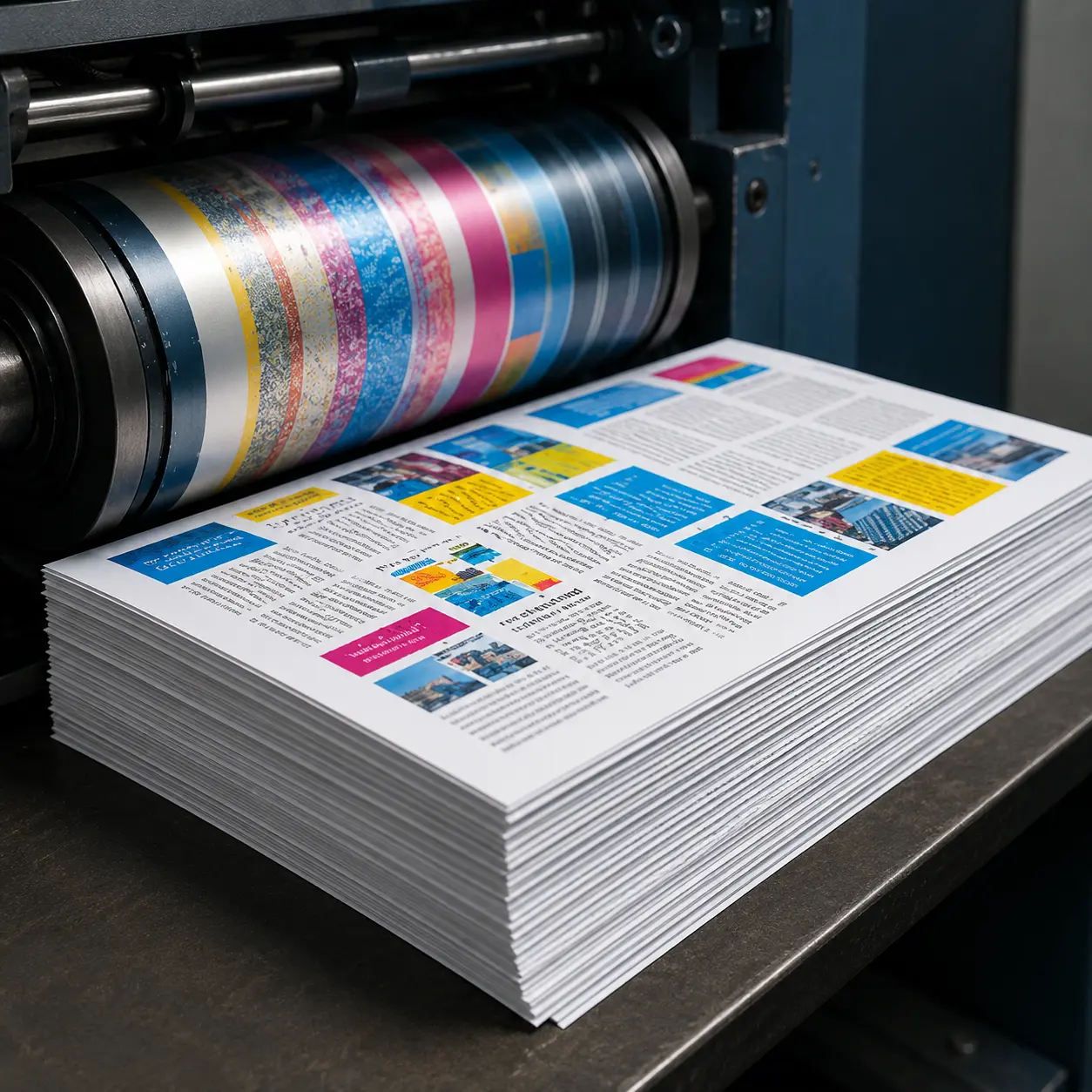
Industry-standard offset printing for high-volume runs with consistent color matching across bulk production.

Selective dimensional embellishment for premium B2B branding, tactile depth, and shelf differentiation.

Vibrant UV-cured printing suited for promotional packaging, event giveaways, and trade-show units.

High-visibility ink system engineered for shelf impact, retail displays, and wholesale point-of-sale units.
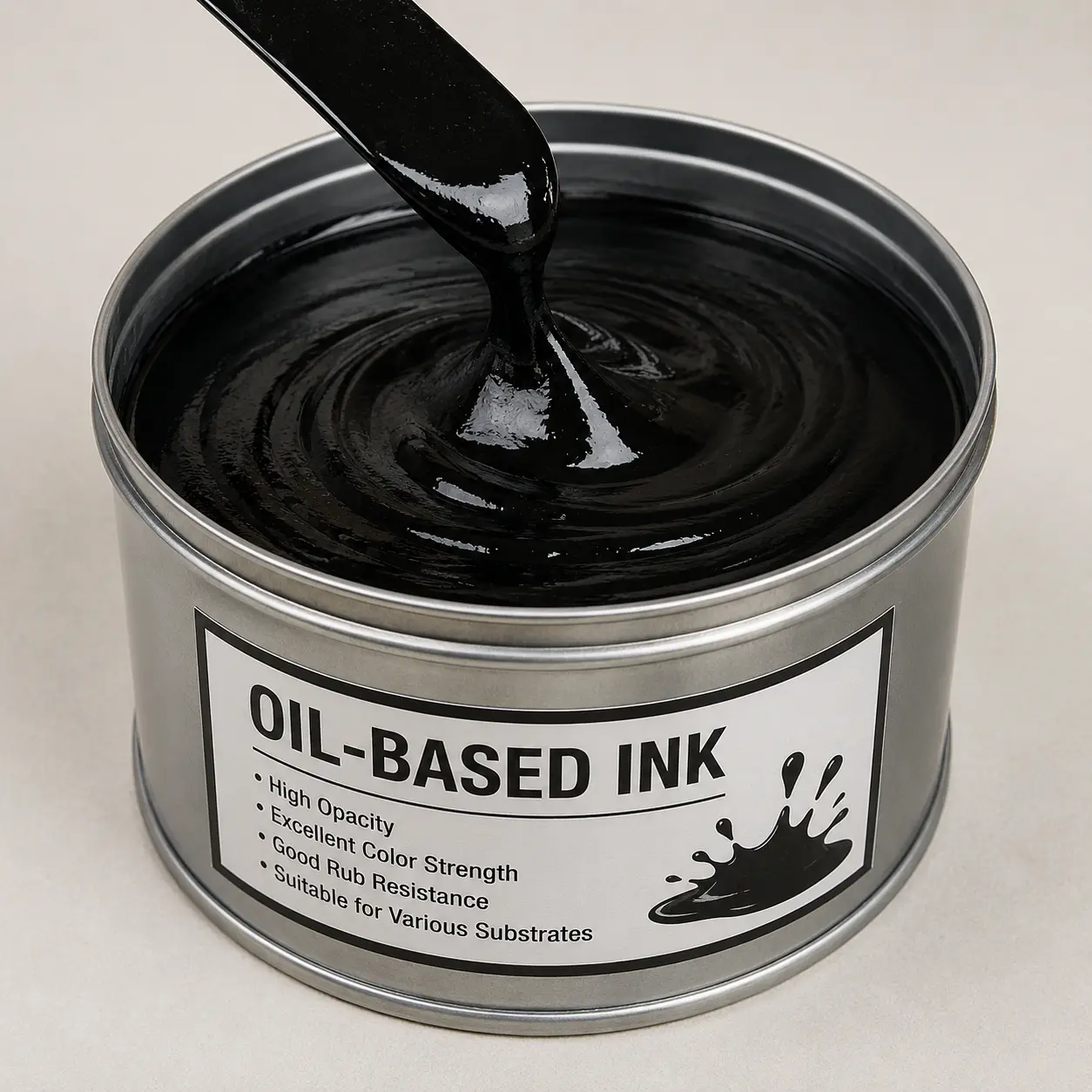
Industry-grade ink for durable, scuff-resistant production runs across long-haul distribution.

Spot-color matching to corporate brand standards — consistent identity across every SKU and reorder.

Sustainable plant-based ink for eco-certified packaging programs and ESG-aligned product launches.

Protective film extends shelf life and protects packaging during shipping and warehouse handling.

Water-based protective seal — fast-drying, food-safe-friendly finish for high-volume bulk production.

Premium tactile finish that elevates corporate gifting boxes and high-end B2B product lines.

Highlight logos and key artwork with selective gloss for maximum retail brand recognition.

Raised brand marks for tactile, premium identity on retail shelves and corporate packaging.

Pressed impressions for subtle, sophisticated branding on premium B2B product lines.

Metallic foil application — gold, silver, and custom finishes for luxury wholesale packaging.
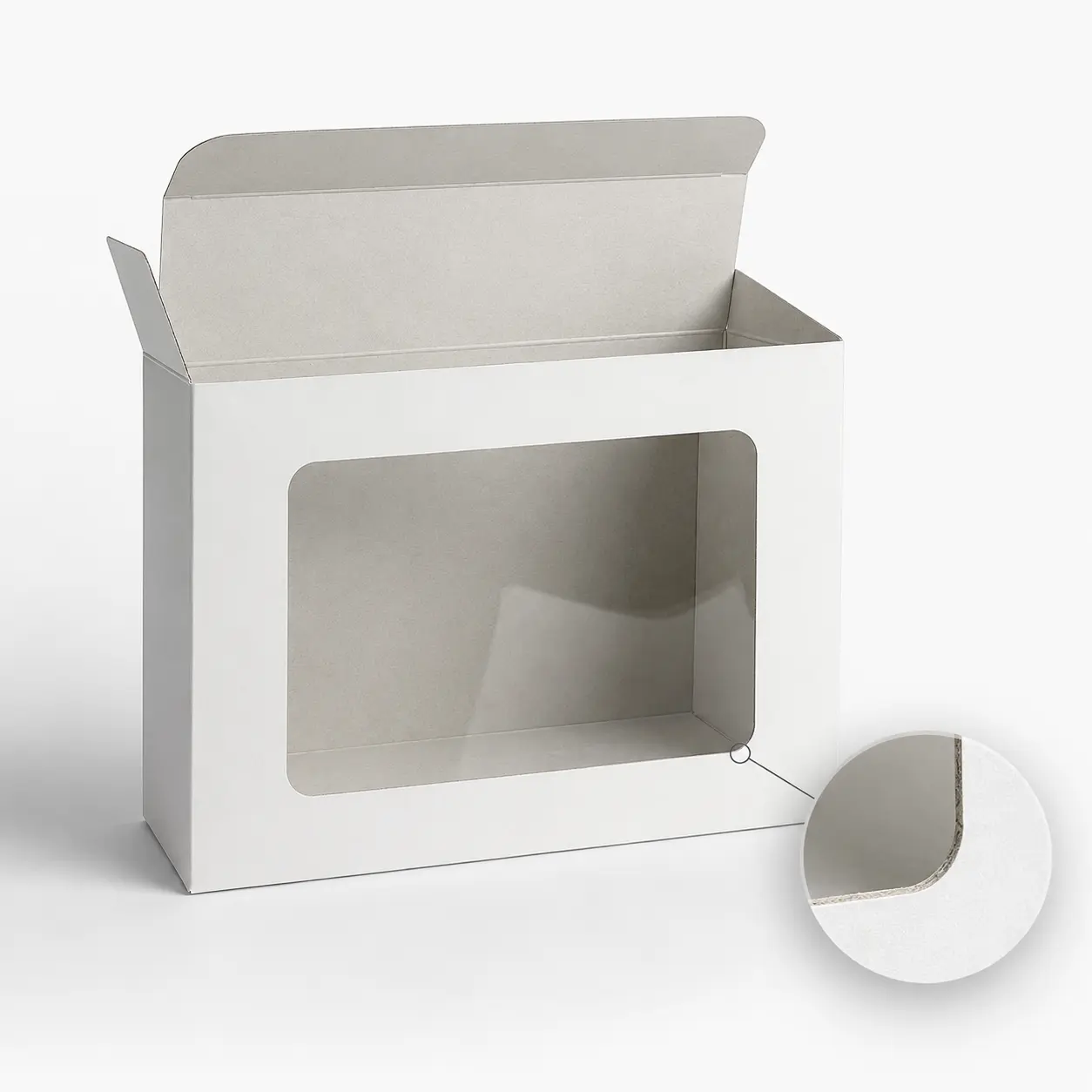
Precision die-cut openings that let customers view the product inside, with optional clear patching for better protection and presentation.
Simple, practical, and built around real B2B production needs.
Send product size, quantity, material preference, artwork, and delivery details.
Our team prepares a proof or 3D mockup so you can check design and structure.
Once approved, your packaging moves into printing, cutting, finishing, and packing.
Finished boxes are packed and shipped to your warehouse, retailer, or 3PL.
Explore similar packaging options that may fit your product line.
Reviews
There are no reviews yet.