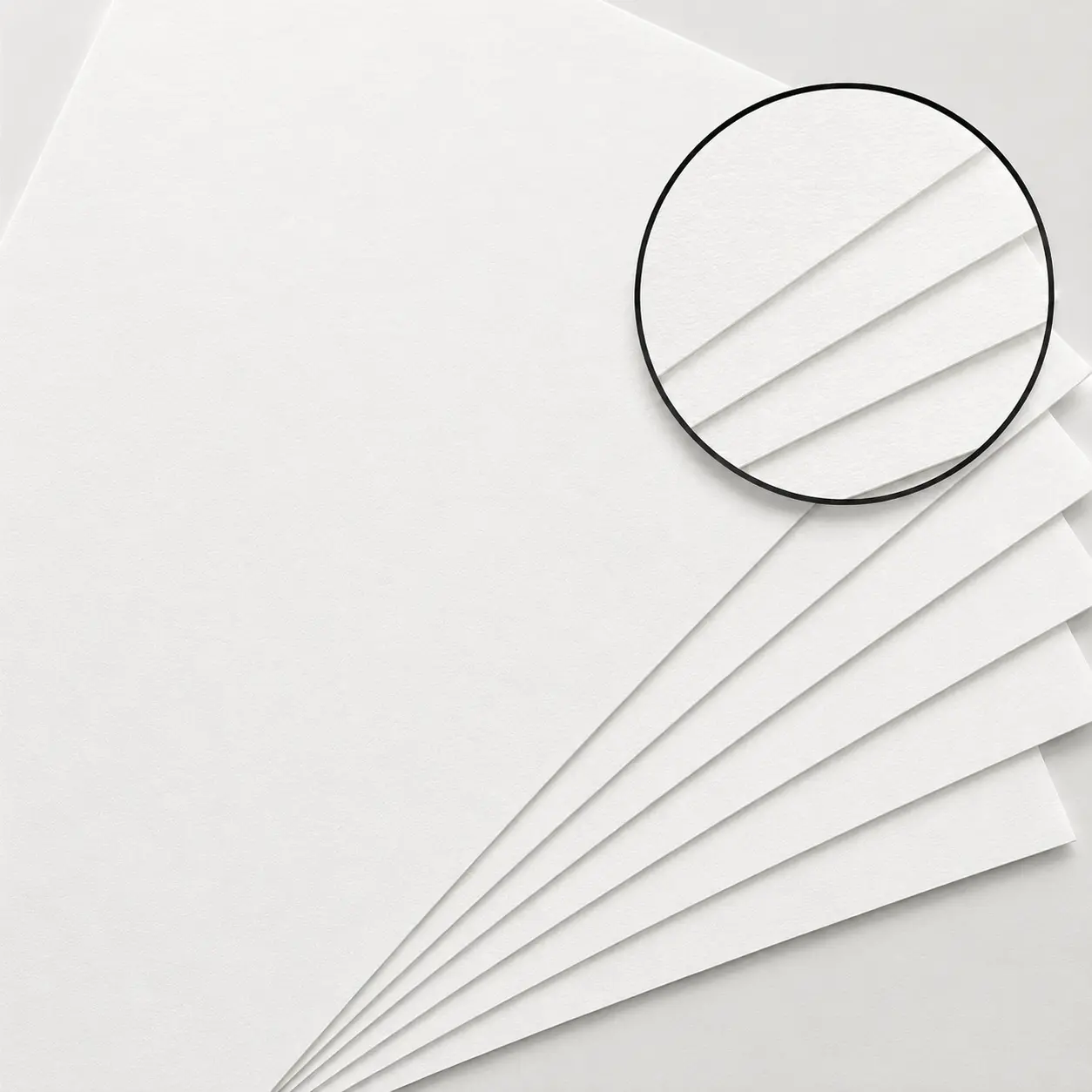
SBS Cardboard
Premium bleached substrate engineered for retail-ready packaging with sharp, high-resolution print performance across bulk SKUs.
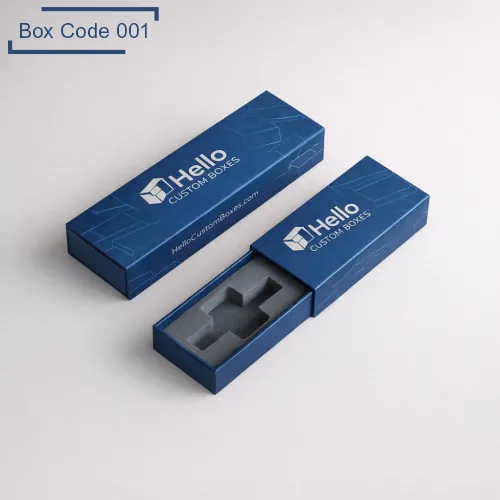
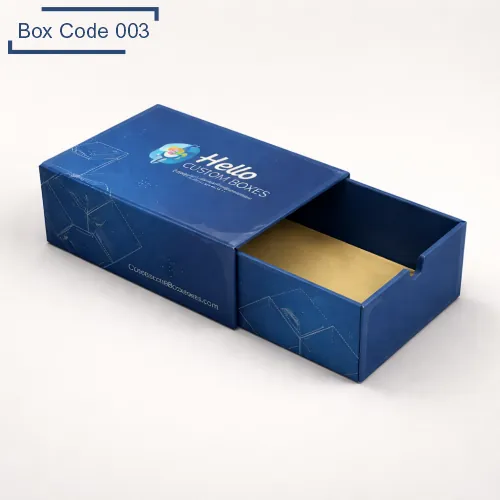
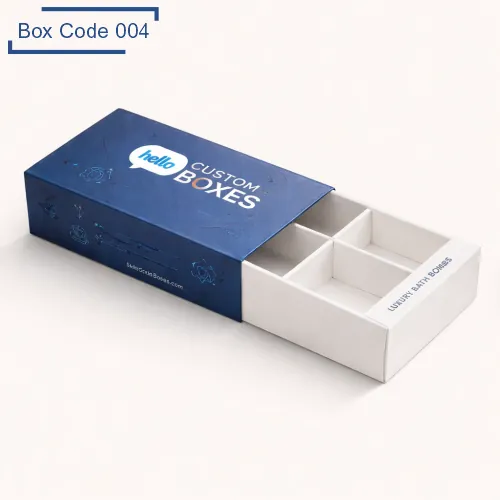
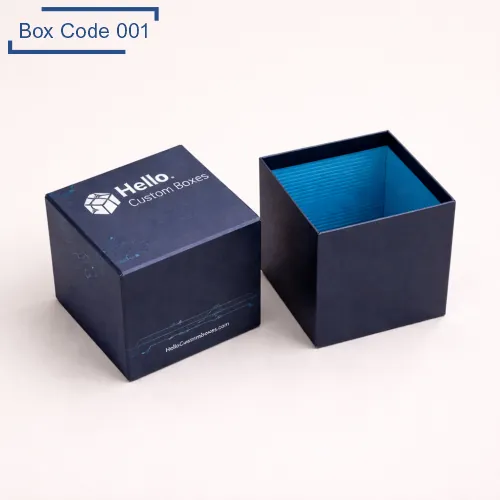
Tray and sleeve rigid boxes are made with a solid inner tray and a cover that slides off instead of opening like a flap. The product sits inside without moving much. You’ll usually see these in retail or gift packaging where presentation matters. They feel firm, don’t collapse easily, and hold their shape during handling, storage, and delivery.

Tell us your specs and we'll send pricing within one business day.
You’ve probably seen them without realizing the name. The outer sleeve slides off, and the inner tray reveals the product. It’s simple, but that motion matters.
Unlike folding cartons, these don’t collapse. The rigid board holds its shape. That means the tray doesn’t bend when pulled out, and the sleeve doesn’t feel loose over time. When sized correctly, the friction between tray and sleeve feels controlled, not tight, not sloppy.
This is why brands use them for watches, cosmetics, tech accessories. That slow slide gives a sense of value.
People often call these drawer style rigid boxes, but not all behave the same.
A well-built tray and sleeve box has:
If the sleeve is too thin, it warps. If the tray is oversized by even a few millimeters, you’ll feel it immediately when sliding.
That’s usually where cheap versions fail. The motion becomes jerky or loose. And honestly, customers notice that more than printing.
Most tray and sleeve rigid packaging uses rigid board as the base. That’s the standard for strength.
But the wrap makes a big difference:
Some brands try cardboard for cost, but it doesn’t give the same weight. It works for light retail, not for premium positioning.
If you’re packing fragile items, adding internal support is not optional. A loose tray defeats the whole purpose.
You’ll see tray and sleeve gift boxes across a few specific use cases:
Retail shelves – especially for cosmetics and accessories
Subscription kits – where presentation matters on repeat
Corporate gifting – clean, structured look without magnets
E-commerce premium shipments – when unboxing is part of marketing
I’ve seen brands switch from tuck-end boxes to tray and sleeve just to reduce product movement during transit. It works because the rigid tray doesn’t flex.
If you’re exploring broader packaging types for different products, understanding where rigid formats fit makes the decision easier.
This is something many people miss.
The tray itself is just a container. The real product fit comes from inserts.
Common options:
Without inserts, the product slides. And when the customer pulls the tray out, everything shifts. That ruins the experience.
Custom insert packaging for rigid boxes is usually what separates “premium” from “just expensive.”
Because the surface is flat and rigid, printing comes out sharper than folding cartons.
Popular finishes include:
One thing I’ve noticed, darker colors on sleeves tend to hide handling marks better. White sleeves look clean but pick up fingerprints fast during packing.
For brands that want a stronger shelf presence, pairing this structure with gift packaging solutions makes sense since presentation is already doing half the work.
Tray and sleeve boxes are unforgiving with sizing.
If your product dimensions aren’t accurate:
You also need to account for insert thickness. That changes internal dimensions more than people expect.
A small gap inside becomes very noticeable when pulling the tray out. It’s not like mailer boxes where you can hide it.
These boxes handle stacking well. The rigid walls don’t collapse under pressure like corrugated mailers sometimes do.
But they’re not built for rough logistics alone. If you’re shipping long distances, an outer shipping carton is still needed.
The sleeve can scuff during transit. Especially darker inks. That’s normal, but something to plan for.
Compared to magnetic boxes:
Compared to folding cartons:
If your product relies on presentation and repeat purchase, tray and sleeve rigid boxes usually pay off.
Tray and Sleeve Rigid Boxes Specifications |
|
|---|---|
| Material Options | High-density rigid board (800–1500 gsm), greyboard with paper wrap, premium art paper, specialty textured papers, bux board for strength, FSC-certified materials, and optional laminated layers for enhanced durability. |
| Packaging Style | Tray and sleeve (drawer-style) rigid boxes, slide-out tray with outer sleeve, partial or full sleeve coverage, ribbon pull or thumb notch opening, and multi-layer tray configurations. |
| Product Protection | Rigid structure provides maximum protection with custom inserts such as foam, cardboard, or molded pulp to prevent movement and damage to fragile or high-value items. |
| Internal Fit & Presentation | Custom-fit trays with optional velvet, satin, or paper lining, die-cut compartments for multiple items, and structured layouts to enhance premium unboxing experience. |
| Surface Finish & Texture | Matte or gloss lamination, soft-touch coating, anti-scuff finish, textured paper wraps, UV coating, and specialty finishes such as linen or leather textures. |
| Printing & Branding Options | Offset printing with CMYK and Pantone colors, foil stamping (gold, silver, custom), embossing, debossing, spot UV, minimalist or full-coverage printing, and optional inside printing. |
| Retail & Gift Presentation | Ideal for luxury products such as cosmetics, electronics, jewelry, and gifts, enhancing perceived value and creating a premium shelf and gifting appeal. |
| Durability & Handling | Rigid, non-collapsible construction with reinforced edges and corners, resistant to bending and compression during storage and transportation. |
| Custom Sizes & Dimensions | Fully customizable sizes with adjustable tray depth and sleeve fit, suitable for single or multi-product packaging and various retail requirements. |
| Wholesale & Production | Low MOQ options, bulk production pricing, custom structural engineering, dieline development, pre-production sampling, and strict quality control. |
| Sustainability Options | Recyclable rigid board materials, eco-friendly paper wraps, soy-based inks, plastic-free inserts, and sustainable packaging solutions for premium brands. |
Choose from practical materials, print methods, inks, finishes, and add-ons for a better product presentation.
Premium bleached substrate engineered for retail-ready packaging with sharp, high-resolution print performance across bulk SKUs.
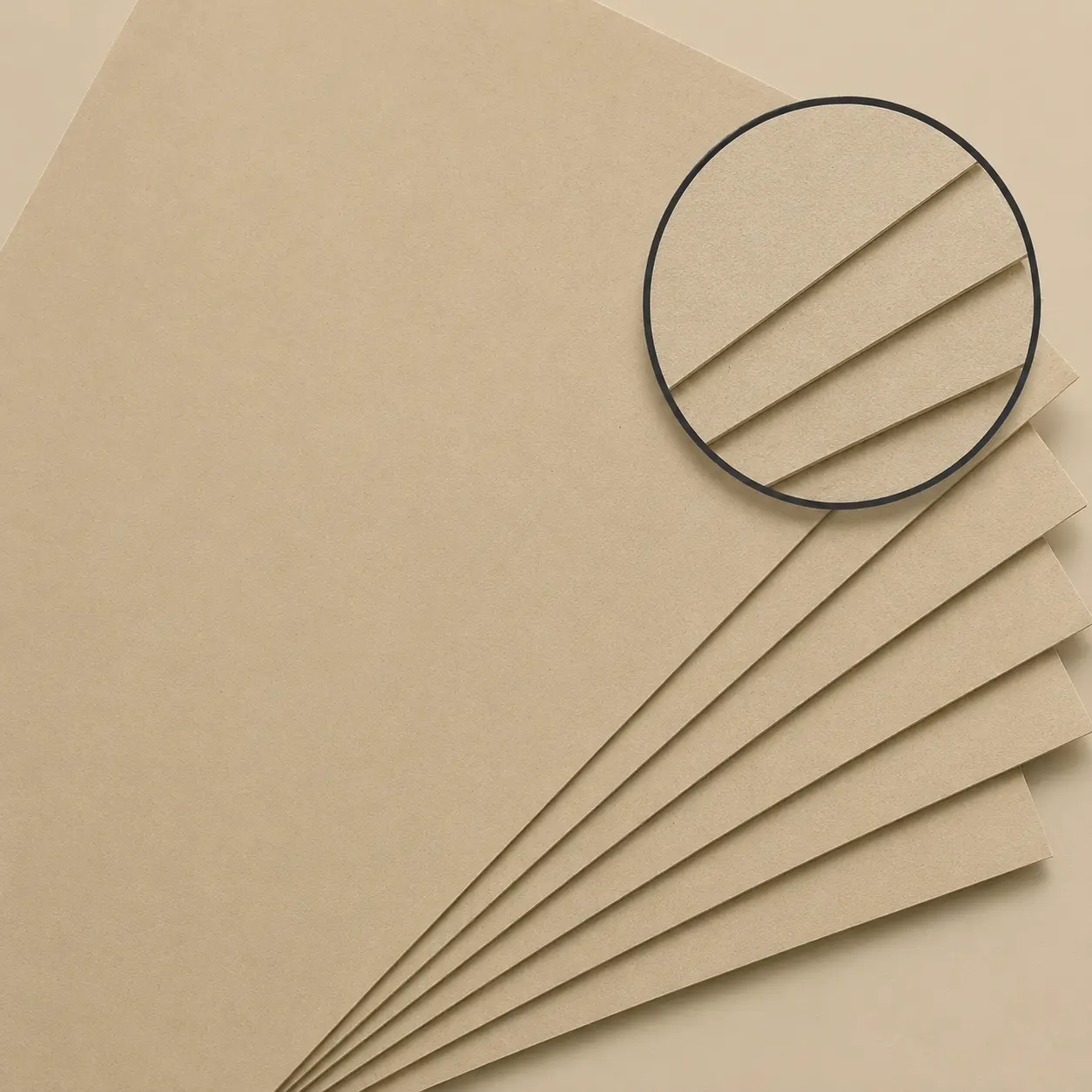
High-density rigid board built for wholesale cartons, structural strength, and stack-ready warehouse logistics.
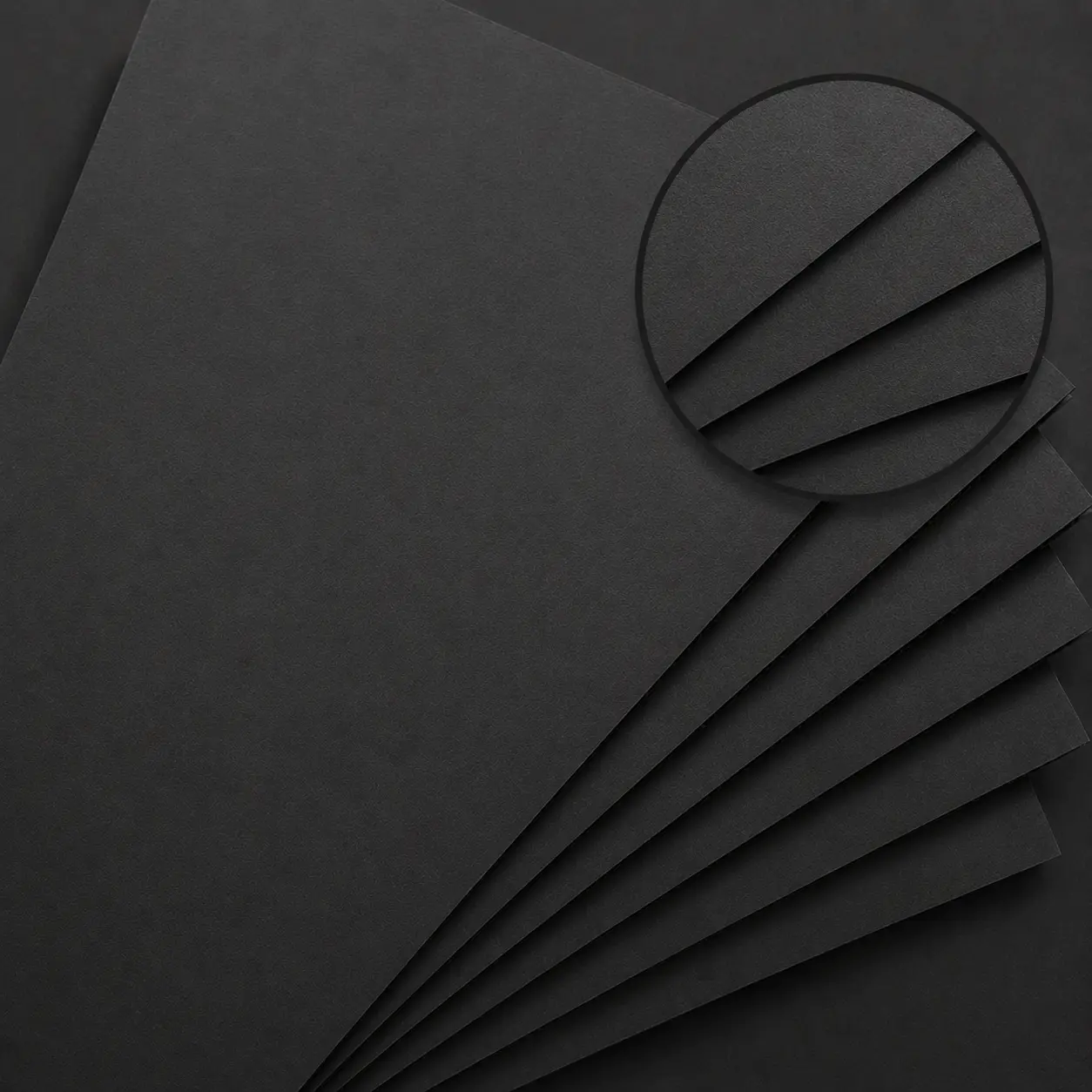
Eco-conscious black kraft for premium unboxing programs, corporate gifting, and limited-edition product lines.
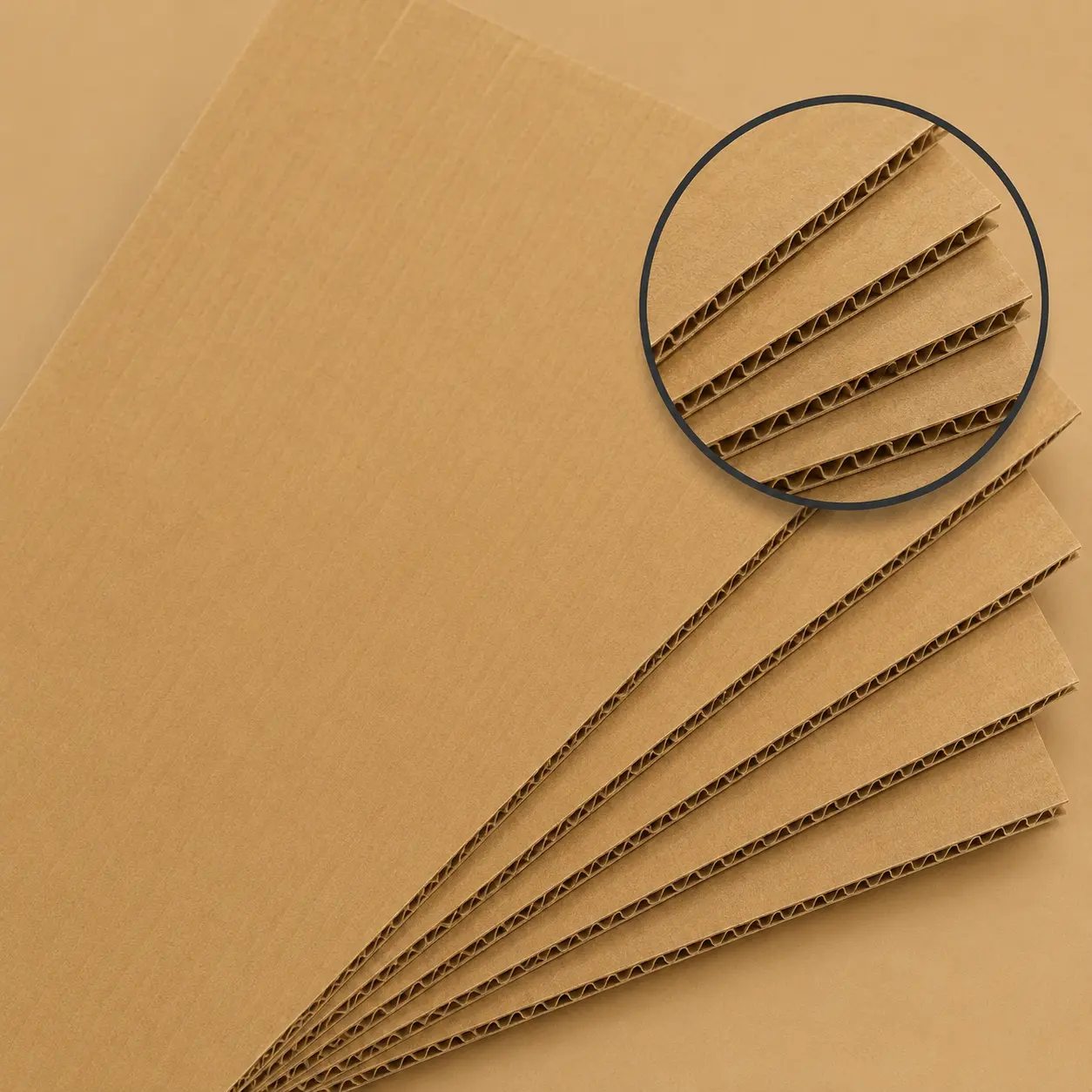
Multi-flute corrugated board built for protective shipping, e-commerce dispatch, and high-volume B2B fulfillment.
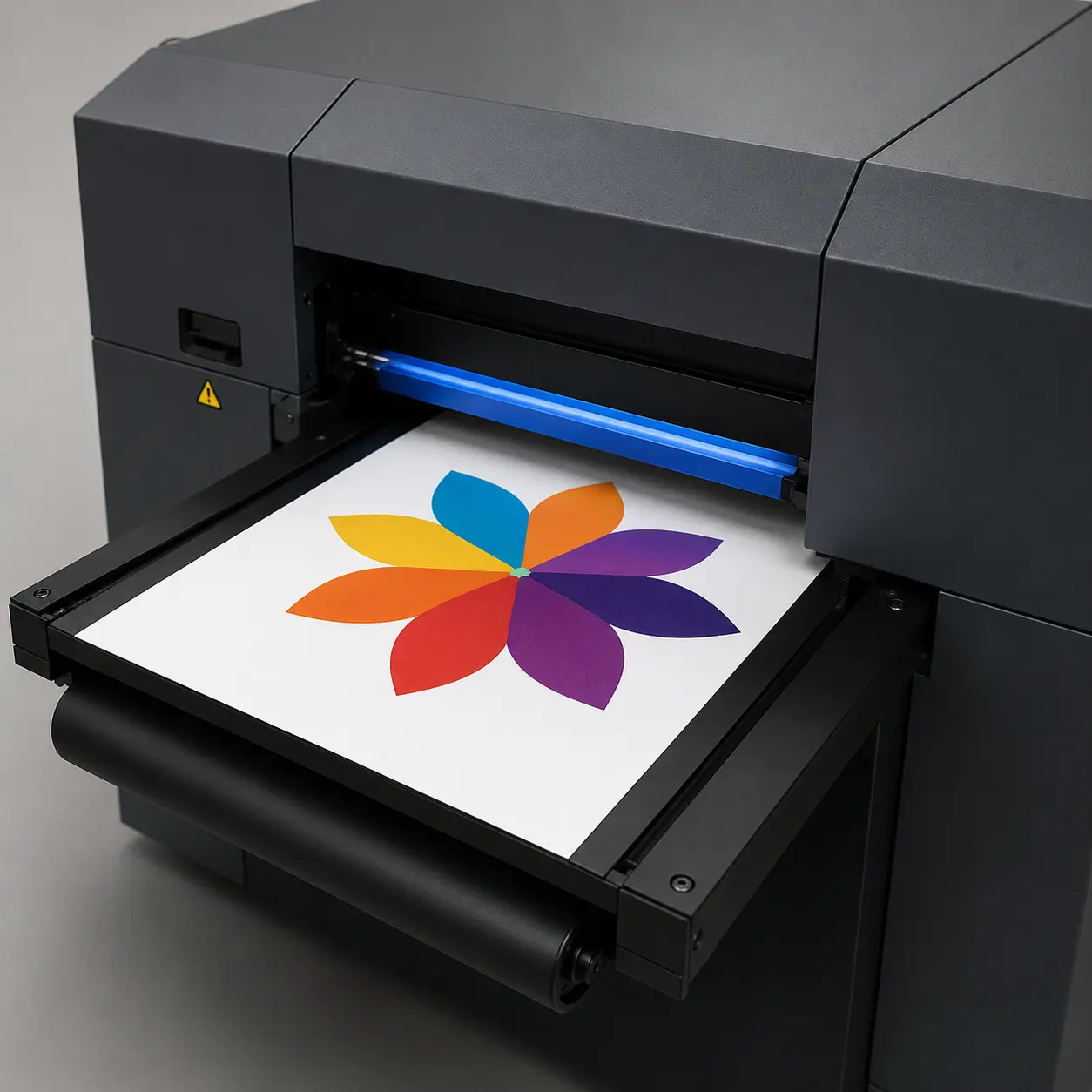
Short-run digital printing with no plate setup — ideal for prototypes, sample approvals, and quick reorders.
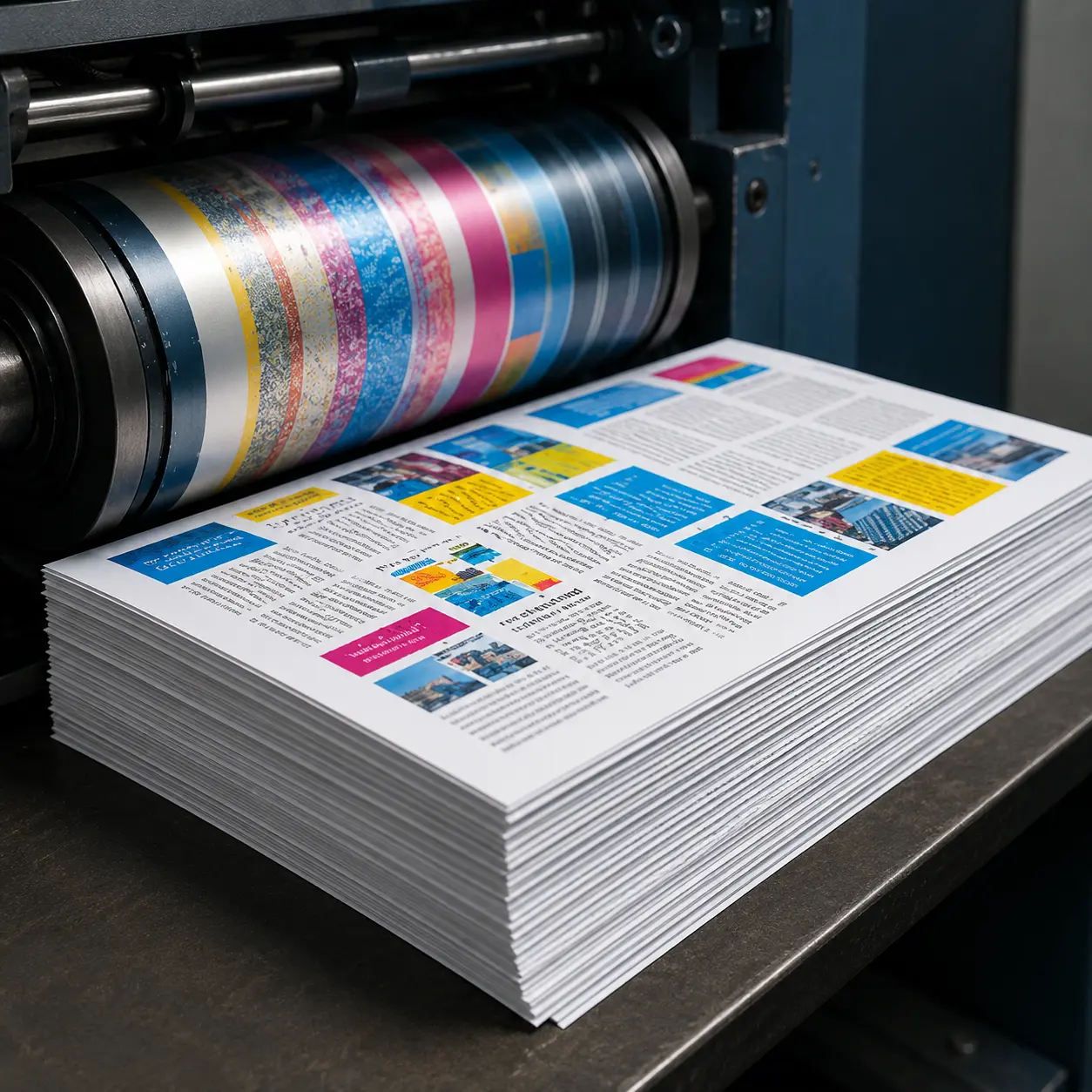
Industry-standard offset printing for high-volume runs with consistent color matching across bulk production.

Selective dimensional embellishment for premium B2B branding, tactile depth, and shelf differentiation.

Vibrant UV-cured printing suited for promotional packaging, event giveaways, and trade-show units.

High-visibility ink system engineered for shelf impact, retail displays, and wholesale point-of-sale units.
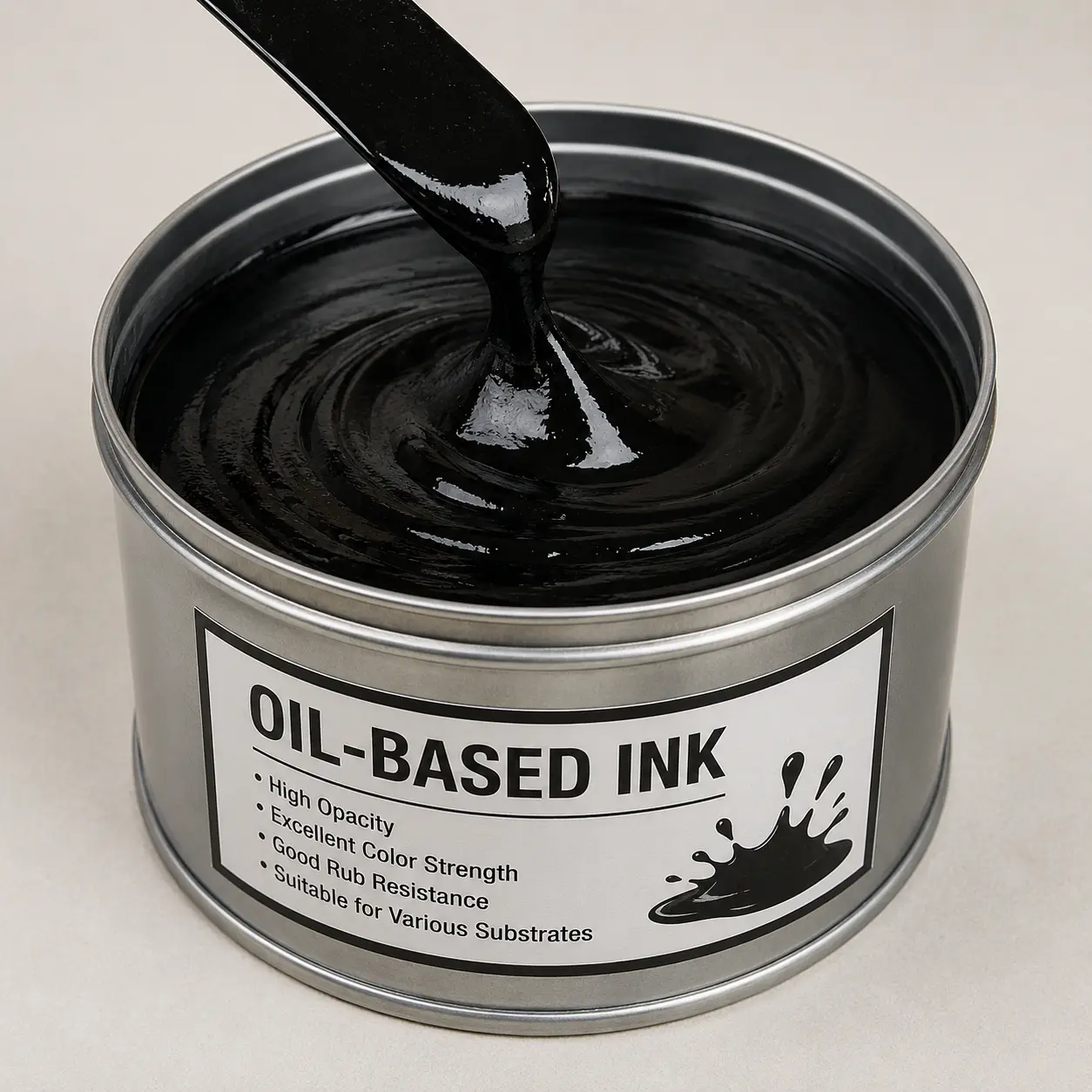
Industry-grade ink for durable, scuff-resistant production runs across long-haul distribution.

Spot-color matching to corporate brand standards — consistent identity across every SKU and reorder.

Sustainable plant-based ink for eco-certified packaging programs and ESG-aligned product launches.

Protective film extends shelf life and protects packaging during shipping and warehouse handling.

Water-based protective seal — fast-drying, food-safe-friendly finish for high-volume bulk production.

Premium tactile finish that elevates corporate gifting boxes and high-end B2B product lines.

Highlight logos and key artwork with selective gloss for maximum retail brand recognition.

Raised brand marks for tactile, premium identity on retail shelves and corporate packaging.

Pressed impressions for subtle, sophisticated branding on premium B2B product lines.

Metallic foil application — gold, silver, and custom finishes for luxury wholesale packaging.
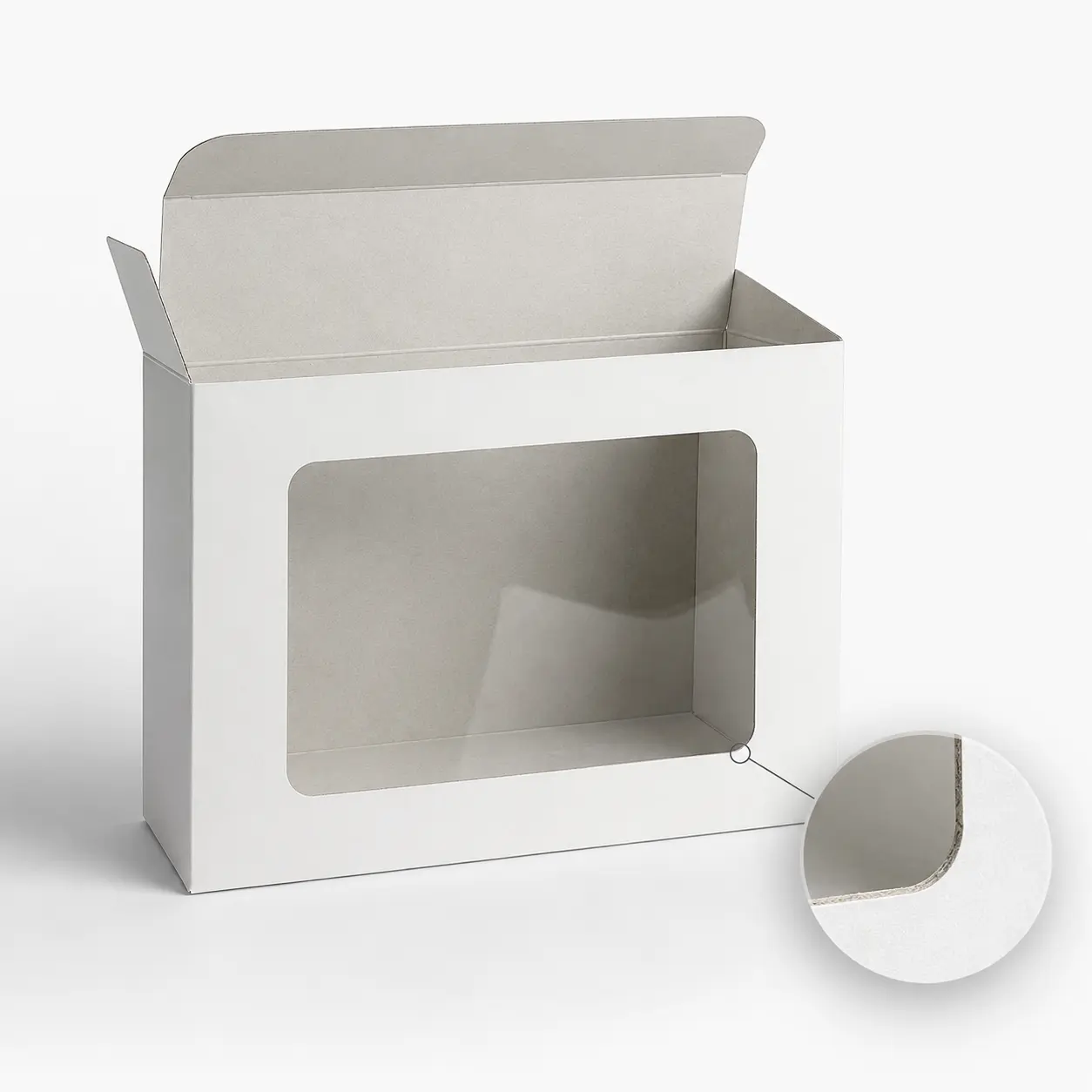
Precision die-cut openings that let customers view the product inside, with optional clear patching for better protection and presentation.
Simple, practical, and built around real B2B production needs.
Send product size, quantity, material preference, artwork, and delivery details.
Our team prepares a proof or 3D mockup so you can check design and structure.
Once approved, your packaging moves into printing, cutting, finishing, and packing.
Finished boxes are packed and shipped to your warehouse, retailer, or 3PL.
Explore similar packaging options that may fit your product line.


Reviews
There are no reviews yet.