Different Types of Packaging Boxes Explained
Most of the time, packaging doesn’t even cross someone’s mind. If the box does its job, it’s forgotten. The reaction only changes when something feels off, a bent corner, too much space inside, or packaging that looks cheaper than the product itself. That’s usually the moment people start forming an opinion, which is why custom packaging matters more than many brands realise.
That is why understanding the types of packaging boxes is important. It helps businesses avoid small mistakes that turn into expensive problems later.
Packaging is not about trends. It is about function first, appearance second.
Why Packaging Box Choice Matters in Real Use
Many businesses focus heavily on printing and branding. Logos, colors, finishes. All of that matters, but structure quietly does more work than design ever will.
The box type affects shipping costs, storage, product safety, and how customers feel when they open it. Learning about different packaging box types early saves a lot of trial and error.
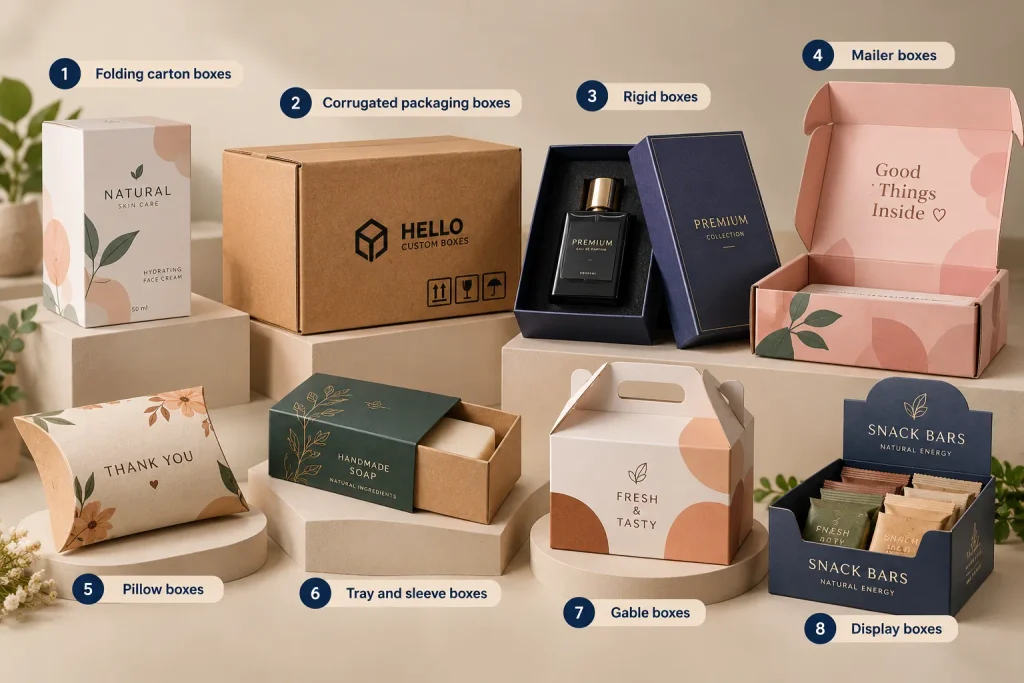
1. Folding carton boxes
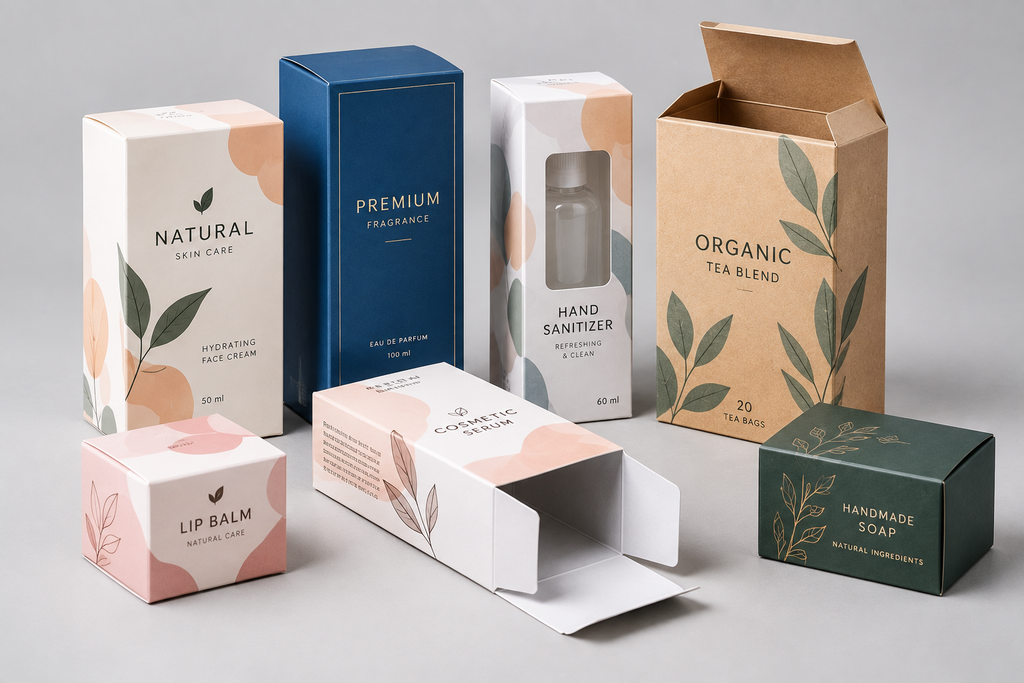
People use different packaging boxes because products behave differently once they leave the warehouse. Some items sit fine in simple cartons, others need stronger boxes to survive shipping, and higher-value products usually end up in sturdier packaging for a reason. In our experience, a bad box choice rarely causes trouble straight away, it shows up later through damaged stock, rising costs, or packaging that never really feels right for what’s inside.
2. Corrugated packaging boxes
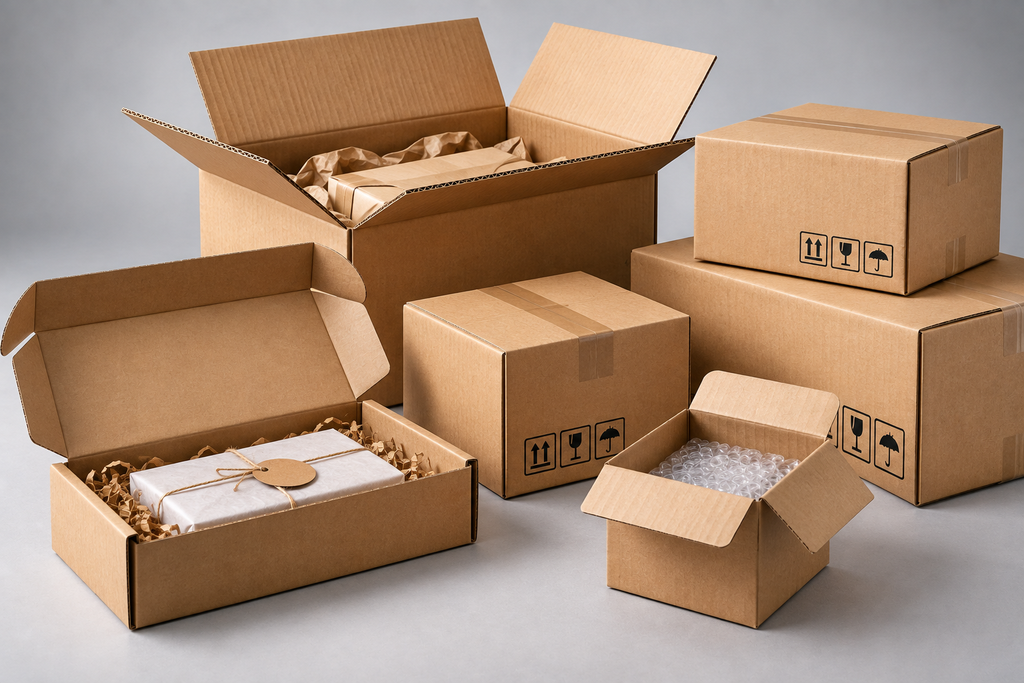
Shipping creates a different set of needs. Once a product moves through couriers and warehouses, strength becomes the priority.
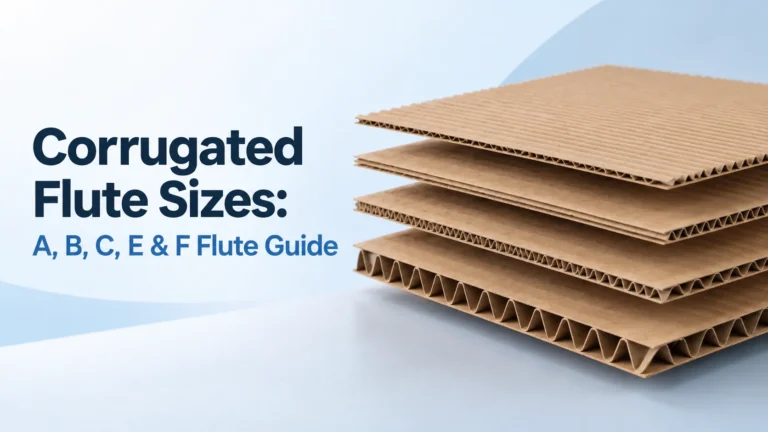
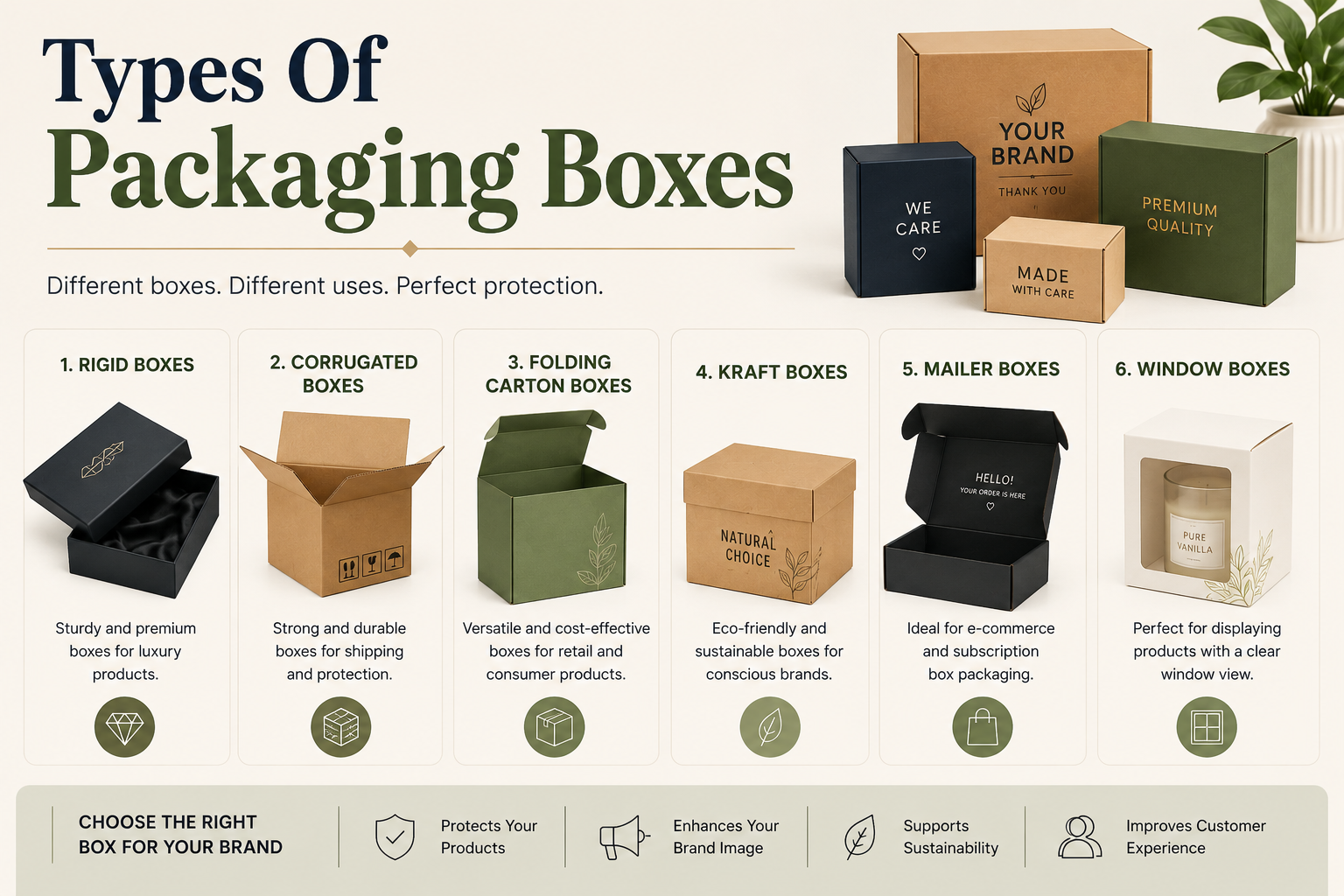
Corrugated boxes are built with layered paperboard to absorb pressure and shock, making corrugated packaging for shipping a reliable choice for transport and storage. These boxes are designed to handle stacking, drops, and long transport routes. They are chosen for protection, not appearance.
Among all packaging box types explained, corrugated boxes exist mainly to prevent damage.
3. Rigid boxes
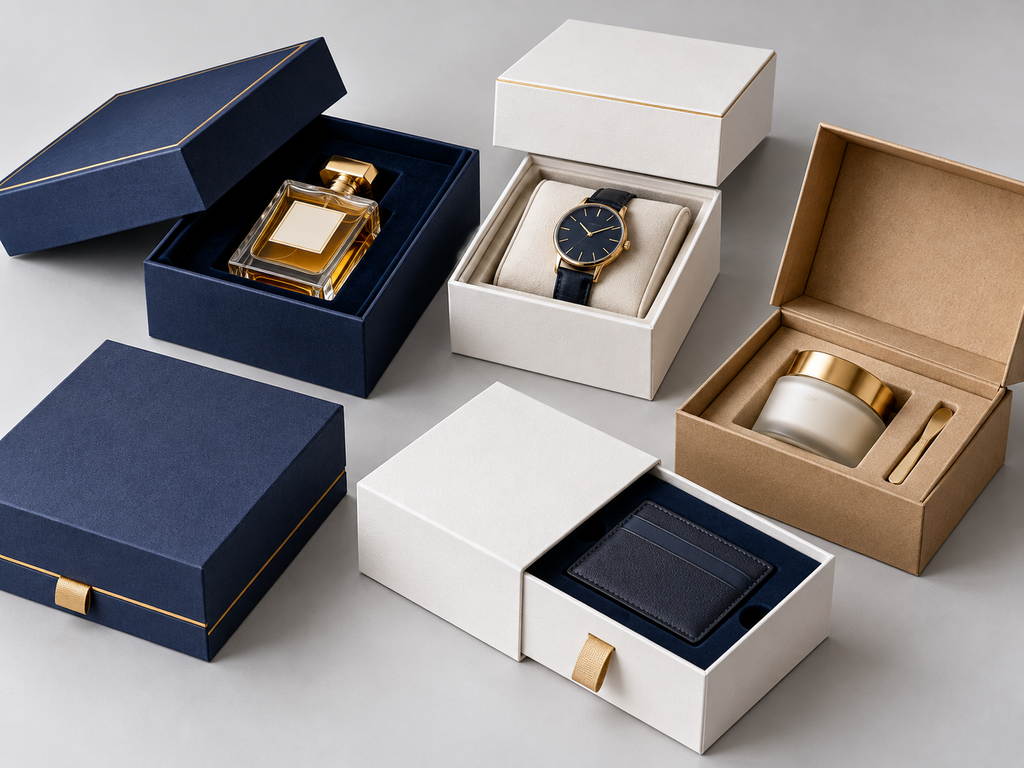
Rigid boxes feel different in the hand. They hold their shape and don’t bend, which already sets a tone before the product is opened. You’ll see them used for electronics and higher-end goods because the packaging itself suggests quality, even though it comes at a higher cost, rigid packaging for premium products is often worth it when first impressions matter.
4. Mailer boxes
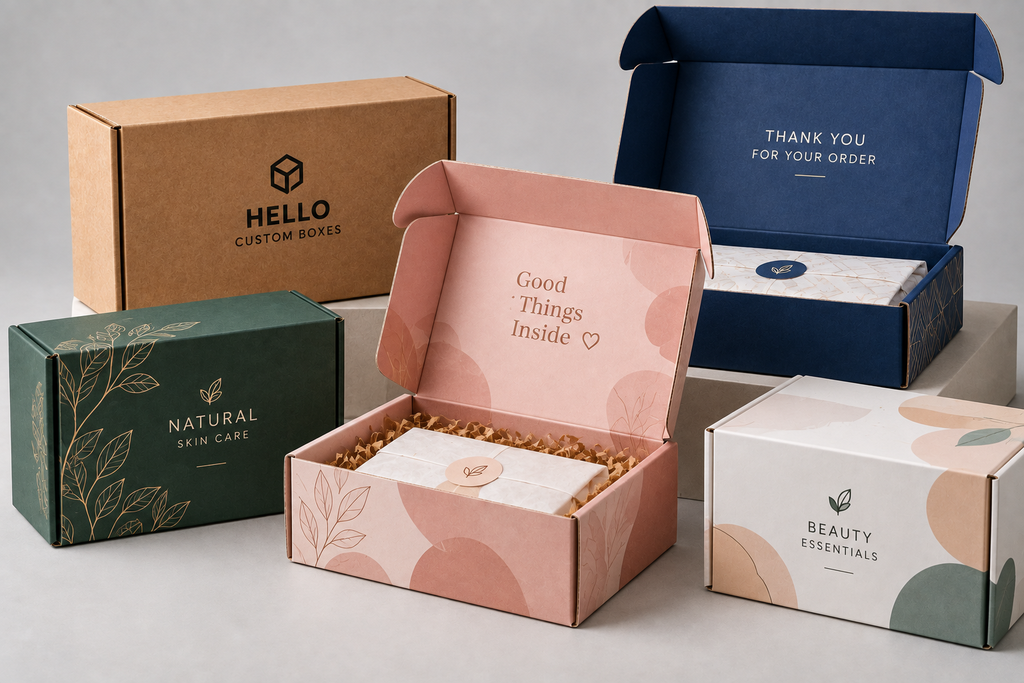
Mailer boxes became popular with the growth of online shopping. They are designed to ship products without an extra outer box.
Many clothing brands, subscription services, and eCommerce businesses rely on mailer packaging. It provides protection while still allowing branding on the box itself, which is why mailer packaging for ecommerce has become a popular choice for direct-to-customer orders. That balance is why mailer boxes appear often in modern different packaging box types discussions.
5. Pillow boxes
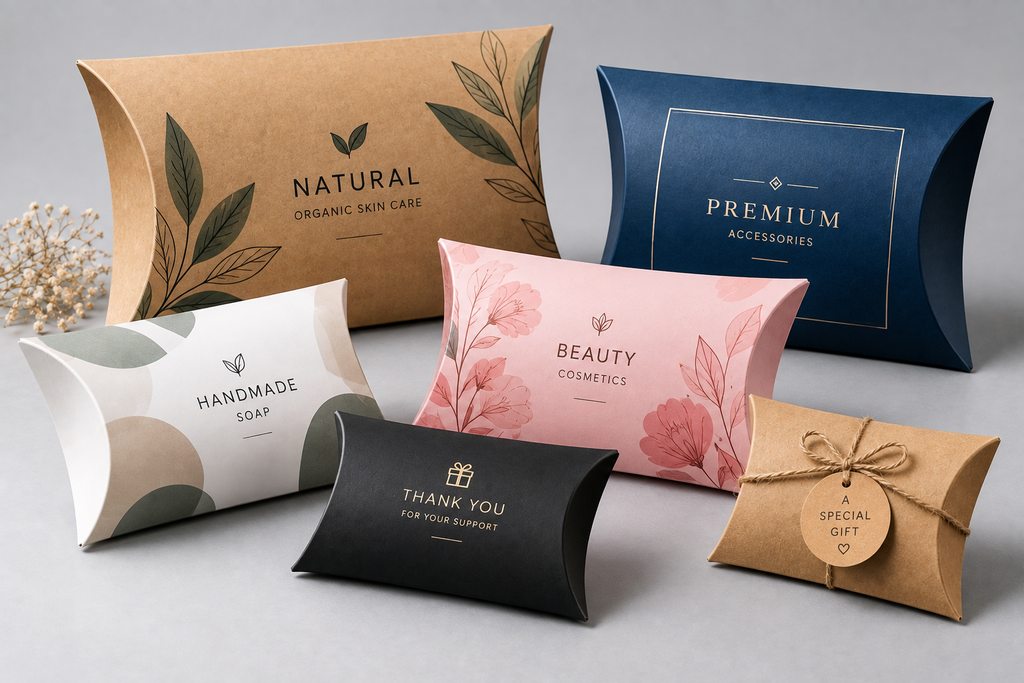
Pillow boxes usually get picked because they look nice, not because they’re strong. That curved shape gives them a softer, almost gift-like feel, which is why people use them for small things like accessories or promo items. They’re fine for that. But once shipping gets rough, they’re the wrong box, and anyone who’s dealt with damaged orders learns that pretty quickly.
6. Tray and sleeve boxes
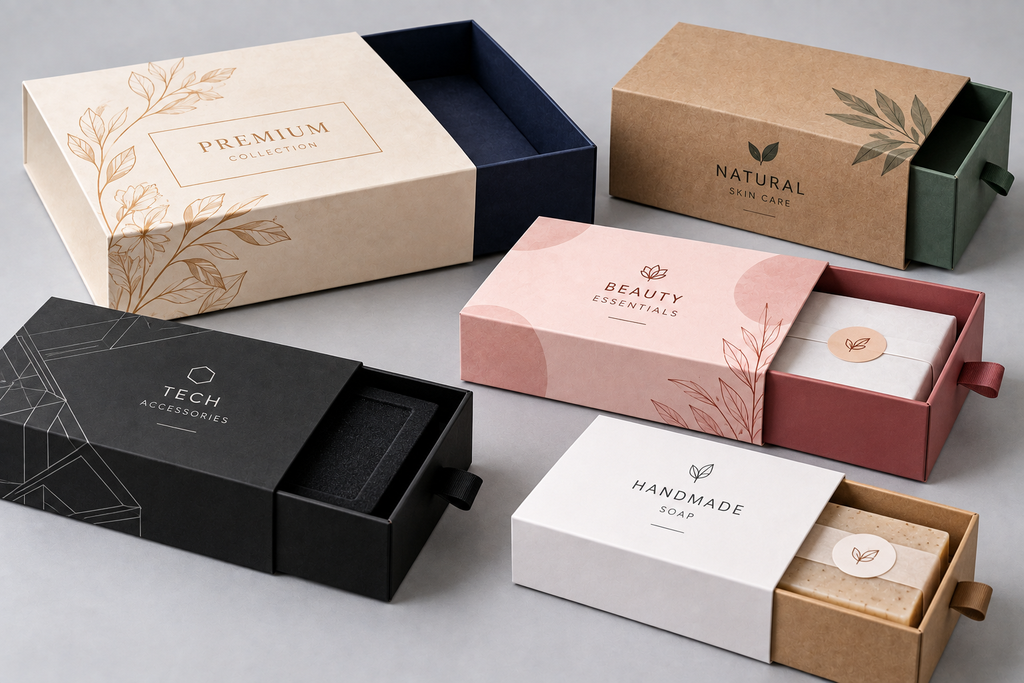
Tray and sleeve packaging works because nothing moves around when it shouldn’t. The product sits in the tray, and the sleeve just slips off when someone opens it. That small motion slows things down a, bit and makes the packaging feel deliberate. You’ll see this setup a lot with soaps, cosmetics, and higher-end retail items, mainly because it feels put together without being overdesigned.
7. Gable boxes
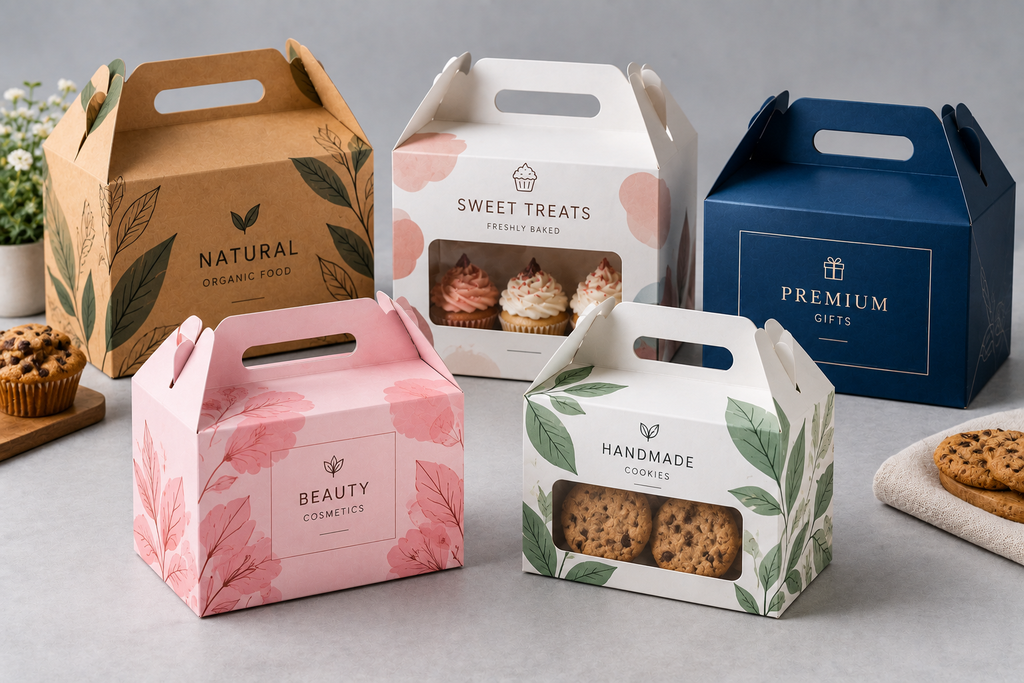
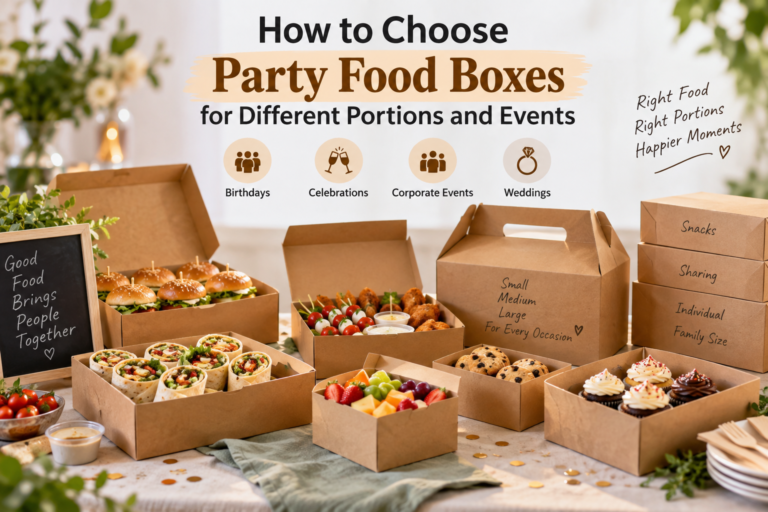
Gable-style packaging boxes are easy to recognize because of the built-in handle. You often see them used for food packaging, events, and takeaway items.
They are convenient to carry and quick to assemble. While they are not suitable for heavy shipping, they serve their purpose well in certain types of packaging boxes where portability matters.
8. Display boxes
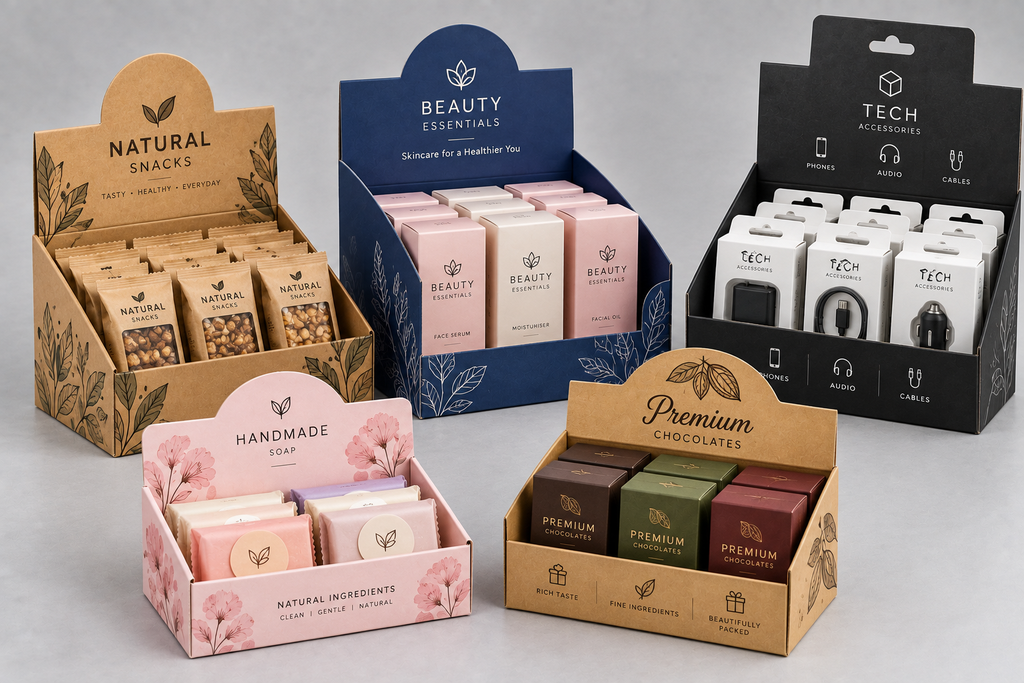
Retail display packaging are designed to keep products visible. They sit on counters or shelves and hold multiple items at once.
They are commonly used for snacks, small retail products, and promotional goods. A good display box encourages sales quietly, without additional marketing.
9. Die-cut packaging boxes
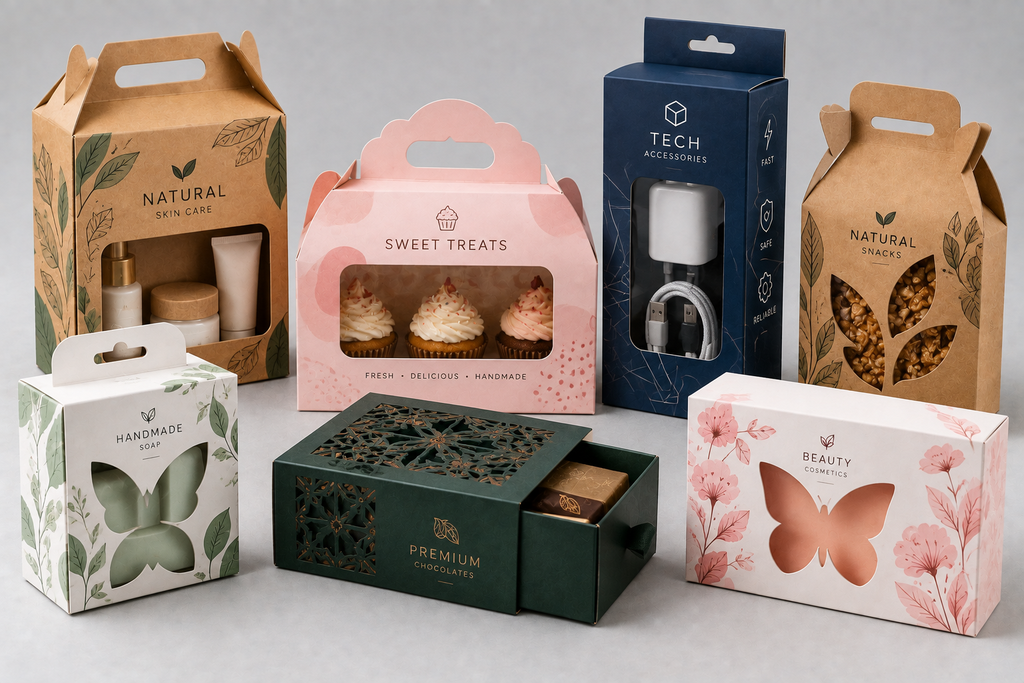
Die-cut boxes allow more flexibility in shape and design. Windows, custom cuts, and locking features help packaging fit products more precisely.
Being able to see a product through a window often builds trust. That is why die-cut packaging design appear across many types of boxes used in packaging, depending on how they are engineered.
Final thoughts
There’s no magic box that fits everything, and anyone who’s dealt with packaging for a while figures that out fast. Weight matters. Distance matters. Storage matters. Budget always matters. You can pick something that looks fine on paper and still end up with damaged stock or higher costs a few weeks later. When the box does its job, nobody notices it at all. When it doesn’t, it’s suddenly the only thing people talk about.