
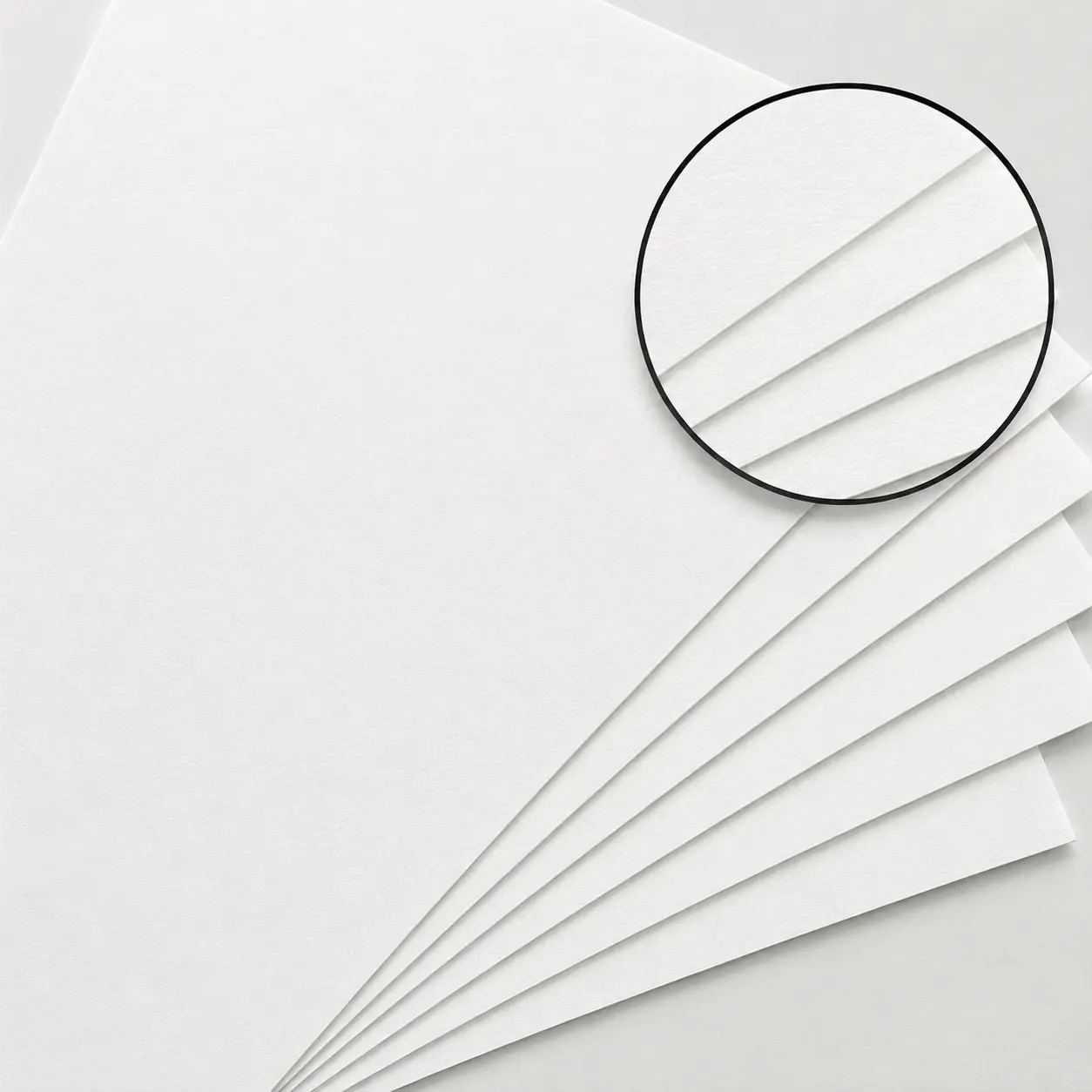
SBS Cardboard
Premium bleached substrate engineered for retail-ready packaging with sharp, high-resolution print performance across bulk SKUs.
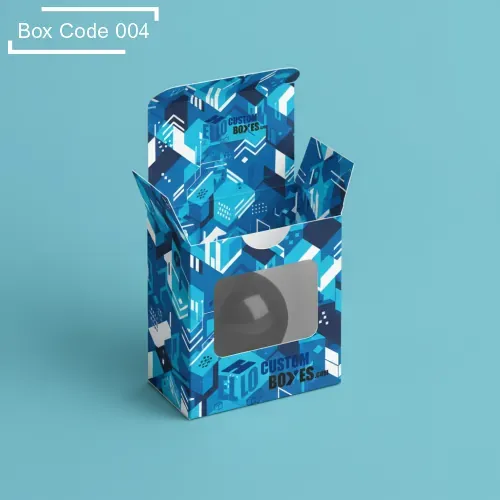
Custom handmade soap boxes are sized around your finished soap bar, wrapping, and required packing clearance. Choose folding cartons, sleeves, window boxes, kraft or printed paperboard, and inserts for individual bars or soap sets. Hello Custom Boxes supplies made-to-order handmade soap packaging with custom printing and wholesale quantities for artisan soap makers, skincare brands, and U.S. retailers.
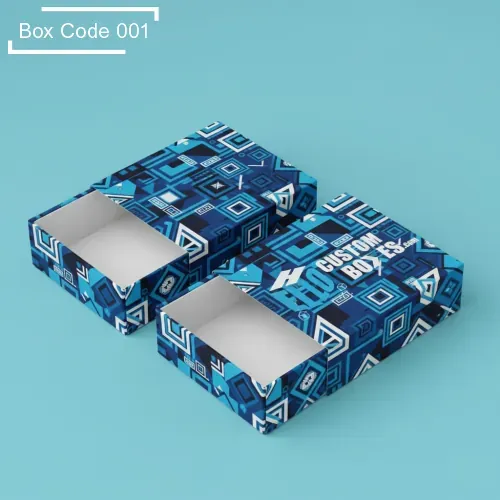
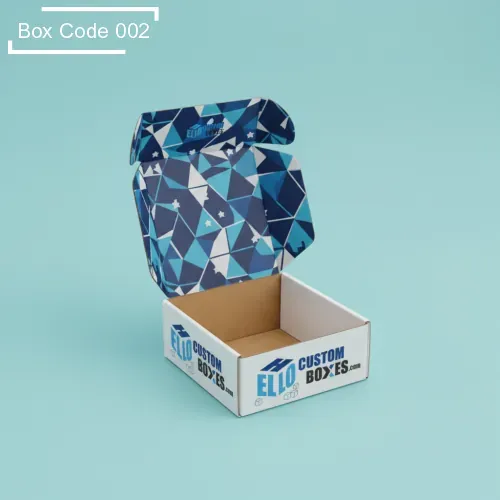
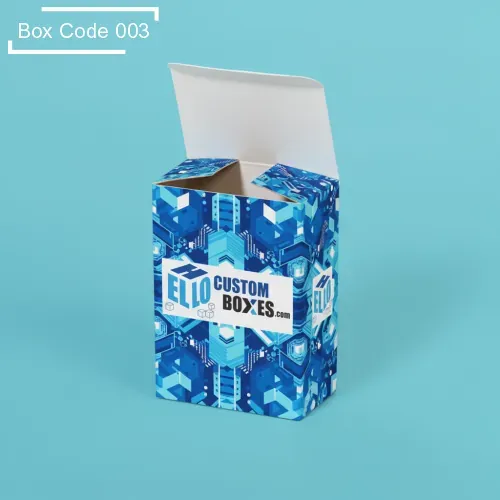
Tell us your specs and we'll send pricing within one business day.
Handmade soap does not always come out in perfectly uniform dimensions. Hand-cut bars, molded shapes, textured tops, and different formulations can create small variations in length, width, or thickness, so the finished bar is a better starting point for the packaging than the mold size alone.
Measure the soap at its widest, longest, and thickest points. If the bar has a raised or decorative top, include that profile when determining the internal depth.
The carton also needs enough clearance for practical packing and removal. Making the box unnecessarily large can allow the bar to move, while an overly tight fit can make packing difficult or interfere with an outer wrapper or label.
For an existing product, provide the dimensions of the soap as it will actually be packed. This gives us a more useful basis for determining the internal box size.
A bare soap bar and a fully wrapped bar of the same nominal size may need different internal carton dimensions.
Paper wraps, labels, belly bands, and cartons provide different ways to package handmade soap, and each can affect the finished dimensions used to size the box.
If your soap will be wrapped before it enters the box, measure the finished wrapped product rather than providing only the dimensions of the unwrapped bar. Tell us whether you use a full wrapper, belly band, label, or another layer as part of the final presentation.
The objective is a practical fit that accommodates the complete packed bar without creating unnecessary empty space.
The right handmade soap packaging structure depends on how much of the product needs to be enclosed, whether it should remain visible, and whether you are packing a single bar or several products together.
Folding cartons provide enclosed packaging with printable front, back, and side panels. They can work well for individual bars sold on retail shelves, through online stores, or as part of a wider skincare range.
The carton dimensions can be adjusted around rectangular, square, and other suitable bar profiles, while the panel layout provides room for branding and supplied product information.
A sleeve can cover part of the soap or its existing wrapper while leaving other areas visible. This can be useful when the appearance, color, or texture of a handmade bar contributes to its presentation.
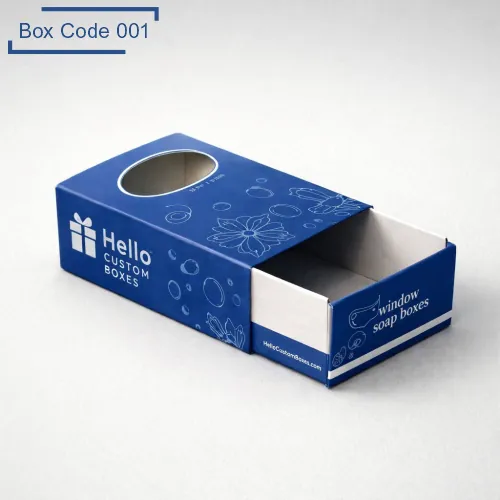
A die-cut window provides another way to show part of the product while retaining more of an enclosed carton structure. Window size and position should be planned around the soap, artwork, folds, and available panel space rather than added after the box layout has been finalized.
Two-piece, tray-and-sleeve, and other presentation structures can be considered for soap sets, seasonal collections, or gift packaging.
For multiple bars, the overall box should be planned around the complete arrangement rather than simply increasing the dimensions of a single-bar carton. Product count, bar orientation, spacing, and any internal components all affect the finished box size.
Not every handmade soap box needs an insert.
A well-sized folding carton for a single rectangular bar may already provide the positioning required for its intended use. Adding an insert in that situation can increase material and assembly without solving a meaningful packing problem.
Inserts become more useful when several soaps need defined positions, when different products are combined in a gift set, or when a presentation structure requires the contents to remain arranged in a particular way.
The insert and outer box should be designed together. Its thickness, openings, spacing, and product arrangement all influence the internal dimensions of the finished package.
If you are unsure whether one is necessary, start with the products and desired arrangement rather than specifying an insert automatically.
Material selection should follow the box structure, soap dimensions, packed weight, printing requirements, presentation, and how the finished package will be handled.
SBS or other suitable paperboard options provide a smooth printing surface for folding cartons where detailed branded artwork is important.
Kraft paperboard provides a natural board appearance. Because colors and lighter artwork can reproduce differently on kraft than on a white printing surface, the artwork should be planned for the selected stock.
Corrugated board is more relevant where additional structural support is required for shipping packs, larger sets, or multiple products rather than a typical lightweight single-bar retail carton.
Rigid board can be considered for presentation and gift packaging where a more substantial construction is part of the intended format.
The best option depends on the complete pack rather than assuming one board is suitable for every handmade soap product.
You can also explore our broader custom soap packaging options when developing packaging for several soap formats or product lines.
A compact soap carton has limited panel space, so the artwork should establish which information needs the most visibility before decorative finishes are selected.
The front panel may prioritize the brand, soap name, scent, or variant, while the remaining panels can accommodate additional product information supplied in your artwork. Depending on your product and labeling requirements, this might include ingredients, net weight, directions, warnings, barcode, or maker information.
The box dieline also affects artwork placement. Logos and important text should be kept clear of cut lines, folds, closure areas, windows, and other structural features.
Custom printing can incorporate brand colors, patterns, illustrations, and other supplied artwork. Finishes such as foil, embossing, debossing, Spot UV, or matte and gloss treatments can also be considered where compatible with the selected material and design.
For handmade products, the goal does not have to be adding as many finishes as possible. A simple printed carton, kraft surface, or carefully positioned window may suit the product better depending on the intended presentation.
You do not need to know every packaging specification before requesting a quote. The finished soap bar is the most useful place to start.
Provide the bar’s length, width, and thickness at its maximum points. If the soap will already be wrapped or labeled before boxing, provide its finished packed dimensions instead.
It also helps to tell us:
If you already have packaging that fits correctly, an existing box, dieline, or physical product sample can also provide a useful reference.
Hello Custom Boxes can use these details to review the required dimensions, structure, material, printing, and internal arrangement for your handmade soap packaging.
| Specification | Available Options |
|---|---|
| Size | Made around finished soap or wrapped-bar dimensions |
| Formats | Folding cartons, sleeves, window boxes and presentation boxes |
| Pack Type | Individual bars or multi-product sets |
| Materials | Paperboard, kraft, corrugated and rigid options |
| Printing | Custom brand artwork and printed designs |
| Windows | Available where compatible with the structure |
| Inserts | Available for product positioning and sets |
| Artwork | Prepared according to the approved box dieline |
| Quantity | Custom and wholesale order quantities |
Choose from practical materials, print methods, inks, finishes, and add-ons for a better product presentation.
Premium bleached substrate engineered for retail-ready packaging with sharp, high-resolution print performance across bulk SKUs.
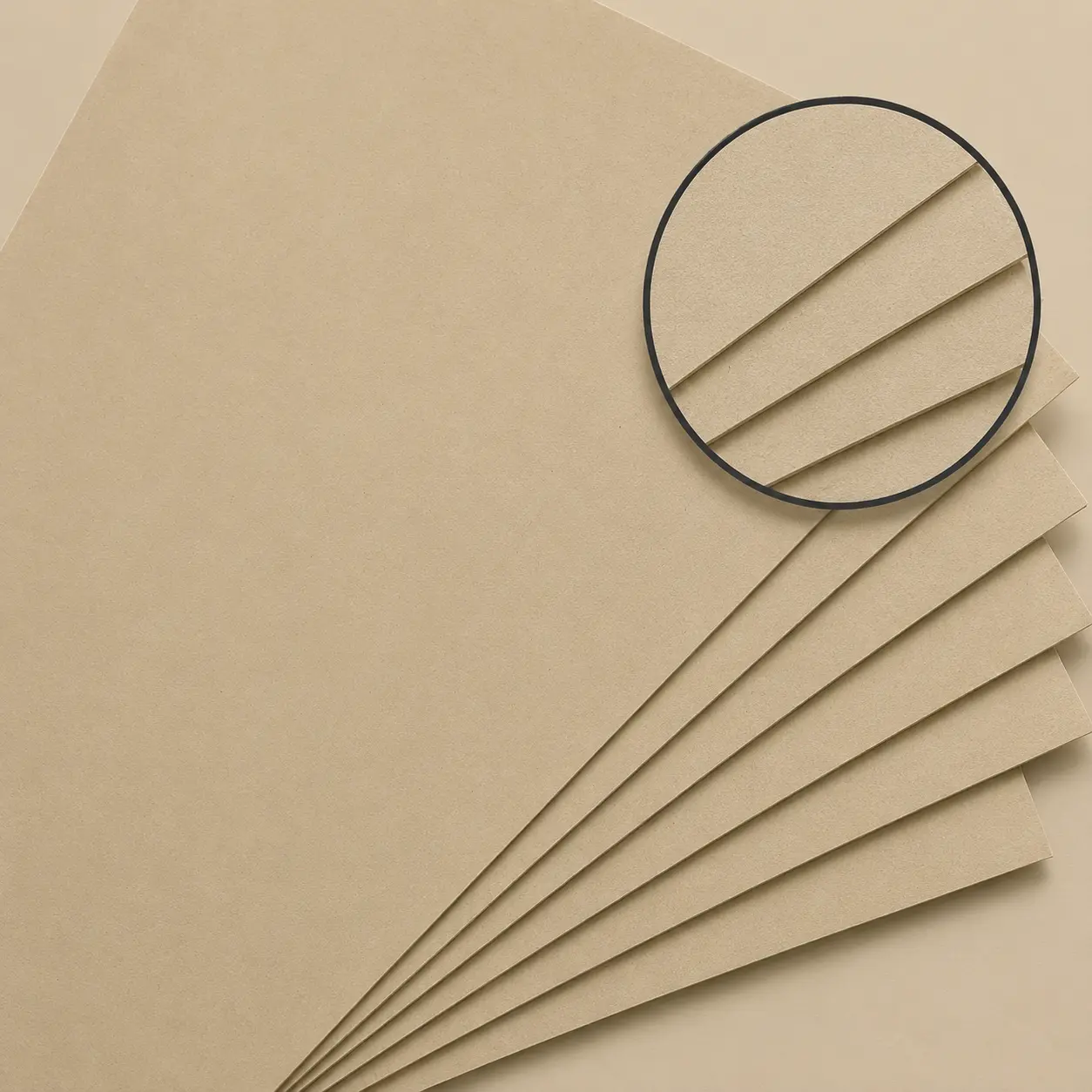
High-density rigid board built for wholesale cartons, structural strength, and stack-ready warehouse logistics.
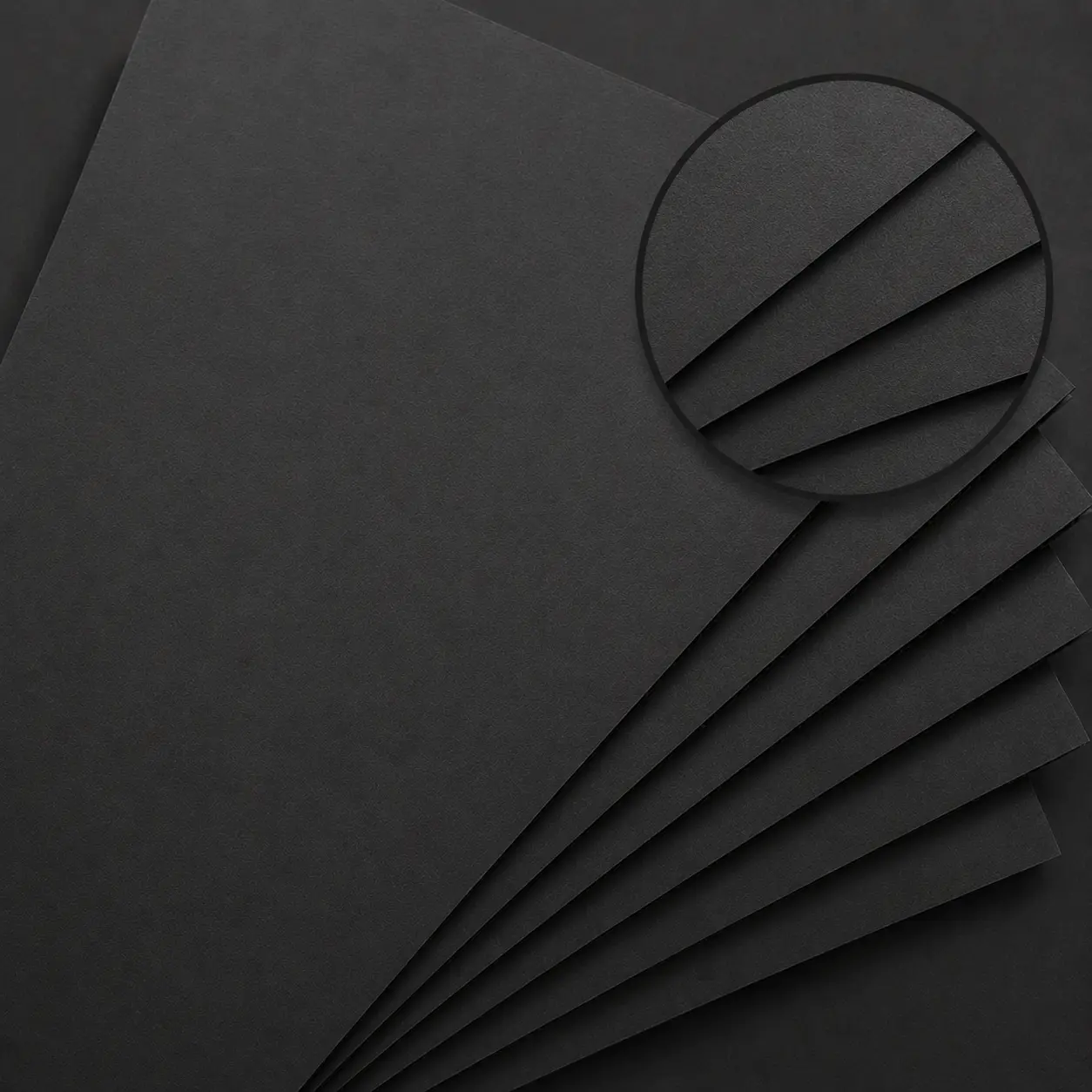
Eco-conscious black kraft for premium unboxing programs, corporate gifting, and limited-edition product lines.
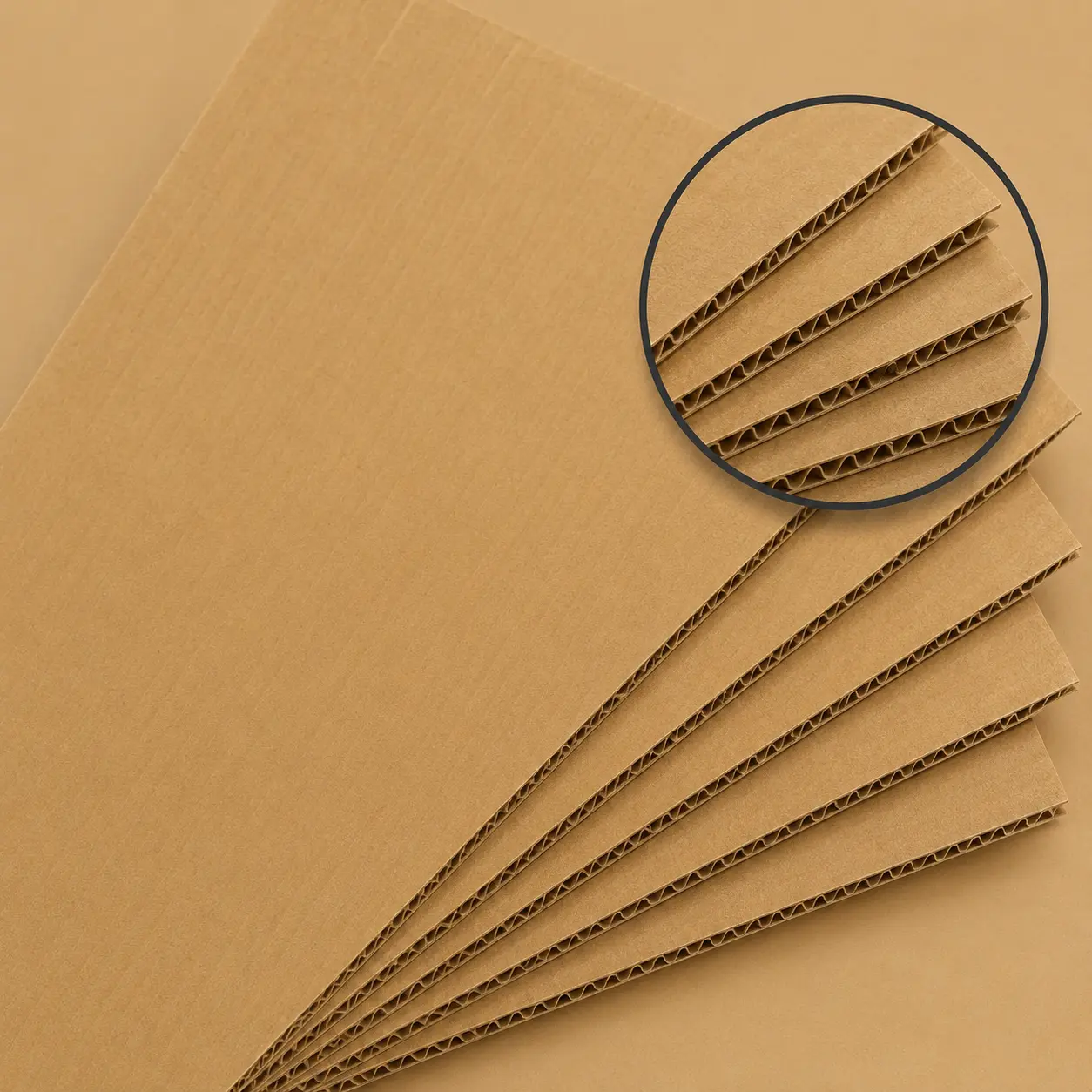
Multi-flute corrugated board built for protective shipping, e-commerce dispatch, and high-volume B2B fulfillment.
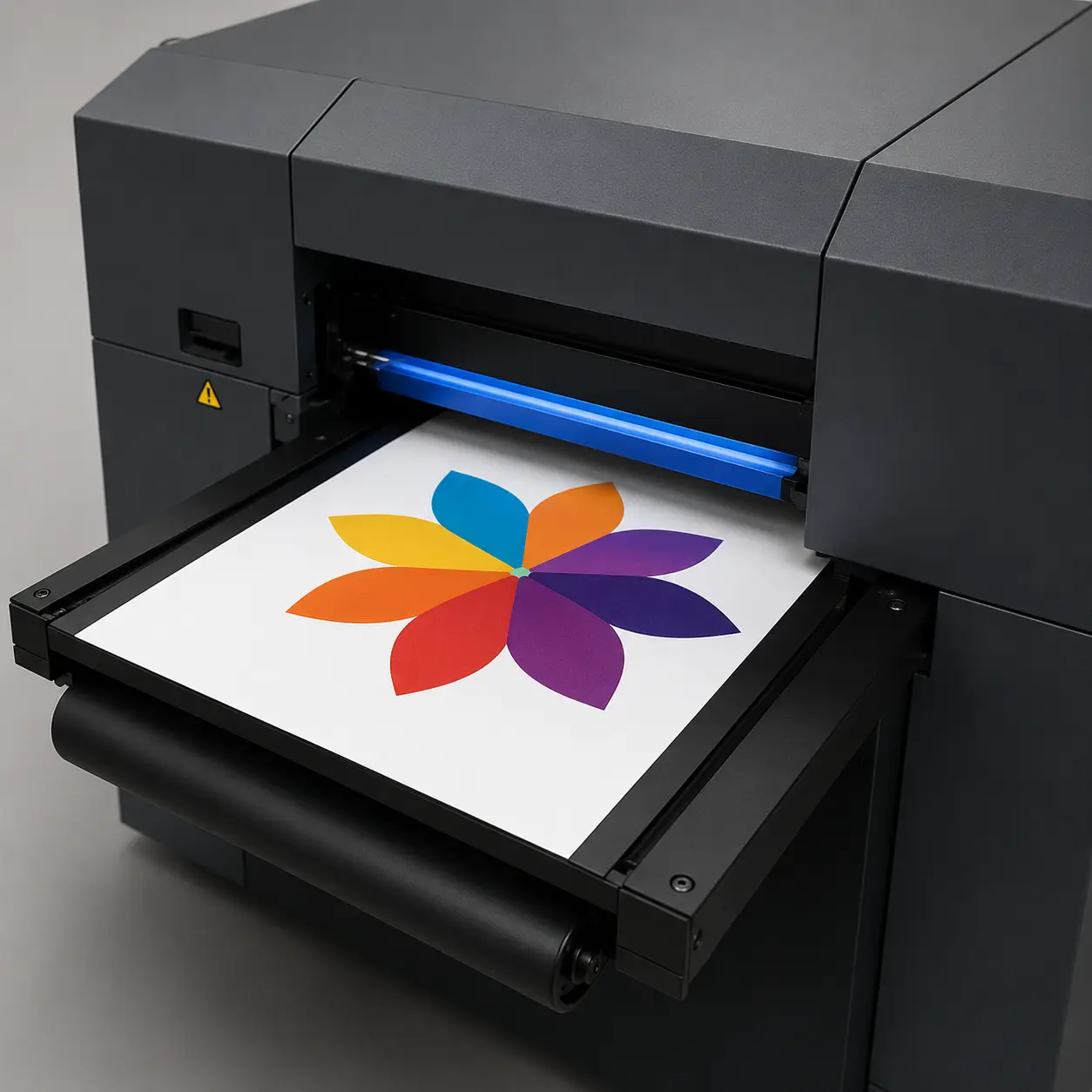
Short-run digital printing with no plate setup — ideal for prototypes, sample approvals, and quick reorders.
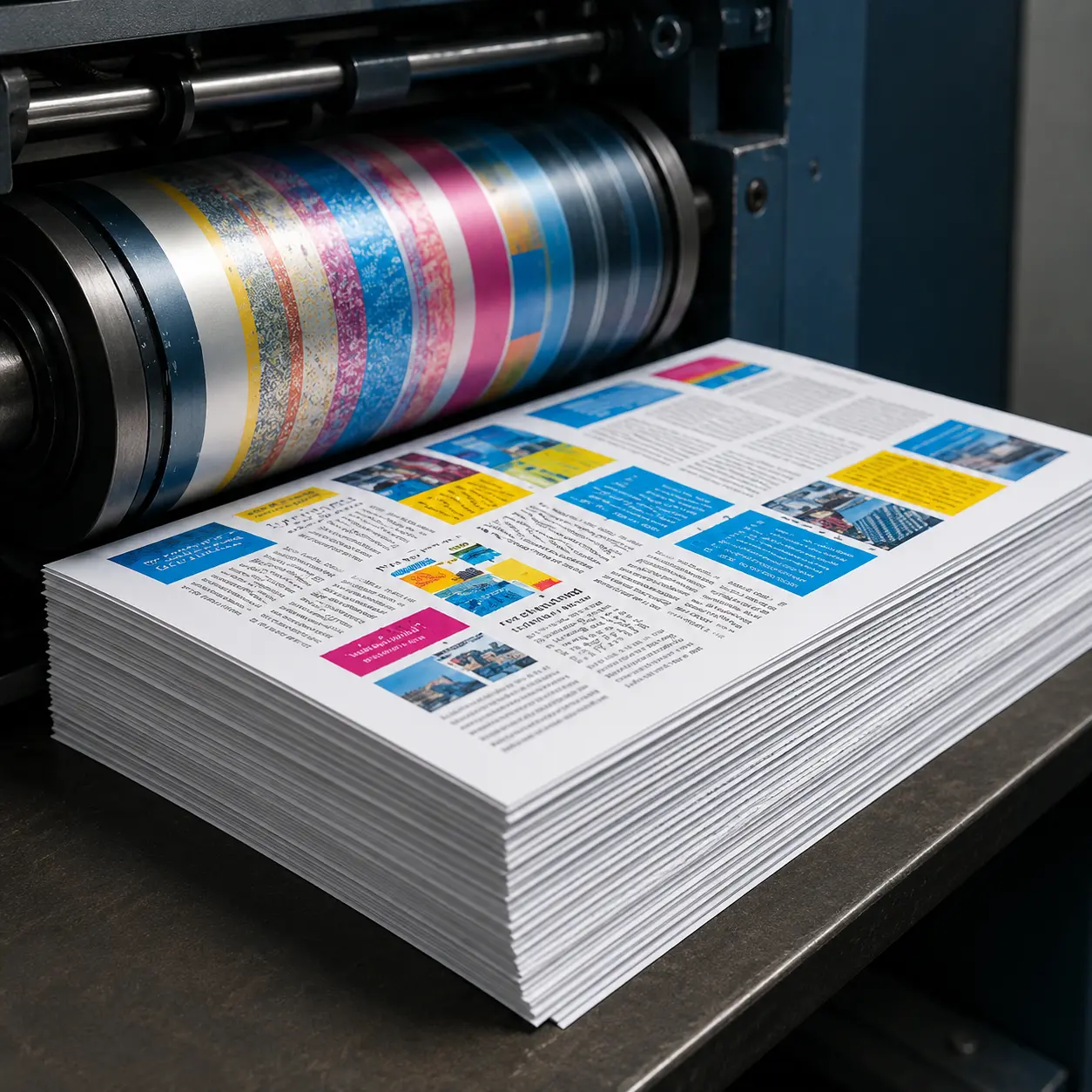
Industry-standard offset printing for high-volume runs with consistent color matching across bulk production.

Selective dimensional embellishment for premium B2B branding, tactile depth, and shelf differentiation.

Vibrant UV-cured printing suited for promotional packaging, event giveaways, and trade-show units.
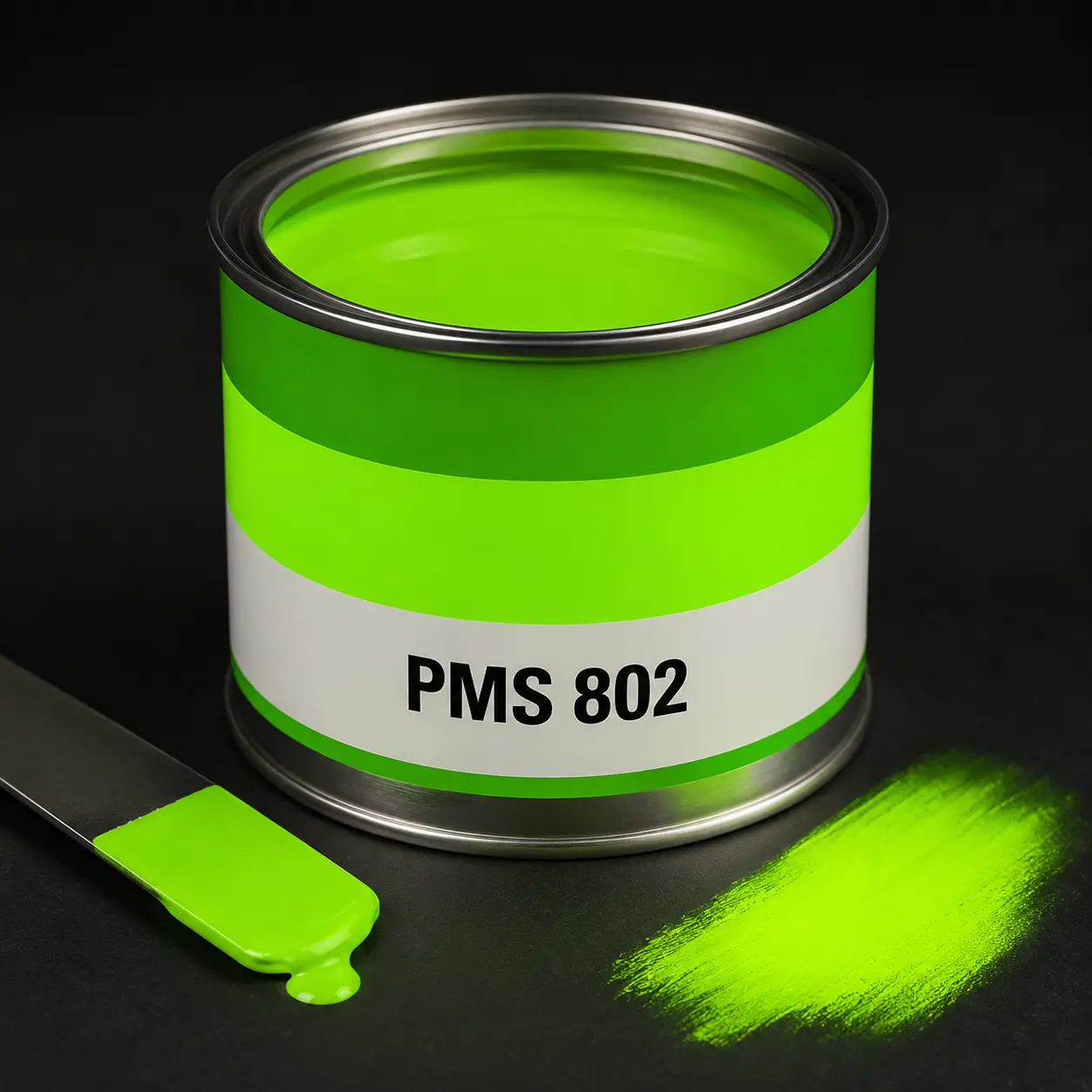
High-visibility ink system engineered for shelf impact, retail displays, and wholesale point-of-sale units.
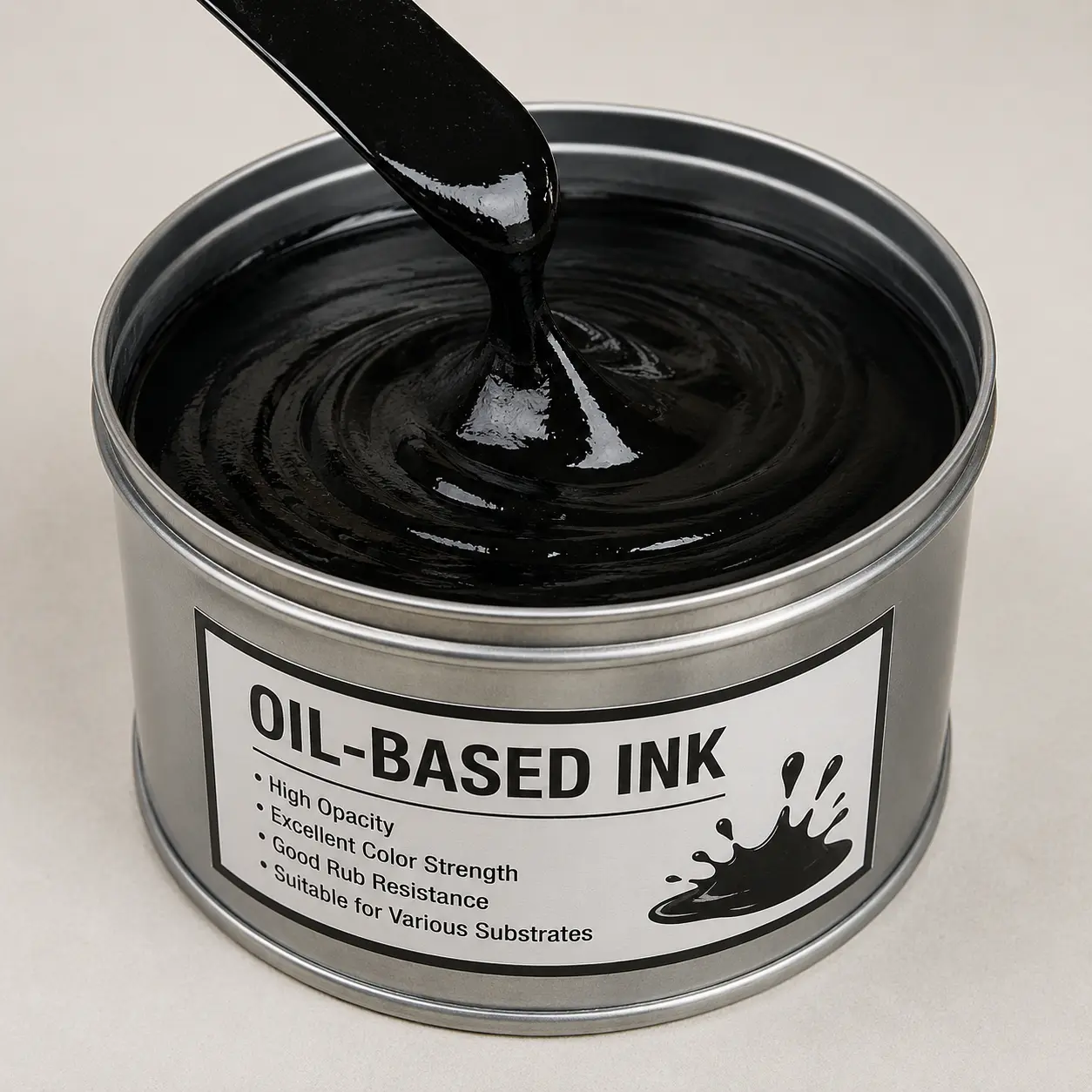
Industry-grade ink for durable, scuff-resistant production runs across long-haul distribution.

Spot-color matching to corporate brand standards — consistent identity across every SKU and reorder.

Sustainable plant-based ink for eco-certified packaging programs and ESG-aligned product launches.

Protective film extends shelf life and protects packaging during shipping and warehouse handling.

Water-based protective seal — fast-drying, food-safe-friendly finish for high-volume bulk production.

Premium tactile finish that elevates corporate gifting boxes and high-end B2B product lines.

Highlight logos and key artwork with selective gloss for maximum retail brand recognition.

Raised brand marks for tactile, premium identity on retail shelves and corporate packaging.

Pressed impressions for subtle, sophisticated branding on premium B2B product lines.

Metallic foil application — gold, silver, and custom finishes for luxury wholesale packaging.
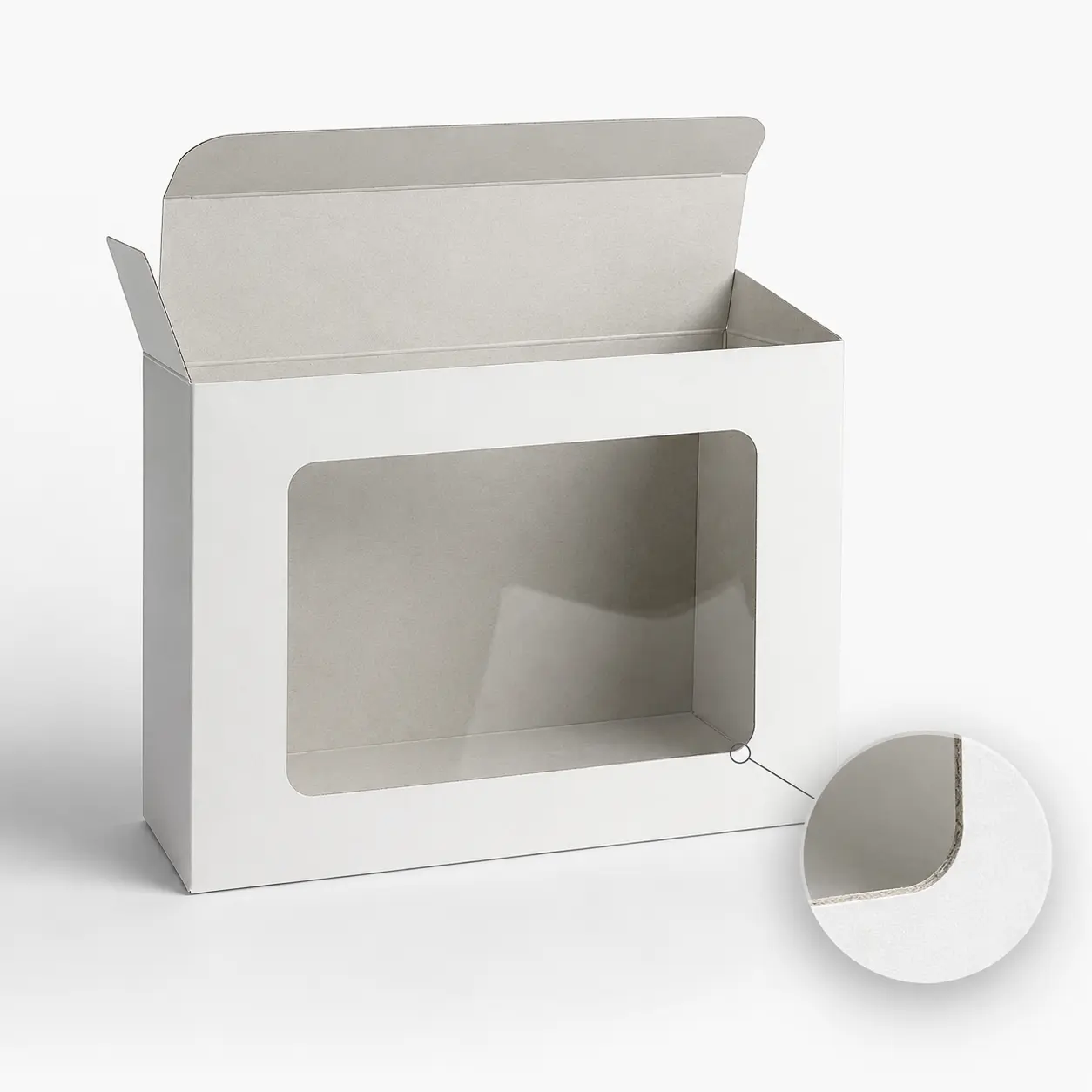
Precision die-cut openings that let customers view the product inside, with optional clear patching for better protection and presentation.
Simple, practical, and built around real B2B production needs.
Send product size, quantity, material preference, artwork, and delivery details.
Our team prepares a proof or 3D mockup so you can check design and structure.
Once approved, your packaging moves into printing, cutting, finishing, and packing.
Finished boxes are packed and shipped to your warehouse, retailer, or 3PL.
Explore similar packaging options that may fit your product line.



Reviews
There are no reviews yet.