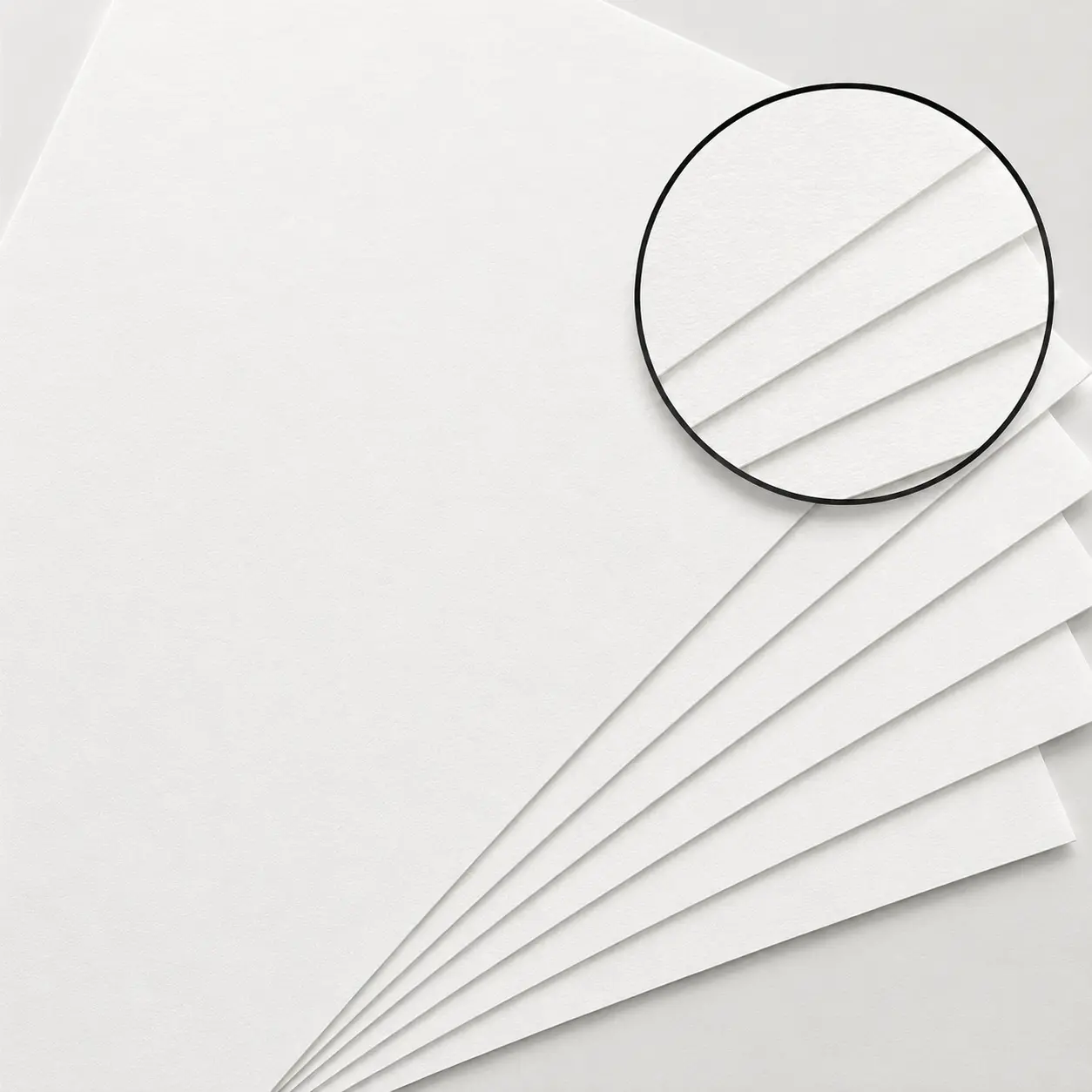
SBS Cardboard
Premium bleached substrate engineered for retail-ready packaging with sharp, high-resolution print performance across bulk SKUs.
Vests look neat when freshly folded, but they lose that clean shape quickly in weak packaging. These custom vest boxes keep the garment steady, stop the shoulders from curling, and protect the fabric from shifting during transit. Whether you sell lightweight cotton vests, thermal pieces, premium modal fabrics, or multipacks, this packaging helps each vest reach customers looking fresh and properly prepared.


Tell us your specs and we'll send pricing within one business day.
There’s a moment every apparel brand knows well.
You fold a vest neatly, align the straps, flatten the hem, and the garment looks perfect. Then it moves through a few steps — packing, storing, shipping — and the shape starts changing. The strap edge curls slightly. The center fold gets softer. The fabric shifts inside the sleeve or box just enough to look “handled.”
When a customer opens the package, they don’t think about warehouse pressure or courier bumps.
They only see whether the vest looks new.
If it doesn’t, even the highest quality fabric feels less impressive.
And that’s exactly where proper custom vest boxes and packaging steps in — not as decoration, but as protection.
For brands already using structured apparel boxes, the difference is visible immediately. Shape holds. Presentation stays consistent.
Vests seem simple compared to shirts or jackets, but they behave unpredictably inside packaging.
Common issues include:
And because vests are often sold in multipacks or fast-moving retail categories, any packaging mistake becomes obvious to customers the moment they open the box or sleeve.
We start with the vest itself — not the packaging template.
Different vest types require different structures:
We engineer your packaging based on real product behavior:
Our designs keep vest shape intact, maintain clean folds, and prevent the garment from taking on unwanted pressure marks.
If your brand prefers eco packaging, we use recyclable board options available in our eco-friendly boxes range without compromising structural integrity.
The standard choice for retail.
Strong, clean, and practical for fast-moving apparel lines.
Great for premium vests, branded gift sets, and online subscriptions.
The drawer motion keeps the folded shape secure.
Used for luxury vests or curated apparel collections.
A strong structure ensures the garment doesn’t compress under warehouse stacking.
Popular with sustainable brands or organic vest lines.
We select kraft stock smooth enough to avoid fiber transfer onto fabric.
For retail displays where cut, fabric texture, and strap shape matter.
Anti-static windows prevent fabric from lifting or sticking.
Separately spaced compartments help prevent compression marks in multipacks.
Each box style is tailored around your garment type, fold method, and intended sales channel.
Vest packaging succeeds when the quiet technical details are right.
Key engineering choices include:
Small decisions like these make the difference between a product that feels fresh and one that feels carelessly handled.
We’ve crafted packaging for brands selling:
One truth repeats across all apparel categories:
Customers judge the product by how it looks inside the packaging.
If the garment appears clean, balanced, and neatly folded, trust forms instantly.
Good packaging protects your product — but it also protects your brand.
Here’s what you gain:
Presentation is a major part of value — especially in apparel.
Step 1: Product Study
We look at fabric behavior, strap length, fold thickness, and print placement.
Step 2: Structure Selection
We recommend a box based on how your vest behaves during folding and transit.
Step 3: Artwork Support
We help align graphics so they don’t warp at folds or tension points.
Step 4: Production
Clean scoring, smooth interiors, and balanced structure.
Step 5: Delivery
Boxes shipped flat or assembled depending on your workflow and style.
Specifications |
|
|---|---|
| Materials | Premium cardboard stock, rigid board, kraft board, recyclable paperboard, moisture-resistant board |
| Sizes | Small, Medium, Large, custom (based on vest fold style and fabric thickness) |
| Styles | Folding carton, rigid box, drawer style, sleeve box, window display box, multi-vest set box |
| Inks | CMYK, Pantone (PMS), eco soy-based inks |
| Coatings | Matte lamination, soft-touch coating, gloss finish, spot UV, moisture-resistant coating |
| Closure | Tuck-in tab, magnetic flap, sleeve closure, drawer slide, rigid lift-off lid |
| Windows / Venting | Optional die-cut window, PET transparent film window, or fully closed structure |
| MOQ | Typically from 1,000 units (custom depending on specification) |
| Lead Time | 10–15 days depending on design complexity and order volume |
| Certifications | FSC®, REACH, RoHS (available upon request) |
Choose from practical materials, print methods, inks, finishes, and add-ons for a better product presentation.
Premium bleached substrate engineered for retail-ready packaging with sharp, high-resolution print performance across bulk SKUs.
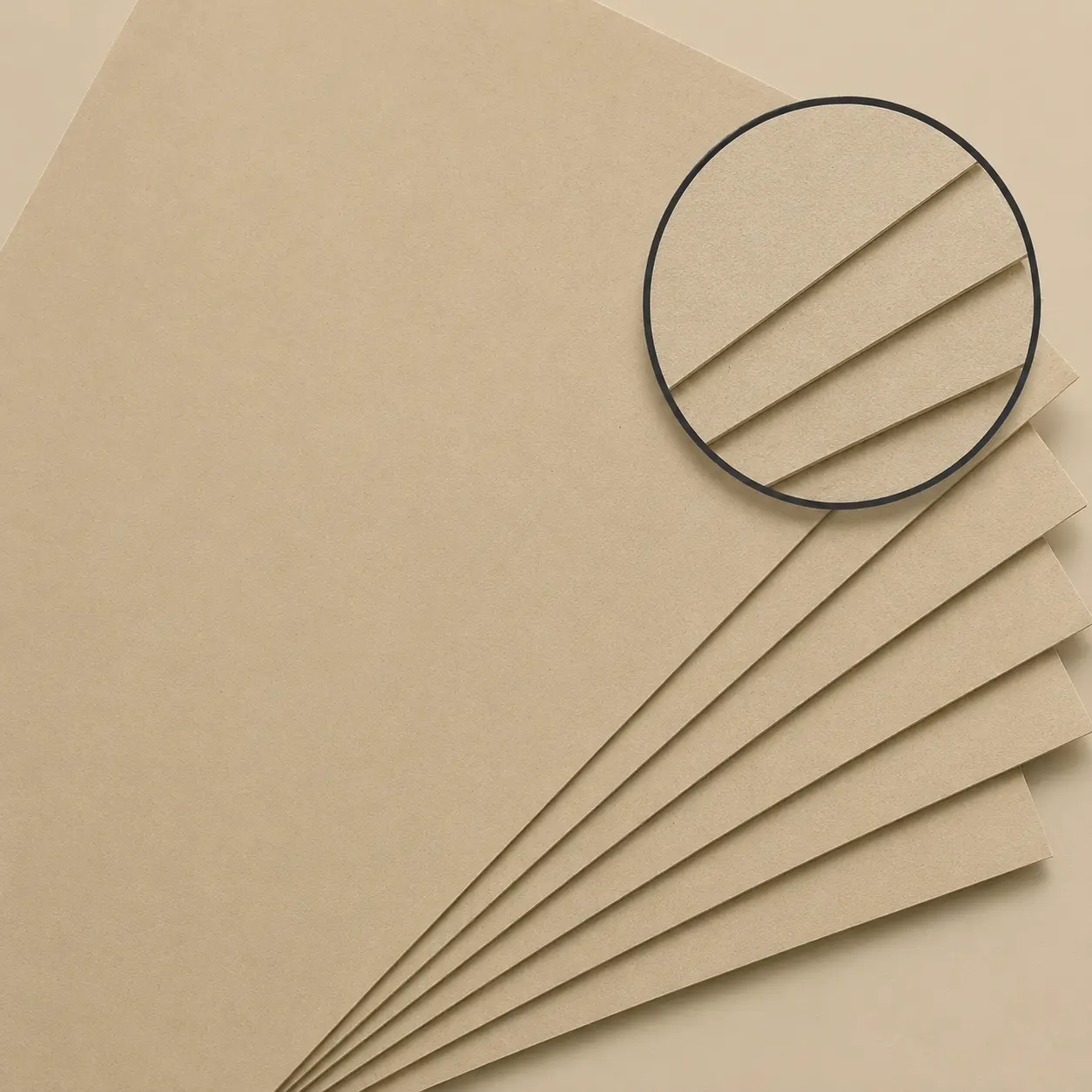
High-density rigid board built for wholesale cartons, structural strength, and stack-ready warehouse logistics.
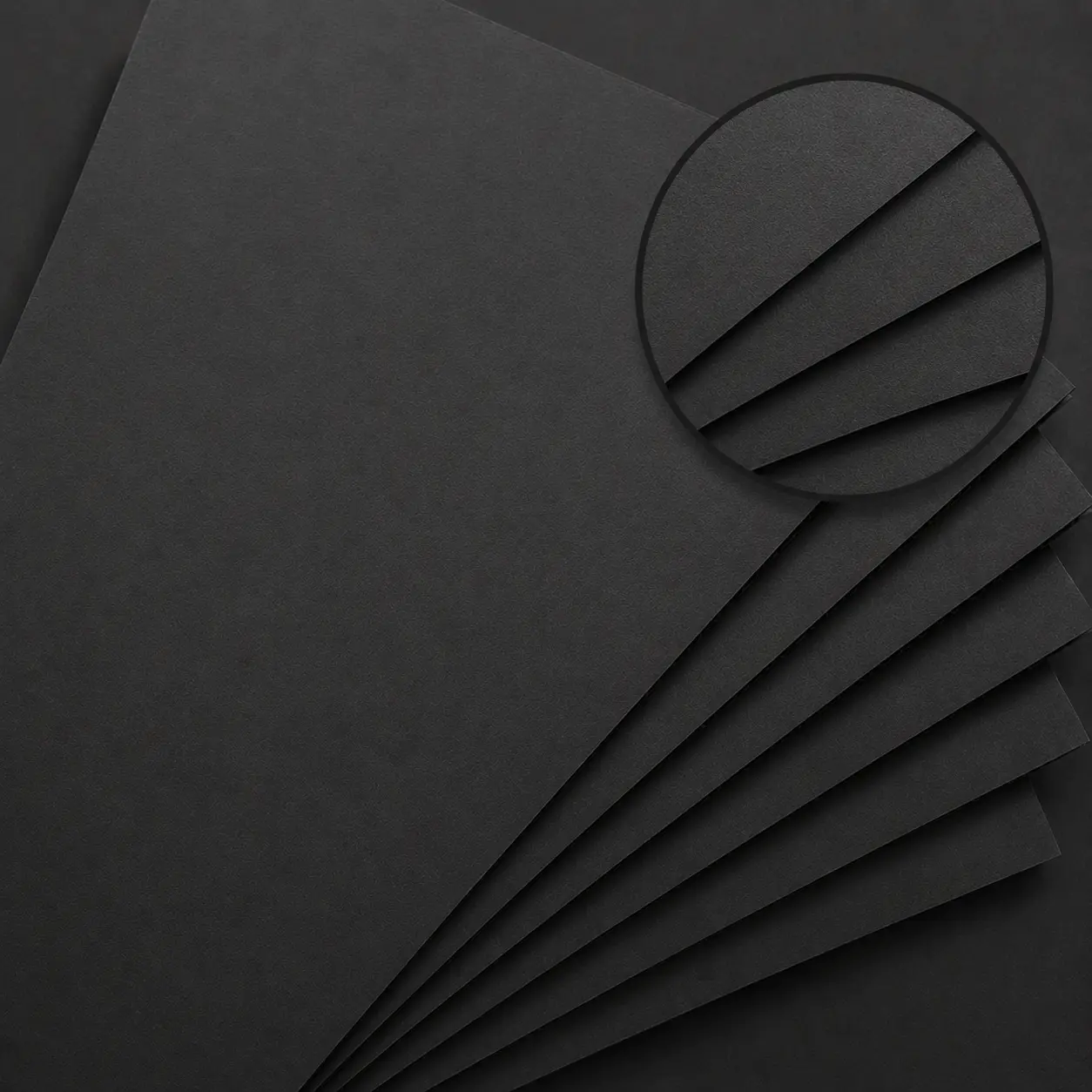
Eco-conscious black kraft for premium unboxing programs, corporate gifting, and limited-edition product lines.
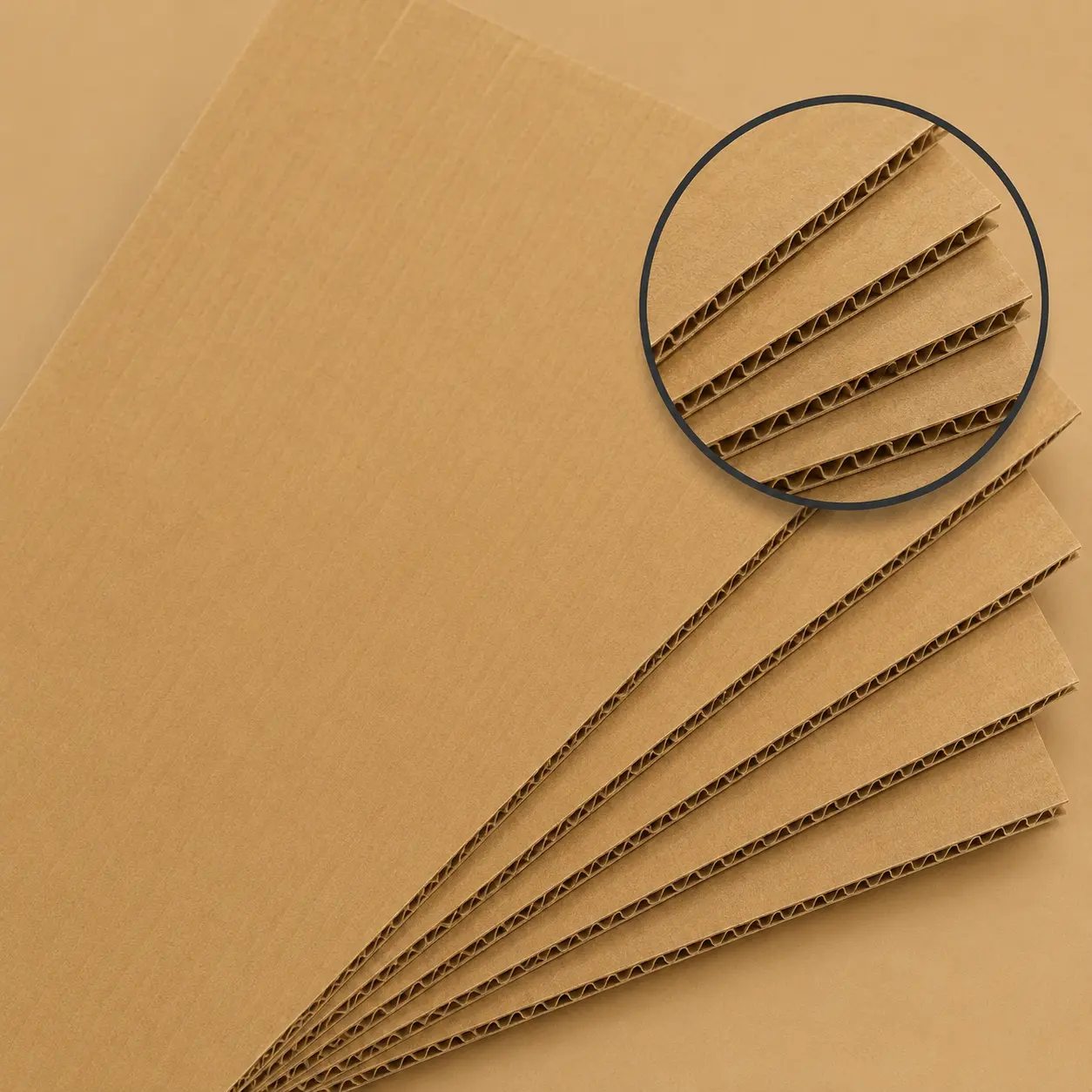
Multi-flute corrugated board built for protective shipping, e-commerce dispatch, and high-volume B2B fulfillment.
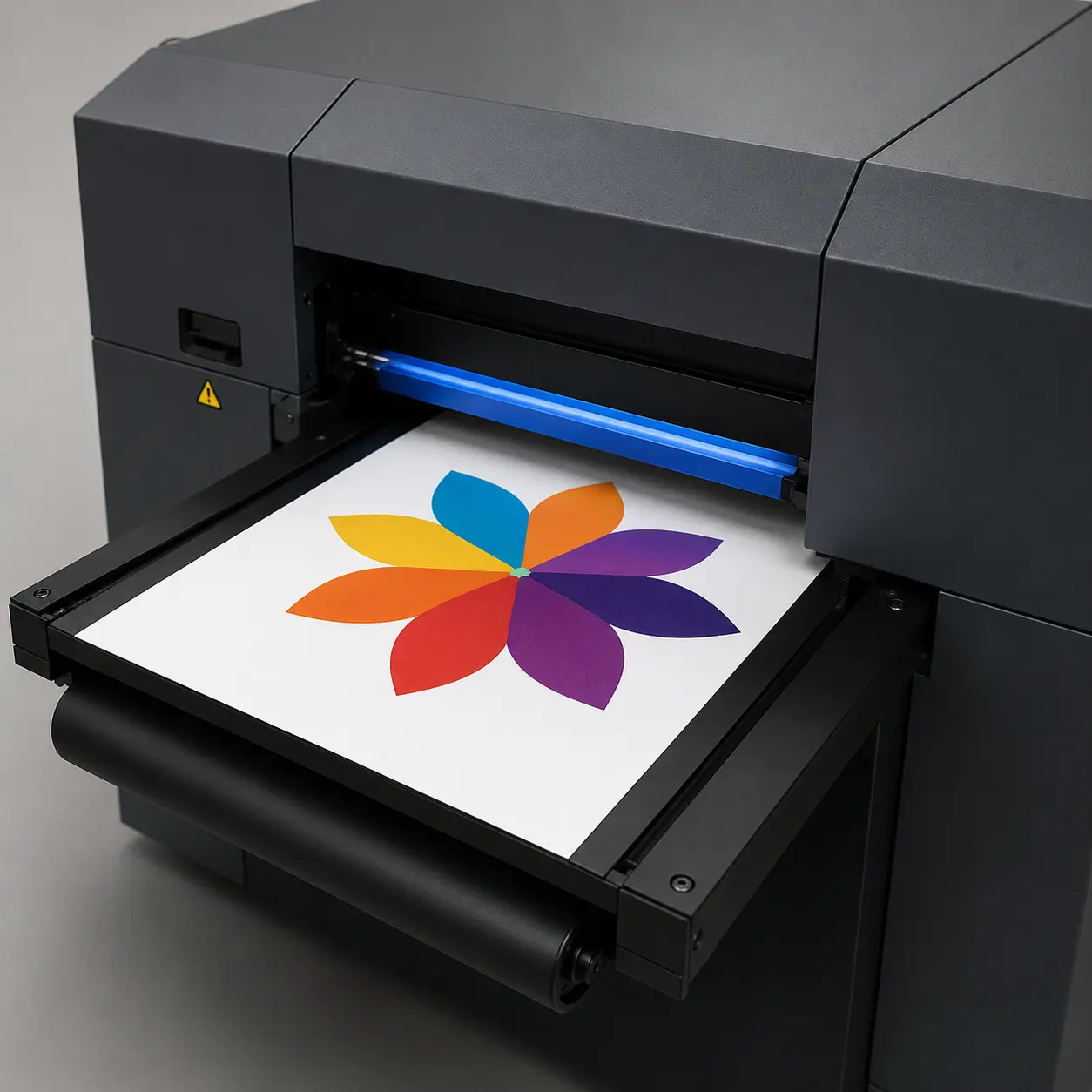
Short-run digital printing with no plate setup — ideal for prototypes, sample approvals, and quick reorders.
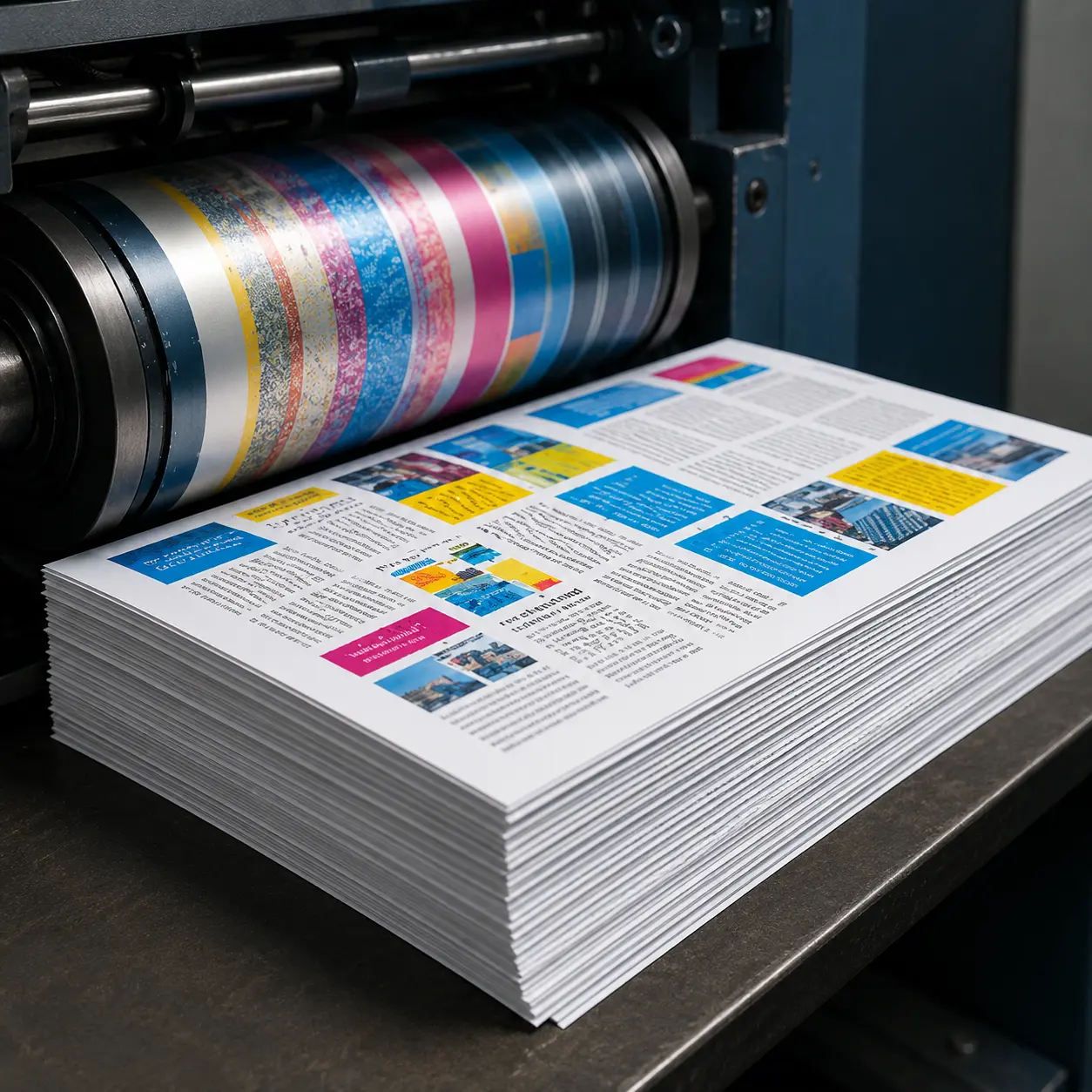
Industry-standard offset printing for high-volume runs with consistent color matching across bulk production.

Selective dimensional embellishment for premium B2B branding, tactile depth, and shelf differentiation.

Vibrant UV-cured printing suited for promotional packaging, event giveaways, and trade-show units.
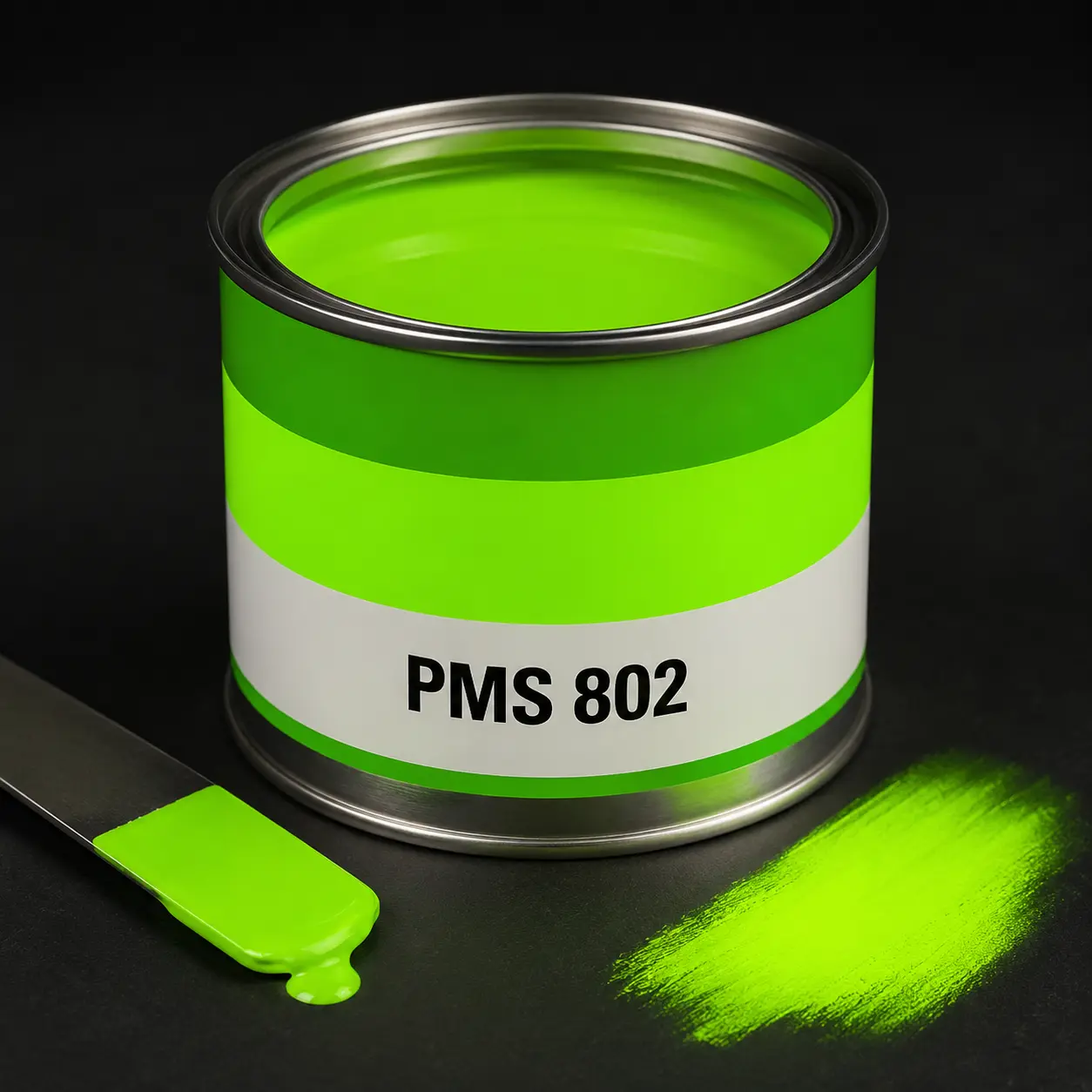
High-visibility ink system engineered for shelf impact, retail displays, and wholesale point-of-sale units.
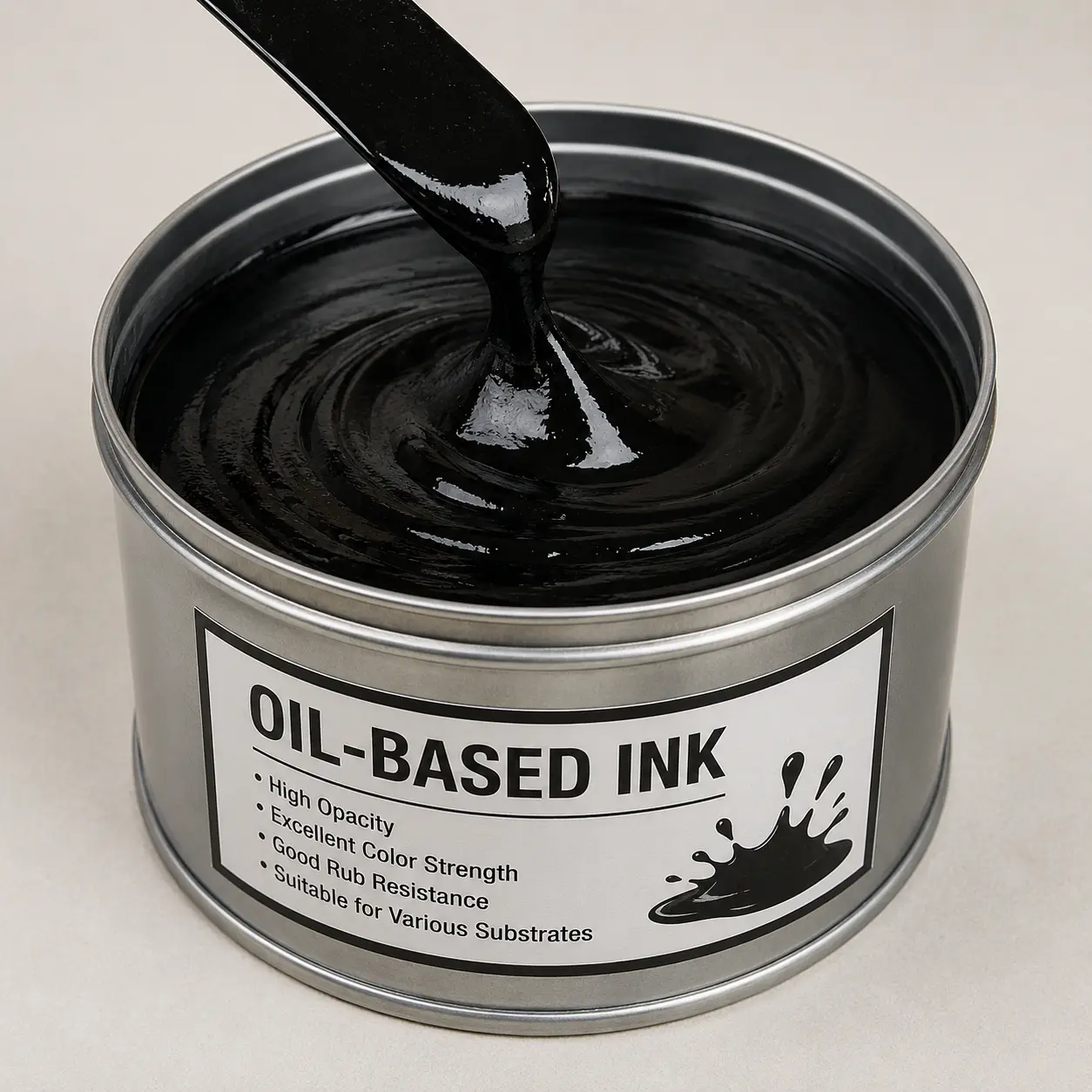
Industry-grade ink for durable, scuff-resistant production runs across long-haul distribution.

Spot-color matching to corporate brand standards — consistent identity across every SKU and reorder.

Sustainable plant-based ink for eco-certified packaging programs and ESG-aligned product launches.

Protective film extends shelf life and protects packaging during shipping and warehouse handling.

Water-based protective seal — fast-drying, food-safe-friendly finish for high-volume bulk production.

Premium tactile finish that elevates corporate gifting boxes and high-end B2B product lines.

Highlight logos and key artwork with selective gloss for maximum retail brand recognition.

Raised brand marks for tactile, premium identity on retail shelves and corporate packaging.

Pressed impressions for subtle, sophisticated branding on premium B2B product lines.

Metallic foil application — gold, silver, and custom finishes for luxury wholesale packaging.
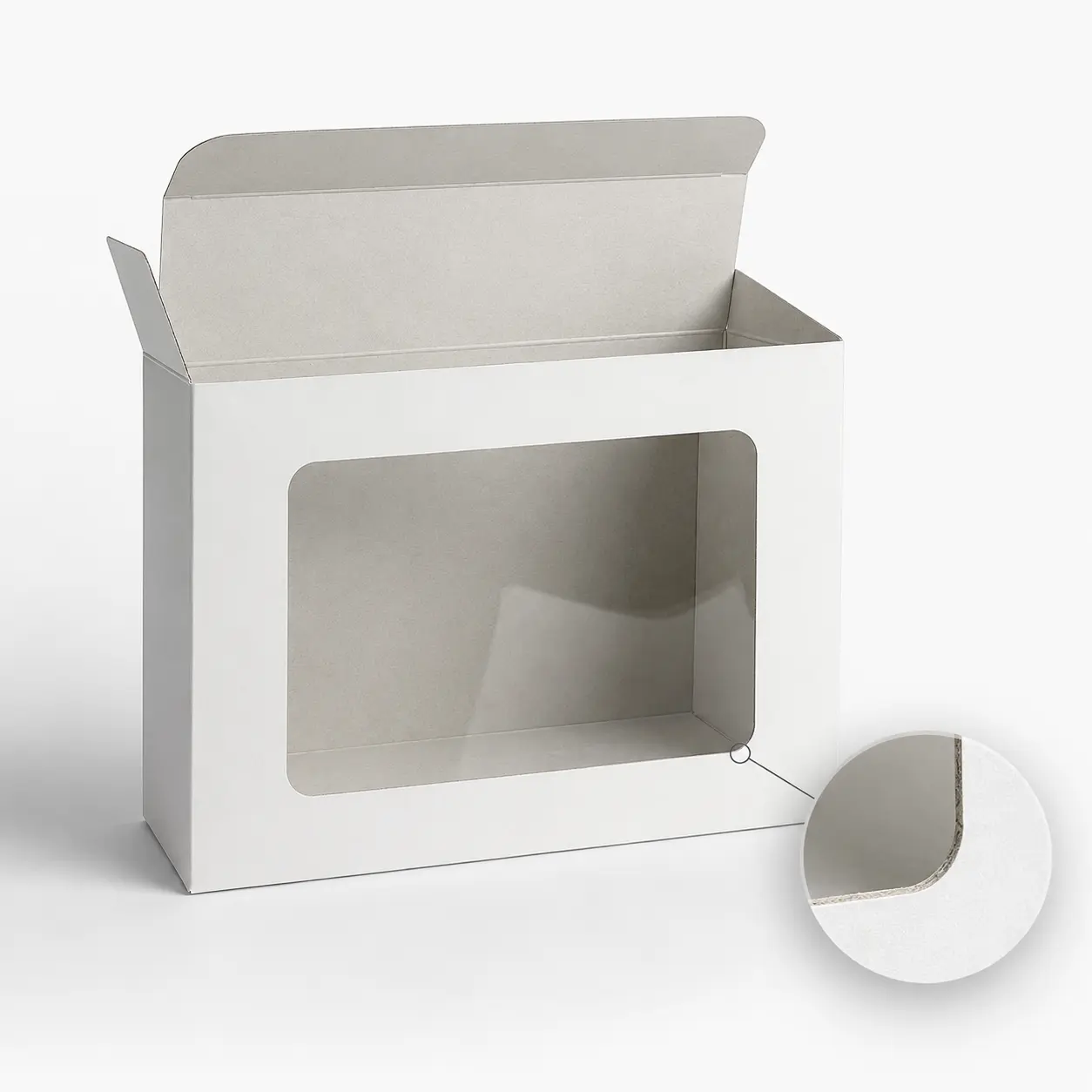
Precision die-cut openings that let customers view the product inside, with optional clear patching for better protection and presentation.
Simple, practical, and built around real B2B production needs.
Send product size, quantity, material preference, artwork, and delivery details.
Our team prepares a proof or 3D mockup so you can check design and structure.
Once approved, your packaging moves into printing, cutting, finishing, and packing.
Finished boxes are packed and shipped to your warehouse, retailer, or 3PL.
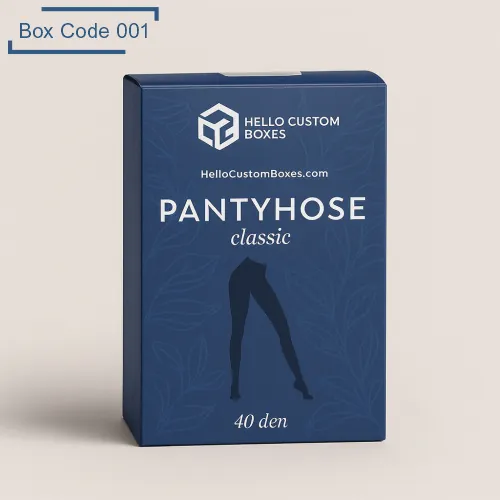
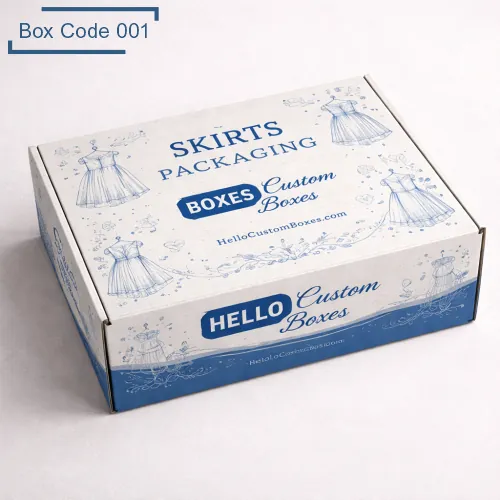
Explore similar packaging options that may fit your product line.
Reviews
There are no reviews yet.