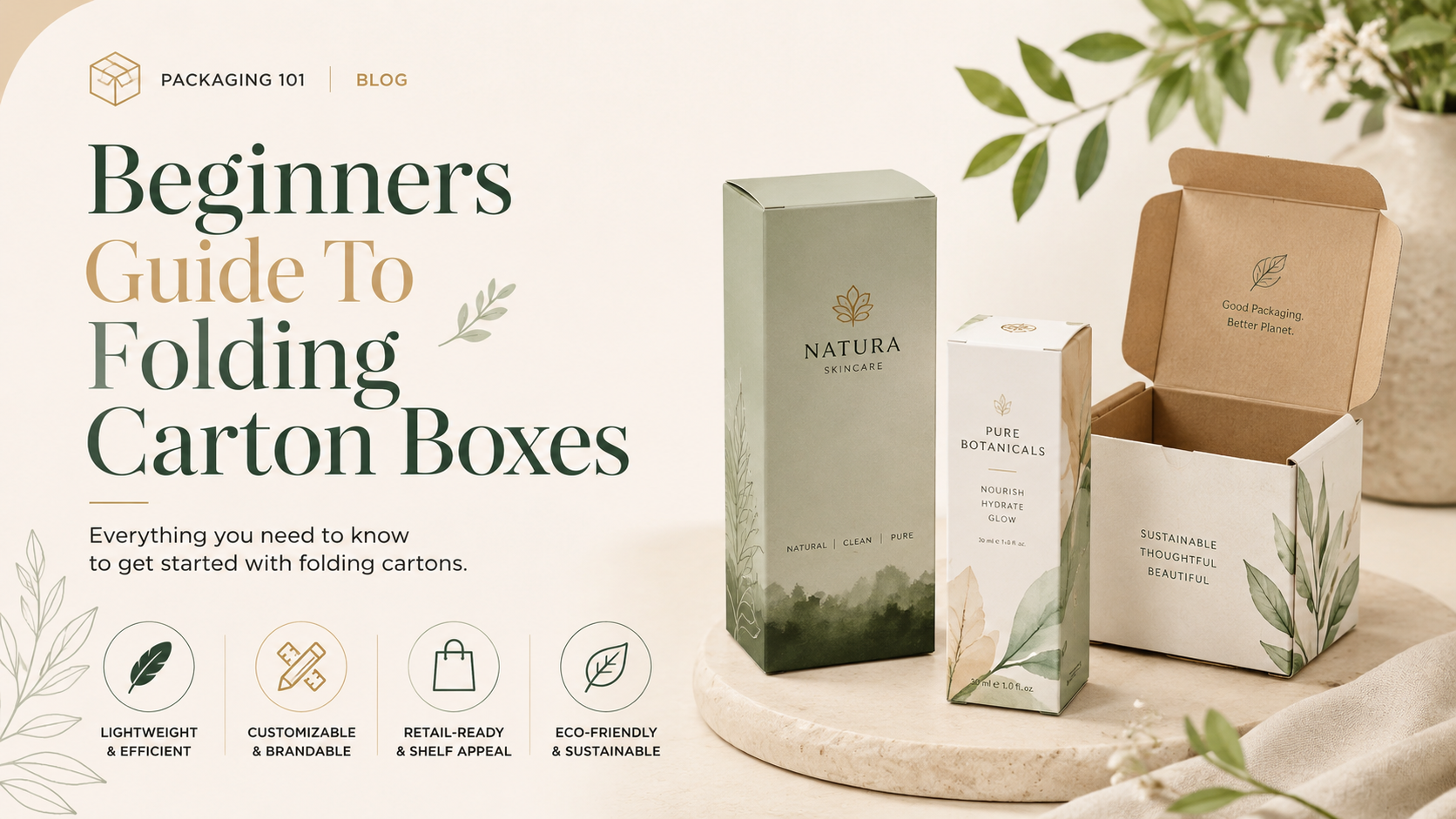
A Beginner’s Guide to Folding Carton Boxes
Packaging usually goes unnoticed.
A box bends on the shelf.
The flap doesn’t close cleanly.
The product looks cheaper than it should.
That’s usually when folding carton boxes enter the conversation. They are often the first “real” packaging upgrade brands make once they move past plain sleeves or generic stock boxes. Lightweight, printable, and easy to scale, folding cartons quietly carry a lot of responsibility.
Folding cartons often look straightforward until they’re used at scale, where small structural choices start to matter.
What Folding Carton Boxes Actually Are
Folding carton boxes are paperboard boxes that are produced flat and assembled during packing. They aren’t rigid, and they aren’t meant to be. Their strength comes from structure rather than thickness.
What makes them useful is how efficiently they move through the supply chain. Flat shipping saves space. Quick assembly saves time. Clean panels give brands room to communicate without fighting the material.
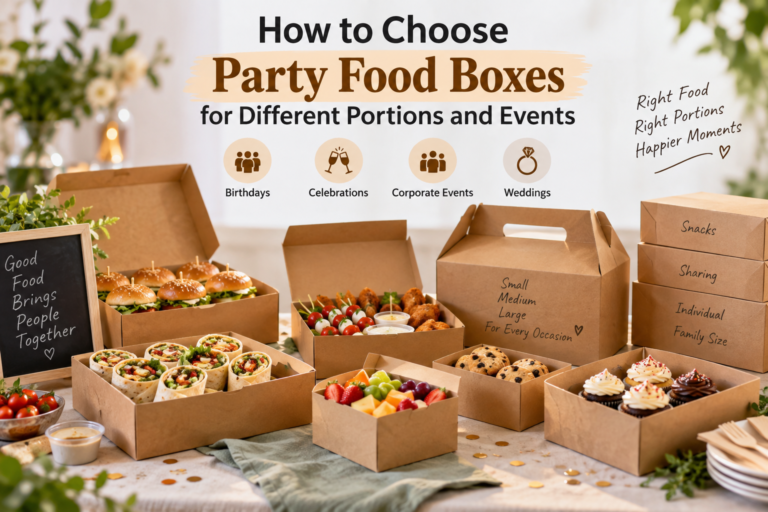
You’ll find folding carton packaging used for everyday retail products where presentation matters but overbuilding doesn’t make sense.
Why So Many Industries Rely on Folding Carton Packaging
There’s a reason folding cartons show up in so many different sectors. They solve practical problems without adding unnecessary cost.
They stack neatly in storage.
They handle printing well.
They adapt to different product sizes without redesigning everything from scratch.
Retail brands, cosmetic companies, food producers, and healthcare suppliers all use folding cartons because the format fits shelf environments. These boxes are designed for display first and protection second, which is exactly what most consumer products need.
Common Folding Carton Box Styles You’ll See
Not all folding cartons behave the same once they’re in use. Small structural differences change how a box opens, locks, and holds its shape.
Straight Tuck End Cartons
Straight tuck end cartons open from the same direction on the top and bottom. This keeps graphics aligned and makes the front panel cleaner. Brands usually choose this style when design consistency matters.
Reverse Tuck End Cartons
Reverse tuck end cartons open from opposite ends. They are widely used because they are efficient to produce and work well for standard retail items.
Auto-Lock Bottom Cartons
Auto-lock bottoms are built for speed and weight support. The base locks automatically when opened, which helps during fast packing runs or when products feel slightly heavier in hand.
Sleeve-Style Folding Cartons
Sleeves don’t rely on flaps. They slide over the product or an inner tray. This style is popular for minimalist packaging and, premium sets where less structure still feels intentional.
Materials Used for Folding Carton Boxes
Paperboard quality shows once cartons are folded.
Some boards prioritize smooth printing. Others focus on recycled content or natural appearance. The goal isn’t to choose the thickest material, but the one that supports the product without fighting it.
Common options include coated paperboard for sharp visuals, kraft board for natural branding, and recycled stocks for cost-sensitive runs. Each behaves differently once folded, printed, and handled on shelves.
Printing and Finishing on Folding Cartons
Printing is where folding carton boxes start to feel like part of a brand instead of just packaging.
Most cartons use standard color printing, but finishes change how customers interact with the box. Matte finishes reduce glare under retail lighting. Gloss finishes boost color contrast. Spot treatments draw attention without overwhelming the design.
These choices aren’t just about looks. They affect durability, fingerprint resistance, and how the box ages over time.
Folding Carton Boxes for Small Businesses
For small businesses, folding cartons are often the most manageable step into custom packaging.
They don’t demand large storage space.
They scale easily as orders grow.
They allow branding upgrades without redesigning everything.
Folding carton packaging for small business owners works because it grows with the product. A simple printed carton today can turn into a refined retail package later without changing the core structure.
When Folding Cartons Make Sense, and When They Don’t
Folding cartons work best when products are lightweight and sold individually.
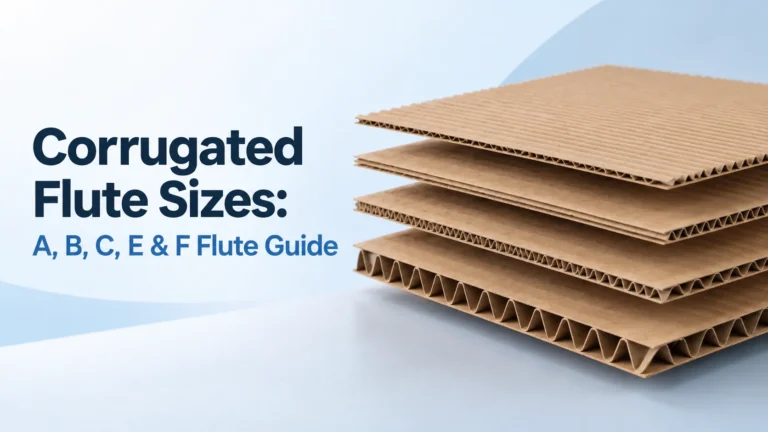
Folding cartons are for display. Corrugated boxes handle transport.
Understanding this early prevents frustration later. Folding cartons aren’t meant to do everything, but what they do, they do well.
Choosing the Right Folding Carton Packaging Partner
Visual mock-ups often appear complete, but during folding, handling, and day-to-day use, some cartons begin to show their limitations.
The difference usually comes down to experience. Packaging needs to be built around the product, not forced to fit it.
At Hello Custom Boxes, folding cartons are developed based on product dimensions, shelf handling, and real assembly conditions. Sizes and layouts are adjusted per project so the final box works the way it’s supposed to once it leaves the warehouse.
Closing Thoughts
Folding carton boxes remain one of the most flexible packaging formats available. They offer balance. Not too heavy. Not too fragile. Just practical.
For beginners, learning how structure, material, and printing come together makes packaging decisions clearer and avoids costly mistakes. When chosen correctly, folding cartons support both branding and everyday use without getting in the way.