When you run an online store, the box that shows up at someone’s door is often their first real interaction with your brand. I’ve seen businesses get burned by this more times than I can count — a smashed item, a disappointing unboxing, and suddenly returns go up while people hesitate to order again.
So, What’s the Real Difference Between Corrugated Boxes and Mailer Boxes?
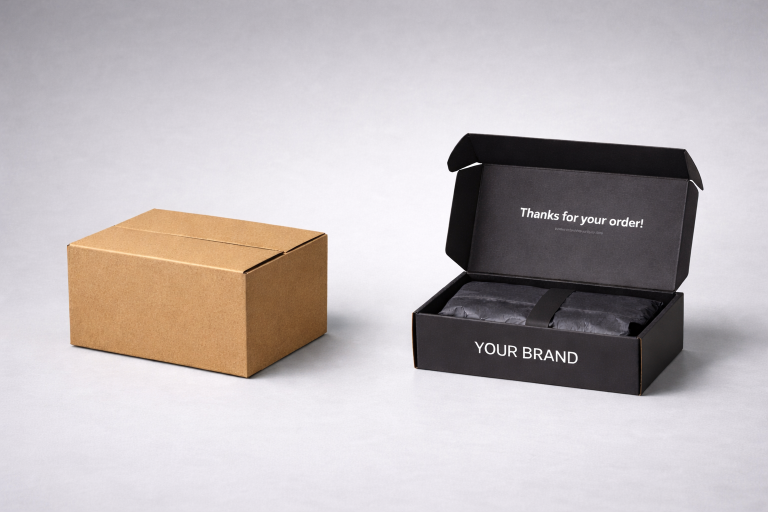
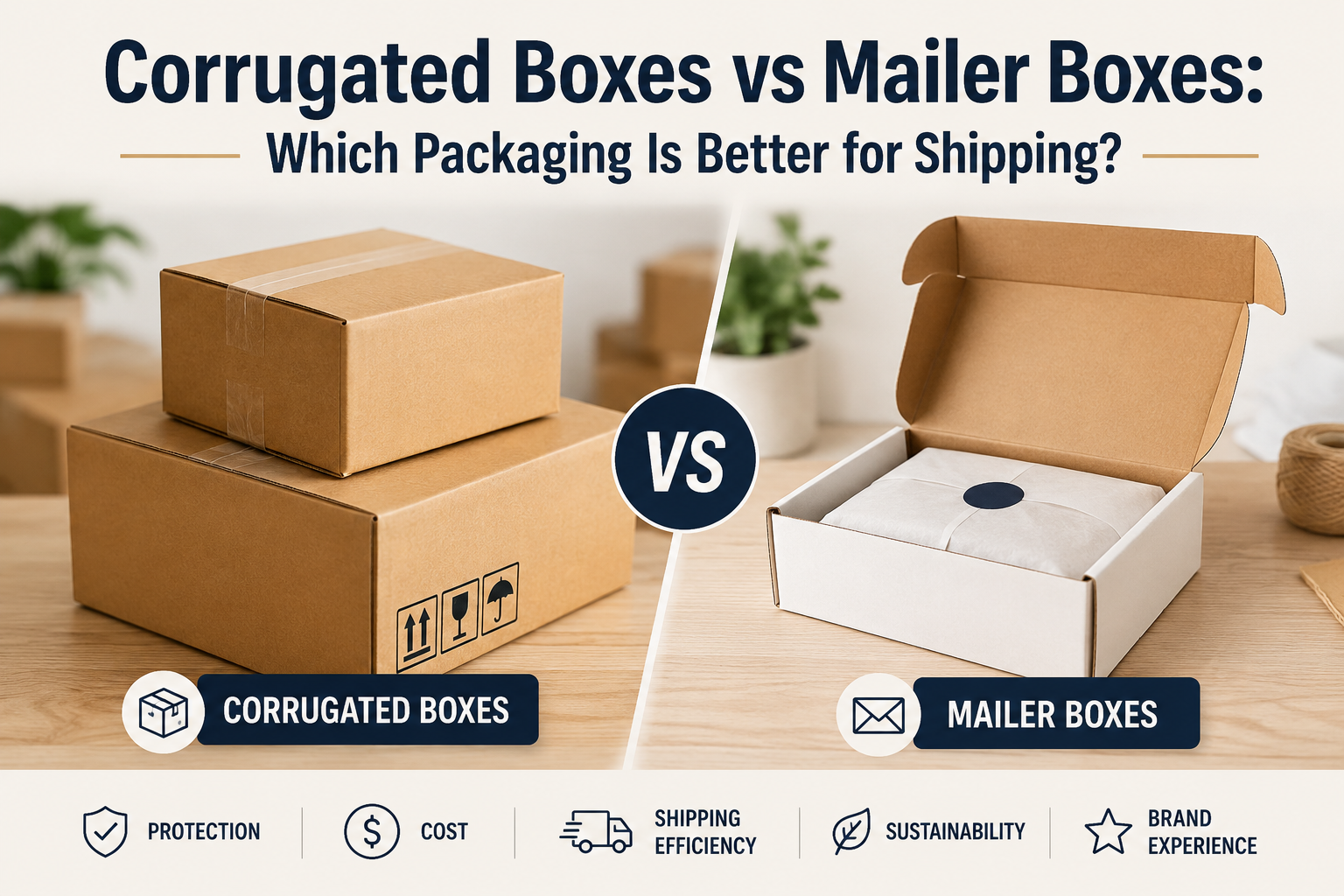
Corrugated boxes, the ones most people call regular shipping boxes, have that wavy fluted layer glued between two flat boards. Those flutes work like built-in cushions. Single-wall handles day-to-day e-commerce stuff; double-wall is for heavier loads. They’re usually the classic slotted style that needs tape to close.
Mailer boxes (sometimes called corrugated mailers) are generally a lighter version of corrugated board, folded into designs that often lock or tuck without tape. They’re made with direct-to-consumer shipping in mind, where how the package looks matters almost as much as keeping the product safe.
You notice the difference fast once things start moving through the postal system. Real corrugated shipping boxes stand up to stacking and rough handling in warehouses or trucks much better. Mailers are more flexible but can dent or rip easier if you overload them.
Durability and Shipping Protection in PracticWhen you run an online store, the box that shows up at someone’s door is often their first real interaction with your brand. I’ve seen businesses get burned by this more times than I can count — a smashed item, a disappointing unboxing, and suddenly returns go up while people hesitate to order again.
So, What’s the Real Difference Between Corrugated Boxes and Mailer Boxes?
Corrugated boxes, the ones most people call regular shipping boxes, have that wavy fluted layer glued between two flat boards. Those flutes work like built-in cushions. Single-wall handles day-to-day e-commerce stuff; double-wall is for heavier loads. They’re usually the classic slotted style that needs tape to close.
Mailer boxes (sometimes called corrugated mailers) are generally a lighter version of corrugated board, folded into designs that often lock or tuck without tape. They’re made with direct-to-consumer shipping in mind, where how the package looks matters almost as much as keeping the product safe.
You notice the difference fast once things start moving through the postal system. Real corrugated shipping boxes stand up to stacking and rough handling in warehouses or trucks much better. Mailers are more flexible but can dent or rip easier if you overload them.
Durability and Shipping Protection in Practice
From what I’ve seen helping U.S. retailers, wholesalers, and startups, corrugated boxes are usually the safer bet for anything over a few pounds or anything breakable. I remember one client shipping glassware across the country — the pieces that went out in well-fitted custom corrugated boxes with proper inserts almost always arrived fine, while the ones in thinner mailers had higher breakage when carriers weren’t careful.
For clothes, small accessories, or flat items, mailer boxes are often plenty strong and help keep dimensional shipping weights down. Carriers like USPS, UPS, and FedEx all look at size plus weight, so those extra inches and ounces from bulkier corrugated boxes add up fast on bigger volumes.
Here’s something I’ve observed in real orders: a candle company tried standard mailers during the busy holiday rush. Damage complaints hit around 8-10%. They switched to custom corrugated boxes sized right for their products and added simple inserts — damage dropped under 2%. Yes, the boxes cost more upfront, but fewer refunds and bad reviews more than made up for it.
Cost Comparison: Beyond the Sticker Price
Mailer boxes usually come out cheaper on materials and shipping for lighter items. They need less tape and go together quicker. That said, corrugated boxes can save money over time for heavy or valuable products because they cut down on damage claims. Some even get reused.
Don’t overlook storage and fulfillment labor either. Mailers ship flat, take up less space, and assemble faster. Oversized corrugated boxes eat up warehouse room and raise every single shipment cost.
Branding and Unboxing Experience
This area is where mailer boxes often have the edge for direct-to-consumer brands. Their smoother surfaces and polished look create those shareable unboxing moments customers post about. Colors and graphics tend to pop better on the liners used in better mailers.
You can brand corrugated shipping boxes too, but the fluting can affect how crisp the printing looks, and they generally feel more functional. For B2B or bulk orders, though, that sturdy, no-nonsense corrugated box can actually build trust by showing reliability.
At Hello Custom Boxes USA, we build every box — corrugated or mailer — around your actual product dimensions, layout, and needs instead of squeezing things into off-the-shelf templates. That custom approach alone reduces damage and cuts down on extra filler.
Common Mistakes I See Businesses Make
- Sticking with one box type for every product. It almost always ends up costing more in the end.
- Ignoring flute types. B-flute balances strength and print surface well for many mailers; C-flute gives more cushion.
- Forgetting inserts or proper fill. Even the toughest corrugated box fails if items shift around inside.
- Picking purely on lowest price. The bargain option frequently leads to higher overall expenses from returns and unhappy customers.
Expert Tips for Choosing the Right Packaging
Run real test shipments with both options through your usual carriers. Track actual damage, customer comments, and true shipping costs for a few weeks.
Look at your product range. Heavy tools or electronics? Corrugated boxes are usually smarter. Fashion or beauty items? Mailers or smart hybrids often perform better.
Sustainability matters to more buyers now. Both types are recyclable, but mailers use less material when full strength isn’t needed. Customers notice when you put thought into it.
For growing e-commerce companies, start small with a couple of custom sizes and expand from there. The best packaging for online shipping balances protection, cost, and brand impression instead of forcing you to pick just one.
Not sure which direction to go? Checking out custom corrugated shipping boxes or premium mailer options made specifically for your lineup can make the decision much clearer.
Which One Is Better?
There isn’t one winner for every situation. When you need durable corrugated shipping boxes for heavy items, go corrugated. For premium mailer boxes that help DTC brands create memorable unboxings, mailers often win. A lot of successful U.S. stores switch between both depending on the order.
The real secret is matching the packaging to your actual needs instead of copying what others do.
Thinking about upgrading your packaging? Reach out to Hello Custom Boxes USA for samples and straightforward advice on corrugated boxes vs mailer boxes that actually fit what you sell.