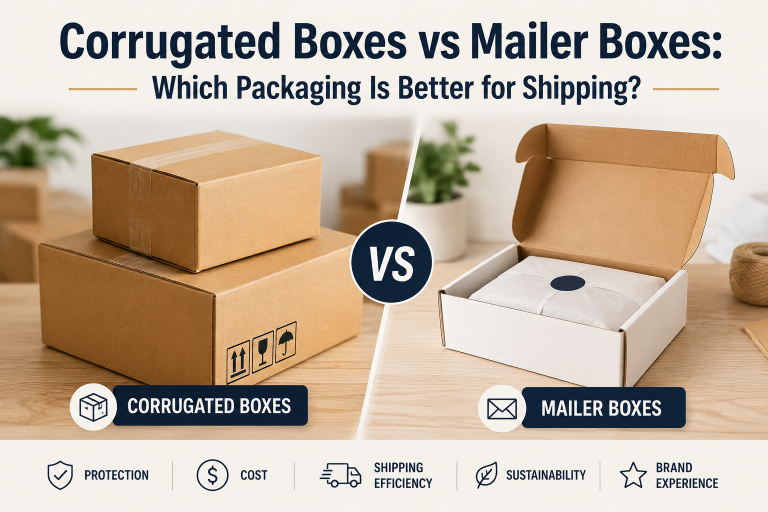
Corrugated Boxes vs Mailer Boxes: Which Packaging Is Better for Shipping?
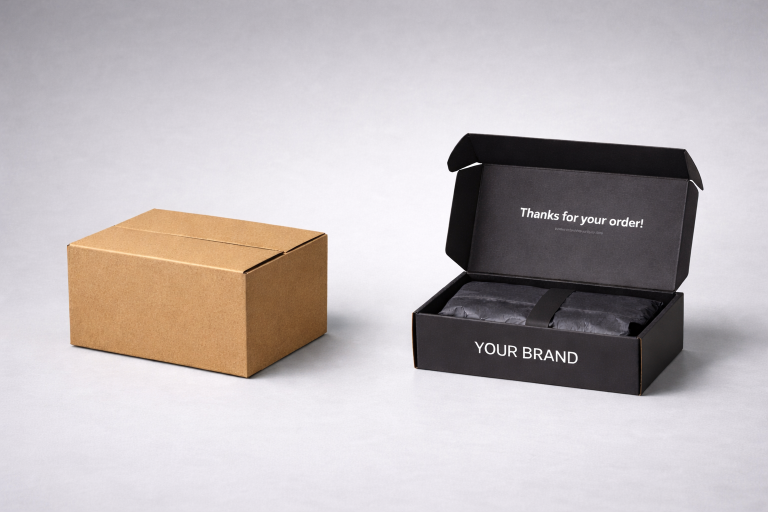
TL;DR: Corrugated boxes give better protection for heavier or fragile shipments because of their fluted middle layer, but they add extra weight…
Every product faces different packaging challenges. At Hello Custom Boxes USA, we document how real brands solve them — from cosmetics that demand shelf appeal to food packaging that must stay compliant and fresh. These stories come straight from print runs, supplier rooms, and factory floors where ideas turn into boxes that actually work.
TL;DR: Corrugated boxes give better protection for heavier or fragile shipments because of their fluted middle layer, but they add extra weight…
A lot of online brands are rethinking their packaging this year. Not because it looks outdated, but because it affects shipping cost,…
TL;DR: Eco-friendly packaging for a small business works best when it uses less material, protects the product properly, and is easy for…
Retail packaging either helps a product sell, or it quietly gets in the way. On a store shelf, there is no explanation,…
Introduction When we work with handmade soap makers across the USA, one thing becomes clear pretty fast: packaging is huge. Seriously, it…
What You’ll Learn How cosmetic packaging shapes perception and brand value. Why material, structure, and color matter more than you think. The…
Introduction: The Real Impact of Great Bakery Packaging I have watched customers step up for "just a cookie" and change their minds…
Welcome to WordPress. This is your first post. Edit or delete it, then start writing!
You can try, but problems usually show up somewhere. A shirt packed in a slightly oversized box may arrive perfectly fine. Put a glass jar in that same box and things change. Weight, movement, moisture, heat, and breakage all matter.nnThis is why packaging used for food, cosmetics, apparel, electronics, and other products often looks different. The box has to suit what is going inside it and what happens after it leaves your building.
Start with the products you sell the most. Lay them out, measure them, and see which ones are close enough in size to share a box. You may only need three or four box sizes instead of ordering separate packaging for every item. Just don’t push it too far. Saving money on one less box size isn’t helpful if products are moving around or arriving damaged.
Maybe not.nnIf products arrive safely, packing is quick, customers aren’t complaining, and your costs make sense, there may be no urgent reason to replace it.nnI’d look again when shipping costs increase, damage starts showing up, packing takes too long, or the box no longer fits the way your brand sells its products.
Size mistakes are high on the list. A box may look fine on a screen and feel completely different once the actual product goes inside. Sometimes it takes too long to assemble. Sometimes the board bends when boxes are stacked. And sometimes businesses simply order far more packaging than they have room to store. Samples are worth testing before you commit to a large run.
Only when they solve a real problem.nnIf a bottle rattles around, a jar keeps hitting the side of the box, or several products are knocking into each other, an insert can help.nnFor products that already sit securely inside the packaging, adding an insert may only increase cost and packing time.
The box may be part of the problem. Carriers can charge based on how much space a package takes up, not only its weight. A small product traveling inside a large shipping box can cost more than expected. Before changing couriers or negotiating rates, check how much unused space you’re shipping with every order.
Not until the basic packaging is working properly. Foil, embossing, coatings, and other finishes can improve presentation, but they won’t stop a product from moving inside a badly sized box. Get the fit, material, and structure right first. Then decide whether spending more on appearance makes sense for the product and the customer buying it.
Ordering too much too early. Products change. Branding changes. Sometimes the first box size you choose isn’t the one you end up using six months later. A smaller first order gives you room to test the packaging with real customers and real shipments before committing to a much larger quantity.