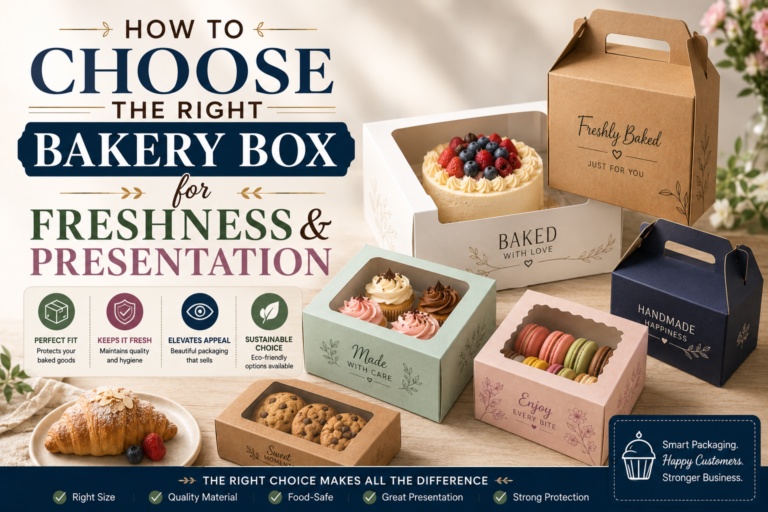
How to Choose the Right Bakery Box for Freshness and Presentation
TL;DR Get the box size right first so it actually fits what you’re selling — cakes, cupcakes, pastries, cookies, whatever. Then pick…
Picking packaging for baked goods sounds easy until you start dealing with crushed cupcakes, greasy cookie boxes, or cakes that slide around during delivery. This section shares packaging ideas that come from those everyday problems, along with useful tips on box styles, materials, printing, and presentation for bakeries and food businesses.
TL;DR Get the box size right first so it actually fits what you’re selling — cakes, cupcakes, pastries, cookies, whatever. Then pick…
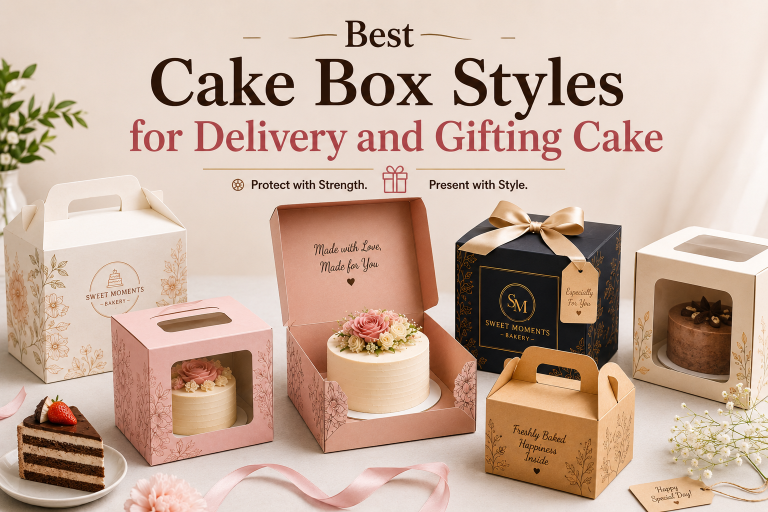
TL;DR The best cake box styles combine sturdy construction (often corrugated or heavy board), clear windows for temptation, secure closures or handles…
Running a bakery or shipping cakes means dealing with that familiar stress every time an order heads out the door. One bump…
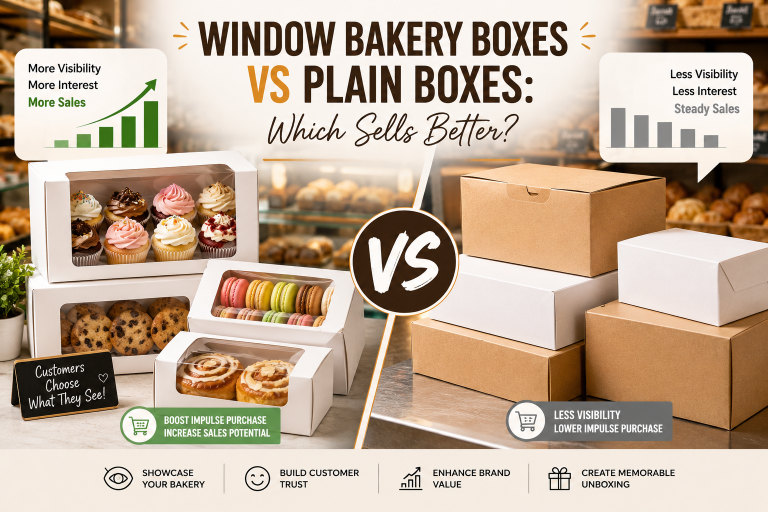
Why This Packaging Choice Actually Matters for Your Business TL;DR Most bakeries selling in stores do better with window boxes. Customers see…
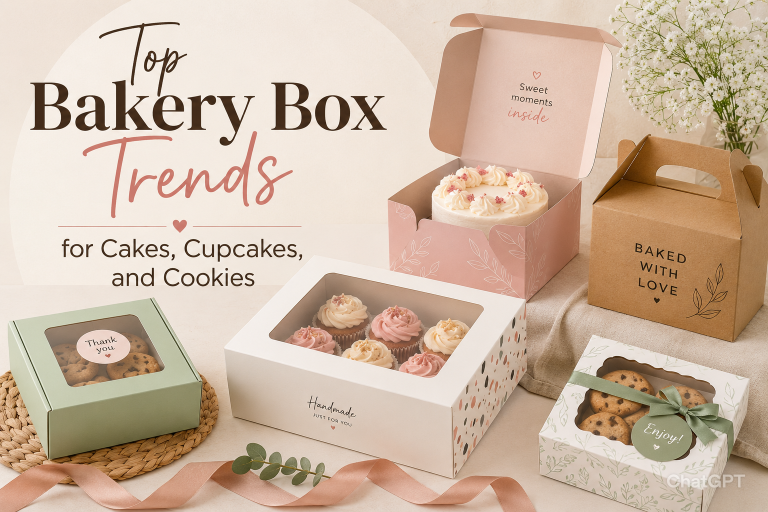
Bakery packaging has changed a ton over the past couple of years. What used to be nothing more than a plain cardboard…
It really depends on what you are packing. A cake box has to hold weight and give the icing some breathing room. Cookies can go in a flatter box or bag, but they still need protection from breaking. Cupcakes are different again because they can tip over easily. So the best packaging is not always the fanciest one. It is the one that keeps the product looking the way it did when it left the bakery.
For a few items, yes. For everything, probably not. Cookies and brownies are fairly easy to pack. Cupcakes need more control because they move, lean, and damage their frosting quite easily. Cakes need the right height as well as the right width. So, before choosing one box for several products, I’d actually pack each item inside it and carry it around for a few minutes. That simple test tells you more than a size chart usually does.
The oil or butter from the food is passing through the board. This happens a lot with doughnuts, pastries, cookies, and anything with a buttery base. Sometimes the mark appears quickly. Other times, the box looks fine at first and develops a dark patch later. A grease-resistant board, food-safe liner, tray, or sheet of suitable paper can help. Which one you need depends on how oily the product really is.
Usually, it is better to wait a little. Warm food releases moisture. Close the box too soon and that moisture stays trapped inside. The result may be a soft pastry, a damp box, or toppings that no longer look quite right. That said, not every item needs to be completely cold. The main thing is to avoid sealing in too much steam.
Put the cake inside and gently move the box. If the cake slides around, there is too much empty space. If the icing touches the sides or lid, the box is too small. You want enough breathing room around the cake, but not so much that it can travel from one side of the base to the other. A cake board or insert may also help when the outer box size is slightly larger.
For some products, definitely. A customer can see decorated cookies, cupcakes, pastries, or slices without opening the lid. That helps when appearance is part of the sale, which it often is in a bakery. I would not choose a window before checking the basic box, though. Strength, food protection, and fit matter more. A beautiful window on a weak box does not solve much.
Ask for samples and use them properly. Do not just look at the empty box on a desk. Fold it, pack your actual product, stack a few, carry them, and leave the food inside for a realistic amount of time. Check the corners, base, lid, grease resistance, and how quickly the box can be assembled. A small issue in one sample becomes a much bigger problem across thousands of boxes.
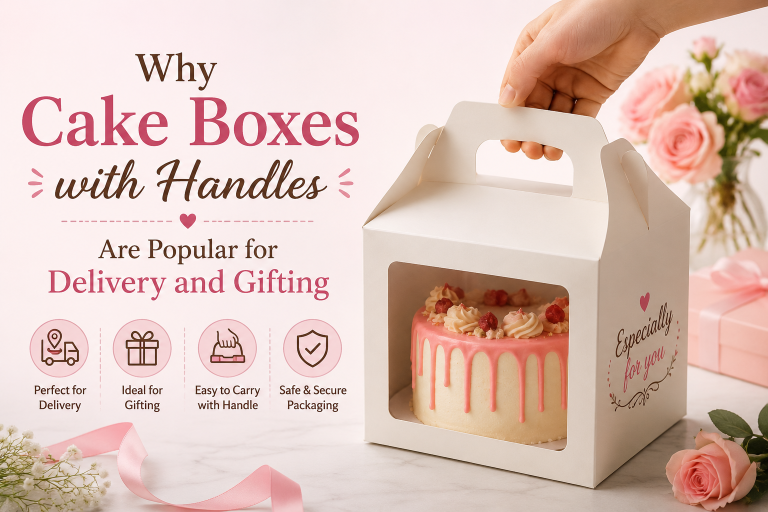
Sometimes it can. The journey makes the difference. A box handed across the counter may only travel ten minutes in a customer’s car. Delivery packaging may be stacked, tilted, carried up stairs, or placed beside other food orders. For delivery, I’d pay closer attention to the closure, base strength, inserts, and the amount of movement inside the box.
Not from day one. A clean, well-sized plain box can still look professional, especially with a good label or branded sticker. Custom printing becomes more useful when order numbers are steady and you want the packaging to carry your name beyond the bakery counter. Good branding helps, of course. But the box still has to do its first job: get the food to the customer in good condition.