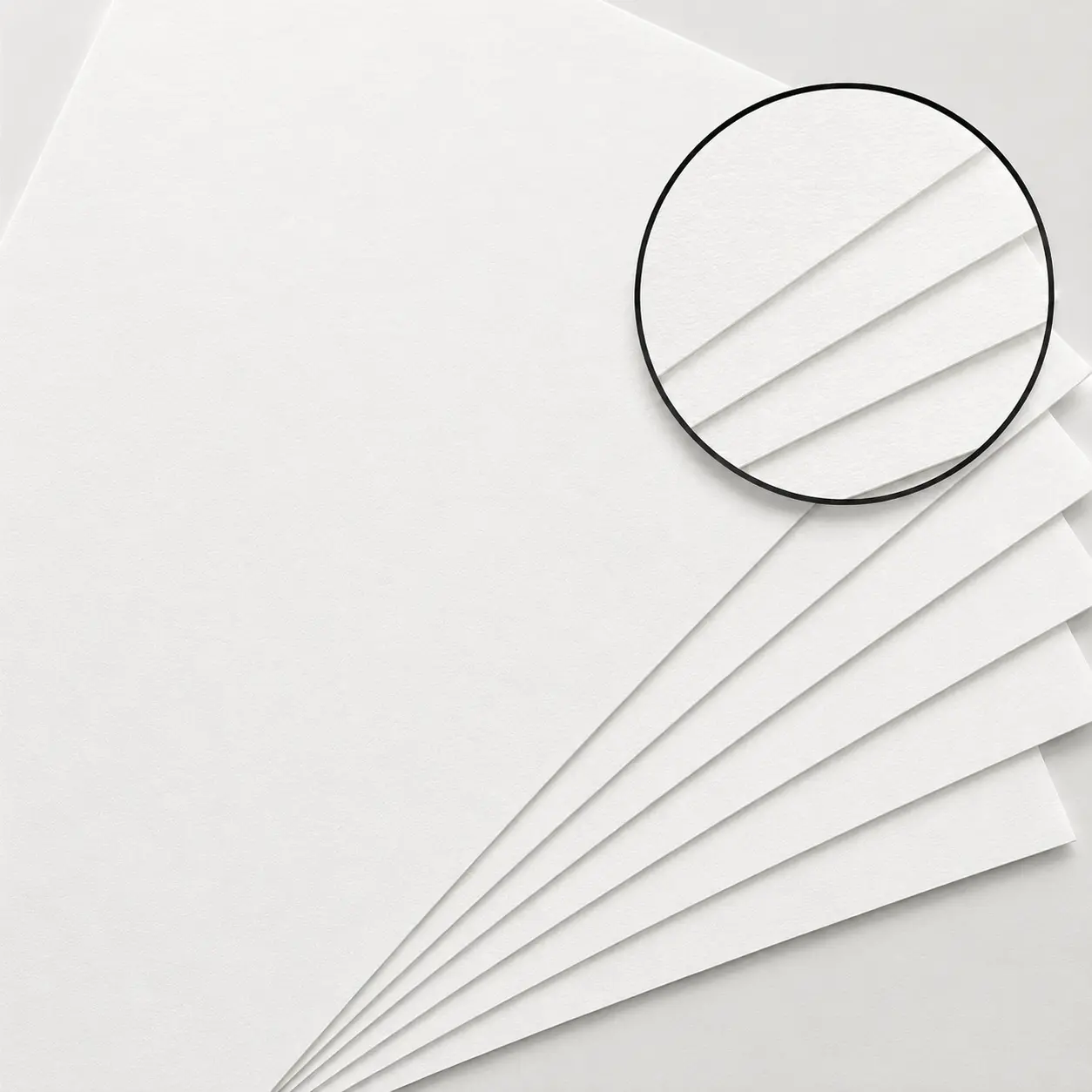
SBS Cardboard
Premium bleached substrate engineered for retail-ready packaging with sharp, high-resolution print performance across bulk SKUs.
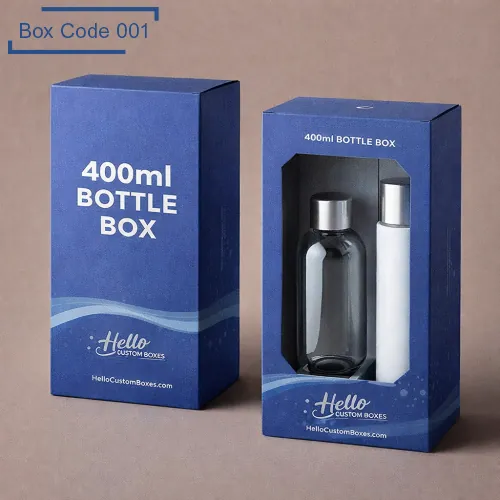
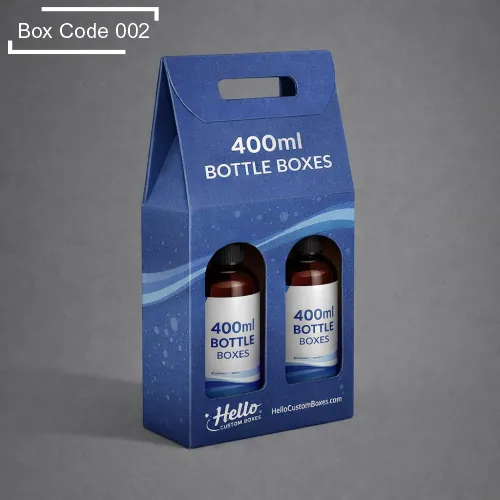
A 400ml bottle puts more weight and height on a box than people expect. Once it’s filled, it leans, shifts, and pushes against the panels if the fit isn’t right. These boxes keep the bottle steady, stop the pump or cap from pressing upward, and prevent label rubbing, so everything arrives looking the same way it left your hands.
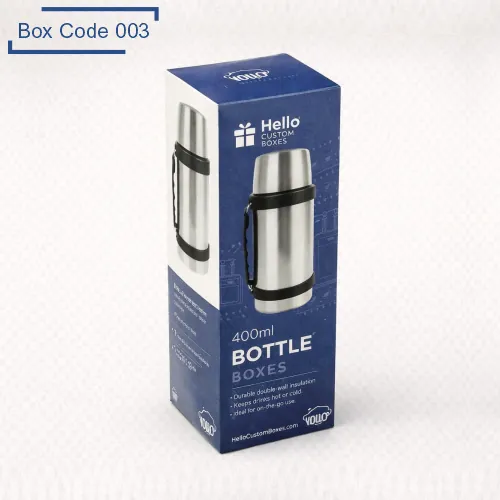
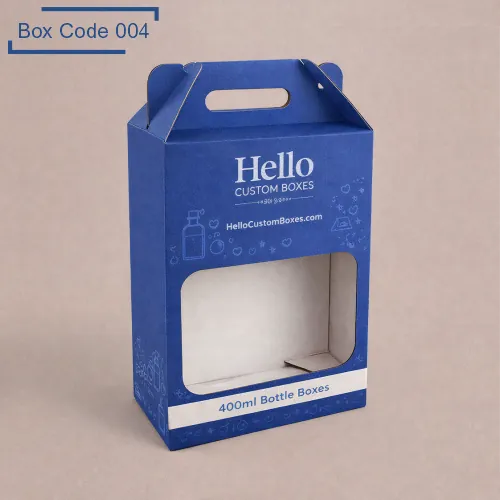
Tell us your specs and we'll send pricing within one business day.
A 400ml bottle looks almost identical to a 300ml one at a glance, but it behaves differently inside a box.
At this size, the weight jumps.
The bottle becomes taller, easier to tip, and much tougher on the packaging that’s supposed to hold it still.
If there’s a pump, that pump adds tension. If there’s a flip cap, it moves more under pressure. Even the liquid inside picks up speed when the box is handled.
All of this puts stress on the structure long before it reaches a shelf or a customer.
Most brands only realize this after a small disaster: a bottom panel bending, a pump imprinting against the lid, or a bottle that rotates so much during transit the label rubs itself dull.
A 400ml bottle box doesn’t exist to look pretty.
Its first job is survival.
Common issues with poorly-made 400ml bottle boxes:
A box made for a smaller bottle simply cannot handle the extra mass and height of a 400ml container.
The packaging needs to be designed for this size specifically — not scaled up from something smaller.
We build around the bottle’s behavior, not just its dimensions.
Before engineering the box, we review:
Once we understand the product, we shape the structure around it.
A 400ml bottle puts much more downward pressure than smaller bottles.
We strengthen the base so it doesn’t bow or collapse.
Tall bottles lean easily.
We reinforce sidewalls so the box doesn’t warp when pressed from inside.
Lids, pumps, and foaming heads often expand slightly in transit.
We leave room so they never push against the top panel.
If the bottle is round, it wants to turn inside the box.
Inserts or friction-fit trays stop that movement.
Some formulas create condensation inside the box; we choose coatings that don’t soften or stain.
A taller structure must hold shape even after multiple openings — scoring and crease depth matter here.
For eco-minded brands, kraft and recycled stocks are available without losing strength.
For tall bottles that need a secure closure without overcomplication.
Ideal for heavy formulas like body wash, conditioner, or liquid soap.
Die-cut inserts keep the bottle perfectly centered.
Showcase the bottle color, label, or formula tone.
Premium option for high-end skincare or personal care lines.
Natural aesthetic for organic and clean-beauty products.
Open-face or designed for retail presentation.
Each option is engineered to support weight, height, and movement.
A 400ml bottle challenges packaging in several ways:
The bottom panel must absorb downward force without bending.
Scoring on tall boxes needs to hold shape, not loosen after a few openings.
Pumps expand slightly in transit; clearance prevents top-panel bulging.
Sidewalls need the right board thickness to prevent outward curves.
Some labels rub easily; interior spacing stops abrasion.
Tall bottles “walk” inside a loose box; a friction-fit or insert prevents this.
Some soaps and personal care liquids cause minimal condensation; the coating must resist softening.
These small decisions are what separate a box that performs from one that fails quietly.
We’ve created packaging for 400ml bottles across:
The feedback is nearly always the same:
“If the bottle doesn’t tilt or scrape, customers instantly trust the brand more.”
A well-engineered box gives you:
If the bottle looks steady and the box stays firm, the brand feels intentional — not rushed.
Step 1: Product Review
Height, width, bottle shape, closure type, and weight.
Step 2: Structural Engineering
Board weight, insert style, bottom design, and wall stability.
Step 3: Artwork Placement
We align branding around bottle dimensions and window options.
Step 4: Production
Cutting, creasing, reinforcement, quality checks, and fit testing.
Step 5: Delivery
Flat-packed or assembled to match your workflow.
400 ml Bottle Box Specifications |
|
|---|---|
| Material Options | Cardboard, White SBS paperboard, Kraft paperboard, Black Kraft, Rigid board, FSC-certified materials |
| Box Styles | Tuck-end bottle boxes, Insert-based boxes, Auto-lock bottom boxes, Sleeve-style boxes, Custom-engineered 400 ml bottle packaging |
| Structural Features | Precision bottle fit, Optional internal inserts, Reinforced base panels, Clean die-cut edges, Upright bottle orientation |
| Protection Features | Impact resistance support, Bottle stability during transit, Leak-risk reduction through controlled movement, Scratch protection |
| Printing & Branding | Offset & Digital printing, CMYK & Pantone colors, Logo printing, Foil stamping, Embossing/Debossing, Matte or gloss finishes |
| Eco-Friendly Options | Recyclable paperboard, FSC-certified stock, Plastic-free construction, Reduced-ink sustainable designs |
| Sizes & Compatibility | Designed for 400 ml (13.53 oz) bottles including dropper bottles, glass bottles, plastic bottles, pump and spray bottles |
| Applications | Shampoos, Conditioners, Body lotions, Hair care products, Cosmetic liquids, Skincare products, Wellness and retail packaging |
| Wholesale & Bulk | Low MOQ available, Bulk pricing, Consistent dimensional accuracy, Wholesale supply for cosmetic and wellness brands |
Choose from practical materials, print methods, inks, finishes, and add-ons for a better product presentation.
Premium bleached substrate engineered for retail-ready packaging with sharp, high-resolution print performance across bulk SKUs.
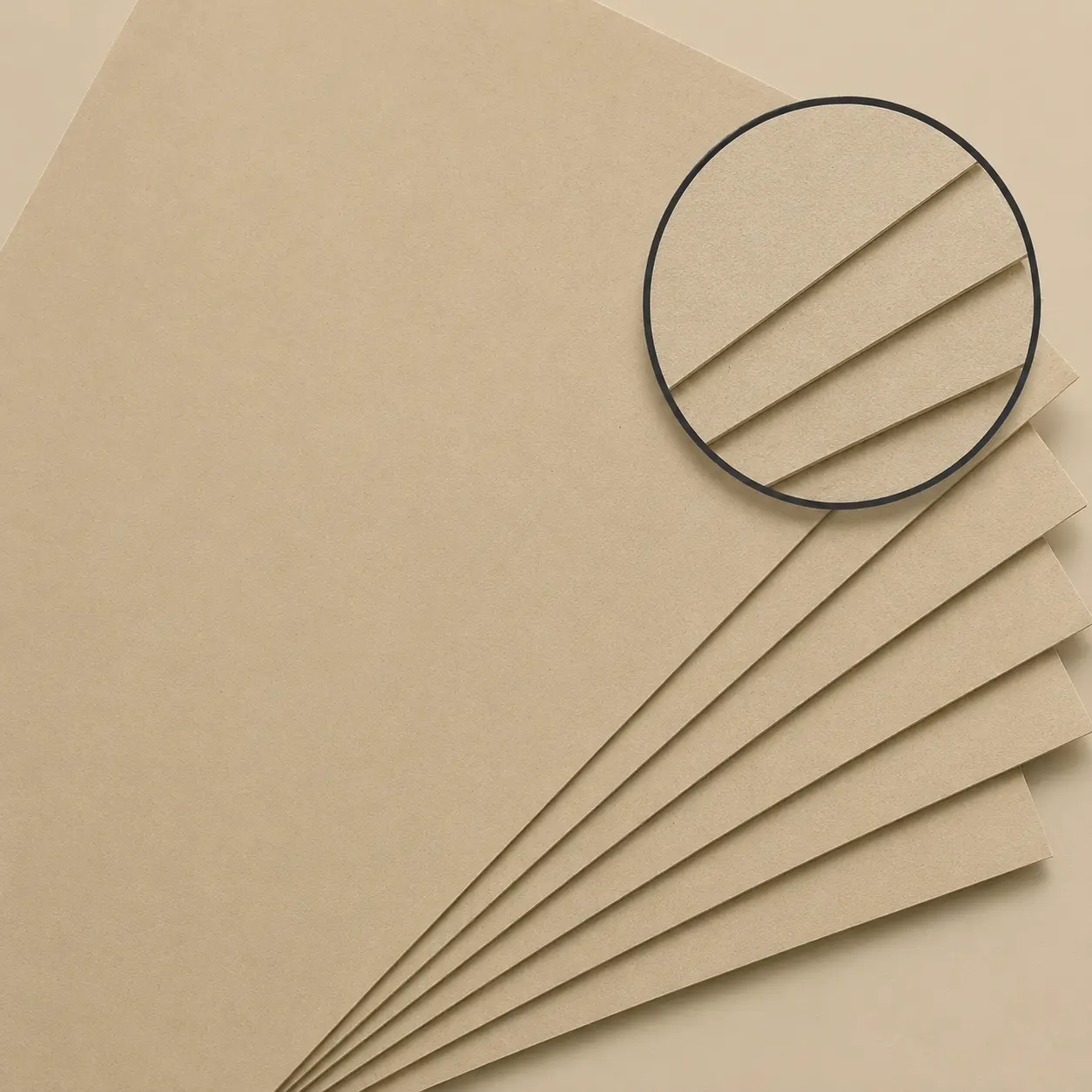
High-density rigid board built for wholesale cartons, structural strength, and stack-ready warehouse logistics.
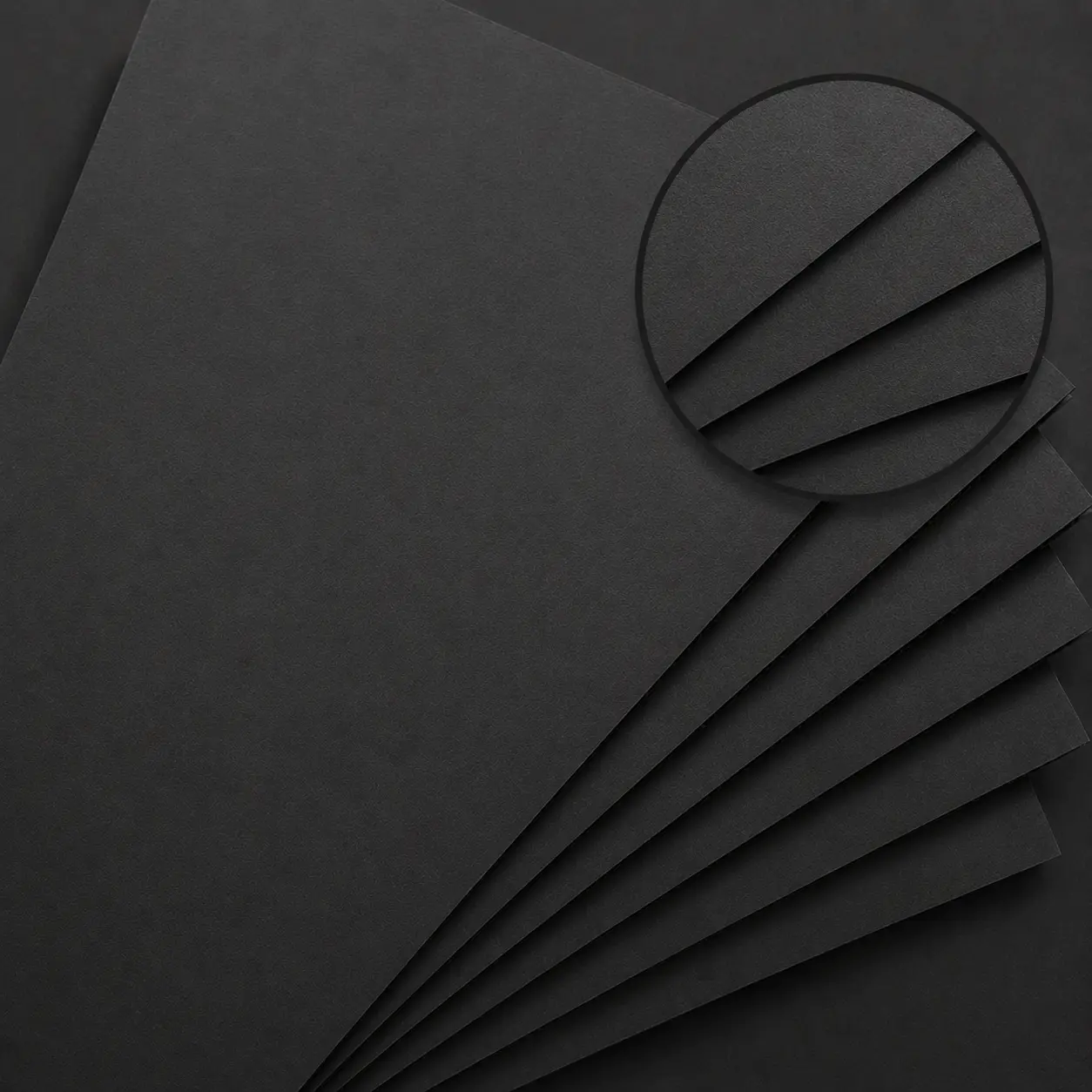
Eco-conscious black kraft for premium unboxing programs, corporate gifting, and limited-edition product lines.
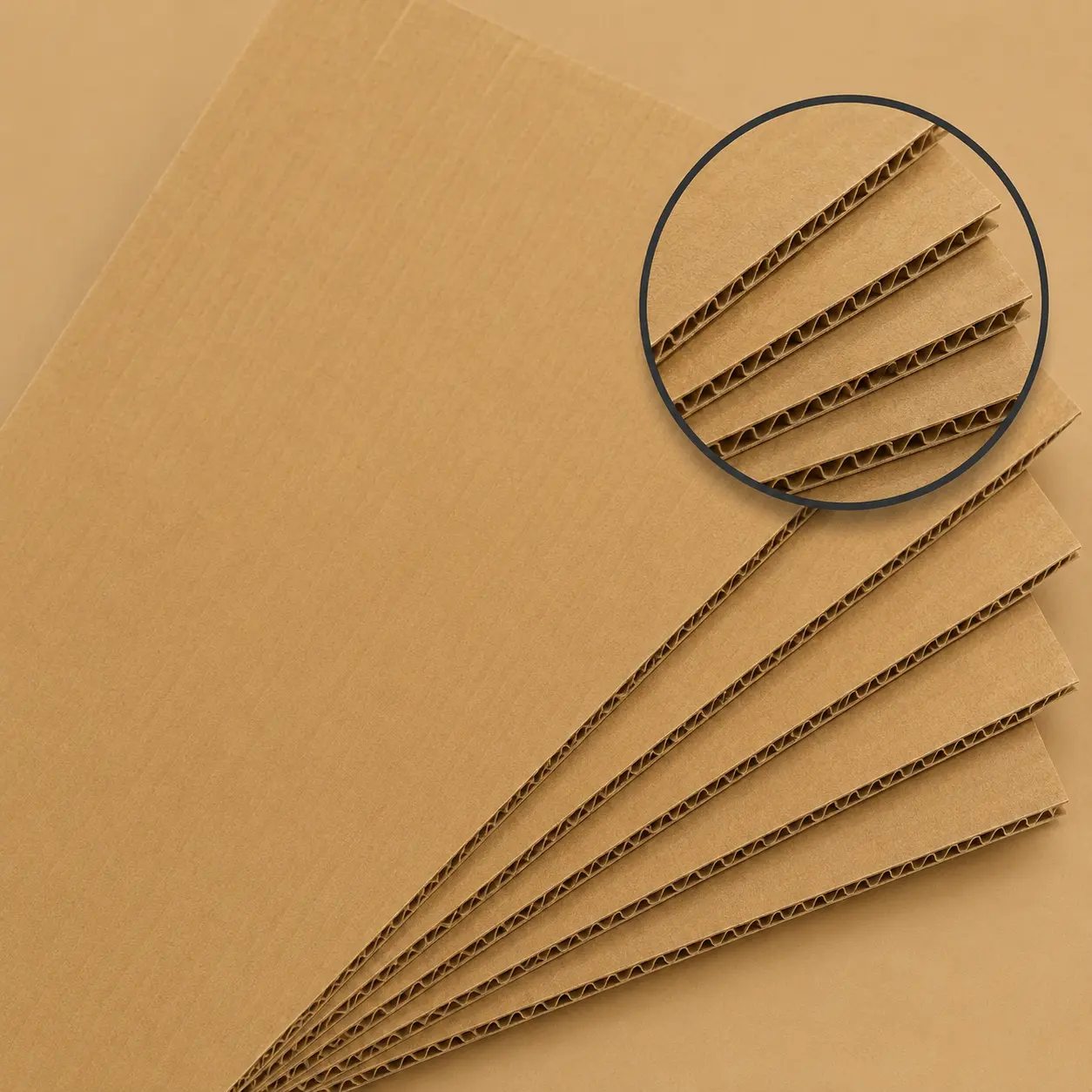
Multi-flute corrugated board built for protective shipping, e-commerce dispatch, and high-volume B2B fulfillment.
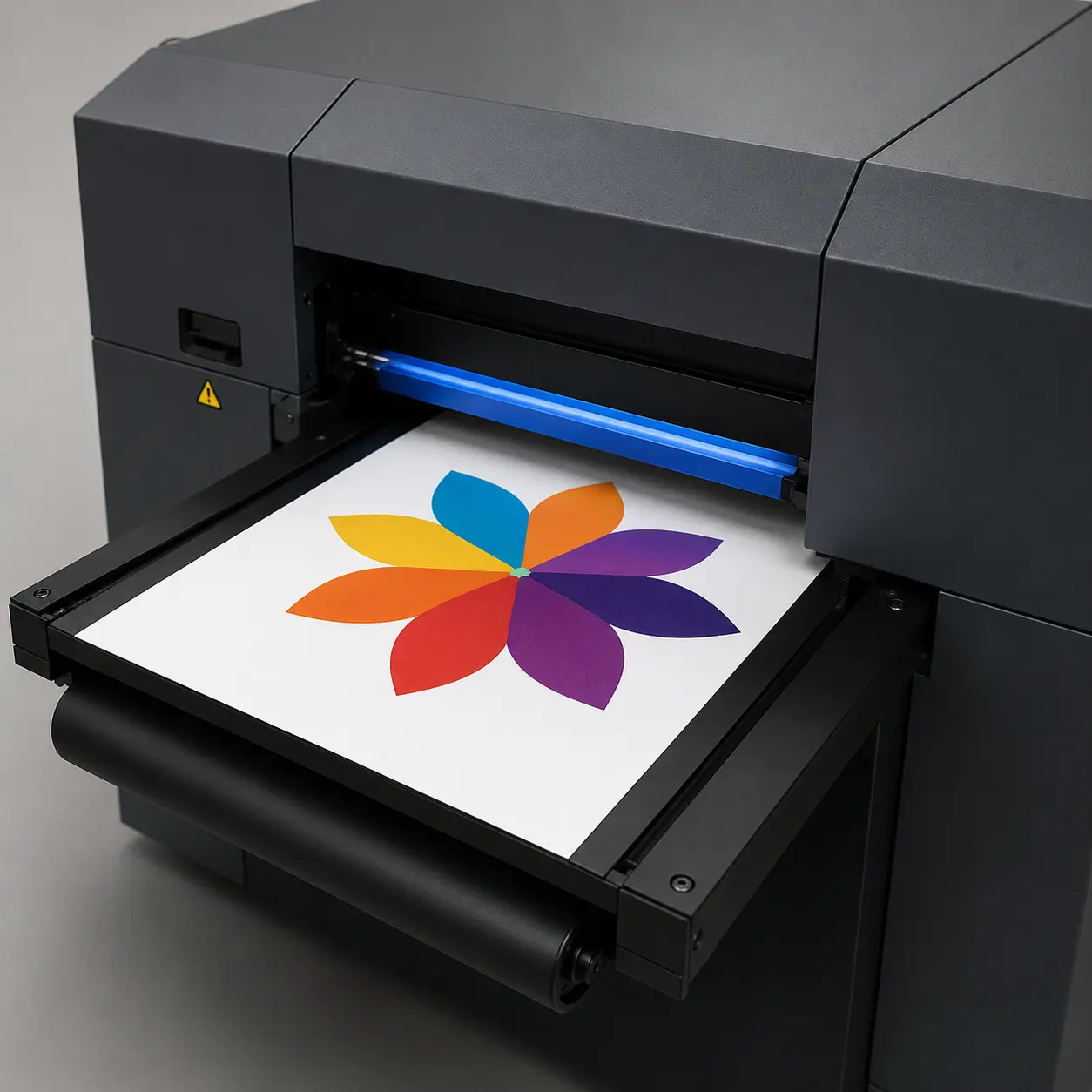
Short-run digital printing with no plate setup — ideal for prototypes, sample approvals, and quick reorders.
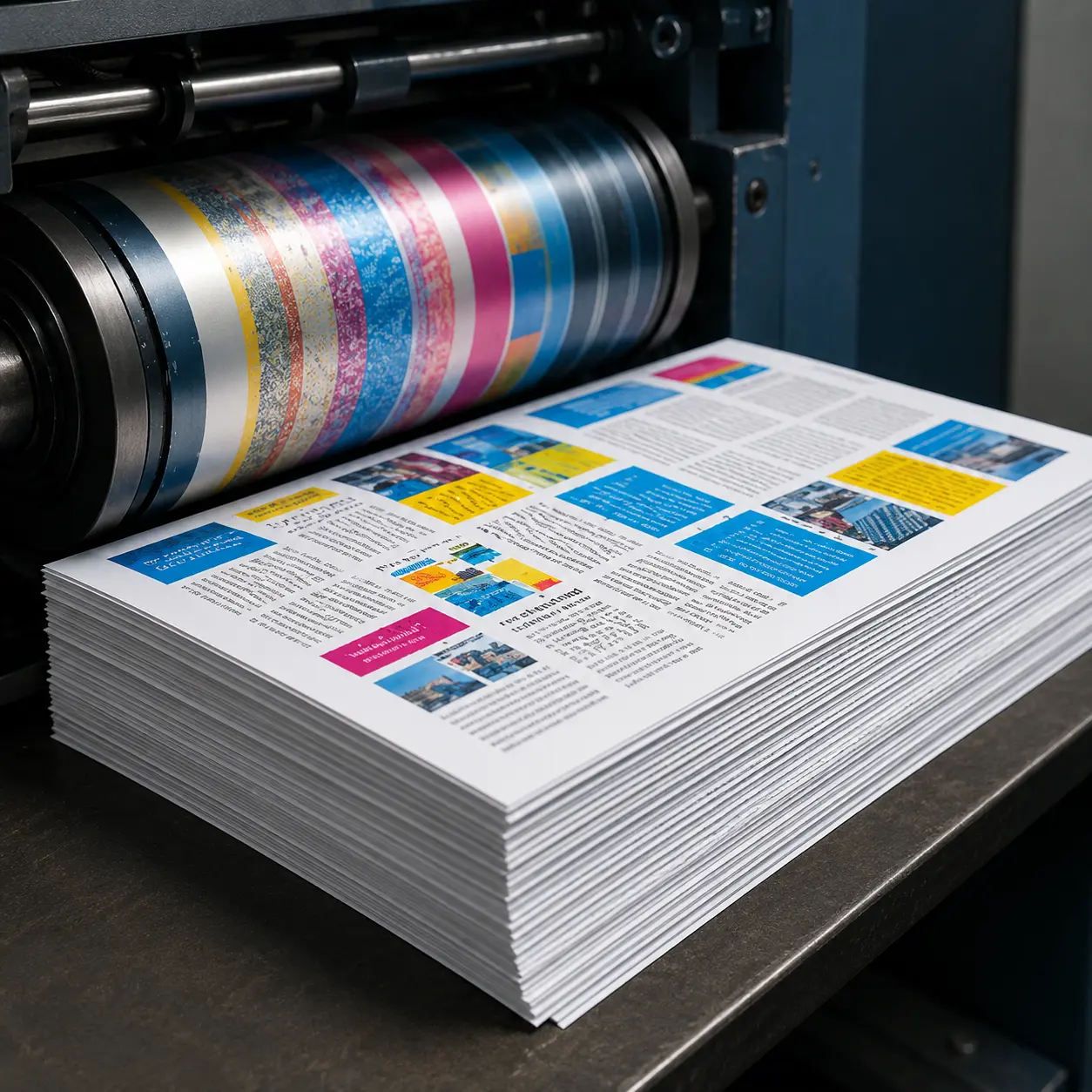
Industry-standard offset printing for high-volume runs with consistent color matching across bulk production.

Selective dimensional embellishment for premium B2B branding, tactile depth, and shelf differentiation.

Vibrant UV-cured printing suited for promotional packaging, event giveaways, and trade-show units.
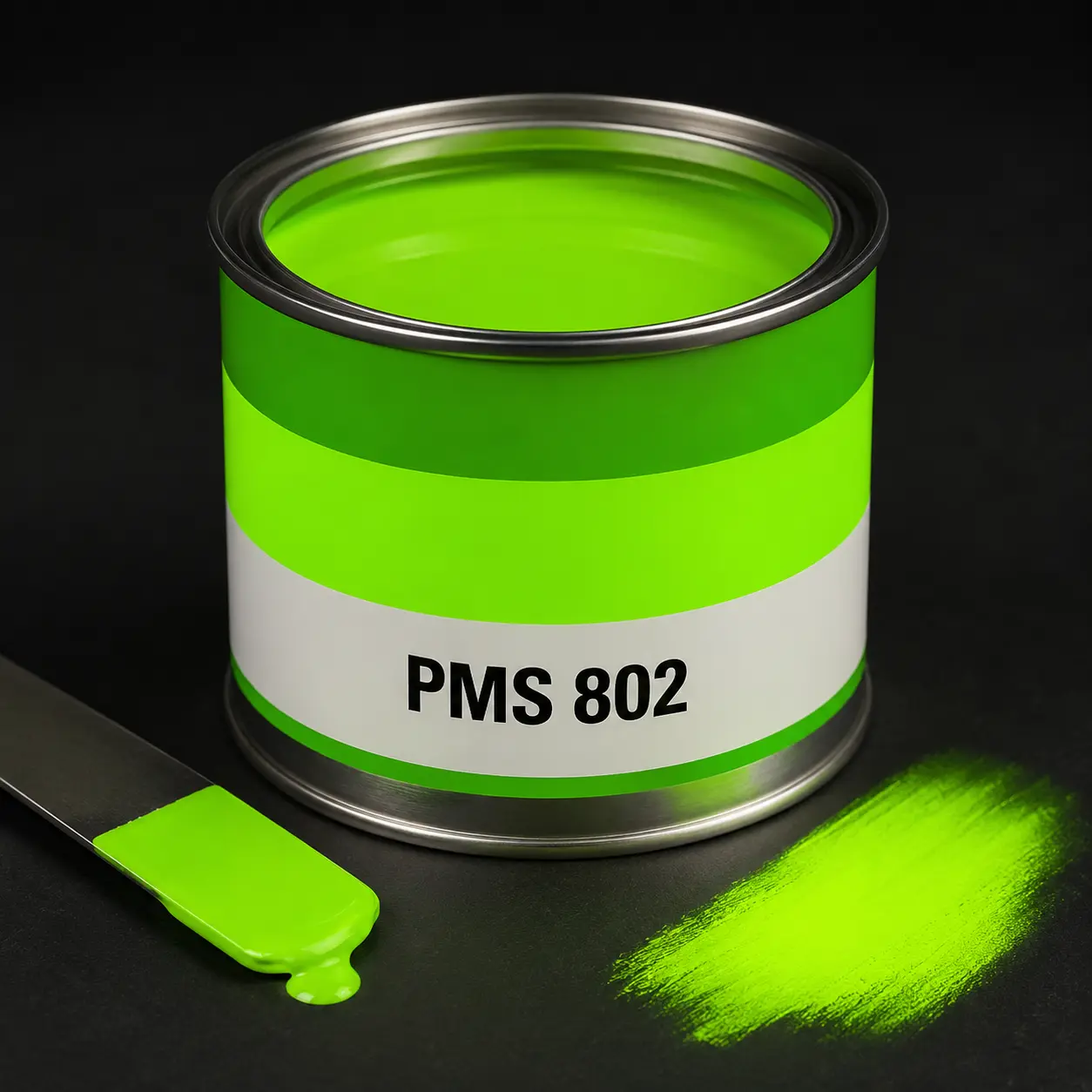
High-visibility ink system engineered for shelf impact, retail displays, and wholesale point-of-sale units.
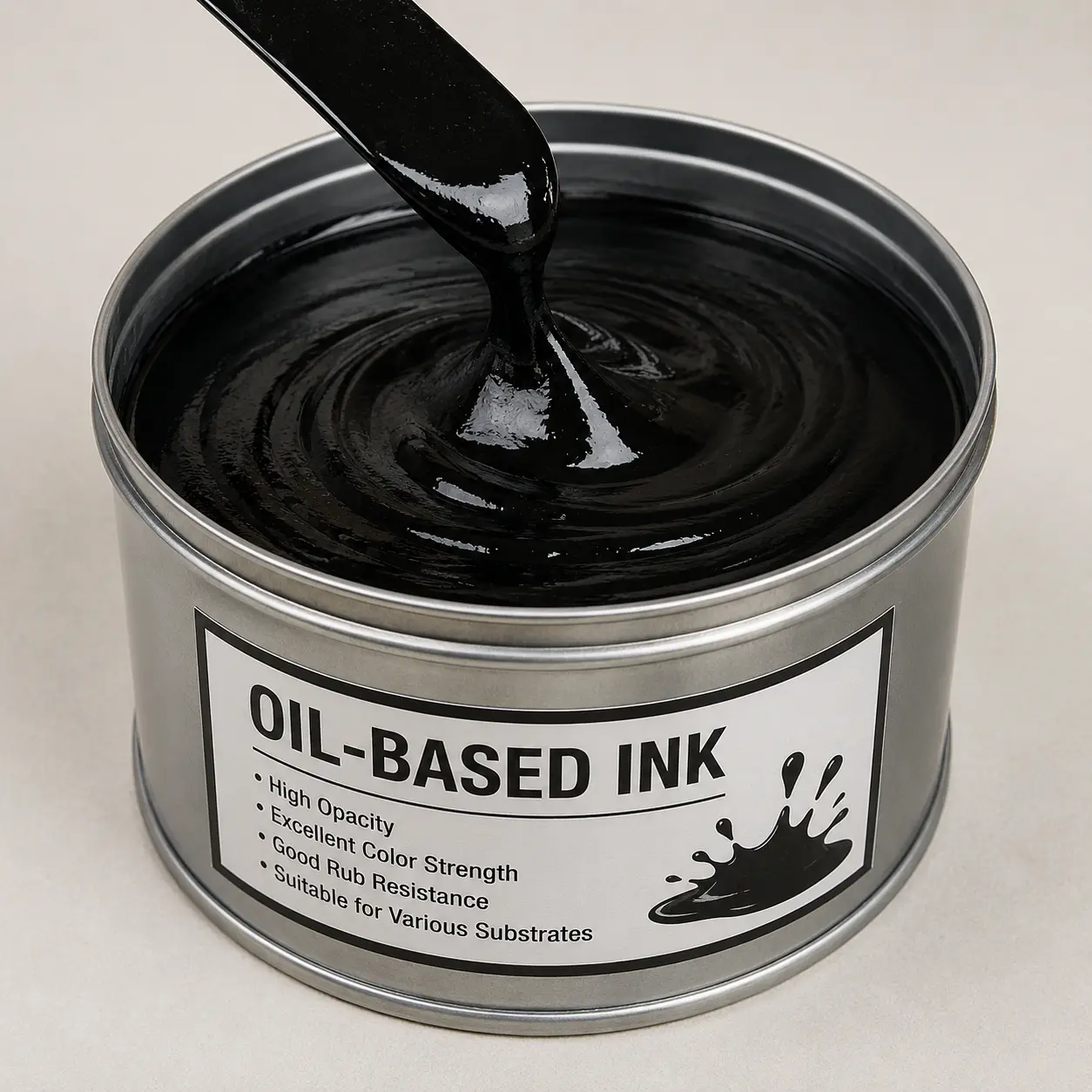
Industry-grade ink for durable, scuff-resistant production runs across long-haul distribution.

Spot-color matching to corporate brand standards — consistent identity across every SKU and reorder.

Sustainable plant-based ink for eco-certified packaging programs and ESG-aligned product launches.

Protective film extends shelf life and protects packaging during shipping and warehouse handling.

Water-based protective seal — fast-drying, food-safe-friendly finish for high-volume bulk production.

Premium tactile finish that elevates corporate gifting boxes and high-end B2B product lines.

Highlight logos and key artwork with selective gloss for maximum retail brand recognition.

Raised brand marks for tactile, premium identity on retail shelves and corporate packaging.

Pressed impressions for subtle, sophisticated branding on premium B2B product lines.

Metallic foil application — gold, silver, and custom finishes for luxury wholesale packaging.
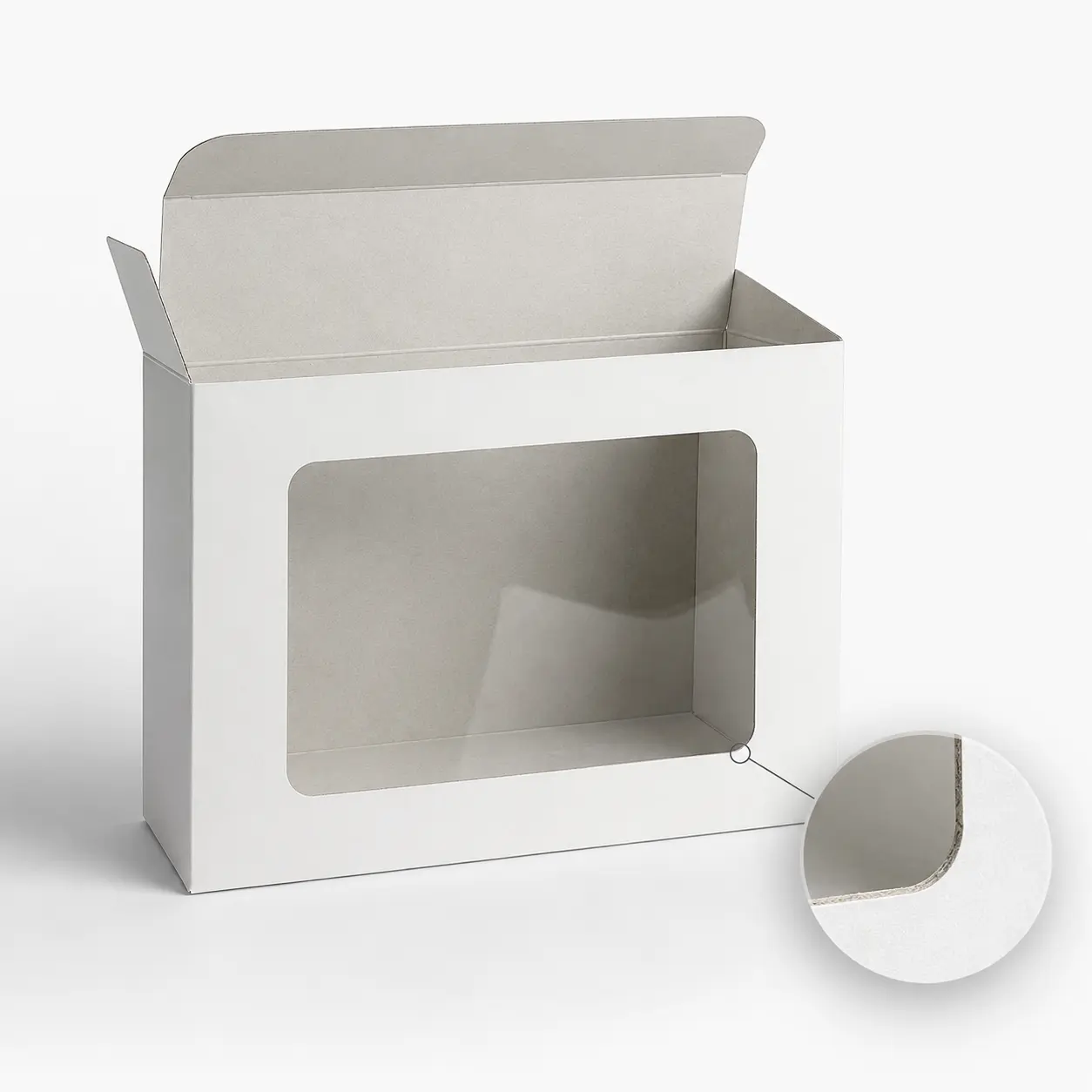
Precision die-cut openings that let customers view the product inside, with optional clear patching for better protection and presentation.
Simple, practical, and built around real B2B production needs.
Send product size, quantity, material preference, artwork, and delivery details.
Our team prepares a proof or 3D mockup so you can check design and structure.
Once approved, your packaging moves into printing, cutting, finishing, and packing.
Finished boxes are packed and shipped to your warehouse, retailer, or 3PL.
Explore similar packaging options that may fit your product line.

Reviews
There are no reviews yet.