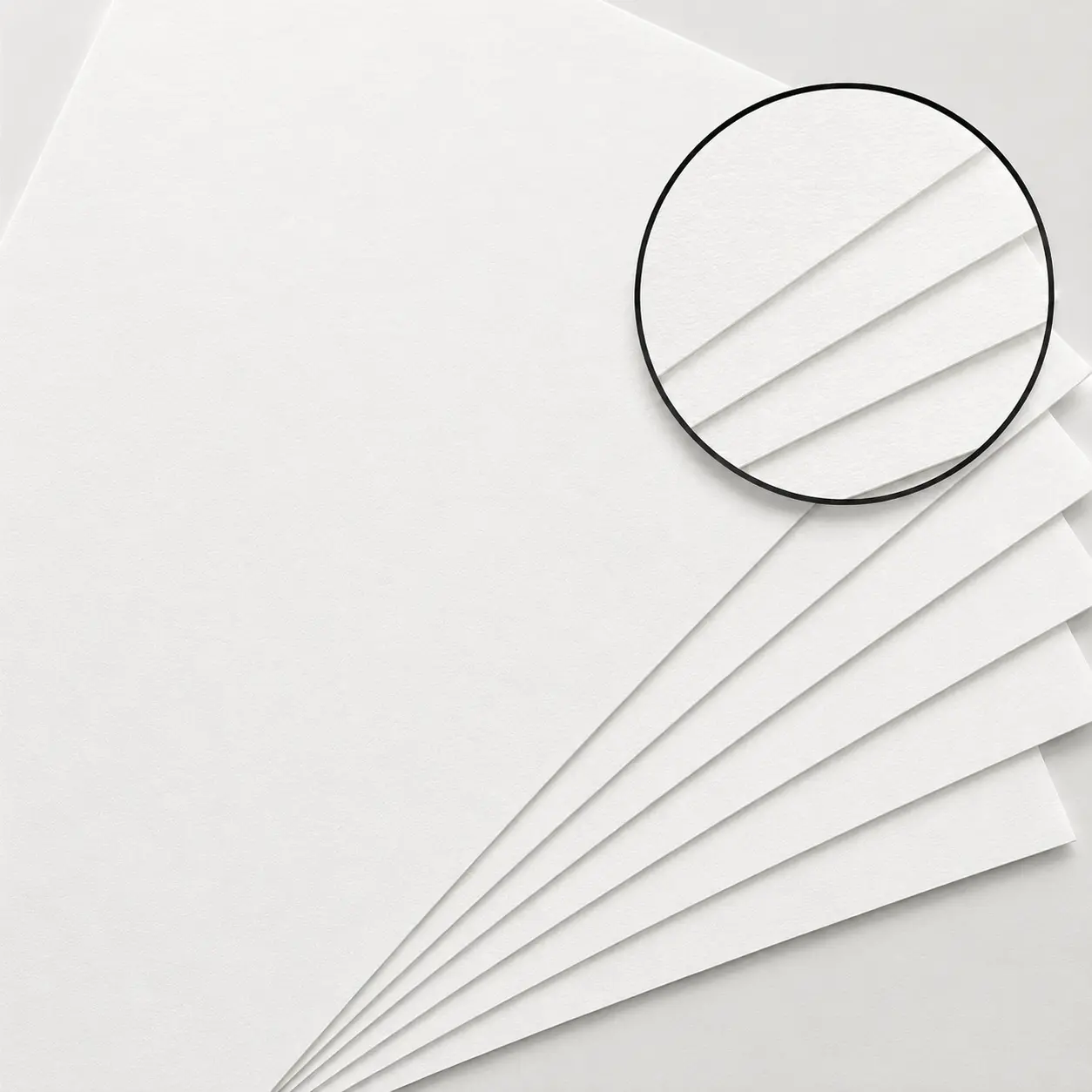
SBS Cardboard
Premium bleached substrate engineered for retail-ready packaging with sharp, high-resolution print performance across bulk SKUs.
With 50cl candles, the box mostly comes down to how it fits once things start moving through packing, shipping, and storage. A bit of extra space and the jar can shift over time, while a tighter fit can create pressure, especially under stacking. When the sizing is worked out properly, the candle tends to stay steady, and small issues don’t build up later.
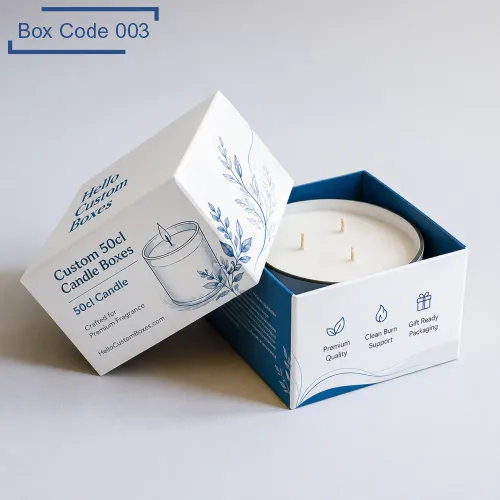
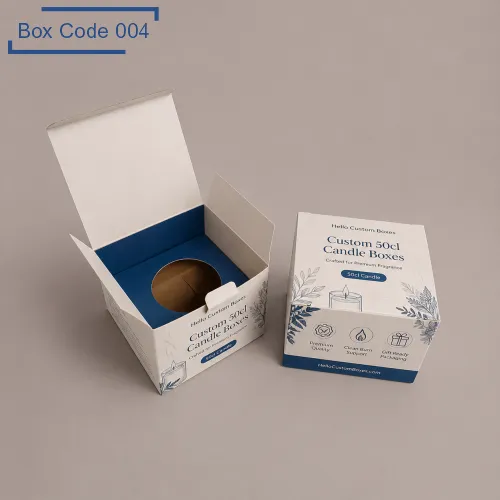
Tell us your specs and we'll send pricing within one business day.
A 50cl candle usually looks fine when it’s packed. Everything sits in place, no movement, no visible issue. The problem doesn’t show there.
It shows later, sometimes not immediately.
During transit, cartons shift. In storage, boxes get stacked higher than planned. Even during handling, small movements start adding up. That’s when things begin to change, not dramatically, but enough to affect how the product looks when it finally reaches the customer.
That’s where 50cl candle boxes stop being just packaging and start doing real work. They control how the product behaves when conditions aren’t ideal.
A 50cl candle box isn’t about simply enclosing the jar. It’s about managing how it sits inside.
Sometimes the issue is extra space. The jar moves slightly, which doesn’t seem like much at first, but over distance it builds friction. Other times, the fit goes the other way. Too tight, and pressure starts building, especially when boxes are stacked during shipping or storage.
Both situations create problems, just in different ways.
This is where generic candle packaging boxes usually fall short. They’re made from standard sizes, not from how the product actually behaves once it starts moving.
At packing stage, everything often looks fine. That’s why these problems are easy to miss.
They show up later, after:
We’ve seen batches where nothing looked wrong at dispatch, but after transit, the jars had slight internal movement marks on the wax surface. No breakage, just enough to make the product feel handled.
In some cases, the opposite happens. Boxes that were just slightly tight created pressure over time, and the jar developed stress cracks without any visible impact.
That’s usually the point where brands move away from standard custom candle boxes and start focusing on structure instead of just design.
You don’t notice a well-built box right away. It becomes obvious after things have gone through real conditions.
Shipments arrive and the candles are still sitting properly. Boxes don’t lean on shelves. Edges stay firm even after stacking.
Even the unboxing feels different. Not dramatic, just more controlled. The product comes out the way it was packed, not slightly shifted.
That difference, small as it seems, affects how customers judge the product.
Material choice isn’t just about strength. It changes how the box reacts over time.
Kraft board works well for lighter setups and gives a more natural look, but under heavy stacking it can start to soften.
SBS cardboard gives a cleaner surface for printing, which is why it’s used more in retail-focused candle packaging boxes.
Corrugated board, especially E-flute, adds structural support. If your candles are shipping regularly, this is usually where stability improves noticeably.
Rigid stock is different. It’s less about shipping strength and more about presentation, often used where the box itself becomes part of the product experience.
The right option depends on how your product moves, not just how it looks in samples.
Printing always looks perfect at the start. The real test is what happens after handling.
CMYK works for most designs. PMS is used when color accuracy needs to stay consistent across runs.
Finishes behave differently once the boxes are in circulation. Matte can start showing marks. Gloss protects better but reflects light. Soft-touch feels premium, though it can pick up scuffs during transit. UV coating is often used to protect areas that get handled more.
Darker designs, especially, tend to show wear faster. That’s something many brands only notice after distribution starts.
Most packaging setups begin with artwork. That’s usually where mistakes start.
With 50cl candle boxes, structure needs to come first.
It usually comes down to:
Once that’s clear, the box is built around it.
Styles like tuck-end, magnetic lid, or sleeve designs can still be used. Inserts can be added where needed. But the structure isn’t taken from a template, it’s adjusted based on how the product behaves.
Different businesses use the same candle, but not the same way.
Retail brands focus on clean presentation and consistent sizing on shelves.
E-commerce setups need packaging that holds up through sorting and delivery.
Gift brands lean toward rigid or lid-style boxes for presentation.
Subscription models need consistency across repeated shipments.
Same product, different pressure points.
Most brands don’t change packaging because of design preferences.
It usually happens after small issues start repeating:
At that point, the problem isn’t printing. It’s structure.
At Hello Custom Boxes, sizing isn’t based on artwork. It’s based on how the product moves during packing, shipping, and handling.
That’s what reduces damage and keeps results consistent.
Sustainable packaging only works if it still performs.
That’s why most setups focus on:
The goal is to reduce waste without affecting how the packaging holds up.
Packaging doesn’t fail immediately. It builds up over time.
Stacking pressure, movement during transit, temperature changes, all of it adds up. A box that seems fine at the start can behave differently after a few shipments.
That’s why correct sizing and structure matter more than how the box looks in a sample.
If your current packaging allows even slight movement, it’s already affecting your product more than it seems. It may not show on every unit, but over time it turns into damage, returns, or inconsistent presentation.
Fixing the structure early usually costs less than dealing with those issues later.
You can request a quote or go through your setup with Hello Custom Boxes to get 50cl candle boxes that are built around how your product actually moves, not just how it looks on paper.
50cl Candle Boxes Specifications |
|
|---|---|
| Materials | Cardboard folding cartons, rigid board, kraft paperboard, corrugated support layers, recyclable candle packaging materials. |
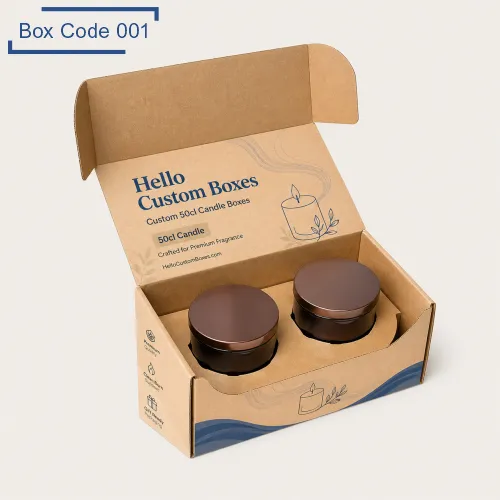
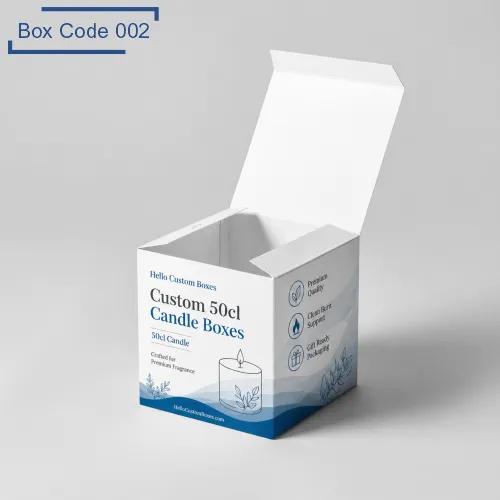
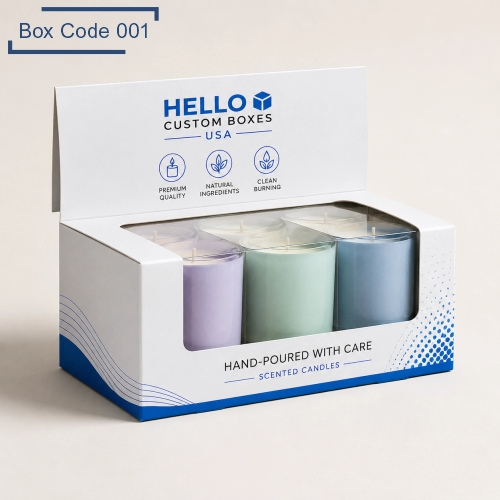
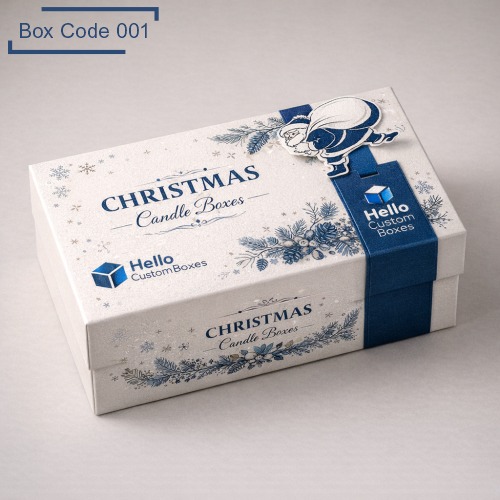
| Packaging Style | Tuck-end candle boxes, rigid candle boxes with lids, sleeve packaging, magnetic closure boxes, tray and sleeve structures. |
| Jar Fit Structure | Built around standard 50cl candle jar dimensions, controlled internal spacing, balanced support for larger glass candle containers. |
| Board Strength | Reinforced side panels, load-support structure, resistance against panel flexing, stable stacking performance for heavier candle jars. |
| Insert Options | Cardboard inserts, corrugated inserts, precision-cut cavities, protective support layouts, eco-friendly insert options. |
| Product Protection | Designed to reduce jar movement during storage and shipping, protects candle jars from surface marks, pressure damage, and chipped edges. |
| Surface Finish | Matte lamination, gloss coating, soft-touch finish, anti-scuff protection, smooth printable surfaces, luxury candle packaging textures. |
| Printing | CMYK and Pantone printing, foil stamping, embossing/debossing, spot UV highlights, custom logo printing, inside printing optional. |
| Lid & Closure Styles | Tuck-end closures, rigid magnetic lids, friction-fit tops, tray-and-sleeve systems, premium display-focused closures. |
| Retail & Shipping Use | Suitable for retail shelves, boutique candle displays, subscription packaging, warehouse storage, and direct-to-customer shipping. |
| Durability | Strong load-bearing structure, reinforced corners, stable lid alignment, resistance against repeated handling and stacking pressure. |
| Sizes | Custom sizing based on 50cl candle jar dimensions, adjustable insert depth, tailored height and diameter configurations. |
| Wholesale | Low MOQ production, bulk candle packaging orders, custom dieline engineering, sampling, consistent print and color control. |
| Sustainability | Recyclable kraft materials, eco-friendly candle packaging, plastic-free insert options, recyclable board stock, sustainable production methods. |
Choose from practical materials, print methods, inks, finishes, and add-ons for a better product presentation.
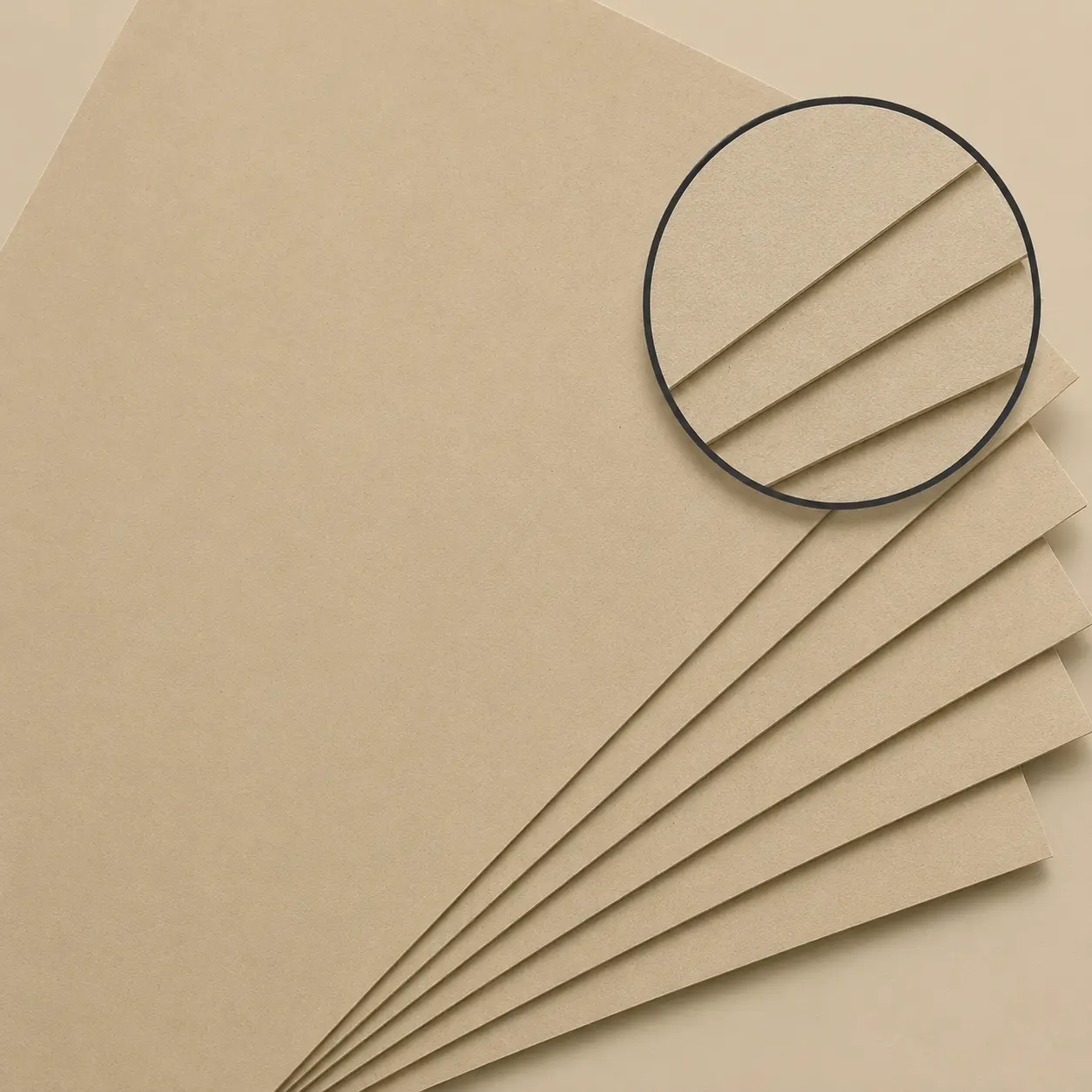
Premium bleached substrate engineered for retail-ready packaging with sharp, high-resolution print performance across bulk SKUs.
High-density rigid board built for wholesale cartons, structural strength, and stack-ready warehouse logistics.
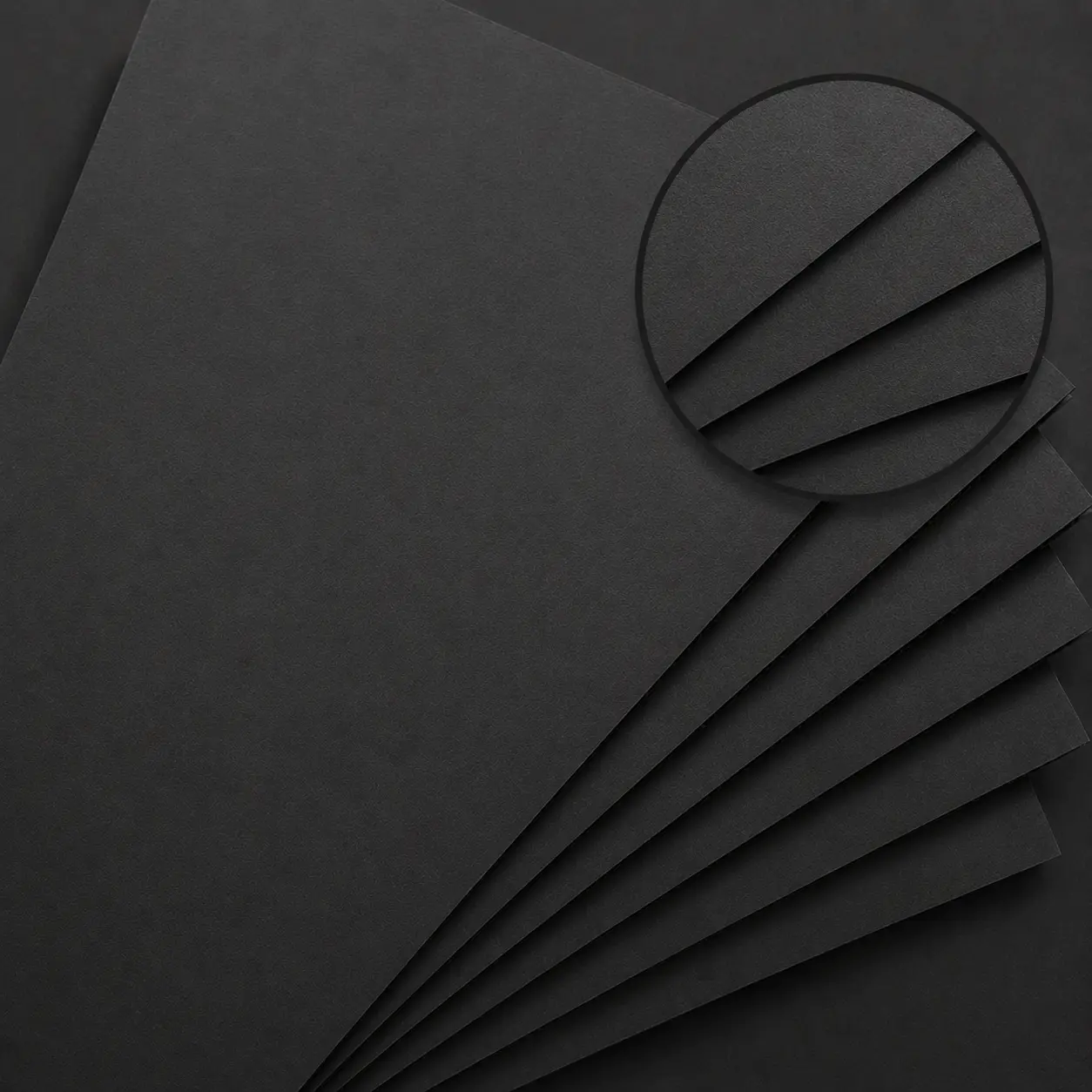
Eco-conscious black kraft for premium unboxing programs, corporate gifting, and limited-edition product lines.
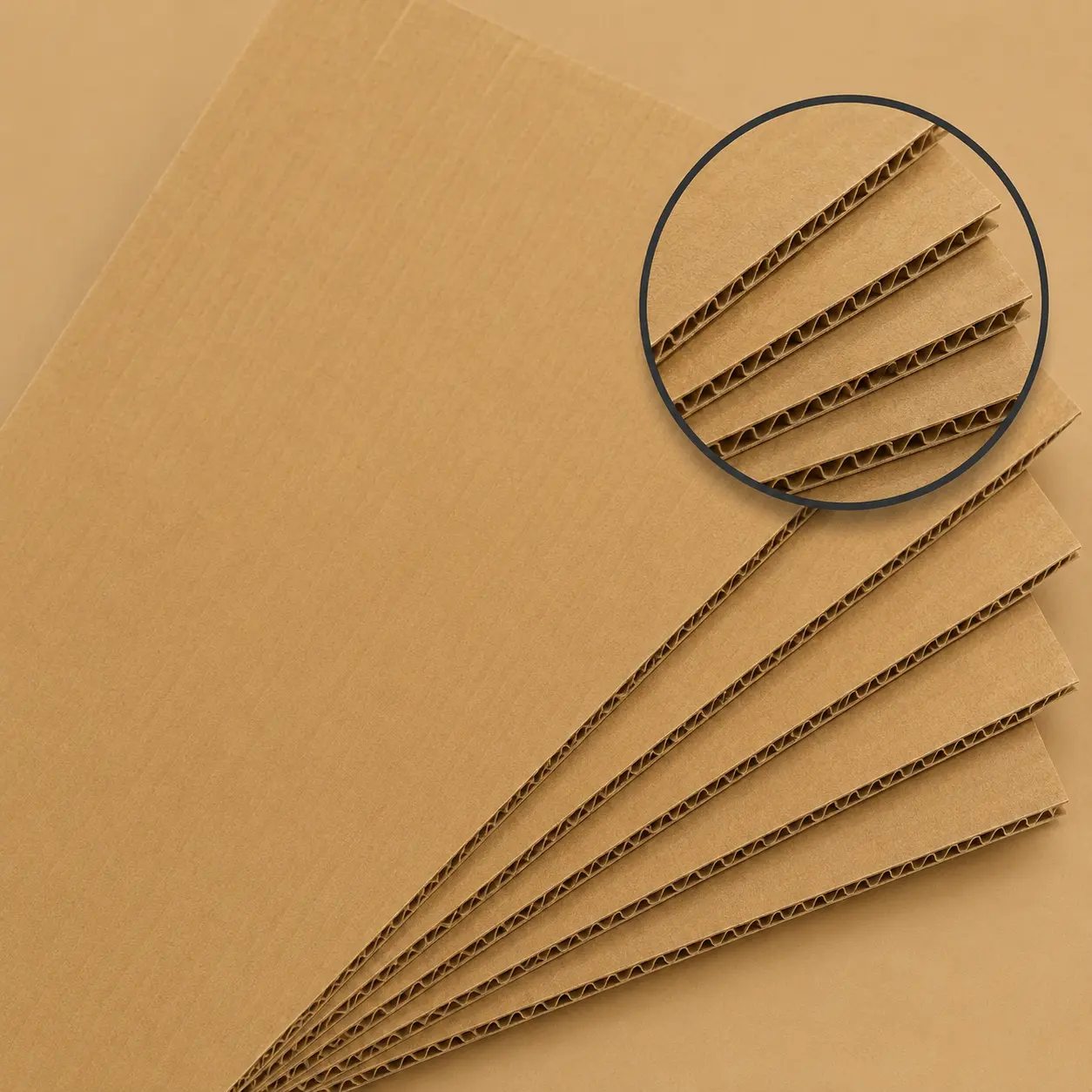
Multi-flute corrugated board built for protective shipping, e-commerce dispatch, and high-volume B2B fulfillment.
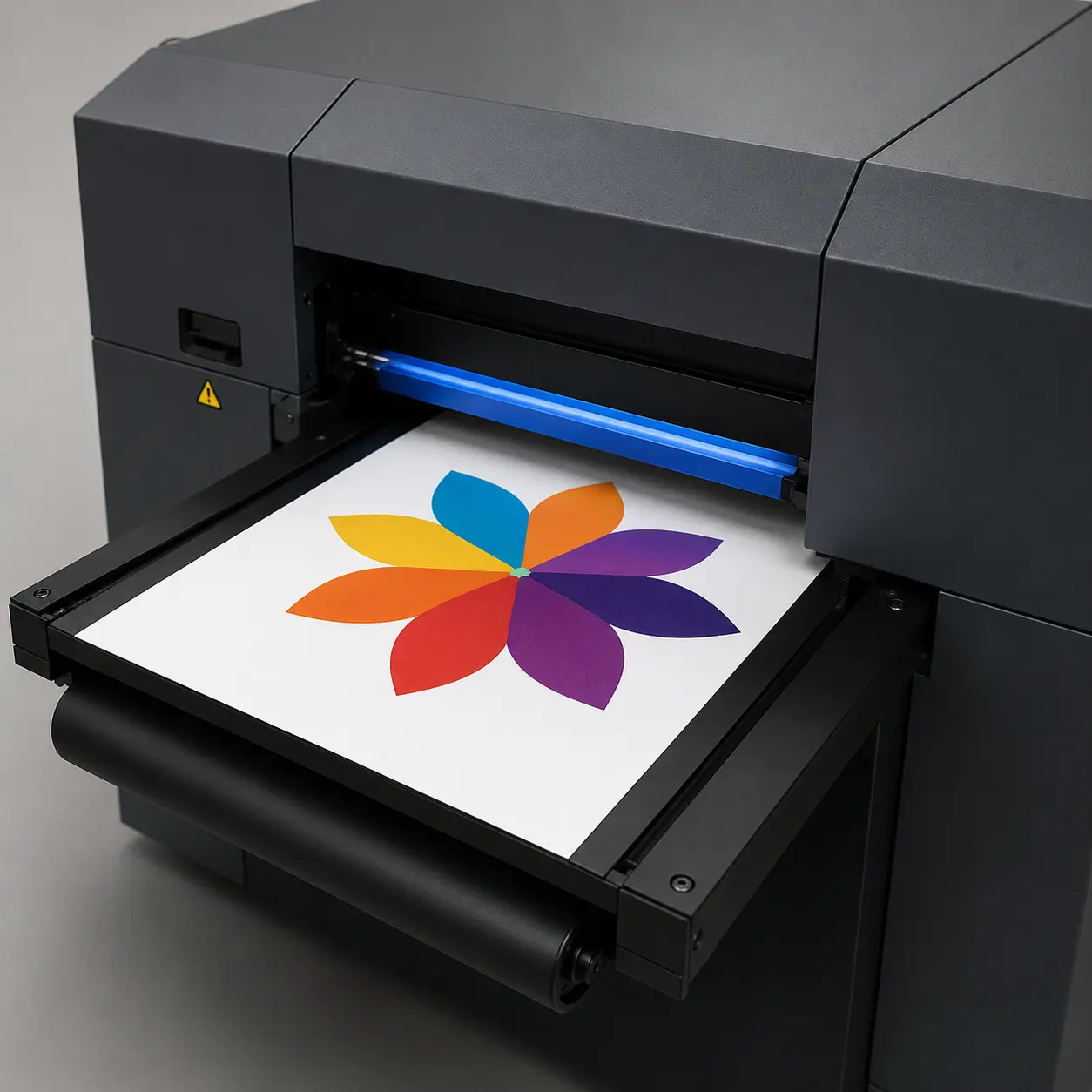
Short-run digital printing with no plate setup — ideal for prototypes, sample approvals, and quick reorders.
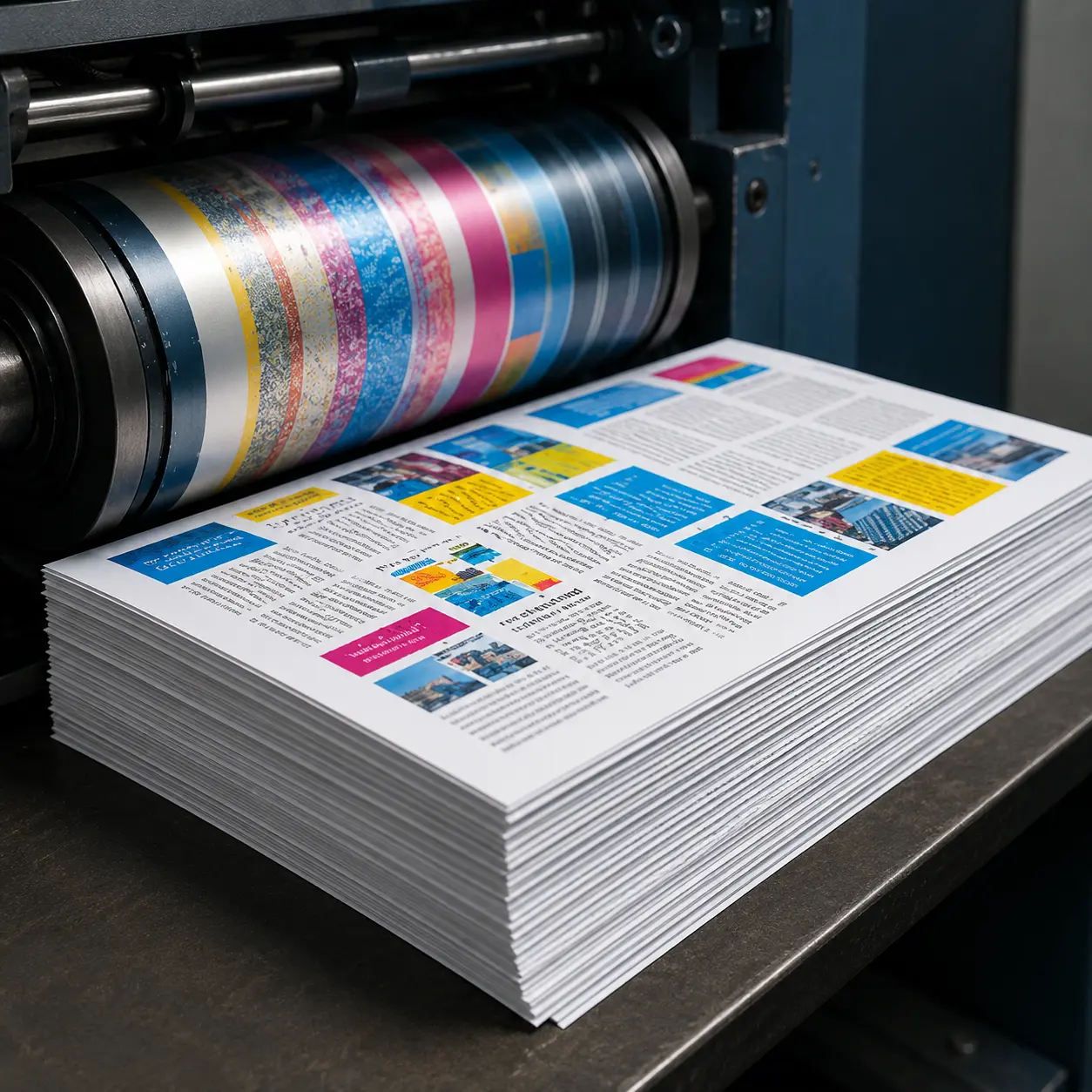
Industry-standard offset printing for high-volume runs with consistent color matching across bulk production.

Selective dimensional embellishment for premium B2B branding, tactile depth, and shelf differentiation.

Vibrant UV-cured printing suited for promotional packaging, event giveaways, and trade-show units.
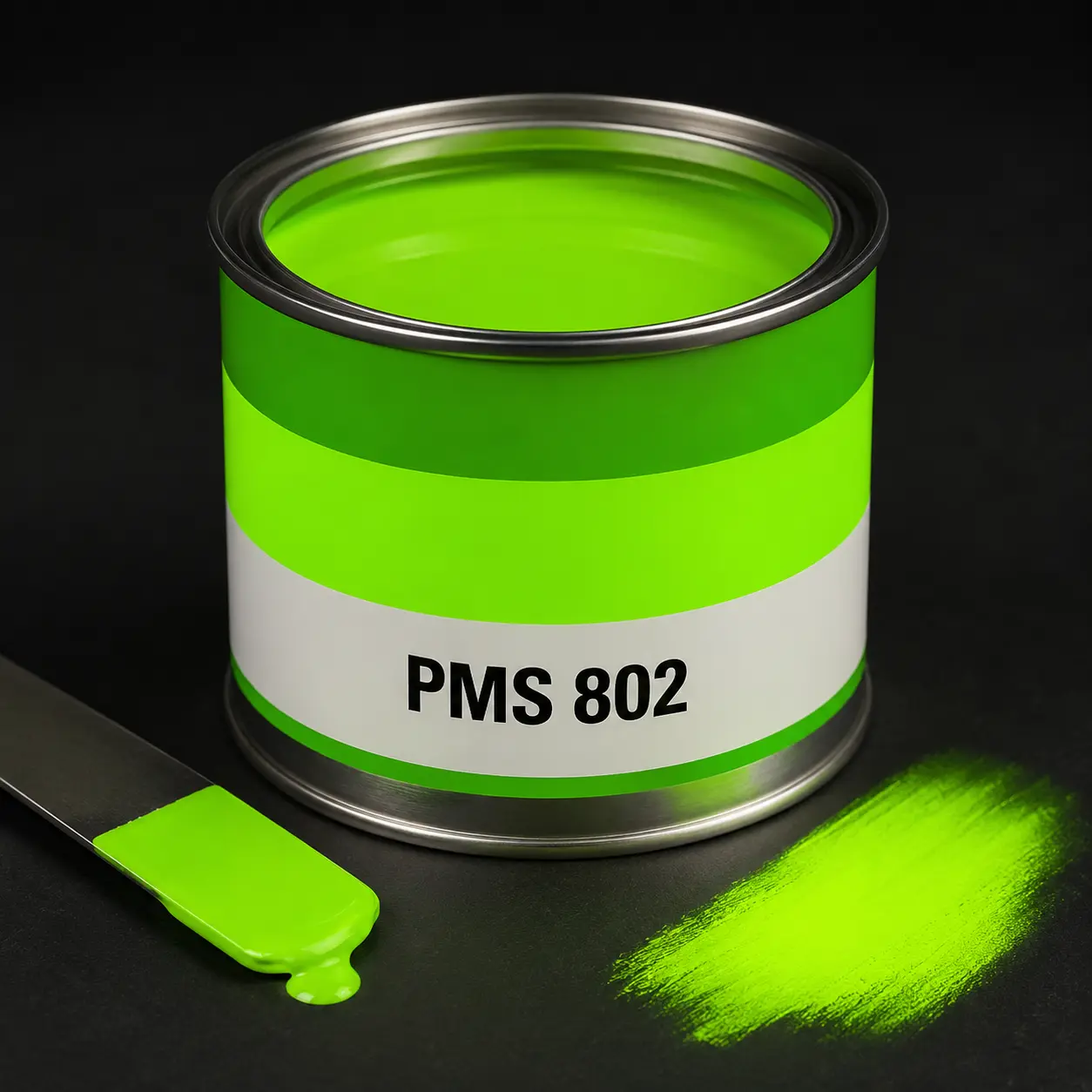
High-visibility ink system engineered for shelf impact, retail displays, and wholesale point-of-sale units.
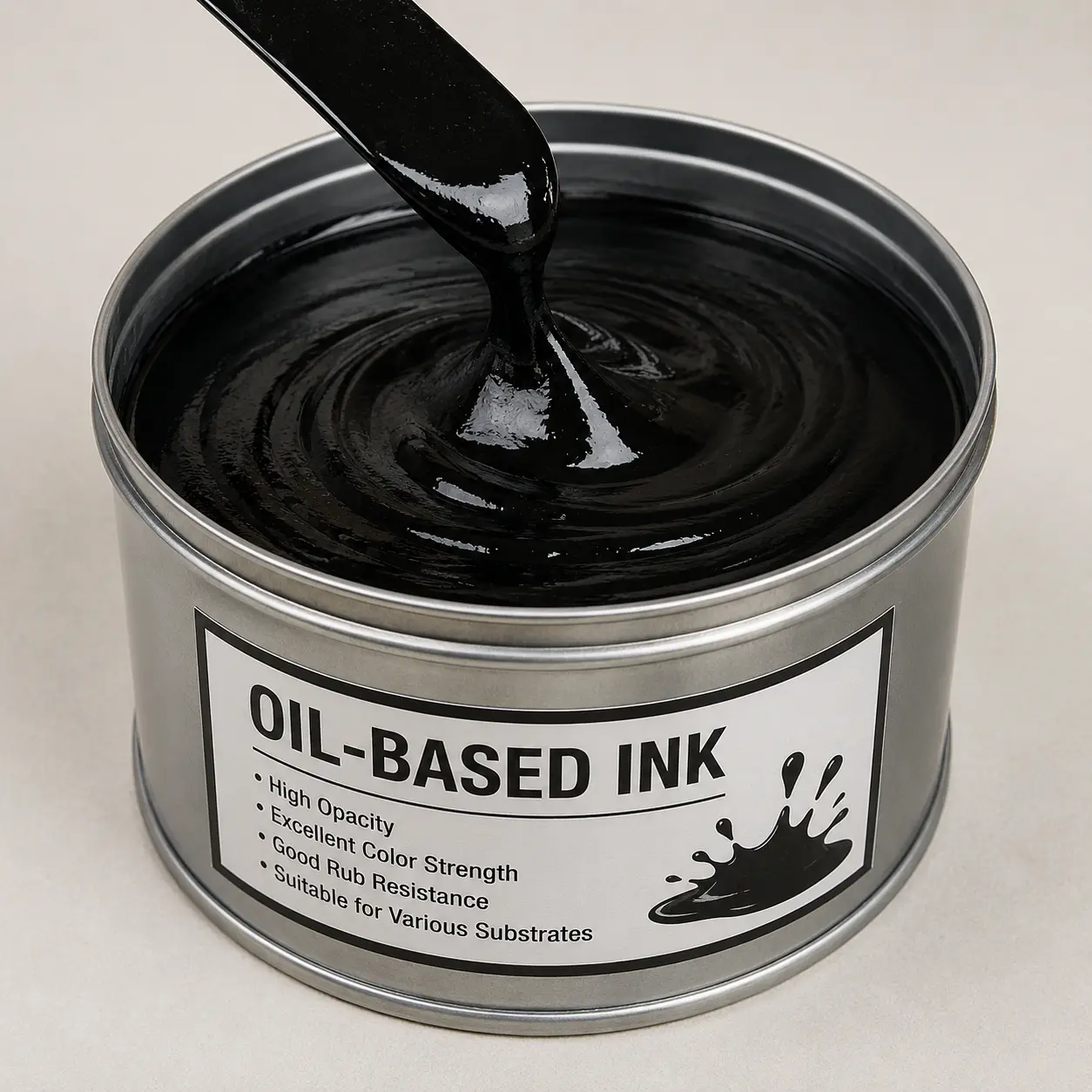
Industry-grade ink for durable, scuff-resistant production runs across long-haul distribution.

Spot-color matching to corporate brand standards — consistent identity across every SKU and reorder.

Sustainable plant-based ink for eco-certified packaging programs and ESG-aligned product launches.

Protective film extends shelf life and protects packaging during shipping and warehouse handling.

Water-based protective seal — fast-drying, food-safe-friendly finish for high-volume bulk production.

Premium tactile finish that elevates corporate gifting boxes and high-end B2B product lines.

Highlight logos and key artwork with selective gloss for maximum retail brand recognition.

Raised brand marks for tactile, premium identity on retail shelves and corporate packaging.

Pressed impressions for subtle, sophisticated branding on premium B2B product lines.

Metallic foil application — gold, silver, and custom finishes for luxury wholesale packaging.
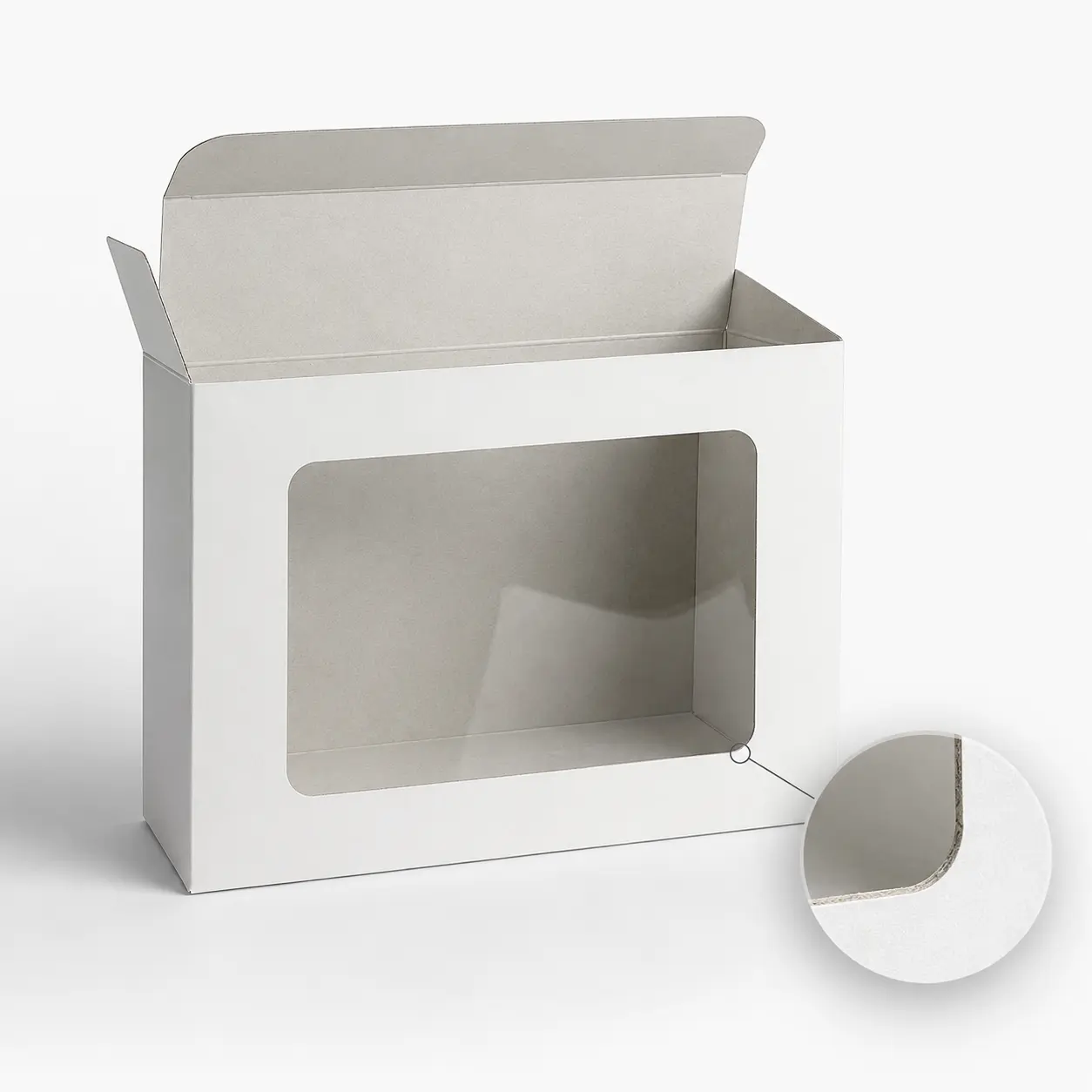
Precision die-cut openings that let customers view the product inside, with optional clear patching for better protection and presentation.
Simple, practical, and built around real B2B production needs.
Send product size, quantity, material preference, artwork, and delivery details.
Our team prepares a proof or 3D mockup so you can check design and structure.
Once approved, your packaging moves into printing, cutting, finishing, and packing.
Finished boxes are packed and shipped to your warehouse, retailer, or 3PL.
Explore similar packaging options that may fit your product line.
Reviews
There are no reviews yet.