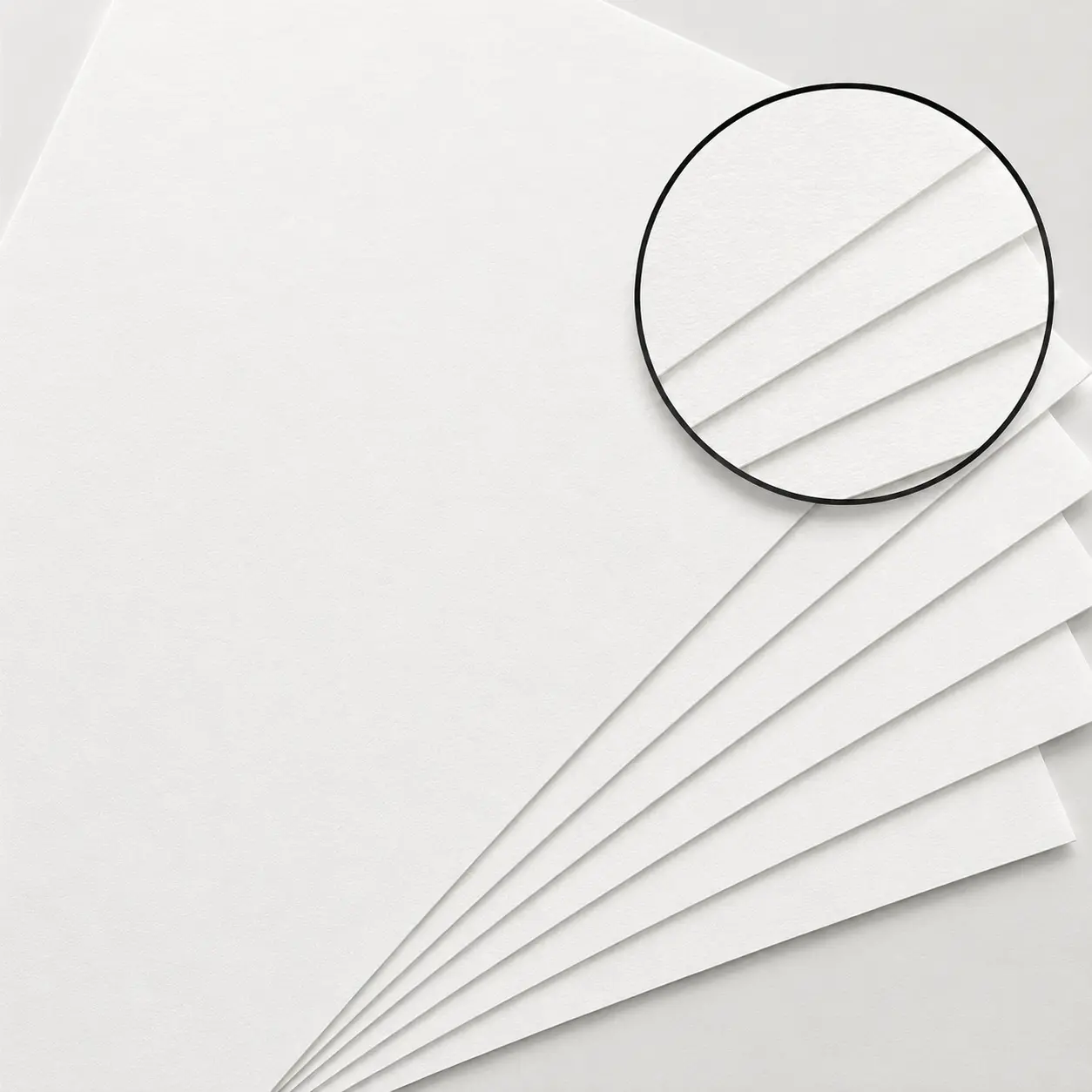
SBS Cardboard
Premium bleached substrate engineered for retail-ready packaging with sharp, high-resolution print performance across bulk SKUs.
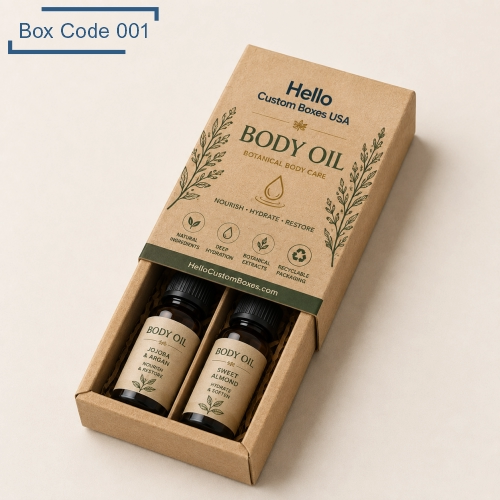
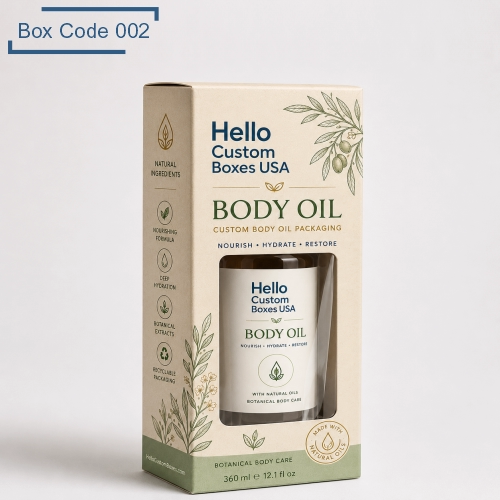
Body oil bottles vary more than their capacity suggests. A slim pump bottle and a short glass bottle may hold the same amount of oil but need very different cartons. Body oil boxes can be sized around the finished container, including its closure, so there is room to pack the bottle without leaving it loose inside. The box construction can then be matched to the bottle weight, presentation, and order requirements.
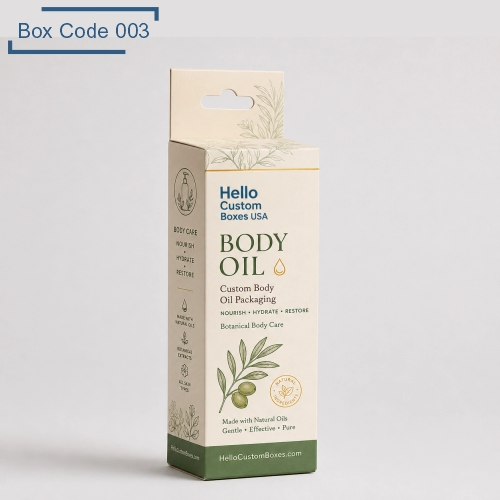
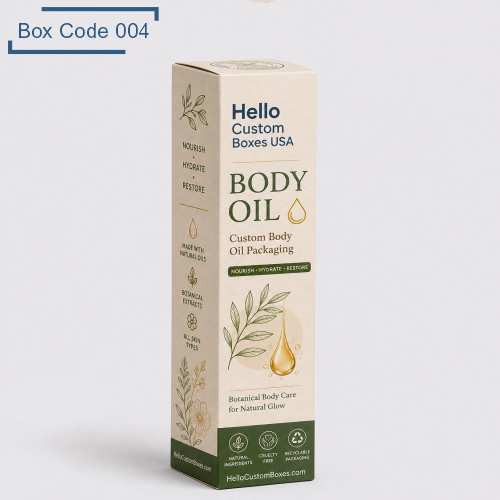
Tell us your specs and we'll send pricing within one business day.
Body oil bottles may be small, but the filled product can put a fair amount of weight on the carton, particularly when the container is glass. Most of that load reaches the bottom of the box, so the board needs enough stiffness to keep the base and side panels in shape.
The closure changes the fit too. A pump adds height, while a dropper or collar may extend beyond the main bottle body. Measuring only the straight sides of the container can leave the finished carton tight around the top.
Body oil boxes should therefore be sized from the complete bottle. There needs to be enough clearance to load it without catching the closure or rubbing against the bottle label. Too much spare room has the opposite effect, giving the product space to lean or shift as the carton is handled.
For a single bottle, getting that fit right may be enough without adding an insert.
Two containers holding the same amount of body oil will not necessarily fit the same box.
One might be short and broad with a heavy glass base. Another could be tall and narrow with a pump sitting above the shoulder. Even when the stated volume matches, the height, width, weight, and closure can be quite different.
That is why custom body oil packaging boxes are better developed from the physical container dimensions rather than its capacity alone.
The bottle also helps determine how much stiffness the carton needs. A heavier glass container puts different demands on the bottom and vertical panels than a lighter bottle. Increasing the board weight can add support, but using more material than the pack needs does not automatically make it a better carton.
The structure should suit the filled product.
Extra room can work well in luxury body oil packaging, provided there is a reason for it.
A bottle may be positioned in the middle of a larger presentation box rather than sitting close to every wall. In that case, a fitted paperboard insert can keep it where the designer intended when the customer opens the pack.
Gift sets need even more planning. Body oil may sit beside a lotion, cream, bath product, or another item from the same range. Those products rarely have identical dimensions or weight, so the internal layout needs to follow the actual set. Products such as body powder packaging boxes may also require a different carton shape and internal space than the bottle packaging used for body oil.
Equal-looking compartments are not useful if the products do not fit them properly.
An insert can improve bottle position and presentation, but it adds another component for the packing team to handle. For an everyday single-bottle product, a compact folding carton may be the simpler choice.
Tall body oil bottles often result in tall, narrow cartons. That shape gives the artwork good vertical space but considerably less width.
The front panel does not have to carry every piece of information.
Branding, product identification, and the main visual can take priority there. Supporting information can use the side and rear panels, keeping the front of the body oil packaging easier to read at its actual printed size.
Material choice affects the artwork as well. Natural kraft has a brown base tone, so pale colors will not necessarily reproduce in the same way they would on a lighter paperboard. Artwork should be reviewed on the board that will actually be used.
The dieline also needs attention before printing. A logo sitting too close to a crease can look misplaced once the box is formed. Small copy near a cut edge leaves little room for normal converting tolerance.
Checking the flat artwork is only half the job. The important panels should make sense after the carton has been folded.
Not necessarily.
If the carton has been sized closely around a single bottle, an additional insert may offer little practical improvement. It adds material and creates another piece that has to be handled during packing.
An insert becomes more useful when the outer carton is intentionally larger than the bottle. This often happens with luxury body oil packaging, where the product is meant to sit in a particular position rather than fill most of the box.
Sets are another example. A fitted paperboard arrangement can keep body oil separate from other skincare containers and reduce movement between the products.
The question is not simply whether an insert looks premium. It should have a job to do inside the pack.
Packing one sample carton by hand does not tell you how convenient the same structure will be across a larger order.
With custom body oil boxes wholesale, forming, loading, and closing each carton becomes part of the packaging decision. A folding carton can be stored flat until needed and formed at the packing station, which can help reduce the amount of empty packaging taking up storage space.
More complicated constructions take additional handling. A separate insert may still make sense for a heavy glass bottle or presentation set, but staff have to form or position that component before the product goes into the box.
Finished dimensions matter further down the line.
An unnecessarily large retail carton uses more room inside an outer case. Repeated across wholesale quantities, that spare space can affect how many units fit into each case and how much room finished stock occupies.
A close fit should control wasted space without making the bottle difficult to load.
The printed product carton and the outer shipping package have different jobs.
A retail carton is developed around the individual body oil bottle, its printed presentation, and the handling it receives before purchase. Parcel or wholesale distribution can place the packed units under different loads once several cartons are put together.
For that reason, the retail box should not automatically be treated as the only packaging needed for shipping.
The outer packing decision depends on factors such as the number of bottles being sent together, their combined weight, the container material, and the way the order will be distributed.
This is particularly relevant for glass bottles and multi-product sets. The finished retail pack can look neat on its own while still needing appropriate protection once several units are packed into a larger shipment.
Start with the bottle that will actually go inside.
Provide its width, depth, and full height with the pump, dropper, cap, or other closure fitted. Include the filled weight where possible rather than supplying only the weight of the empty container.
For custom body oil packaging boxes, also provide the required quantity and explain how the product will be packed. Tell us whether you need a straightforward single-bottle carton, an internal insert, a gift set, or a larger presentation-style box.
If several products will share one package, send the dimensions and intended position of each item.
Artwork, preferred board, print coverage, and finishing requirements can be included if those decisions have already been made. If they have not, the bottle dimensions, filled weight, packing arrangement, and intended use give a much better starting point than guessing a box specification.
Those details allow body oil boxes to be developed and quoted around the real product.
Specifications |
|
|---|---|
| Materials | SBS paperboard, white cardboard, kraft board, rigid board, recycled paperboard, recyclable packaging stock. |
| Box Styles | Tuck-end boxes, reverse tuck end cartons, auto-lock bottom boxes, sleeve boxes, two-piece boxes, rigid setup boxes, window cartons. |
| Bottle Fit | Custom dimensions for body oil bottles, glass bottles, pump bottles, dropper bottles, roller bottles, and different bottle shapes and sizes. |
| Inner Protection | Die-cut inserts, bottle holders, reinforced bases, snug internal fit, and protective structures to reduce movement during handling and shipping. |
| Printing | CMYK printing, Pantone matching, offset printing, digital printing, logo printing, product information, ingredient details, directions, and barcode printing. |
| Finishes | Matte lamination, gloss coating, soft-touch finish, spot UV, foil stamping, embossing, debossing, and aqueous coating. |
| Window Options | Die-cut windows, clear film windows, custom-shaped display cutouts, and partial product visibility options. |
| Custom Sizes | Custom length, width, and height based on bottle dimensions, pump or cap clearance, bottle profile, and insert requirements. |
| Production | Custom dieline development, structural sampling, low MOQ production, bulk manufacturing, and consistent print and structural quality. |
| Sustainability | Recyclable paperboard, kraft options, recycled stock, plastic-free packaging designs, and eco-conscious material choices. |
Choose from practical materials, print methods, inks, finishes, and add-ons for a better product presentation.
Premium bleached substrate engineered for retail-ready packaging with sharp, high-resolution print performance across bulk SKUs.

High-density rigid board built for wholesale cartons, structural strength, and stack-ready warehouse logistics.

Eco-conscious black kraft for premium unboxing programs, corporate gifting, and limited-edition product lines.
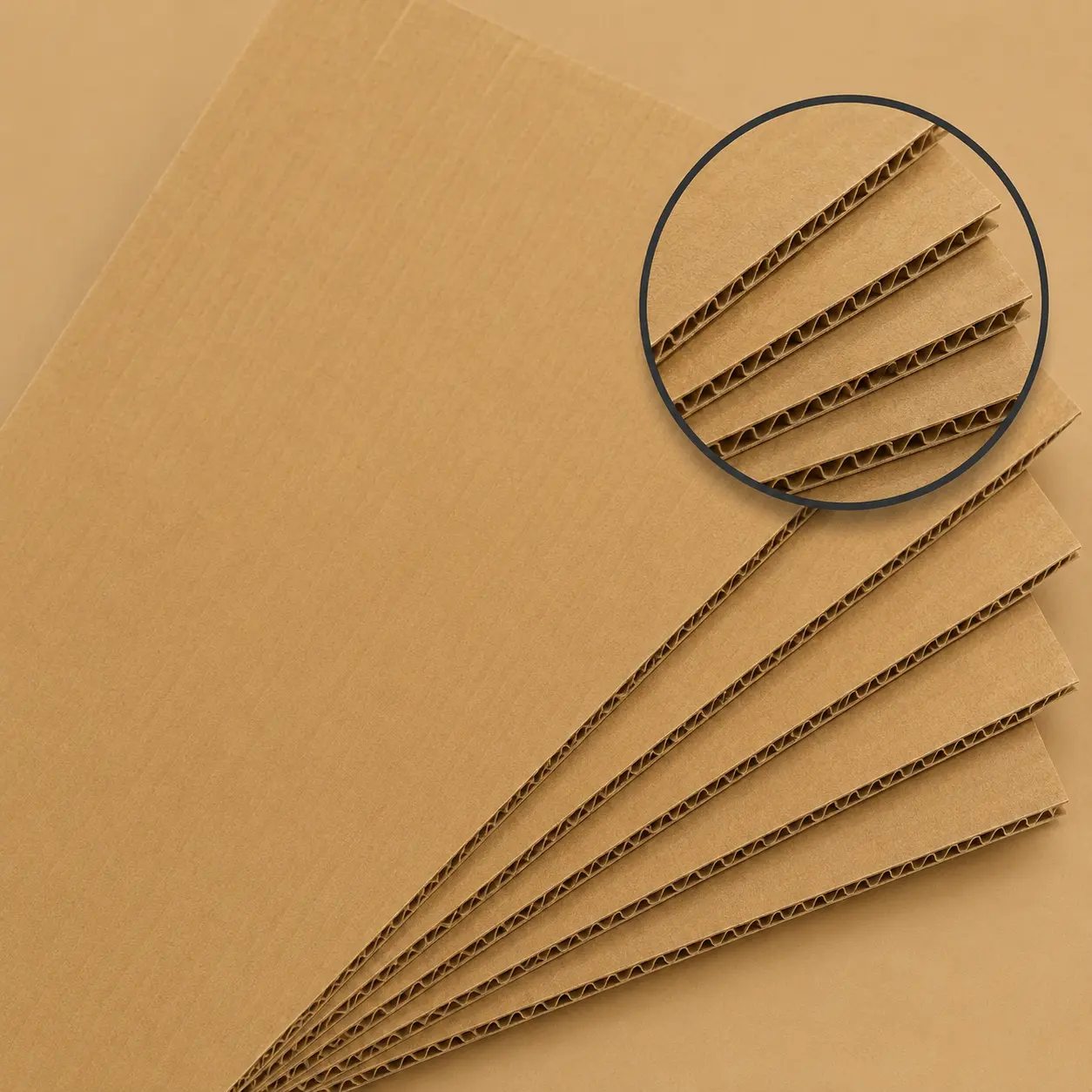
Multi-flute corrugated board built for protective shipping, e-commerce dispatch, and high-volume B2B fulfillment.
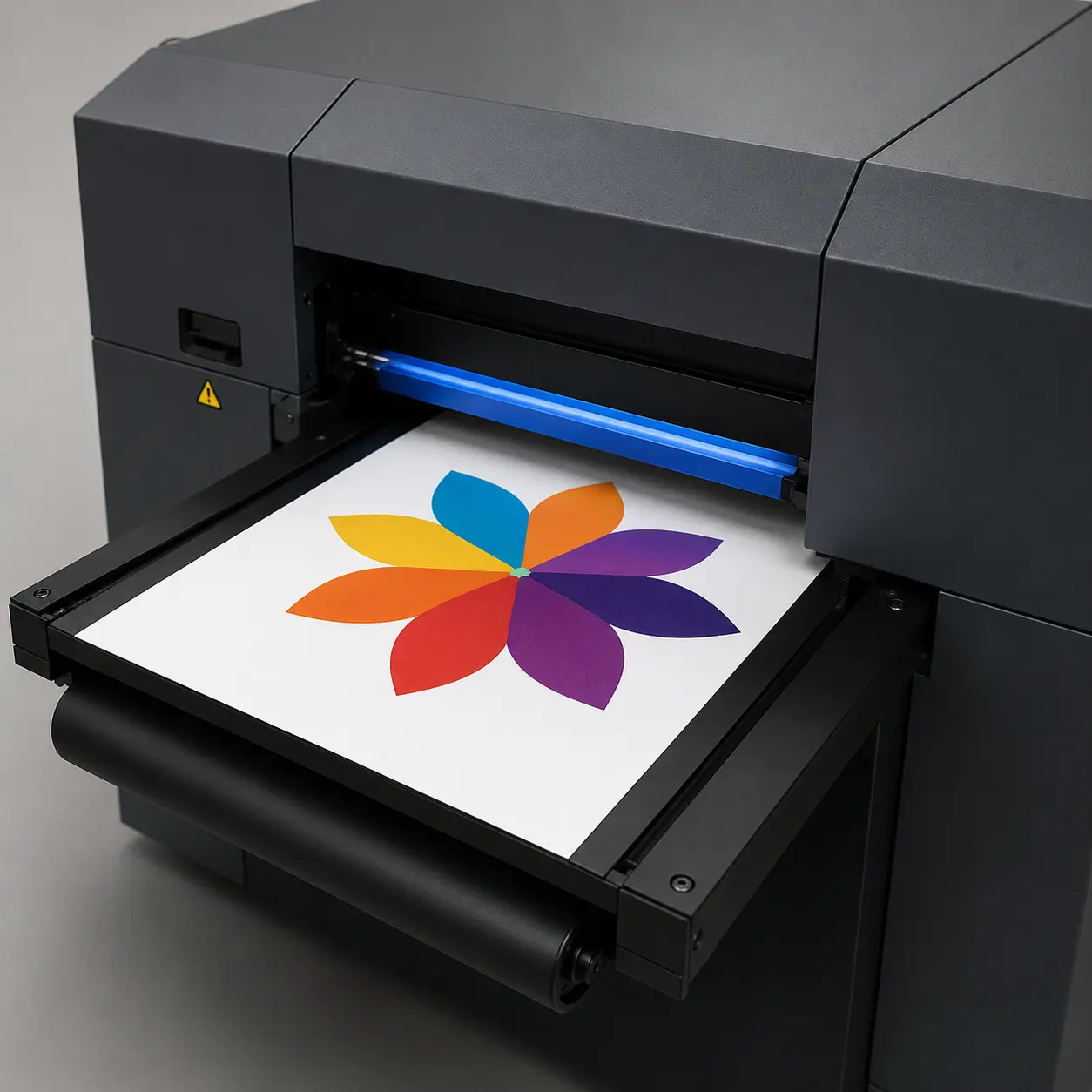
Short-run digital printing with no plate setup — ideal for prototypes, sample approvals, and quick reorders.
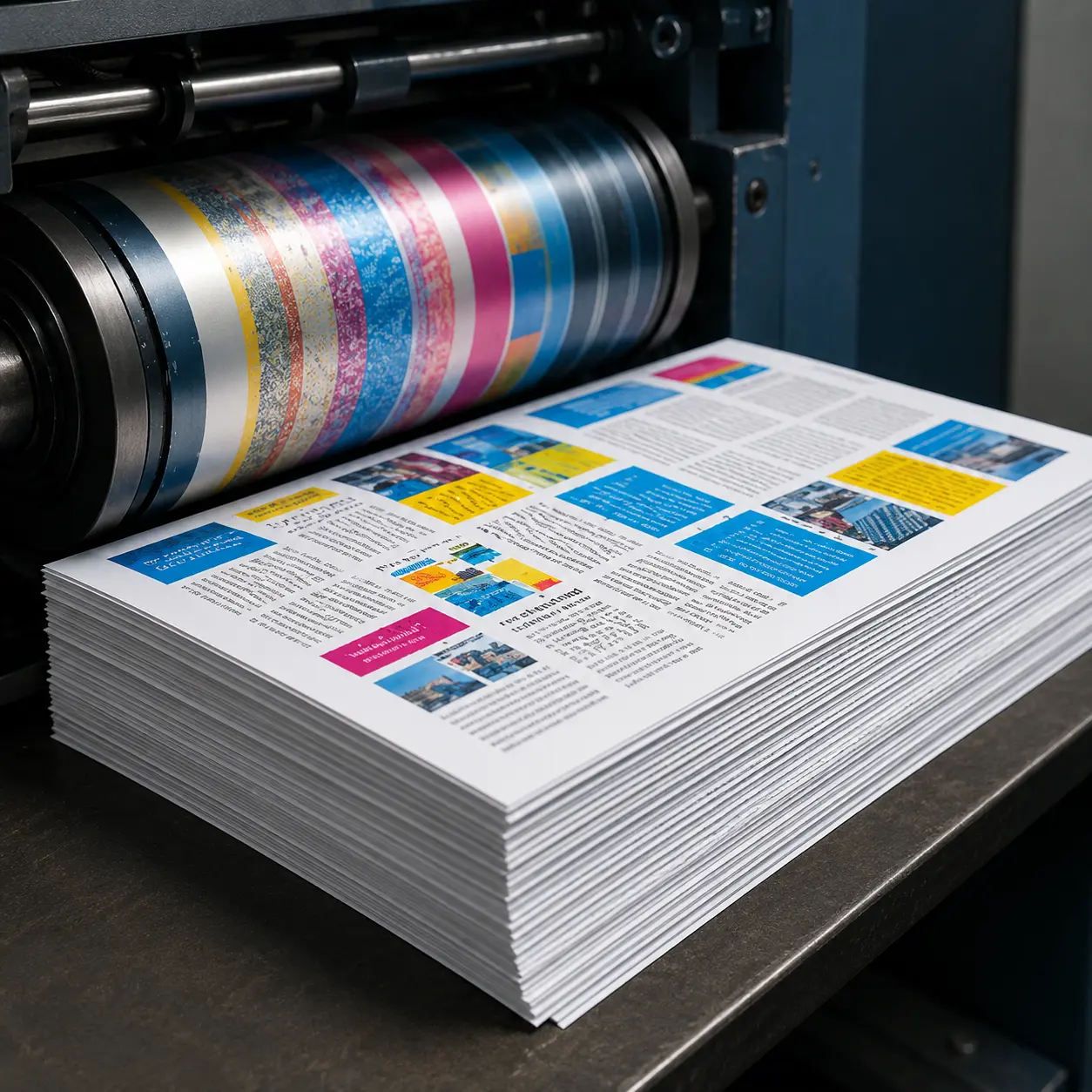
Industry-standard offset printing for high-volume runs with consistent color matching across bulk production.

Selective dimensional embellishment for premium B2B branding, tactile depth, and shelf differentiation.

Vibrant UV-cured printing suited for promotional packaging, event giveaways, and trade-show units.
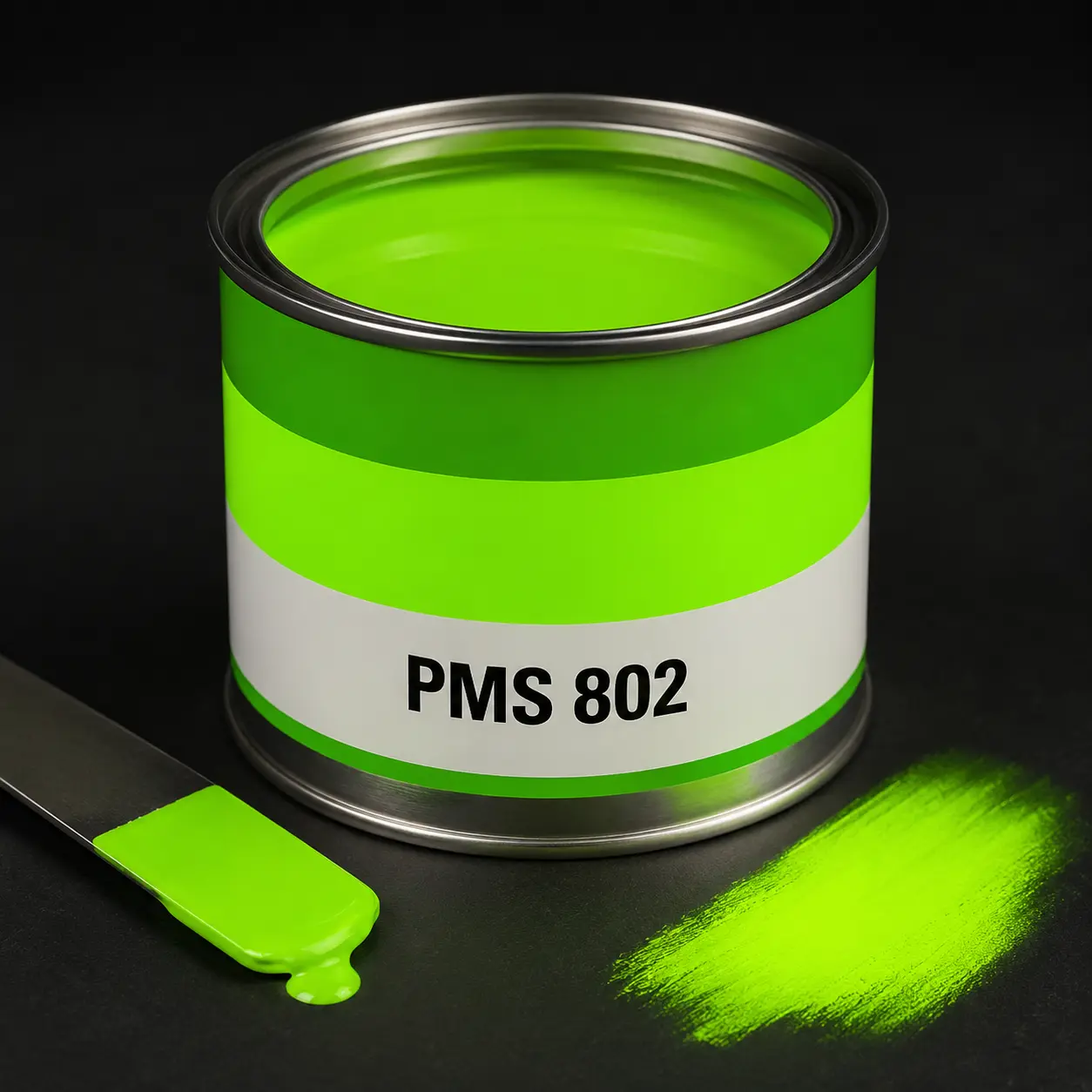
High-visibility ink system engineered for shelf impact, retail displays, and wholesale point-of-sale units.
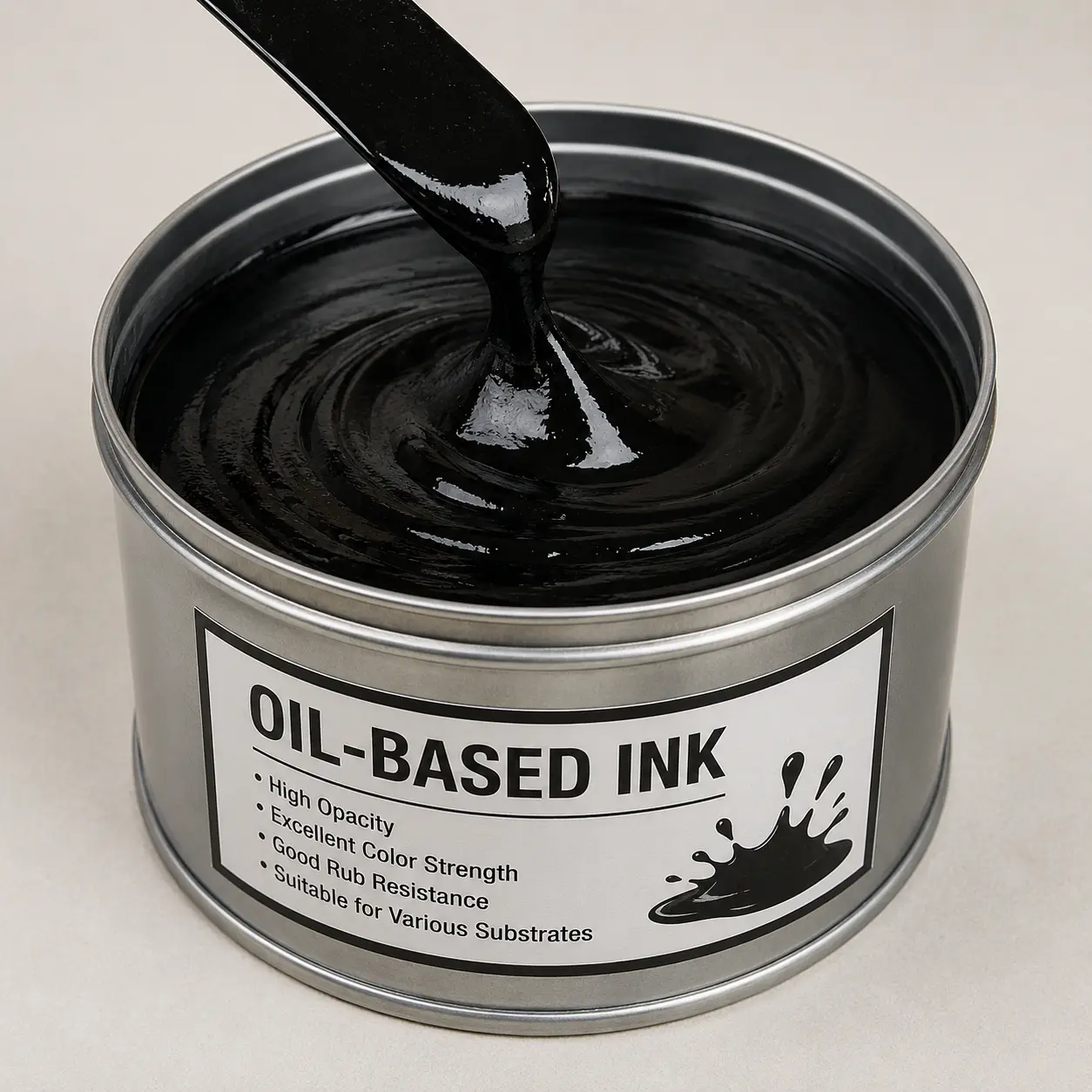
Industry-grade ink for durable, scuff-resistant production runs across long-haul distribution.

Spot-color matching to corporate brand standards — consistent identity across every SKU and reorder.

Sustainable plant-based ink for eco-certified packaging programs and ESG-aligned product launches.

Protective film extends shelf life and protects packaging during shipping and warehouse handling.

Water-based protective seal — fast-drying, food-safe-friendly finish for high-volume bulk production.

Premium tactile finish that elevates corporate gifting boxes and high-end B2B product lines.

Highlight logos and key artwork with selective gloss for maximum retail brand recognition.

Raised brand marks for tactile, premium identity on retail shelves and corporate packaging.

Pressed impressions for subtle, sophisticated branding on premium B2B product lines.

Metallic foil application — gold, silver, and custom finishes for luxury wholesale packaging.
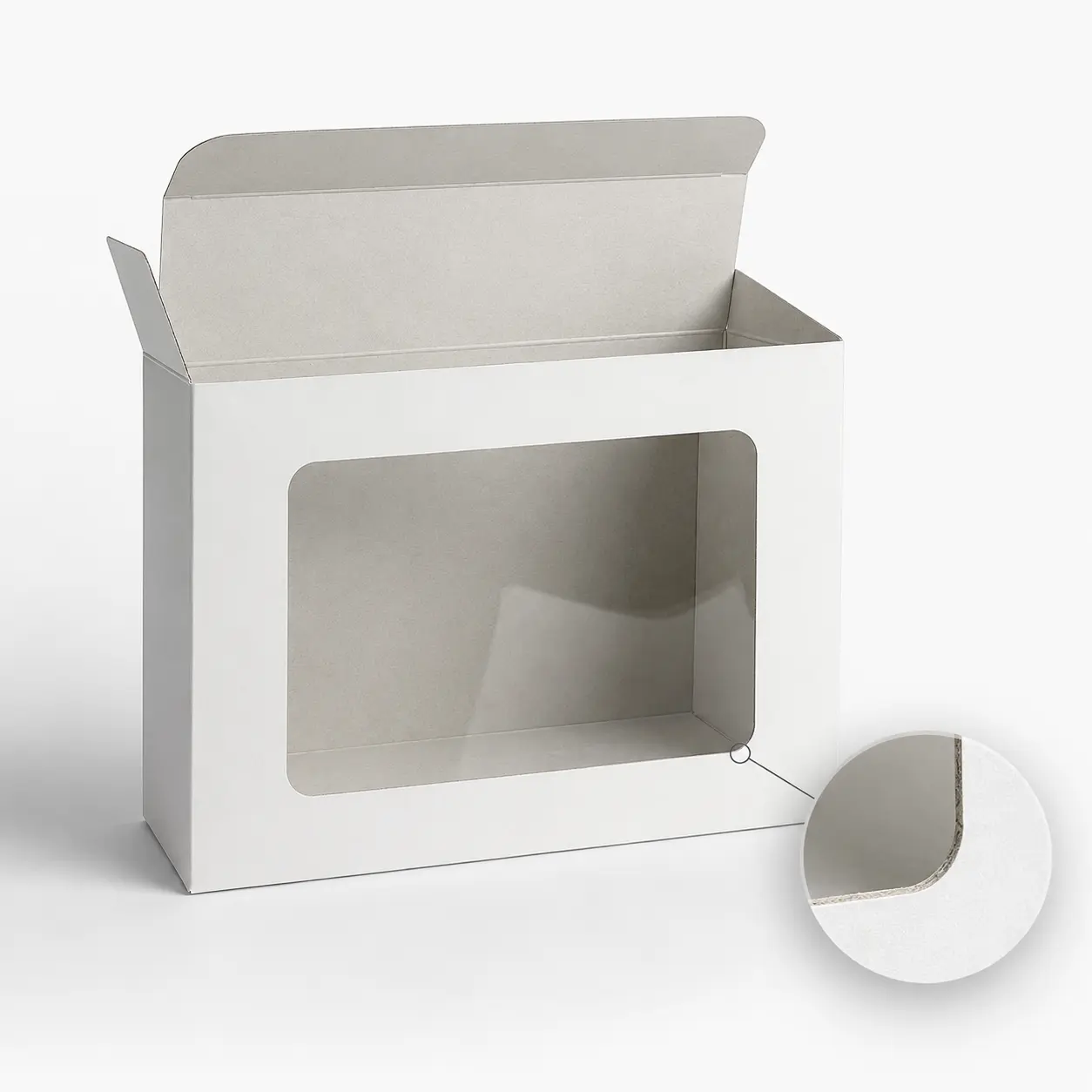
Precision die-cut openings that let customers view the product inside, with optional clear patching for better protection and presentation.
Simple, practical, and built around real B2B production needs.
Send product size, quantity, material preference, artwork, and delivery details.
Our team prepares a proof or 3D mockup so you can check design and structure.
Once approved, your packaging moves into printing, cutting, finishing, and packing.
Finished boxes are packed and shipped to your warehouse, retailer, or 3PL.
Explore similar packaging options that may fit your product line.
Reviews
There are no reviews yet.