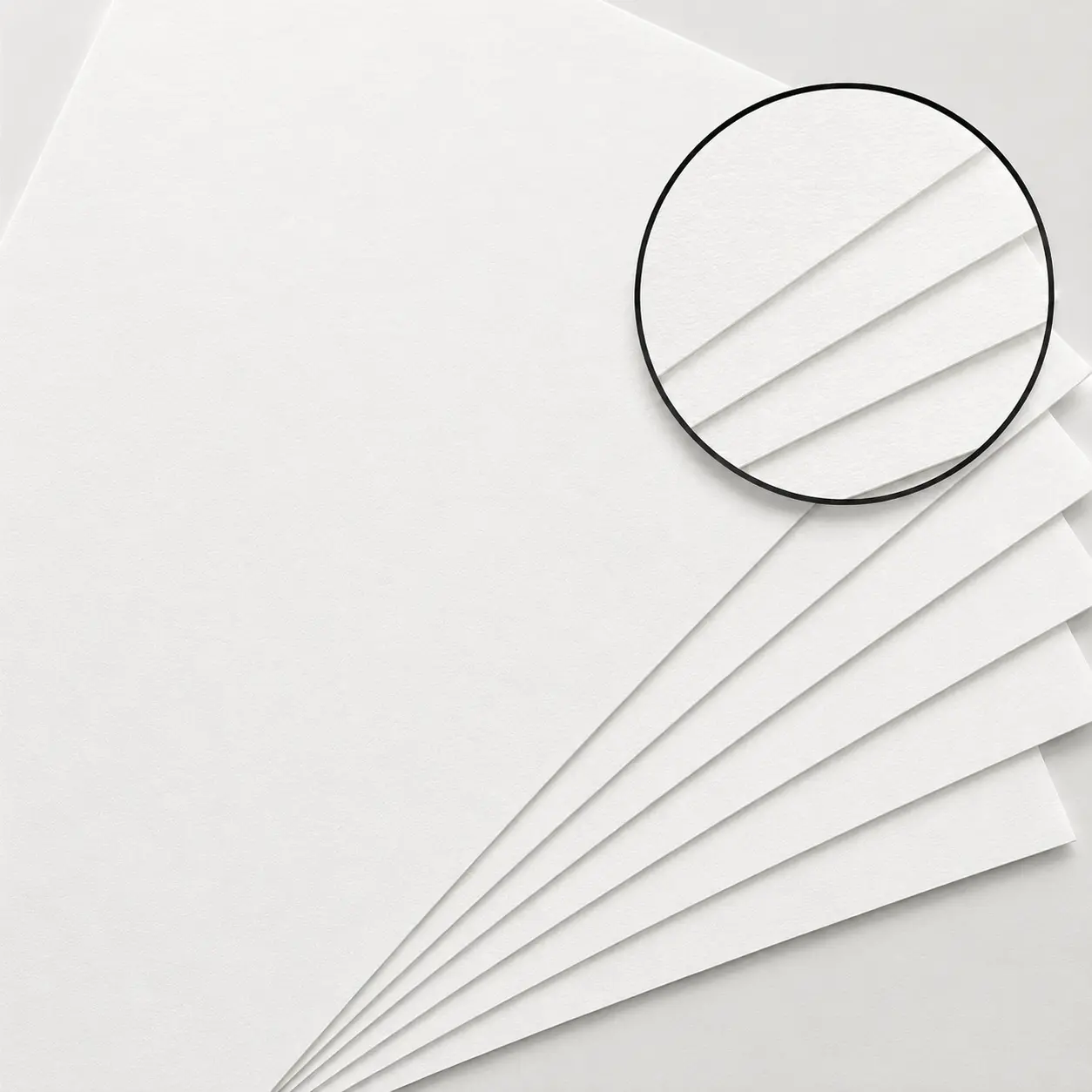
SBS Cardboard
Premium bleached substrate engineered for retail-ready packaging with sharp, high-resolution print performance across bulk SKUs.
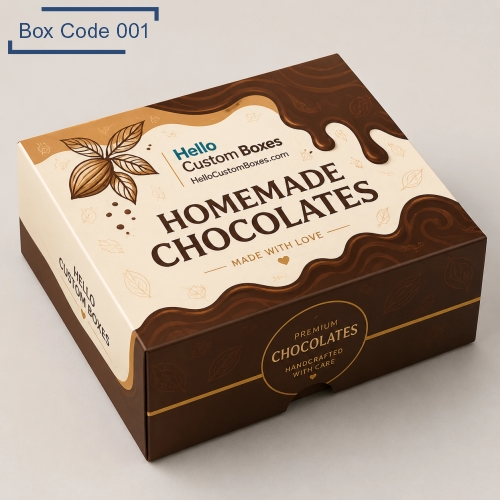
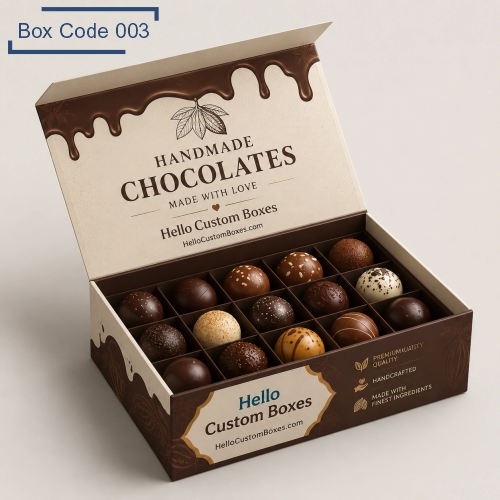
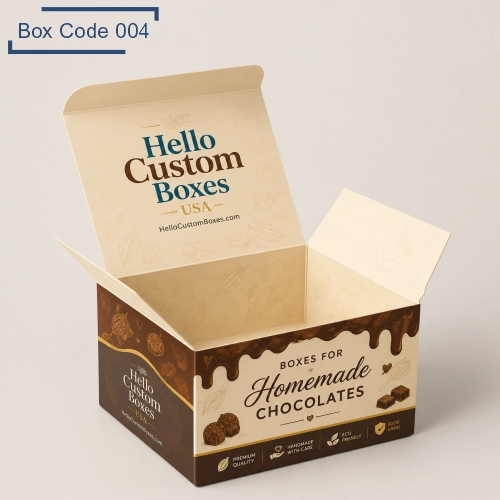
Homemade chocolates shift, melt, or leave grease marks when the box lacks a proper fit or barrier. These boxes for homemade chocolates hold truffles, bonbons, or filled pieces in place during packing, storage, and hand delivery, using paperboard structures sized to the product and food-contact layers that keep cocoa butter from staining the board.
Tell us your specs and we'll send pricing within one business day.
Cocoa butter softens above room temperature and can migrate into uncoated paper fibres. Soft centres or irregular shapes slide if the cavity is too loose.
A single layer of thin board may buckle when several filled boxes are stacked on a shelf or in a cooler bag. The result is scuffed decorations, greasy patches on the exterior, or pieces that arrive out of position.
A fitted insert or paper cup stops lateral movement. A grease-resistant surface or separate food-contact liner keeps the outer board clean. Board caliper is chosen according to the total fill weight and how the boxes will be handled—hand delivery needs less stiffness than courier transit.
Two-piece rigid boxes with a separate lid and base give a clean presentation and work well when the chocolates are placed by hand. Folding cartons with a tuck closure or auto-lock base ship flat and assemble faster for higher volumes.
Tray-and-sleeve formats create a sliding reveal that suits gift assortments. An insert with individual cavities holds each piece. Clearance of roughly half a millimetre to one millimetre prevents scuffing during insertion while limiting movement in transit.
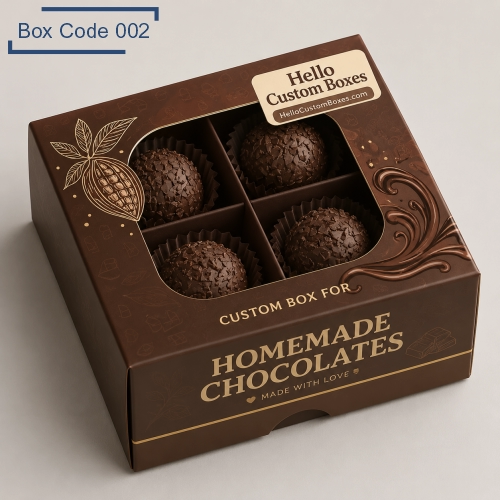
Paperboard dividers or food-grade cups are common. Vacuum-formed trays appear when the assortment includes sharp-edged pralines that need exact geometry. A window shows the product but removes printable area on that panel and requires a food-safe film if the chocolates sit close to the opening.
Closure choice affects packing speed. A simple tuck end is quick for manual lines. A locking base or magnetic lid adds security but slows assembly and raises material use.
Paperboard is usually enough when the box is handed over locally and the fill weight stays modest. SBS or similar coated board accepts sharp print and feels clean on the exterior.
Kraft board suits artisan branding but mutes lighter colours and may need a white liner or higher ink coverage for accurate brand matches. Corrugated board becomes safer once the order moves into shipping or multi-layer stacking. The flutes absorb impact that thin paperboard cannot.
The trade-off is greater storage volume and a coarser print surface. Heavier board improves stacking strength yet increases material cost and the empty weight of each unit. Exact caliper depends on the number of pieces, their individual weight, and whether the boxes will sit under other cartons. Those details are confirmed before production so the structure matches the real load.
Cocoa butter is the main contact risk. Surfaces that touch the chocolate need a documented food-contact grade—glassine, parchment, or a coated paper approved for indirect contact.
The outer box itself is often secondary packaging once an insert or cup sits between the product and the board. Aqueous coatings or grease-resistant treatments on the interior help stop oil migration. Heavy exterior ink coverage can highlight fingerprints or scuffs more than a lighter design.
Temperature control during storage and delivery remains the primary defence against melting. The chocolate boxes can only limit secondary damage once the chocolate has softened. In the United States, materials intended for food contact must meet applicable FDA requirements for indirect additives. The supplier confirms the grade used for the specific construction once the order details are known.
Coated white board gives the brightest colour reproduction and the sharpest detail for logos or ingredient panels. Uncoated kraft absorbs more ink and shifts lighter tones toward grey or brown.
Short runs favour digital printing. Longer repeat orders usually move to offset for colour consistency across batches. Finishes such as soft-touch coating, spot UV, or foil stamping change the tactile feel and light reflection.
Heavy coverage or thick foil can crack on tight folds if the board is not specified for that process. Bleed, safe margins, and dieline accuracy matter because chocolate boxes are often small and the print area is limited once windows or insert cut-outs are added. Proof approval and a physical sample remain the practical check before full production. Colour on screen does not always match the final printed board under store lighting.
Homemade chocolate box packaging should be stored in a cool, dry area keep both the chocolate and the board stable. Humidity above typical indoor levels can soften uncoated board or encourage sugar bloom on the product.
For hand delivery the outer carton may be omitted. For courier or mail the presentation box usually sits inside a protective outer shipper so the decorative surface stays clean. Retail display benefits from a stable base and consistent height so boxes stack without crushing the lower layers. Wholesale packs may use a simple corrugated outer to protect multiple units during warehouse handling.
Piece dimensions, count, and orientation decide the internal footprint. Over-sizing leaves empty space that allows movement. Under-sizing forces pieces against the walls and risks surface damage.
Height must clear any decoration or cup rim. Once the product layout is fixed, the outer dimensions follow, affecting both material use and shipping cost.
The number of pieces, their individual weight, and whether they need individual cups or a cavity insert decide the internal layout. Preferred structure—rigid two-piece, folding carton, or tray-and-sleeve—plus any window or special closure further define the dieline.
Print method, finishes, order quantity, and how the food boxes will actually be stored and delivered determine board grade and caliper. Food-contact needs and any temperature constraints complete the picture so the quotation matches the real conditions the chocolates will face.
Homemade Chocolate Box (Specs) |
|
|---|---|
| Materials | Food-grade SBS paperboard, kraft board, rigid chipboard, white cardboard, FSC-certified stock, food-safe packaging materials. |
| Box Styles | Two-piece boxes, tuck-end boxes, magnetic rigid boxes, window boxes, sleeve boxes, drawer boxes, foldable gift boxes. |
| Chocolate Capacity | Single-piece chocolates, assorted collections, truffles, pralines, chocolate bars, handmade chocolate gift assortments. |
| Insert Options | Paperboard inserts, die-cut trays, food-grade plastic trays, kraft inserts, compartment dividers, cavity inserts. |
| Printing | Offset printing, digital printing, CMYK, Pantone matching, foil stamping, embossing, debossing, spot UV. |
| Surface Finish | Matte lamination, gloss lamination, soft-touch coating, anti-scuff finish, kraft texture, aqueous coating. |
| Closure Styles | Magnetic closure, tuck flap, ribbon closure, sleeve wrap, lift-off lid, fold-over closure. |
| Custom Sizes | 2-piece, 4-piece, 6-piece, 12-piece, 24-piece, custom dimensions, seasonal gift box sizes. |
| Production | Low MOQ, custom dielines, prototype samples, wholesale production, bulk manufacturing, quality inspection. |
| Sustainability | Recyclable paperboard, biodegradable materials, plastic-free options, FSC-certified stock, soy-based inks. |
Choose from practical materials, print methods, inks, finishes, and add-ons for a better product presentation.
Premium bleached substrate engineered for retail-ready packaging with sharp, high-resolution print performance across bulk SKUs.
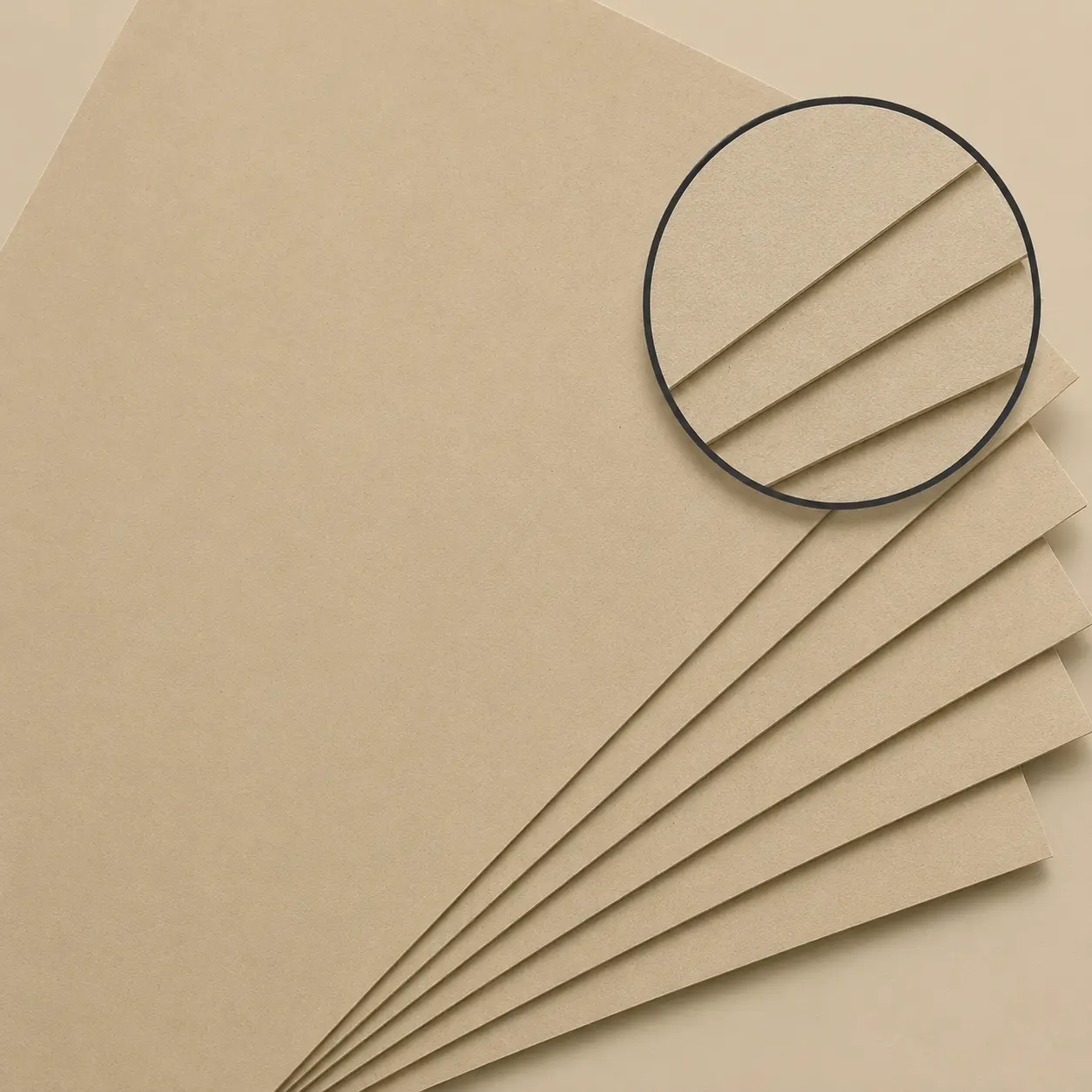
High-density rigid board built for wholesale cartons, structural strength, and stack-ready warehouse logistics.
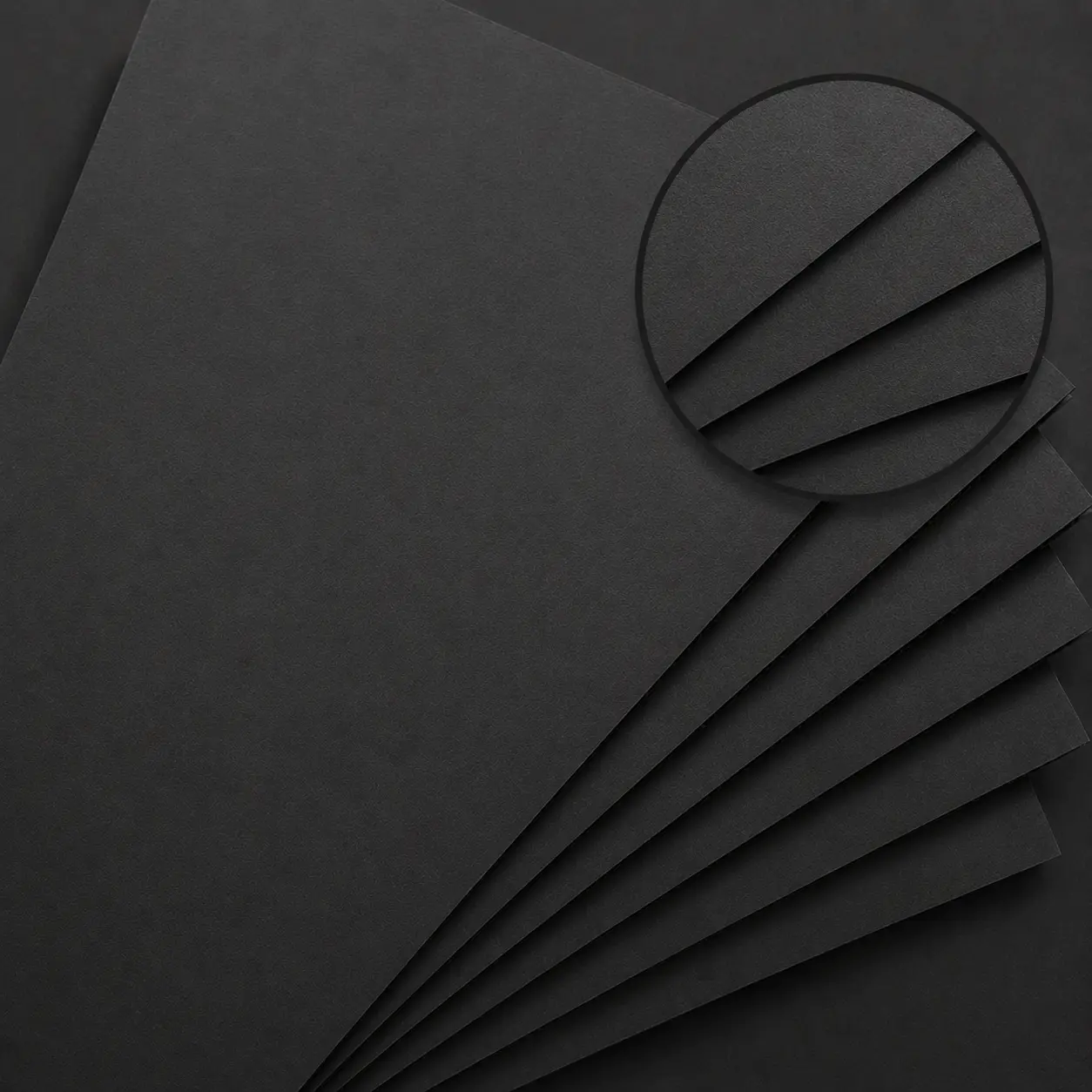
Eco-conscious black kraft for premium unboxing programs, corporate gifting, and limited-edition product lines.
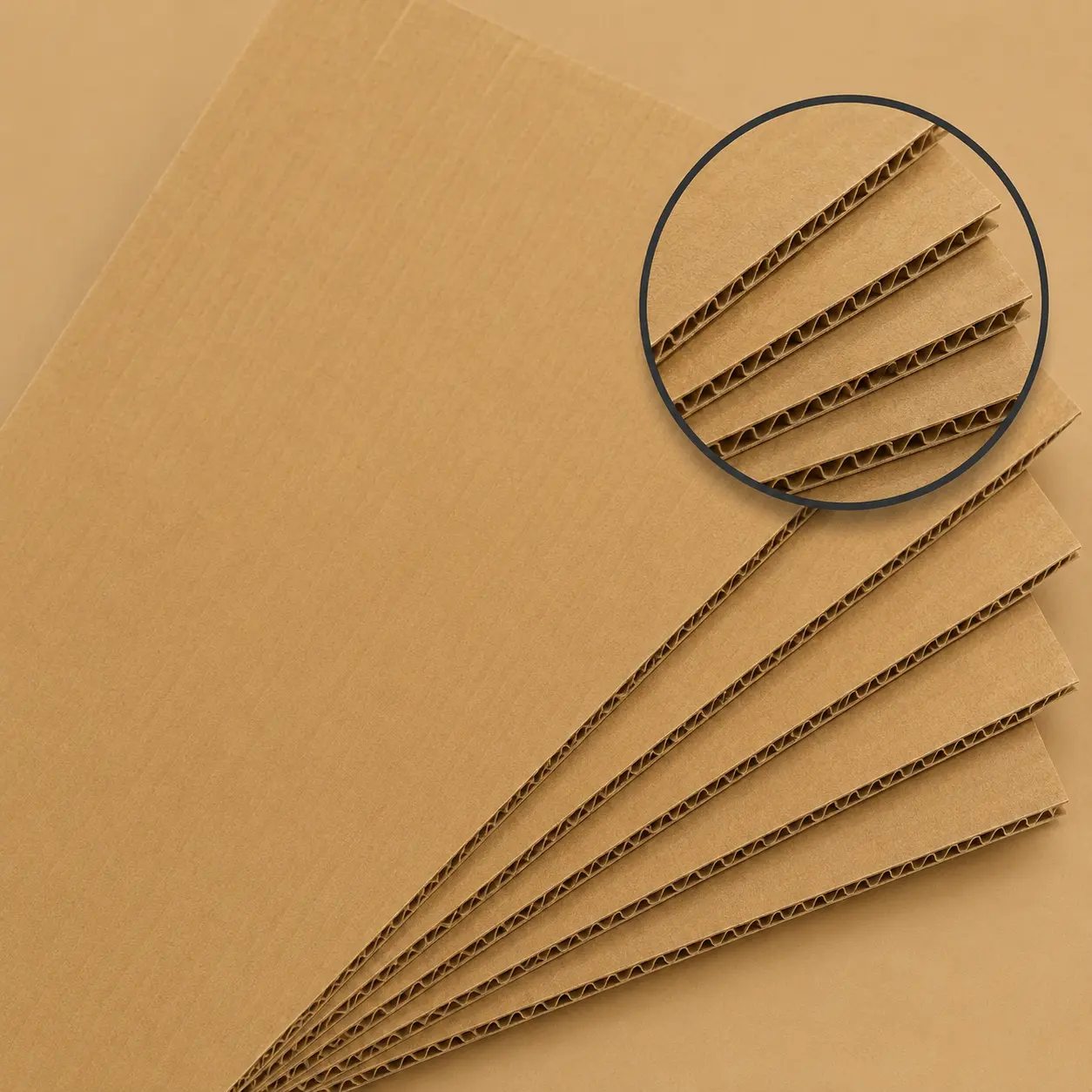
Multi-flute corrugated board built for protective shipping, e-commerce dispatch, and high-volume B2B fulfillment.
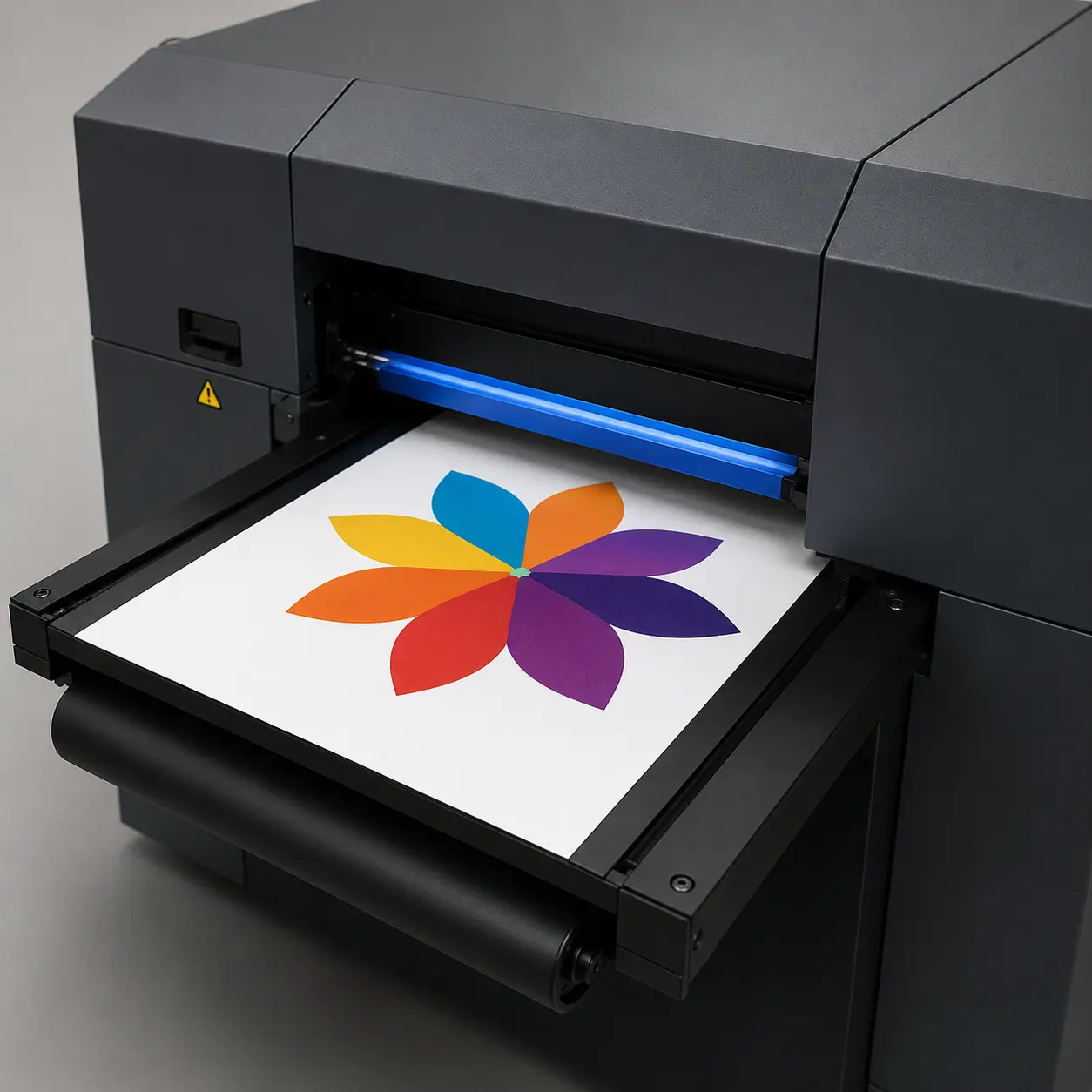
Short-run digital printing with no plate setup — ideal for prototypes, sample approvals, and quick reorders.
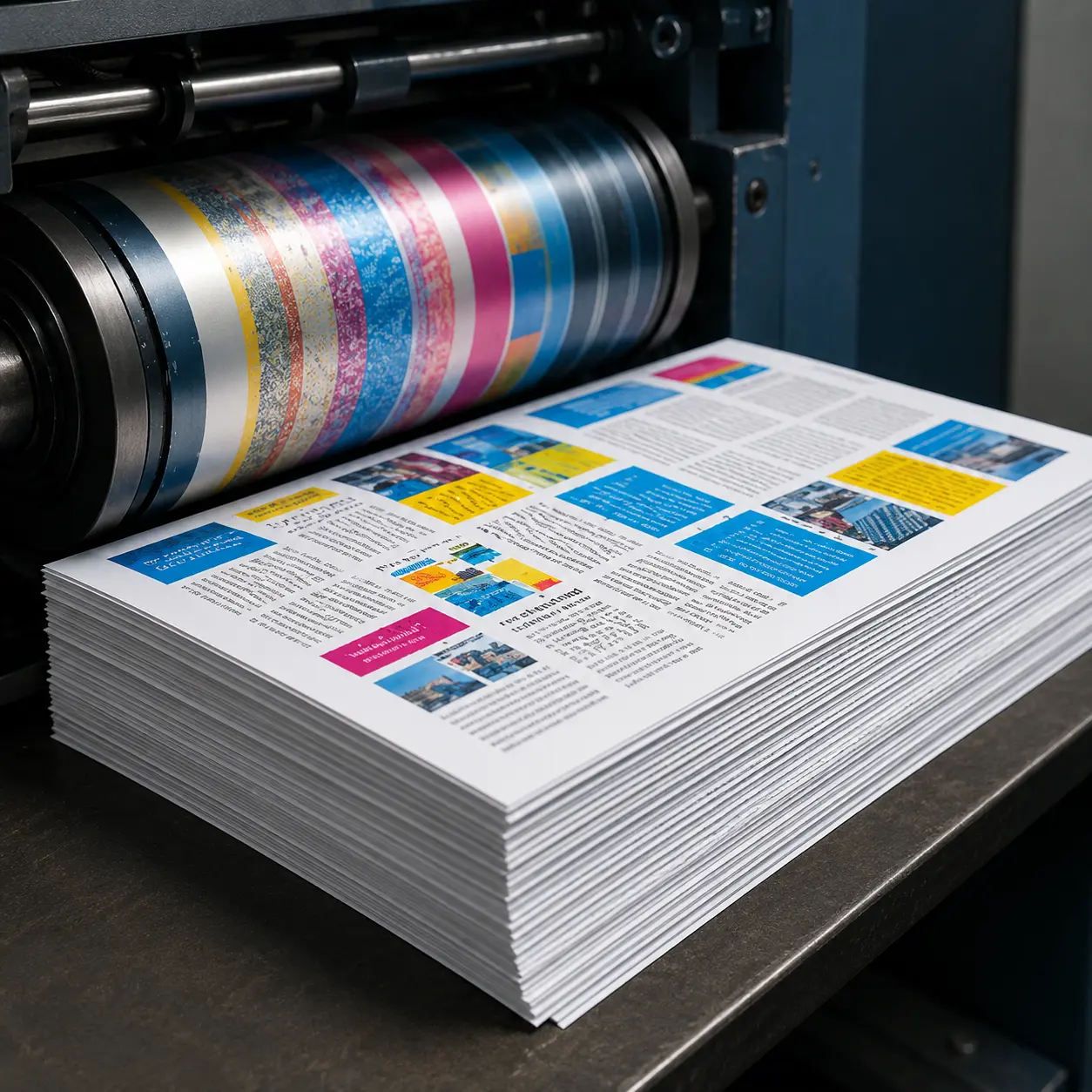
Industry-standard offset printing for high-volume runs with consistent color matching across bulk production.

Selective dimensional embellishment for premium B2B branding, tactile depth, and shelf differentiation.

Vibrant UV-cured printing suited for promotional packaging, event giveaways, and trade-show units.
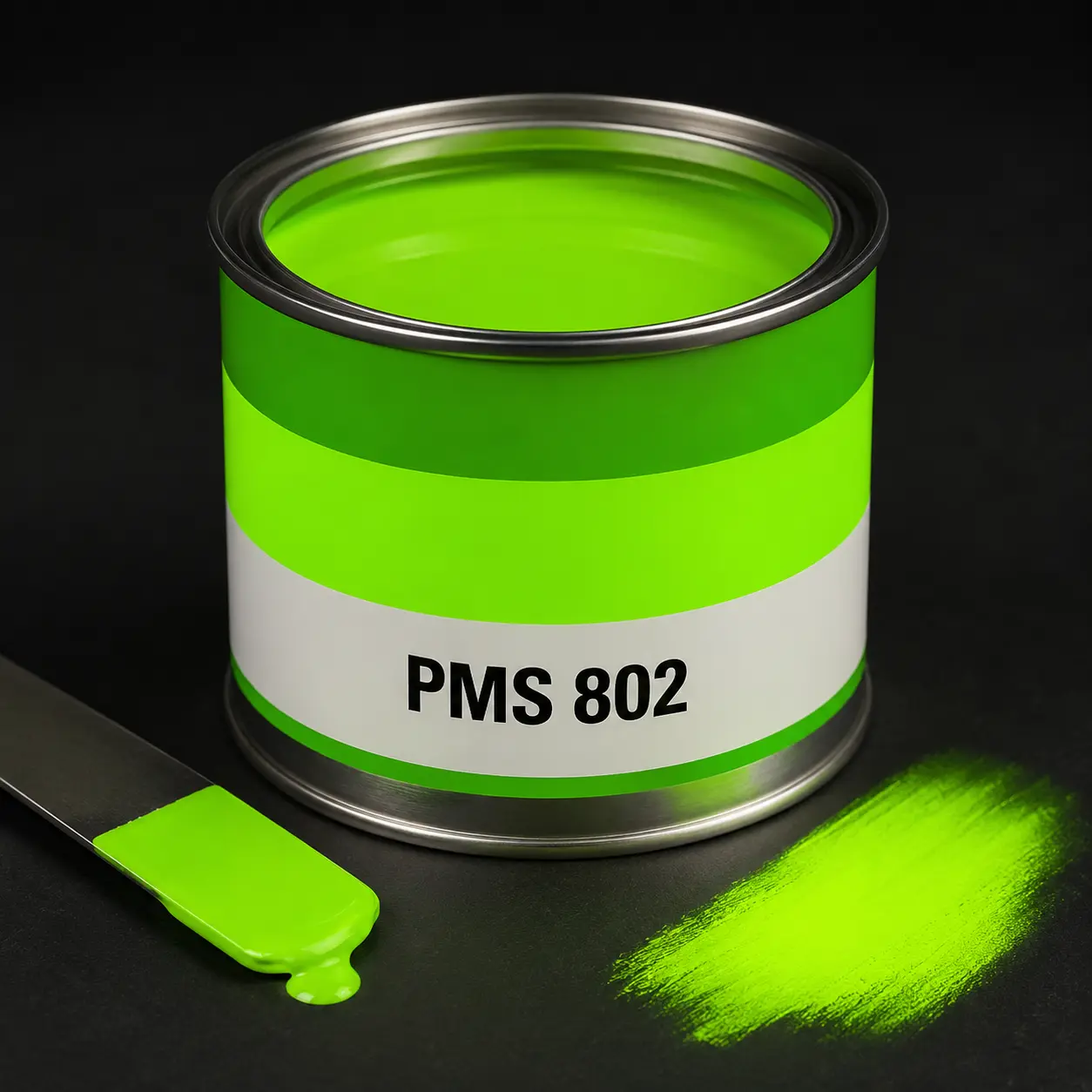
High-visibility ink system engineered for shelf impact, retail displays, and wholesale point-of-sale units.
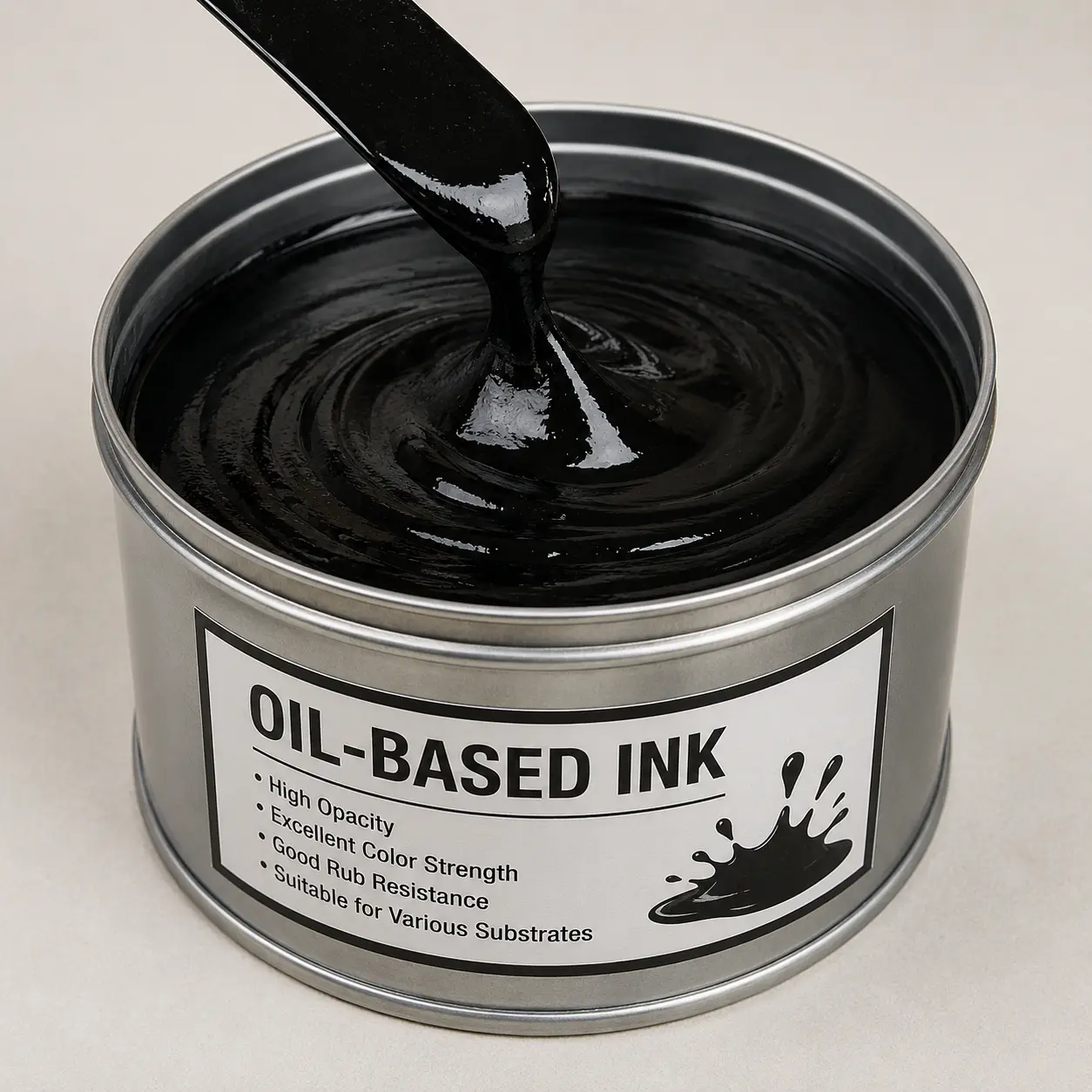
Industry-grade ink for durable, scuff-resistant production runs across long-haul distribution.

Spot-color matching to corporate brand standards — consistent identity across every SKU and reorder.

Sustainable plant-based ink for eco-certified packaging programs and ESG-aligned product launches.

Protective film extends shelf life and protects packaging during shipping and warehouse handling.

Water-based protective seal — fast-drying, food-safe-friendly finish for high-volume bulk production.

Premium tactile finish that elevates corporate gifting boxes and high-end B2B product lines.

Highlight logos and key artwork with selective gloss for maximum retail brand recognition.

Raised brand marks for tactile, premium identity on retail shelves and corporate packaging.

Pressed impressions for subtle, sophisticated branding on premium B2B product lines.

Metallic foil application — gold, silver, and custom finishes for luxury wholesale packaging.
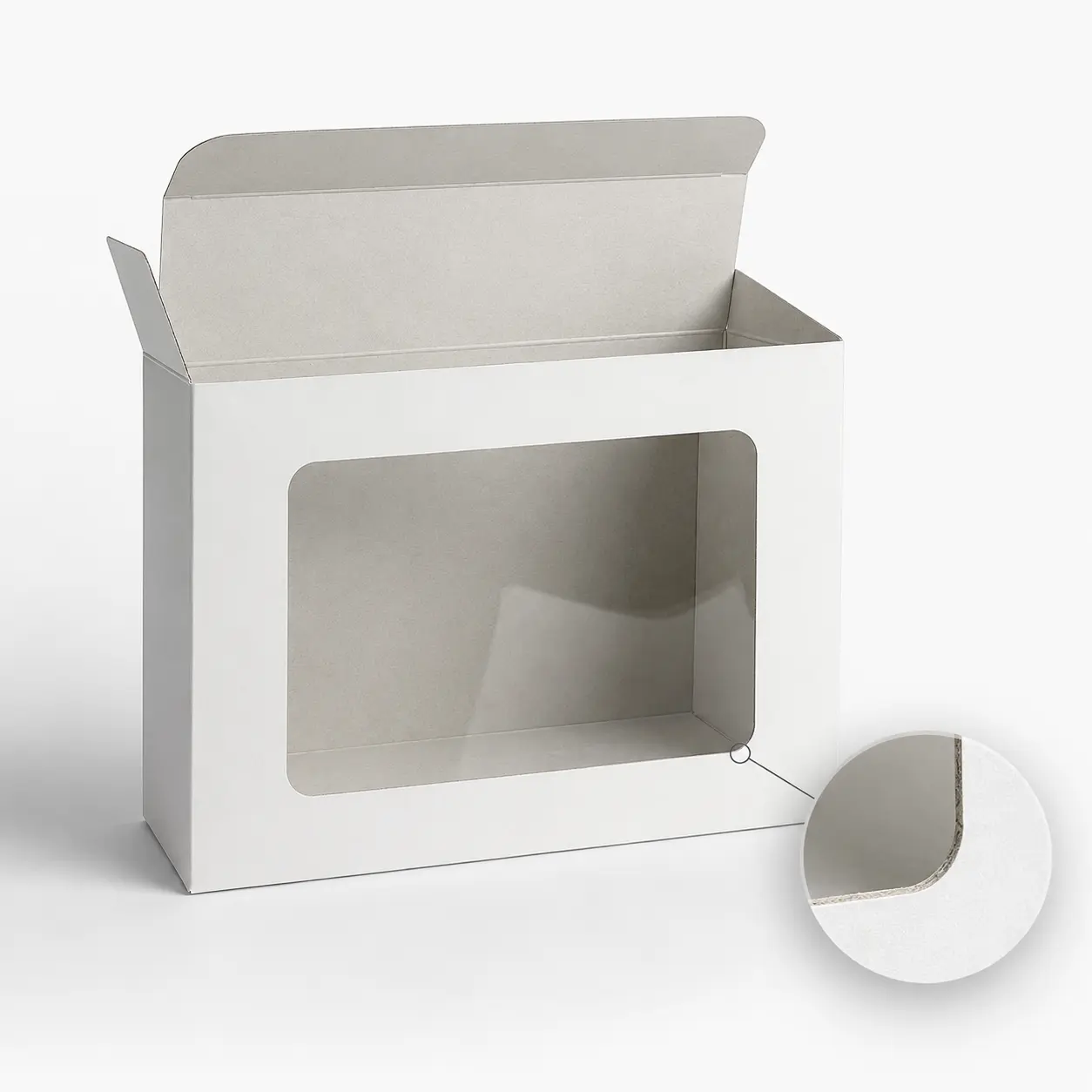
Precision die-cut openings that let customers view the product inside, with optional clear patching for better protection and presentation.
Simple, practical, and built around real B2B production needs.
Send product size, quantity, material preference, artwork, and delivery details.
Our team prepares a proof or 3D mockup so you can check design and structure.
Once approved, your packaging moves into printing, cutting, finishing, and packing.
Finished boxes are packed and shipped to your warehouse, retailer, or 3PL.
Explore similar packaging options that may fit your product line.


Reviews
There are no reviews yet.