
SBS Cardboard
Premium bleached substrate engineered for retail-ready packaging with sharp, high-resolution print performance across bulk SKUs.
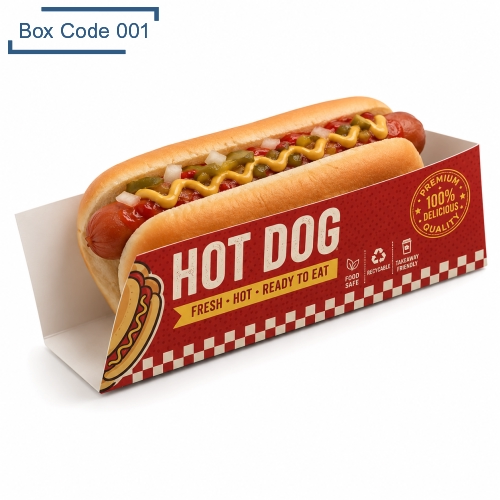
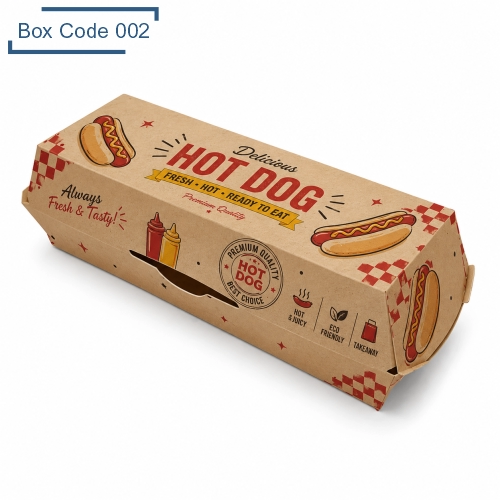
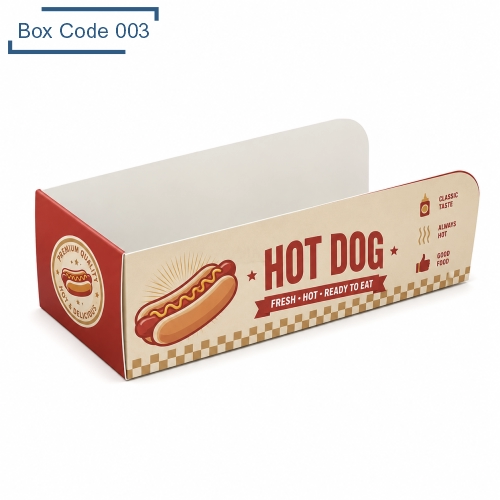
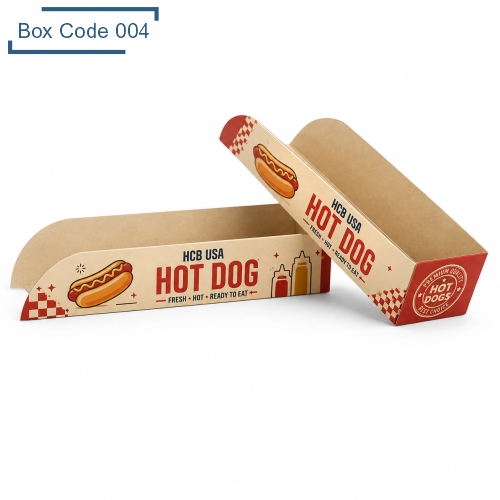
Hot dogs often go into their packaging straight from the serving line, with the bun, sausage, sauces, and toppings already together. Custom hot dog sleeves can be made around that finished serving, giving staff enough room to load the food without leaving the sleeve unnecessarily loose. Full, half, and open-end styles offer different levels of coverage, while the material can be selected around heat, grease, and holding time.
Tell us your specs and we'll send pricing within one business day.
The sausage length alone does not give enough information to size a sleeve. Once the bun and toppings are added, the food can be considerably wider and taller. A loaded hot dog with onions, chili, cheese, or sauce will usually need more clearance than a plain sausage and bun of the same length.
For custom hot dog sleeves, it makes more sense to measure a normal finished serving. The sleeve needs enough room for staff to place the food inside without pushing toppings off the bun. At the same time, an oversized sleeve can leave the hot dog sitting loosely in the pack, which makes it less comfortable to hold while eating.
Bun shape matters as well. Some are narrow through the base, while others open much wider once filled. If several hot dog varieties use the same packaging, the largest regular serving should be considered before one sleeve size is approved for the range.
Hot dog half sleeves leave much of the food visible and cover the area the customer holds. This can work well for counter service where the hot dog is eaten shortly after preparation and the toppings are part of the presentation.
Hot dog paper half sleeves also use less material than a longer sleeve. That can be useful when additional coverage would serve little purpose. Loaded products are different. If sauce regularly runs down the sides of the bun, a short sleeve may leave the customer holding an exposed, messy area.
An open end hot dog sleeve keeps loading straightforward. Staff can slide the food into the pack without dealing with a closed end or complicated locking section. That simplicity can be useful at concession stands, food trucks, and other counters where many orders are being prepared in a short period.
The serving routine should decide the style. A sleeve that looks good in a product photograph is not much help if staff find it awkward during a lunch rush.
Warm food brings grease, moisture, and sometimes sauce into direct contact with the sleeve. How much contact occurs depends heavily on the recipe and how long the hot dog stays packed.
Paper hot dog sleeves can suit many quick-service applications, particularly when the food is handed to the customer soon after preparation. The exact paper or board specification still needs to match the food conditions and any applicable food-contact requirements.
Cardboard hot dog sleeves can give a larger serving more stiffness in the hand. That extra support may be useful for long buns or heavily topped products, although simply increasing board weight is not always the answer. A sleeve that is much stiffer than necessary can become bulky and awkward to eat from.
Sauce-heavy recipes deserve particular attention. If moisture or grease is expected to remain against the paper for some time, tell the packaging supplier before the material is selected. A dry serving eaten immediately and a loaded takeaway hot dog should not automatically receive the same specification.
During a busy service, staff repeat the same packing movement over and over. A small problem with the sleeve soon becomes obvious.
The opening should be easy to find and separate. The finished hot dog should go in without staff having to squeeze the bun, straighten the sleeve, or push loose toppings back into place. This is one reason sampling the packaging with the real food is useful before committing to a larger run.
Storage around the preparation area matters too. Food trucks and concession counters rarely have unlimited space for packaging. Sleeves that can be kept flat until needed can take up less room, but they should still be simple to form when an order comes through.
A slightly more decorative construction may look appealing, yet extra folding can slow manual packing. For a high-volume operation, those extra seconds are repeated across every order.
The best place for a logo is not necessarily the center of the flat dieline. What matters is where that artwork appears after the sleeve has been formed and the food is inside.
With personalized hot dog sleeves, the main branding should remain visible in the customer’s hand. Half sleeves have less printable area, so a clear logo, recognizable pattern, or short message may work better than trying to fit several pieces of copy onto the pack.
Folds and overlapping areas also need to be allowed for when artwork is prepared. A graphic crossing a crease can look different once the board bends around the food.
Heavy ink coverage deserves some thought in a working food environment. Sleeves are picked up, stacked, and handled repeatedly during service. Very dark printed areas can make rubbing or handling marks easier to see, so the artwork should be judged as food-service packaging rather than only as a screen design.
Hot dog foil sleeves solve a somewhat different packaging problem. They may be considered when holding warmth after preparation is more important than having the same printable surface offered by a paper-based sleeve.
Takeaway and catering are good examples of why holding time matters. A hot dog passed straight across a counter may only remain packed for a few minutes. Food prepared before collection or carried to another location spends longer inside its packaging.
Paper and foil options should therefore be compared against the serving process. Consider how hot the food is when packed, how long it normally remains covered, how much grease is present, and whether the packaging needs a prominent printed brand area.
Those details give a better answer than choosing a material because it is commonly used for hot dogs.
A sleeve that works well for ten samples also has to remain convenient when staff are using hundreds in a day.
For paper hot dog sleeves wholesale, dimensions deserve careful checking before production. An extra amount of width repeated across a large quantity means more material and larger packs of unused sleeves. Make the sleeve too close-fitting, however, and staff may lose time loading every order.
Repeat orders need attention when the menu changes. Switching to a wider bun, increasing portion size, or adding a heavily topped hot dog can affect an existing sleeve even when the product is still sold under the same menu name.
Businesses searching for hot dog sleeves near me may find ready-made stock sizes useful when branding and exact fit are not priorities. Custom production makes more sense where the food has particular dimensions, the business wants printed branding, or a specific half-sleeve or open-end construction is required.
A useful quote starts with the hot dog as the customer receives it. Provide the approximate finished length, width, and height, including the bun and the toppings normally used. If several menu items will share one sleeve, mention the largest serving as well.
Tell us whether you are considering a full sleeve, hot dog half sleeve, or open-end style. How the food is sold also helps: direct counter service, takeaway, catering, and event vending can have different packing and holding requirements.
For custom hot dog sleeves, provide the required quantity, artwork or logo if available, printing requirements, and any known food-contact or material requirements. Hello Custom Boxes can use these details to assess the sleeve around the actual serving and prepare a more accurate packaging quotation for businesses in the United States.
Specifications |
|
|---|---|
| Materials | Food-grade paperboard, SBS board, kraft paperboard, grease-resistant stock, recyclable cardboard, and food-safe packaging materials. |
| Sleeve Style | Open-ended hot dog sleeves, wrap-around sleeves, slide-on sleeves, vented sleeves, and custom die-cut food sleeves. |
| Food Fit | Custom sizing for standard hot dogs, footlong portions, sausages, specialty toppings, and different serving configurations. |
| Grease Resistance | Grease-resistant inner surface, optional moisture barrier, food-safe coating, and protective construction for sauces, oils, and toppings. |
| Ventilation | Optional ventilation openings to help release steam and reduce moisture buildup during takeaway and short-distance delivery. |
| Printing | CMYK printing, Pantone colors, offset printing, digital printing, logo placement, menu details, promotional graphics, and food-service branding. |
| Finishes | Matte coating, gloss coating, aqueous finish, grease-resistant finish, kraft texture, and smooth printable surfaces. |
| Serving Use | Suitable for restaurants, food trucks, concession stands, cafes, stadium vendors, catering services, and takeaway counters. |
| Custom Sizes | Custom length, width, and sleeve depth based on hot dog size, bun dimensions, toppings, and serving requirements. |
| Production | Custom dielines, structural sampling, low MOQ options, bulk production, and consistent print and cutting quality. |
| Sustainability | Recyclable paperboard, kraft options, plastic-free sleeve designs, recyclable materials, and eco-conscious food packaging solutions. |
Choose from practical materials, print methods, inks, finishes, and add-ons for a better product presentation.
Premium bleached substrate engineered for retail-ready packaging with sharp, high-resolution print performance across bulk SKUs.

High-density rigid board built for wholesale cartons, structural strength, and stack-ready warehouse logistics.

Eco-conscious black kraft for premium unboxing programs, corporate gifting, and limited-edition product lines.
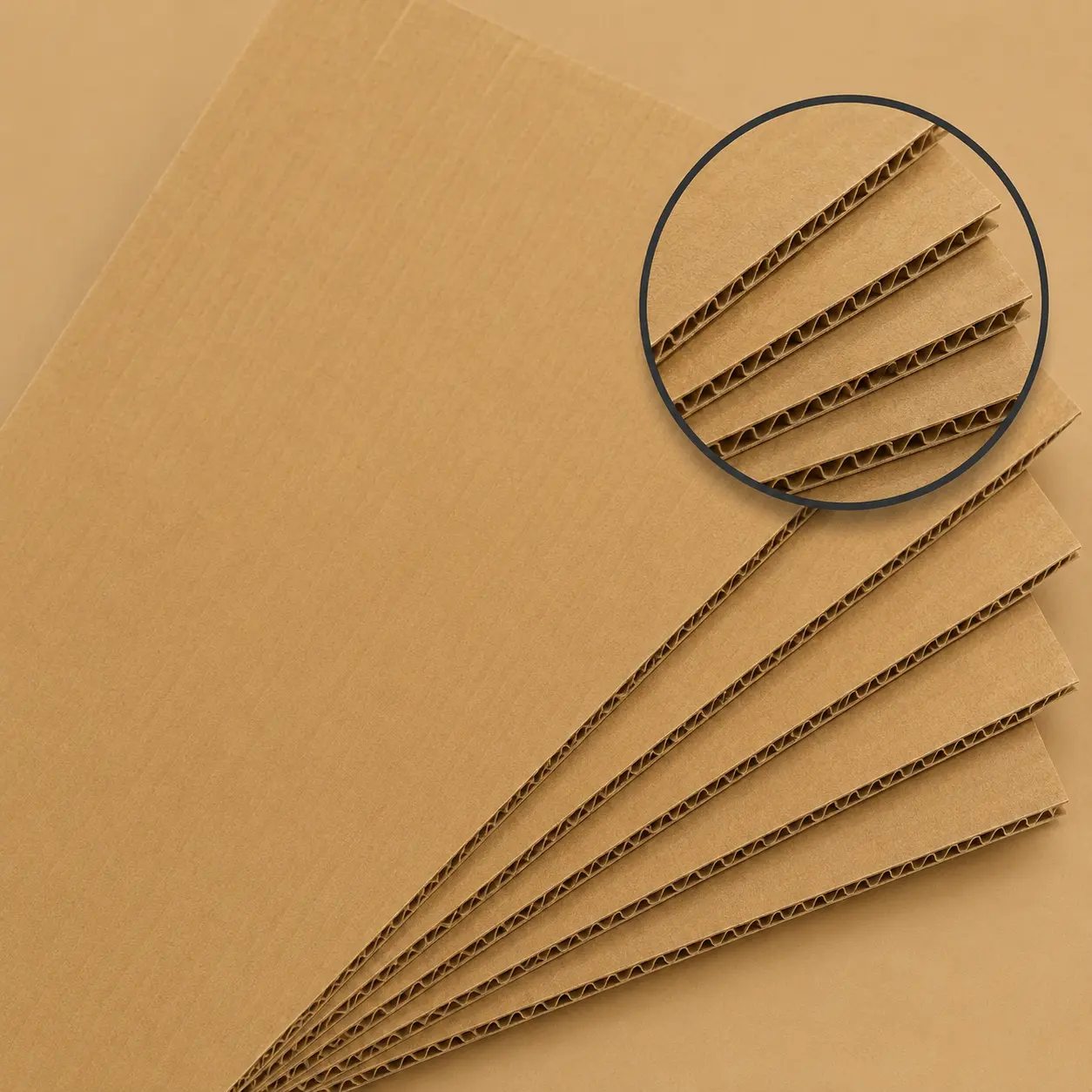
Multi-flute corrugated board built for protective shipping, e-commerce dispatch, and high-volume B2B fulfillment.
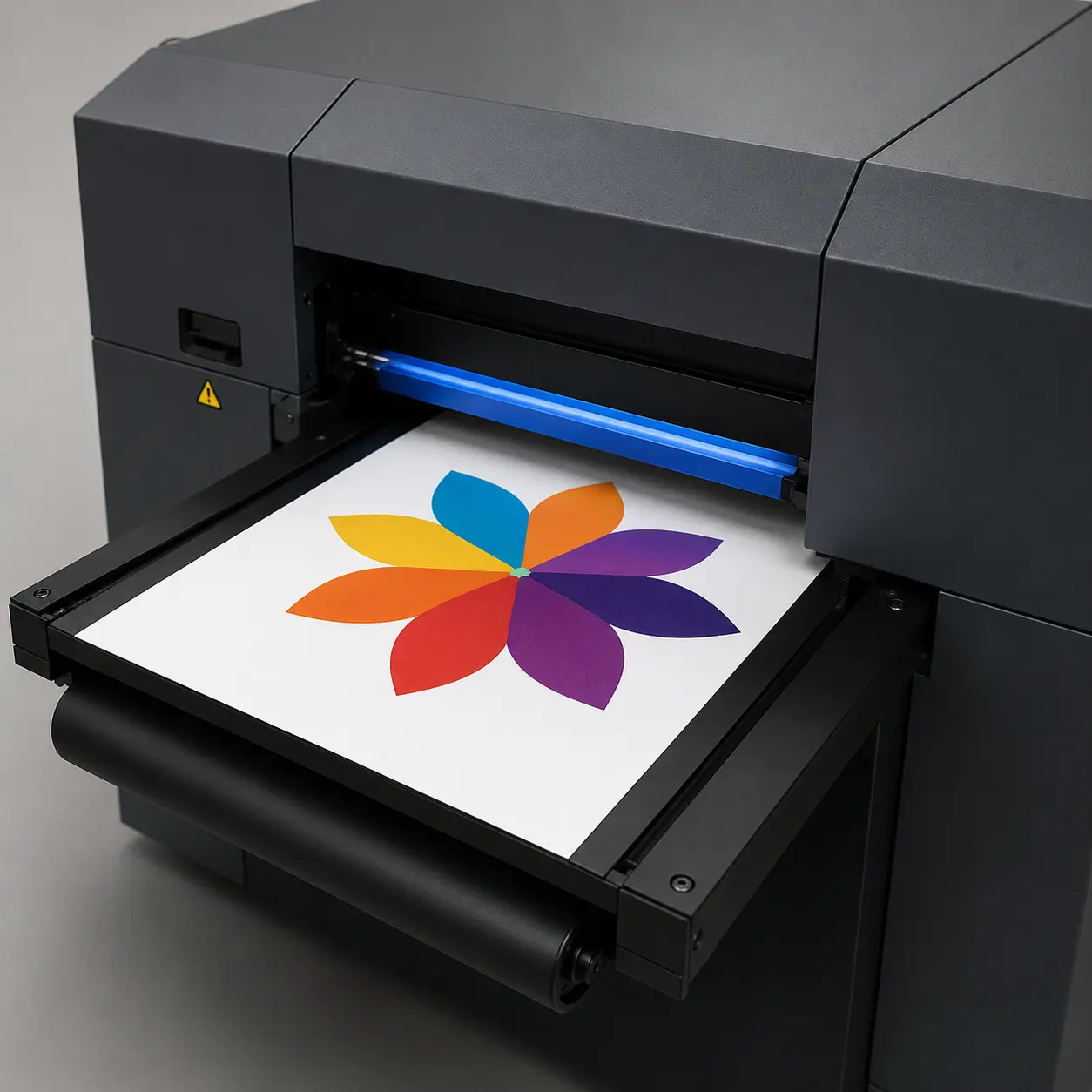
Short-run digital printing with no plate setup — ideal for prototypes, sample approvals, and quick reorders.
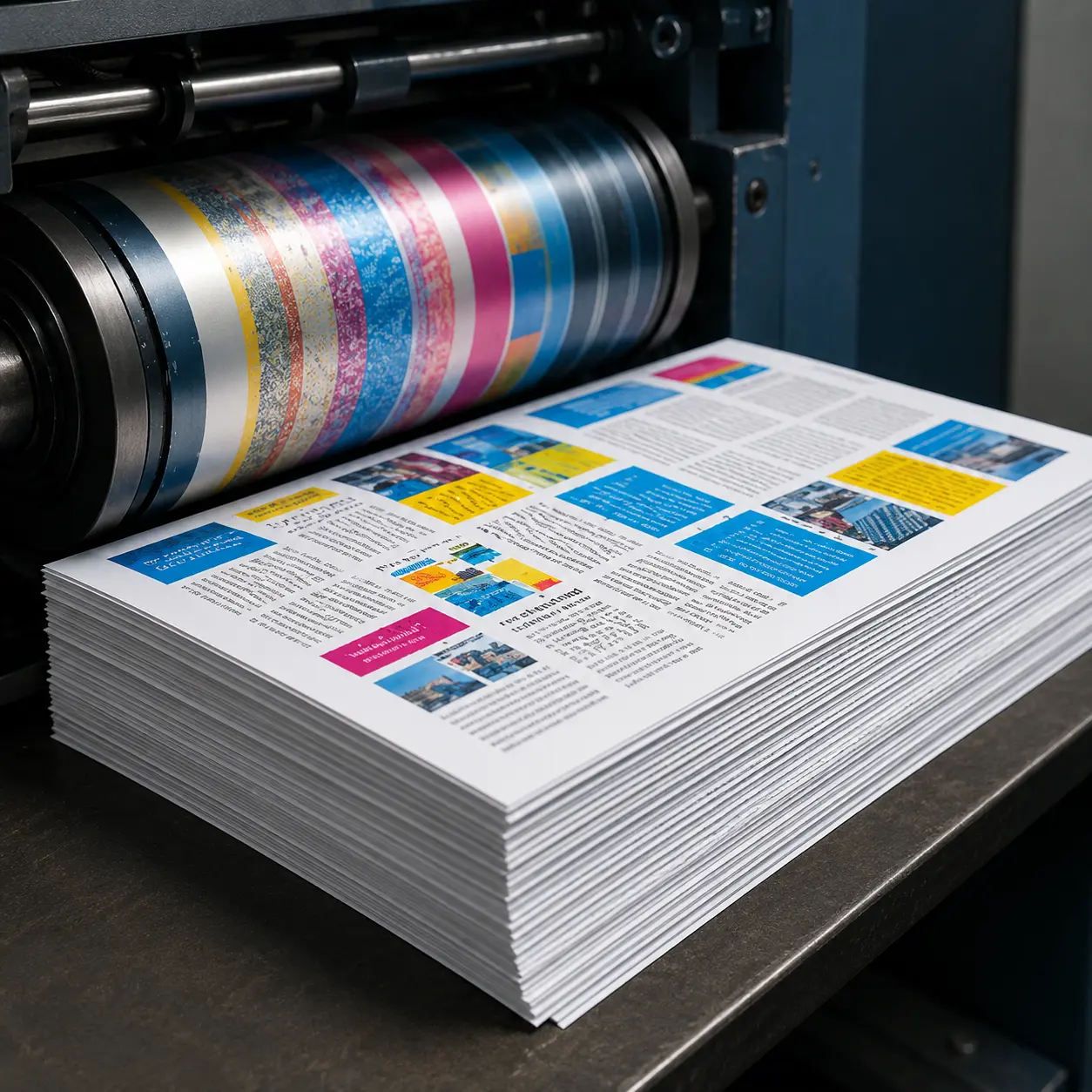
Industry-standard offset printing for high-volume runs with consistent color matching across bulk production.

Selective dimensional embellishment for premium B2B branding, tactile depth, and shelf differentiation.

Vibrant UV-cured printing suited for promotional packaging, event giveaways, and trade-show units.

High-visibility ink system engineered for shelf impact, retail displays, and wholesale point-of-sale units.
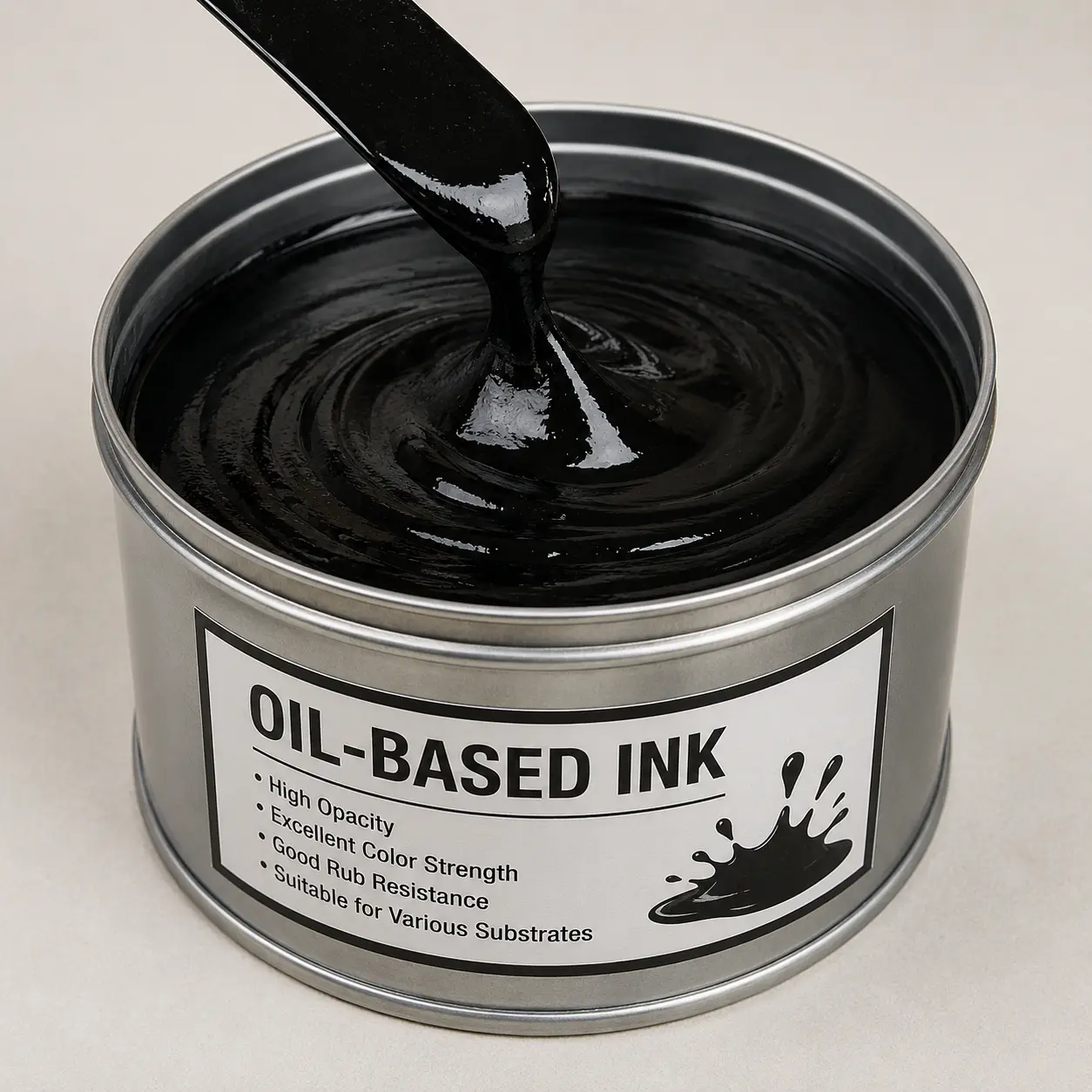
Industry-grade ink for durable, scuff-resistant production runs across long-haul distribution.

Spot-color matching to corporate brand standards — consistent identity across every SKU and reorder.

Sustainable plant-based ink for eco-certified packaging programs and ESG-aligned product launches.

Protective film extends shelf life and protects packaging during shipping and warehouse handling.

Water-based protective seal — fast-drying, food-safe-friendly finish for high-volume bulk production.

Premium tactile finish that elevates corporate gifting boxes and high-end B2B product lines.

Highlight logos and key artwork with selective gloss for maximum retail brand recognition.

Raised brand marks for tactile, premium identity on retail shelves and corporate packaging.

Pressed impressions for subtle, sophisticated branding on premium B2B product lines.

Metallic foil application — gold, silver, and custom finishes for luxury wholesale packaging.
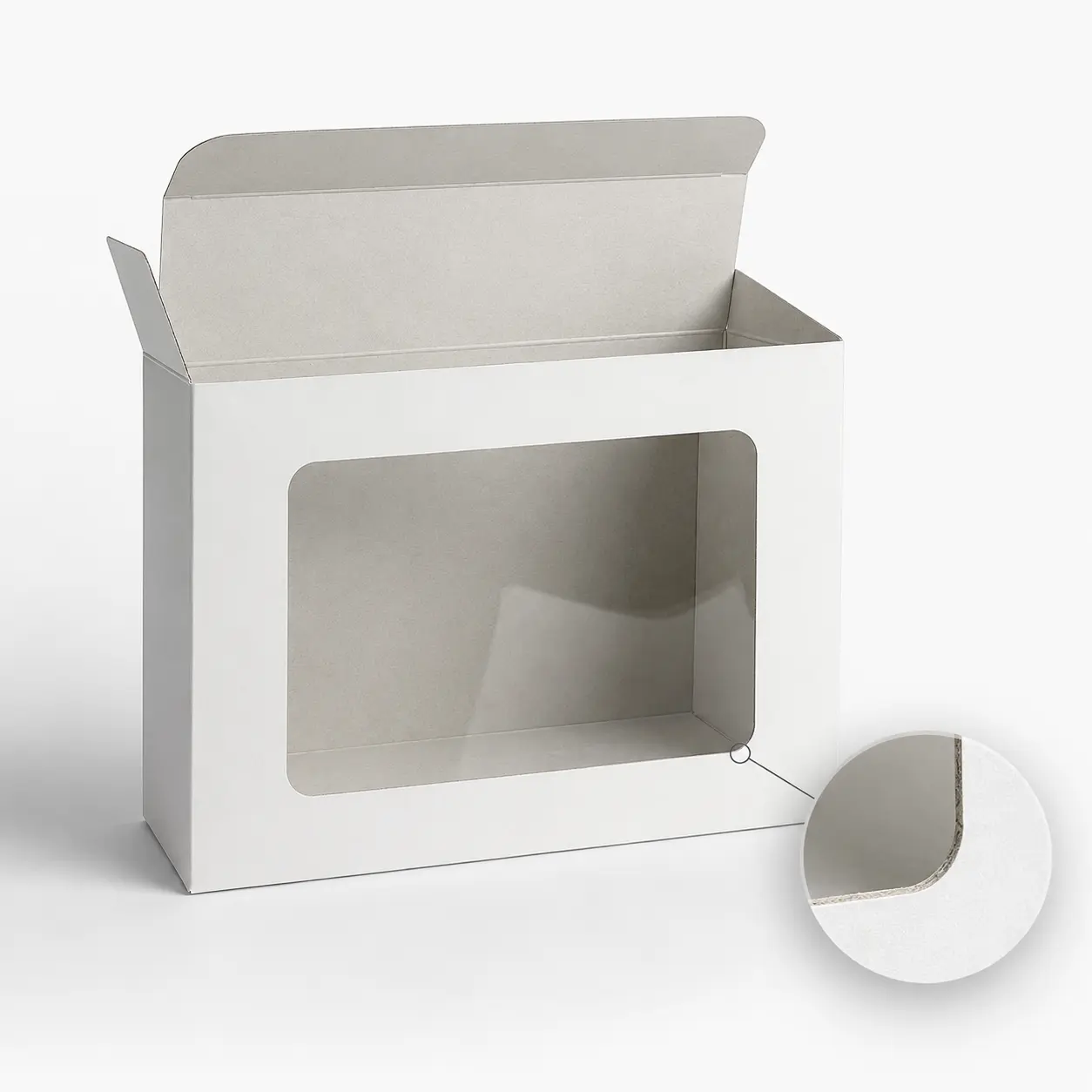
Precision die-cut openings that let customers view the product inside, with optional clear patching for better protection and presentation.
Simple, practical, and built around real B2B production needs.
Send product size, quantity, material preference, artwork, and delivery details.
Our team prepares a proof or 3D mockup so you can check design and structure.
Once approved, your packaging moves into printing, cutting, finishing, and packing.
Finished boxes are packed and shipped to your warehouse, retailer, or 3PL.
Explore similar packaging options that may fit your product line.


Reviews
There are no reviews yet.