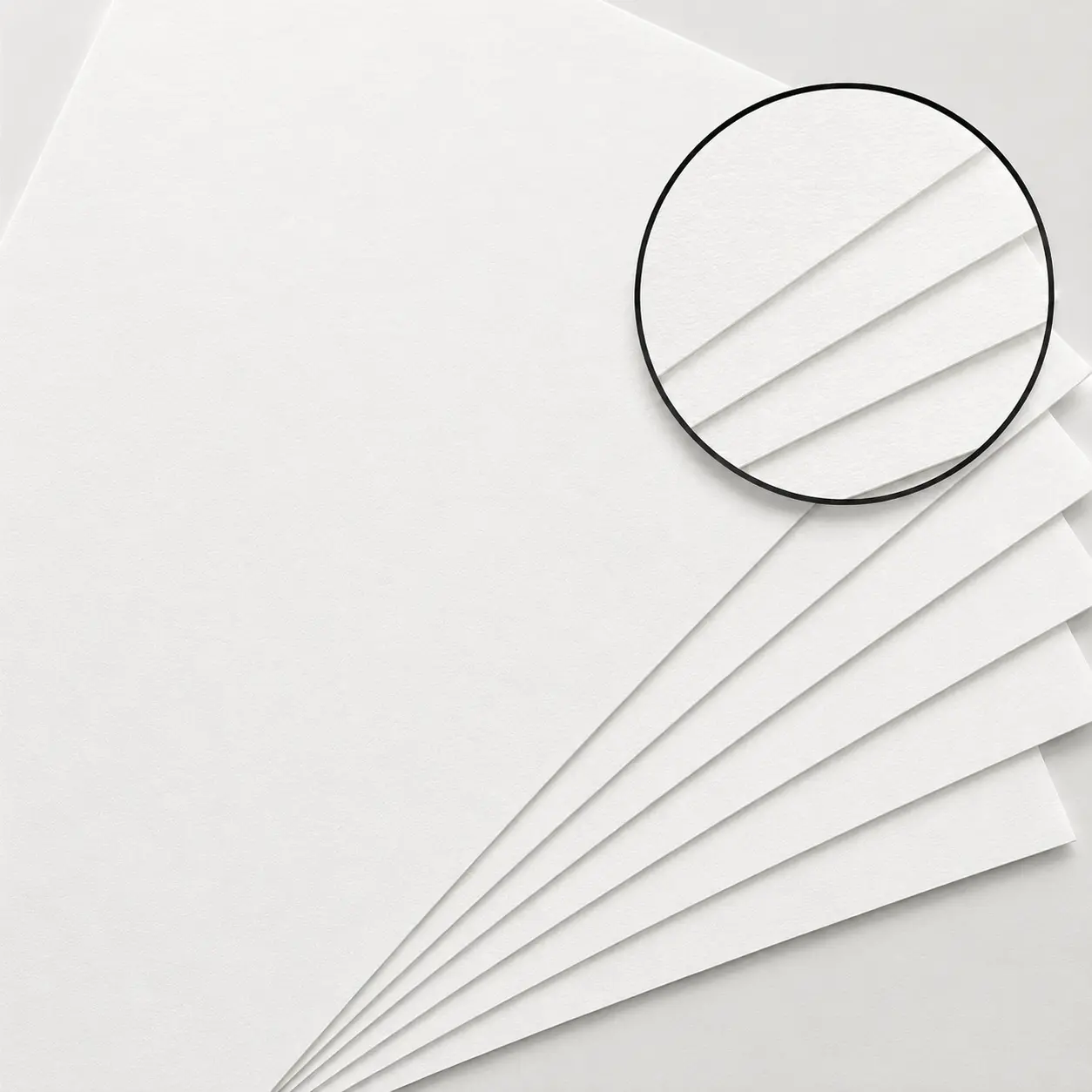
SBS Cardboard
Premium bleached substrate engineered for retail-ready packaging with sharp, high-resolution print performance across bulk SKUs.
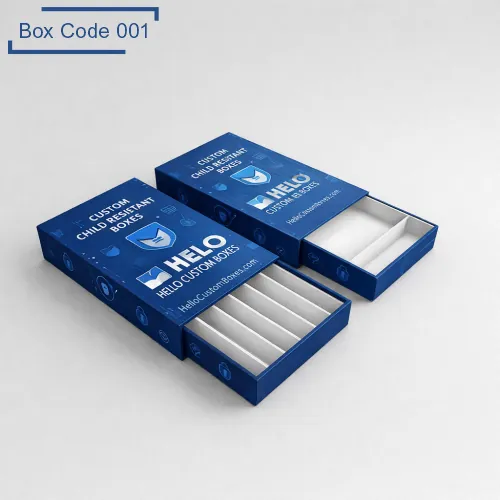
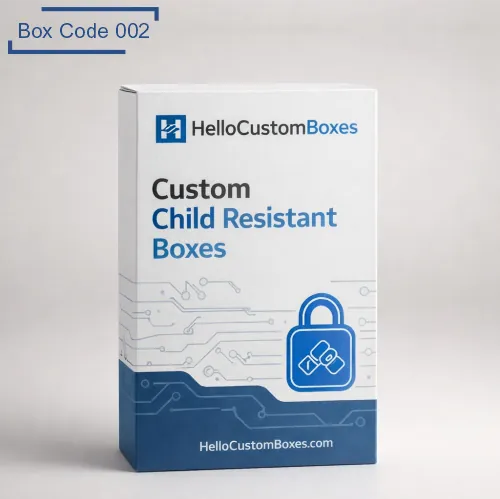
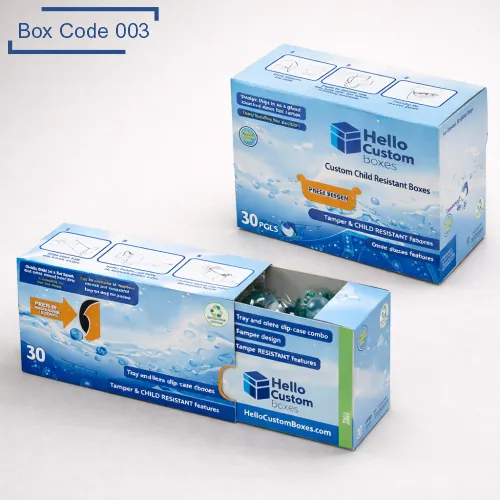
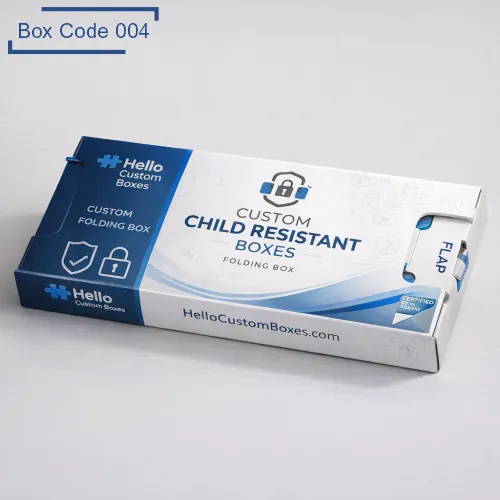
Custom child resistant boxes are made to stop easy access, not daily use. They open only when the right motion is applied and stay closed the rest of the time. These boxes are used for products that cannot be left accessible, including cannabis and medicine items, where the lock must keep working after repeated opening, handling, storage, and normal wear.
Tell us your specs and we'll send pricing within one business day.
Most failures are not obvious.
The box passes inspection.
The lock works once.
Then it gets used.
After a few openings, tabs soften. Slots widen. Resistance drops. The box still looks fine, but the function is gone. That is the most common failure point in child resistant boxes.
They don’t break.
They wear out.
And once resistance is lost, the box is no longer doing its job.
Child resistant packaging isn’t about making something impossible.
It’s about making it consistently difficult in the right way.
The opening must require a specific motion.
That motion must stay the same after repeated use.
And the structure must resist casual force without damaging itself.
If board strength, slot tension, or fold alignment changes over time, the system fails. Custom child resistant boxes must hold their resistance under real handling, not just first-open testing.
We design the opening before we design the box.
First, we define the resistance method.
Push-and-lock.
Slide-release.
Fold-sequence access.
Then we engineer the board thickness, slot depth, and fold tension to support that motion without weakening over time. We test repeated opening. Not once. Not twice. Dozens of cycles.
If resistance changes, the design goes back.
Function always comes before appearance.
Different products demand different resistance systems.
Cannabis child resistant boxes use locking tabs that require coordinated motion. Pharmaceutical child resistant boxes rely on controlled pressure and alignment. Supplement boxes use reinforced closures that resist casual opening. Multi-pack child resistant boxes maintain separation while protecting access points.
Each style is built around how the product is used, not how the box looks.
Board caliper controls resistance strength.
Slot depth determines lock reliability.
Fold tension prevents accidental release.
Edge reinforcement limits wear over time.
Alignment tolerance keeps the mechanism consistent.
Humidity control matters because moisture softens resistance.
These details decide whether the box stays compliant after real use.
Hello Custom Boxes produces custom child resistant boxes for regulated industries where safety is mandatory, not optional.
We use approved cardboard and paperboard materials and review every structure for repeat opening behavior. Child resistance is checked across production runs, not just prototypes.
Consistency is the difference between compliance and liability.
Child resistant packaging is about risk control.
A box that loses resistance creates legal exposure.
A box that frustrates adults creates complaints.
A box that looks safe but fails functionally creates trust issues.
Well-built custom child resistant boxes protect users, meet regulatory expectations, and reduce operational risk without sacrificing usability.
That balance matters.
We review the product type, regulations, and access requirements.
We design a resistance system that matches real use.
You approve the structure before production.
Manufacturing follows with checks on lock integrity and repeatability.
Child resistant boxes don’t need to be clever.
They need to stay resistant.
That’s how we build them.
Child Resistant Packaging Specifications |
|
|---|---|
| Packaging Purpose | Custom child resistant packaging engineered to maintain consistent resistance through repeated use, preventing unintended access while remaining usable for adults. |
| Primary Failure Risk | Loss of resistance over time due to softened tabs, widened slots, misaligned folds, or reduced board tension after repeated openings. |
| Core Safety Requirement | Packaging must require a specific opening motion that remains consistent across multiple uses without structural degradation. |
| Resistance Design Approach | Opening mechanism engineered first, followed by box structure, ensuring functional integrity before visual design. |
| Resistance Mechanisms Used | Push-and-lock systems, slide-release mechanisms, and fold-sequence access designs based on product use and regulation. |
| Board & Material Engineering | Controlled board caliper, reinforced edges, and approved paperboard materials selected to resist wear and maintain lock strength. |
| Slot & Fold Control | Precisely calculated slot depth, fold alignment, and tension to prevent accidental release and gradual loosening. |
| Repeat-Use Testing | Structures tested across dozens of opening cycles to verify resistance stability beyond first-use performance. |
| Environmental Considerations | Humidity and moisture impact evaluated to prevent softening of board and loss of resistance during storage or handling. |
| Available Applications | Cannabis packaging, pharmaceutical boxes, supplement packaging, and regulated multi-pack products. |
| Compliance Focus | Structures reviewed for repeat-use consistency and safety compliance across full production runs, not only prototypes. |
| Risk Control Benefits | Reduced liability exposure, improved user trust, regulatory confidence, and safer end-user handling. |
| Production Lock | Approved resistance system is locked before production. No mid-run material, slot, or tolerance changes permitted. |
Choose from practical materials, print methods, inks, finishes, and add-ons for a better product presentation.
Premium bleached substrate engineered for retail-ready packaging with sharp, high-resolution print performance across bulk SKUs.
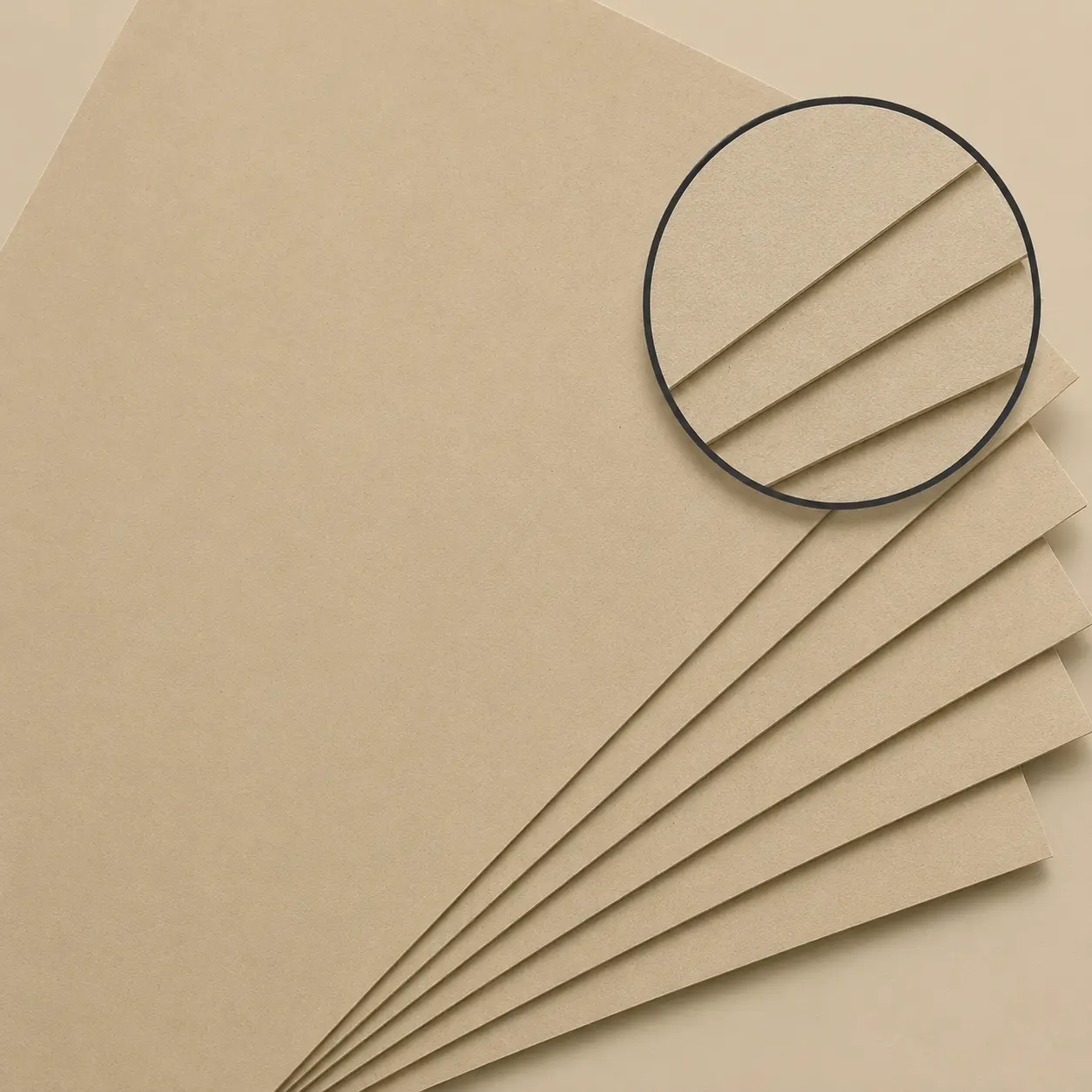
High-density rigid board built for wholesale cartons, structural strength, and stack-ready warehouse logistics.
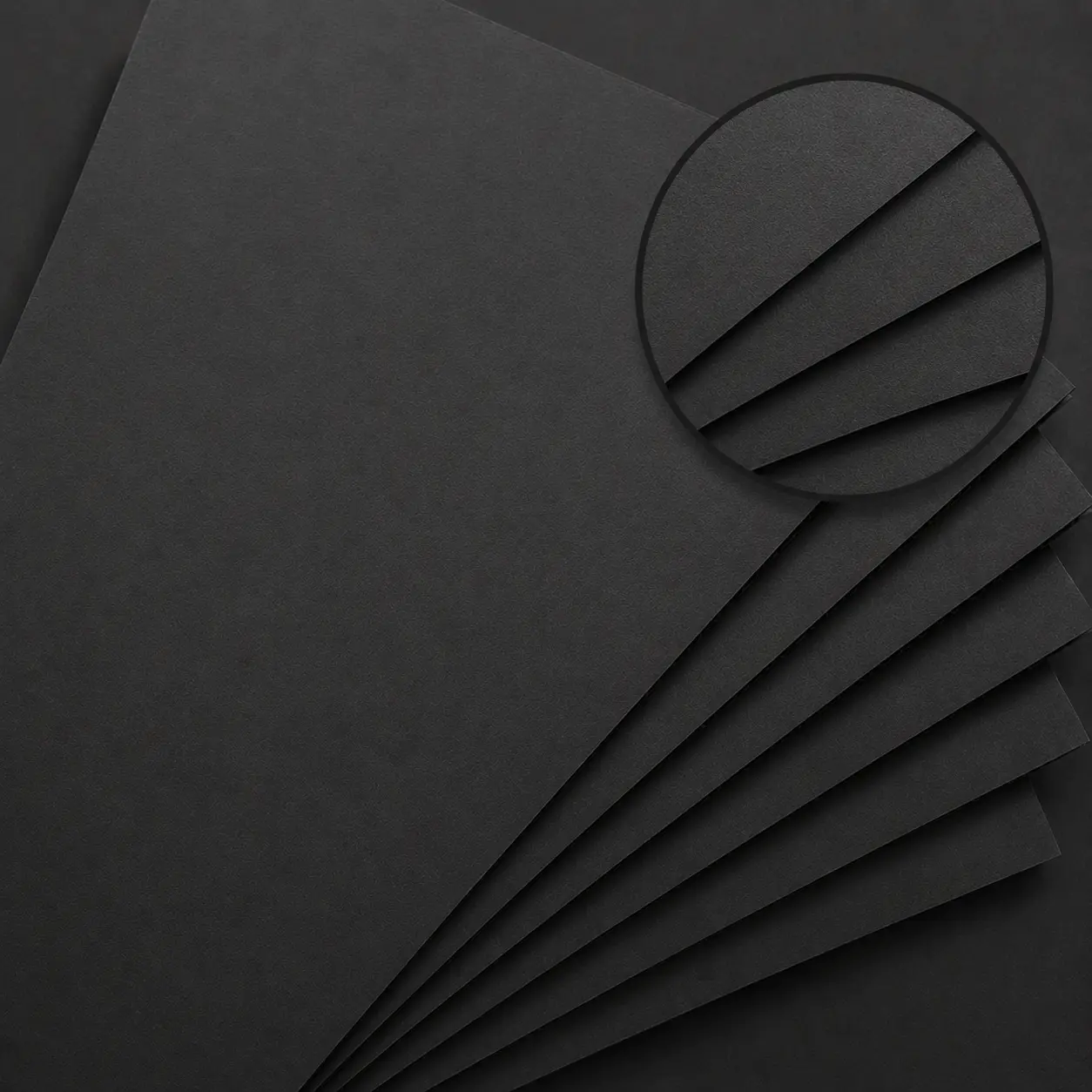
Eco-conscious black kraft for premium unboxing programs, corporate gifting, and limited-edition product lines.
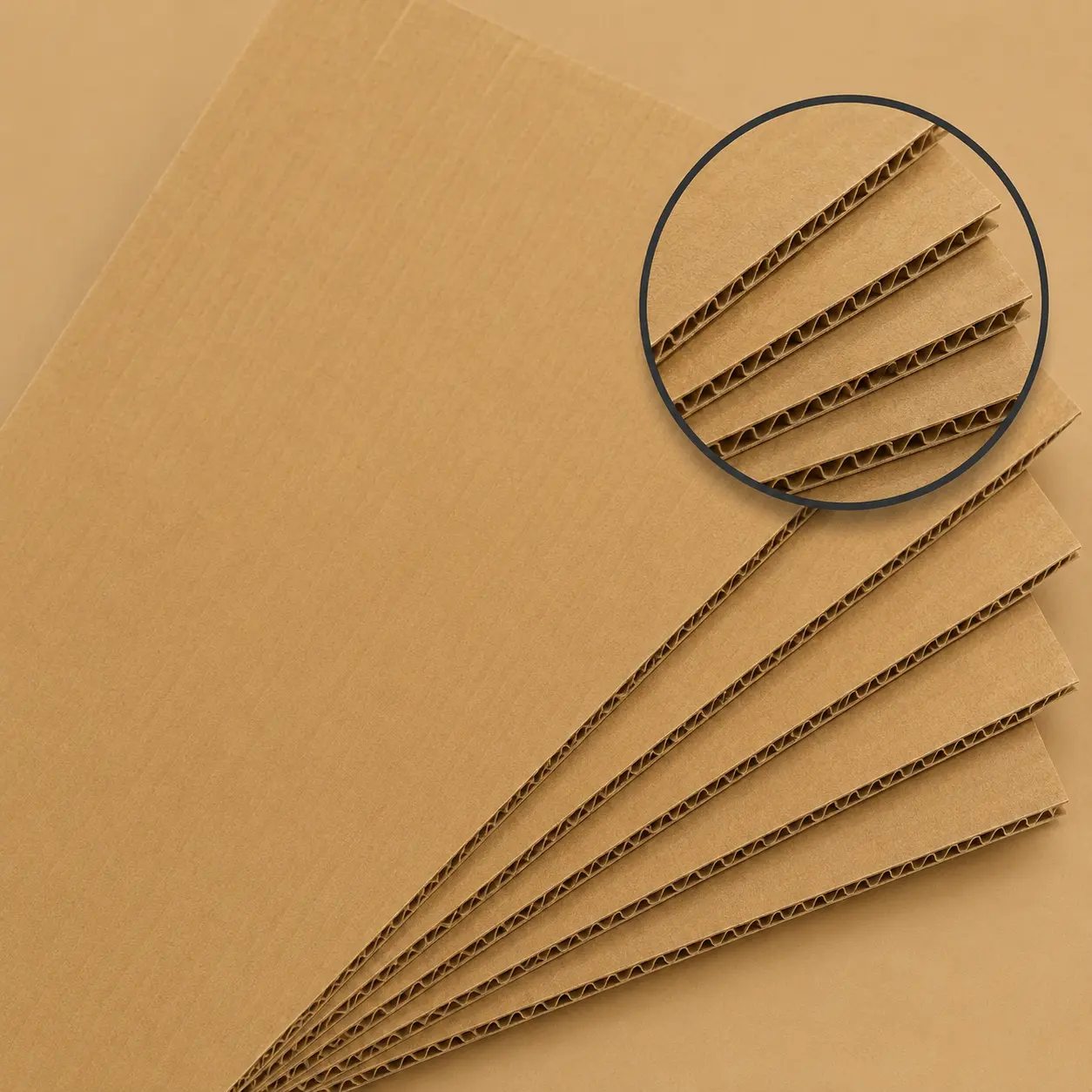
Multi-flute corrugated board built for protective shipping, e-commerce dispatch, and high-volume B2B fulfillment.
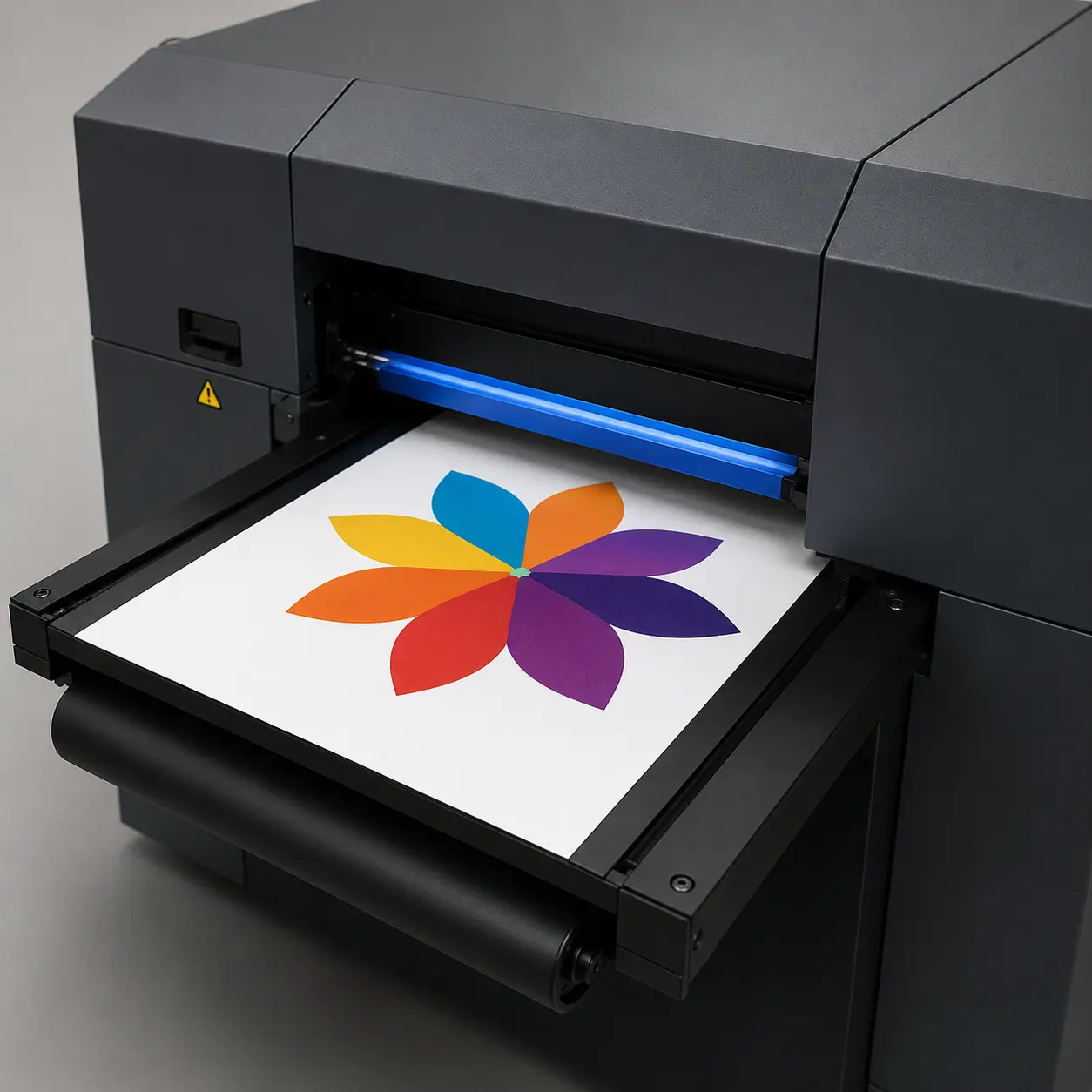
Short-run digital printing with no plate setup — ideal for prototypes, sample approvals, and quick reorders.
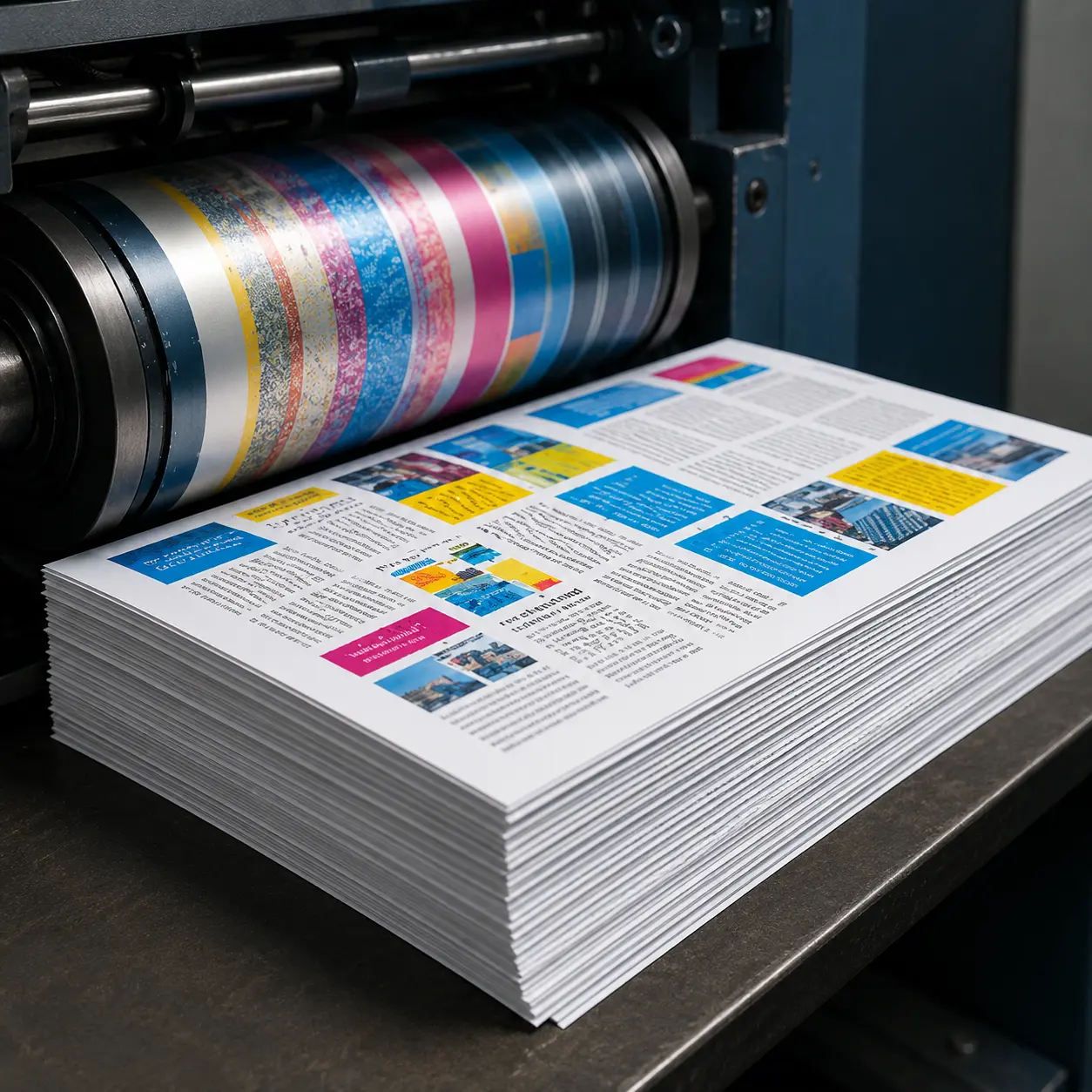
Industry-standard offset printing for high-volume runs with consistent color matching across bulk production.

Selective dimensional embellishment for premium B2B branding, tactile depth, and shelf differentiation.

Vibrant UV-cured printing suited for promotional packaging, event giveaways, and trade-show units.
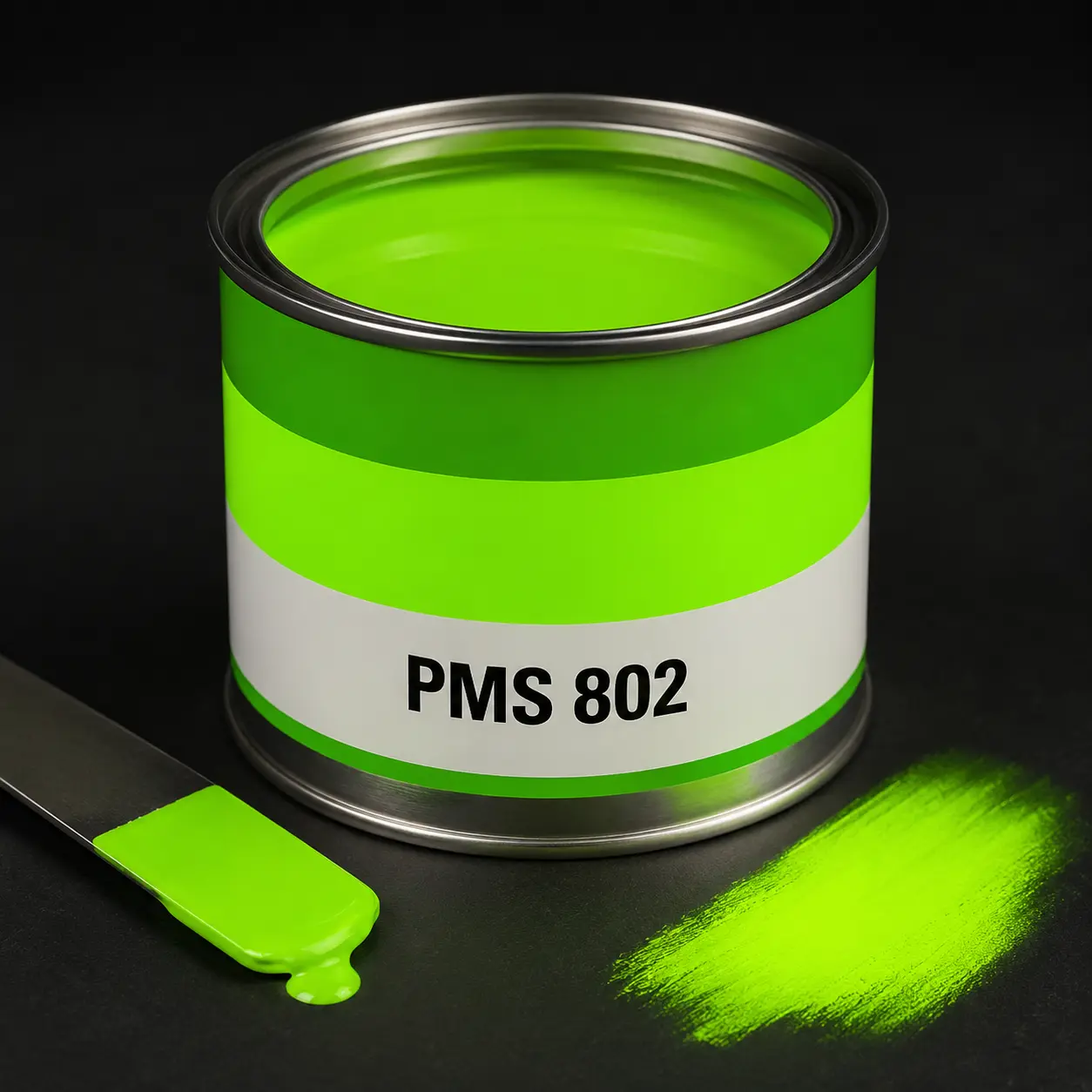
High-visibility ink system engineered for shelf impact, retail displays, and wholesale point-of-sale units.
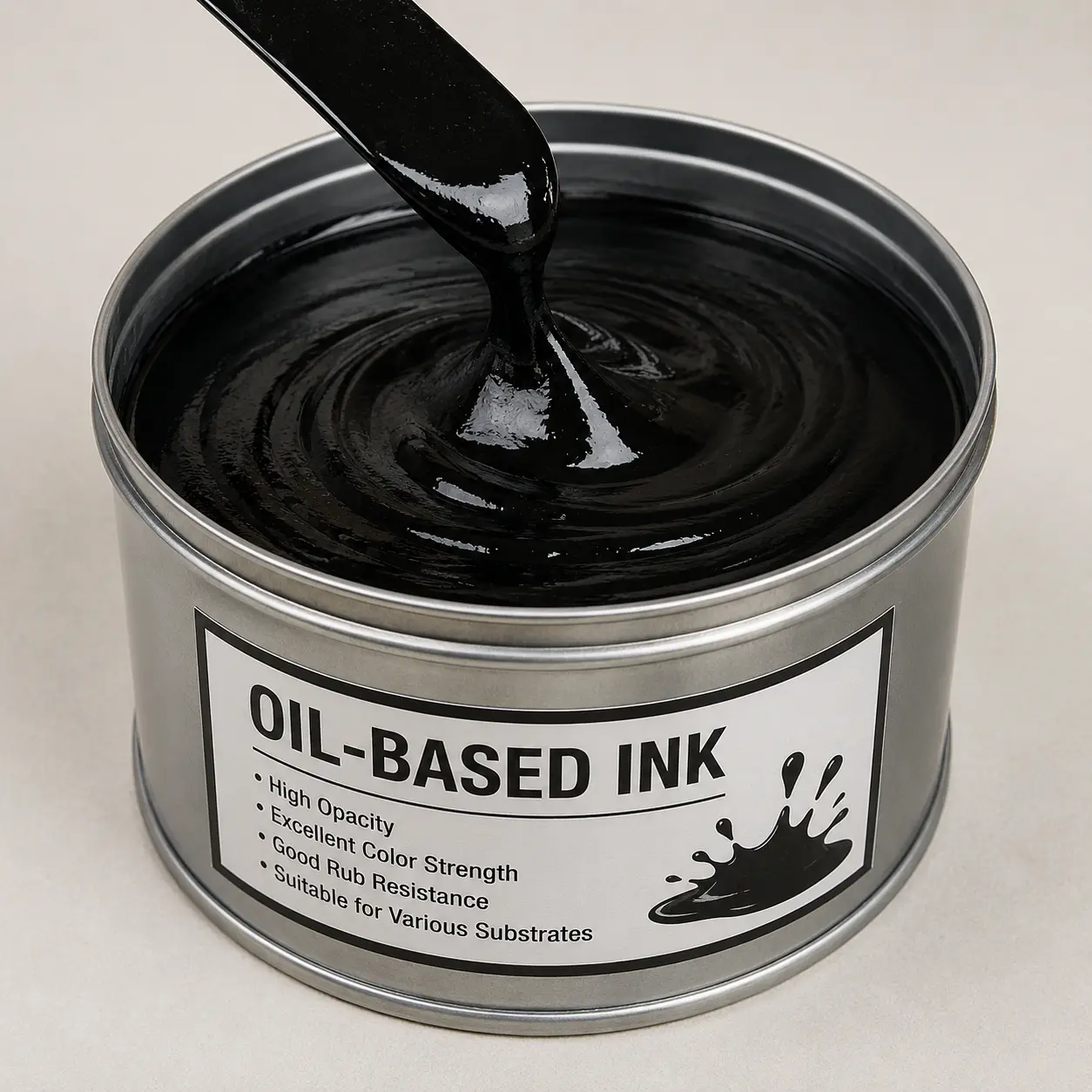
Industry-grade ink for durable, scuff-resistant production runs across long-haul distribution.

Spot-color matching to corporate brand standards — consistent identity across every SKU and reorder.

Sustainable plant-based ink for eco-certified packaging programs and ESG-aligned product launches.

Protective film extends shelf life and protects packaging during shipping and warehouse handling.

Water-based protective seal — fast-drying, food-safe-friendly finish for high-volume bulk production.

Premium tactile finish that elevates corporate gifting boxes and high-end B2B product lines.

Highlight logos and key artwork with selective gloss for maximum retail brand recognition.

Raised brand marks for tactile, premium identity on retail shelves and corporate packaging.

Pressed impressions for subtle, sophisticated branding on premium B2B product lines.

Metallic foil application — gold, silver, and custom finishes for luxury wholesale packaging.
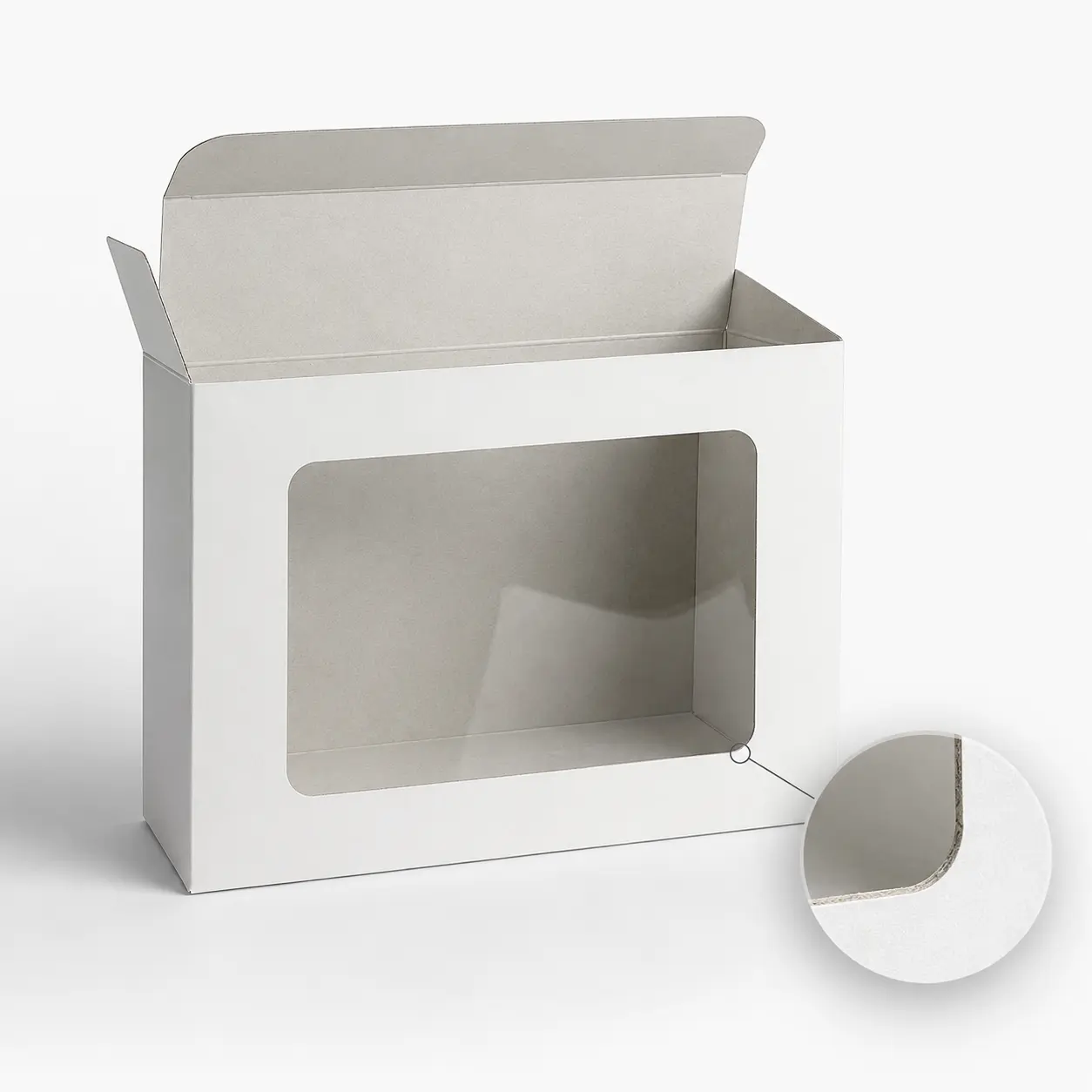
Precision die-cut openings that let customers view the product inside, with optional clear patching for better protection and presentation.
Simple, practical, and built around real B2B production needs.
Send product size, quantity, material preference, artwork, and delivery details.
Our team prepares a proof or 3D mockup so you can check design and structure.
Once approved, your packaging moves into printing, cutting, finishing, and packing.
Finished boxes are packed and shipped to your warehouse, retailer, or 3PL.
Explore similar packaging options that may fit your product line.


Reviews
There are no reviews yet.