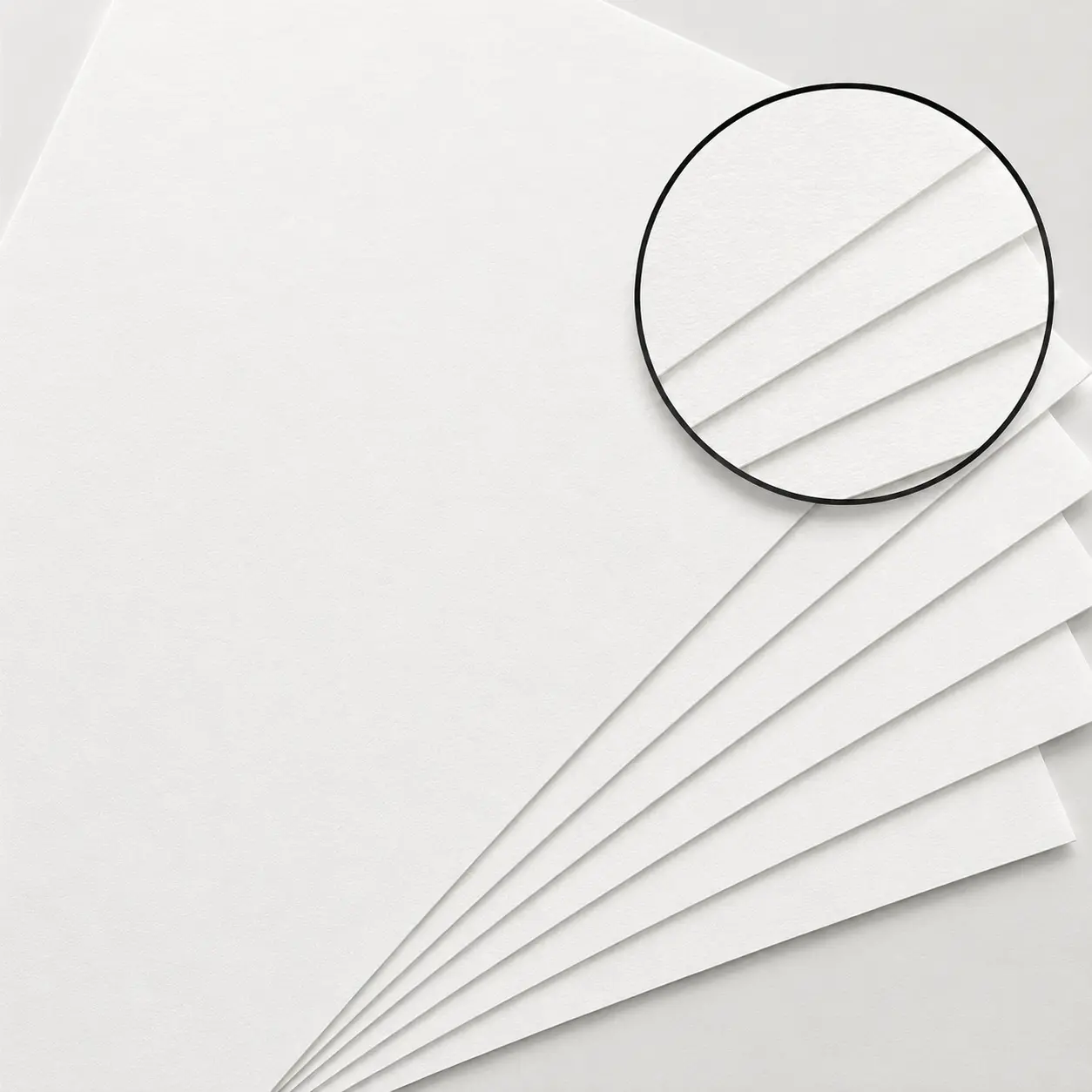
SBS Cardboard
Premium bleached substrate engineered for retail-ready packaging with sharp, high-resolution print performance across bulk SKUs.
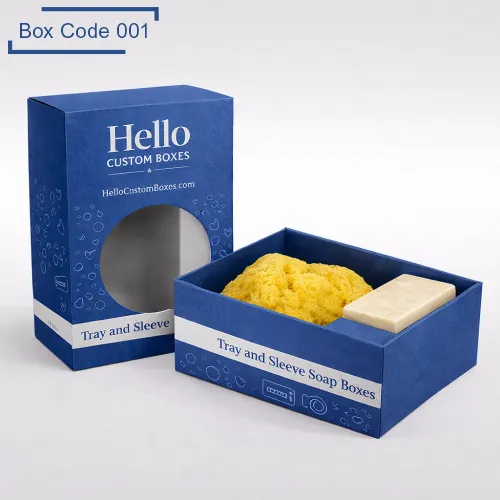
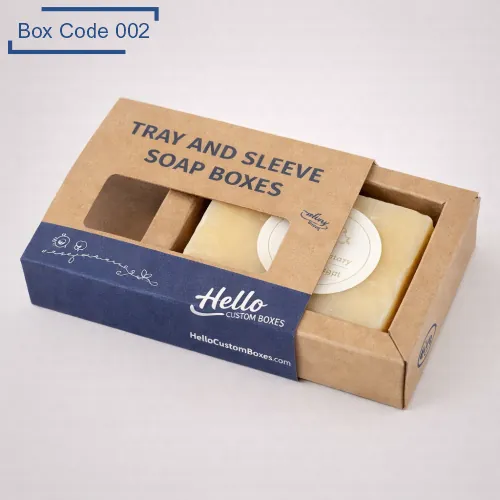
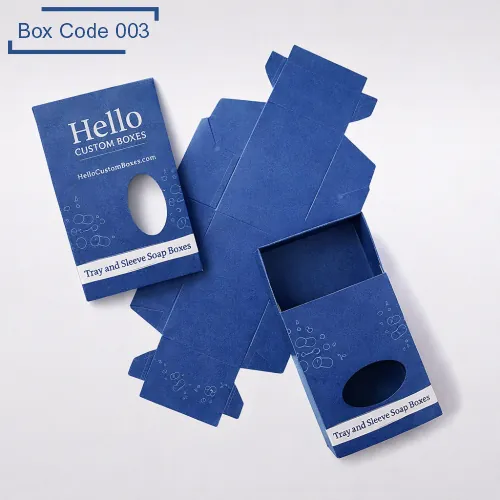
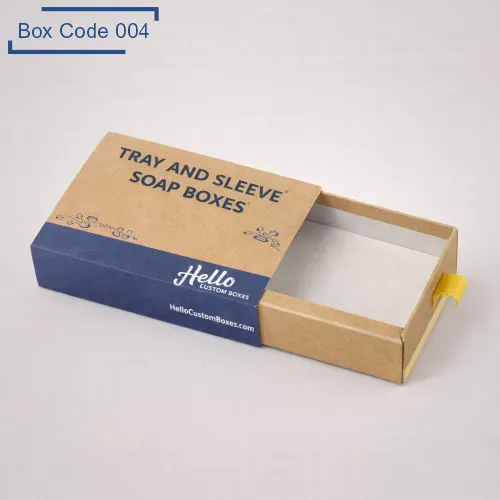
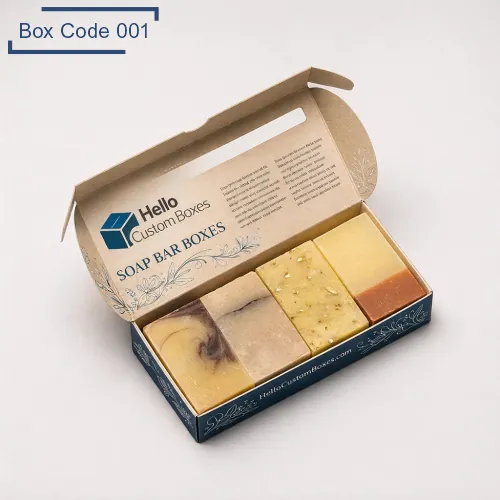
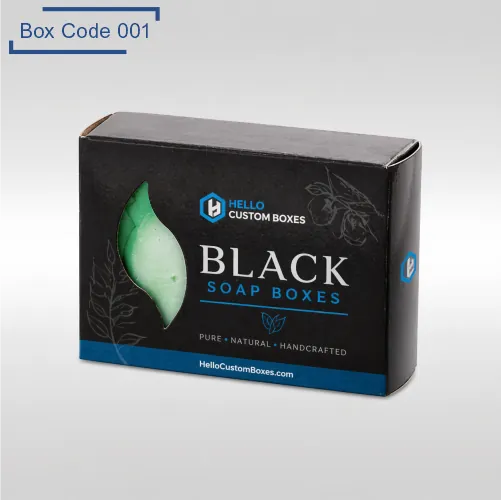
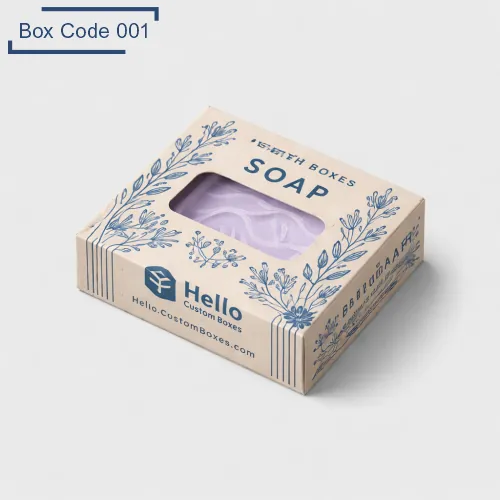
Tray and sleeve soap boxes look basic at first, but they change how the bar sits inside. The tray keeps it from sliding around, and the sleeve just covers everything without feeling tight or fussy. That’s pretty much the point. It helps the soap stay in place, look a bit more organized, and feel steadier when someone picks it up.
Tell us your specs and we'll send pricing within one business day.
There’s something deliberate about sliding a sleeve off a tray.
You feel the paperboard catch slightly, then release. The soap sits in the tray without wobbling, and the sleeve keeps everything tight until the moment the customer actually wants to see the product.
It’s one of the few packaging structures that creates a pause — a small moment where the unboxing feels intentional instead of rushed.
But tray-and-sleeve boxes only work when the fit is engineered correctly.
A sleeve that drags too hard tears.
A tray that’s too loose slides out on its own.
And if the soap bar is heavy or uneven, the whole structure starts arguing with itself.
Soap makers love this packaging style because it looks premium, but the structure has to match the bar’s weight, moisture, and surface texture.
Soap isn’t consistent, even when the recipe stays the same.
Cold-process bars shrink slightly while curing.
Melt-and-pour bars shift at the edges.
Some bars sweat in humidity.
Decorative tops add height and create pressure on the sleeve.
Botanical soaps have uneven sides that push the tray outward.
Essential oils soften certain board coatings.
All of this affects how the tray sits inside the sleeve.
Common issues brands face with poorly-made tray-and-sleeve boxes:
It’s a structure that looks simple — but behaves like a precision fit.
We start with the soap itself, not the artwork.
We study:
Then we design around these realities.
We don’t rely on default sizing.
Every set is engineered with tolerances built into the tray and sleeve relationship.
For eco brands, we offer kraft board with minimal coating and recycled liner options.
Clean fit, perfect for most bar soaps.
Natural look for handmade, botanical, or organic branding.
Shows the edges, swirls, or colors of the soap without exposing the entire bar.
For smoother pull and controlled unboxing.
Ideal for heavier or oversized soap bars.
Holds two or more soaps in a single sliding tray.
Artwork wraps smoothly around the sleeve for retail.
Every option is shaped around how the customer will hold, pull, and open the box.
To build a box that slides cleanly without wearing down, we fine-tune:
Too loose = sloppy.
Too tight = tearing.
We adjust board weight and scoring depth to control glide.
A taller tray stabilizes heavy bars but restricts sliding if misaligned.
Weak corners collapse when the sleeve pushes against them.
Coated sleeves slide differently than uncoated kraft; we adjust tolerances accordingly.
Some soaps cause low-quality board to warp; we select materials that handle exposure.
Cold-process soaps reduce slightly in size over time; our tolerances prevent rattle.
Retail boxes need reinforced pull edges for customers who slide using one hand.
When all of these details are aligned, the box feels smooth, steady, and enjoyable to open.
We’ve created tray-and-sleeve systems for:
Across all of them, we hear the same thing:
Customers love the “slide” — if it feels premium.
Retailers love the structure — if it stays straight.
A well-made tray-and-sleeve box gives you:
It’s one of the easiest ways to make soap feel “premium” without overbuilding the packaging.
Step 1: Product Review
We look at bar size, shape, curing stage, and branding direction.
Step 2: Structure Engineering
We balance friction, tray strength, sleeve pressure, and tolerance.
Step 3: Artwork Support
We guide layout around sleeve wrap, cutlines, and window placement.
Step 4: Production
Precision scoring, clean edges, pull-resistance checks, and sleeve glide testing.
Step 5: Delivery
Flat or pre-formed trays depending on your volume.
Tray & Sleeve Soap Box Overview |
|
|---|---|
| Packaging Concept | Tray-and-sleeve soap packaging designed to create a deliberate, premium unboxing moment through controlled slide friction and precise structural fit. |
| Why It Feels Premium | The sleeve holds tension until release, while the tray cradles the soap securely, creating a slow, intentional reveal instead of an instant open. |
| Primary Challenge | Soap bars change over time due to curing, moisture, oil content, and surface texture, which can disrupt sleeve fit and tray stability if not engineered correctly. |
| Common Problems Solved | Prevents sleeve tearing, uneven sliding, tray bowing, soap impact against edges, humidity softening, artwork misalignment, and loose product movement. |
| Tray Engineering | Weight-supporting base, rigid sidewalls, pressure-free soap cradle, shape retention during repeated sliding, and stability when partially opened. |
| Sleeve Engineering | Tear-resistant board, controlled friction glide, square alignment, bow-free walls, reinforced edges, and precise visual framing around the tray. |
| Fit & Tolerance Design | Custom tolerances account for curing shrinkage, bar density changes, oil interaction, and moisture exposure without creating rattle or resistance. |
| Available Styles | Standard tray-and-sleeve, kraft tray-and-sleeve, window sleeve boxes, thumb-cut sleeves, reinforced trays, multi-bar tray sets, and fully printed premium sleeves. |
| Material Options | Cardboard stock, kraft board, recycled liners, oil-resistant coated stock, breathable uncoated kraft, and eco-friendly material combinations. |
| Technical Focus Areas | Friction balance, tray wall height, corner strength, coating memory, oil and moisture resistance, shrink allowance, and reinforced pull direction. |
| Best Use Cases | Handmade soap brands, botanical and aromatherapy lines, luxury spa soaps, subscription boxes, seasonal gift soaps, and hotel amenity packaging. |
| Business Benefits | Premium unboxing, stronger shelf presence, improved weight control, safer shipping, clean branding alignment, gift-ready presentation, and higher perceived value. |
Choose from practical materials, print methods, inks, finishes, and add-ons for a better product presentation.
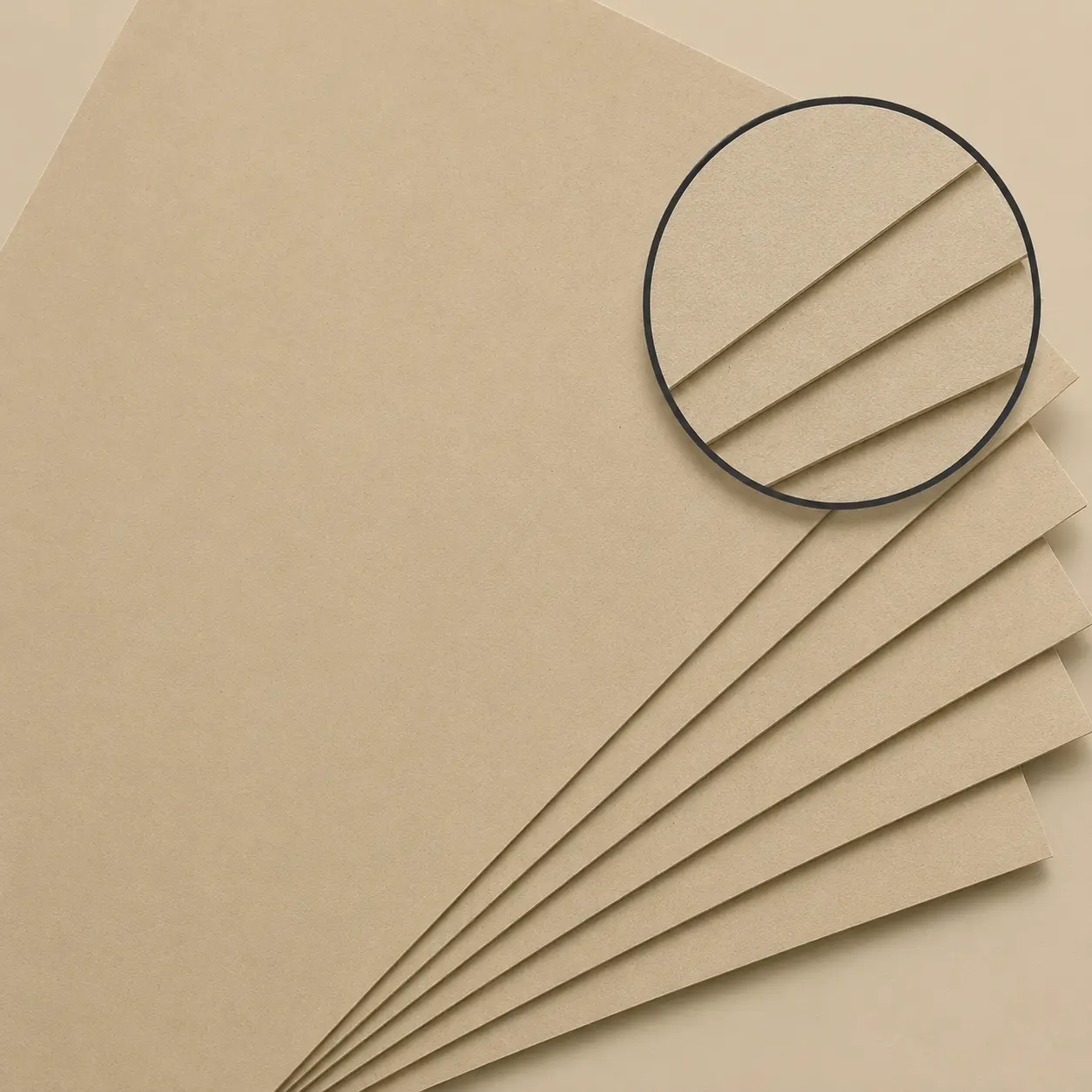
Premium bleached substrate engineered for retail-ready packaging with sharp, high-resolution print performance across bulk SKUs.
High-density rigid board built for wholesale cartons, structural strength, and stack-ready warehouse logistics.
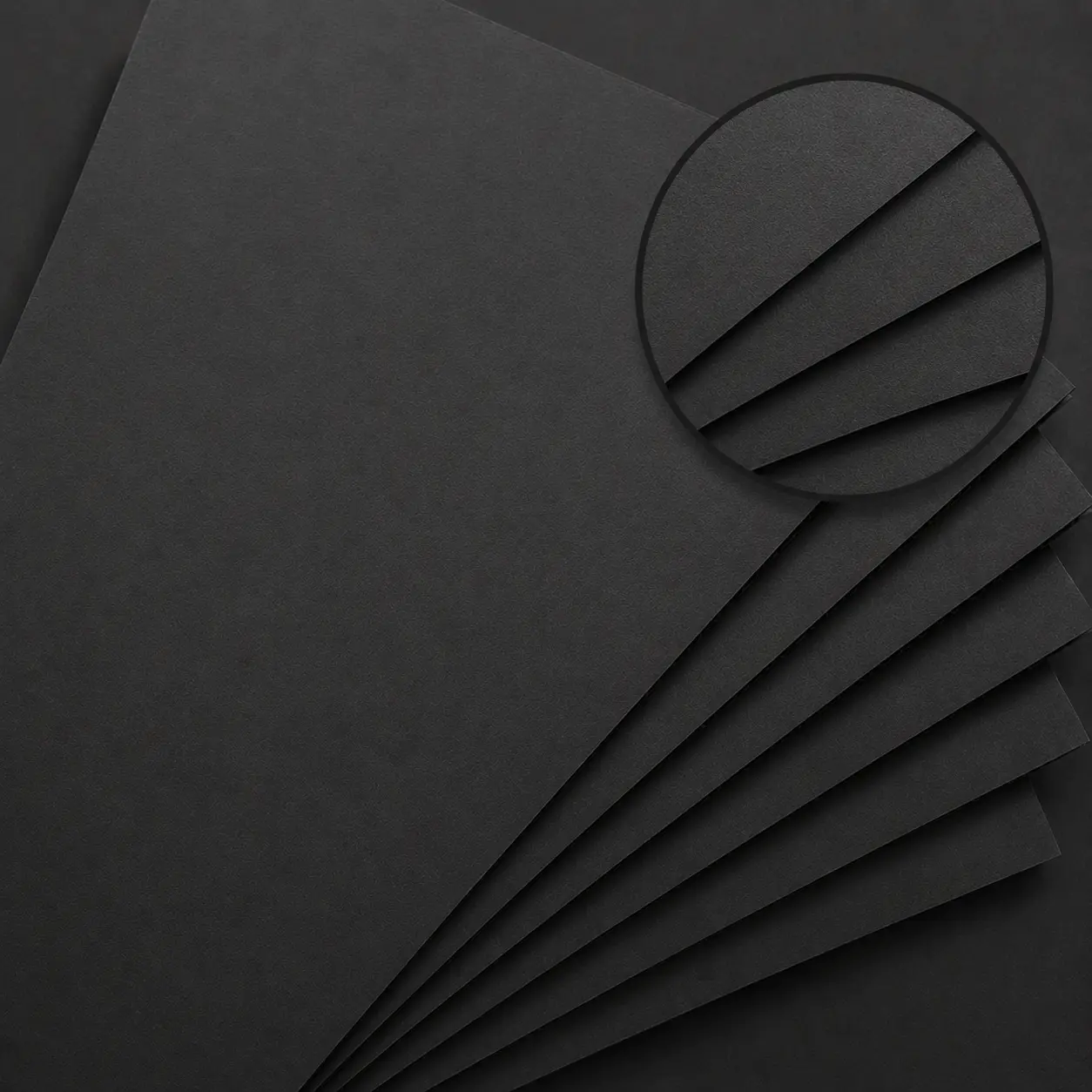
Eco-conscious black kraft for premium unboxing programs, corporate gifting, and limited-edition product lines.
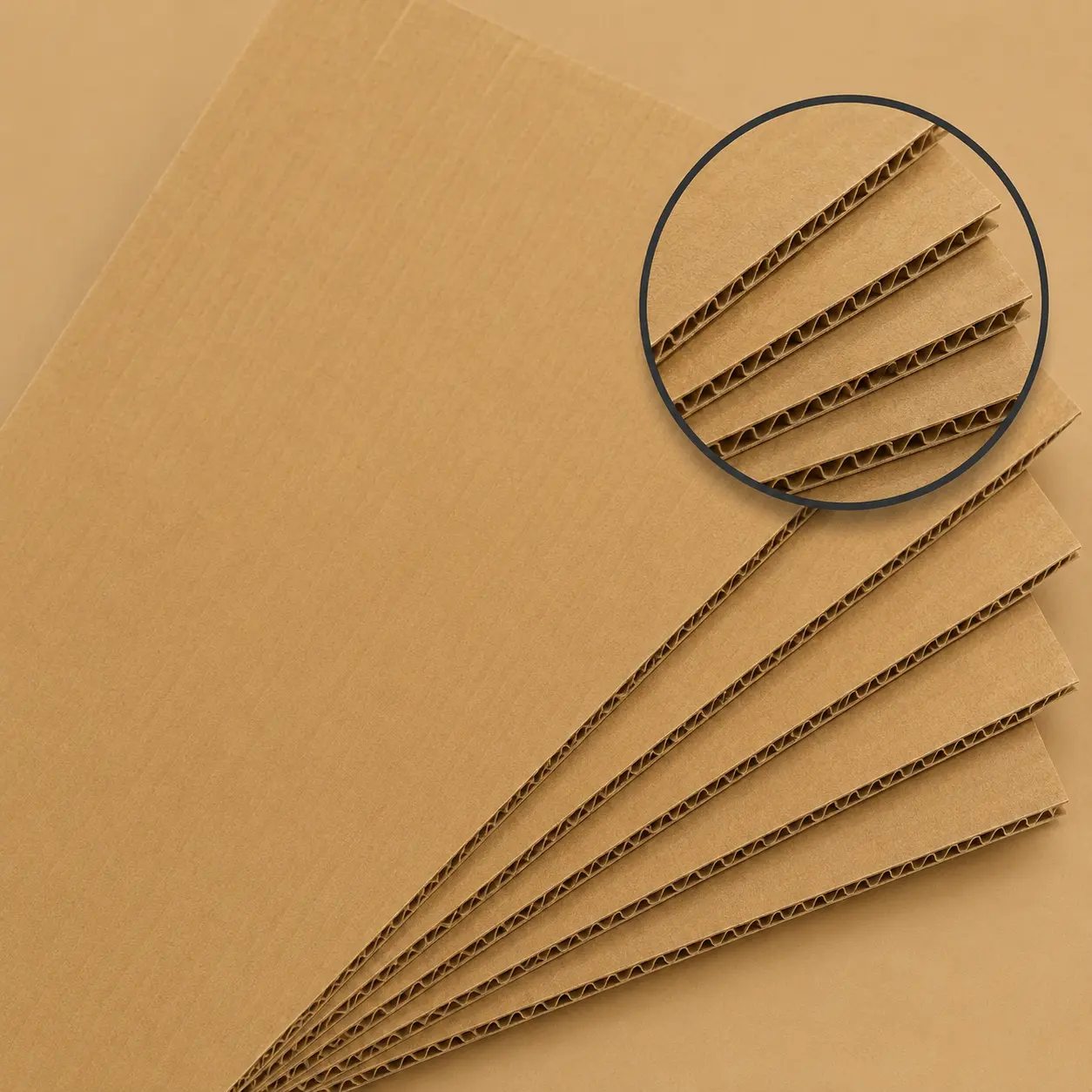
Multi-flute corrugated board built for protective shipping, e-commerce dispatch, and high-volume B2B fulfillment.
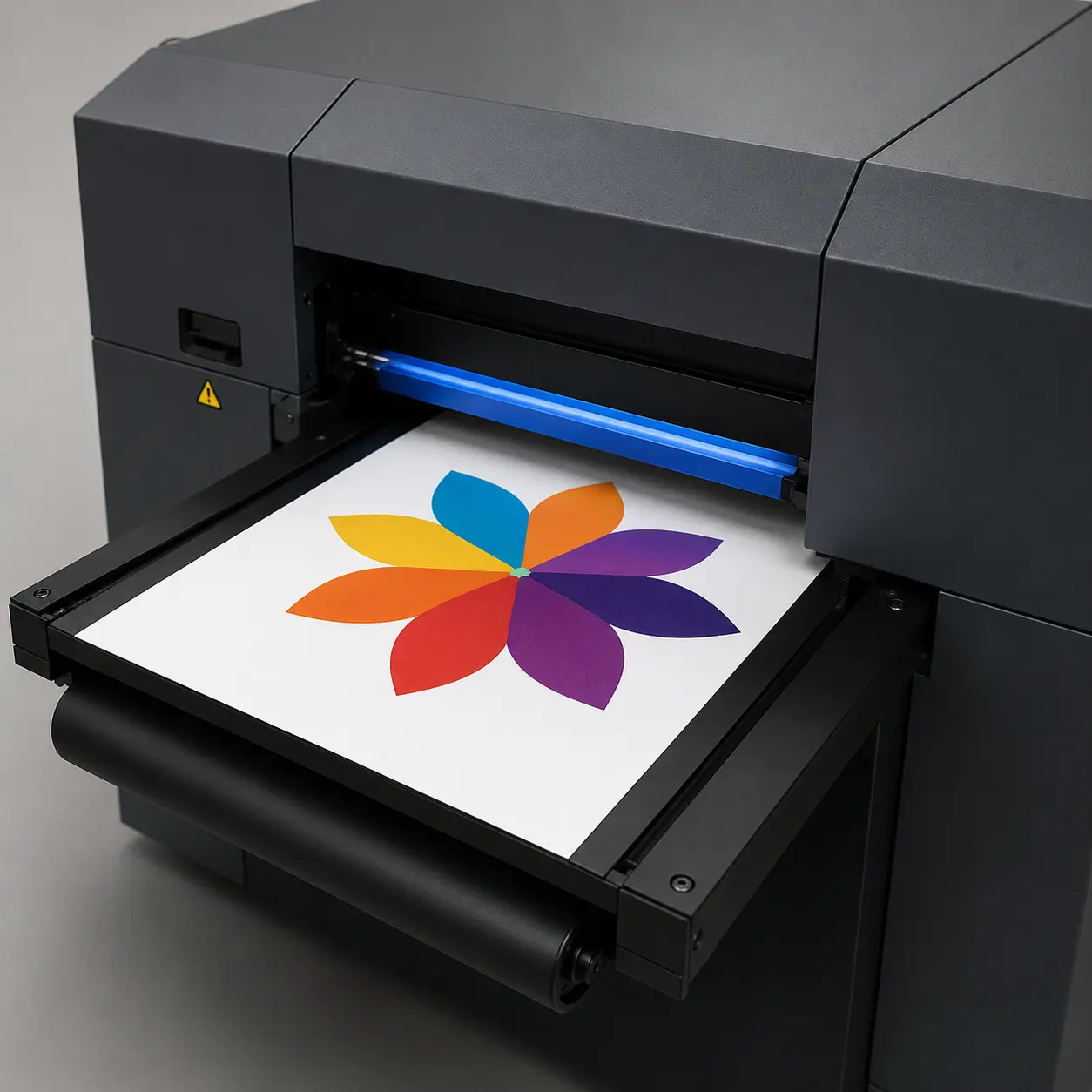
Short-run digital printing with no plate setup — ideal for prototypes, sample approvals, and quick reorders.
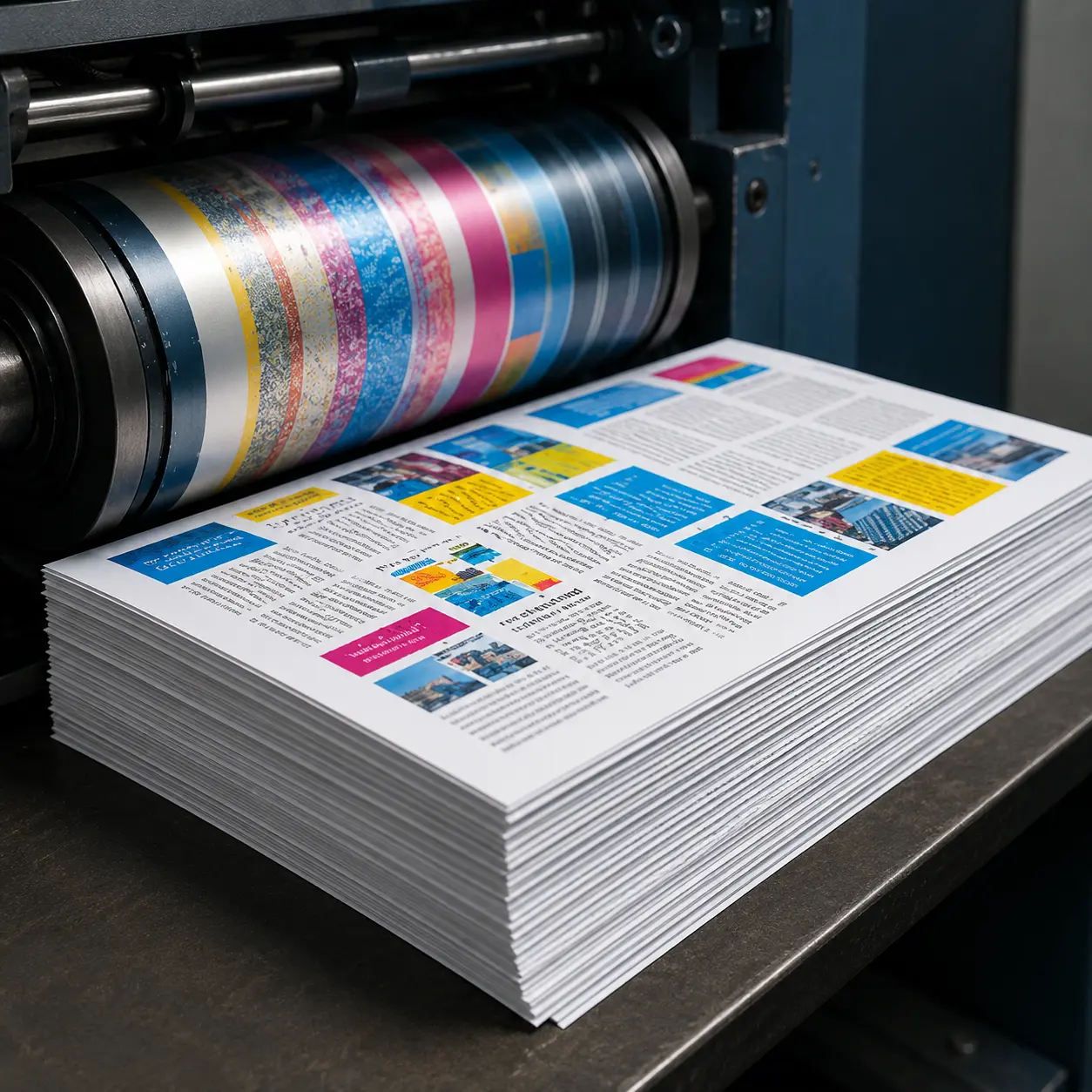
Industry-standard offset printing for high-volume runs with consistent color matching across bulk production.

Selective dimensional embellishment for premium B2B branding, tactile depth, and shelf differentiation.

Vibrant UV-cured printing suited for promotional packaging, event giveaways, and trade-show units.
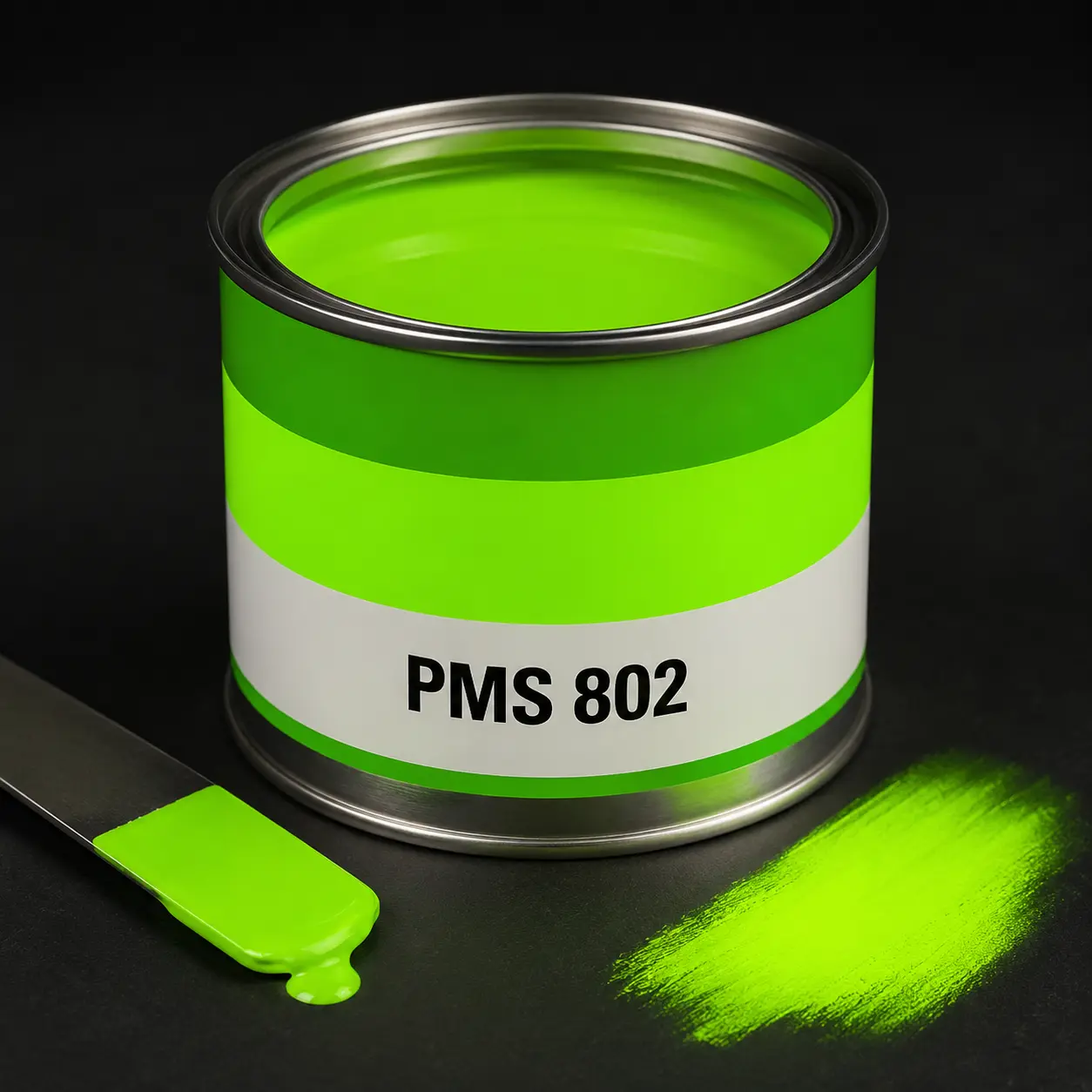
High-visibility ink system engineered for shelf impact, retail displays, and wholesale point-of-sale units.
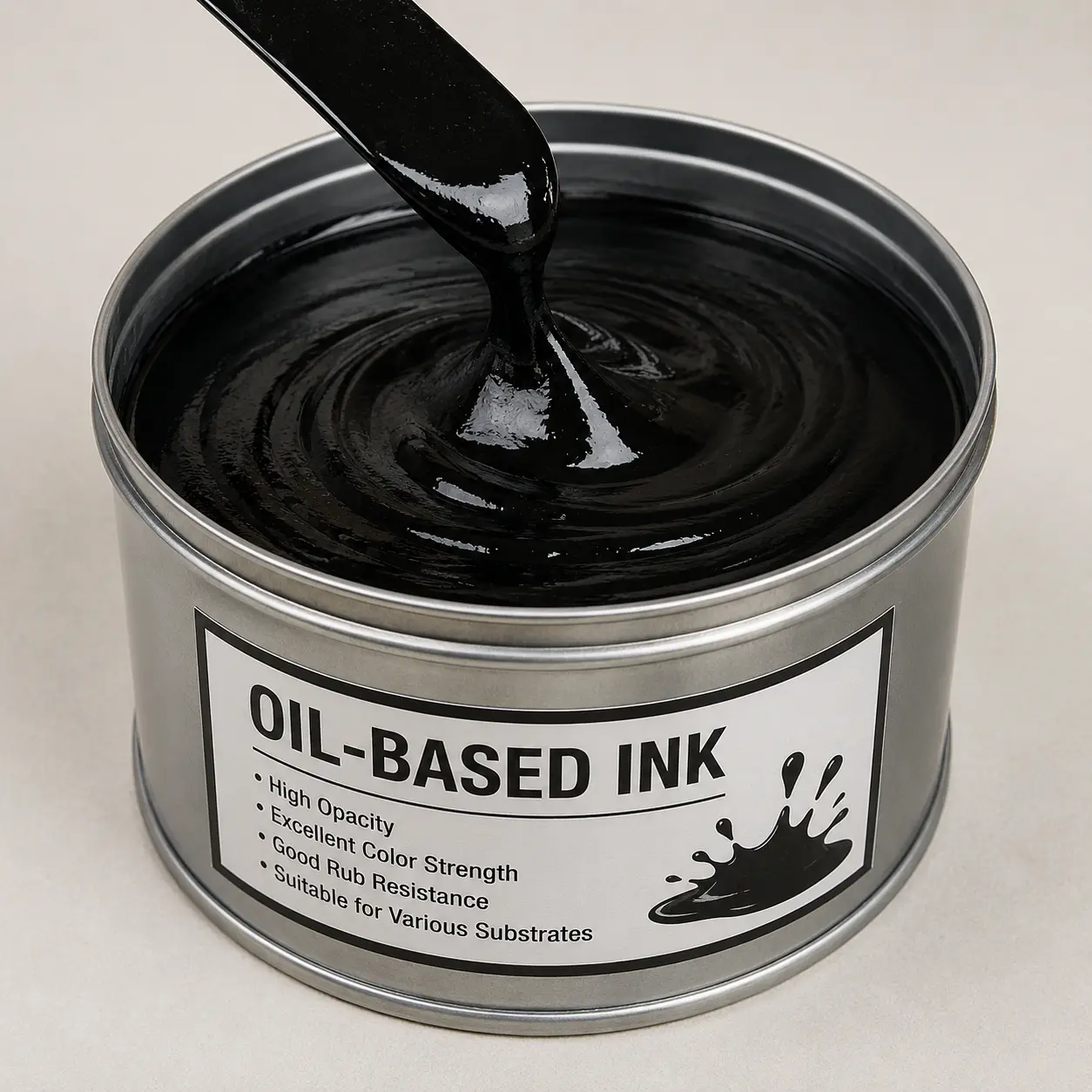
Industry-grade ink for durable, scuff-resistant production runs across long-haul distribution.

Spot-color matching to corporate brand standards — consistent identity across every SKU and reorder.

Sustainable plant-based ink for eco-certified packaging programs and ESG-aligned product launches.

Protective film extends shelf life and protects packaging during shipping and warehouse handling.

Water-based protective seal — fast-drying, food-safe-friendly finish for high-volume bulk production.

Premium tactile finish that elevates corporate gifting boxes and high-end B2B product lines.

Highlight logos and key artwork with selective gloss for maximum retail brand recognition.

Raised brand marks for tactile, premium identity on retail shelves and corporate packaging.

Pressed impressions for subtle, sophisticated branding on premium B2B product lines.

Metallic foil application — gold, silver, and custom finishes for luxury wholesale packaging.
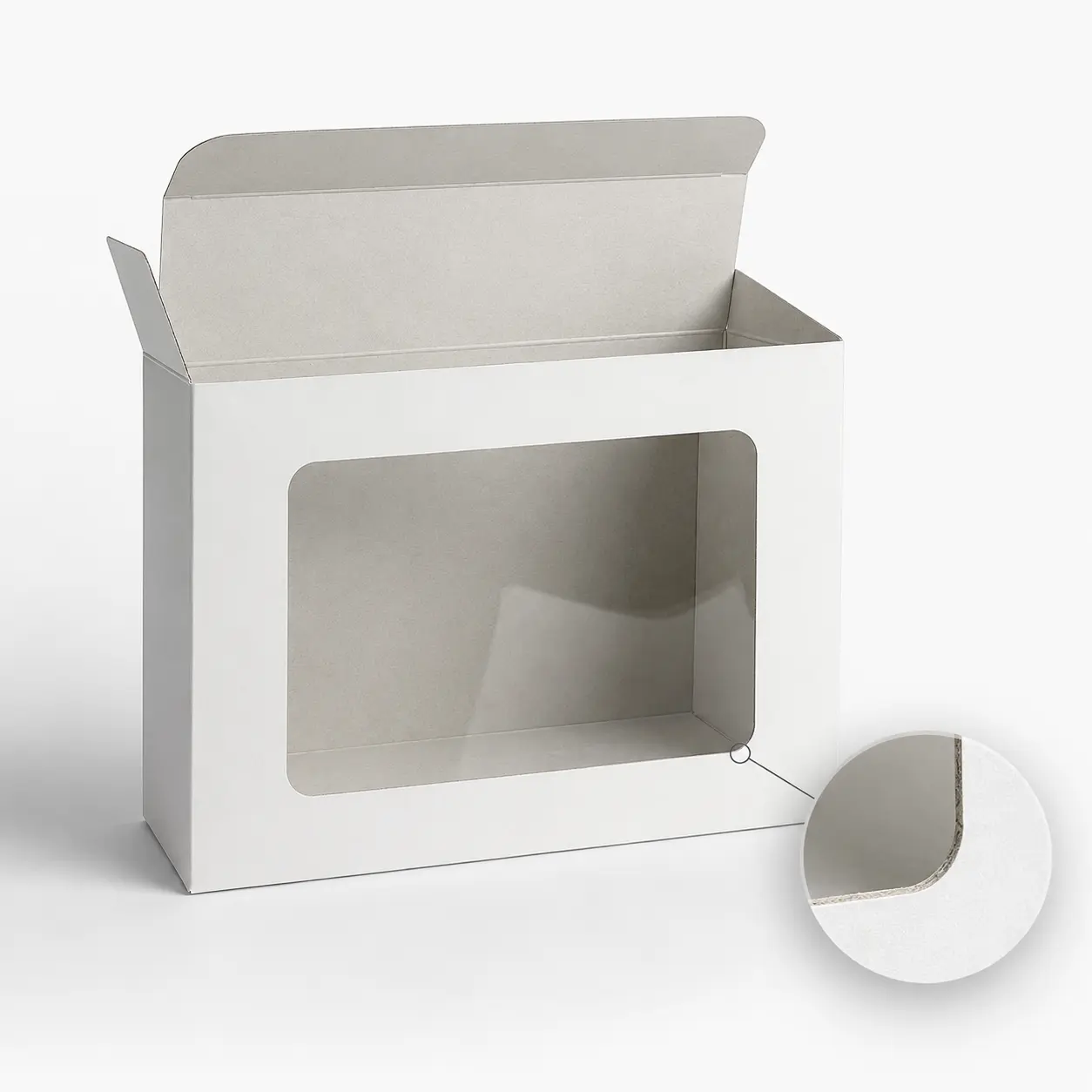
Precision die-cut openings that let customers view the product inside, with optional clear patching for better protection and presentation.
Simple, practical, and built around real B2B production needs.
Send product size, quantity, material preference, artwork, and delivery details.
Our team prepares a proof or 3D mockup so you can check design and structure.
Once approved, your packaging moves into printing, cutting, finishing, and packing.
Finished boxes are packed and shipped to your warehouse, retailer, or 3PL.
Explore similar packaging options that may fit your product line.
Reviews
There are no reviews yet.