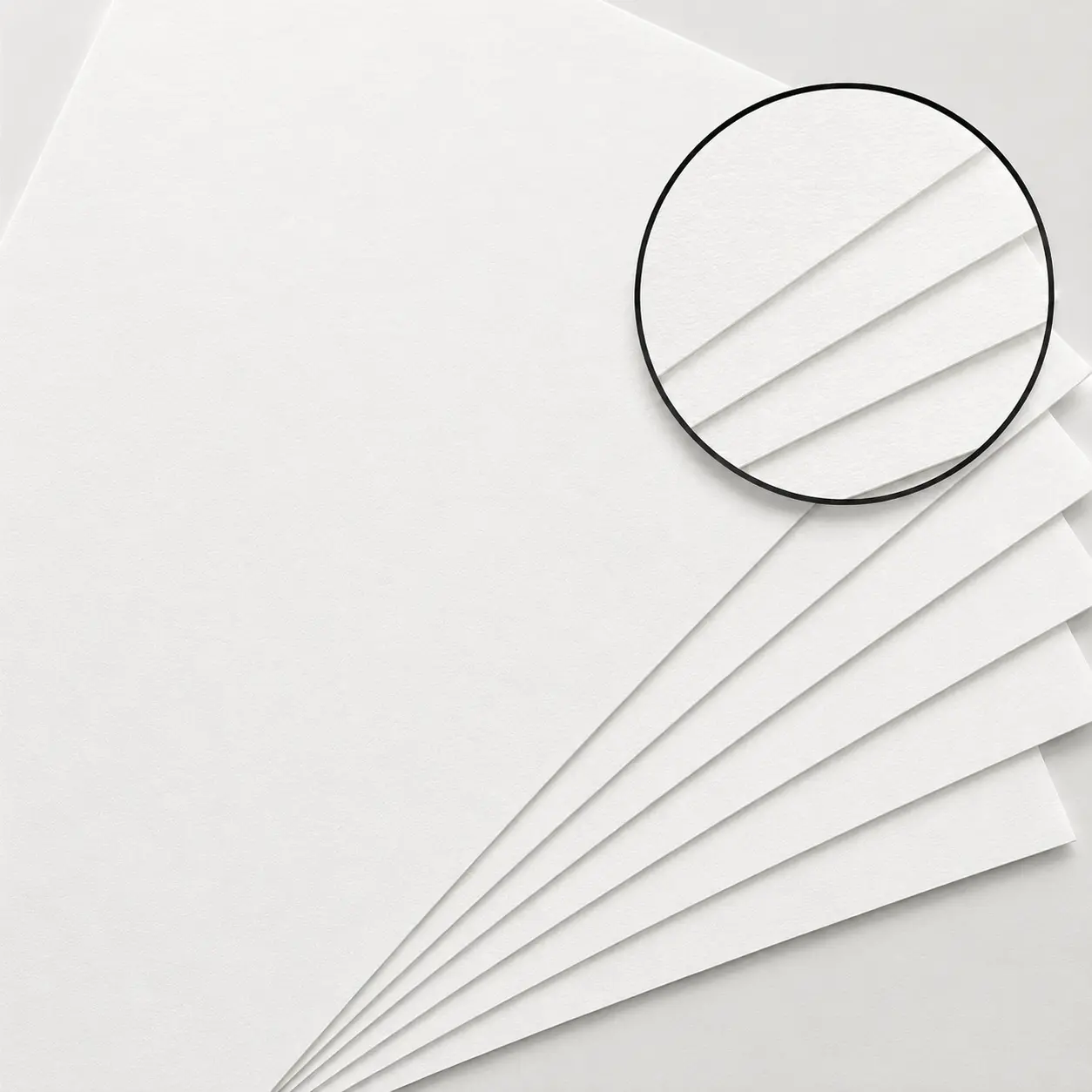
SBS Cardboard
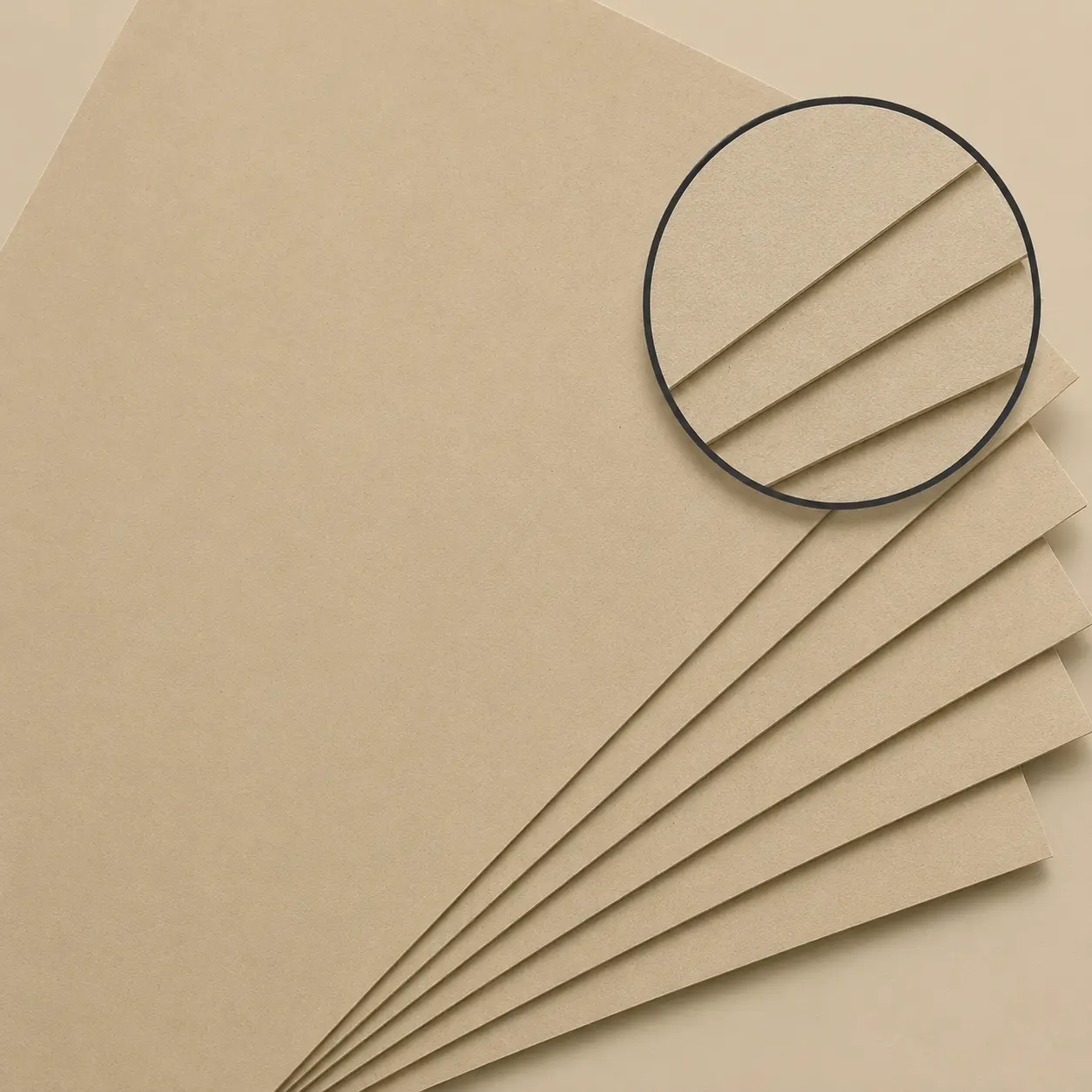
Premium bleached substrate engineered for retail-ready packaging with sharp, high-resolution print performance across bulk SKUs.
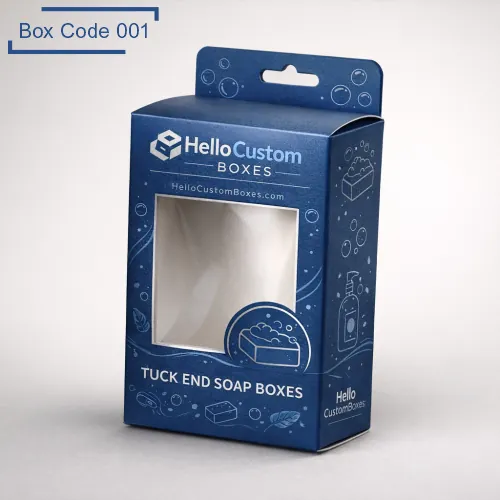
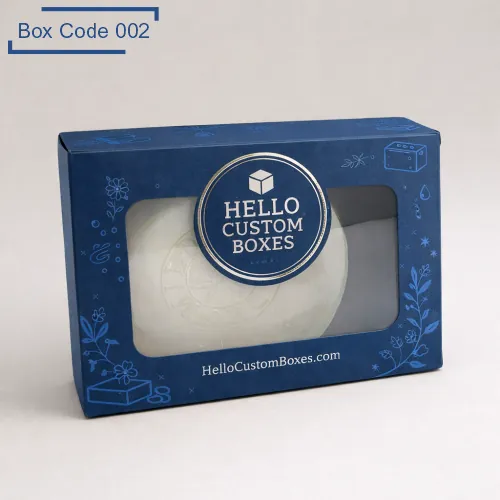
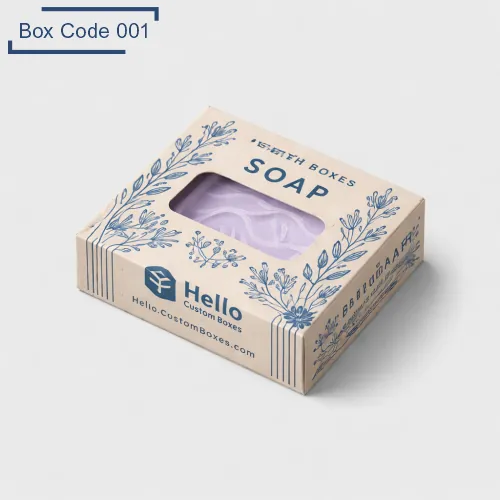
Tuck end soap boxes are simple folding cartons built for easy packing and reliable closure. The top and bottom flaps tuck into place, keeping soaps secure during handling and storage. These boxes work well for retail display and shipping, offering flexible sizing, print options, and material choices that support both branding and real packaging performance without adding unnecessary complexity.
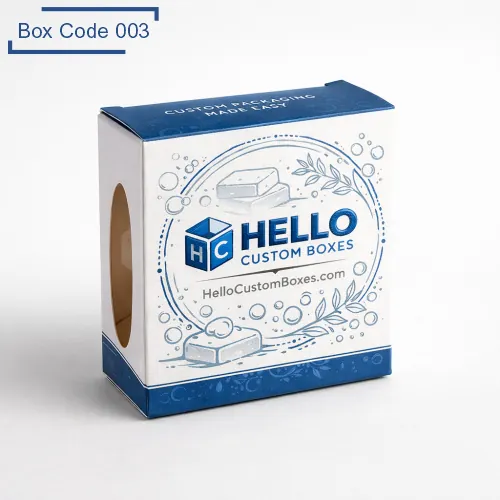
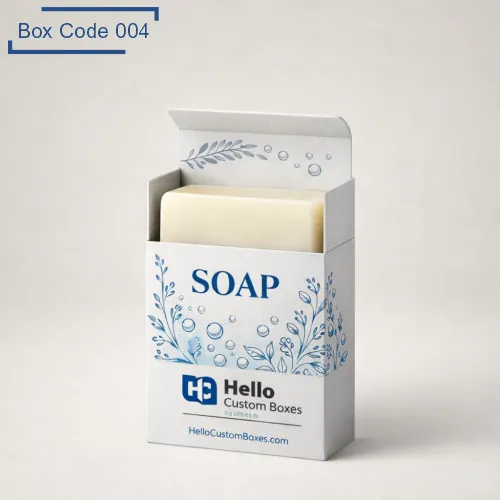
Tell us your specs and we'll send pricing within one business day.
You’ve probably handled these before without thinking about it.
Open the top flap, slide the soap in, tuck it closed. That’s it.
Tuck end soap boxes are built around that simple motion. No extra parts. No separate lid. Just a folding structure that locks itself.
But here’s what shows up in real use, the way those flaps fold matters more than expected. If the crease lines are weak, the flap starts lifting after a few openings. If they’re too tight, the board cracks slightly at the fold.
That’s where proper die-cutting and scoring come in. Small detail, but it decides whether the box feels clean or worn after a few uses.
At first glance, all tuck end boxes look similar. But the material shifts how they behave over time.
A quick real-world note: thin cardboard tuck boxes tend to soften at the flap edges first. Not the walls, just the closing points.
Tuck end doesn’t mean one single design.
There are small variations:
Each one shifts how the box opens, closes, and handles pressure.
Reverse tuck is common for soaps. It balances the stress between top and bottom flaps. Straight tuck is easier to assemble but sometimes loosens faster during repeated use.
If the soap is heavier, auto bottom styles help. They lock the base better, especially during packing.
On retail shelves, tuck end soap boxes do something simple, they stay neat.
Flat front panel. Easy branding. Stackable.
But over time, handling shows up. Customers pick, open slightly, put back. That repeated motion affects flap tension.
You’ll often see them grouped in soap packaging sections because they align easily and create a clean row display.
In storage, they stack well, but only if the material holds. Softer board compresses slightly under weight, which affects shape after a few days in cartons.
Tuck end boxes are good for printing. Flat panels make things easier.
Common finishes include:
But here’s the thing most people notice late: flap edges show wear first.
If there’s no coating, printed areas near folds fade faster. Especially darker colors.
So finishes aren’t just visual. They protect the print during real handling.
Soap size isn’t always consistent.
Some expand slightly with moisture. Some shrink after curing.
If the box is too tight, it presses against the soap edges. Leaves marks. If it’s loose, the soap moves and rubs inside.
Tuck end soap box sizing usually adjusts:
Even a small gap changes how the soap sits.
You’ll see these used in:
They’re also often paired with die cut soap box styles when brands want variation in presentation without changing the core packaging system.
For larger orders, many brands move toward Tuck End Soap Box production in bulk. It keeps packing fast and consistent.
Tuck end boxes don’t fail suddenly. They wear gradually.
First, the flap loosens. Then edges soften. Then the box loses that crisp look.
Humidity speeds this up. So does repeated opening.
Also, stacking pressure doesn’t hit evenly. The top panel holds fine, but side walls start bending slightly if cartons are overfilled.
That’s why choosing the right board thickness early saves a lot of trouble later.
Tuck End Soap Boxes Packaging Specifications |
|
|---|---|
| Material Options | SBS paperboard (250–350 gsm), white cardboard stock, natural kraft board for organic brands, bux board for added strength, FSC-certified recyclable materials, optional moisture-resistant coating for bathroom storage. |
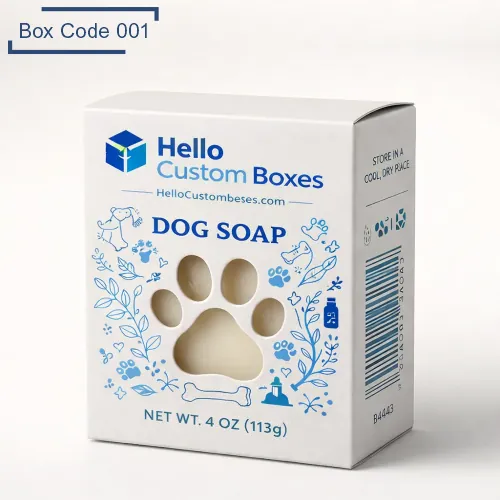
| Packaging Style | Reverse tuck end (RTE) boxes, straight tuck end (STE), lock-bottom tuck boxes, compact folding cartons, window tuck boxes for product visibility, standard retail soap packaging design. |
| Tuck Closure Mechanism | Top and bottom tuck flaps for secure closure, easy assembly without adhesives, reclosable design for user convenience, strong flap locking to keep soap protected. |
| Product Protection | Moisture-resistant inner layer, protects soap from dust and handling, maintains shape and texture, prevents contamination, suitable for both handmade and commercial soap bars. |
| Internal Fit & Stability | Custom-fit design based on soap size, snug-fit structure to prevent movement, optional inserts for added stability, supports clean and organized product presentation. |
| Surface Finish & Texture | Matte or gloss lamination, anti-scuff coating, soft-touch finish for premium feel, UV coating for durability, kraft texture for eco-friendly branding. |
| Printing & Branding Options | Offset and digital printing, CMYK and Pantone color matching, ingredient and usage instructions printing, barcode and compliance labeling, foil stamping, embossing/debossing, spot UV highlights, inside printing optional. |
| Retail Display Compatibility | Shelf-ready packaging for retail stores, window cut-outs for product visibility, compact design for retail racks, ideal for supermarkets, pharmacies, and handmade soap shops. |
| Durability & Handling | Sturdy structure for handling and transport, reinforced edges to prevent bending, lightweight yet protective, maintains box integrity during storage and shipping. |
| Custom Sizes & Dimensions | Custom sizes based on soap bar dimensions, adjustable depth for different soap thicknesses, options for single or multi-pack soaps, flexible sizing for retail and wholesale packaging. |
| Wholesale & Production | Low MOQs for small brands, bulk production pricing, custom dieline development, pre-production sampling, consistent print and structural quality control. |
| Sustainability Options | Recyclable and biodegradable materials, soy-based inks, plastic-free packaging options, eco-friendly coatings, sustainable solutions for soap and personal care brands. |
Choose from practical materials, print methods, inks, finishes, and add-ons for a better product presentation.
Premium bleached substrate engineered for retail-ready packaging with sharp, high-resolution print performance across bulk SKUs.
High-density rigid board built for wholesale cartons, structural strength, and stack-ready warehouse logistics.
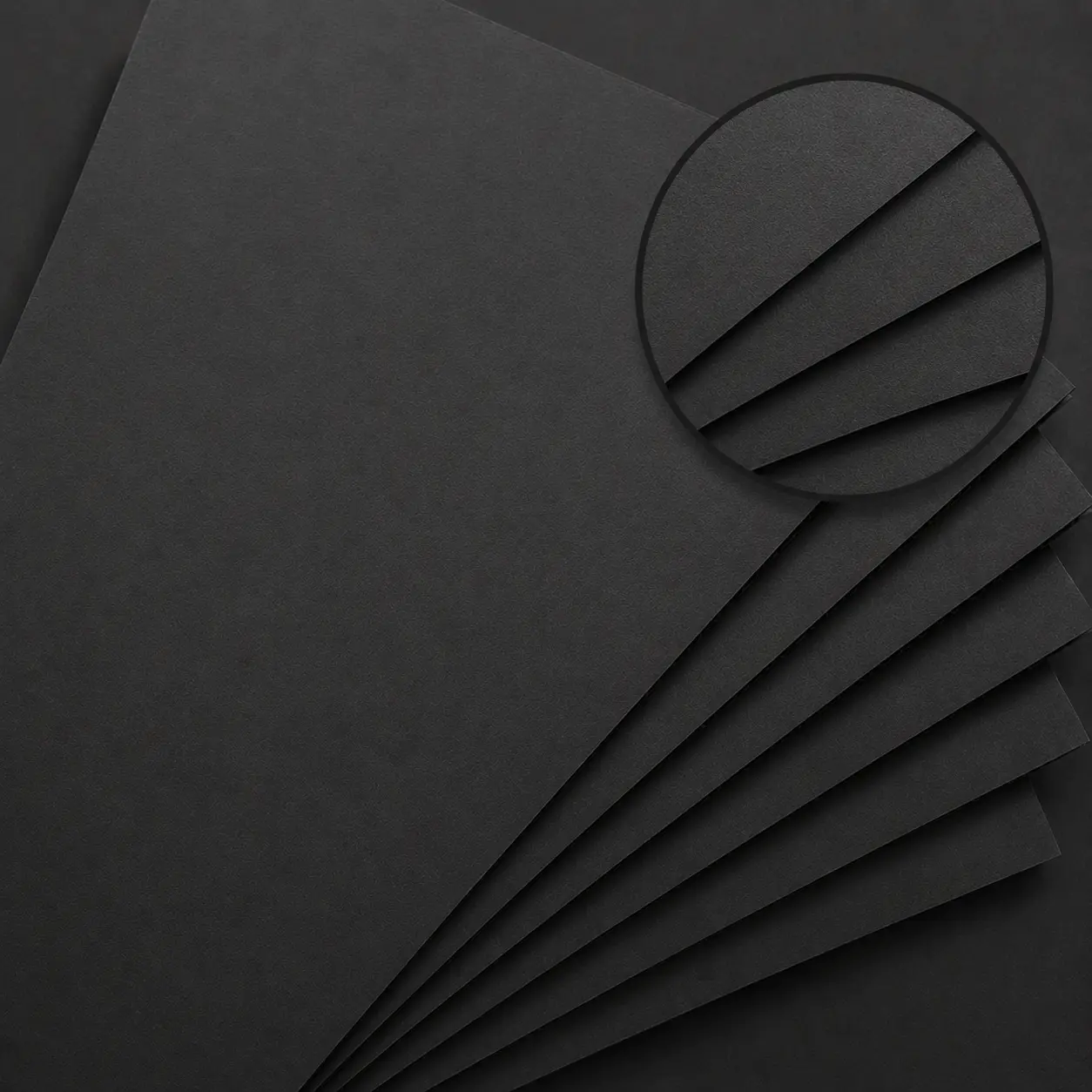
Eco-conscious black kraft for premium unboxing programs, corporate gifting, and limited-edition product lines.
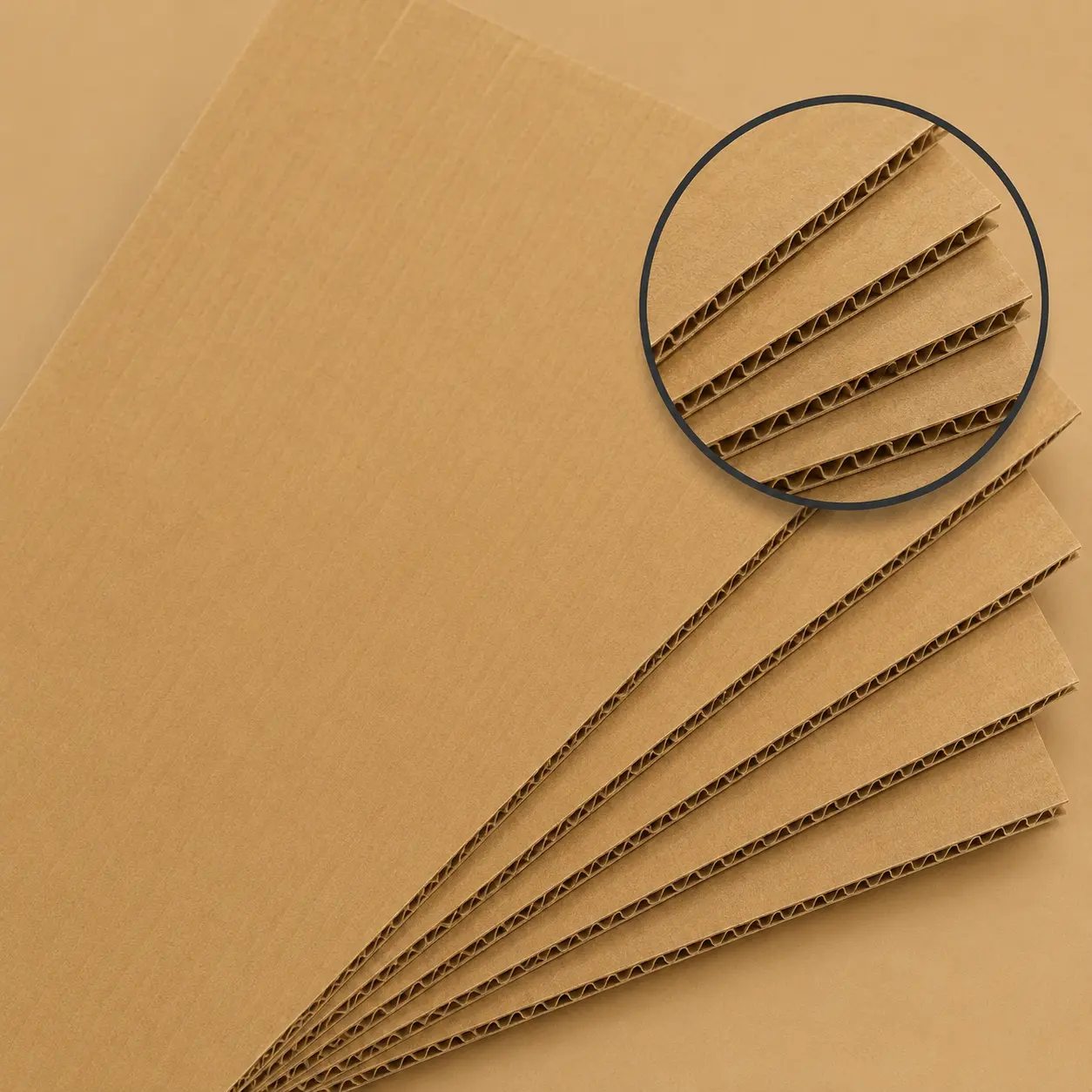
Multi-flute corrugated board built for protective shipping, e-commerce dispatch, and high-volume B2B fulfillment.
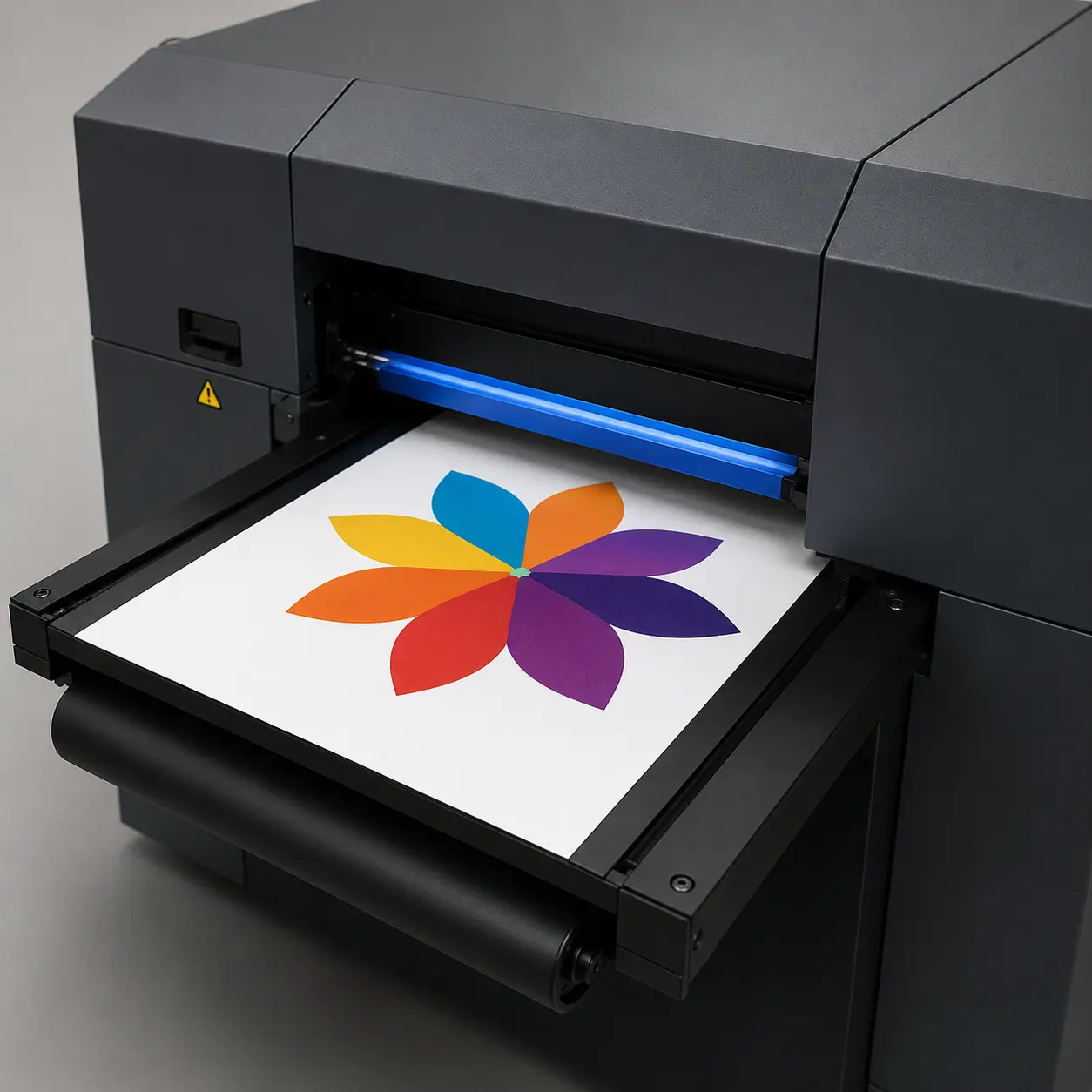
Short-run digital printing with no plate setup — ideal for prototypes, sample approvals, and quick reorders.
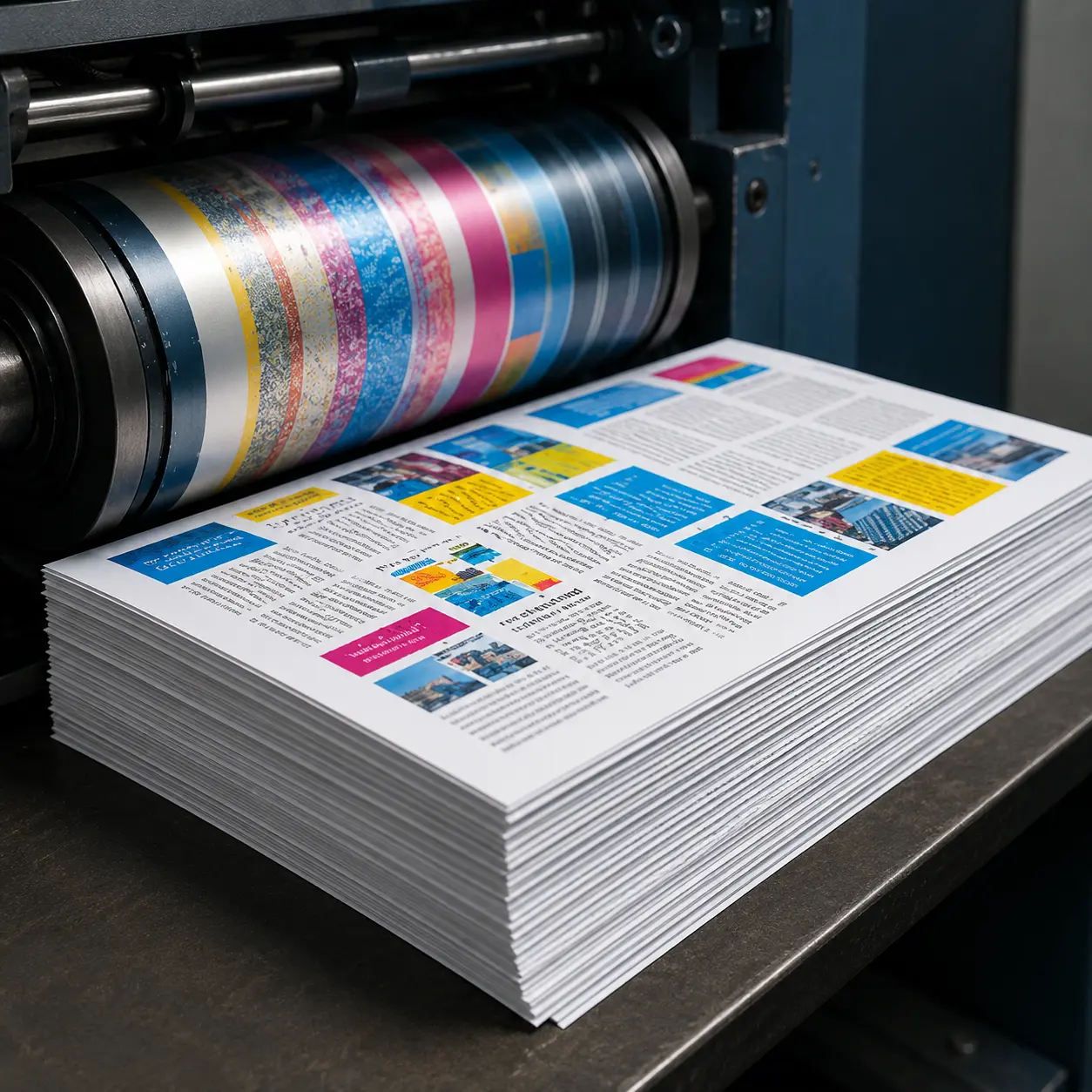
Industry-standard offset printing for high-volume runs with consistent color matching across bulk production.

Selective dimensional embellishment for premium B2B branding, tactile depth, and shelf differentiation.

Vibrant UV-cured printing suited for promotional packaging, event giveaways, and trade-show units.
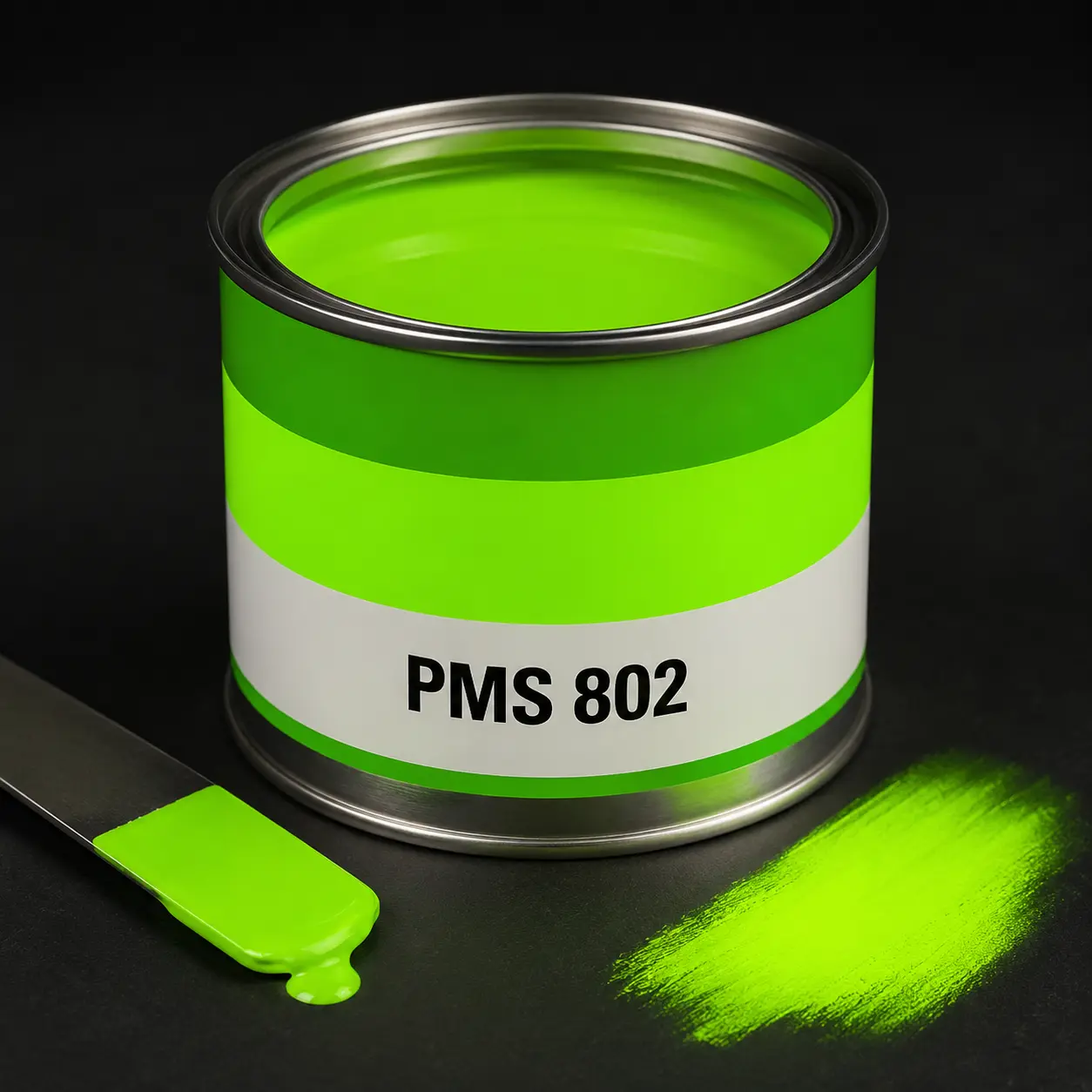
High-visibility ink system engineered for shelf impact, retail displays, and wholesale point-of-sale units.
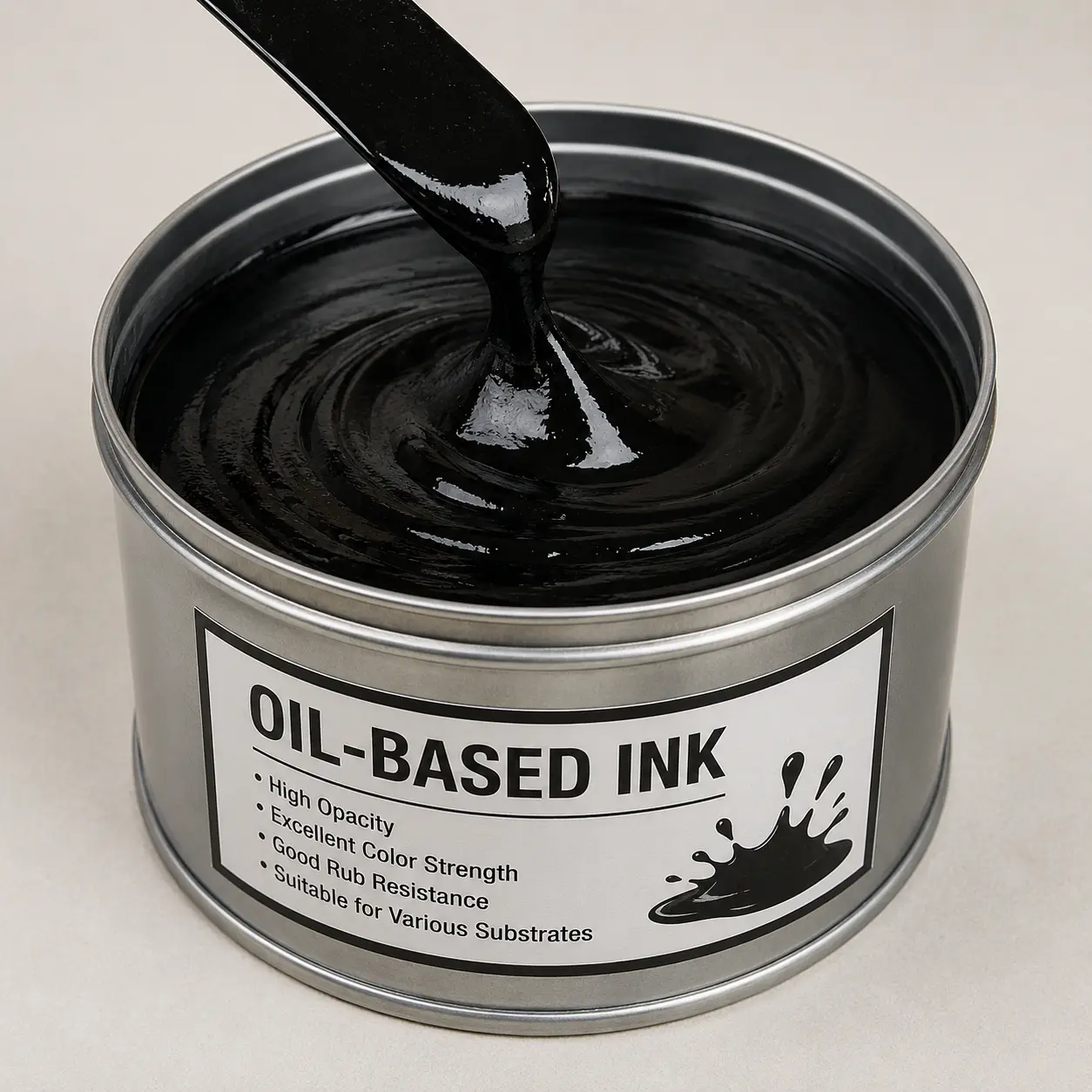
Industry-grade ink for durable, scuff-resistant production runs across long-haul distribution.

Spot-color matching to corporate brand standards — consistent identity across every SKU and reorder.

Sustainable plant-based ink for eco-certified packaging programs and ESG-aligned product launches.

Protective film extends shelf life and protects packaging during shipping and warehouse handling.

Water-based protective seal — fast-drying, food-safe-friendly finish for high-volume bulk production.

Premium tactile finish that elevates corporate gifting boxes and high-end B2B product lines.

Highlight logos and key artwork with selective gloss for maximum retail brand recognition.

Raised brand marks for tactile, premium identity on retail shelves and corporate packaging.

Pressed impressions for subtle, sophisticated branding on premium B2B product lines.

Metallic foil application — gold, silver, and custom finishes for luxury wholesale packaging.
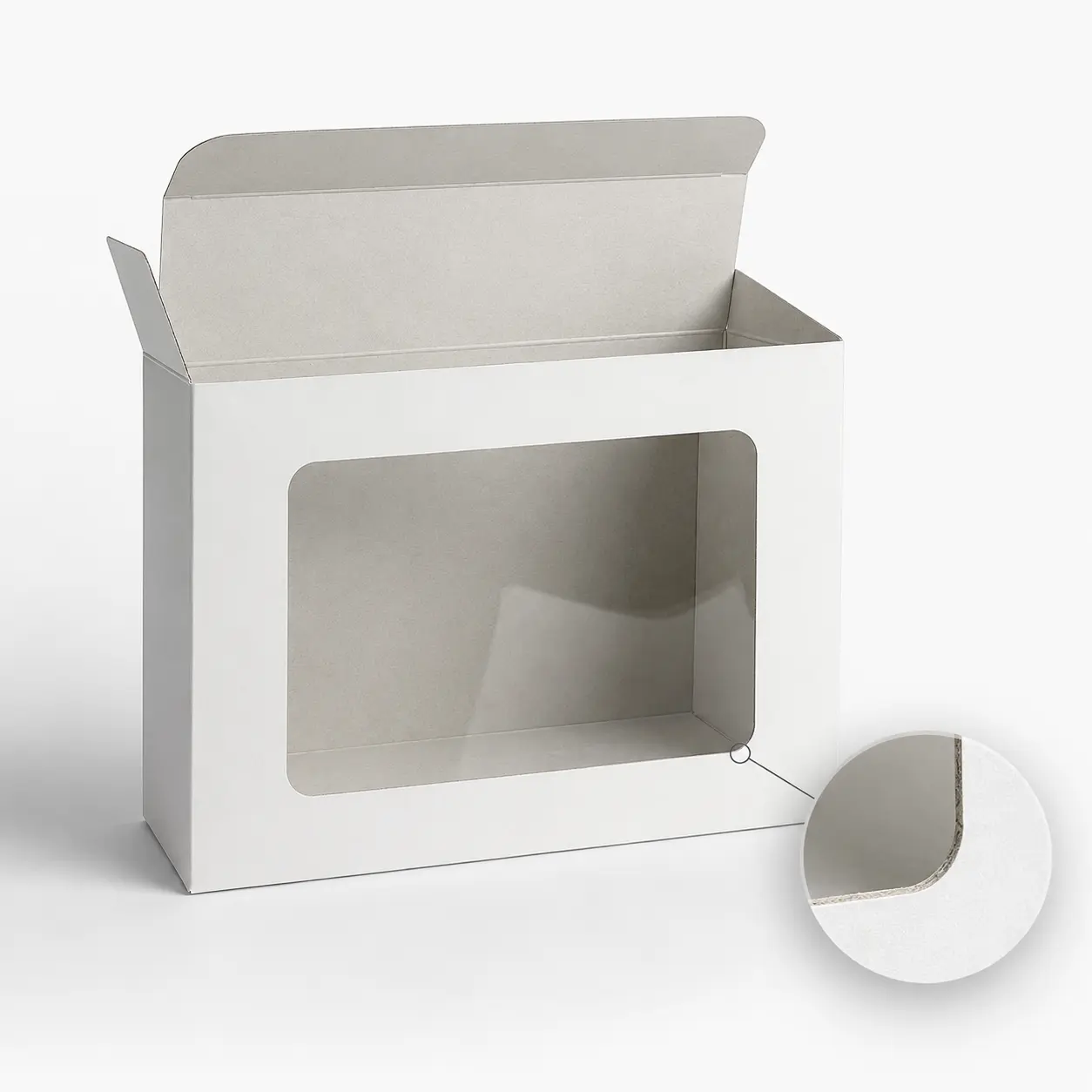
Precision die-cut openings that let customers view the product inside, with optional clear patching for better protection and presentation.
Simple, practical, and built around real B2B production needs.
Send product size, quantity, material preference, artwork, and delivery details.
Our team prepares a proof or 3D mockup so you can check design and structure.
Once approved, your packaging moves into printing, cutting, finishing, and packing.
Finished boxes are packed and shipped to your warehouse, retailer, or 3PL.
Explore similar packaging options that may fit your product line.
Reviews
There are no reviews yet.