
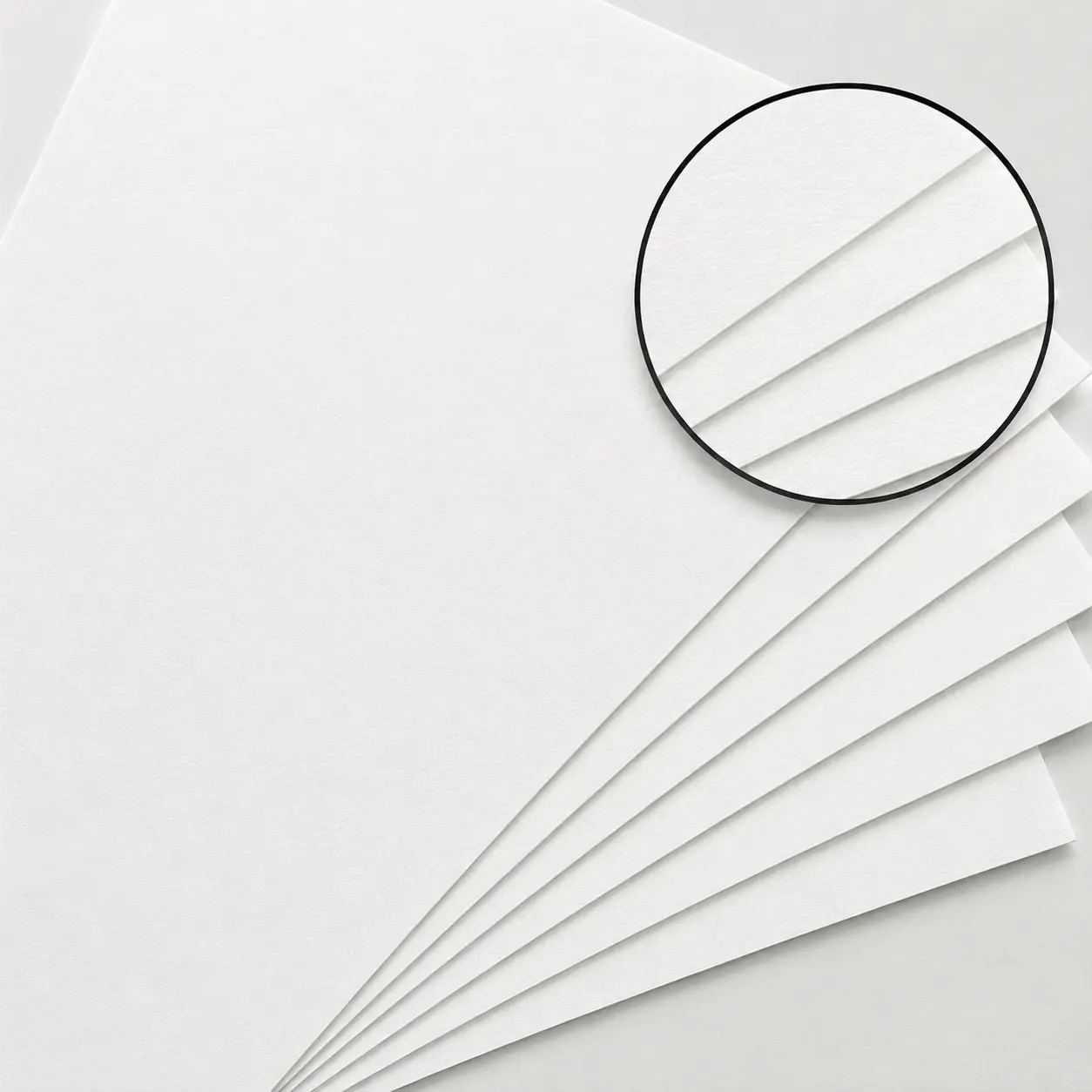
SBS Cardboard
Premium bleached substrate engineered for retail-ready packaging with sharp, high-resolution print performance across bulk SKUs.
The box really depends on what kind of linen you are packing. A light napkin set may only need a simple carton, while towels or bedding can need more depth and a stronger box. Window styles, rigid boxes, drawer packs, mailers, and presentation boxes are all options depending on the product. From there, the size, board, printing, and finish can be matched to how the linen will be displayed, stored, gifted, or shipped.
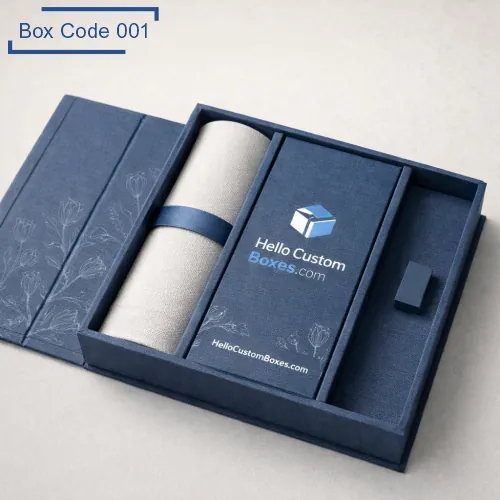


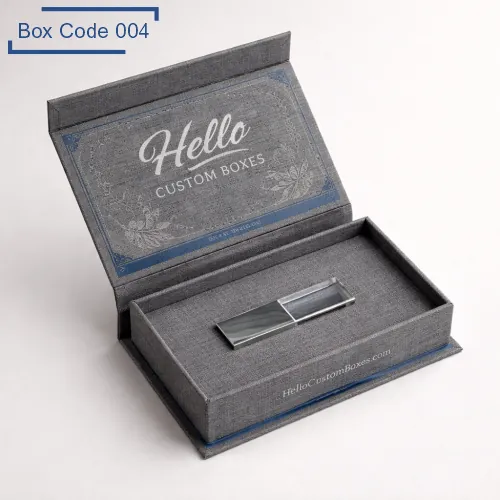
Tell us your specs and we'll send pricing within one business day.
The measurements that matter most are the ones taken after the linen has been folded. Width and length set the footprint, but stack height, number of pieces, fabric thickness, and packed weight have just as much influence on the finished box.
A slim napkin set may sit comfortably in a lightweight carton, while a thick towel stack or bedding set can place much more pressure on the base and side panels. Good custom linen box packaging leaves enough room for the fabric to sit naturally without giving it space to slump or move around.
If the box is being planned for towels specifically, our bath towel packaging options show how folded thickness and fabric weight can affect the structure.
A box can have the right outside dimensions and still be wrong for the product inside.
Too much empty space lets folded fabric shift during storage or handling. A tight fit can press against the edges and leave the set looking compressed when it is opened. Heavier products introduce another problem: weak panels may bow, especially when several boxes are stacked.
That is why custom linen boxes should be based on both the packed dimensions and the total weight of the set. Lighter products may only need paperboard, while larger sets can require stronger board, better base support, or a rigid construction.
The goal is a controlled fit, not simply the smallest box the product can be pushed into.
Different linen products need different structures.
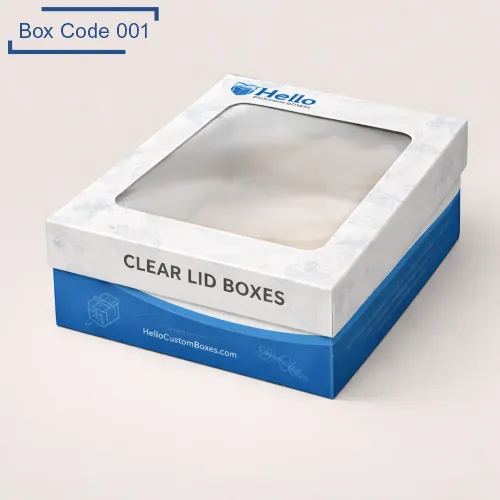
Custom linen display boxes are useful when customers need to see the color, pattern, or texture before buying. A well-placed window can expose part of the fabric while keeping most of the set covered and protected.
For premium towels, bedding, and gift sets, rigid packaging is often the better fit because it gives the pack more support. Drawer boxes and sleeve-and-tray styles are useful for coordinated sets too, especially when the products need to stay in place as the box is opened.
For ecommerce orders, custom linen mailer boxes may be more practical when the package needs additional support during delivery. Clamshell styles can make sense where easy opening and reclosing matter.
Gable or custom-shaped formats may also work for selected gift or promotional packs, but the style should still make sense for the product weight and dimensions.
Paperboard is often suitable for lighter linen products. It keeps the package relatively slim and gives brands a smooth surface for logos, colors, care instructions, and other product details.
Napkins, smaller textile sets, and lightweight folded products often do not need the bulk of a rigid box. Heavier or more premium collections are different. Rigid board gives the package more support and can be useful when the box is likely to be stored or reused.
Corrugated board usually makes more sense for shipping, larger sets, or bulk handling where strength matters more than a slim retail profile.
Kraft and white board can both be used depending on the look of the range and the printing requirements. The material should be chosen around the full packed weight, not just appearance.
Branding can be simple or more detailed depending on the product line. Logos, brand colors, care information, collection names, and other graphics can be printed on the outside, while some box styles can also use inside printing.
Finishes such as matte, gloss, foil, embossing, or debossing can be added when they suit the board and artwork. With custom linen sleeve and tray boxes, the sleeve can carry the main branding while the inner tray keeps the presentation cleaner.
Windows should be positioned around the actual linen stack. They need to show enough of the fabric without taking unnecessary strength out of the panel.
Inserts and dividers can help when several pieces or smaller accessories are packed together. Their job is to keep the set organized, not hold the fabric so tightly that it becomes difficult to remove.
Where the linen is going changes what the box needs to do.
Retail packaging usually needs clean stacking, a clear front presentation, and enough room for product details. Hospitality suppliers may care more about repeatable sizes, easy storage, and straightforward handling across larger quantities.
Gift sets often need more attention to the interior arrangement, while ecommerce packs may require stronger construction or additional shipping protection so the presentation box does not take the full force of courier handling.
For larger or wholesale orders, consistency matters. Dimensions, board grade, artwork, dieline, window position, and inserts should stay the same across the production run so future orders can be matched more easily.
Businesses comparing other retail-focused structures can also browse our broader custom retail packaging range.
Before the box is finalized, we need to know how the linen will actually be packed. That means the folded length and width, stack height, number of pieces, and approximate total weight.
We also need the preferred box style, where the product will be sold, artwork, order quantity, and whether a window, insert, divider, or other interior feature is required.
Once those details are clear, the final dimensions, material, structure, dieline, and print setup can be prepared around the product rather than adjusted after production has started.
Linen Packaging Box Specifications |
|
|---|---|
| Packaging Purpose | Custom linen packaging designed to support folded fabric bulk, distribute weight evenly, and maintain clean presentation without compressing or slumping. |
| Why Linen Packaging Requires Structure | Linen products are thick when folded and sensitive to pressure. Poorly sized boxes cause creasing, loss of form, and uneven stacks during storage. |
| Common Packaging Issues | Fabric bunching, slumping stacks, torn corners under weight, bowed panels after storage, moisture impact, and mismatched box dimensions. |
| Fit & Load Strategy | Box depth and width engineered around linen type, folded thickness, stack height, and long-term load behavior. |
| Box Construction Approach | Each linen box is built for a single configuration. No reused sizes, no generic carton dimensions, and no tolerance guessing. |
| Available Box Styles | Folding carton linen boxes, rigid linen boxes, multi-set linen packaging, and window linen boxes. |
| Multi-Item Set Design | Structures designed to hold towel or sheet sets securely without shifting, sagging, or uneven pressure. |
| Material Selection | Board strength selected based on fabric weight and stack load, including cardboard, rigid board, and reinforced stock. |
| Structural Protection Details | Even pressure distribution, reinforced corners, clean fold geometry, moisture-aware board choice, and long-term stack stability. |
| Storage & Handling Performance | Packaging engineered for extended storage, repeated handling, retail shelving, hospitality use, and warehouse stacking. |
| Eco Material Options | Recyclable board options used only when they maintain rigidity and do not soften under folded linen weight. |
| Ideal Use Cases | Retail linen brands, hospitality suppliers, private-label linen sellers, premium gift sets, and wholesale programs. |
| Business Benefits | Improved fabric presentation, reduced storage damage, cleaner shelving, better stacking efficiency, and preserved product quality. |
| Production Control | Approved structure is locked after testing. No material swaps, size changes, or mid-run modifications. |
Choose from practical materials, print methods, inks, finishes, and add-ons for a better product presentation.
Premium bleached substrate engineered for retail-ready packaging with sharp, high-resolution print performance across bulk SKUs.
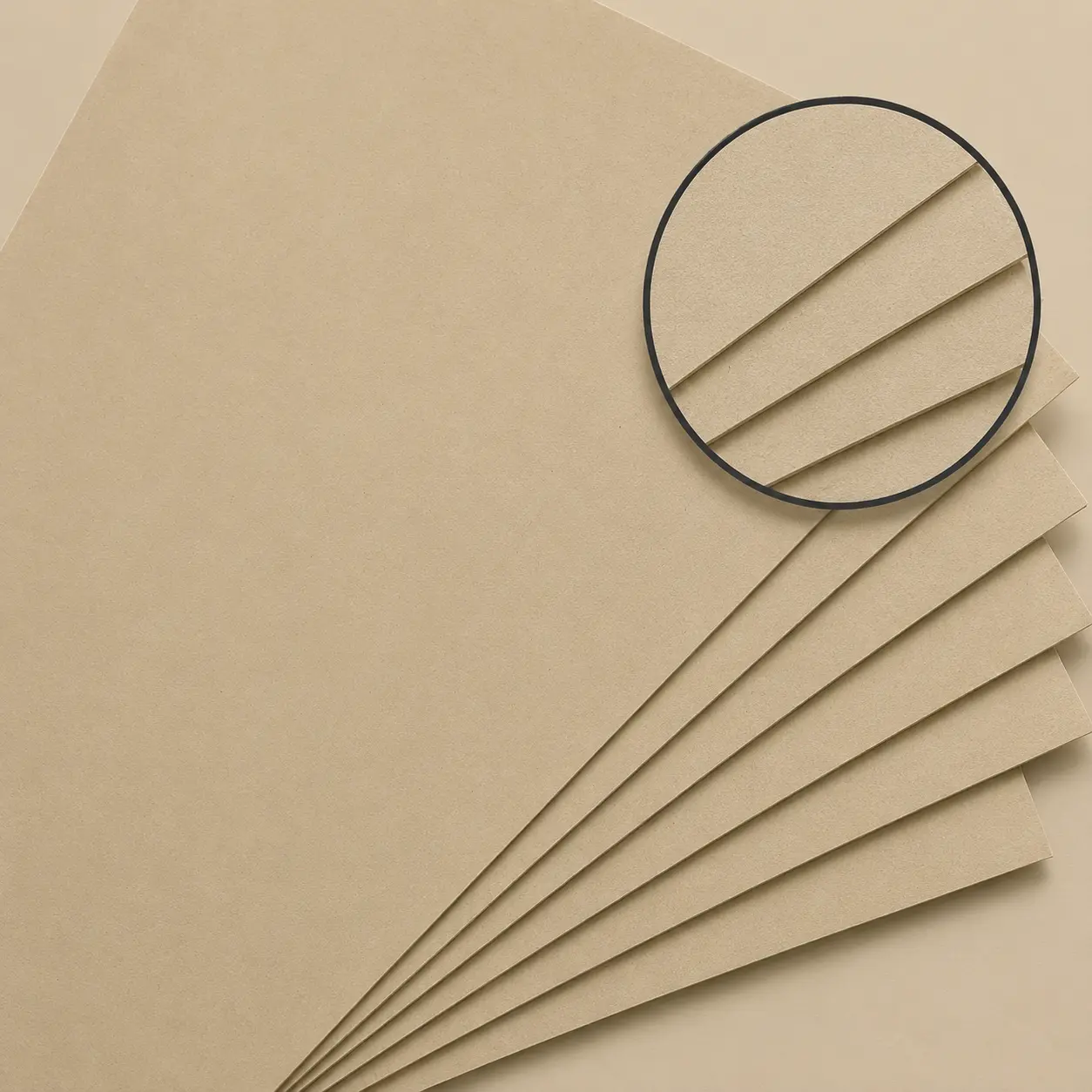
High-density rigid board built for wholesale cartons, structural strength, and stack-ready warehouse logistics.
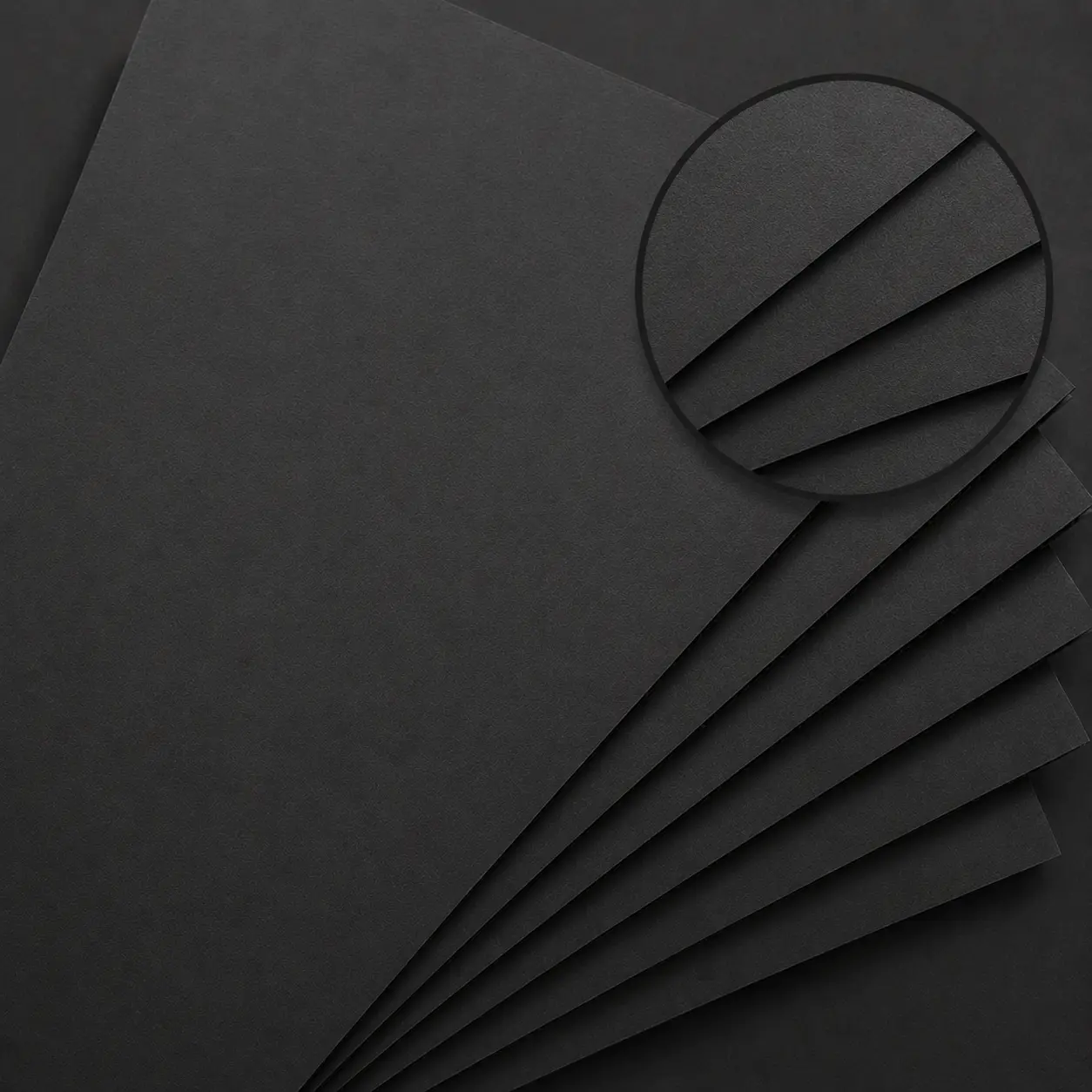
Eco-conscious black kraft for premium unboxing programs, corporate gifting, and limited-edition product lines.
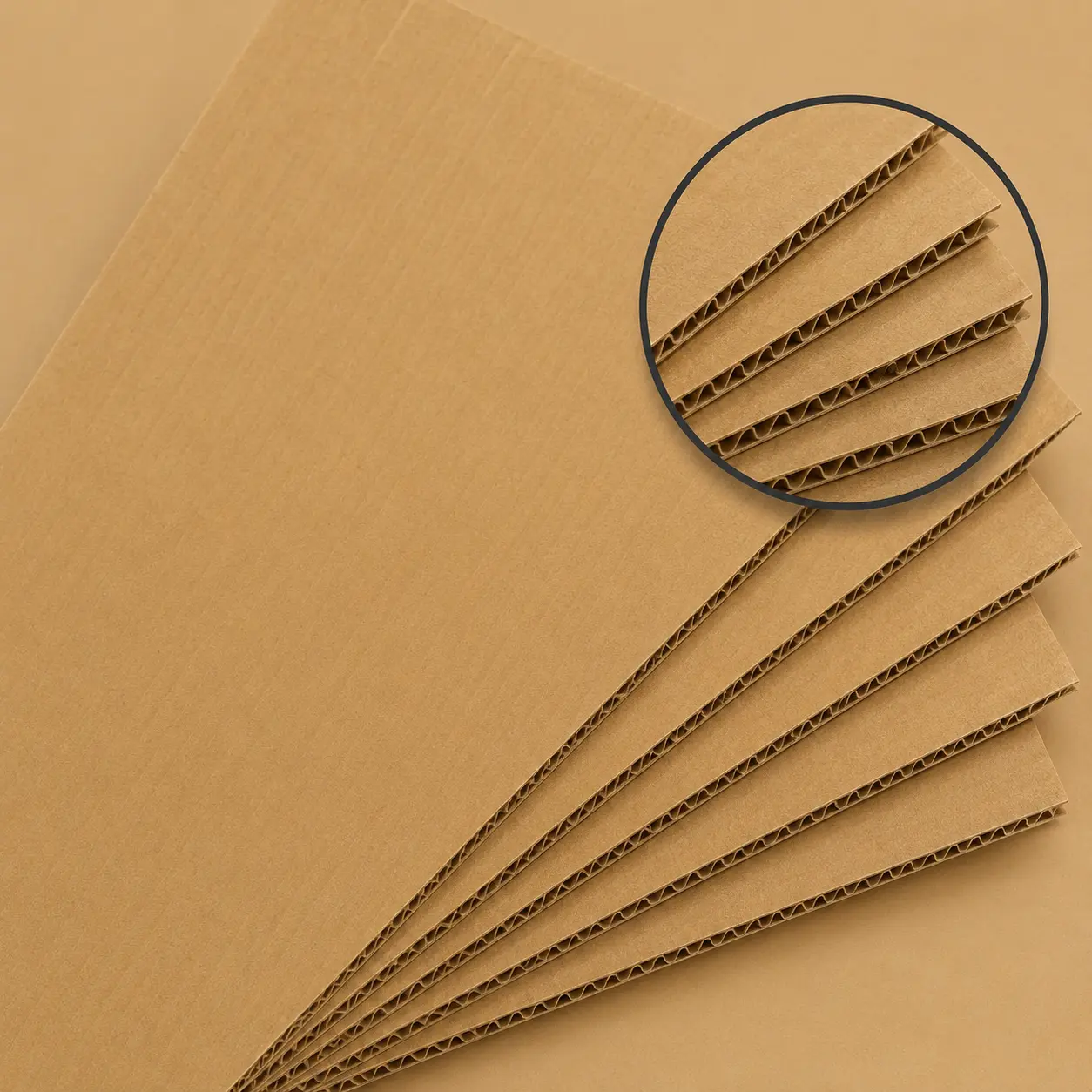
Multi-flute corrugated board built for protective shipping, e-commerce dispatch, and high-volume B2B fulfillment.
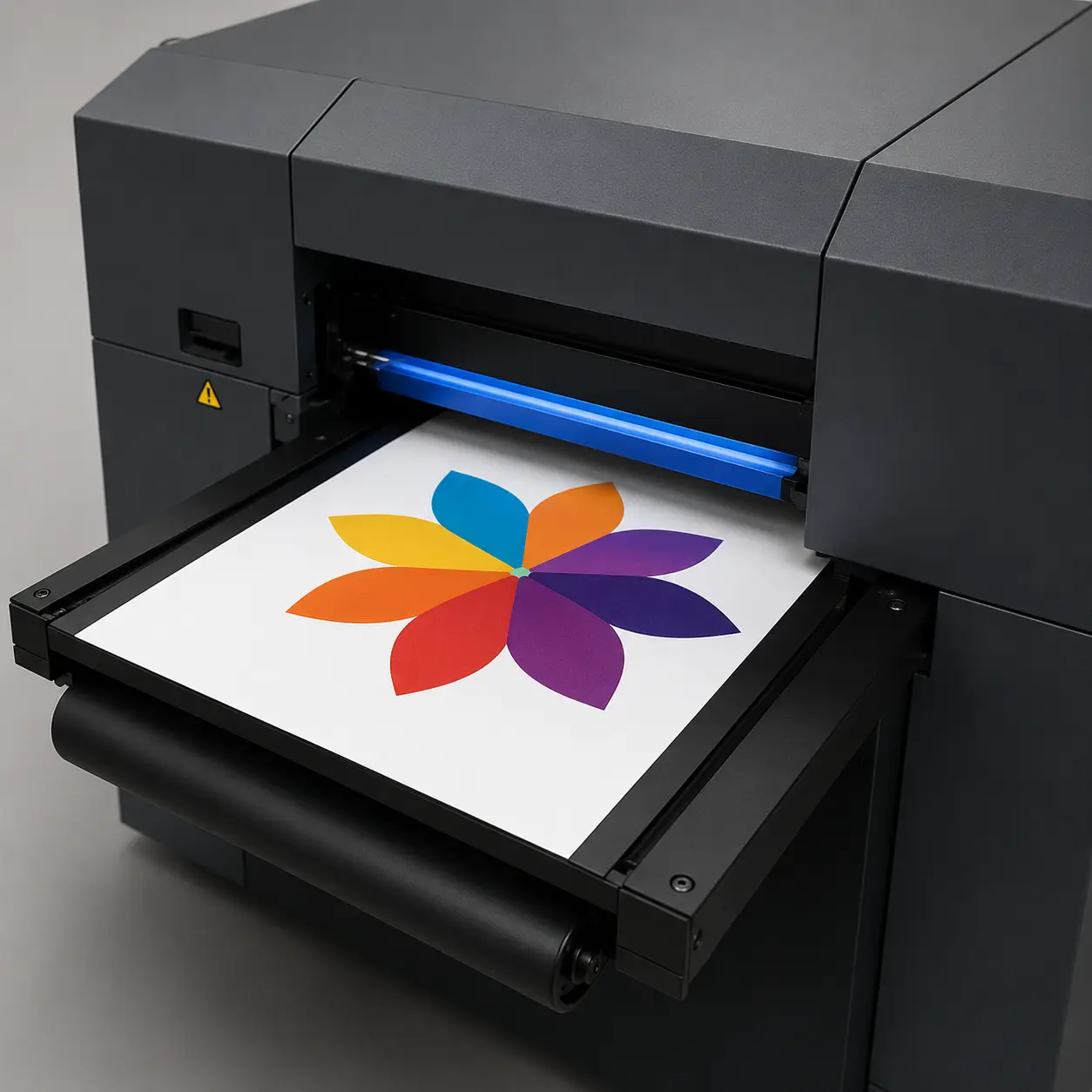
Short-run digital printing with no plate setup — ideal for prototypes, sample approvals, and quick reorders.
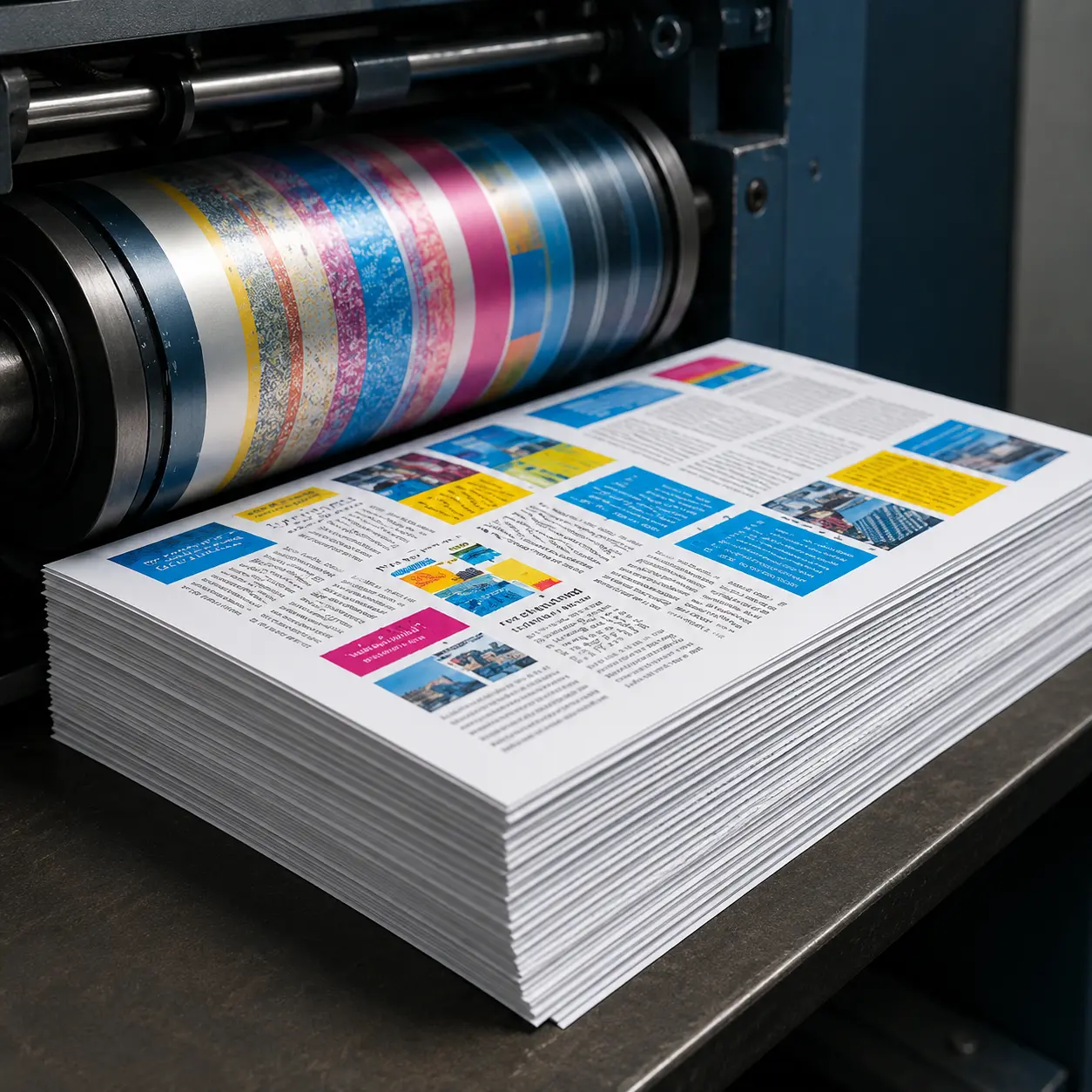
Industry-standard offset printing for high-volume runs with consistent color matching across bulk production.

Selective dimensional embellishment for premium B2B branding, tactile depth, and shelf differentiation.

Vibrant UV-cured printing suited for promotional packaging, event giveaways, and trade-show units.

High-visibility ink system engineered for shelf impact, retail displays, and wholesale point-of-sale units.
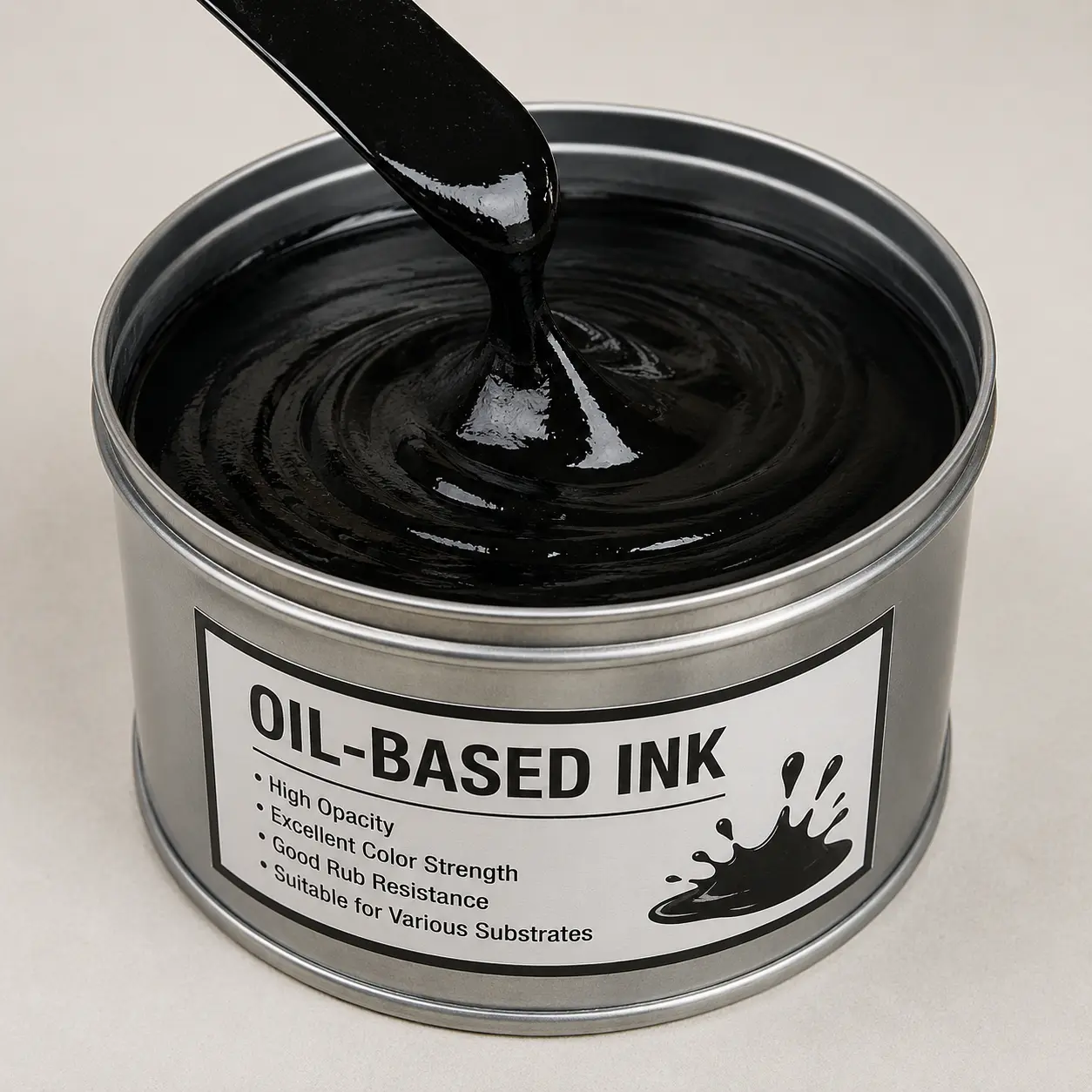
Industry-grade ink for durable, scuff-resistant production runs across long-haul distribution.

Spot-color matching to corporate brand standards — consistent identity across every SKU and reorder.

Sustainable plant-based ink for eco-certified packaging programs and ESG-aligned product launches.

Protective film extends shelf life and protects packaging during shipping and warehouse handling.

Water-based protective seal — fast-drying, food-safe-friendly finish for high-volume bulk production.

Premium tactile finish that elevates corporate gifting boxes and high-end B2B product lines.

Highlight logos and key artwork with selective gloss for maximum retail brand recognition.

Raised brand marks for tactile, premium identity on retail shelves and corporate packaging.

Pressed impressions for subtle, sophisticated branding on premium B2B product lines.

Metallic foil application — gold, silver, and custom finishes for luxury wholesale packaging.
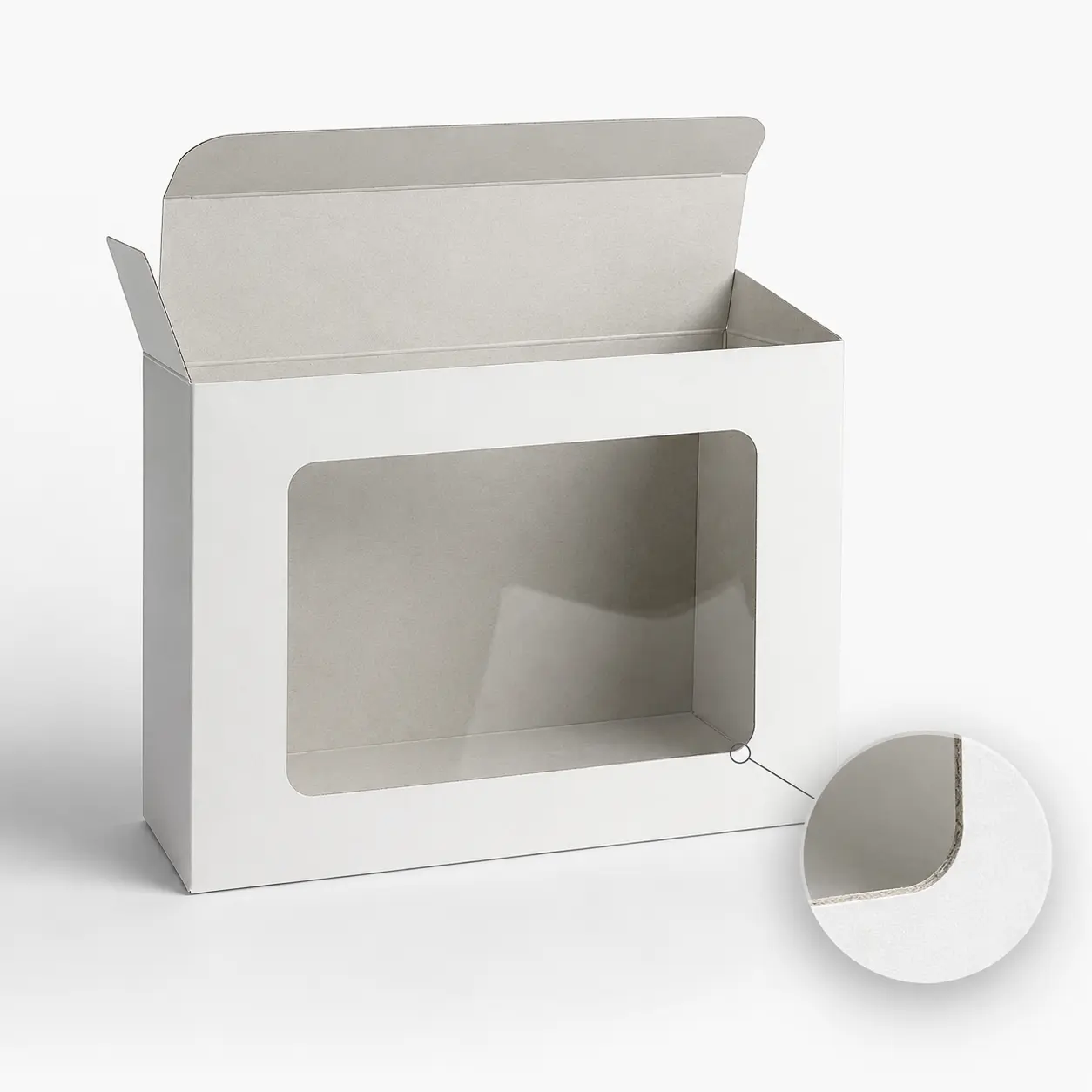
Precision die-cut openings that let customers view the product inside, with optional clear patching for better protection and presentation.
Simple, practical, and built around real B2B production needs.
Send product size, quantity, material preference, artwork, and delivery details.
Our team prepares a proof or 3D mockup so you can check design and structure.
Once approved, your packaging moves into printing, cutting, finishing, and packing.
Finished boxes are packed and shipped to your warehouse, retailer, or 3PL.
Explore similar packaging options that may fit your product line.



Reviews
There are no reviews yet.