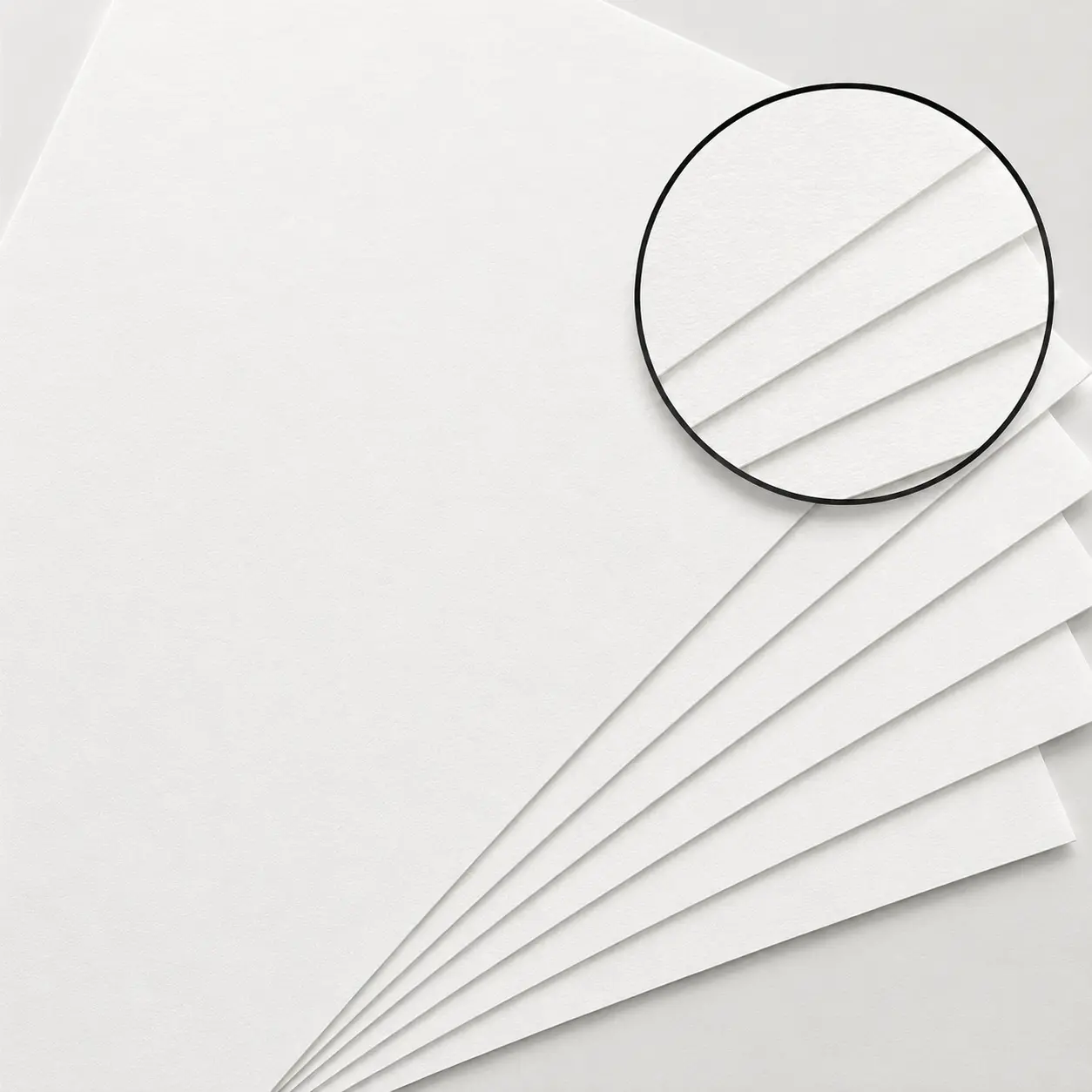
SBS Cardboard
Premium bleached substrate engineered for retail-ready packaging with sharp, high-resolution print performance across bulk SKUs.
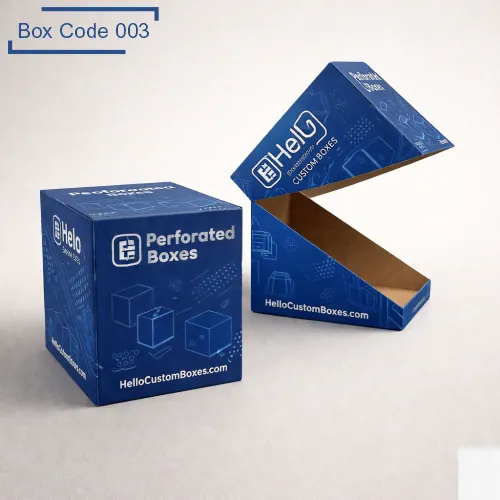
Perforated boxes are built with controlled tear lines that allow sections to open, separate, or dispense without damaging the remaining structure. These boxes are used when access matters more than full removal. Common for retail displays, shipping cartons, and subscription packaging, they focus on tear accuracy, board control, and predictable break points rather than decorative finishes.



Tell us your specs and we'll send pricing within one business day.
Perforation looks easy on paper.
It isn’t.
Too weak, and the box opens early.
Too strong, and it tears crooked.
Misplaced, and the whole panel rips instead of separating.
Most perforated boxes fail because the tear line was treated like a graphic element, not a structural one. In real handling, boxes get pulled fast, at bad angles, by people who don’t care about precision.
The box has to survive that.
Perforation isn’t just about dots in a line.
It’s about how paperboard behaves under force.
Pull direction matters.
Board grain matters.
Humidity matters.
Even how long the box sits before use matters.
A perforated box that tears clean once in testing may tear badly after shipping or storage. Panels delaminate. Edges fuzz. Adjacent panels collapse.
If the tear isn’t controlled, access becomes damage.
We don’t add perforation last.
We design around it.
First, we decide what must stay intact after tearing. Then we control how force travels through the board. Perforation depth, spacing, and alignment are set based on board thickness and grain direction, not convenience.
We test where the user will grab.
We test fast pulls, not careful ones.
We adjust until the tear behaves the same way every time.
That consistency is the difference between functional access and broken packaging.
Perforated boxes show up in different forms, depending on use.
Retail perforated boxes use front tear panels that convert shipping cartons into displays. Subscription boxes use perforation for clean opening without knives. Shipping boxes use tear strips to allow access without damaging contents. Multi-compartment boxes use perforation to separate sections during packing or use.
Each style is chosen based on how the box is handled after delivery, not how it looks during transit.
Perforation depth is matched to board caliper to avoid panel failure.
Tear spacing is adjusted to prevent jagged edges.
Grain direction is aligned with tear direction, not against it.
Adjacent panels are reinforced to absorb pull force.
Perforation stops are added to prevent over-tearing.
Humidity tolerance is considered so tear strength doesn’t change in storage.
These details decide whether a box opens cleanly or turns messy.
Hello Custom Boxes produces perforated boxes for brands that rely on consistent opening and separation.
We work with approved cardboard and paperboard materials and test perforation behavior across production runs. Every layout is reviewed for tear accuracy and structural retention before full manufacturing.
When access matters, repeatability matters more.
Poor perforation costs time and product.
Boxes that tear wrong slow down stocking. Displays that rip look careless. Customers forced to use knives damage packaging and sometimes contents. Properly designed perforated boxes reduce handling issues and improve speed at the point of use.
That saves labor, reduces complaints, and keeps packaging doing its job instead of creating work.
We review how and where the box will be opened or separated.
We design perforation around real pull behavior.
You approve the structure before production.
We manufacture with consistency checks on tear lines and board strength.
No guesswork after delivery.
Perforated Packaging Specifications |
|
|---|---|
| Packaging Purpose | Perforated boxes engineered for controlled, clean opening or separation without damaging surrounding panels or contents. |
| Primary Risk Area | Uncontrolled tearing caused by incorrect perforation depth, spacing, placement, or board behavior under real pull force. |
| Common Failure Points | Early opening, crooked tears, panel ripping, edge fuzzing, delamination, adjacent panel collapse, and inconsistent tear behavior after storage. |
| Design Priority | Controlled force direction so the box opens only where intended while remaining structurally intact elsewhere. |
| Perforation Engineering | Perforation depth, spacing, and alignment calibrated to board caliper, grain direction, and expected pull behavior. |
| Pull Direction Control | Tear lines aligned with natural pull motion to prevent sideways ripping or panel failure during fast or careless opening. |
| Board & Grain Consideration | Board grain orientation selected to support predictable tearing rather than resisting or redirecting force. |
| Adjacent Panel Protection | Reinforced surrounding panels to absorb pull force and prevent collapse beyond the perforation line. |
| Perforation Stops | Controlled stop points added to prevent over-tearing past the intended opening zone. |
| Environmental Tolerance | Perforation strength adjusted to remain consistent despite humidity changes or extended storage. |
| Available Use Cases | Retail tear-front displays, subscription box openings, shipping tear strips, and multi-compartment separation systems. |
| Testing Method | Repeated fast-pull testing at inconsistent angles to ensure predictable tear behavior over time. |
| Specification Lock | Perforation layout, board grade, and tear behavior approved before production with no mid-run changes. |
Choose from practical materials, print methods, inks, finishes, and add-ons for a better product presentation.
Premium bleached substrate engineered for retail-ready packaging with sharp, high-resolution print performance across bulk SKUs.

High-density rigid board built for wholesale cartons, structural strength, and stack-ready warehouse logistics.

Eco-conscious black kraft for premium unboxing programs, corporate gifting, and limited-edition product lines.
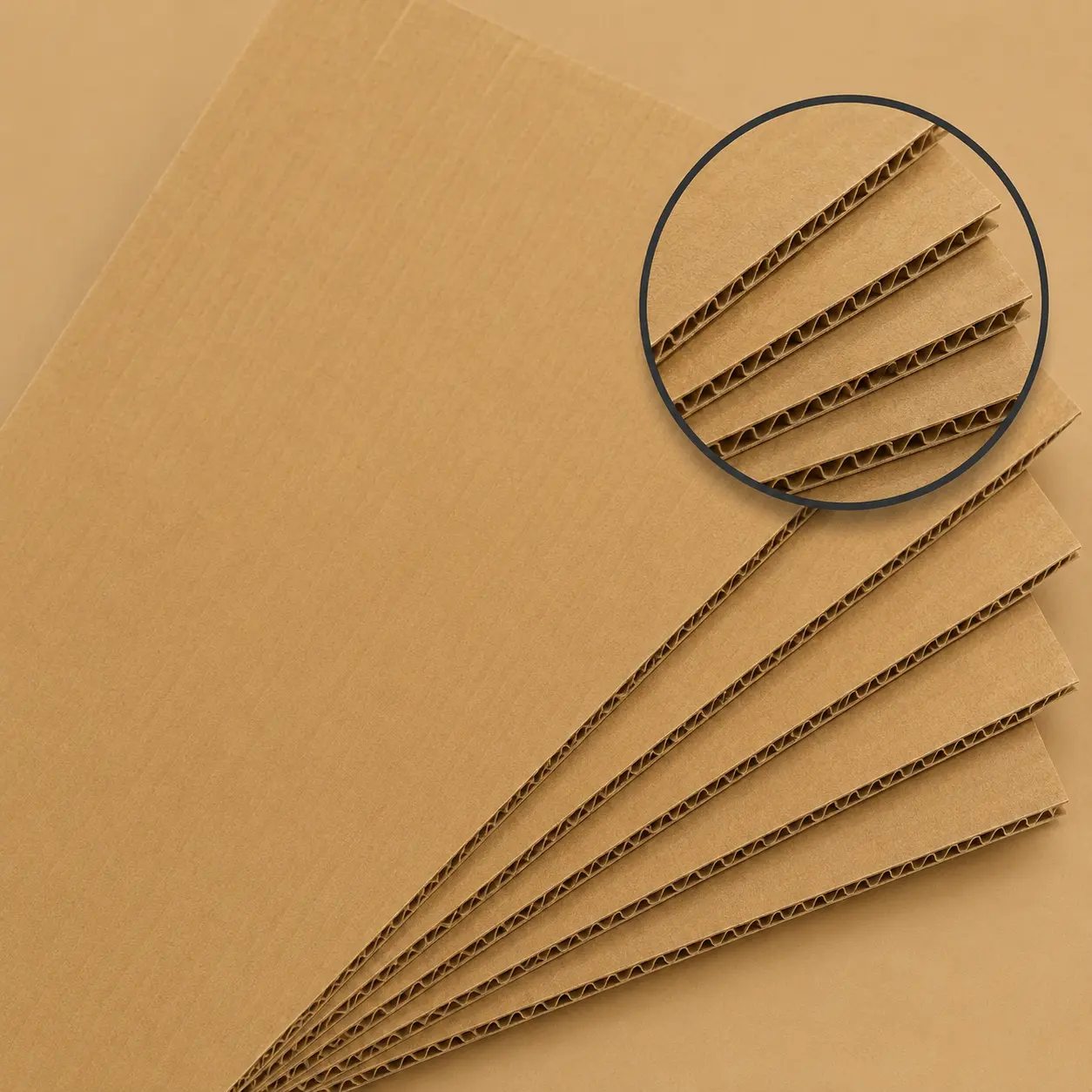
Multi-flute corrugated board built for protective shipping, e-commerce dispatch, and high-volume B2B fulfillment.
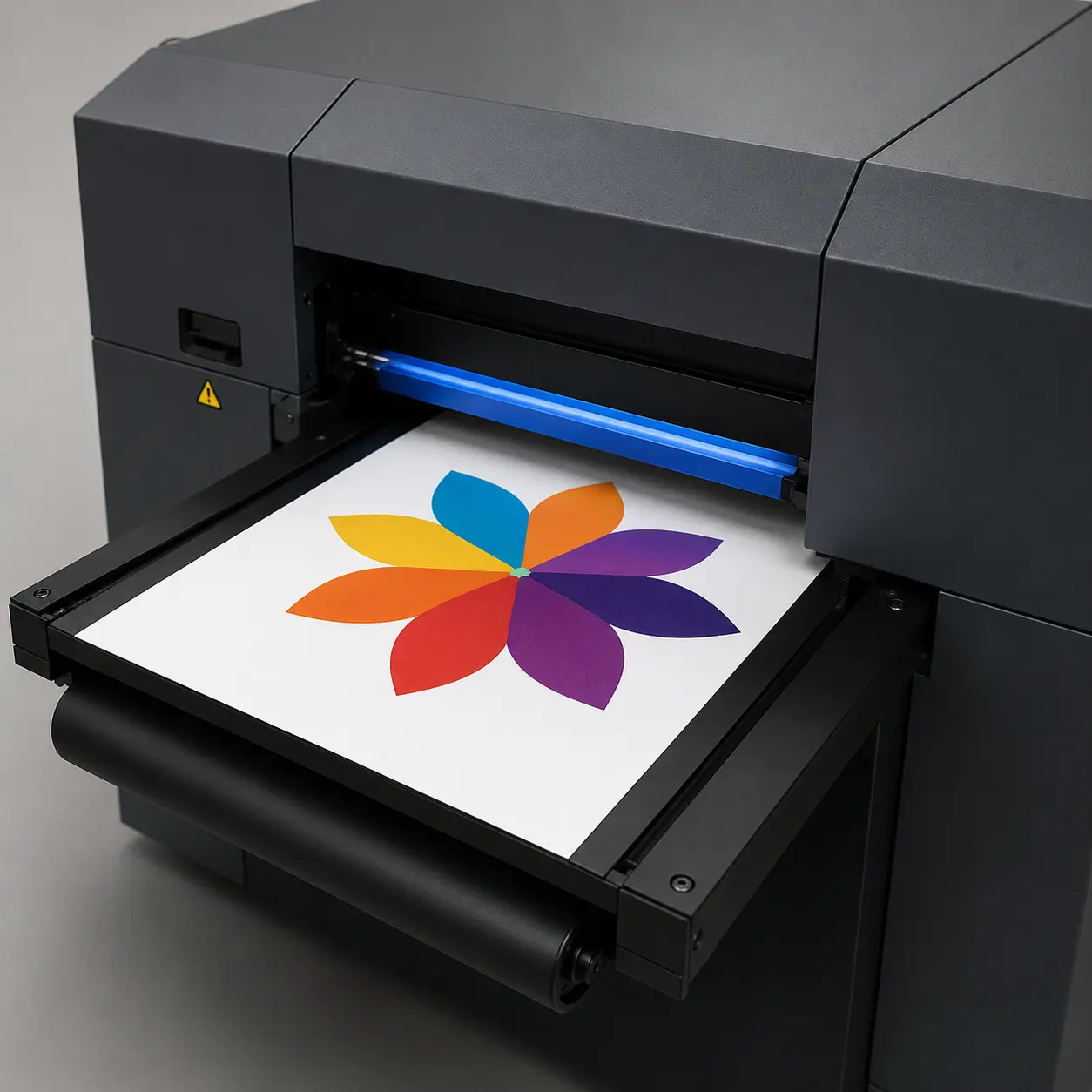
Short-run digital printing with no plate setup — ideal for prototypes, sample approvals, and quick reorders.
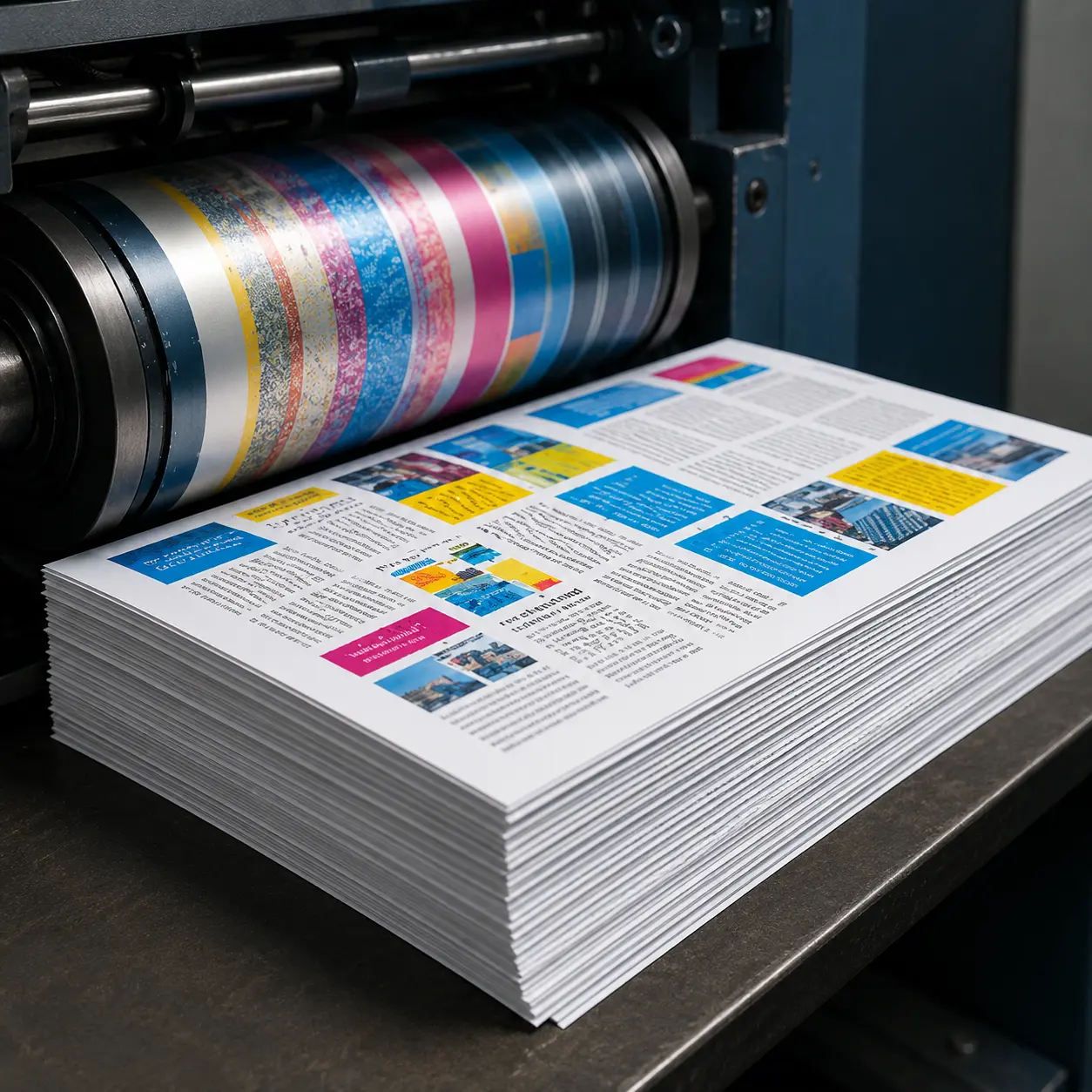
Industry-standard offset printing for high-volume runs with consistent color matching across bulk production.

Selective dimensional embellishment for premium B2B branding, tactile depth, and shelf differentiation.

Vibrant UV-cured printing suited for promotional packaging, event giveaways, and trade-show units.

High-visibility ink system engineered for shelf impact, retail displays, and wholesale point-of-sale units.
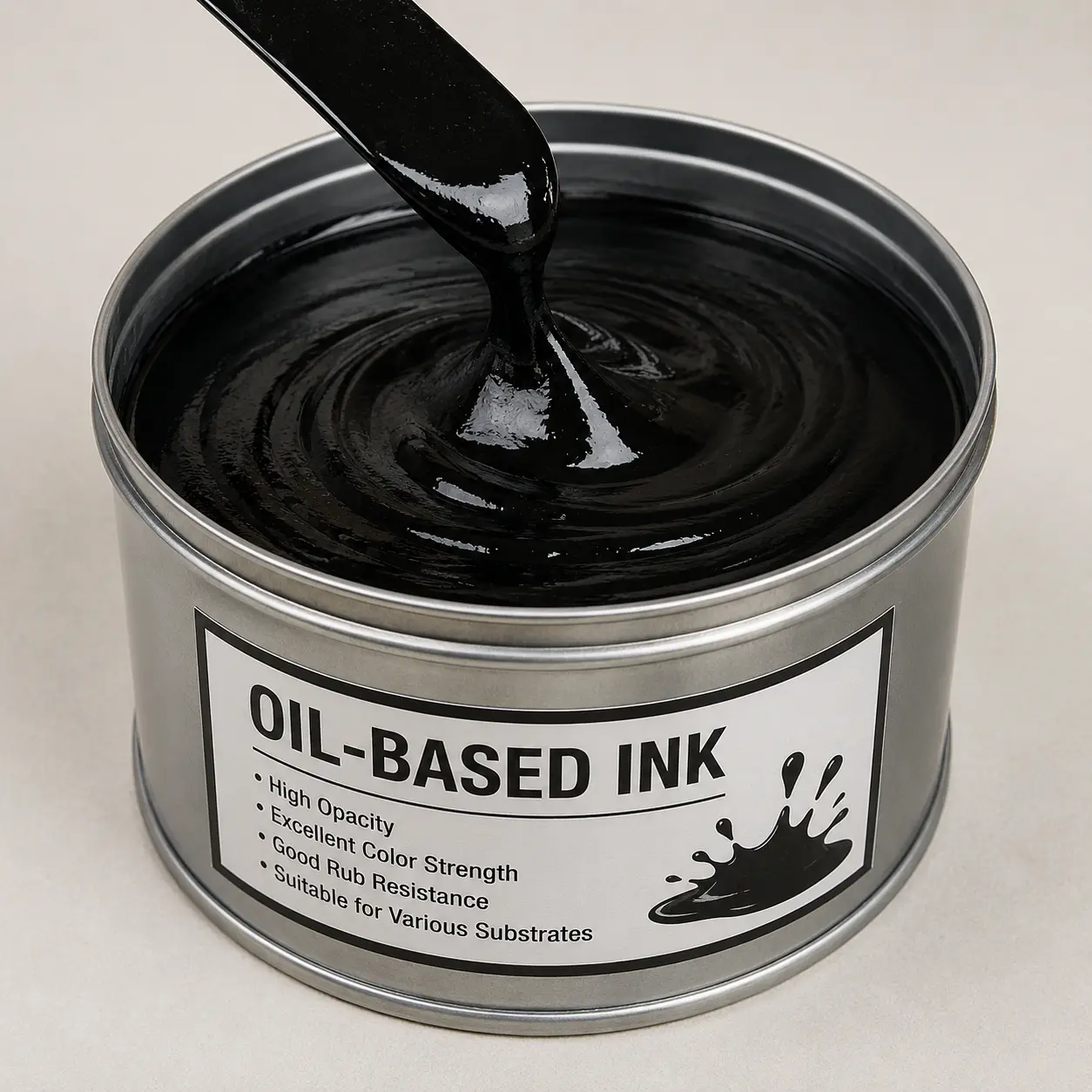
Industry-grade ink for durable, scuff-resistant production runs across long-haul distribution.

Spot-color matching to corporate brand standards — consistent identity across every SKU and reorder.

Sustainable plant-based ink for eco-certified packaging programs and ESG-aligned product launches.

Protective film extends shelf life and protects packaging during shipping and warehouse handling.

Water-based protective seal — fast-drying, food-safe-friendly finish for high-volume bulk production.

Premium tactile finish that elevates corporate gifting boxes and high-end B2B product lines.

Highlight logos and key artwork with selective gloss for maximum retail brand recognition.

Raised brand marks for tactile, premium identity on retail shelves and corporate packaging.

Pressed impressions for subtle, sophisticated branding on premium B2B product lines.

Metallic foil application — gold, silver, and custom finishes for luxury wholesale packaging.
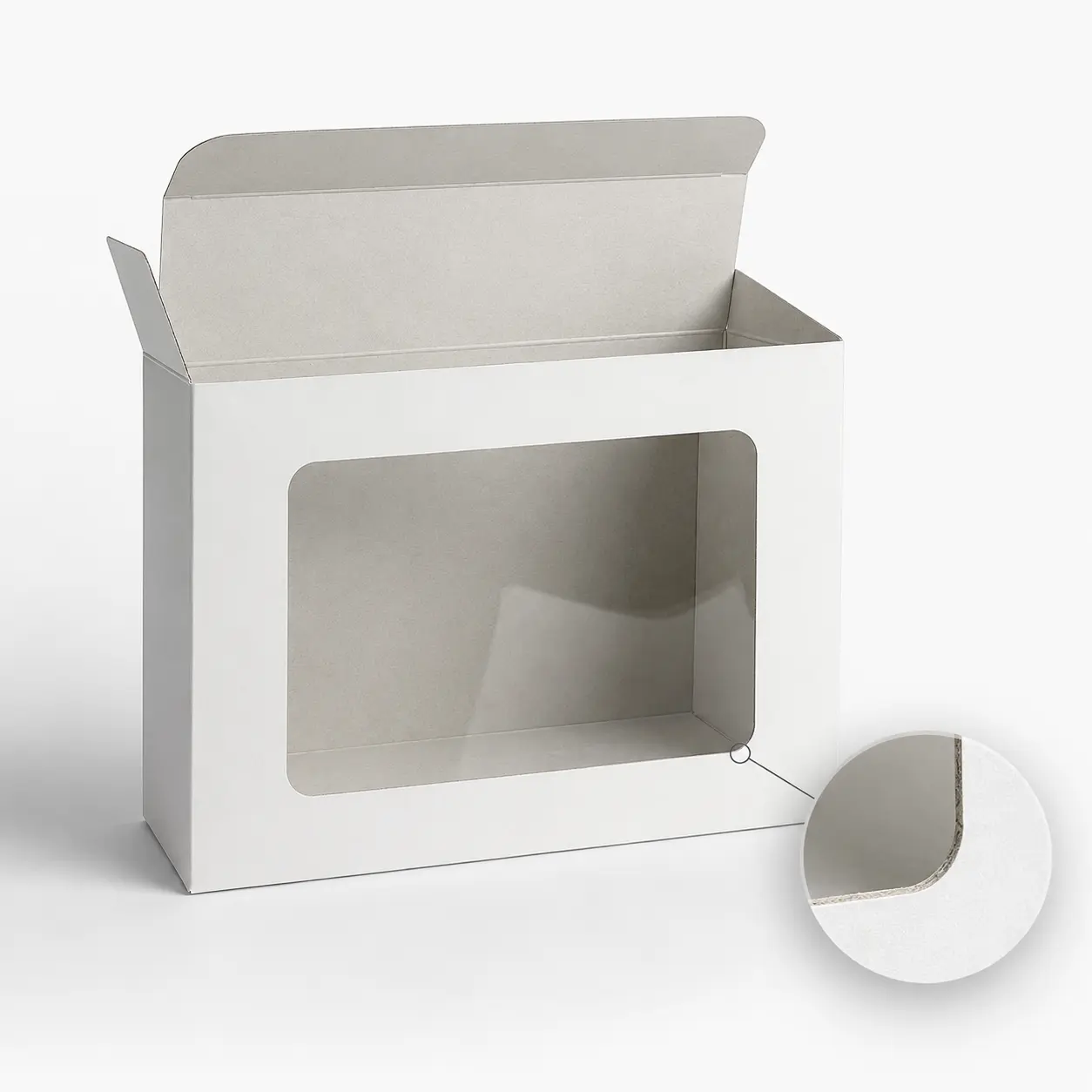
Precision die-cut openings that let customers view the product inside, with optional clear patching for better protection and presentation.
Simple, practical, and built around real B2B production needs.
Send product size, quantity, material preference, artwork, and delivery details.
Our team prepares a proof or 3D mockup so you can check design and structure.
Once approved, your packaging moves into printing, cutting, finishing, and packing.
Finished boxes are packed and shipped to your warehouse, retailer, or 3PL.
Explore similar packaging options that may fit your product line.



Reviews
There are no reviews yet.