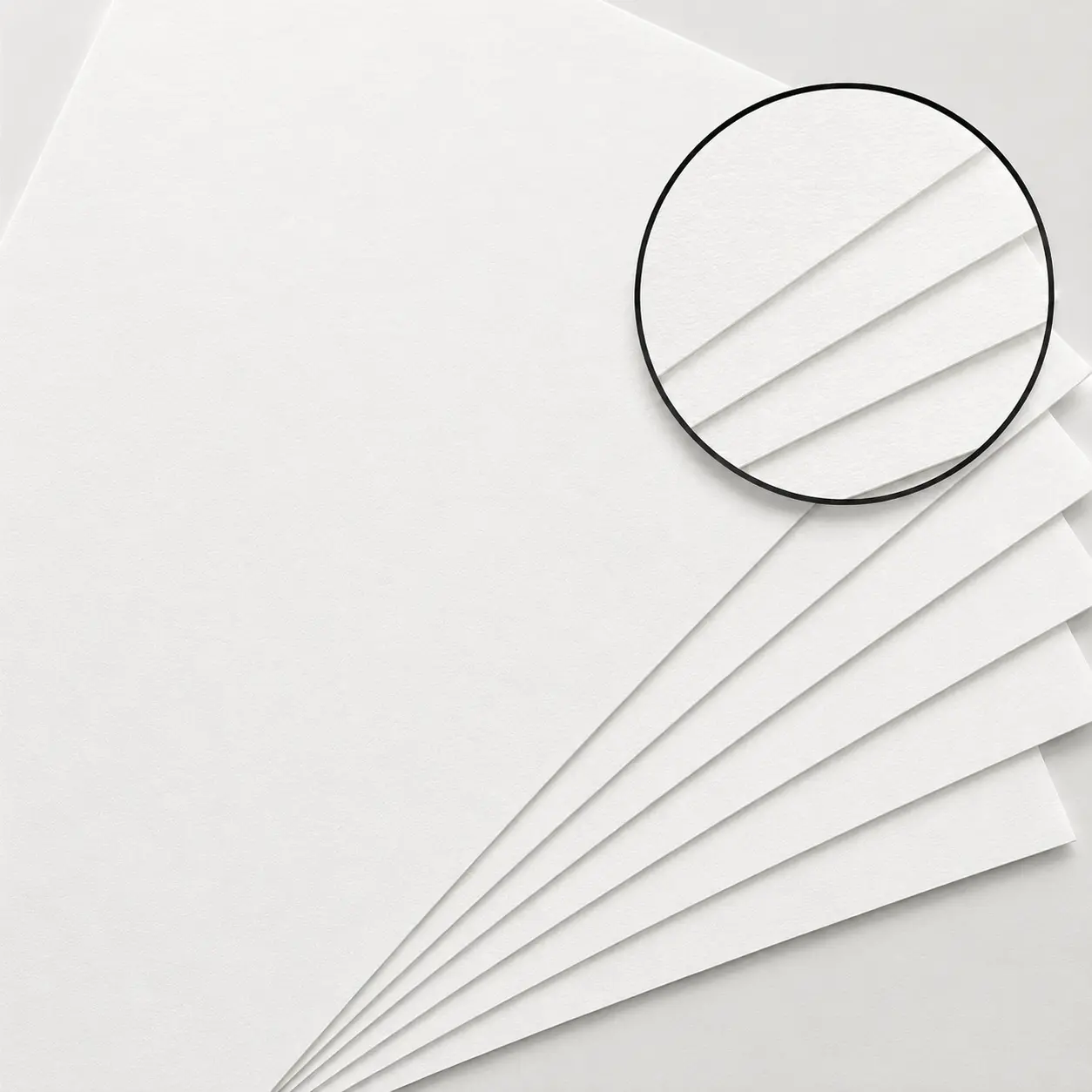
SBS Cardboard
Premium bleached substrate engineered for retail-ready packaging with sharp, high-resolution print performance across bulk SKUs.
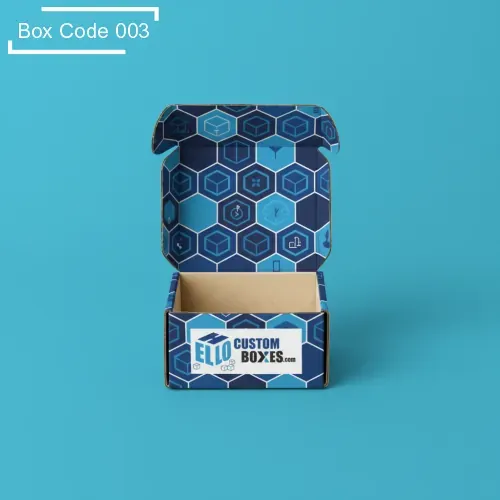
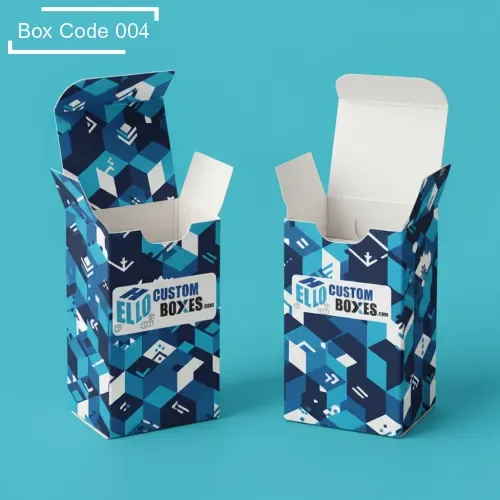
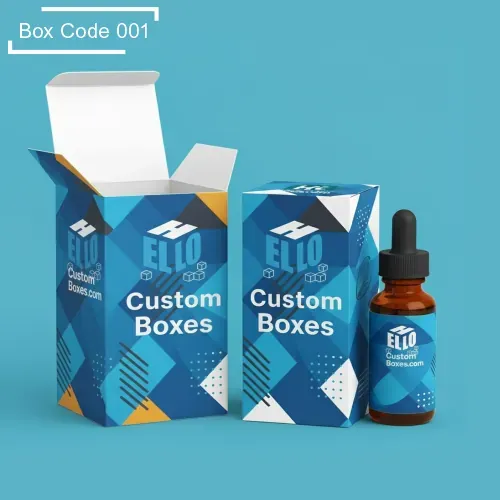
Custom oil bottle boxes are folding cartons developed around the shape and presentation of small oil bottles. The carton can provide a closer fit than a general stock box, create more printable space than the bottle label alone, and accommodate an insert when the bottle needs additional positioning. Paperboard and kraft options also allow the box structure and printed presentation to be considered together.
Tell us your specs and we'll send pricing within one business day.
The bottle body is only part of the space an oil bottle occupies. A taller dispensing closure can add noticeable height to an otherwise compact bottle, so the finished carton needs to account for the complete closed product.
Bottle capacity is not a reliable shortcut for this. Two bottles holding the same volume can have different diameters, shoulder profiles, and overall heights. A short, broad bottle and a tall, slim bottle may therefore need quite different cartons.
The finished box should leave practical clearance without creating a large empty area above or around the bottle. This is especially noticeable with small-format packaging, where even a modest amount of unnecessary space can make the carton appear oversized.
Small glass bottles can carry noticeable weight within a compact footprint. If the carton is substantially wider than the bottle, that weight can make movement inside the pack more apparent.
A well-proportioned carton may be enough on its own. An insert becomes useful when the bottle needs to remain in a more defined position or when the intended presentation calls for a structured interior.
For a single bottle, the insert can be developed around its footprint rather than filling the carton with unnecessary material. Multipacks work differently: dividers can separate individual bottles into their own compartments instead of leaving several units together in one open interior.
The internal structure should therefore follow the pack arrangement:
Adding an insert or divider also changes the usable internal space, so these components need to work with the carton rather than being treated as an afterthought.
A small bottle label has limited printable area. The carton provides larger panels for supplied branding, product identity, graphics, and other information without forcing every element onto the bottle itself.
The box and bottle label do not need to duplicate one another. The label can retain the information intended for the bottle, while the carton establishes a clearer visual hierarchy across its front, side, and rear panels.
This is particularly useful when the brand uses a wide logo or artwork that becomes cramped on a narrow bottle label. On the carton, those elements can be positioned according to the actual panel dimensions rather than simply reduced until they fit.
Folds and closure areas matter as well. Artwork that looks balanced on a flat screen can change once the carton is assembled, so important brand elements are better kept clear of areas where the structure interrupts the design.
Kraft paperboard brings its natural brown surface into the finished design. That can work well when the artwork has been prepared specifically for the substrate, but it should not be treated as though it were white paperboard with a different exterior color.
The kraft base can influence how printed colors appear. Designs that depend on a bright white background, pale shades, or particularly clean color reproduction may behave differently on the natural surface.
White paperboard offers a more neutral base for artwork where a lighter background is important. Kraft, by contrast, makes the board itself part of the visual presentation.
The choice does not change the basic need for an appropriately fitted carton. It changes the surface on which the branding is presented.
An elaborate interior is not automatically better packaging.
If the bottle already sits appropriately inside a close-fitting carton, an insert may add complexity without solving a meaningful problem. Where the bottle needs a fixed position, however, an insert can make the interior feel more deliberate and keep the product from occupying an undefined open space.
Multipack presentation creates another situation. Dividers can establish a repeated layout so each bottle has its own position rather than allowing several bottles to share one compartment.
The useful question is therefore not whether an insert or divider is available, but whether the finished bottle arrangement actually benefits from one.
A folding carton is eventually viewed from individual assembled panels, not as the flat dieline used to prepare the artwork.
The front panel usually carries the strongest brand or product identifier. Side and rear panels can handle supplied supporting information that does not need to compete for the same visual space. This keeps the main presentation clearer, particularly on smaller cartons.
Finishing treatments can also be considered at this stage. Matte lamination, foil stamping, or Spot UV may be suitable for particular board and artwork combinations, but they are optional presentation choices rather than standard requirements for an oil bottle carton. A restrained treatment on a logo or selected graphic element may be more appropriate than applying several finishes simply because they are available.
| Specification | Details |
|---|---|
| Size | Custom to the complete bottle dimensions |
| Structure | Folding carton or suitable multipack format |
| Board Options | Paperboard, cardstock, and kraft where appropriate |
| Printing | Custom printing from supplied artwork |
| Internal Support | Inserts available where required |
| Multipack Option | Dividers for suitable bottle arrangements |
| Branding | Custom logo and artwork printing |
| Finishing | Compatible finishing options based on board and artwork |
Choose from practical materials, print methods, inks, finishes, and add-ons for a better product presentation.
Premium bleached substrate engineered for retail-ready packaging with sharp, high-resolution print performance across bulk SKUs.

High-density rigid board built for wholesale cartons, structural strength, and stack-ready warehouse logistics.
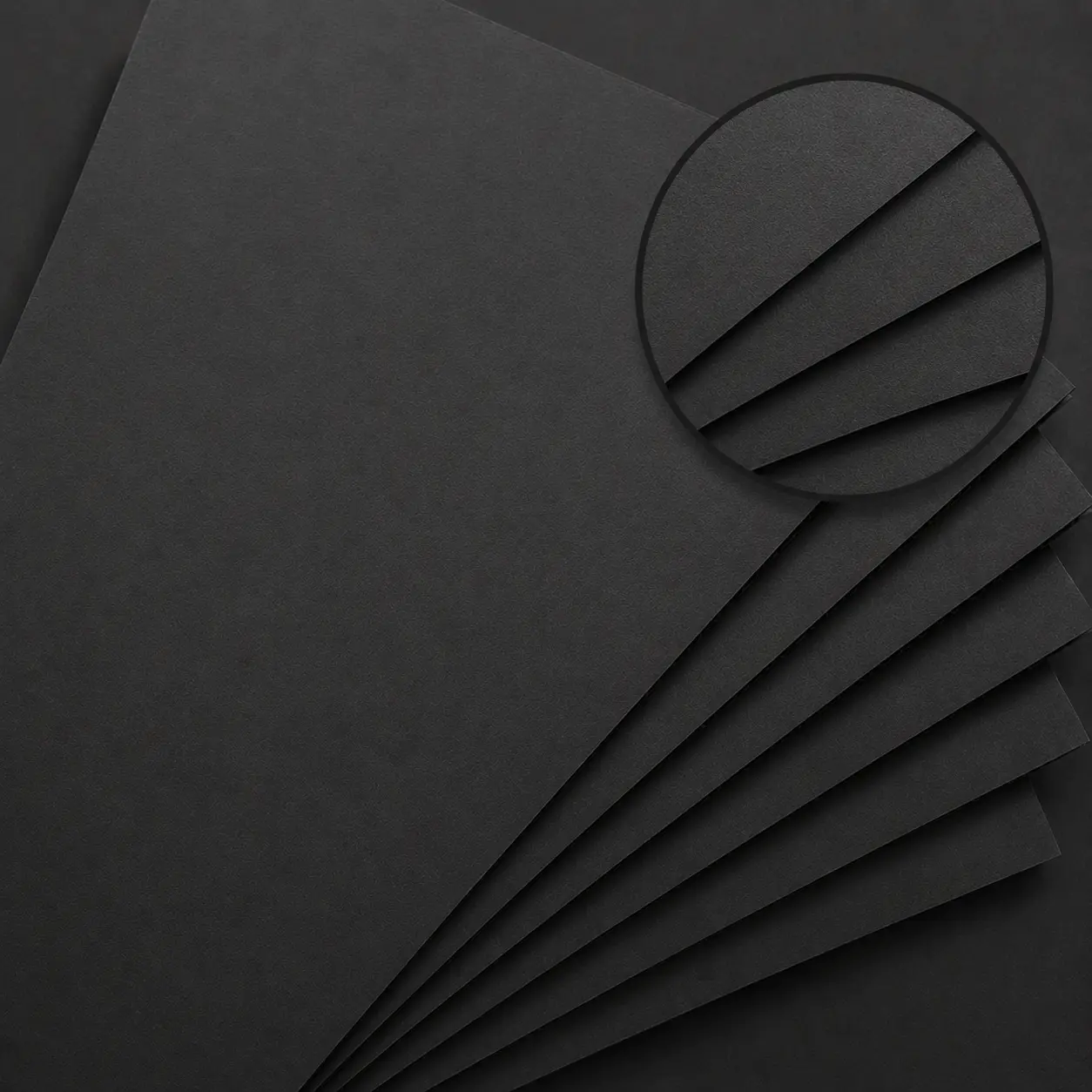
Eco-conscious black kraft for premium unboxing programs, corporate gifting, and limited-edition product lines.
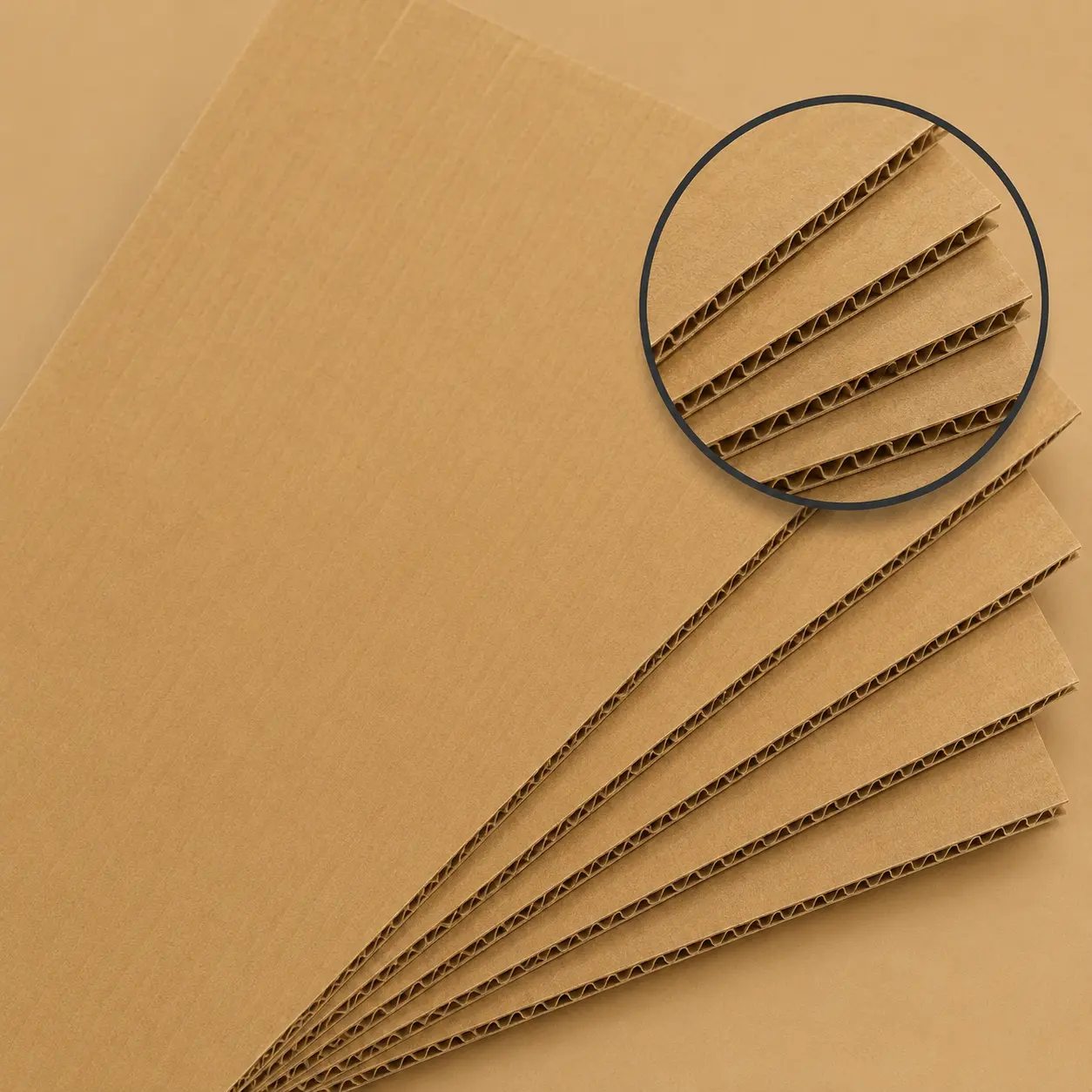
Multi-flute corrugated board built for protective shipping, e-commerce dispatch, and high-volume B2B fulfillment.
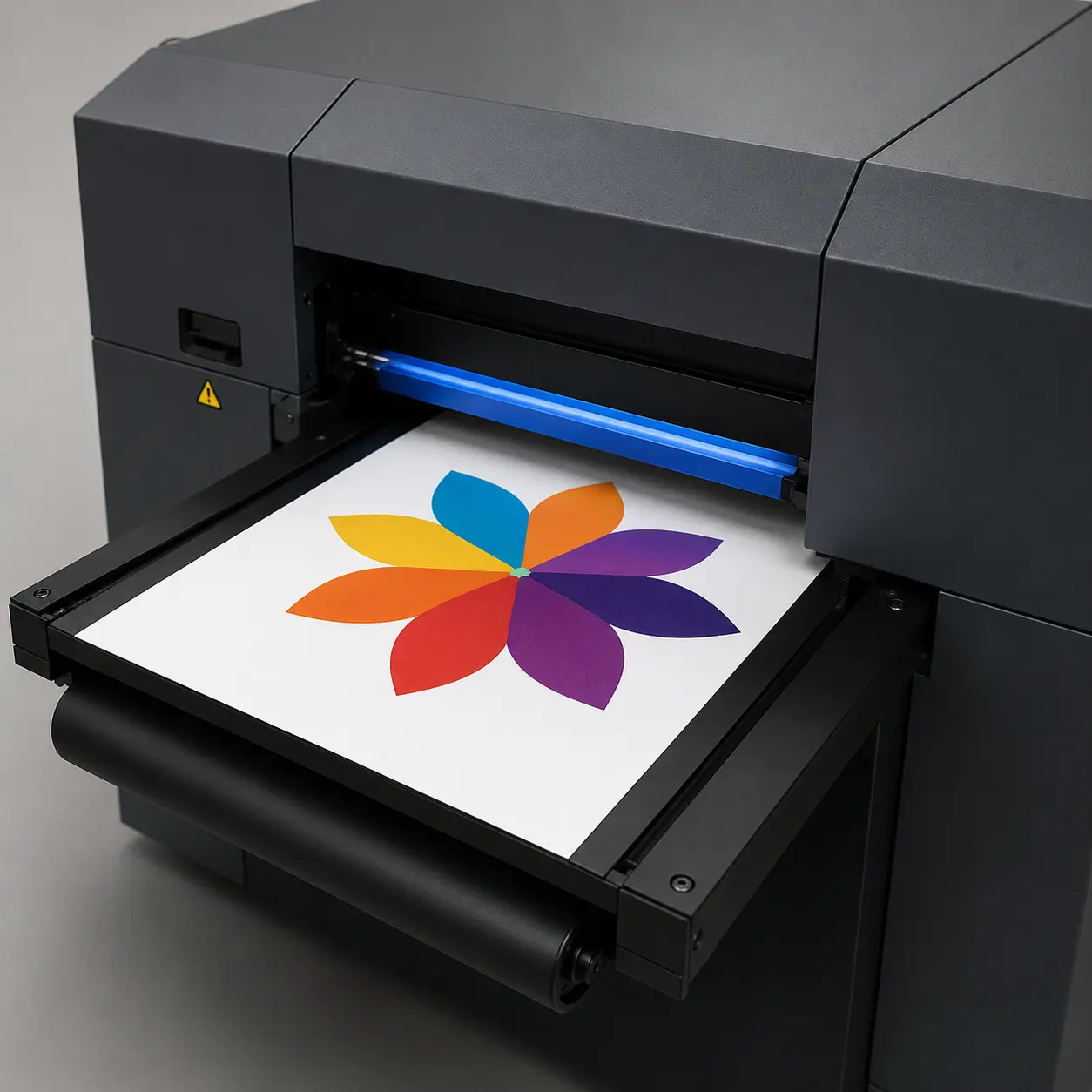
Short-run digital printing with no plate setup — ideal for prototypes, sample approvals, and quick reorders.
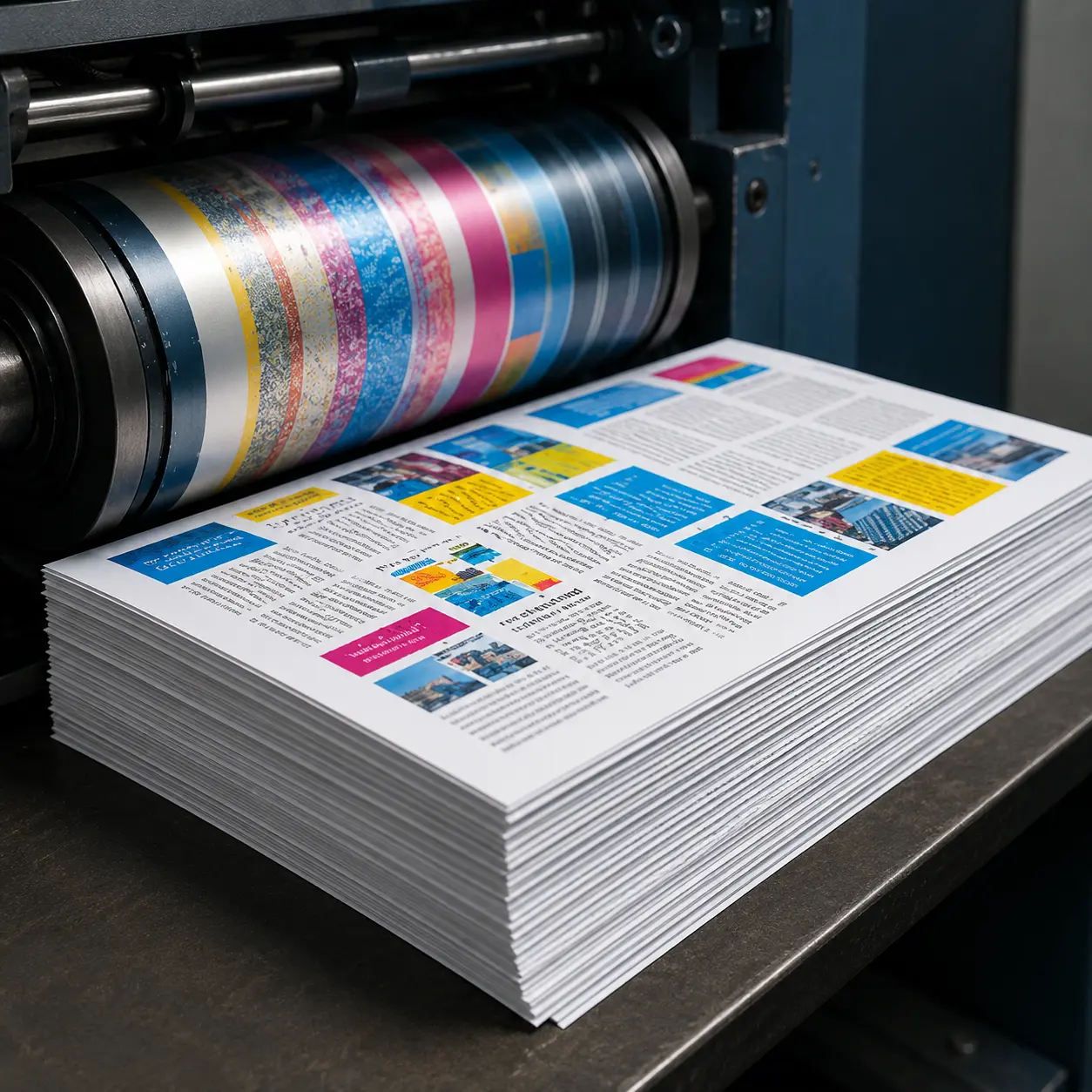
Industry-standard offset printing for high-volume runs with consistent color matching across bulk production.

Selective dimensional embellishment for premium B2B branding, tactile depth, and shelf differentiation.

Vibrant UV-cured printing suited for promotional packaging, event giveaways, and trade-show units.
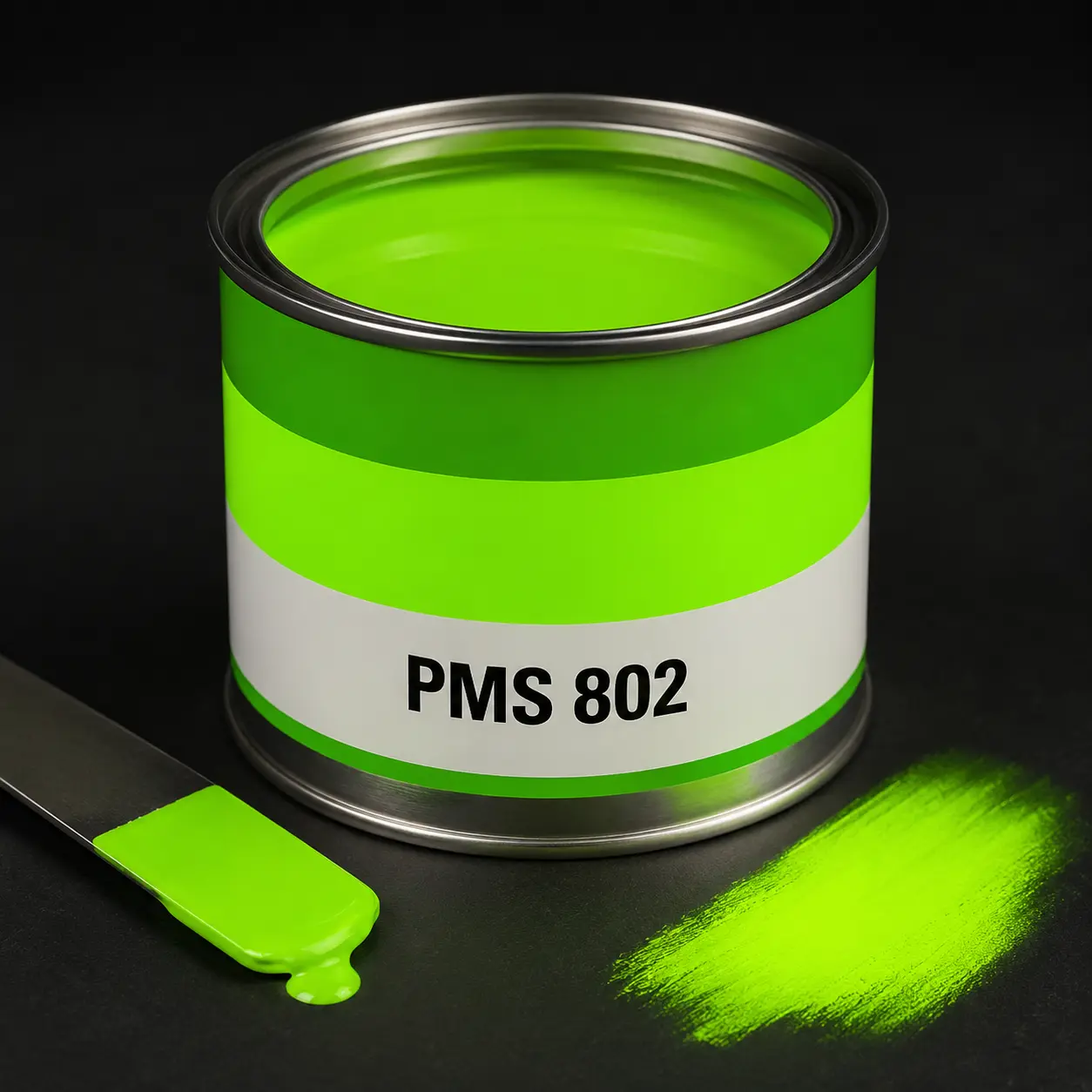
High-visibility ink system engineered for shelf impact, retail displays, and wholesale point-of-sale units.
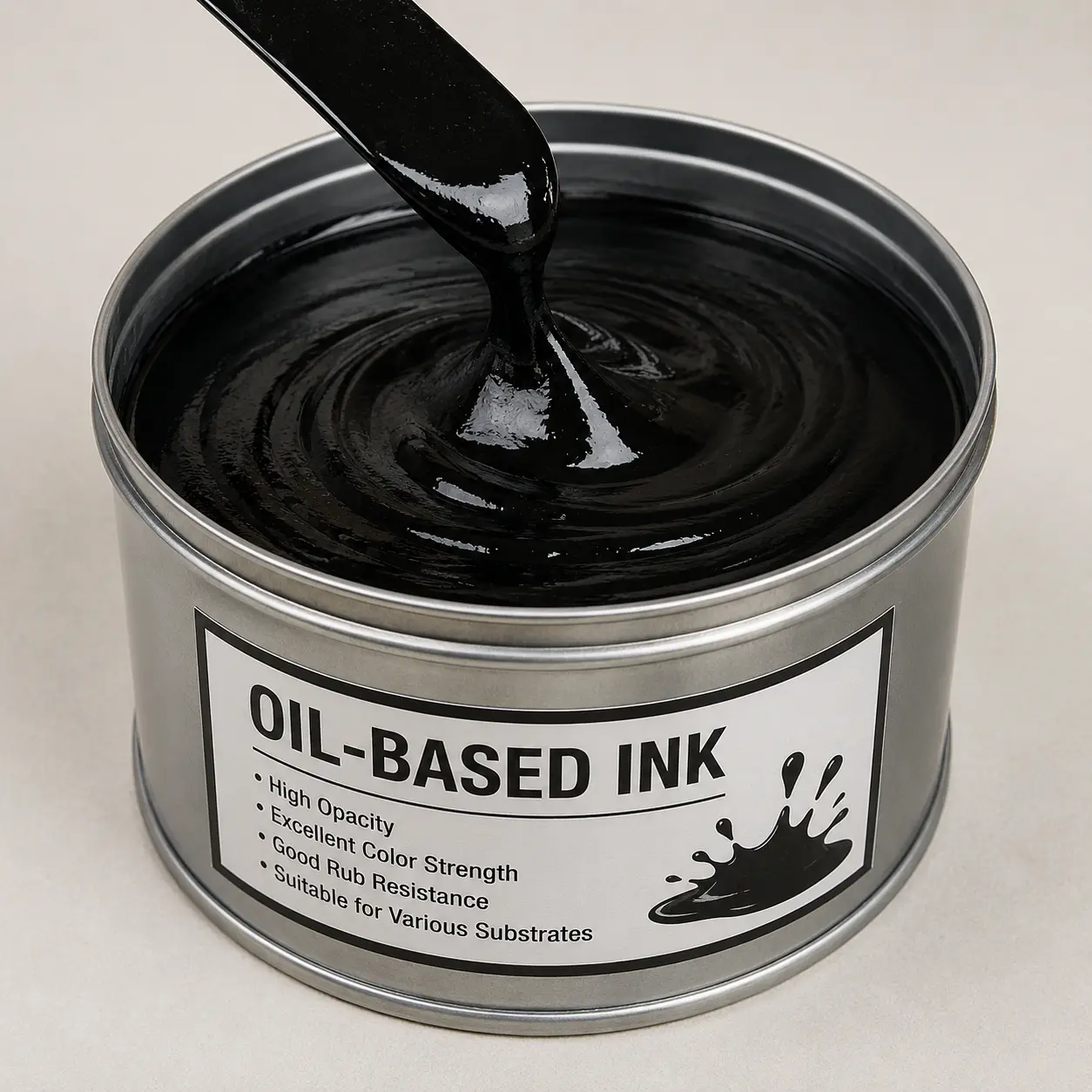
Industry-grade ink for durable, scuff-resistant production runs across long-haul distribution.

Spot-color matching to corporate brand standards — consistent identity across every SKU and reorder.

Sustainable plant-based ink for eco-certified packaging programs and ESG-aligned product launches.

Protective film extends shelf life and protects packaging during shipping and warehouse handling.

Water-based protective seal — fast-drying, food-safe-friendly finish for high-volume bulk production.

Premium tactile finish that elevates corporate gifting boxes and high-end B2B product lines.

Highlight logos and key artwork with selective gloss for maximum retail brand recognition.

Raised brand marks for tactile, premium identity on retail shelves and corporate packaging.

Pressed impressions for subtle, sophisticated branding on premium B2B product lines.

Metallic foil application — gold, silver, and custom finishes for luxury wholesale packaging.
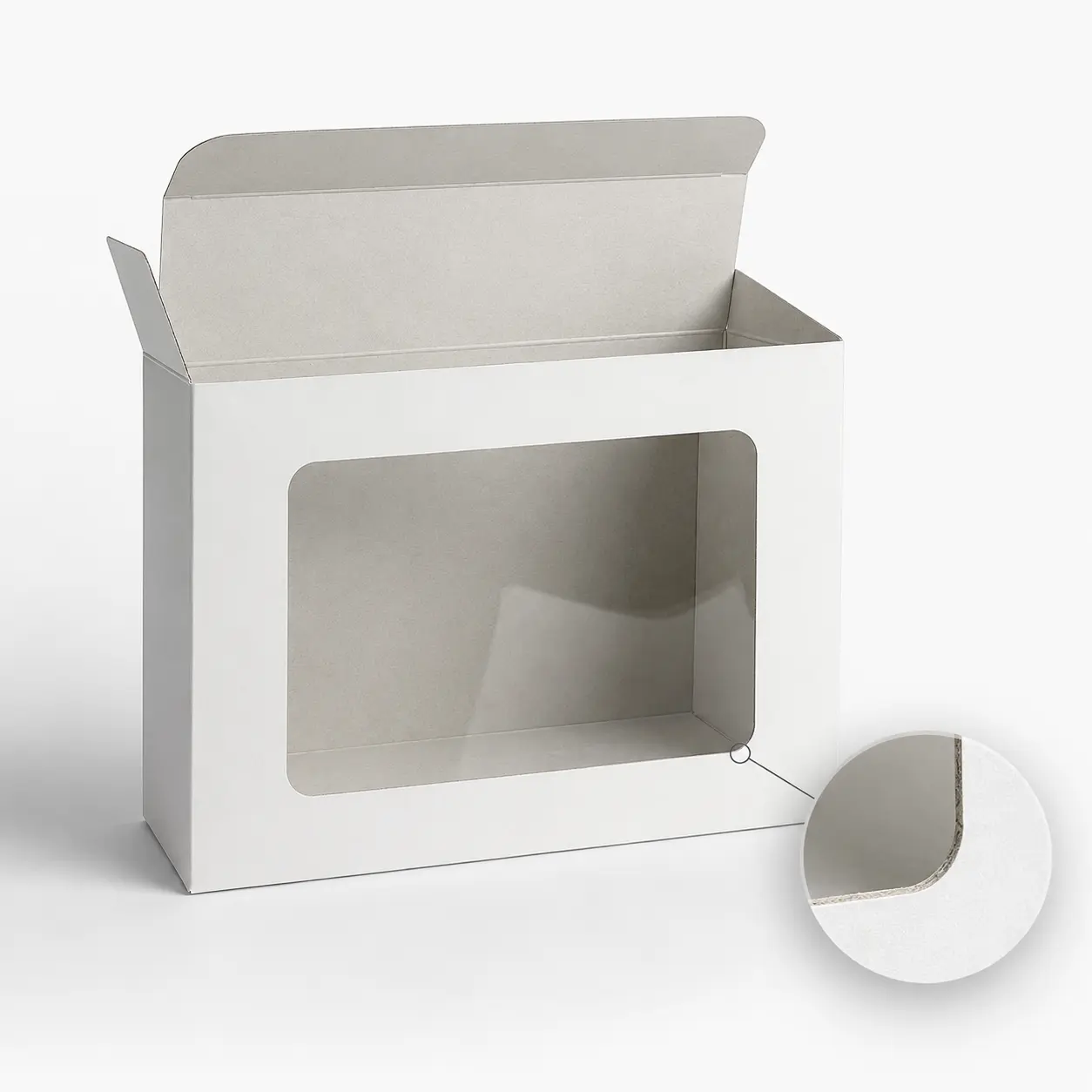
Precision die-cut openings that let customers view the product inside, with optional clear patching for better protection and presentation.
Simple, practical, and built around real B2B production needs.
Send product size, quantity, material preference, artwork, and delivery details.
Our team prepares a proof or 3D mockup so you can check design and structure.
Once approved, your packaging moves into printing, cutting, finishing, and packing.
Finished boxes are packed and shipped to your warehouse, retailer, or 3PL.
Explore similar packaging options that may fit your product line.
Reviews
There are no reviews yet.