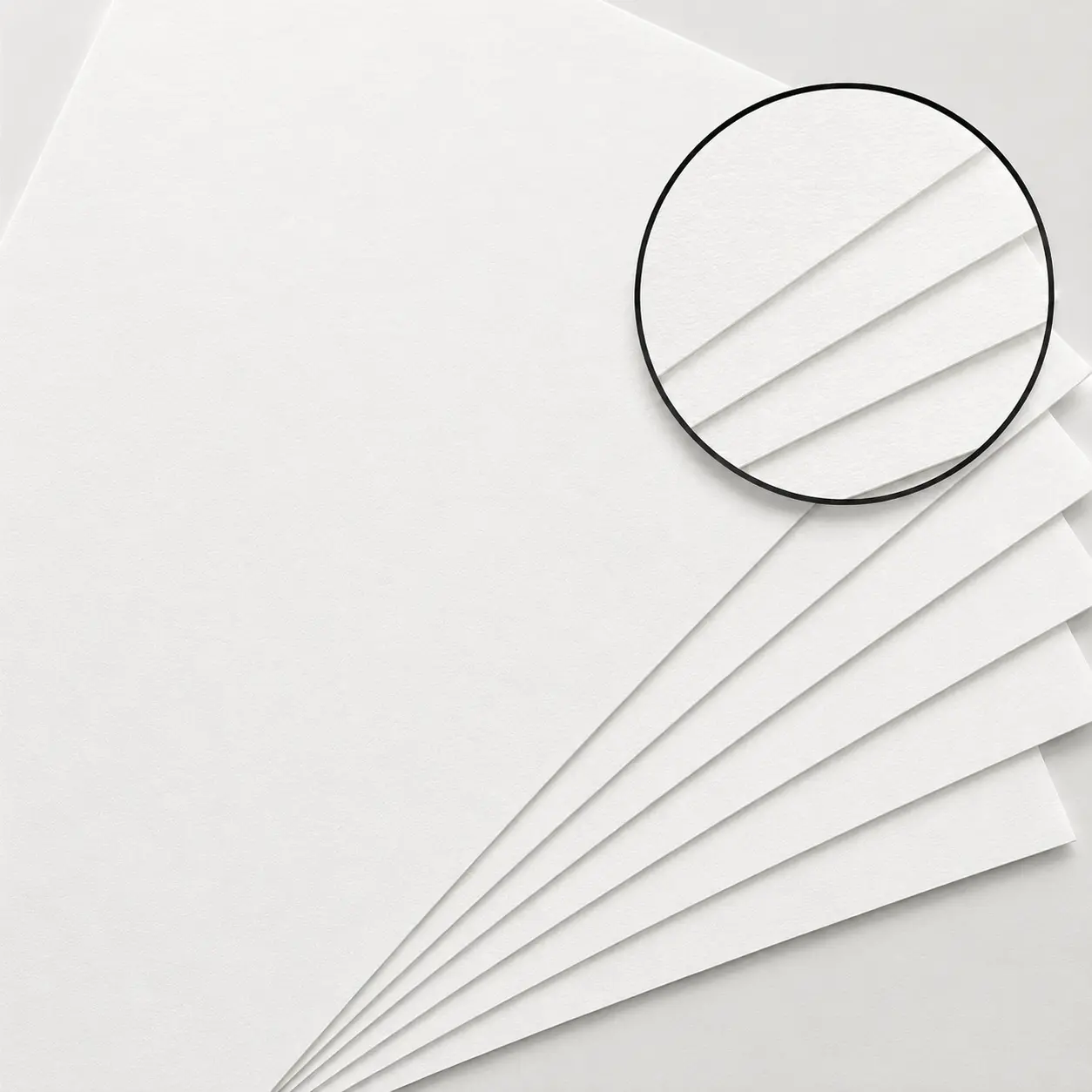
SBS Cardboard
Premium bleached substrate engineered for retail-ready packaging with sharp, high-resolution print performance across bulk SKUs.
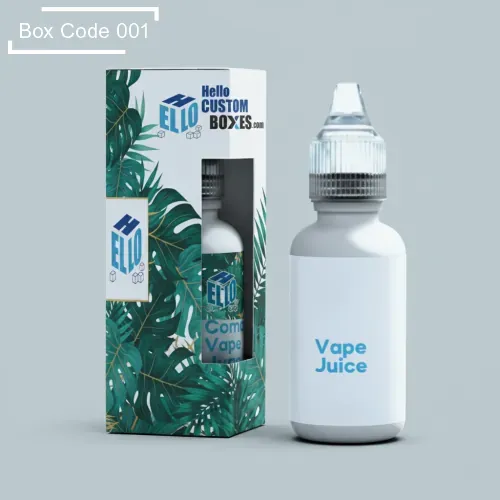
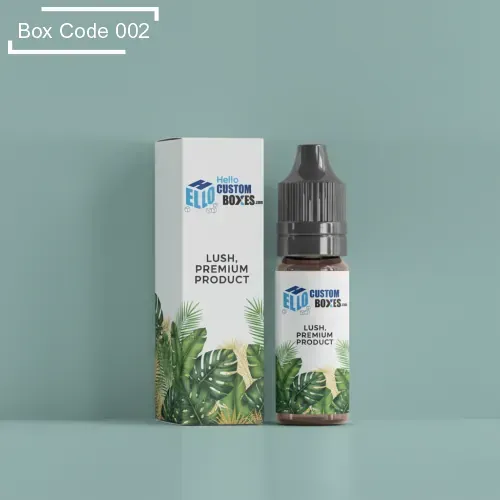
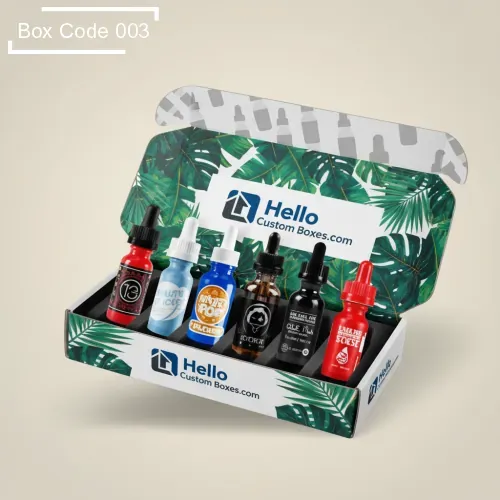
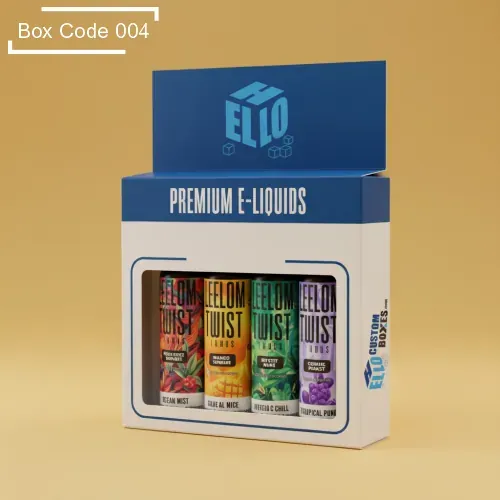
Custom e-liquid boxes are folding cartons sized around the bottle rather than its stated liquid capacity alone. Bottle diameter, overall height, cap or dropper profile, and any required insert all affect the internal dimensions. The carton also provides additional printable space for supplied branding and product information. Paperboard and kraft options can be considered according to the required structure, while inserts are useful when a bottle needs more control inside the box.
Tell us your specs and we'll send pricing within one business day.
Bottle capacity is not enough to set the carton dimensions. A 30 ml bottle from one supplier may be taller or wider than another, and the cap or dropper can add more height than expected.
For sizing, use the bottle at its widest point and measure its full height with the closure in place. Those measurements give a more useful starting point for the inside of the carton. If an insert is part of the pack, space for that needs to be allowed for as well.
So a box for a 30 ml or 60 ml bottle should be based on the bottle being packed, not on the volume printed on its label.
SBS paperboard provides a smooth surface for detailed printed artwork and is commonly suited to folding-carton structures. Kraft board has a natural brown appearance, which becomes part of the finished design and can affect how lighter colors appear when printed.
The appropriate board also depends on the carton dimensions, bottle weight, and structure. A small single-bottle retail carton does not have the same structural requirements as packaging intended to hold several bottles.
Corrugated board becomes more relevant when the packaging format requires additional rigidity or a larger grouped structure. It should not automatically replace folding carton board for every e-liquid bottle box.
A custom size should account for the complete bottle rather than leaving a large amount of empty clearance around it.
A tall, narrow bottle may require a different carton proportion from a shorter bottle with a wider base. Closure styles matter as well. Droppers, pointed caps, and other taller closures can increase the required carton height even when the bottle bodies have similar dimensions.
Custom dimensions can therefore be established once the finished bottle measurements are known. If several bottles will share one package, their intended arrangement should be considered at the same stage rather than simply multiplying the dimensions of a single carton.
Not every e-liquid carton needs an insert.
When the bottle already sits appropriately inside a close-fitting folding carton, adding another internal component may provide little practical value. A die-cut insert becomes more useful when the bottle needs a defined position, additional separation from the carton walls, or a particular presentation when the package is opened.
For boxes containing more than one bottle, separate bottle compartments can help organise the interior. The insert layout should be developed together with the outer dimensions because it reduces the usable space available inside the carton.
The outer carton gives supplied artwork more room than the bottle label alone. A logo or primary product identifier can occupy the main facing panel, while supporting artwork and other supplied information can continue across the side and rear panels.
With full-color printing, the artwork should be prepared around the actual carton panels rather than treated as one uninterrupted graphic. Folds, tuck flaps, cuts, and panel edges can interrupt text or visual elements if they are ignored during artwork setup.
Logo printing should follow the same principle. The useful logo size depends on the available panel area and the rest of the artwork, not simply on making the mark as large as possible.
Finishing is best considered after the board and printed artwork have been established.
Matte lamination can create a lower-sheen surface, while gloss lamination produces a more reflective appearance. Foil stamping can be applied selectively to suitable artwork elements, and embossing can introduce a raised detail. Spot UV can add localized gloss where contrast against the surrounding surface is wanted.
These options do not all need to appear on one carton. A finish should support the artwork and chosen material rather than being added simply because additional decoration is available.
A custom dieline maps the panels, folds, cuts, and closure areas of the finished carton. Artwork prepared against that layout is easier to position correctly than artwork created before the box dimensions are established.
Important text and graphics should remain within usable panel areas and away from positions where a fold or cut could interfere with them. Artwork that continues across more than one panel also needs to account for the way those panels meet after assembly.
For this reason, the bottle dimensions and carton structure should normally be settled before final artwork placement.
Before moving a custom carton toward production, the structural and artwork details should agree with each other. Bottle measurements, selected board, insert requirements, carton dimensions, and the final artwork all affect the finished package.
A packaging prototype can be useful when the physical fit needs to be evaluated before a larger quantity is considered. Artwork proofing can likewise provide an opportunity to review layout details before printing, where that service is part of the agreed project.
The exact sampling and proofing process should be confirmed for the specific order rather than assumed to be identical for every packaging job.
A useful quote starts with the physical packaging requirements rather than a bottle capacity alone.
Provide the complete bottle dimensions, the quantity of bottles going into each carton, the required packaging quantity, and whether an insert or multiple bottle compartments are needed. If artwork is already available, that can be supplied with the project information; otherwise, the box structure and custom dieline need to be established before final artwork placement.
These details give Hello Custom Boxes a clearer basis for discussing the carton specification and quote without estimating the box from a generic bottle size.
| Specification | Details |
|---|---|
| Box Type | Custom Folding Carton |
| Size | Custom to Bottle Dimensions |
| Material Options | SBS Paperboard, Kraft Board |
| Structure | Single-Bottle or Multi-Bottle Carton |
| Insert Options | Die-Cut Inserts, Bottle Compartments |
| Printing | Full-Color Custom Printing |
| Branding | Custom Logo and Artwork |
| Finishes | Matte, Gloss, Foil, Embossing, Spot UV |
| Dieline | Custom to Box Dimensions and Structure |
| Artwork | Prepared to Selected Dieline |
Choose from practical materials, print methods, inks, finishes, and add-ons for a better product presentation.
Premium bleached substrate engineered for retail-ready packaging with sharp, high-resolution print performance across bulk SKUs.
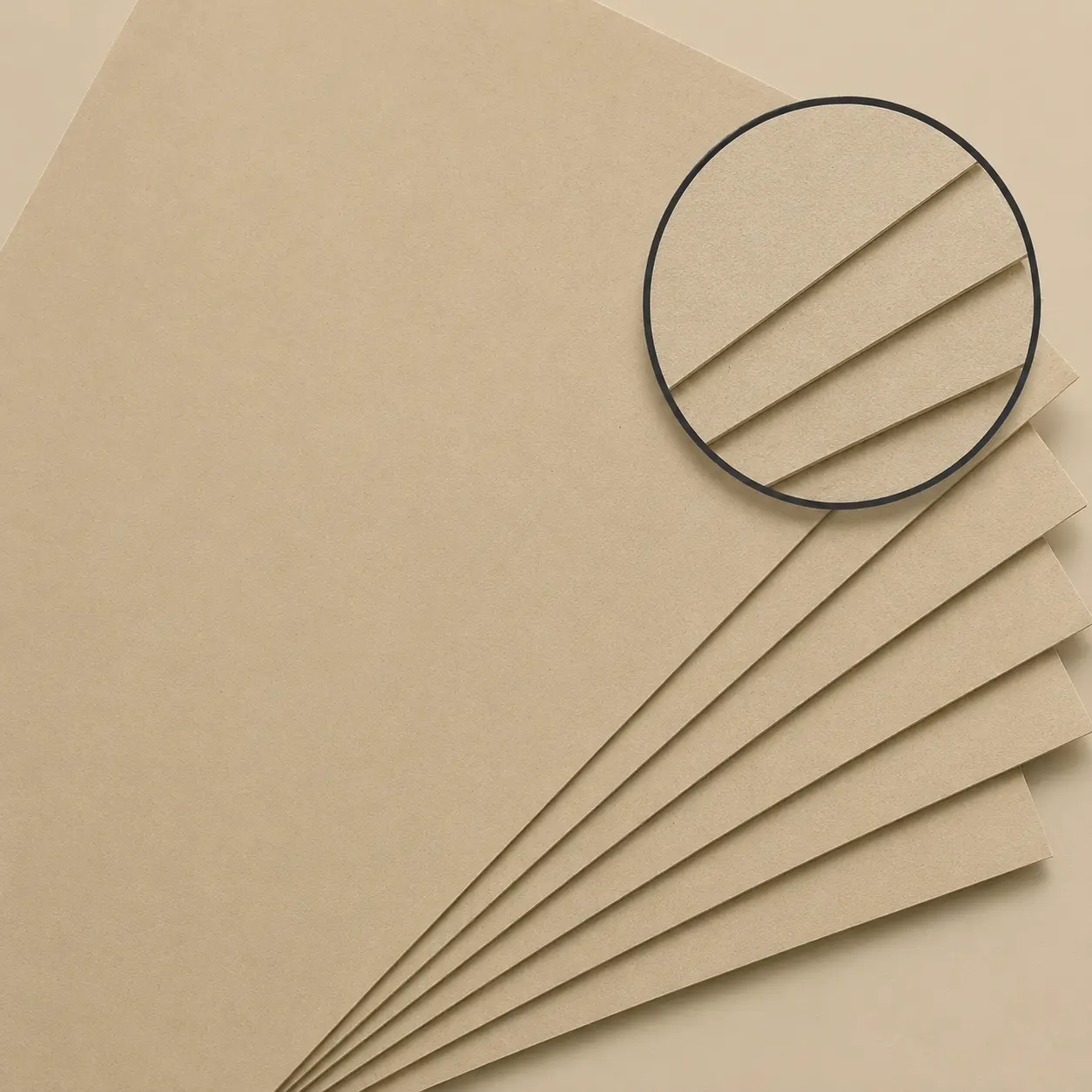
High-density rigid board built for wholesale cartons, structural strength, and stack-ready warehouse logistics.
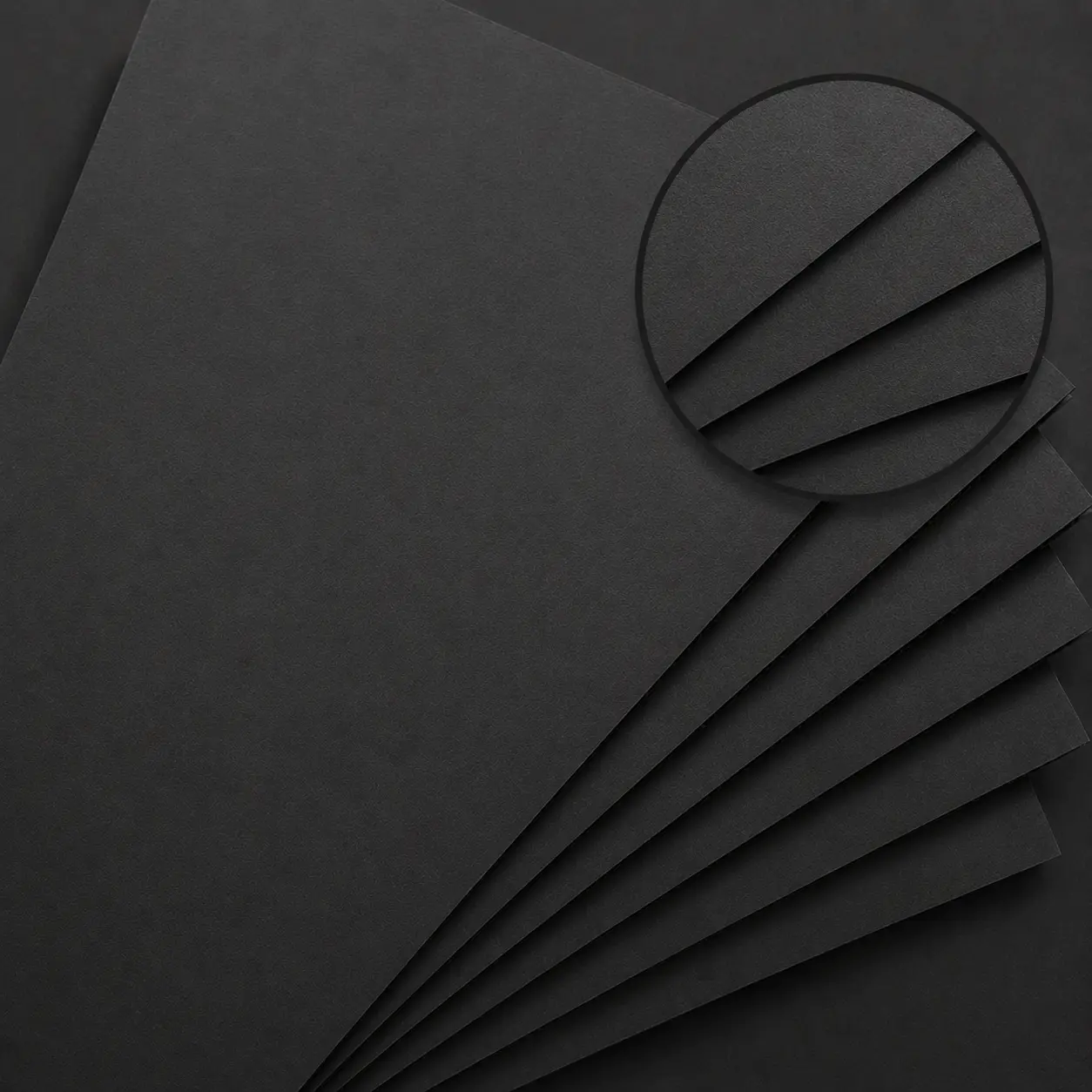
Eco-conscious black kraft for premium unboxing programs, corporate gifting, and limited-edition product lines.
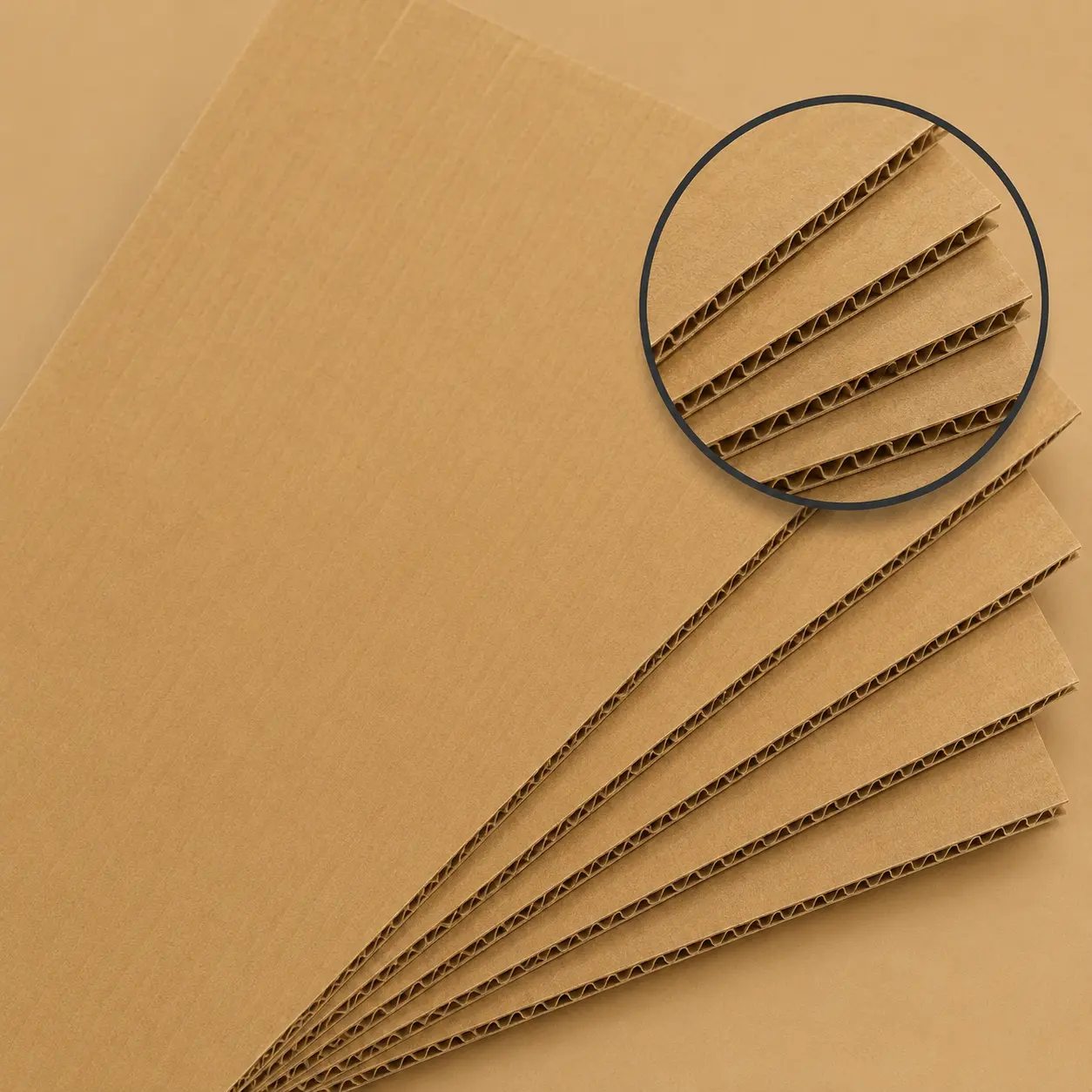
Multi-flute corrugated board built for protective shipping, e-commerce dispatch, and high-volume B2B fulfillment.
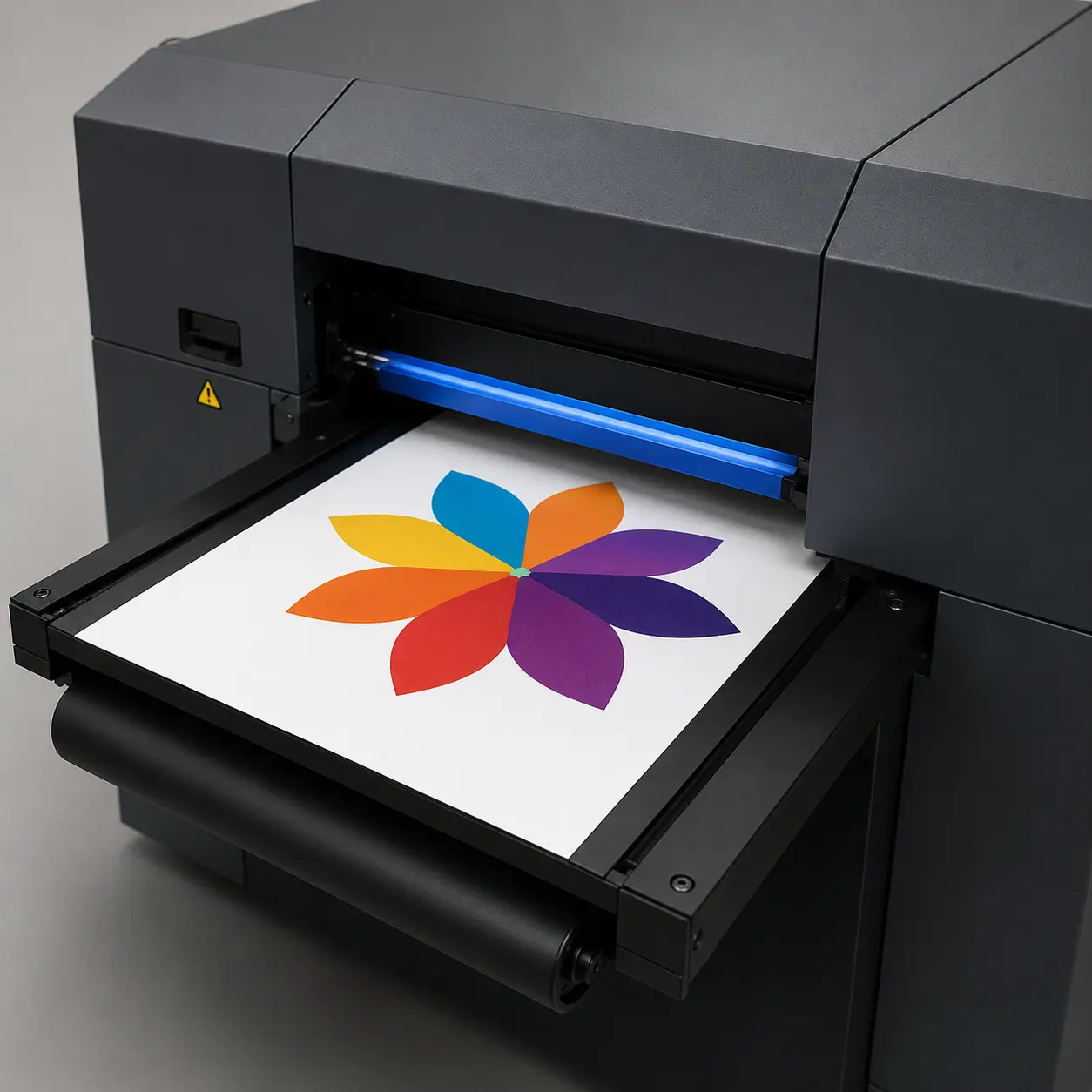
Short-run digital printing with no plate setup — ideal for prototypes, sample approvals, and quick reorders.
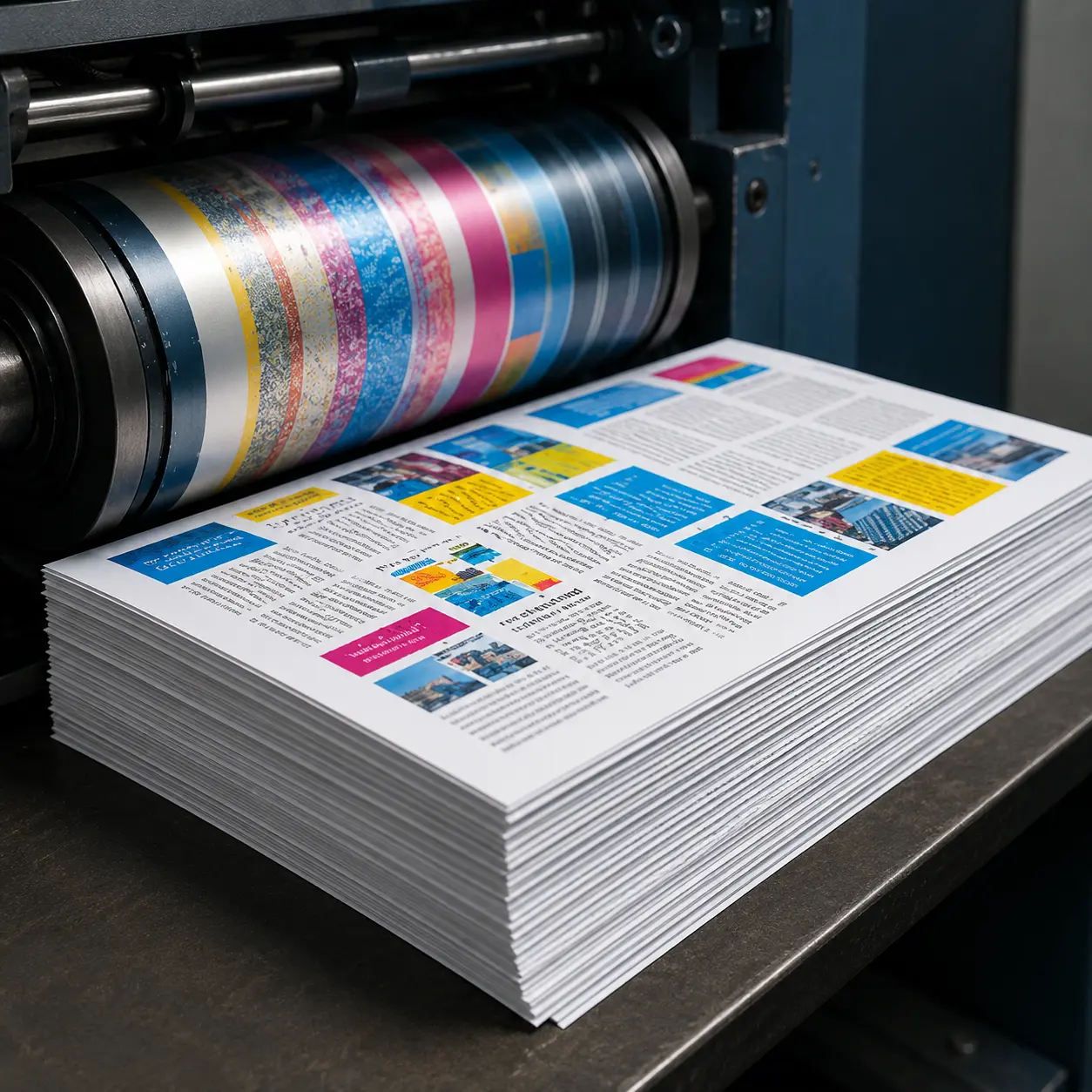
Industry-standard offset printing for high-volume runs with consistent color matching across bulk production.

Selective dimensional embellishment for premium B2B branding, tactile depth, and shelf differentiation.

Vibrant UV-cured printing suited for promotional packaging, event giveaways, and trade-show units.
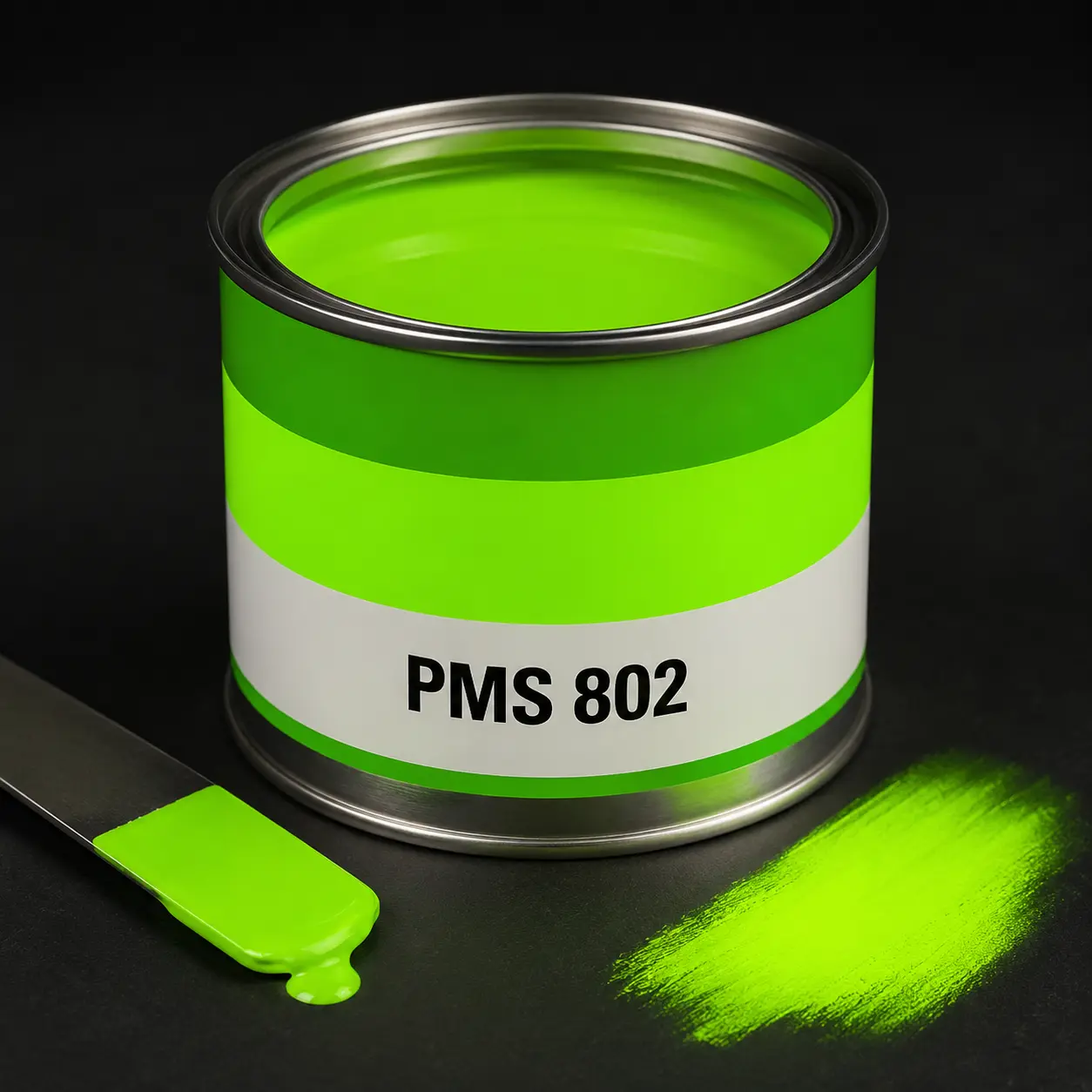
High-visibility ink system engineered for shelf impact, retail displays, and wholesale point-of-sale units.
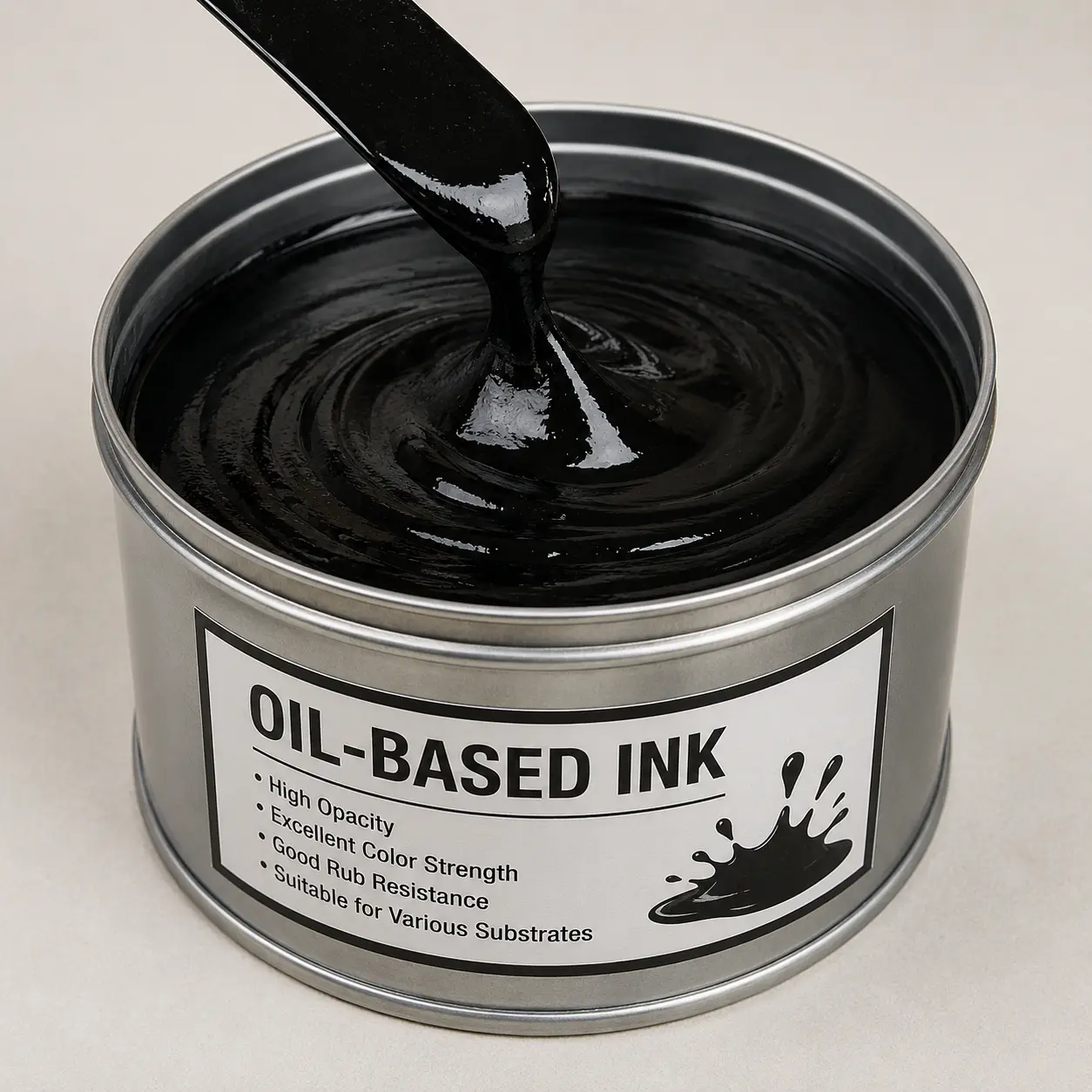
Industry-grade ink for durable, scuff-resistant production runs across long-haul distribution.

Spot-color matching to corporate brand standards — consistent identity across every SKU and reorder.

Sustainable plant-based ink for eco-certified packaging programs and ESG-aligned product launches.

Protective film extends shelf life and protects packaging during shipping and warehouse handling.

Water-based protective seal — fast-drying, food-safe-friendly finish for high-volume bulk production.

Premium tactile finish that elevates corporate gifting boxes and high-end B2B product lines.

Highlight logos and key artwork with selective gloss for maximum retail brand recognition.

Raised brand marks for tactile, premium identity on retail shelves and corporate packaging.

Pressed impressions for subtle, sophisticated branding on premium B2B product lines.

Metallic foil application — gold, silver, and custom finishes for luxury wholesale packaging.
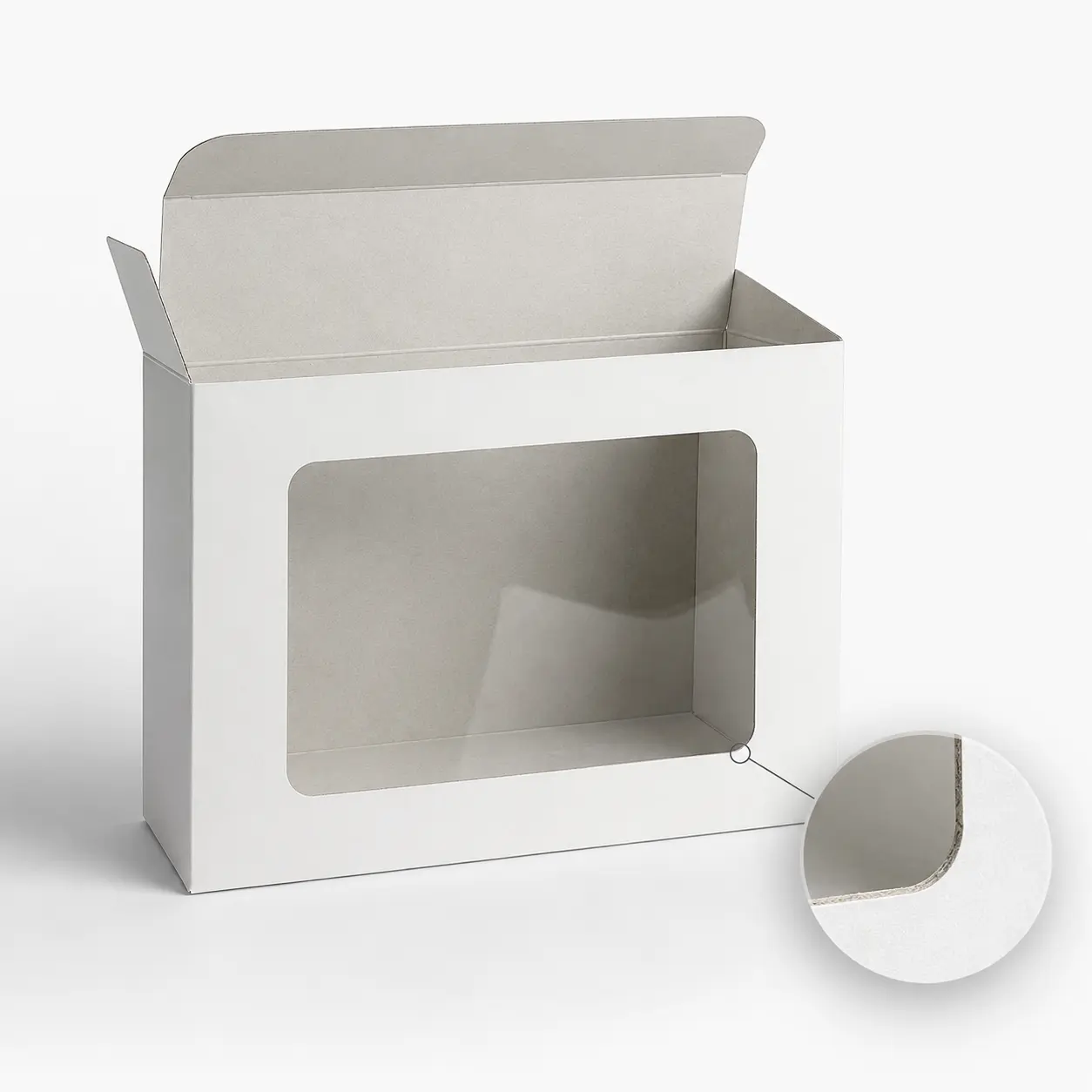
Precision die-cut openings that let customers view the product inside, with optional clear patching for better protection and presentation.
Simple, practical, and built around real B2B production needs.
Send product size, quantity, material preference, artwork, and delivery details.
Our team prepares a proof or 3D mockup so you can check design and structure.
Once approved, your packaging moves into printing, cutting, finishing, and packing.
Finished boxes are packed and shipped to your warehouse, retailer, or 3PL.
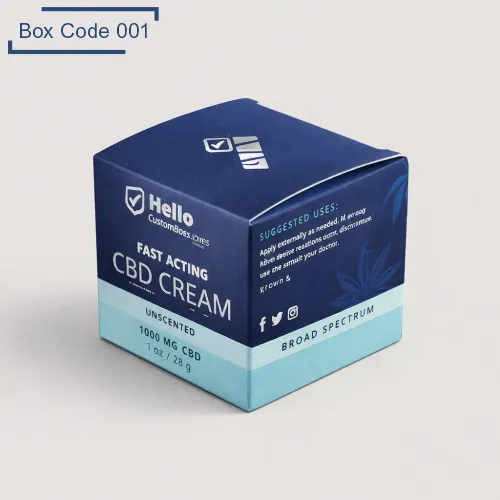
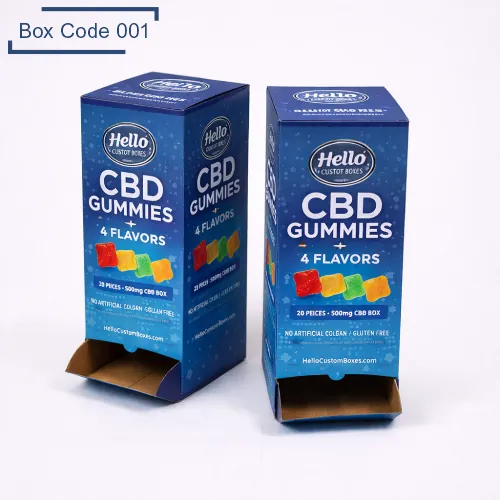
Explore similar packaging options that may fit your product line.
Reviews
There are no reviews yet.