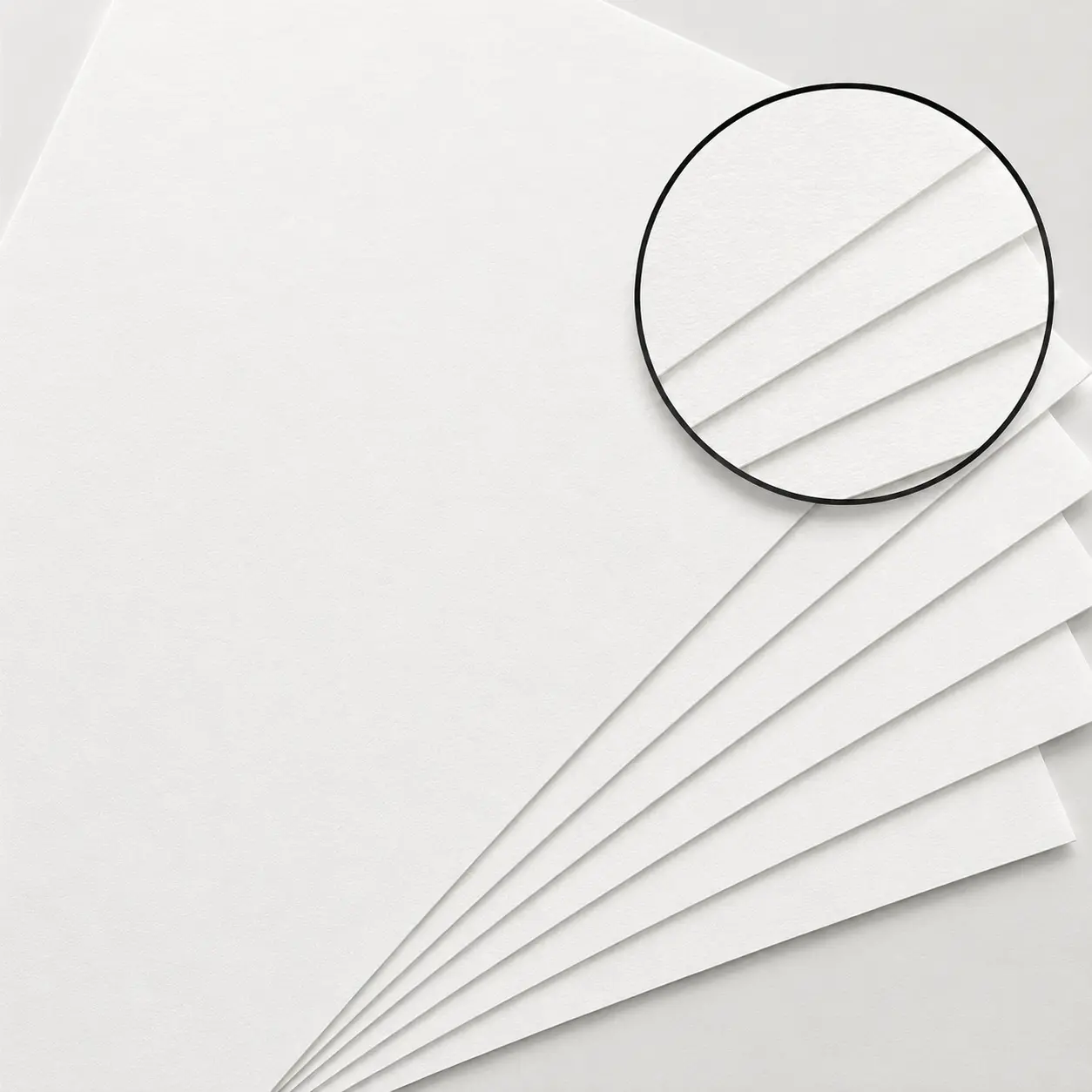
SBS Cardboard
Premium bleached substrate engineered for retail-ready packaging with sharp, high-resolution print performance across bulk SKUs.
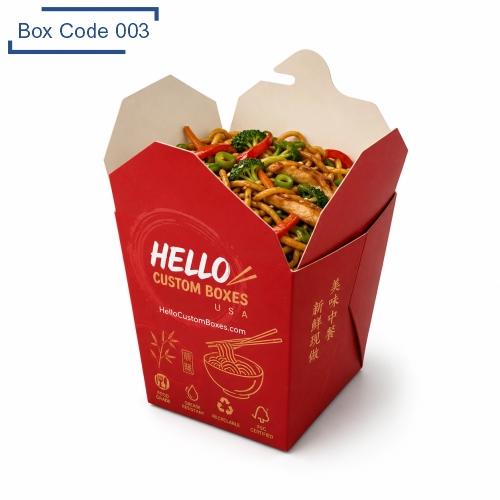
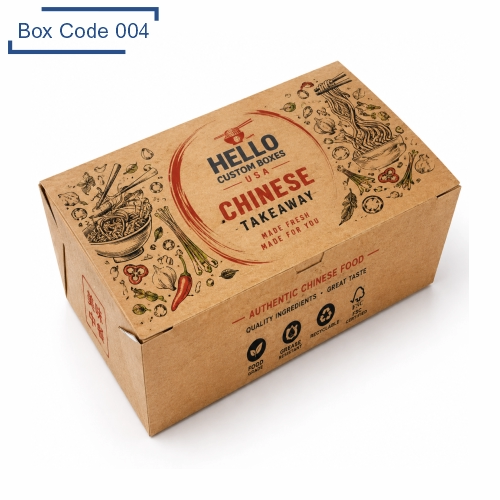
Hot rice, saucy noodles and oily dishes are hard on takeout packaging. Custom Chinese food boxes need the right board strength, grease resistance and a closure that holds up through packing, stacking and delivery. Otherwise you get leaks or crushed corners. Match the structure and material to portion weight, how the food sits inside, and whether the order goes out in bags or stacked trays.
Tell us your specs and we'll send pricing within one business day.
Grease from stir-fry sauce and steam from hot rice both weaken paperboard. A box that feels solid when you pack it can soften after the food sits inside for twenty minutes. That’s the reason most Chinese food packaging choices start with a simple question: how long will this box stay closed before the customer opens it?
Kitchen staff fill them on the line and pass them over for counter pickup or bag delivery. Caterers and meal-prep teams fill larger batches, stack them in coolers or insulated bags, then take them to event sites. The box has to stand up to the handling it actually gets.
A basic tuck-top works for light portions that never leave the bag. Heavier orders or multi-item stacks need a locking base or reinforced side walls so the bottom doesn’t sag when someone lifts by the top flaps. Delivery boxes take more movement and temperature changes than ones that stay behind the counter. That gap decides whether plain paperboard is enough or if you need extra stiffness and a better barrier. Boxes used with delivery apps usually need faster closures and reliable stacking so drivers can load multiple orders without crushing them.
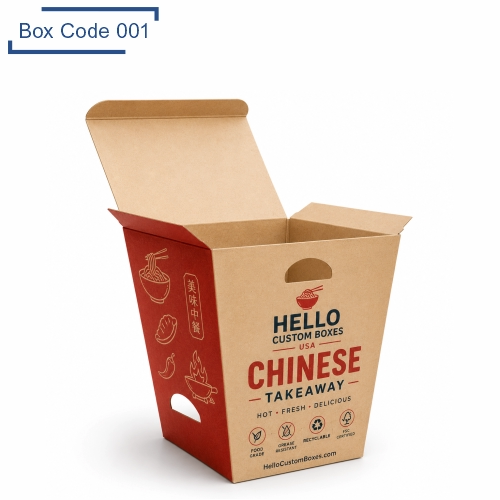
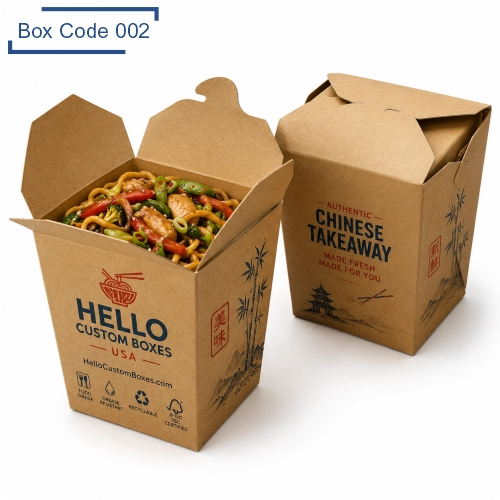
The food decides the style more than looks. Rectangular trays with separate lids suit sliced meats or dumplings that need to stay flat. Traditional pail-style boxes with a wire handle or folded handle keep rice and noodles from tipping when carried.
Fold-over lids with locking tabs close quicker on a busy line than full telescoping lids, though they leave less room for printing on top. Soup or very wet dishes almost always need a separate cup or a coated tray with a tight lid so the main box doesn’t soak up liquid. Chinese food lunch boxes and larger takeaway sizes face the same decision: keep the portion contained without adding bulk that slows packing or wastes space in delivery bags. Rice sits denser and heavier than noodles, so the base and side walls have to carry that weight without bowing.
Board choice follows weight and moisture. Lightweight paperboard works for dry appetizers or single-serve sides that only travel a short distance. Once the portion goes past a typical single entrée weight, or when sauce is present, heavier board or a grease-resistant coating becomes necessary.
SBS or FBB (folding box board) gives a smoother surface for printing. Kraft board hides grease stains better but mutes bright colours. Corrugated adds stacking strength for wholesale or multi-tier runs, yet it takes more storage space and can feel bulkier in a customer’s bag. White or coated board holds sharper logos and menu photos, but it also shows every handling mark if the ink coverage is heavy. Untreated stock looks fine on the shelf but softens faster once hot, oily food sits against the walls. A grease-resistant paper or aqueous coating on the food-contact side slows the fibre softening where sauce collects.
Hot food softens untreated fibres. An aqueous coating on the inside slows that softening and stops the box from darkening where sauce touches the wall. Freezer or chilled use needs a different barrier and often a different board grade.
Check the expected temperature range before you choose material. A coating that works for hot takeout may not perform the same way in a cold chain. Packaging that moves from kitchen to car to doorstep faces more moisture and heat transfer than boxes used only for short counter holds. The barrier has to match that reality or the board loses stiffness before the customer opens it. Oily noodles and saucy rice both test the coating. Without it the board darkens and weakens at the contact points.
Printing decisions come after material choice. Digital works well for short runs and frequent design changes such as seasonal menus or limited-location promotions. Offset or flexo becomes more economical once the same artwork repeats across larger wholesale quantities.
CMYK handles most full-colour logos. Pantone matching is available when exact brand shades matter. Kraft stock dulls the reds and yellows many Chinese food brands rely on. White board keeps those colours closer to the original, though it may need a varnish or aqueous coating to resist scuffing during packing. Heavy solid ink on the outside picks up fingerprints and bag marks more easily than lighter coverage or a matte finish. Logo placement matters most on the large panels. Small type near locking tabs or fold lines often gets covered or distorted once the box is closed and handled. Die-cutting and scoring need to line up with the print so the panels fold cleanly without cracking the ink.
Matte finishes reduce glare and hide minor scuffs better than high gloss. Gloss makes colours look richer but shows fingerprints more during packing. Soft-touch coatings feel smooth yet raise cost and can affect recycling streams.
Spot UV can highlight logos or specific design elements without covering the whole box. Windows let customers see the food but reduce printable area and create a weak point if the film seal isn’t perfect. Inserts or dividers keep dumplings or multiple items from shifting, though they slow manual packing lines. These options depend on run length, brand priorities, and how the filled boxes will be handled.
For delivery and wholesale, size consistency affects both storage and shipping. Boxes that nest when empty save space in the back room. Once filled, the outer dimensions decide how many fit in a standard delivery bag or on a catering tray.
A slightly taller box may hold more volume but reduces how many stack safely in a cooler. Window patches show the food yet cut the printable panel and add a possible leak path if the film isn’t sealed right. Wholesale orders often accept a bit more material bulk for better stacking strength. The extra board improves protection but raises cost and the space needed for empty inventory. Most folding carton styles arrive flat-packed, which keeps storage efficient until the kitchen assembles them.
Size follows the food volume and weight, not fixed standard dimensions. A single-serve rice or noodle portion needs less capacity than a family-style order or catering tray. Too small and the food compresses or spills at the lid. Too large and the contents shift during delivery.
Capacity also affects how many filled boxes fit in a delivery bag or cooler. When you request a quote, give the typical portion weight and whether the box must hold rice, noodles or mixed items. That lets the supplier recommend the right footprint and height.
Most paperboard Chinese food boxes can go into standard paper recycling when free of heavy coatings or food residue. Aqueous coatings generally recycle more readily. Responsibly sourced board options exist, including grades that meet common chain-of-custody standards, but the exact grade and coating decide final recyclability. If clearer recycling claims matter, confirm the board and barrier combination with the supplier before production starts.
Artwork needs clean die-lines and correct bleed. Logos that cross fold lines risk distortion. Small type near locking tabs often gets covered when the box closes. Give the exact food weight range, whether the box will be hand-packed or machine-filled, and any grease or moisture level so the supplier can recommend board caliper and coating.
Those details decide whether a simple tuck closure is enough or whether a locking base and grease barrier are required. Manufacturers need that information to avoid quoting a structure that fails under real kitchen conditions. Smaller promotional or favor boxes follow the same rules, just scaled to lighter fills and shorter handling times. Food-safe inks are standard for any surface that may contact the food or the customer’s hands.
Choosing the right custom Chinese food box comes down to three things: portion weight, moisture level and delivery distance. Those factors set the board grade, coating and closure needed to keep the box strong from kitchen to customer.
Specifications |
|
|---|---|
| Materials | Food-grade paperboard, SBS board, kraft paperboard, white cardboard, recycled board, grease-resistant stock. |
| Box Styles | Takeout cartons, fold-top boxes, tuck-top boxes, handled Chinese food boxes, noodle boxes, rice boxes, folding food cartons. |
| Food Applications | Noodles, rice, stir-fry dishes, fried rice, dumplings, chicken, vegetables, appetizers, and combination meals. |
| Grease Resistance | Grease-resistant coating, moisture barrier options, leak-resistant base, food-safe inner surface. |
| Closure | Fold-over lid, tuck flaps, locking tabs, interlocking closure, secure top structure. |
| Handle Options | Integrated paper handles, die-cut carry handles, reinforced handle openings, handle-free configurations. |
| Printing | CMYK, Pantone, offset printing, digital printing, logo printing, custom graphics, product information, barcode printing. |
| Finishes | Matte, gloss, aqueous coating, soft-touch, spot UV, foil stamping, kraft finish. |
| Custom Sizes | Small takeaway portions, regular meal sizes, large servings, family packs, custom dimensions, compartment configurations. |
| Sustainability | Recyclable paperboard, kraft options, recycled materials, plastic-free designs, food-safe inks. |
Choose from practical materials, print methods, inks, finishes, and add-ons for a better product presentation.
Premium bleached substrate engineered for retail-ready packaging with sharp, high-resolution print performance across bulk SKUs.
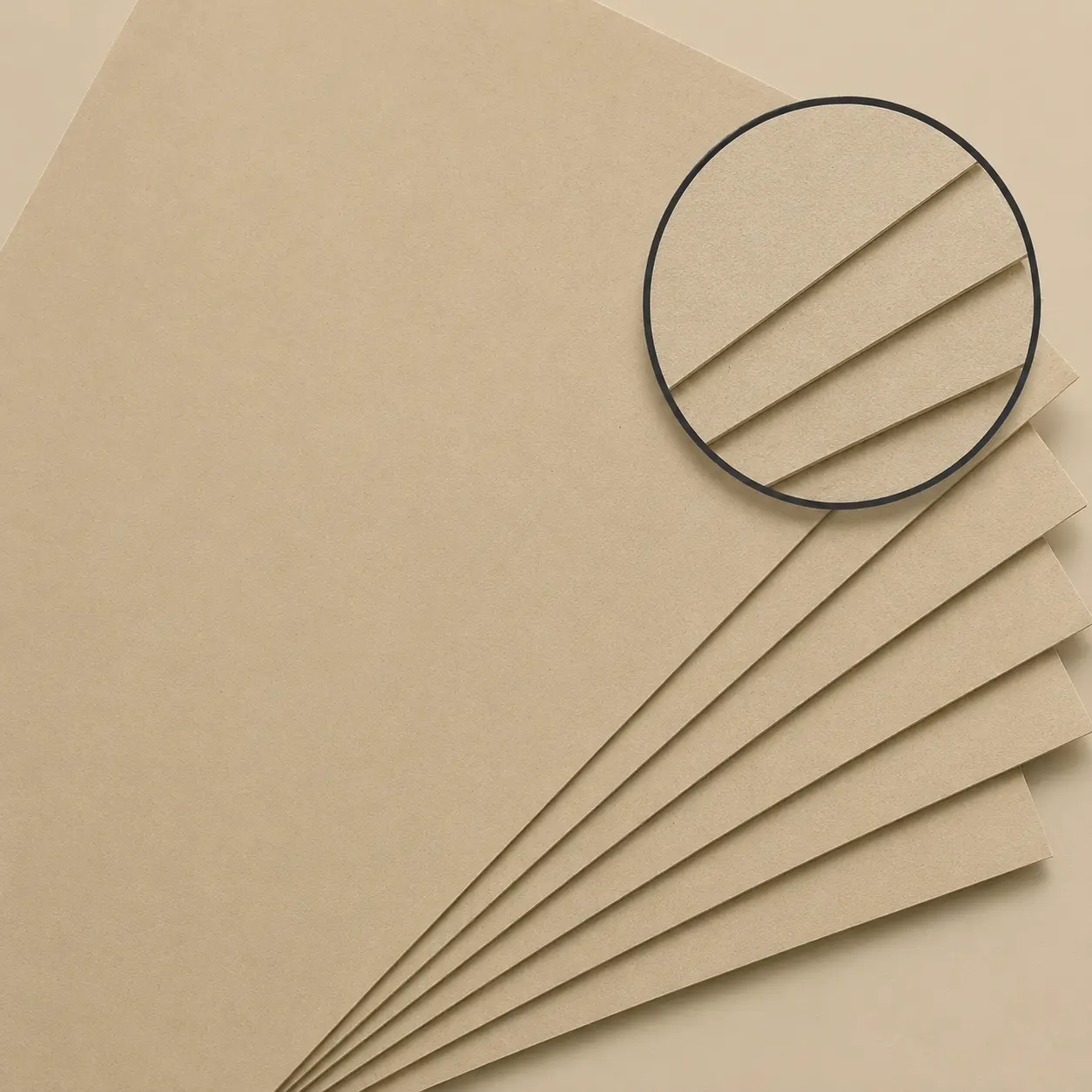
High-density rigid board built for wholesale cartons, structural strength, and stack-ready warehouse logistics.
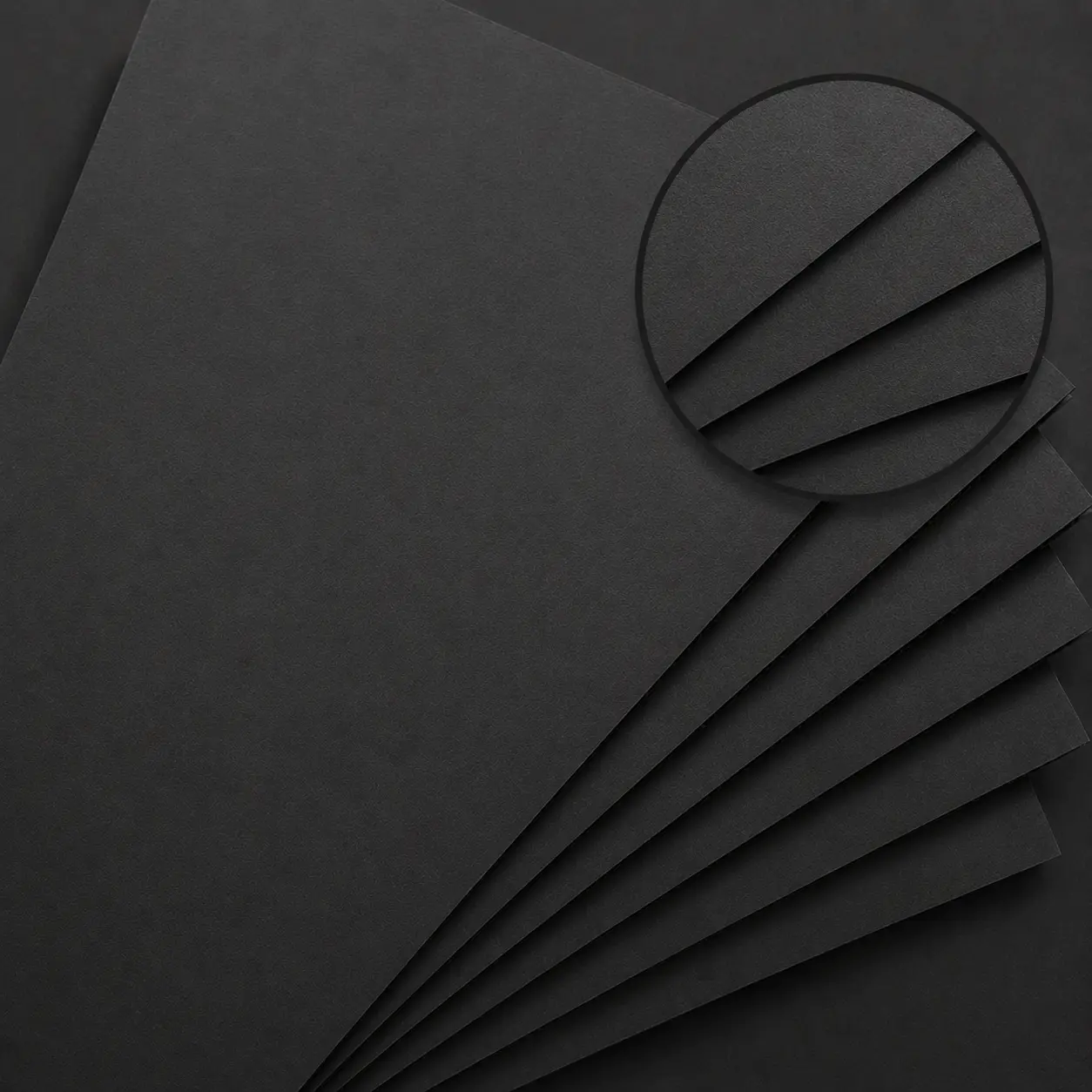
Eco-conscious black kraft for premium unboxing programs, corporate gifting, and limited-edition product lines.
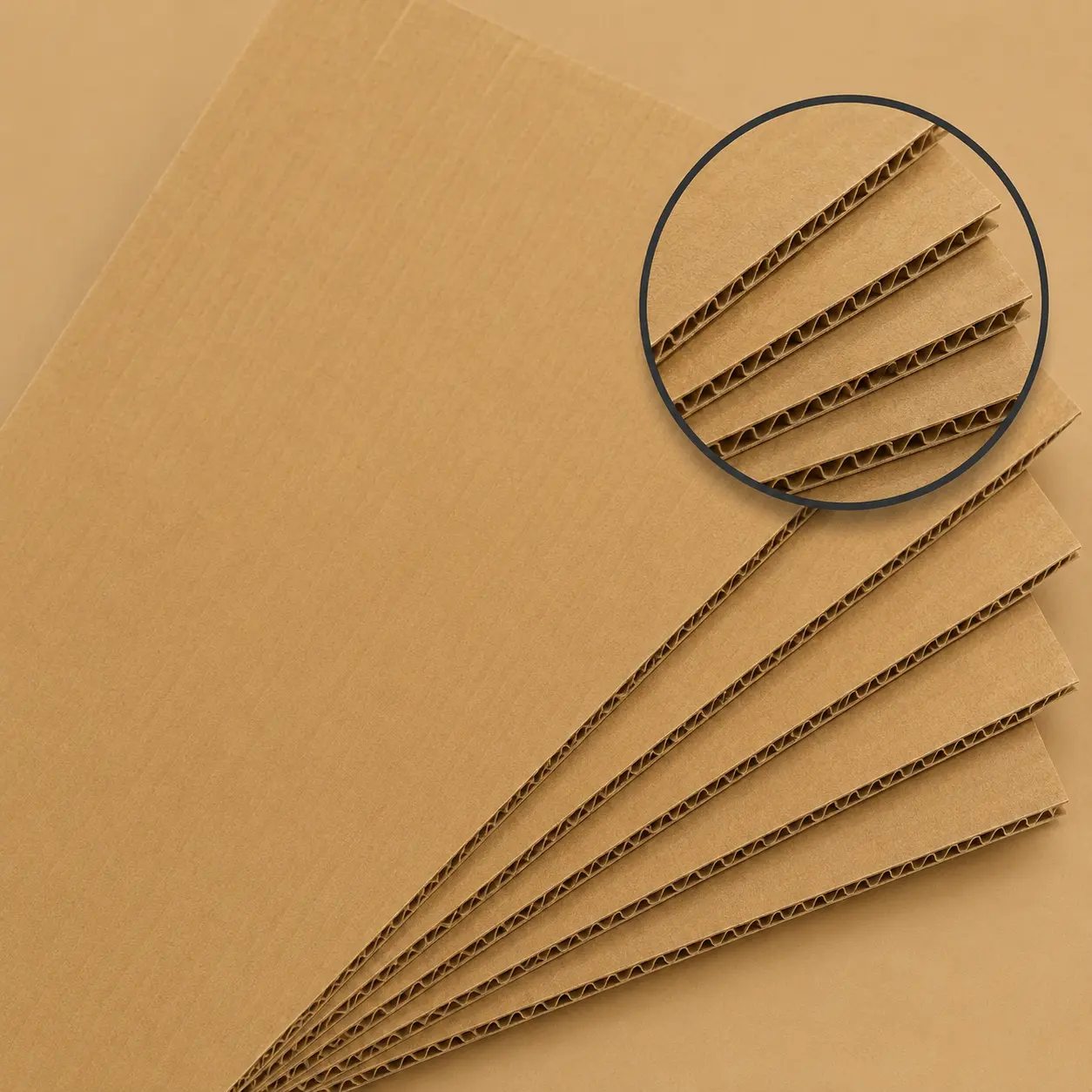
Multi-flute corrugated board built for protective shipping, e-commerce dispatch, and high-volume B2B fulfillment.
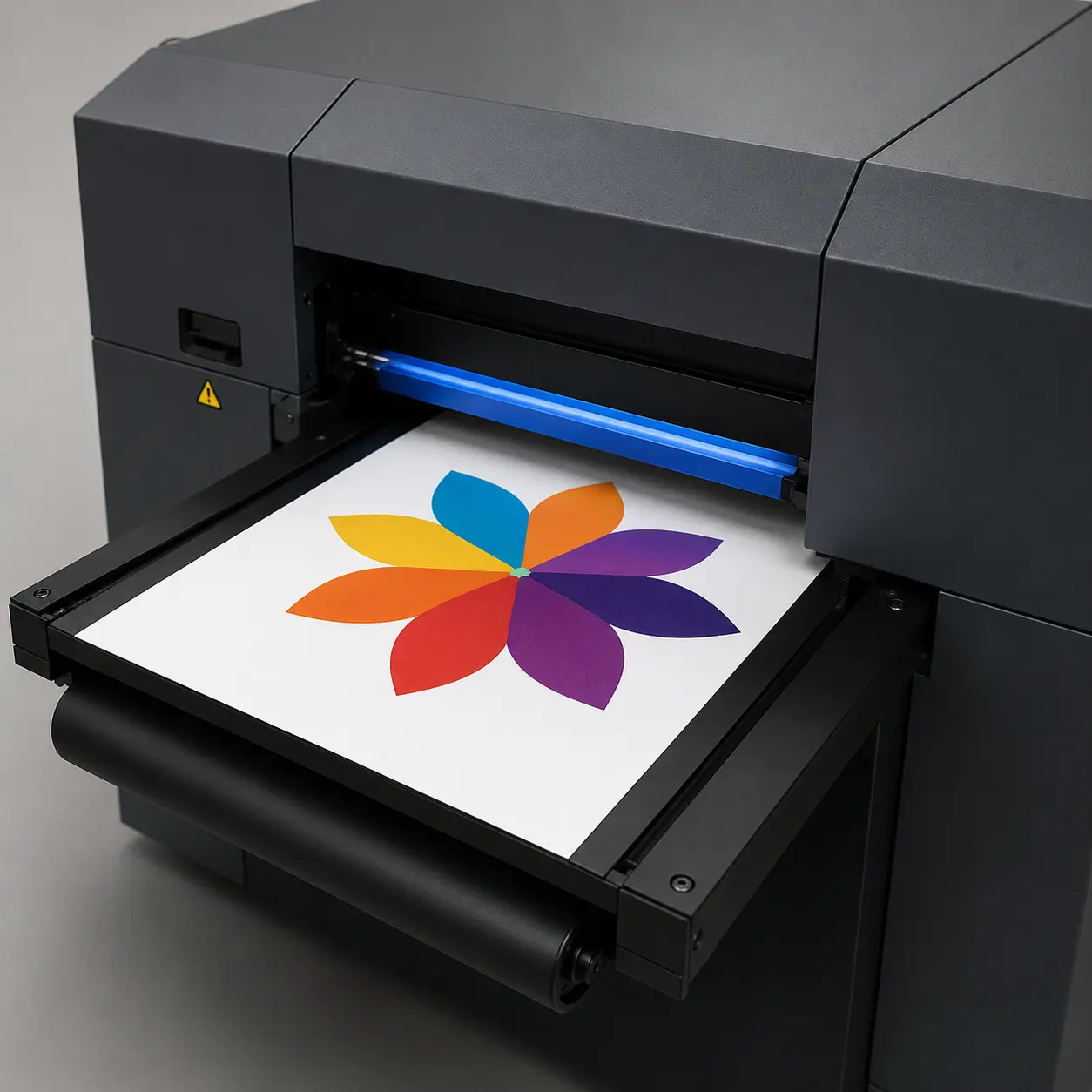
Short-run digital printing with no plate setup — ideal for prototypes, sample approvals, and quick reorders.
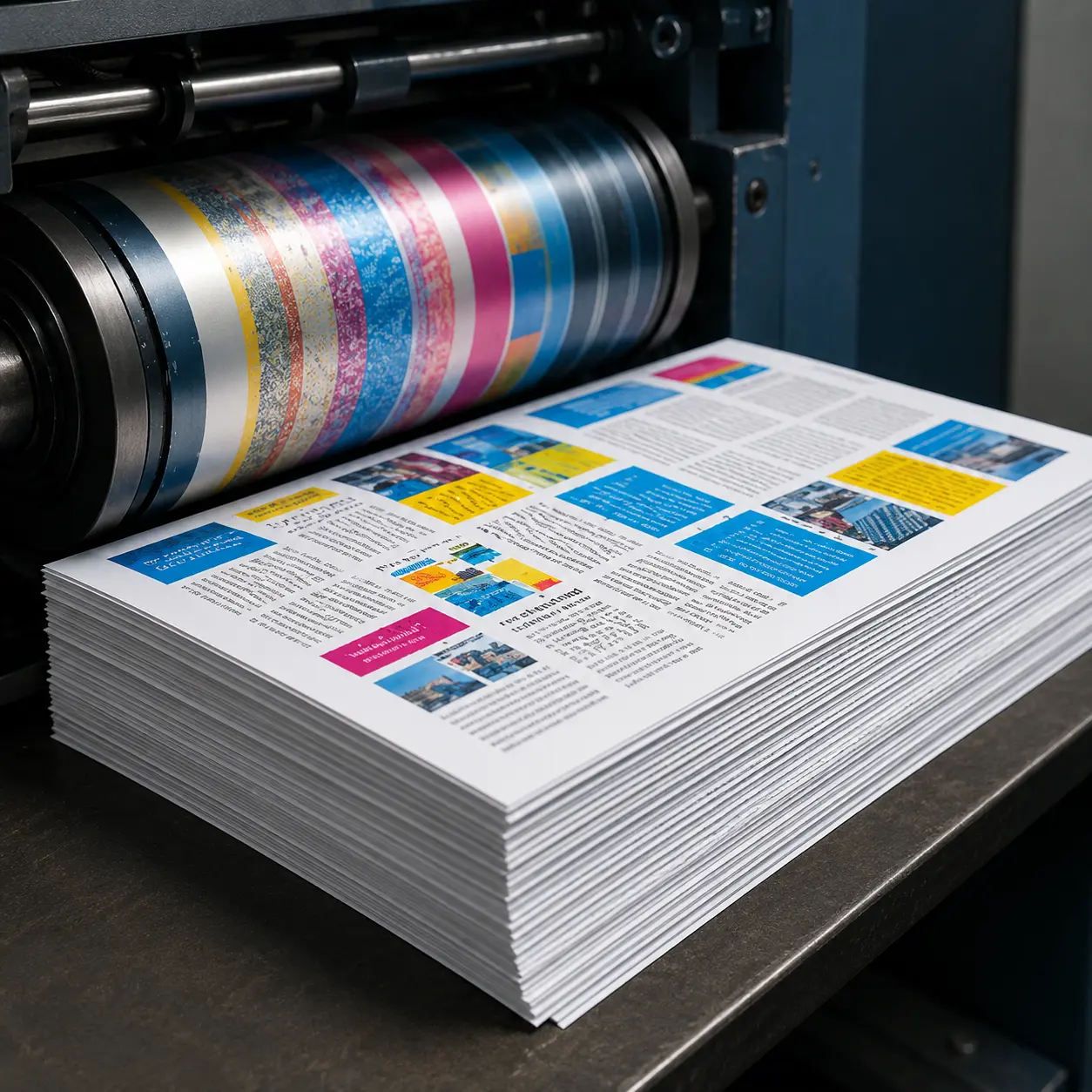
Industry-standard offset printing for high-volume runs with consistent color matching across bulk production.

Selective dimensional embellishment for premium B2B branding, tactile depth, and shelf differentiation.

Vibrant UV-cured printing suited for promotional packaging, event giveaways, and trade-show units.
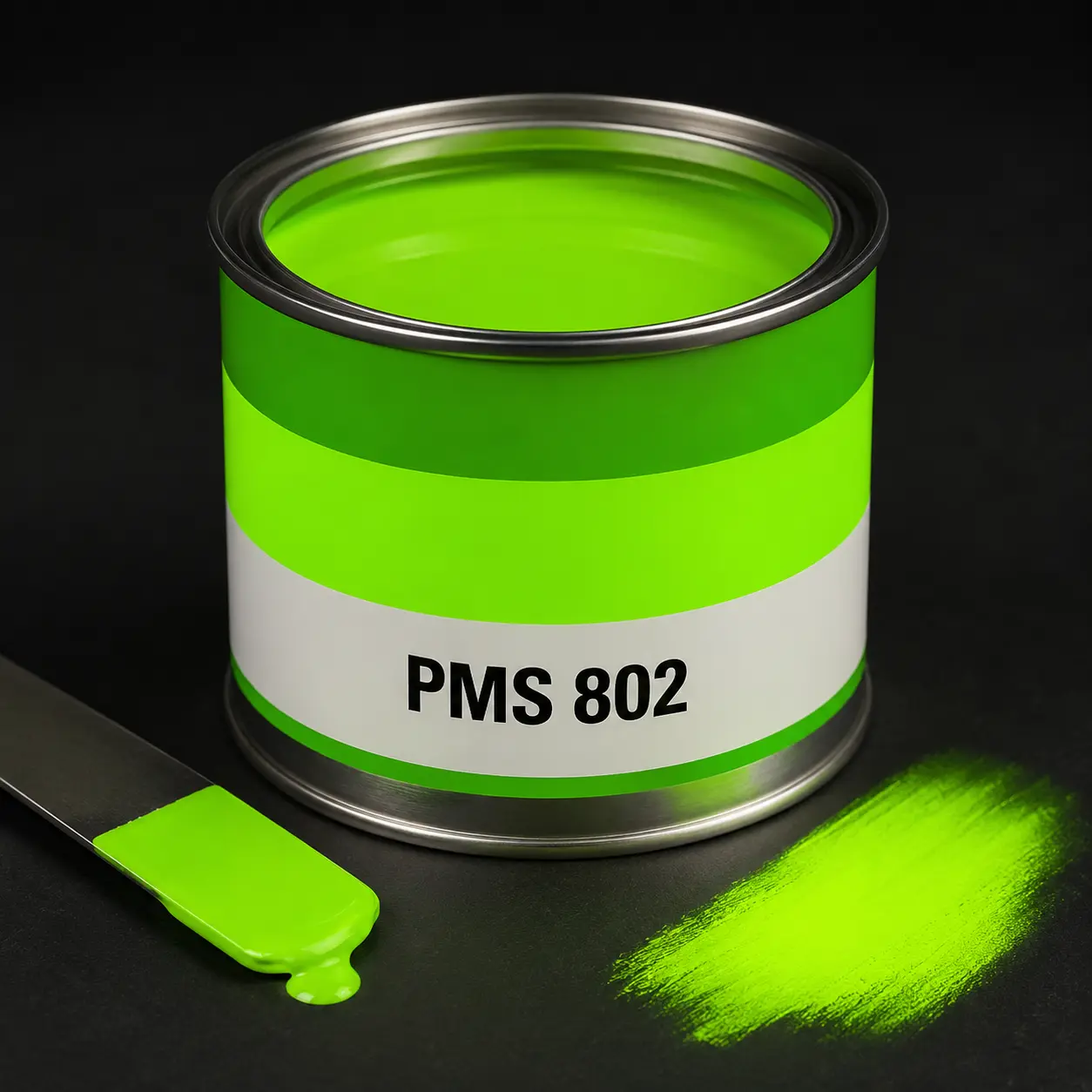
High-visibility ink system engineered for shelf impact, retail displays, and wholesale point-of-sale units.
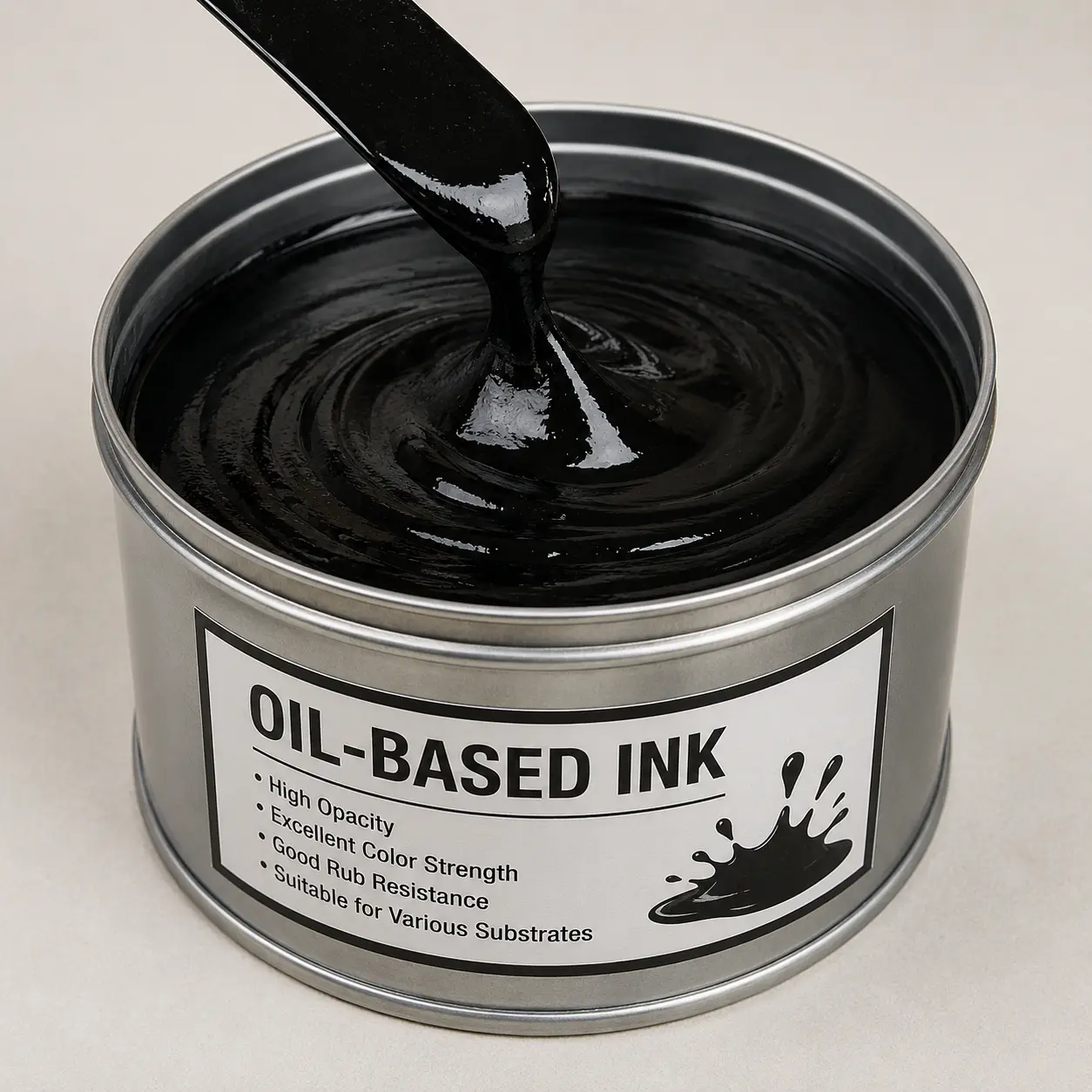
Industry-grade ink for durable, scuff-resistant production runs across long-haul distribution.

Spot-color matching to corporate brand standards — consistent identity across every SKU and reorder.

Sustainable plant-based ink for eco-certified packaging programs and ESG-aligned product launches.

Protective film extends shelf life and protects packaging during shipping and warehouse handling.

Water-based protective seal — fast-drying, food-safe-friendly finish for high-volume bulk production.

Premium tactile finish that elevates corporate gifting boxes and high-end B2B product lines.

Highlight logos and key artwork with selective gloss for maximum retail brand recognition.

Raised brand marks for tactile, premium identity on retail shelves and corporate packaging.

Pressed impressions for subtle, sophisticated branding on premium B2B product lines.

Metallic foil application — gold, silver, and custom finishes for luxury wholesale packaging.
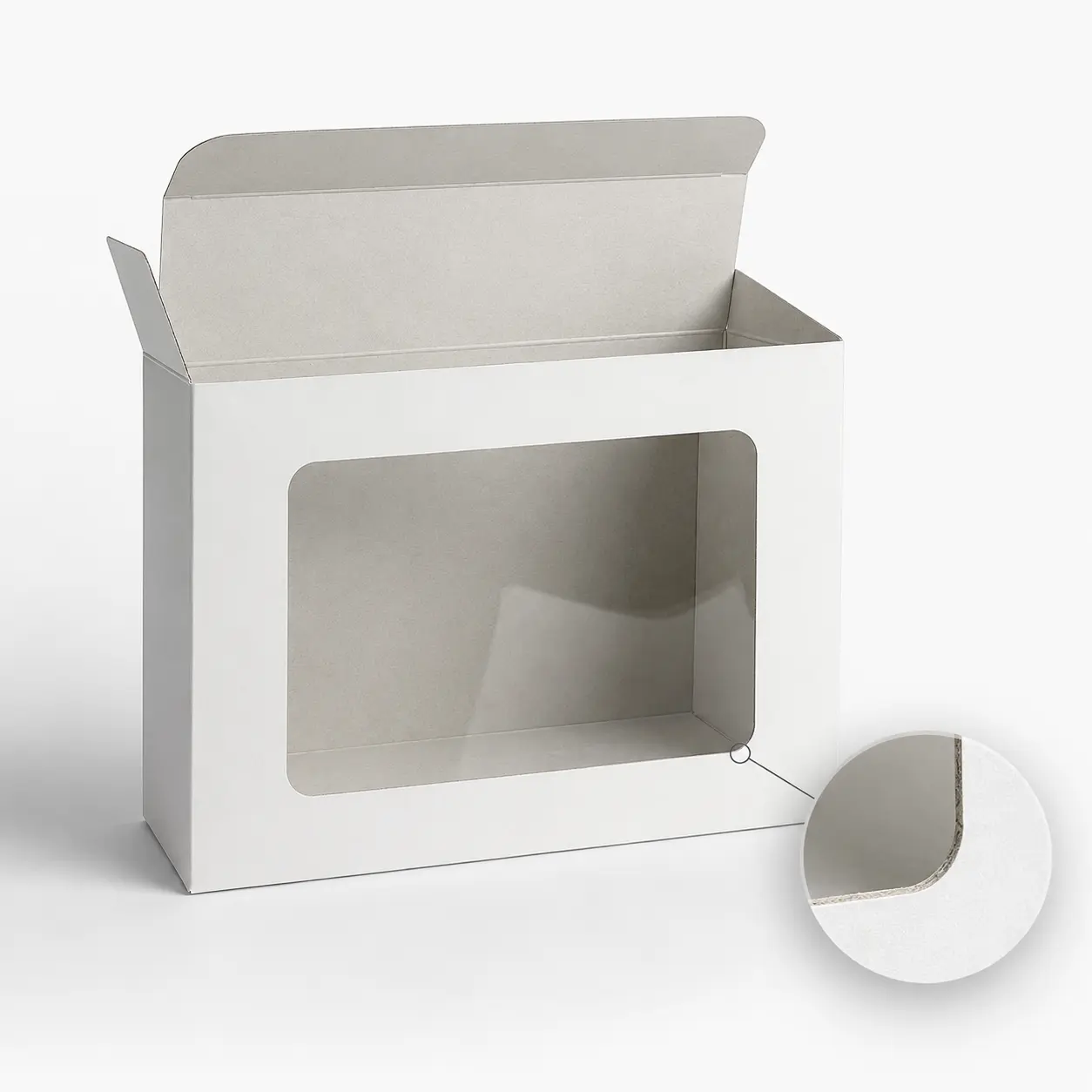
Precision die-cut openings that let customers view the product inside, with optional clear patching for better protection and presentation.
Simple, practical, and built around real B2B production needs.
Send product size, quantity, material preference, artwork, and delivery details.
Our team prepares a proof or 3D mockup so you can check design and structure.
Once approved, your packaging moves into printing, cutting, finishing, and packing.
Finished boxes are packed and shipped to your warehouse, retailer, or 3PL.
Explore similar packaging options that may fit your product line.


Reviews
There are no reviews yet.