
SBS Cardboard
Premium bleached substrate engineered for retail-ready packaging with sharp, high-resolution print performance across bulk SKUs.
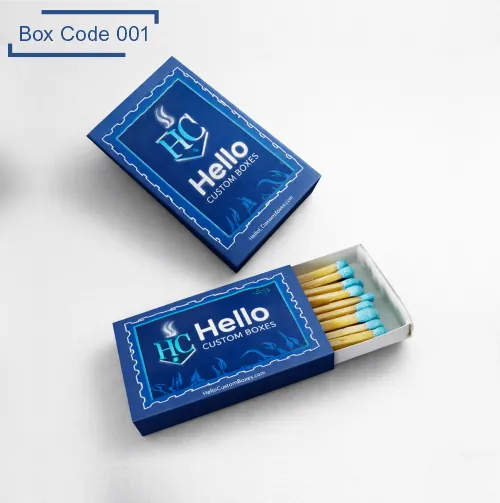
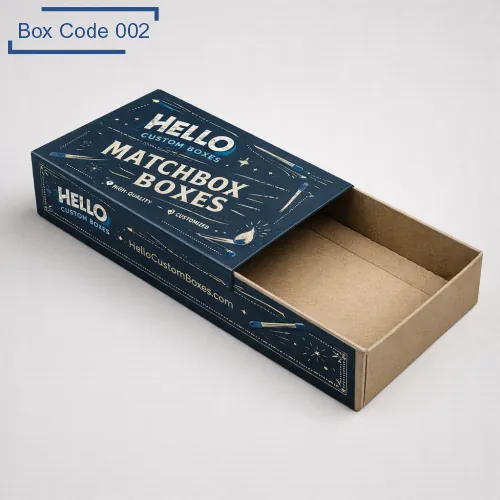
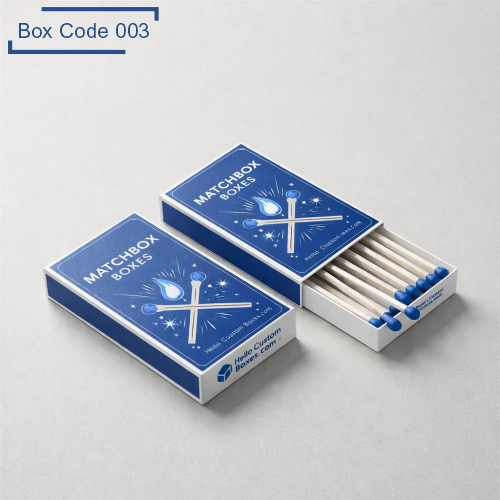
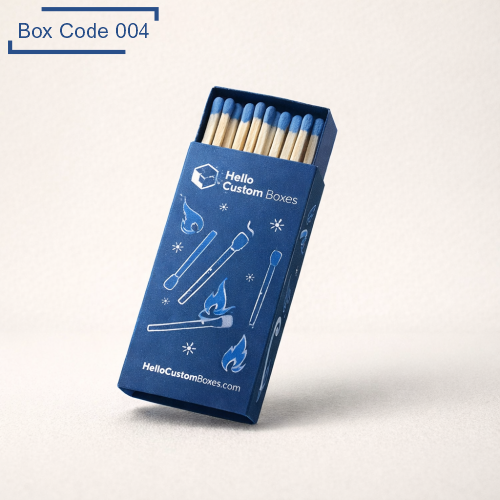
Get custom match boxes sized for the matches you plan to pack, from small-count boxes to roomier formats for larger quantities. The familiar sliding design uses an inner tray and outer sleeve, with space on the packaging for your supplied logo and artwork. Hello Custom Boxes can adjust the box dimensions and printed design to suit the size, quantity, and presentation of your matches.
Tell us your specs and we'll send pricing within one business day.
The matches set the starting dimensions for the box. Their length determines how long the inner tray needs to be, while the number packed inside affects its width and depth. For retail packaging, keeping the box close to those actual requirements also avoids giving a small product more packaging than it needs.
That becomes especially noticeable with small match boxes. A box holding only a few matches can stay relatively shallow, while a higher count may need more room across the tray or additional depth.
There also needs to be a little clearance between the tray and sleeve. The tray should pull out without catching, but it should not feel loose inside the outer sleeve. It is a small detail, but it is a good example of why custom packaging planned around the product works better than starting with a generic box size.
Unlike a conventional folding carton, matchbox packaging uses two separate components. The inner tray holds the matches, while the outer sleeve wraps around it and provides most of the visible branding area.
The relationship between these pieces affects how the finished box feels in use. The sleeve needs enough clearance for the tray to move without creating excessive play between the two components.
This two-piece construction also creates useful design choices. The sleeve can carry the primary artwork while the tray remains simpler, or artwork can continue onto both components when the inside presentation matters.
Matchbox sleeves are usually the first part of the package a customer sees, making them the natural place for a logo, product name, pattern, or supplied brand artwork.
The front and back provide the largest uninterrupted print areas. Side panels are much narrower, so small text and detailed graphics need to be planned with their actual printed size in mind.
For custom printed matchboxes, artwork should follow the sleeve dieline rather than being treated like a flat rectangular label. Folds and joining areas reduce the amount of uninterrupted space available once the sleeve is formed.
A personalized design can also change without changing the physical box. Personalized matchboxes for different events, collections, or branded versions can use the same structure where the match count and dimensions remain unchanged.
Not every project needs full printed coverage.
Blank match boxes can make sense when the box will receive a separate label, stamp, or another finishing step after production. Fully printed packaging is more suitable when the branding needs to be integrated directly into the sleeve design.
There is also room between those two approaches. A restrained design may use only a logo and limited graphics rather than covering every visible panel.
The choice should follow how the finished matchbox will actually be presented rather than how much printable area happens to be available.
Increasing the number of matches does not always mean simply making the existing box deeper. The arrangement inside the tray matters too.
Longer matches may require a longer footprint. A larger count can call for more width, more depth, or a combination of both. This is why custom match box packaging is better specified around the intended contents than around a generic small, medium, or large label.
If several sizes belong to the same product range, their proportions can change while the sleeve artwork retains recognizable brand elements. That gives the range visual consistency without forcing different match counts into identical dimensions.
The sleeve is viewed as a folded three-dimensional piece, so artwork placement should account for where each panel ends after assembly.
A wide logo that works comfortably on the front may become too small if forced onto a narrow side panel. Likewise, graphics that cross a fold need to be positioned deliberately so the transition still makes sense on the finished box.
For custom matchboxes with logo-style branding, keeping the primary identity on the strongest visible panel generally leaves the remaining surfaces available for supporting supplied artwork.
Finishes can be considered after the artwork and board have been established. Where compatible with the selected specification, treatments such as matte or gloss lamination, foil, embossing, or Spot UV can highlight selected areas rather than competing with the small scale of the box.
For custom matchboxes wholesale, quantity is only one part of the project. If an order contains several match counts, dimensions, sleeve designs, or personalized versions, those variations should be identified separately.
For example, one structural size with several printed designs is different from an order requiring three different tray and sleeve dimensions. Establishing those variations before the dielines and artwork are finalized keeps the packaging requirements clear.
To begin a matchbox packaging project, provide the match dimensions, approximate count per box, required quantity, and available artwork. If several versions are needed, identify which ones change only by artwork and which require a different physical box size.
| Specification | Details |
|---|---|
| Box Style | Two-piece sliding tray and sleeve |
| Size | Custom to match product length and required quantity |
| Structure | Inner tray with an outer matchbox-style sleeve |
| Printing | Custom printing based on supplied artwork |
| Branding | Logo, graphics, and personalized artwork |
| Artwork Areas | Outer sleeve and tray, where required |
| Finish Options | Compatible lamination and decorative finishing options |
| Variants | Multiple sizes or artwork versions as required |
Choose from practical materials, print methods, inks, finishes, and add-ons for a better product presentation.
Premium bleached substrate engineered for retail-ready packaging with sharp, high-resolution print performance across bulk SKUs.
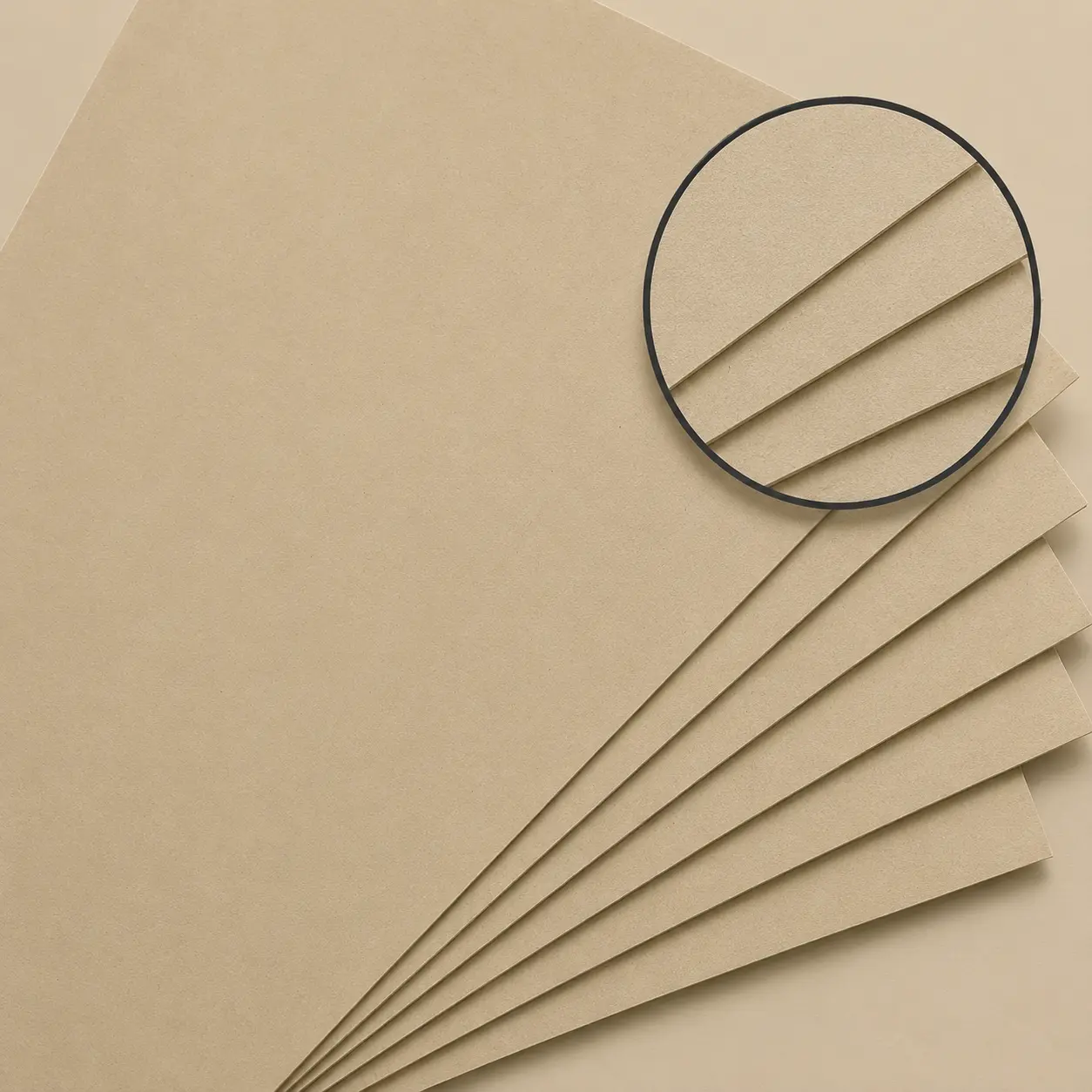
High-density rigid board built for wholesale cartons, structural strength, and stack-ready warehouse logistics.
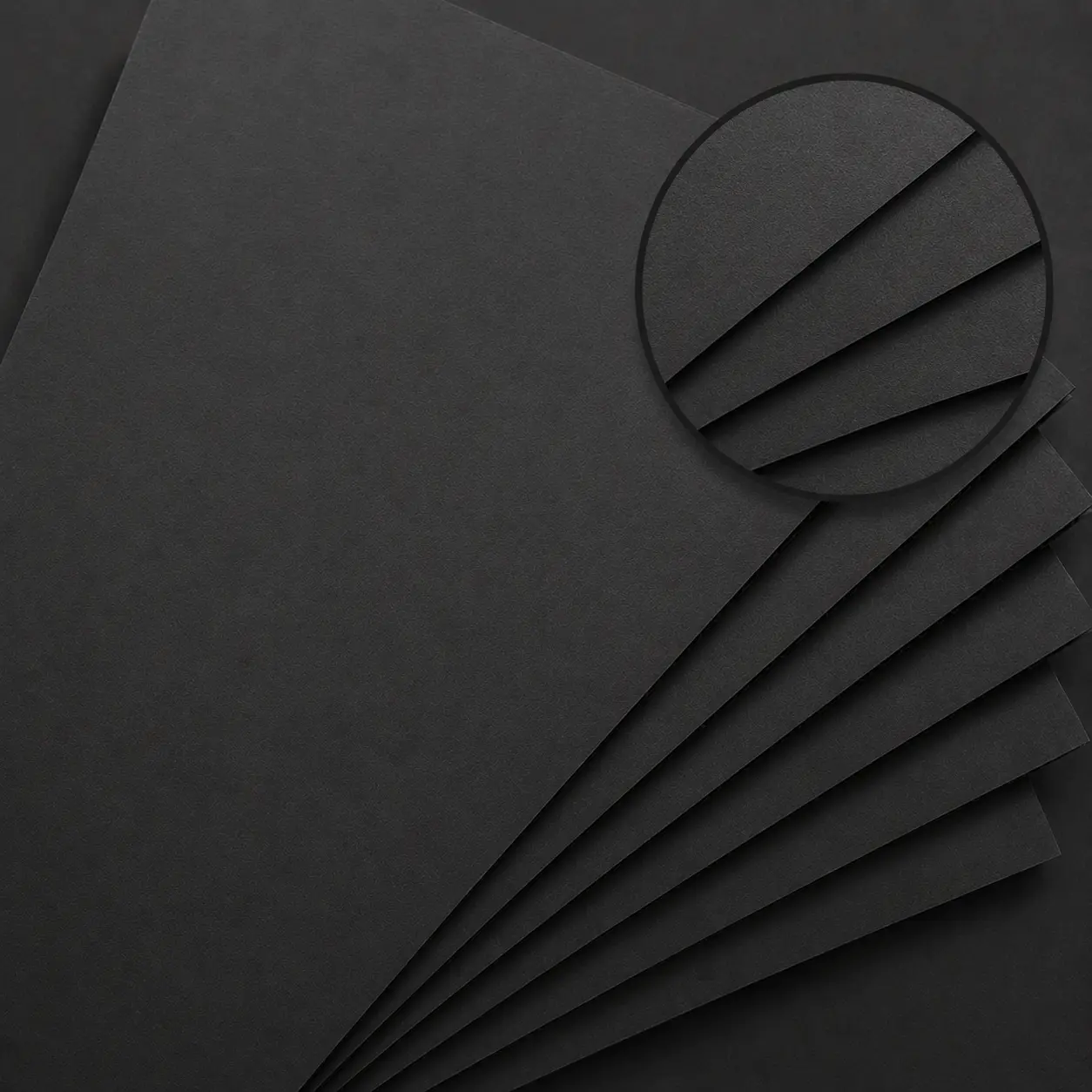
Eco-conscious black kraft for premium unboxing programs, corporate gifting, and limited-edition product lines.
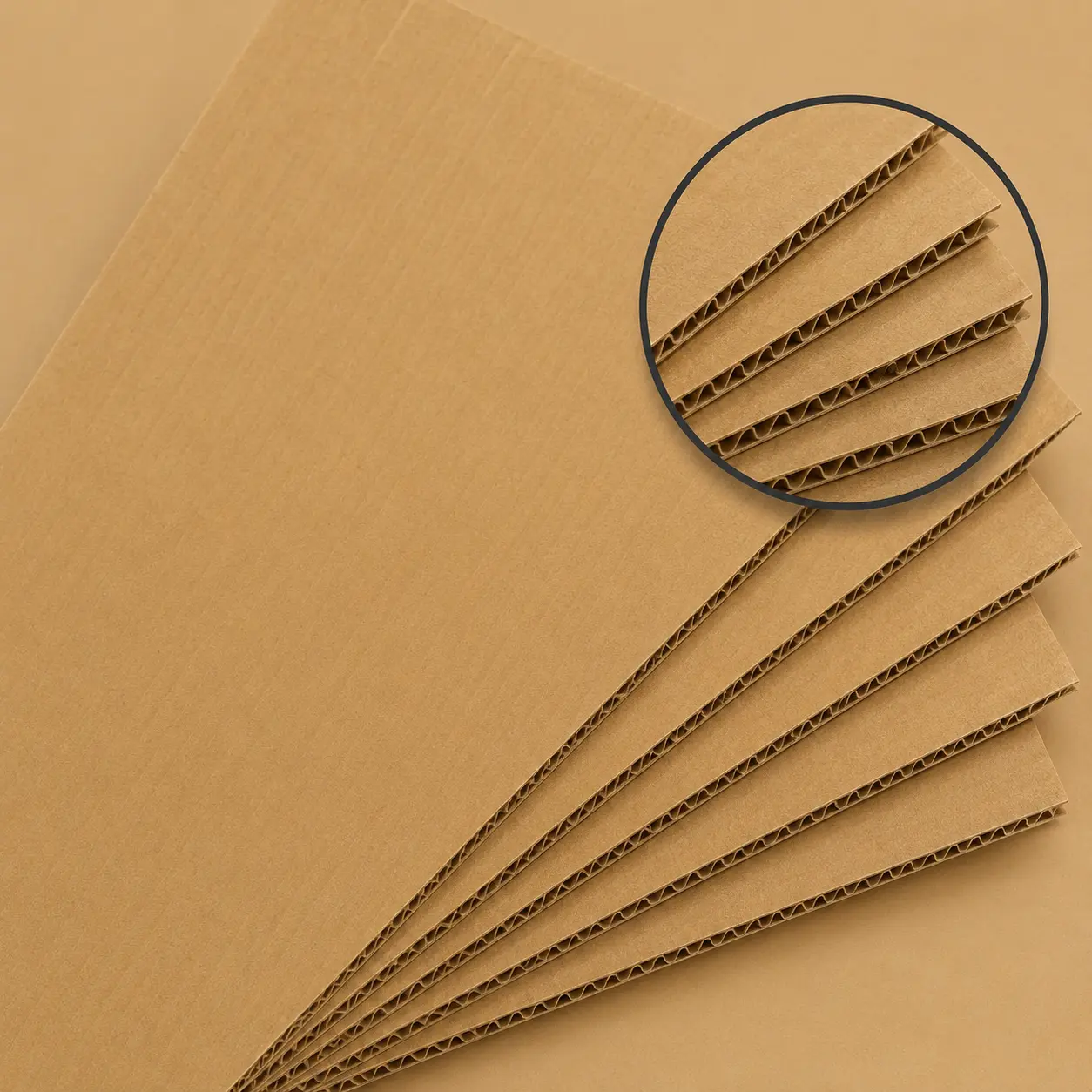
Multi-flute corrugated board built for protective shipping, e-commerce dispatch, and high-volume B2B fulfillment.
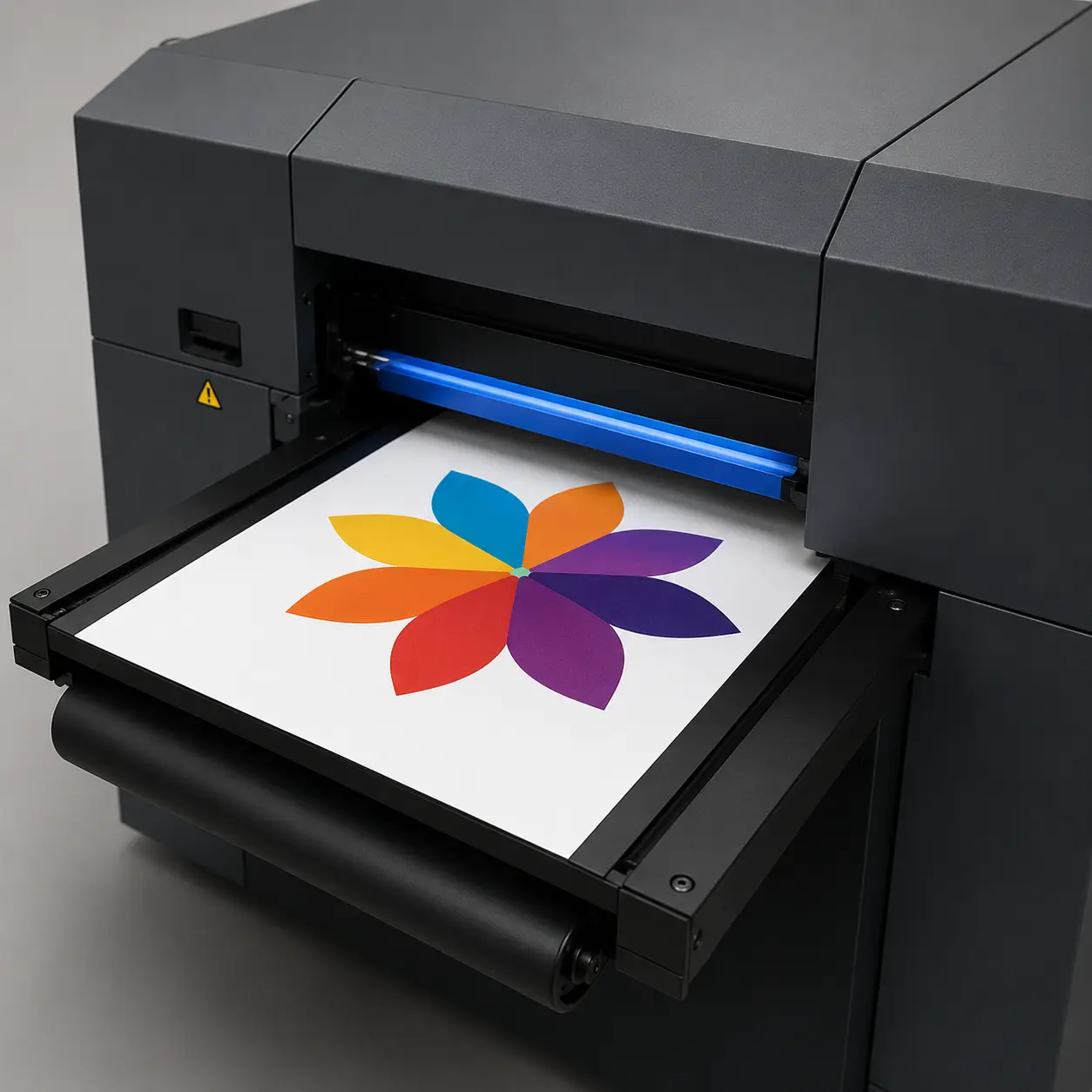
Short-run digital printing with no plate setup — ideal for prototypes, sample approvals, and quick reorders.
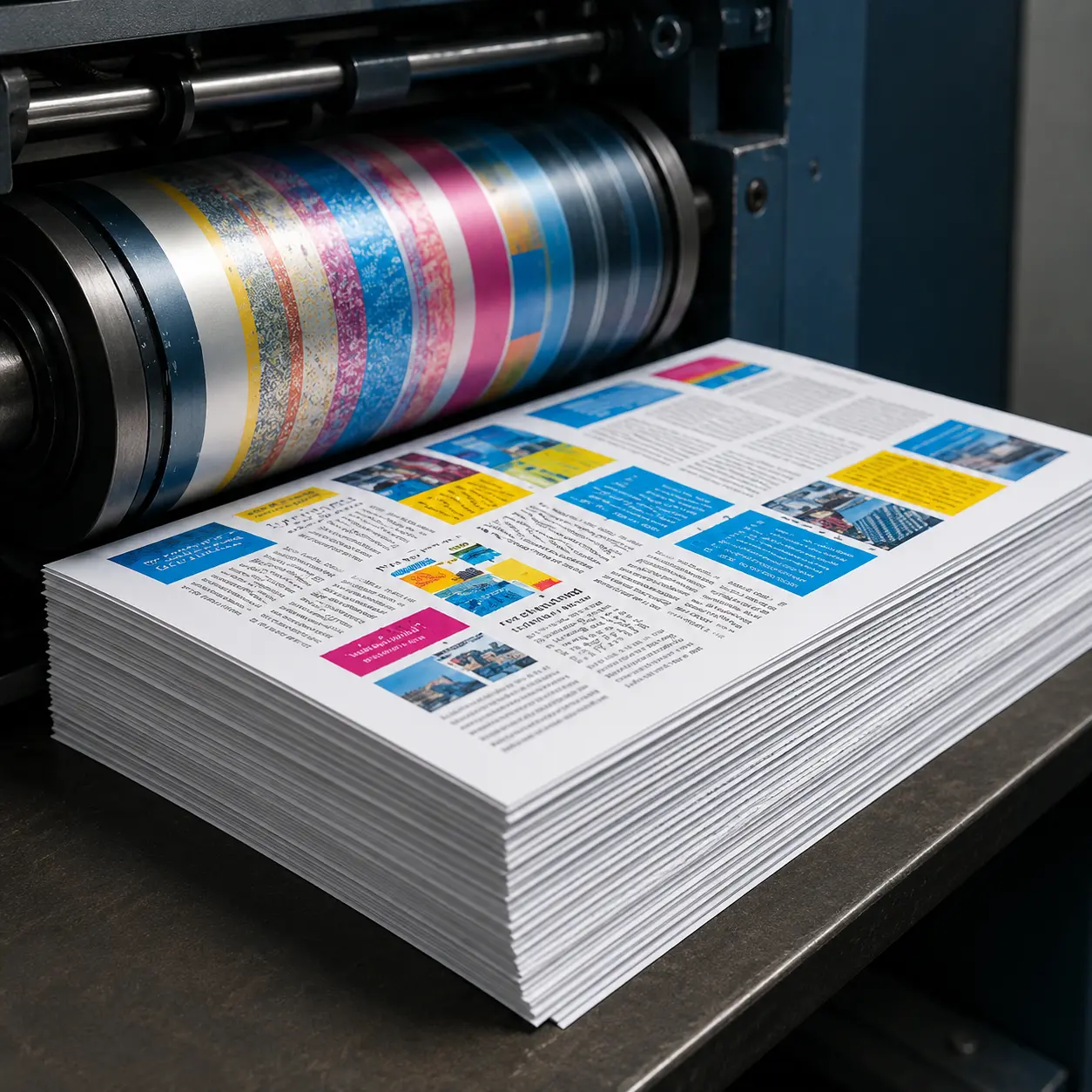
Industry-standard offset printing for high-volume runs with consistent color matching across bulk production.

Selective dimensional embellishment for premium B2B branding, tactile depth, and shelf differentiation.

Vibrant UV-cured printing suited for promotional packaging, event giveaways, and trade-show units.
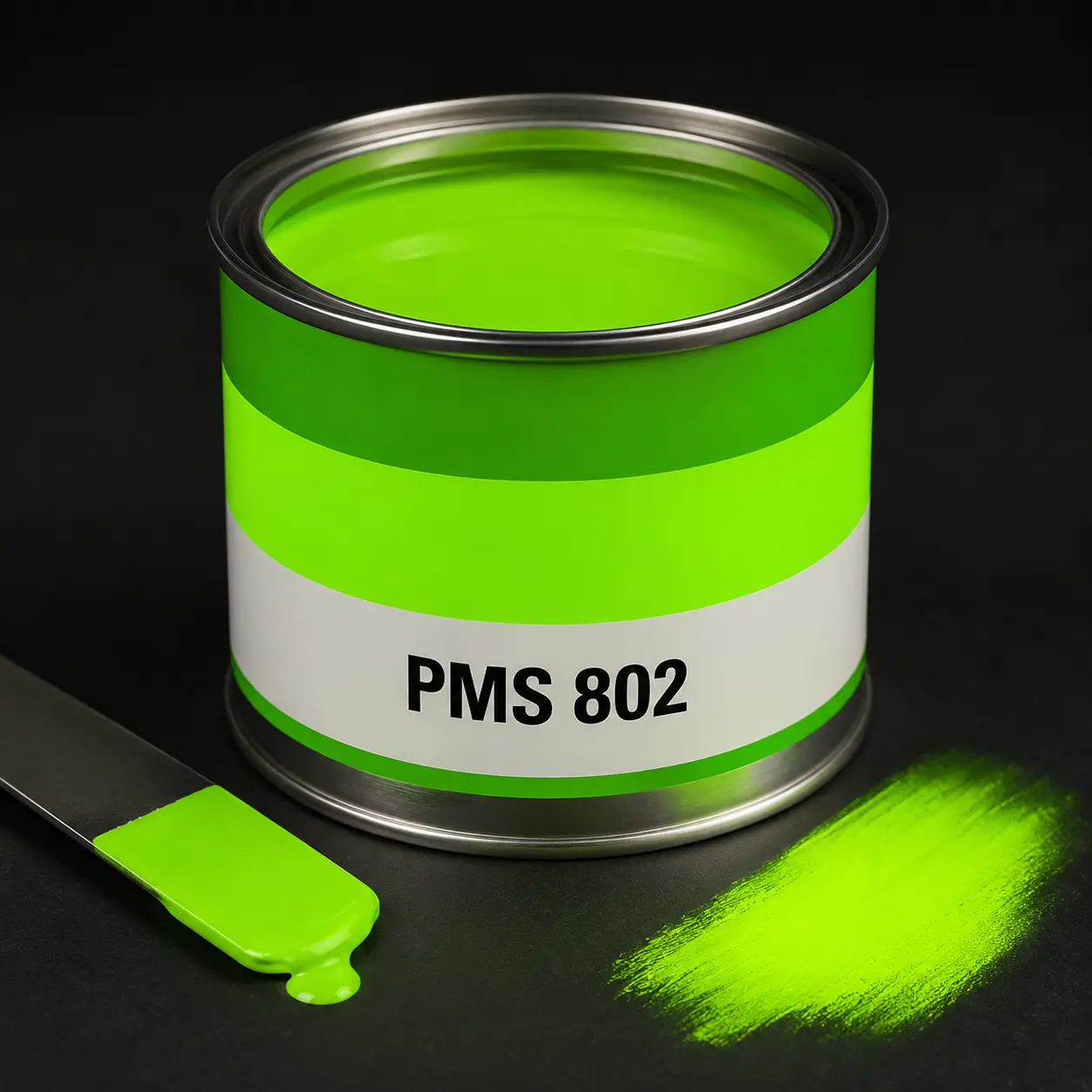
High-visibility ink system engineered for shelf impact, retail displays, and wholesale point-of-sale units.
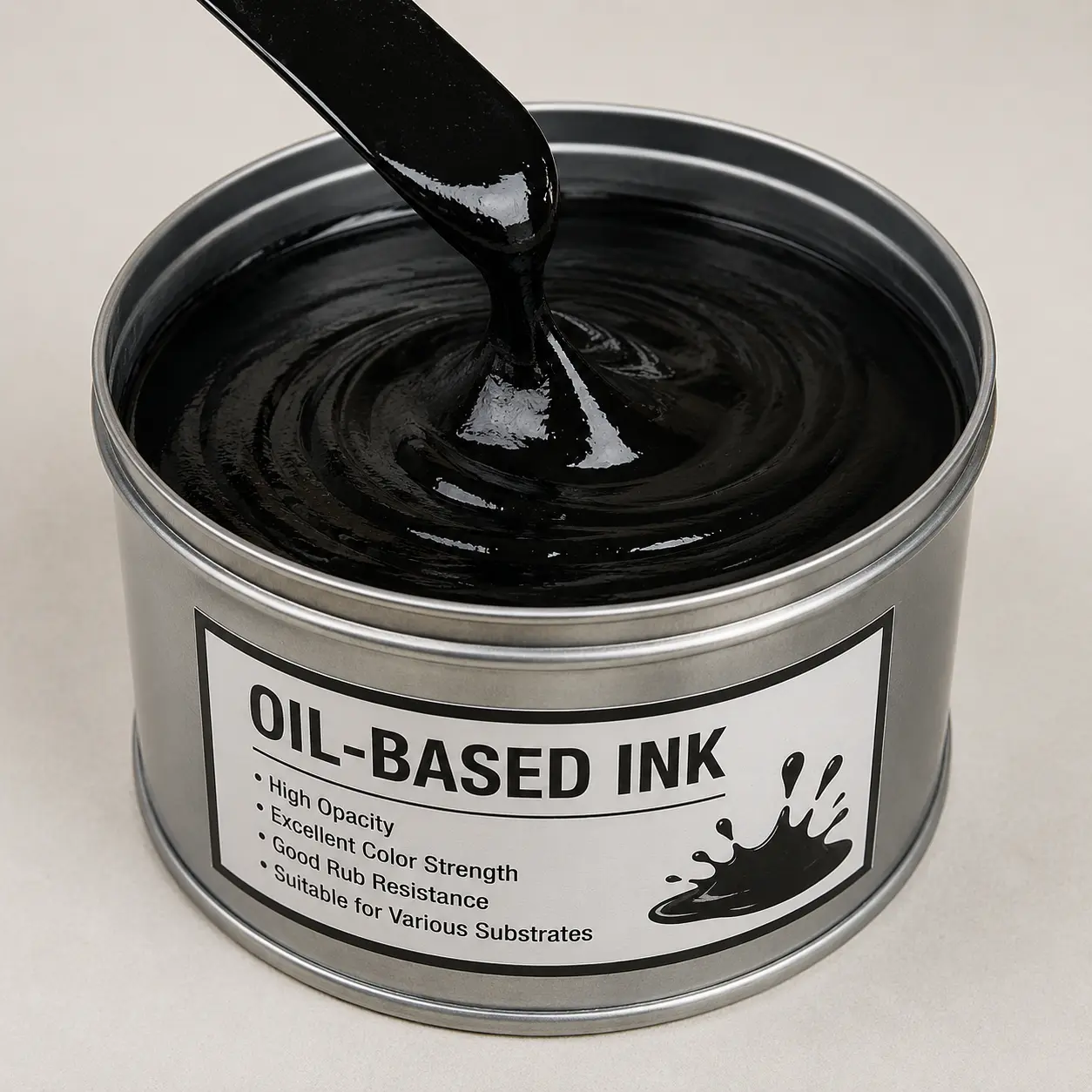
Industry-grade ink for durable, scuff-resistant production runs across long-haul distribution.

Spot-color matching to corporate brand standards — consistent identity across every SKU and reorder.

Sustainable plant-based ink for eco-certified packaging programs and ESG-aligned product launches.

Protective film extends shelf life and protects packaging during shipping and warehouse handling.

Water-based protective seal — fast-drying, food-safe-friendly finish for high-volume bulk production.

Premium tactile finish that elevates corporate gifting boxes and high-end B2B product lines.

Highlight logos and key artwork with selective gloss for maximum retail brand recognition.

Raised brand marks for tactile, premium identity on retail shelves and corporate packaging.

Pressed impressions for subtle, sophisticated branding on premium B2B product lines.

Metallic foil application — gold, silver, and custom finishes for luxury wholesale packaging.
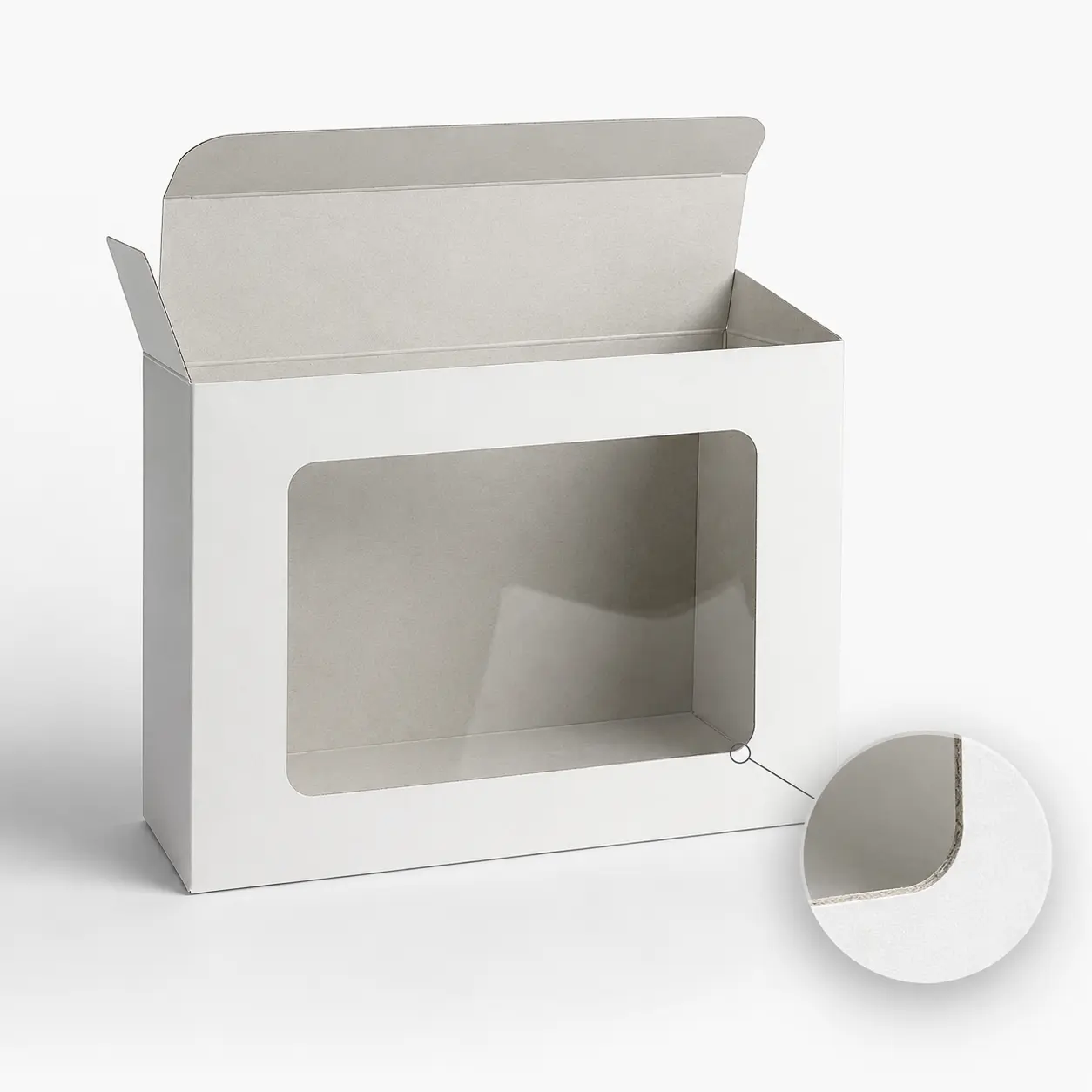
Precision die-cut openings that let customers view the product inside, with optional clear patching for better protection and presentation.
Simple, practical, and built around real B2B production needs.
Send product size, quantity, material preference, artwork, and delivery details.
Our team prepares a proof or 3D mockup so you can check design and structure.
Once approved, your packaging moves into printing, cutting, finishing, and packing.
Finished boxes are packed and shipped to your warehouse, retailer, or 3PL.
Explore similar packaging options that may fit your product line.


Reviews
There are no reviews yet.