
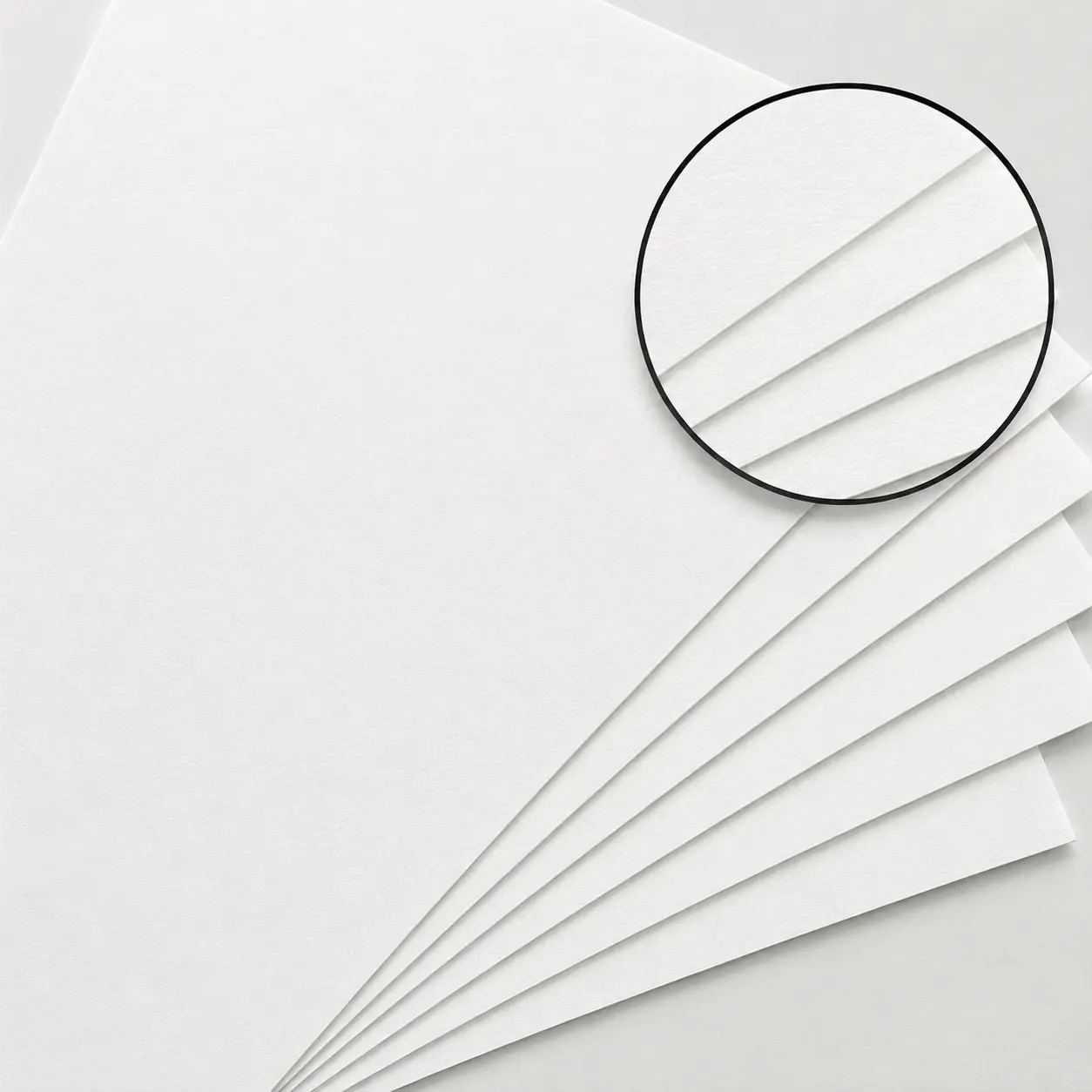
SBS Cardboard
Premium bleached substrate engineered for retail-ready packaging with sharp, high-resolution print performance across bulk SKUs.
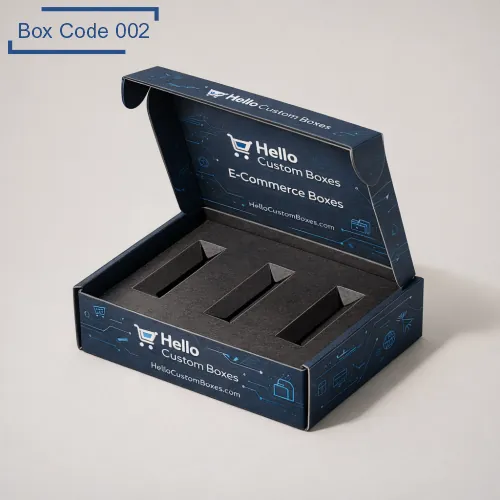
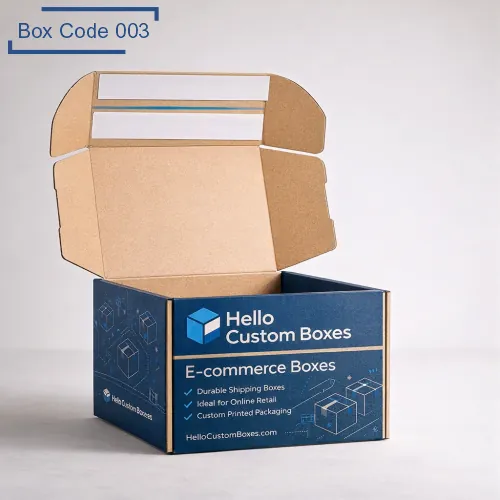
Ecommerce packaging needs to protect products through fulfilment, courier handling, and final delivery without making packing unnecessarily bulky or slow. The right box combines close product fit, suitable board strength, secure closure, and efficient packing with space for branded printing. Custom e-commerce boxes can be produced around product dimensions, order type, and shipping conditions for online retail, subscription orders, and direct-to-customer fulfilment.


Tell us your specs and we'll send pricing within one business day.
Ecommerce shipping boxes face repeated handling after they leave the fulfilment area. Parcels may be stacked, moved across conveyors, loaded into vehicles, and handled several times before reaching the customer.
Loose internal space allows products to move, while weak panels can bow under stacking pressure. Closures also need to remain secure when the carton is lifted, shifted, or compressed alongside other parcels. A box designed around normal transit conditions is less dependent on excessive filler or additional tape.
A shipping carton performs properly only when its dimensions, board grade, and closure work together. Too much empty space gives the product room to move and can increase the amount of filler needed. A box that is too tight may place unnecessary pressure on the product or internal components.
Board strength should match the packed weight and expected stacking conditions, while flap and closure design should keep load concentrated through the carton structure rather than relying entirely on tape.
We start with the packed product rather than a standard box size. Product dimensions, packed weight, quantity per shipment, fulfilment method, and expected transit conditions all influence the final structure.
Custom e-commerce boxes can then be sized to reduce unnecessary empty space while leaving enough clearance for the product and any inserts it genuinely needs. Board grade and closure style are selected around the same requirements so the carton remains practical to assemble, pack, and ship.
A small order going straight to the customer may only need a mailer-style ecommerce packaging box. It keeps the parcel compact and avoids using more board than necessary. Heavier items are different. The same applies when several products are packed together. In those cases, a corrugated shipping carton usually gives the contents better support and copes more reliably with boxes being stacked during delivery.
Subscription boxes can balance repeat delivery with branded presentation, while insert-assisted formats help separate or stabilise delicate and multi-part products. For businesses with frequent returns, the closure can also be planned around easier reopening or resealing where appropriate.
Businesses comparing other box formats for product presentation and fulfilment can also explore our broader retail packaging options.
Custom packaging for ecommerce should be sized around the packed product rather than simply choosing the nearest stock carton. Excess internal space can increase product movement, filler use, storage requirements, and in some cases dimensional shipping weight.
The ideal size leaves enough room for necessary protection without creating avoidable empty space. Product dimensions, weight, inserts, packing speed, and carrier handling should all be considered before the final dimensions are confirmed.
Material choice depends on product weight, fragility, stacking requirements, and the way the parcel will travel. Corrugated board can be specified in suitable grades and liner finishes, while internal inserts or dividers can be added where products need separation or extra stability.
Custom ecommerce packaging can also include outside or inside printing, logos, brand colours, and other artwork without ignoring structural performance. Printing and finishing should be planned around folds, closures, labels, and handling areas so the box remains practical after it has been packed.
A small order does not always need a heavy shipping carton. If you are sending one lightweight item, a mailer may be enough and usually keeps the parcel more compact. Larger orders are different, especially when several products are packed together or the shipment has more weight behind it. In those cases, a corrugated carton gives the contents better support and is less likely to lose shape when parcels are stacked.
Fragile items may also need something inside the box to keep them from moving. Simply choosing a bigger carton can leave even more empty space around the product. The box should match the item, the way the order is packed, and the kind of handling it is likely to face on the way to the customer.
We review the product dimensions, packed weight, order format, shipping method, and any insert or printing requirements before finalising the specification.
The structure, material, dimensions, and artwork are confirmed before production. This gives you a clear box specification built around the way the order will actually be packed, handled, and delivered.
| Specification | Details |
|---|---|
| Box Configuration | Designed for online orders, with formats suited to single products or bundled shipments. |
| Custom Sizing | Made to fit your products and help avoid unnecessary space inside the parcel. |
| Board Grade | Corrugated board options available to suit product weight and shipping requirements. |
| Packing Inserts | Optional dividers or fitted supports to help keep items in place during transit. |
| Assembly & Closure | Choose a practical design for efficient packing and secure closing. |
| Branding Options | Custom exterior or interior printing for logos, product details, and branded messages. |
| Delivery Preparation | Box designs can be tailored for storage, stacking, and handling throughout order fulfilment. |
Choose from practical materials, print methods, inks, finishes, and add-ons for a better product presentation.
Premium bleached substrate engineered for retail-ready packaging with sharp, high-resolution print performance across bulk SKUs.

High-density rigid board built for wholesale cartons, structural strength, and stack-ready warehouse logistics.
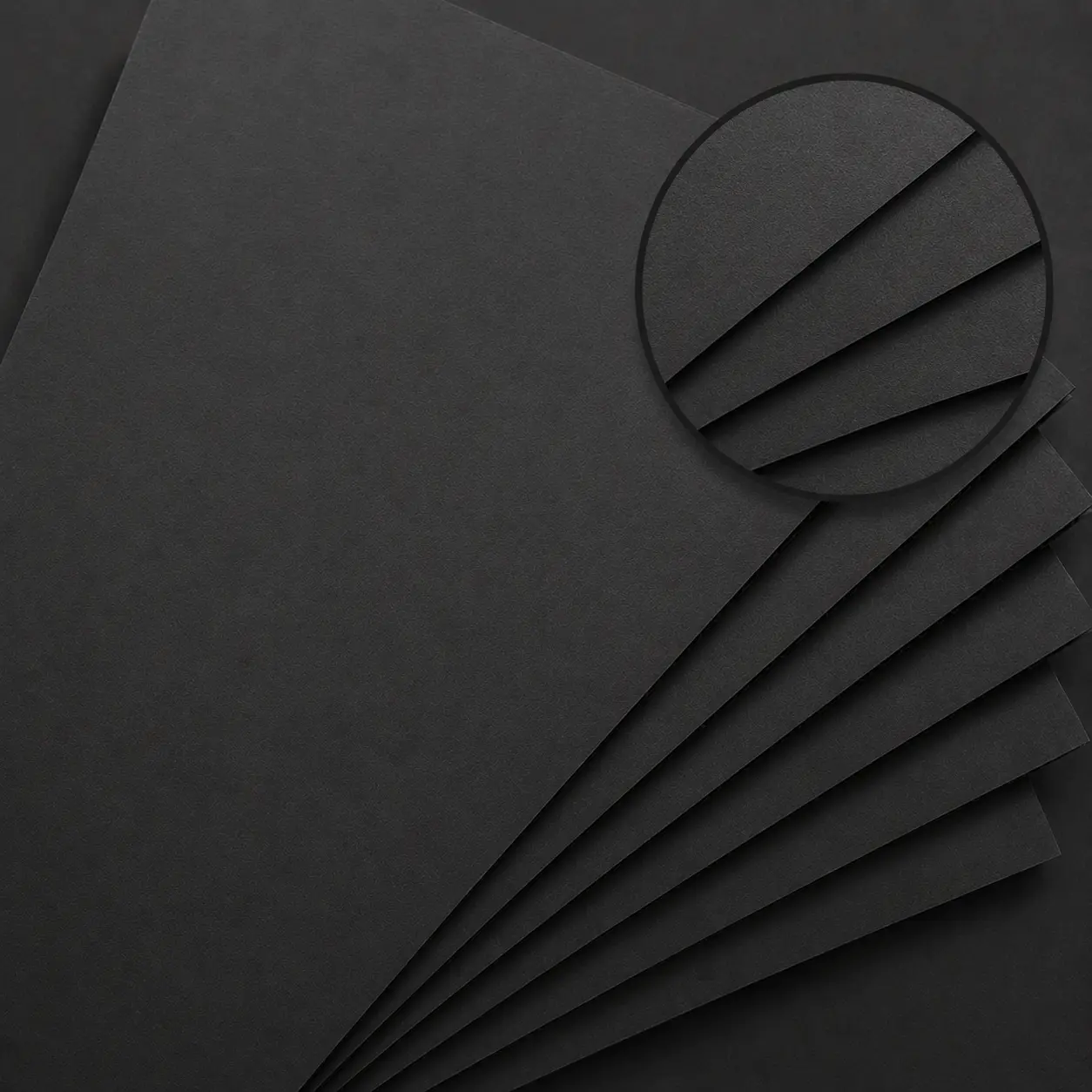
Eco-conscious black kraft for premium unboxing programs, corporate gifting, and limited-edition product lines.
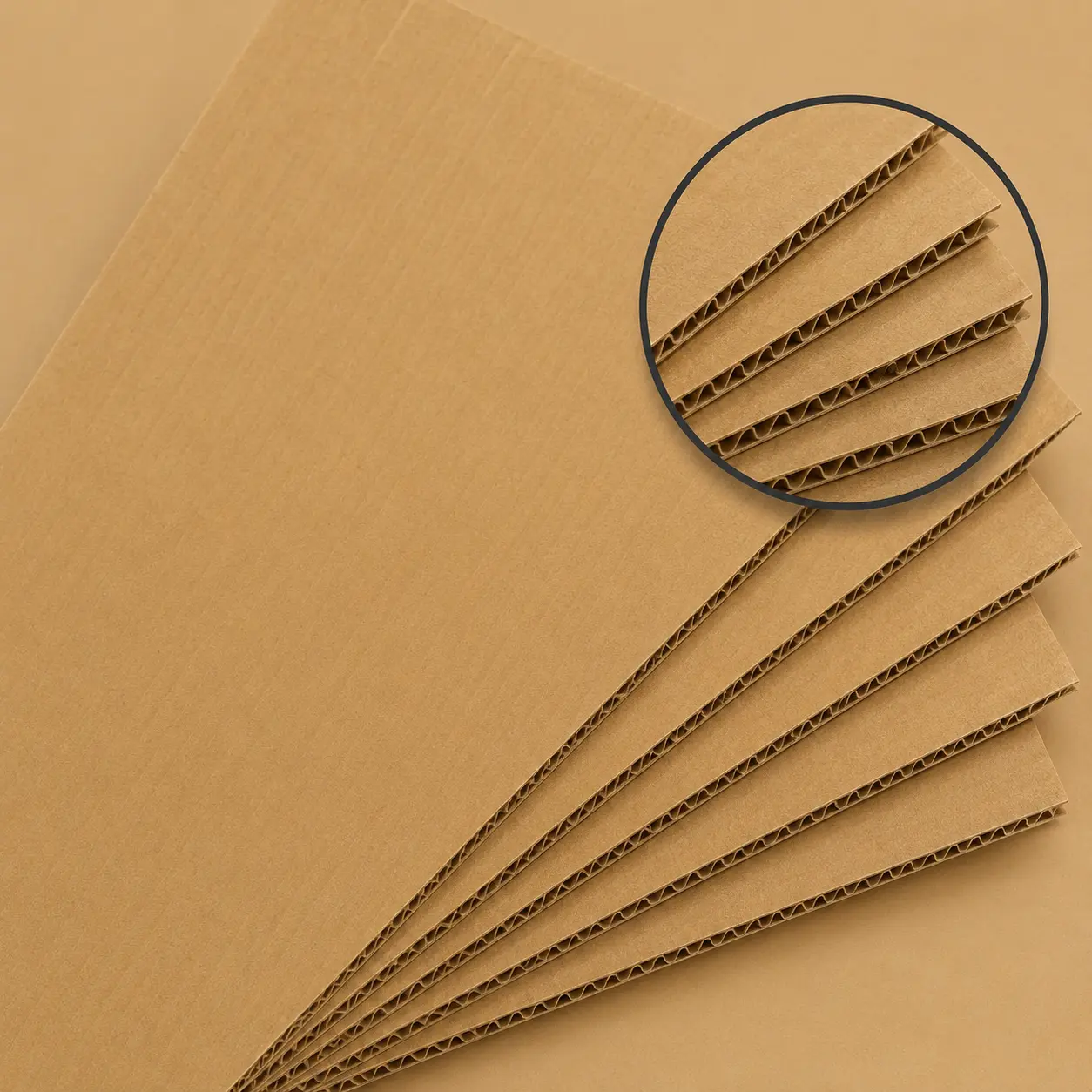
Multi-flute corrugated board built for protective shipping, e-commerce dispatch, and high-volume B2B fulfillment.
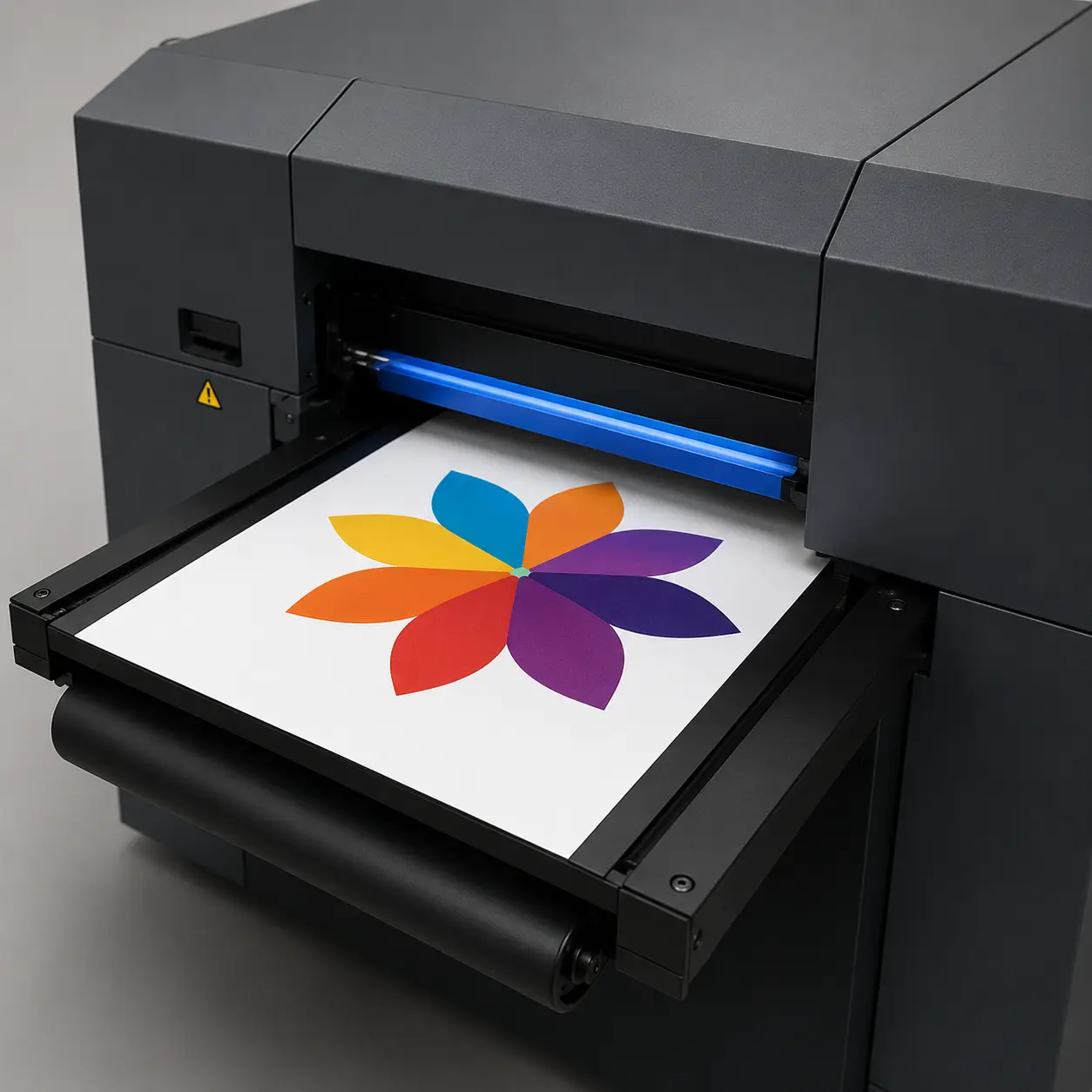
Short-run digital printing with no plate setup — ideal for prototypes, sample approvals, and quick reorders.
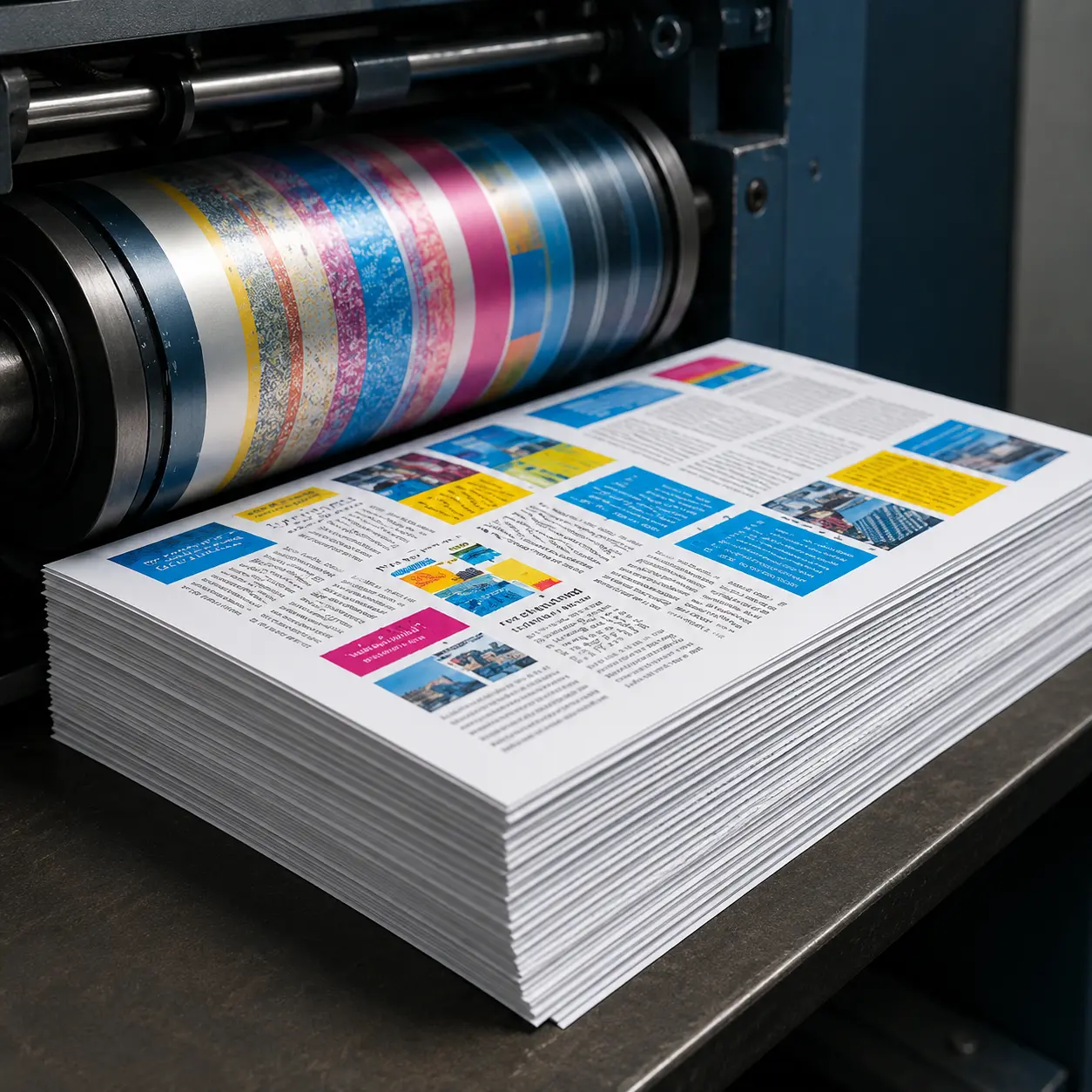
Industry-standard offset printing for high-volume runs with consistent color matching across bulk production.

Selective dimensional embellishment for premium B2B branding, tactile depth, and shelf differentiation.

Vibrant UV-cured printing suited for promotional packaging, event giveaways, and trade-show units.
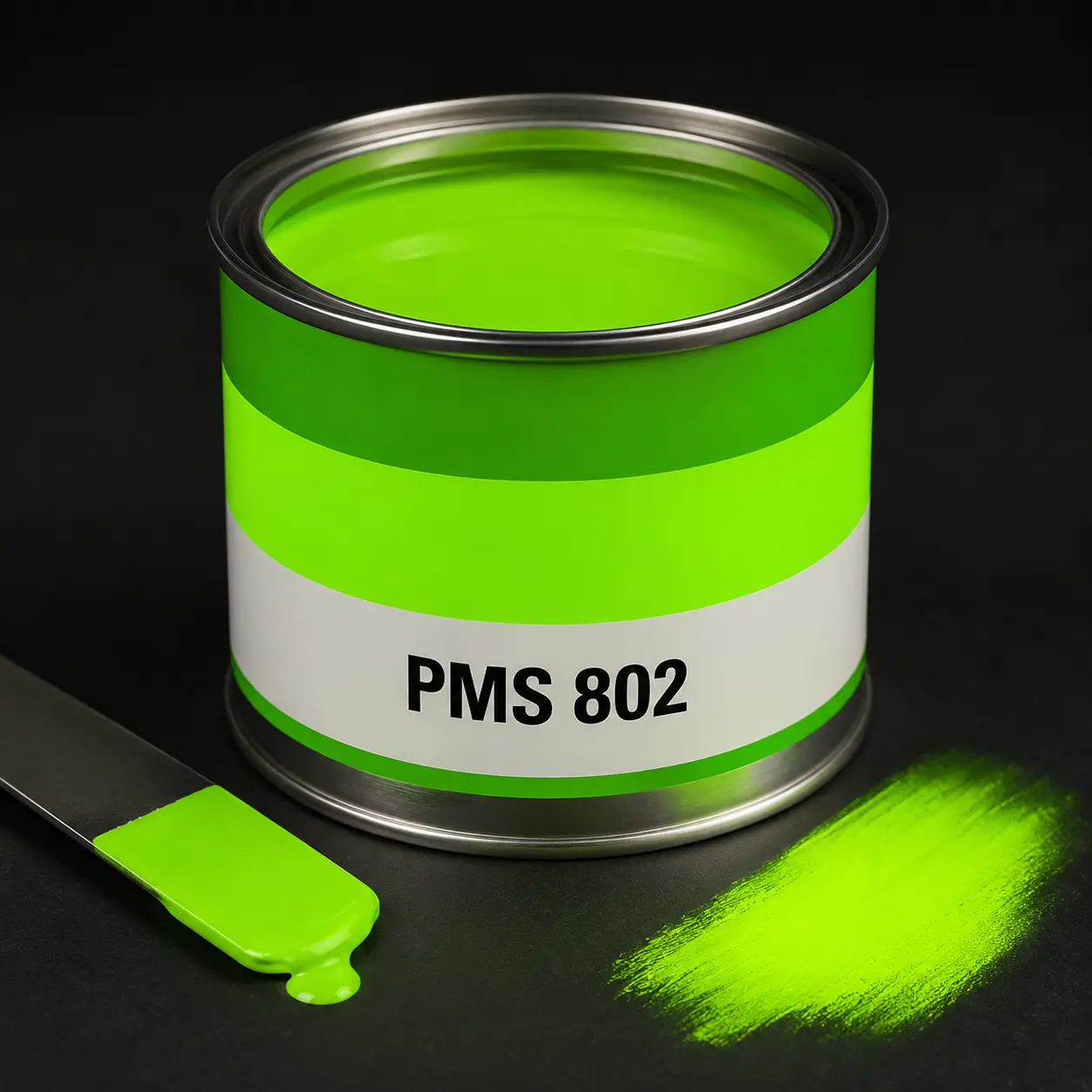
High-visibility ink system engineered for shelf impact, retail displays, and wholesale point-of-sale units.
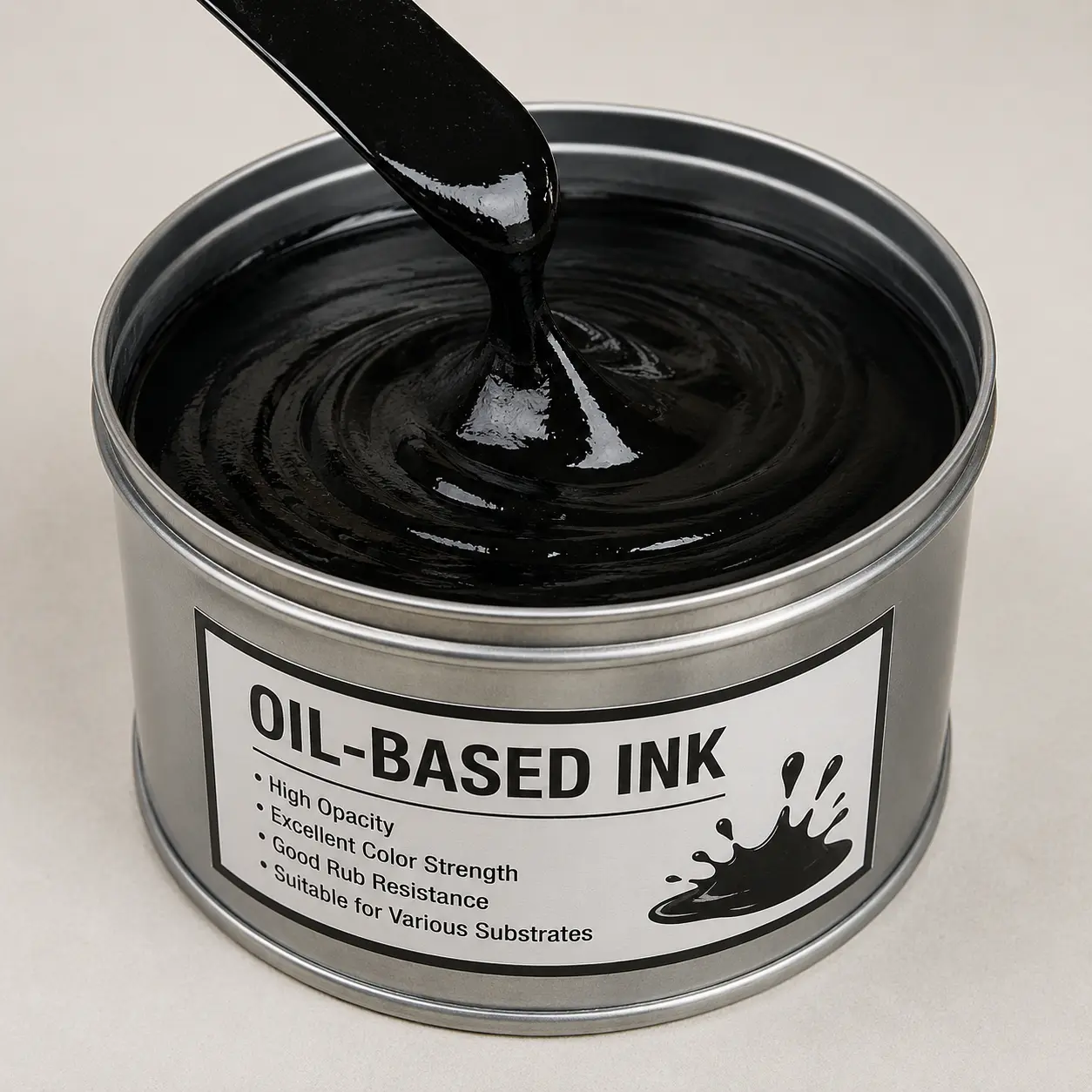
Industry-grade ink for durable, scuff-resistant production runs across long-haul distribution.

Spot-color matching to corporate brand standards — consistent identity across every SKU and reorder.

Sustainable plant-based ink for eco-certified packaging programs and ESG-aligned product launches.

Protective film extends shelf life and protects packaging during shipping and warehouse handling.

Water-based protective seal — fast-drying, food-safe-friendly finish for high-volume bulk production.

Premium tactile finish that elevates corporate gifting boxes and high-end B2B product lines.

Highlight logos and key artwork with selective gloss for maximum retail brand recognition.

Raised brand marks for tactile, premium identity on retail shelves and corporate packaging.

Pressed impressions for subtle, sophisticated branding on premium B2B product lines.

Metallic foil application — gold, silver, and custom finishes for luxury wholesale packaging.
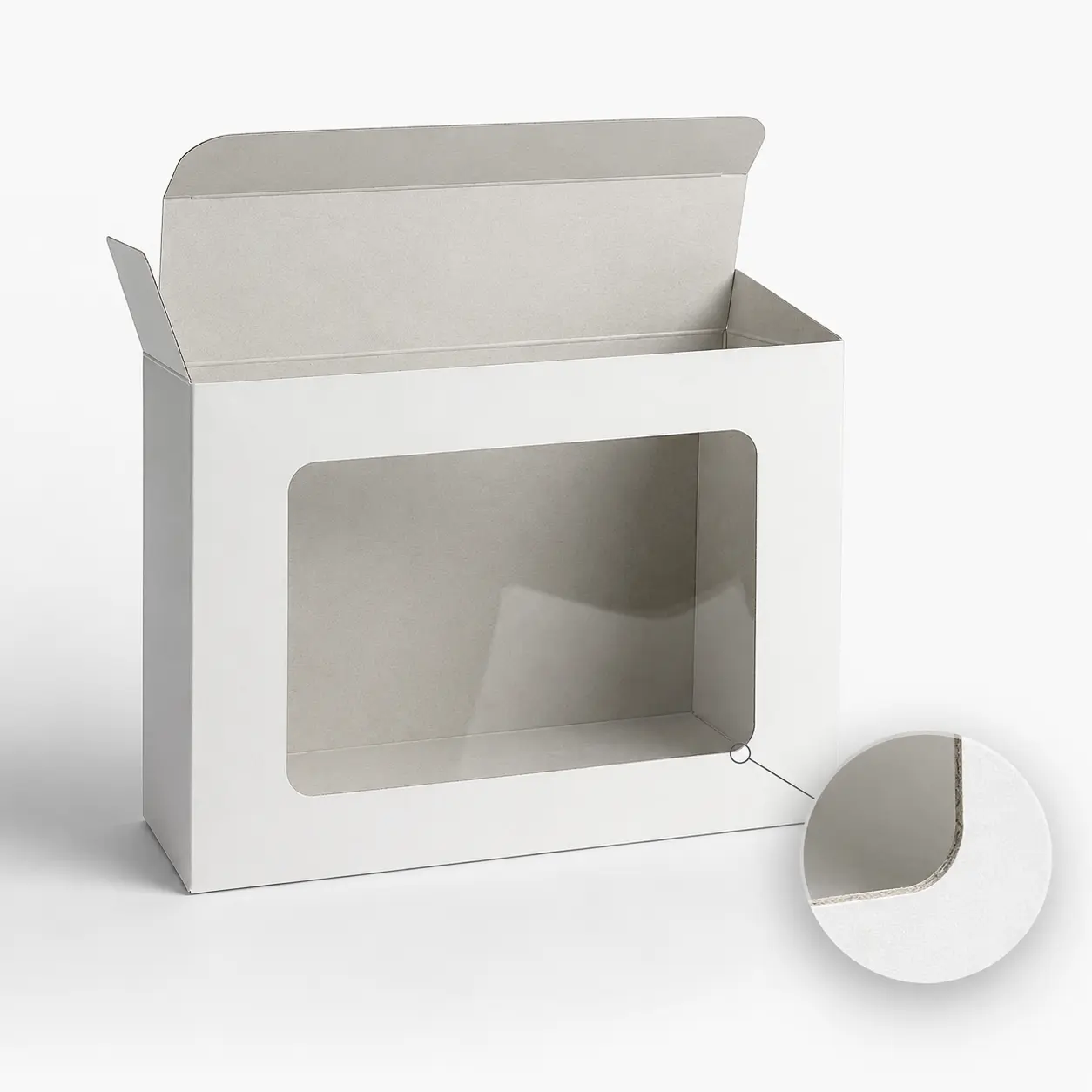
Precision die-cut openings that let customers view the product inside, with optional clear patching for better protection and presentation.
Simple, practical, and built around real B2B production needs.
Send product size, quantity, material preference, artwork, and delivery details.
Our team prepares a proof or 3D mockup so you can check design and structure.
Once approved, your packaging moves into printing, cutting, finishing, and packing.
Finished boxes are packed and shipped to your warehouse, retailer, or 3PL.
Explore similar packaging options that may fit your product line.


Reviews
There are no reviews yet.