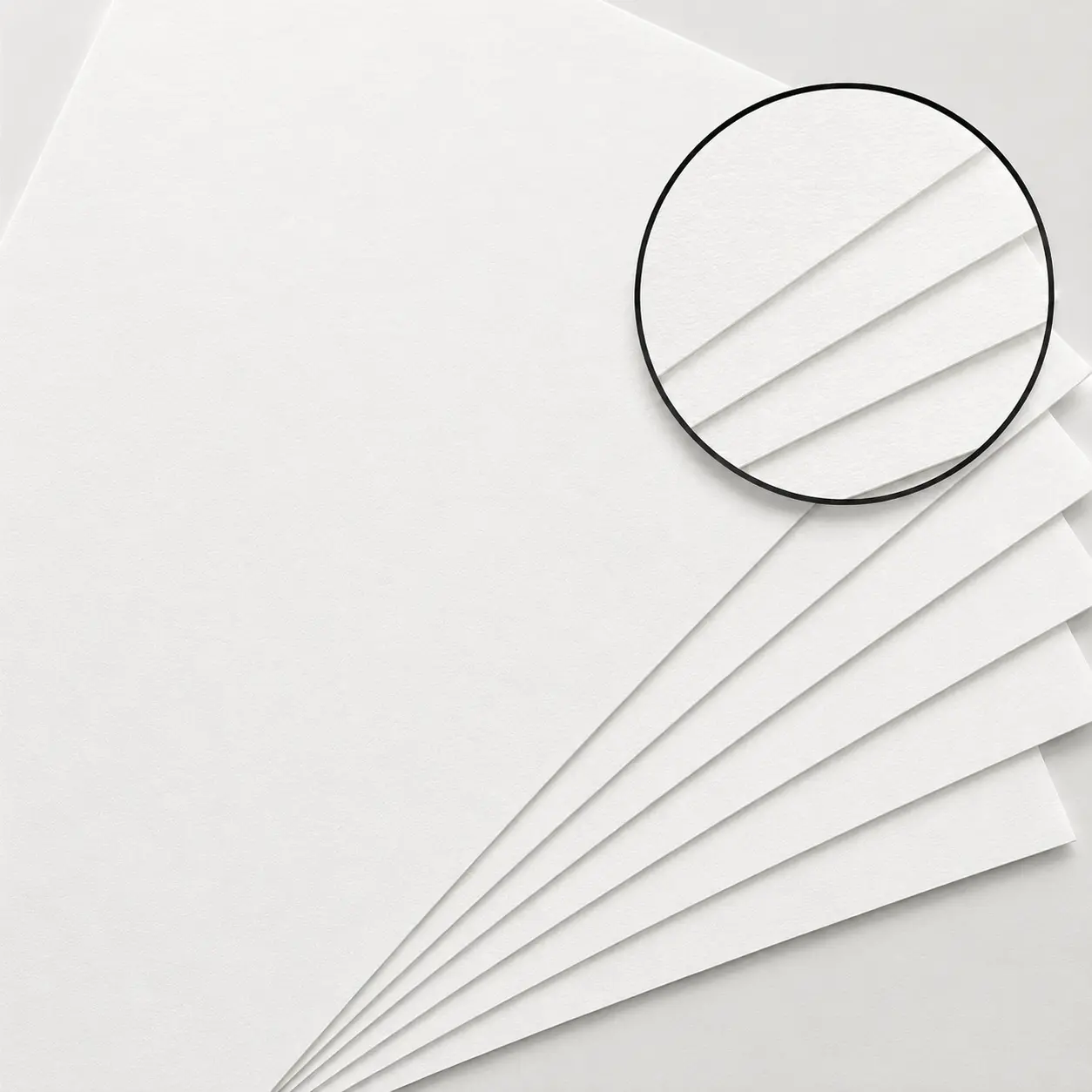
SBS Cardboard
Premium bleached substrate engineered for retail-ready packaging with sharp, high-resolution print performance across bulk SKUs.
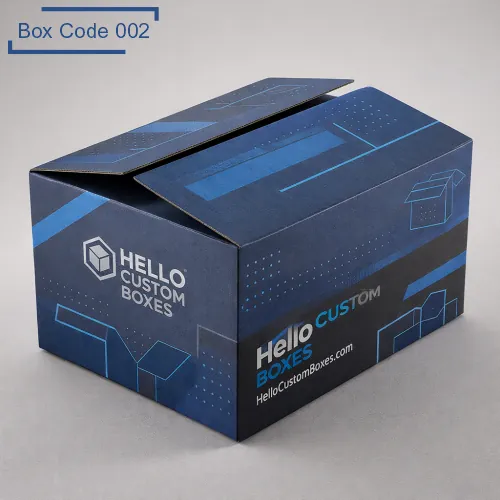
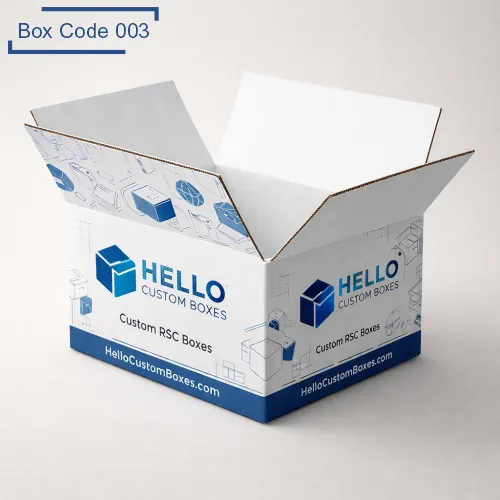
Custom RSC boxes are standard shipping cartons used to move products through warehouses, pallets, and freight networks. These boxes rely on full overlap flaps, even load distribution, and consistent board strength. Common in logistics, manufacturing, and eCommerce, RSC boxes focus on stacking performance, compression resistance, and predictable closure rather than appearance or shelf presentation.


Tell us your specs and we'll send pricing within one business day.
RSC boxes look basic.
That’s the mistake.
Because they’re everywhere, people assume any version will work. It won’t. A weak RSC box doesn’t fail loudly. It bows. It softens. It starts leaning on pallets. By the time collapse happens, the damage is already done.
RSC boxes are not design-driven packaging. They are load-bearing tools. Treating them like simple cartons creates real problems downstream.
Shipping damage is rarely caused by drops.
It comes from weight.
Pallet stacking.
Warehouse storage.
Long dwell times.
If board grade is wrong or flute direction ignored, an RSC box slowly loses strength. Top loads push side panels inward. Flaps dip. Tape takes stress it was never meant to carry.
Custom RSC boxes exist to control compression first, everything else second.
We start with stacking requirements, not box size.
How many layers on a pallet?
How long is storage?
Is humidity controlled?
Is product weight centered or uneven?
From there, we select flute profile, board grade, and panel dimensions. Flap alignment is adjusted so loads transfer vertically, not through tape. Closure zones are reinforced so seams don’t become failure points.
If a box can’t hold weight quietly, it doesn’t move forward.
RSC boxes vary more than people expect.
Standard single-wall RSC boxes are used for lighter goods and fast turnover. Double-wall RSC boxes handle heavier loads and longer storage. Die-cut RSC variants improve fit and reduce void fill. Custom-depth RSC boxes prevent internal shifting that weakens stacks.
Each version is chosen based on load behavior, not convenience.
Flute type determines compression strength, not thickness alone.
Board grade controls long-term load resistance.
Panel height affects bowing under pressure.
Flap meet prevents gaps that weaken stacking.
Tape placement supports vertical load paths.
Humidity tolerance matters more than people admit.
These details decide whether pallets stay straight or start leaning.
Hello Custom Boxes supplies custom RSC boxes to manufacturers, distributors, and fulfillment operations that move volume daily.
We use approved corrugated materials and test designs for compression performance and repeatability. Every RSC layout is reviewed with real stacking conditions in mind, not lab-only assumptions.
Consistency matters more than customization here.
Failed RSC boxes cost quietly.
Crushed cartons.
Leaning pallets.
Rejected shipments.
Extra labor to restack.
Properly built custom RSC boxes reduce product loss, protect warehouse efficiency, and keep freight moving without intervention. That reliability saves money long before a box ever reaches a customer.
We review your product weight, pallet configuration, and storage conditions.
We design an RSC box that supports real loads.
You approve specifications before production.
Manufacturing follows with checks on board quality and dimensions.
No surprises once boxes hit the floor.
RSC Box Packaging Specifications |
|
|---|---|
| Packaging Role | Regular Slotted Container (RSC) boxes engineered as load-bearing shipping tools designed to withstand compression, stacking, and long-term storage. |
| Primary Failure Cause | Progressive compression failure from pallet stacking, warehouse storage, and sustained top-load pressure, not impact or drops. |
| Core Engineering Focus | Compression strength, vertical load transfer, and long-term structural stability under real stacking conditions. |
| Design Starting Point | Stacking height, pallet configuration, storage duration, humidity exposure, and product weight distribution. |
| Flute & Board Selection | Flute profile and board grade selected to control compression resistance, not just wall thickness. |
| Panel Engineering | Panel height and dimensions adjusted to reduce bowing and inward collapse under sustained load. |
| Flap Alignment | Flap meet designed to transfer vertical loads through panels rather than relying on tape strength. |
| Closure Reinforcement | Closure zones reinforced to prevent seams from becoming compression failure points during stacking. |
| Available RSC Variants | Single-wall RSC, double-wall RSC, die-cut RSC, and custom-depth RSC boxes selected based on load behavior. |
| Environmental Tolerance | Humidity exposure evaluated to prevent board softening and loss of compression strength over time. |
| Testing & Review | Designs reviewed against real pallet loads and warehouse conditions, not lab-only assumptions. |
| Operational Benefits | Reduced crushed cartons, stable pallets, fewer rejected shipments, lower restacking labor, and improved warehouse efficiency. |
| Specification Lock | Approved board grade, flute direction, and dimensions are locked before production with no mid-run changes. |
Choose from practical materials, print methods, inks, finishes, and add-ons for a better product presentation.
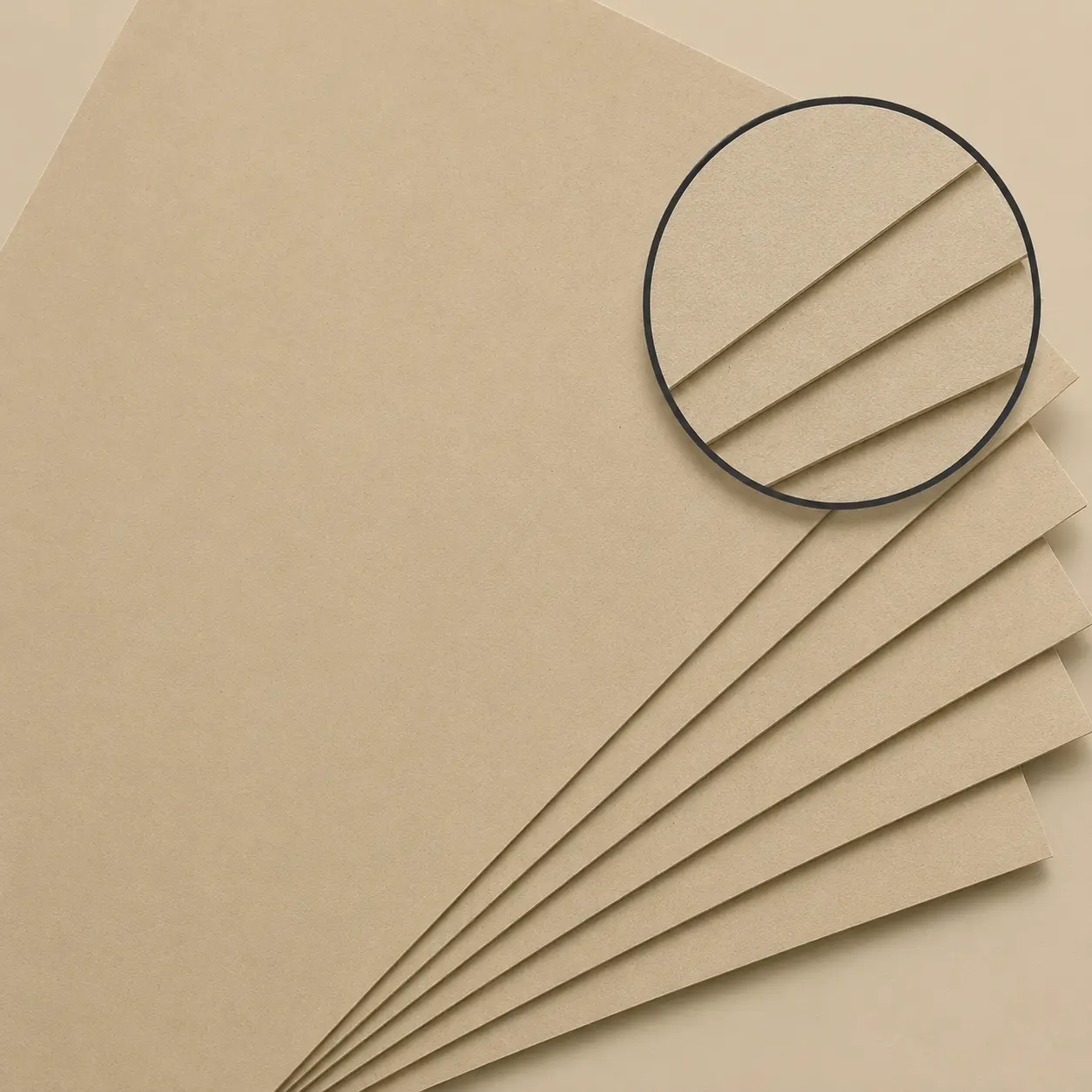
Premium bleached substrate engineered for retail-ready packaging with sharp, high-resolution print performance across bulk SKUs.
High-density rigid board built for wholesale cartons, structural strength, and stack-ready warehouse logistics.
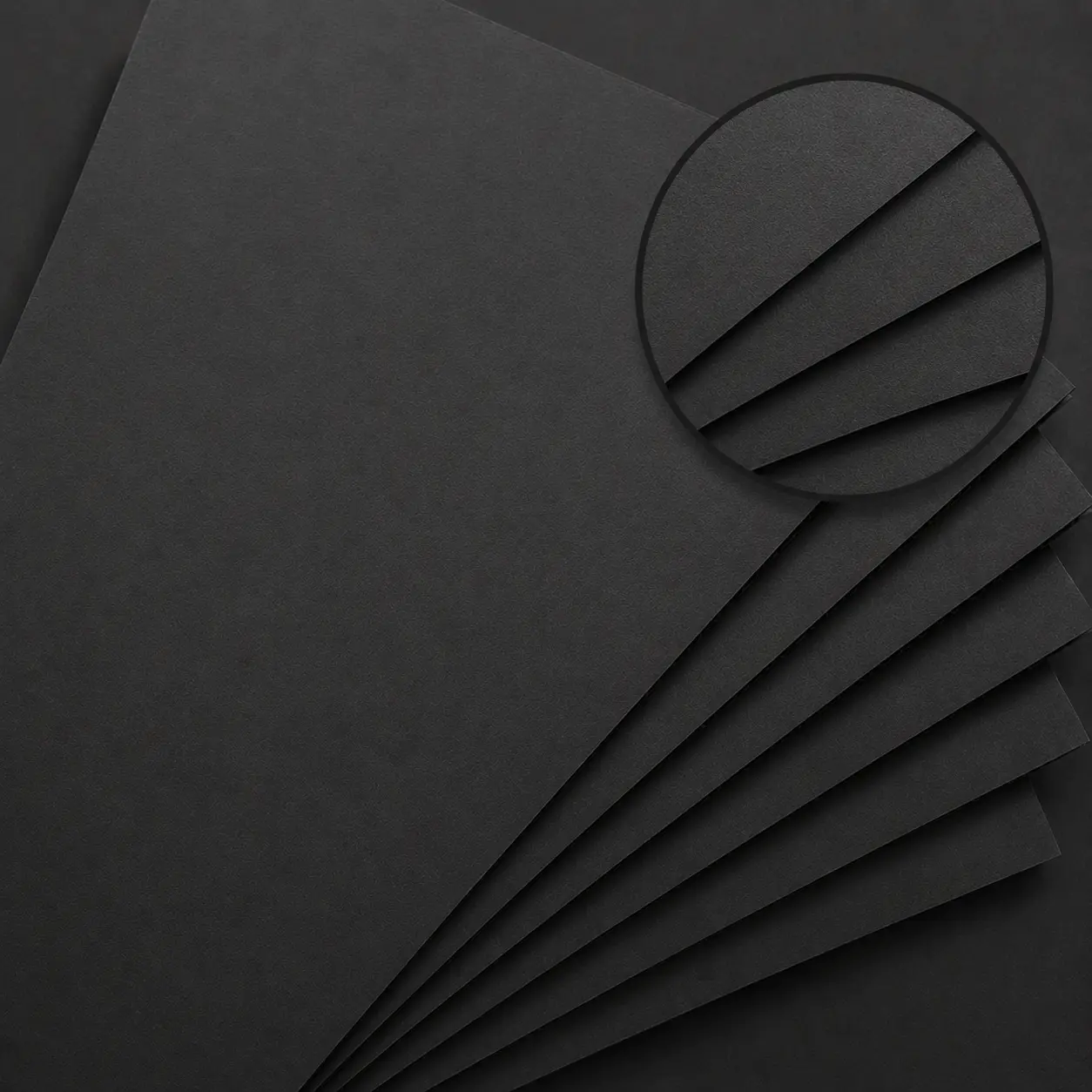
Eco-conscious black kraft for premium unboxing programs, corporate gifting, and limited-edition product lines.
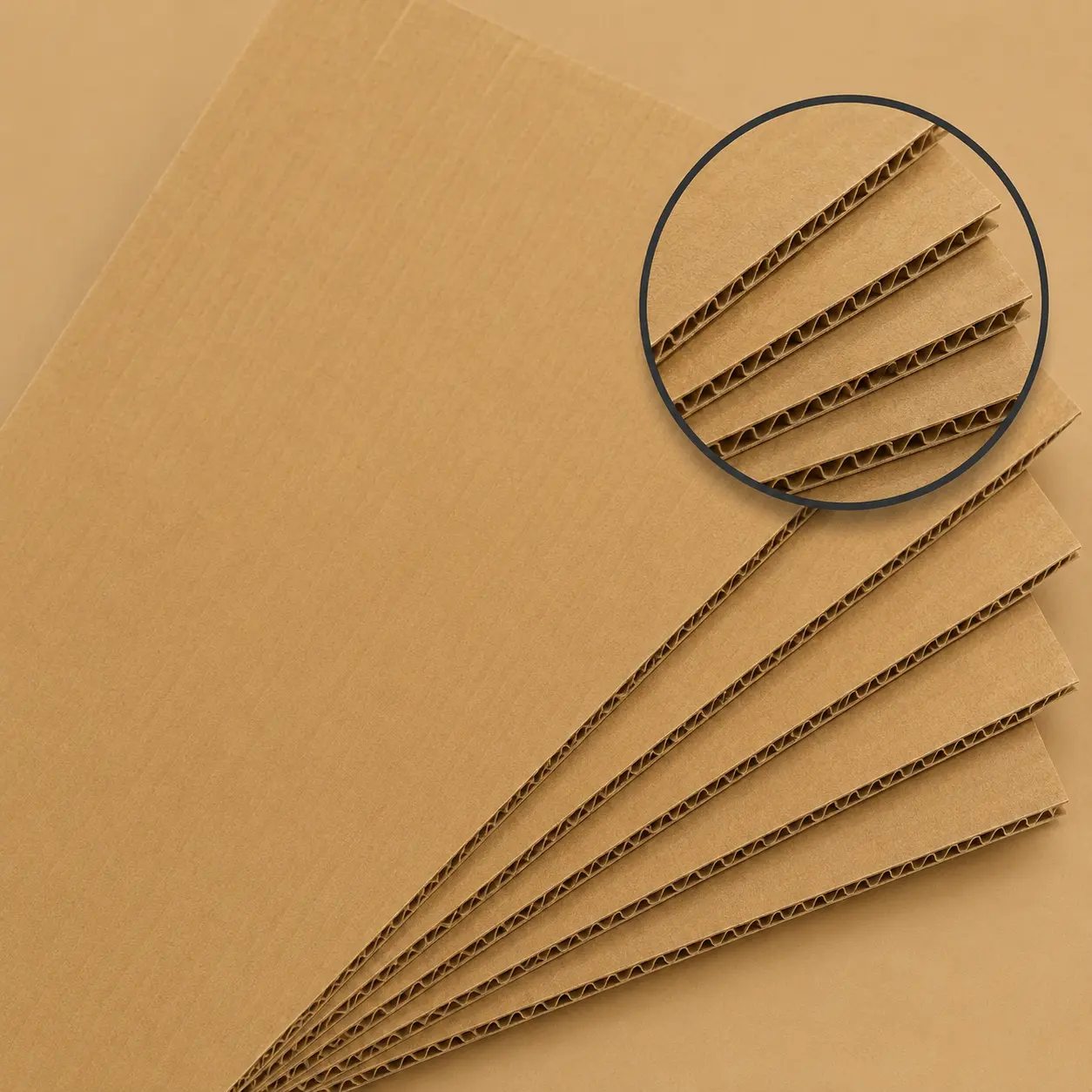
Multi-flute corrugated board built for protective shipping, e-commerce dispatch, and high-volume B2B fulfillment.
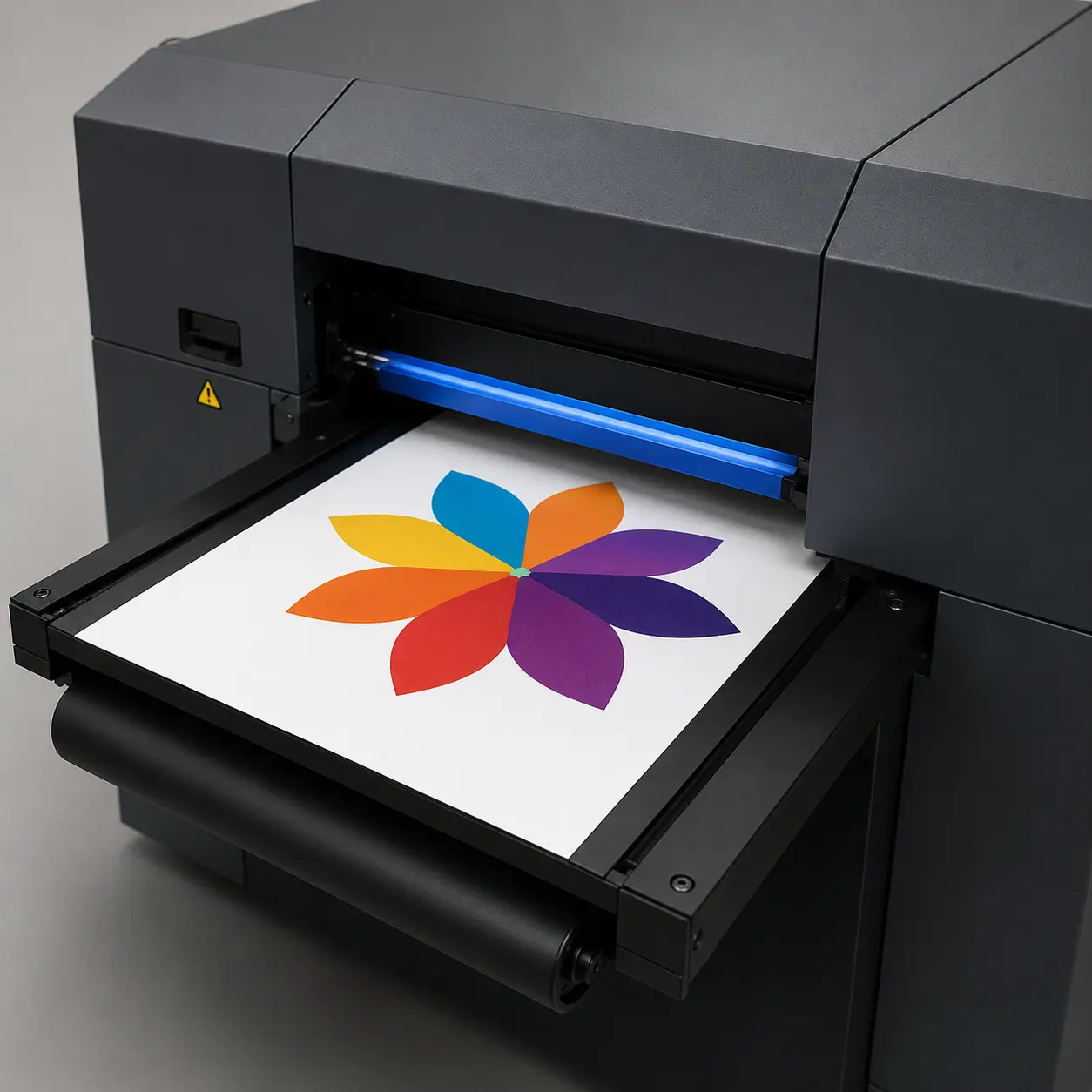
Short-run digital printing with no plate setup — ideal for prototypes, sample approvals, and quick reorders.
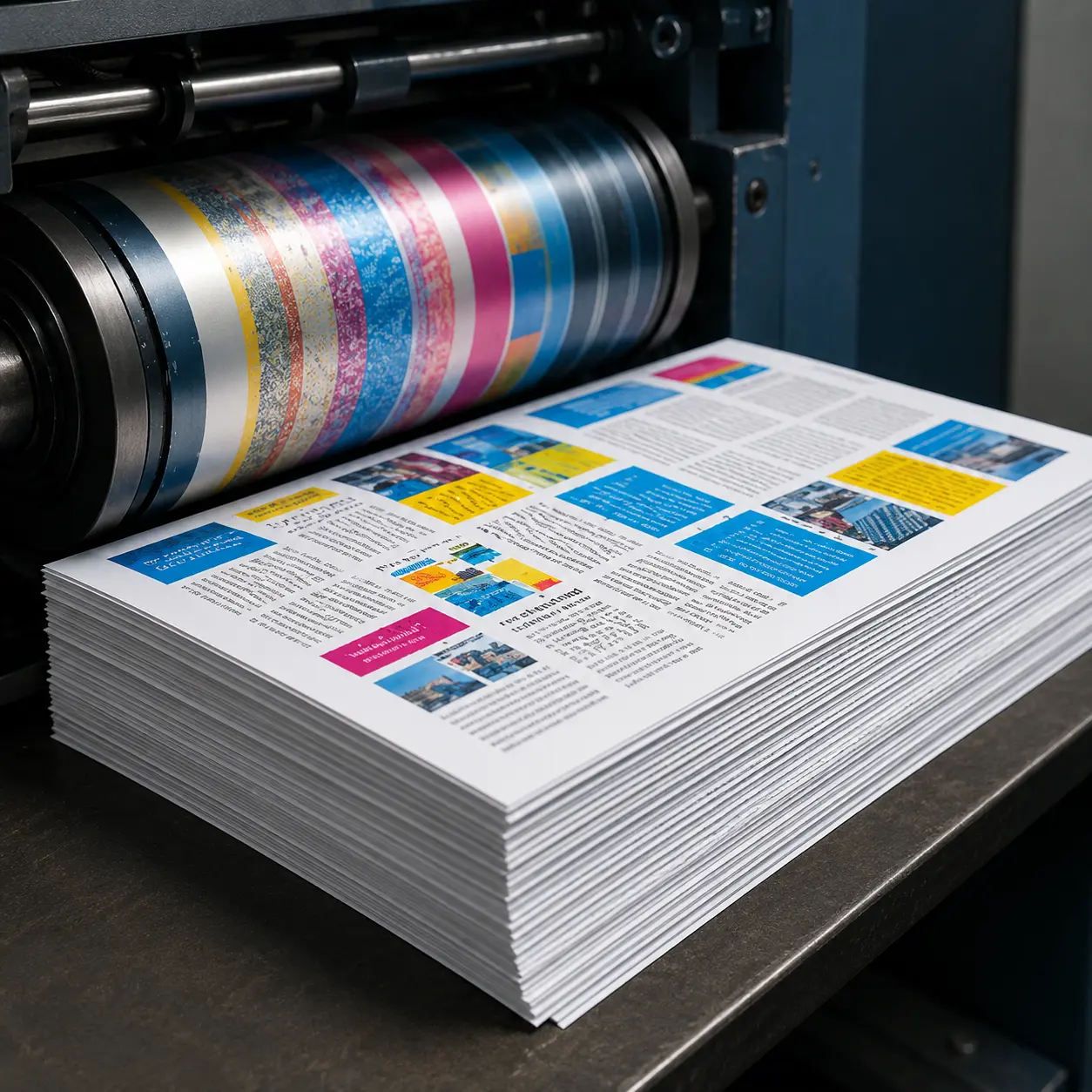
Industry-standard offset printing for high-volume runs with consistent color matching across bulk production.

Selective dimensional embellishment for premium B2B branding, tactile depth, and shelf differentiation.

Vibrant UV-cured printing suited for promotional packaging, event giveaways, and trade-show units.

High-visibility ink system engineered for shelf impact, retail displays, and wholesale point-of-sale units.
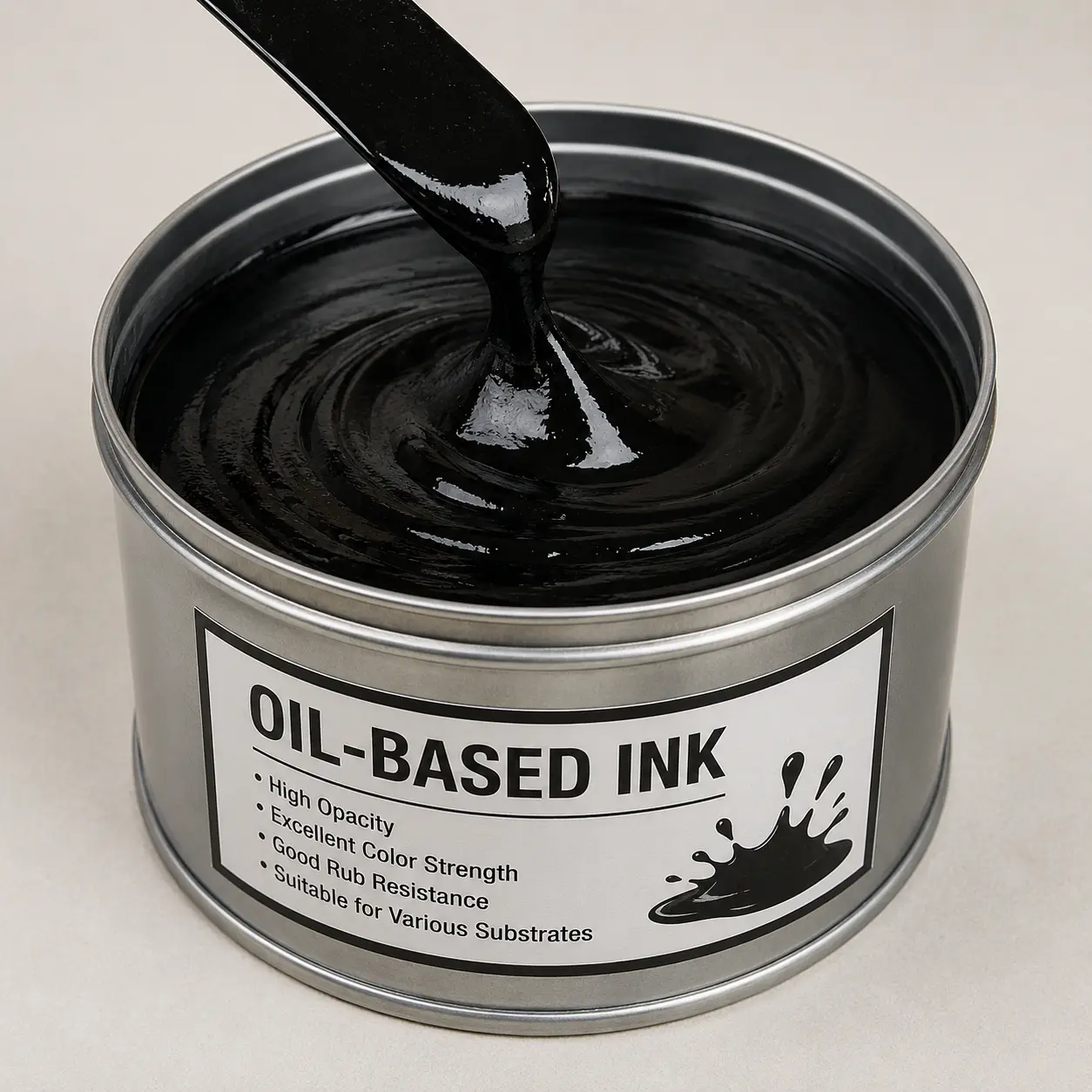
Industry-grade ink for durable, scuff-resistant production runs across long-haul distribution.

Spot-color matching to corporate brand standards — consistent identity across every SKU and reorder.

Sustainable plant-based ink for eco-certified packaging programs and ESG-aligned product launches.

Protective film extends shelf life and protects packaging during shipping and warehouse handling.

Water-based protective seal — fast-drying, food-safe-friendly finish for high-volume bulk production.

Premium tactile finish that elevates corporate gifting boxes and high-end B2B product lines.

Highlight logos and key artwork with selective gloss for maximum retail brand recognition.

Raised brand marks for tactile, premium identity on retail shelves and corporate packaging.

Pressed impressions for subtle, sophisticated branding on premium B2B product lines.

Metallic foil application — gold, silver, and custom finishes for luxury wholesale packaging.
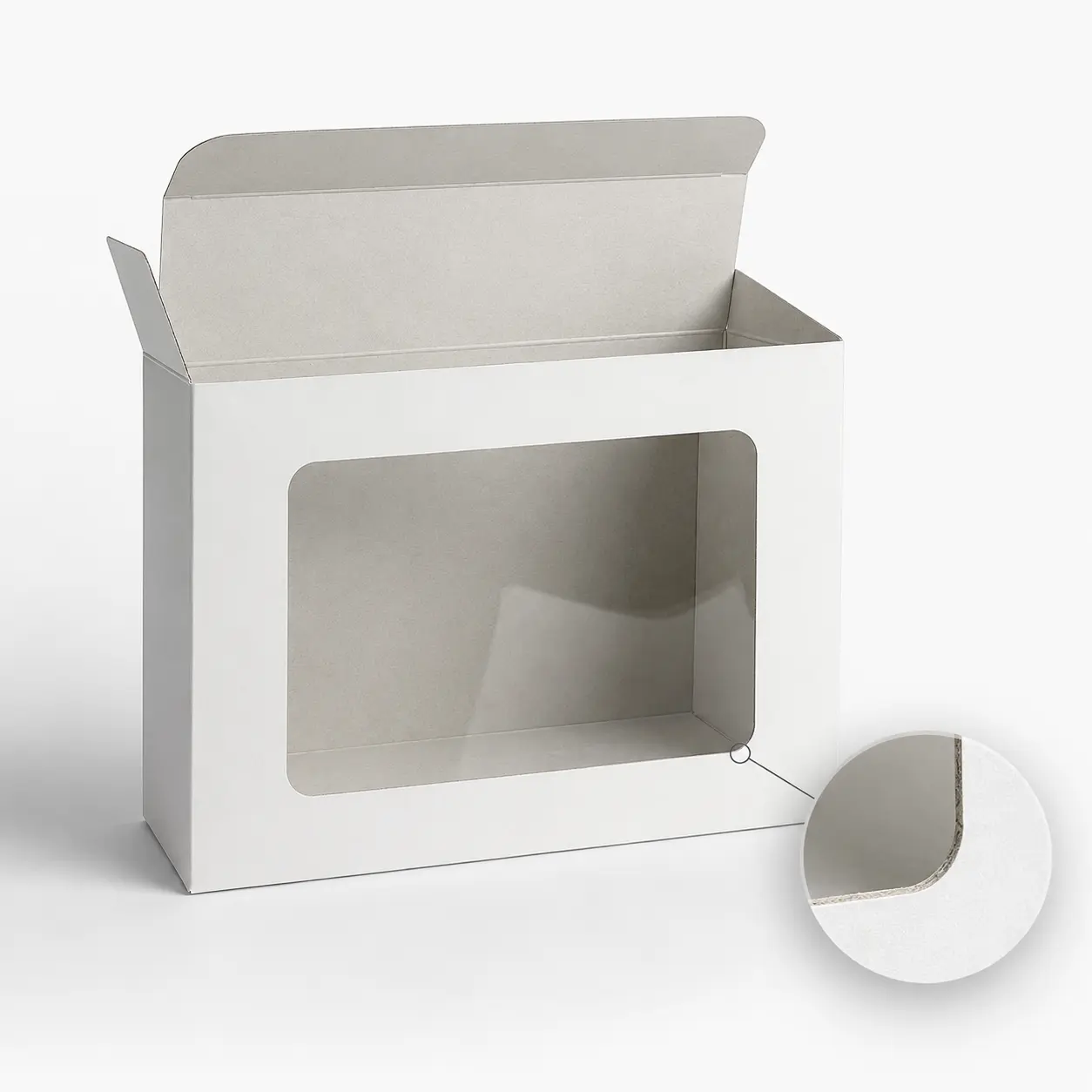
Precision die-cut openings that let customers view the product inside, with optional clear patching for better protection and presentation.
Simple, practical, and built around real B2B production needs.
Send product size, quantity, material preference, artwork, and delivery details.
Our team prepares a proof or 3D mockup so you can check design and structure.
Once approved, your packaging moves into printing, cutting, finishing, and packing.
Finished boxes are packed and shipped to your warehouse, retailer, or 3PL.
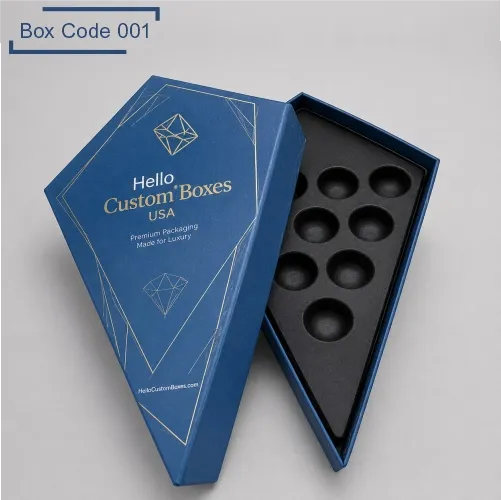
Explore similar packaging options that may fit your product line.

Reviews
There are no reviews yet.