SBS Cardboard
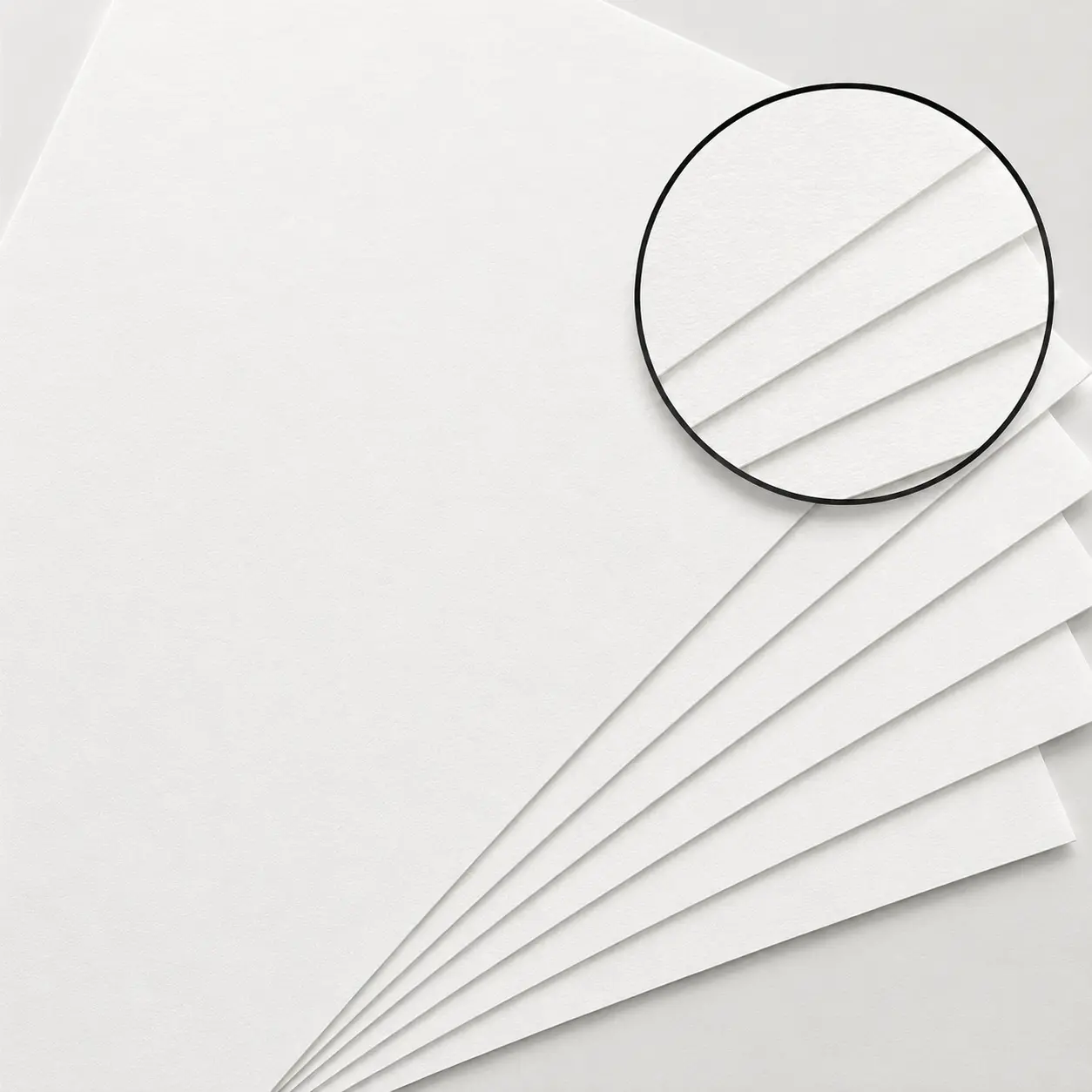
Premium bleached substrate engineered for retail-ready packaging with sharp, high-resolution print performance across bulk SKUs.
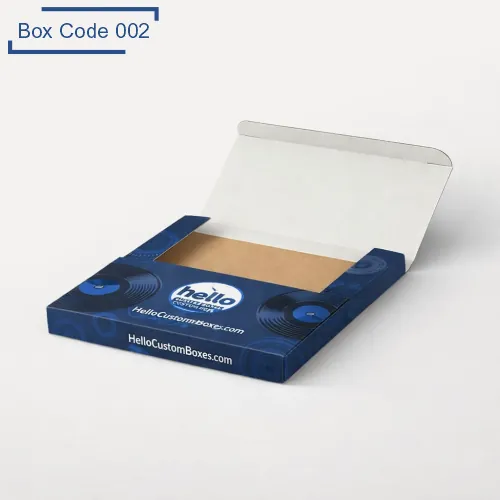
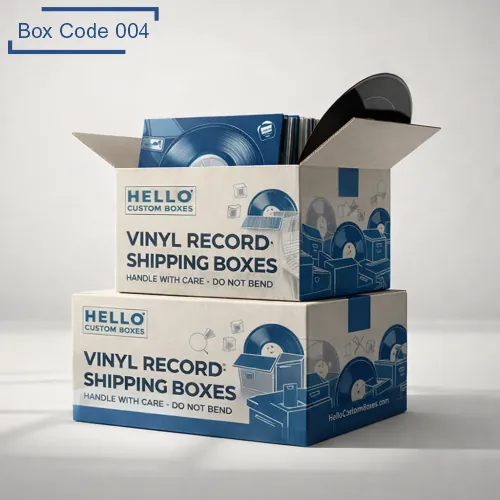
Custom vinyl record shipping boxes help protect LPs from bending, edge damage, and movement during transit. Made around your record size, jacket thickness, and quantity per shipment, these mailers can accommodate single LPs, gatefold albums, and multi-record orders. Choose suitable corrugated construction, custom dimensions, protective components, and branded printing for reliable record shipping.


Tell us your specs and we'll send pricing within one business day.
Vinyl records rarely need a visibly crushed box to arrive damaged. A mailer can look perfectly fine from the outside while the record inside has developed a slight curve, a bent jacket corner, or edge damage.
The problem is often flex rather than a major impact.
Pressure from stacked parcels can gradually push against the broad, flat surface of an LP. Extra room inside the box can create another problem by allowing the record to move and strike the edges during handling. Heat and longer transit times can make these conditions worse.
A good record mailer therefore needs to do more than surround the product with cardboard. It should keep the record flat, limit unnecessary movement, and maintain its shape throughout shipping.
Not every vinyl shipment needs the same box.
A single standard LP needs a close-fitting mailer that limits movement without squeezing the jacket. Double albums, gatefold sleeves, and multi-record orders need additional depth so the contents sit naturally rather than being forced into a box designed for one record.
The record format matters too. Packaging can be sized around 7-inch, 10-inch, and 12-inch records rather than leaving excessive empty space around smaller formats.
Before deciding on a structure, consider:
These details help determine the internal dimensions and board construction instead of relying on one standard vinyl shipping box for every order.
Single-LP mailers are suited to individual records and can be made with controlled internal clearance to help keep the jacket flat and reduce movement.
Multi-record mailers provide additional depth for orders containing several LPs. The structure needs to accommodate the added weight without placing unnecessary pressure on the records at the bottom of the stack.
Variable-depth mailers can be useful for businesses handling different order quantities where the chosen structure allows the packed depth to be adjusted.
Record mailers with protective pads provide an additional flat layer above or below the record. Pads can be considered when extra surface or edge protection is needed for higher-value releases and longer shipping routes.
For larger quantities moving together, an outer corrugated shipping carton may also be used so the weight of the overall shipment is carried by the outer case rather than individual record mailers.
A thicker-looking box is not automatically a better record mailer.
The important question is how well the board and box structure resist bending across the wide face of the record. Corrugated constructions such as E-flute or B-flute may be considered depending on the required profile, packed weight, and level of protection. Heavier shipments may need a stronger specification.
The final board choice should be based on the actual packed product and distribution conditions rather than flute name alone.
Panel overlap, fold placement, board direction, and internal fit also influence how the mailer handles pressure. A well-designed structure spreads load across the box instead of creating concentrated pressure points against the record or sleeve.
Internal fit needs a careful balance.
Too much clearance allows the album to slide, increasing the chance of jacket wear and corner damage. Too little clearance can put continuous pressure on the sleeve or make thicker gatefold albums difficult to pack.
The box should therefore be designed around the packed dimensions, not simply the nominal diameter of the vinyl.
For example, a 12-inch LP mailer also has to account for the record jacket, protective sleeve where used, album thickness, and any corrugated pads or inserts included in the pack.
This becomes particularly important when the same business sells standard LPs, double albums, collector editions, and multi-record orders.
Protection comes first, but the shipping box can still carry your branding.
Custom vinyl record shipping boxes can be developed with exterior artwork, logos, handling information, or a cleaner minimal print depending on how you want orders to arrive. Kraft and printed corrugated finishes can also create different presentation styles without changing the fundamental purpose of the mailer.
For record labels, independent stores, subscription businesses, and online vinyl sellers, this gives the shipping box two jobs: protecting the album and presenting the business consistently when the order reaches the customer.
Artwork should always be planned around folds, closures, scores, and other structural areas so important design elements remain properly positioned after the box is assembled.
At Hello Custom Boxes, the starting point is the record and the way it will actually be shipped.
We review the record format, jacket dimensions, number of LPs per shipment, packed depth, and distribution requirements. From there, the box dimensions and suitable board construction can be developed around the product.
Where additional protection is required, options such as corrugated pads or other internal components can be considered as part of the overall specification.
This approach avoids two common problems: an oversized mailer that allows too much movement and an overly tight box that places pressure on the album.
A damaged vinyl shipment costs more than the box it travelled in.
Bent jackets and warped records can lead to refunds, replacements, additional postage, and unhappy customers. The cost becomes more significant when a business ships valuable pressings or handles record orders at scale.
Well-fitted vinyl record shipping boxes help reduce these risks by controlling movement and providing the rigidity needed for a flat, relatively fragile product.
For a business shipping ten records or thousands, the goal remains the same: the album should reach the customer in the condition it left in.
The process starts with the product specification rather than a generic box size.
Record dimensions, jacket style, quantity per mailer, protective components, and shipping requirements are reviewed first. The box structure, internal dimensions, material specification, and artwork can then be prepared around those details.
Before full production, the layout is reviewed so dimensions, print placement, folds, and other structural elements are clear.
Once approved, the boxes move into production with the agreed specification, giving businesses a repeatable mailer for future vinyl orders.
Specifications |
|
|---|---|
| Primary Risk | Corner damage, edge crushing, warping from pressure, and seam splits during transit. |
| Packaging Objective | Protect flatness, prevent corner impact, and maintain structural rigidity through shipping. |
| Box Sizing | Close-fit dimensions to eliminate movement and reduce edge stress during handling. |
| Material Structure | Rigid corrugated cardboard engineered to resist bending and compression. |
| Corner Protection | Reinforced corners and folded edges to absorb drops and side impacts. |
| Supported Record Sizes | 7-inch, 10-inch, and 12-inch vinyl records with or without sleeves. |
| Handling Focus | Prevents sliding, bending, and pressure transfer during stacking and transport. |
| Environmental Control | Protects against temperature shifts and humidity exposure during shipping. |
| Business Benefit | Reduced damage claims, fewer returns, and consistent delivery condition for collectors and retailers. |
Choose from practical materials, print methods, inks, finishes, and add-ons for a better product presentation.
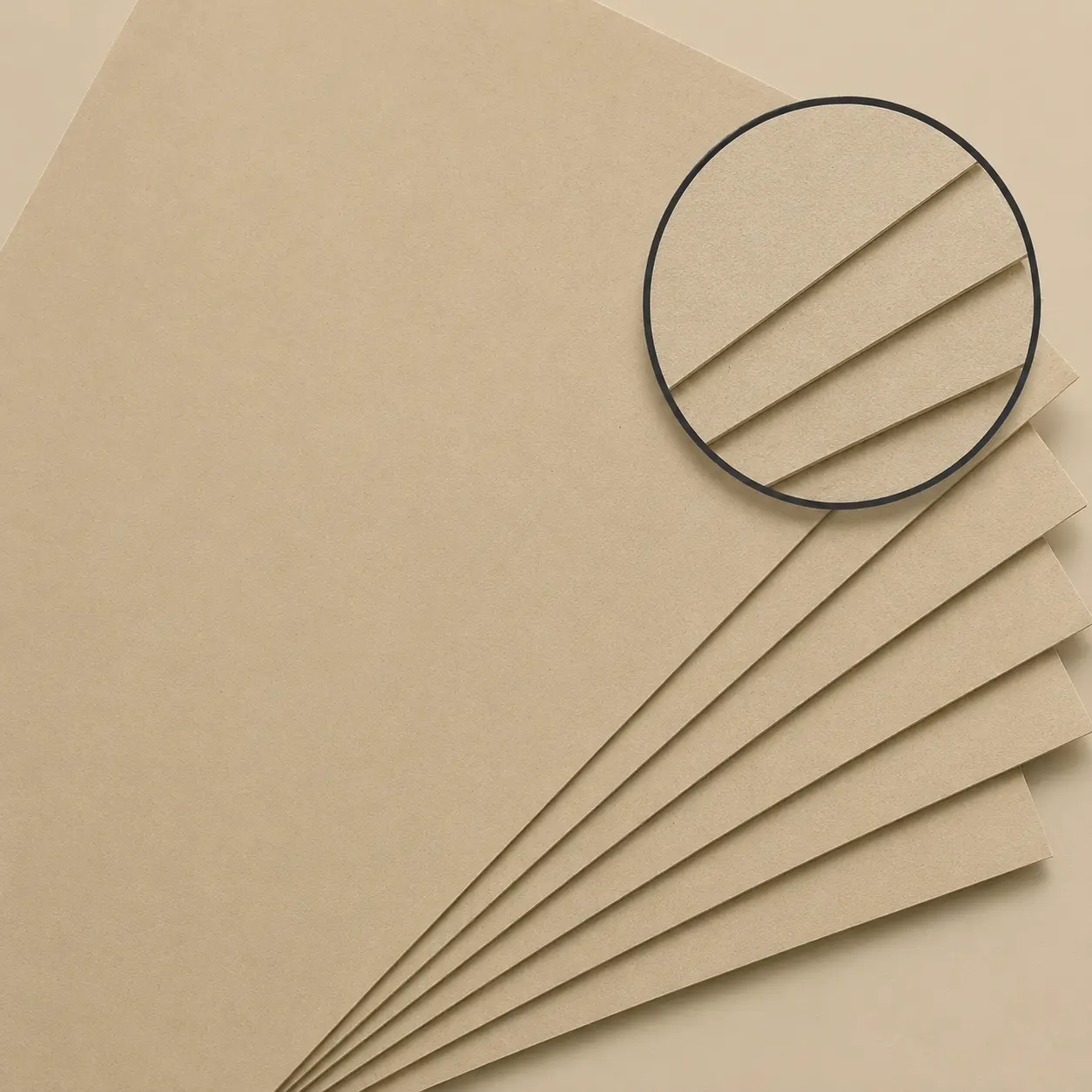
Premium bleached substrate engineered for retail-ready packaging with sharp, high-resolution print performance across bulk SKUs.
High-density rigid board built for wholesale cartons, structural strength, and stack-ready warehouse logistics.
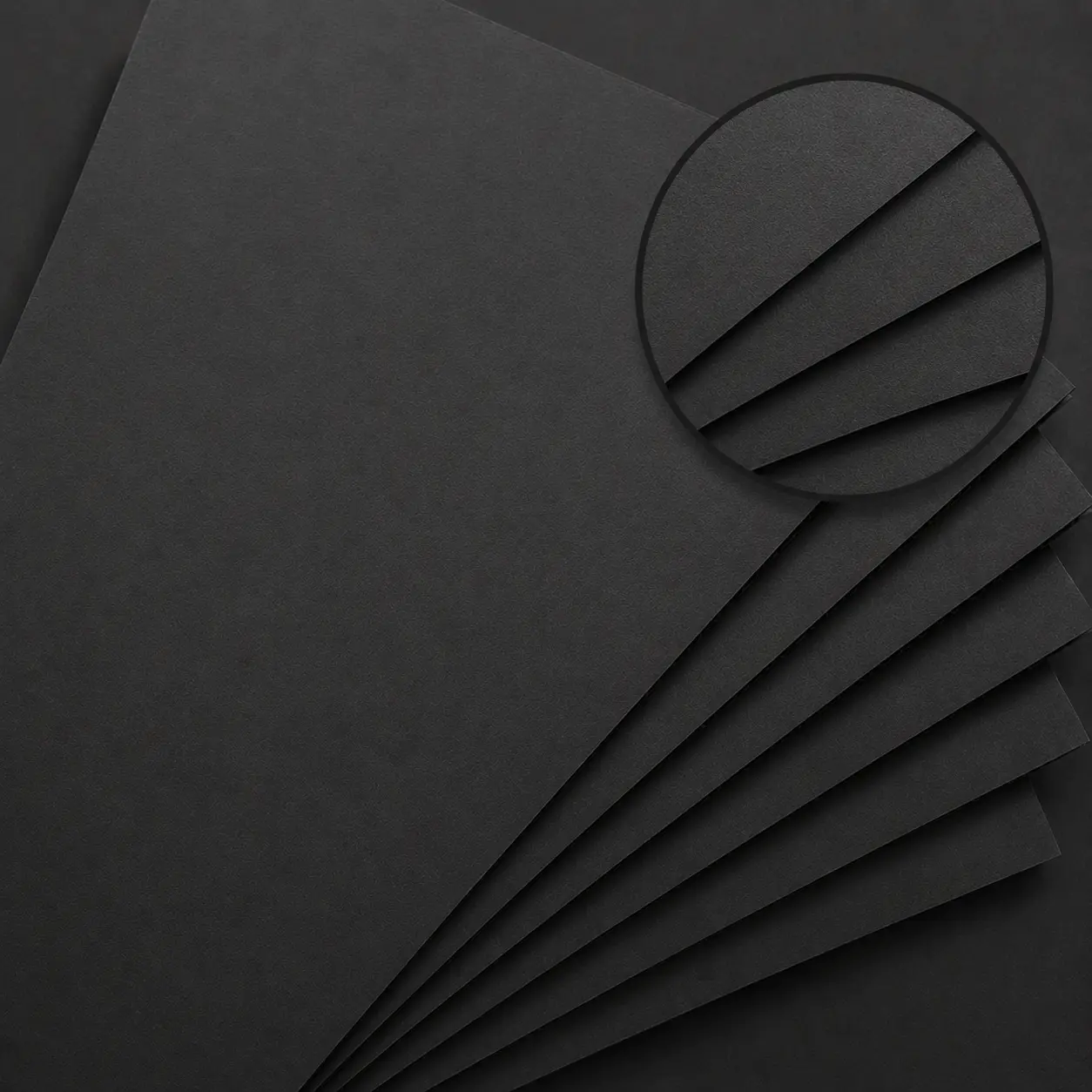
Eco-conscious black kraft for premium unboxing programs, corporate gifting, and limited-edition product lines.
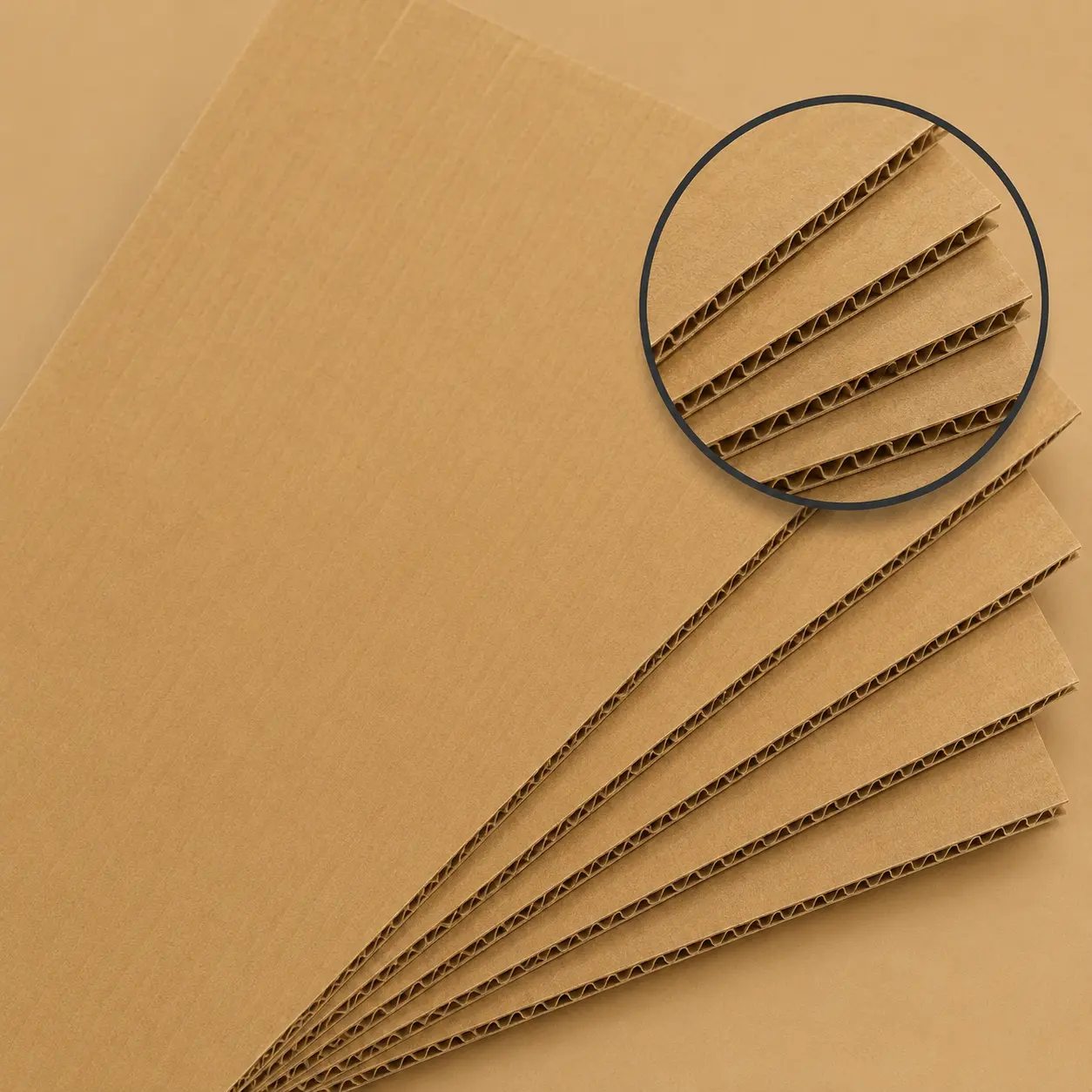
Multi-flute corrugated board built for protective shipping, e-commerce dispatch, and high-volume B2B fulfillment.
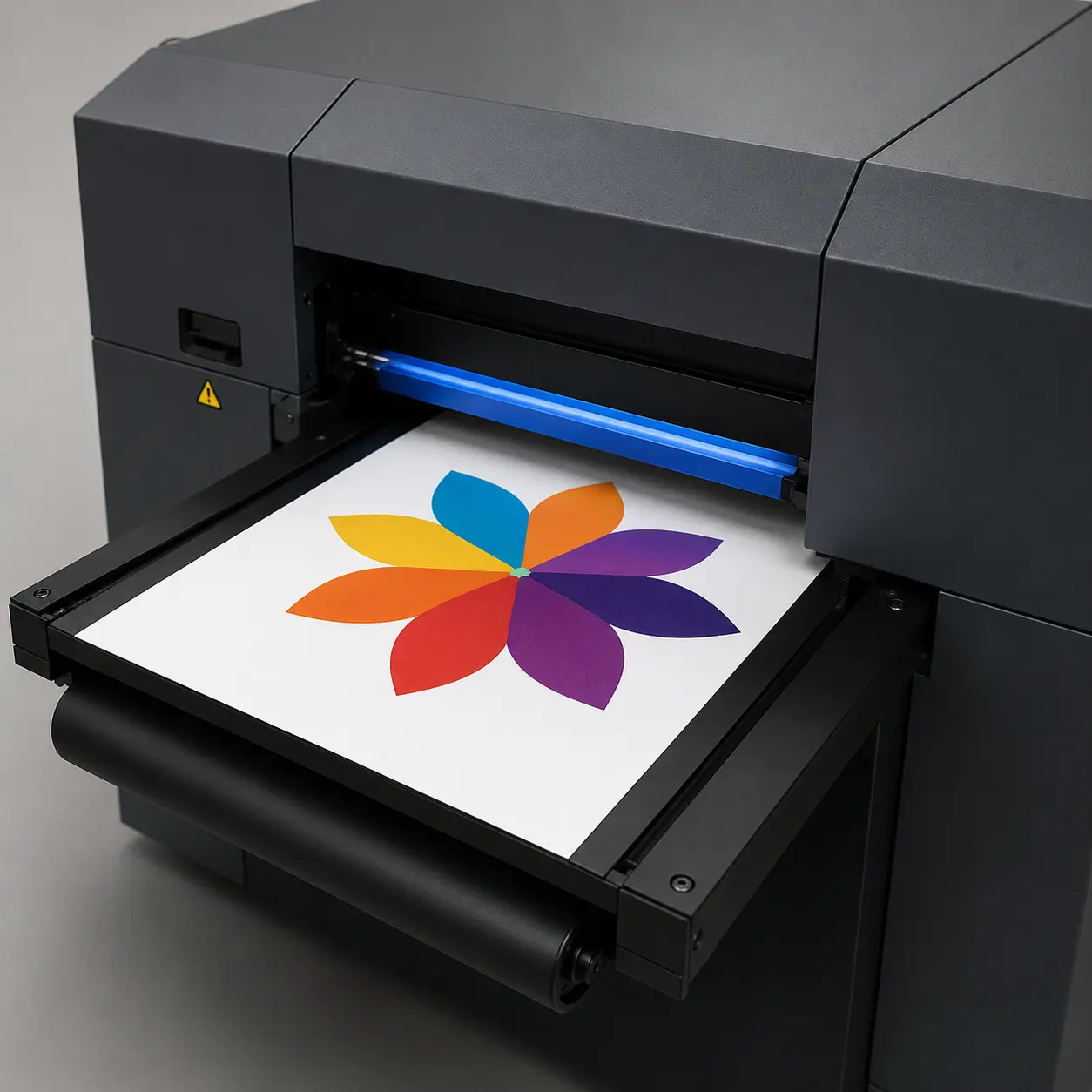
Short-run digital printing with no plate setup — ideal for prototypes, sample approvals, and quick reorders.
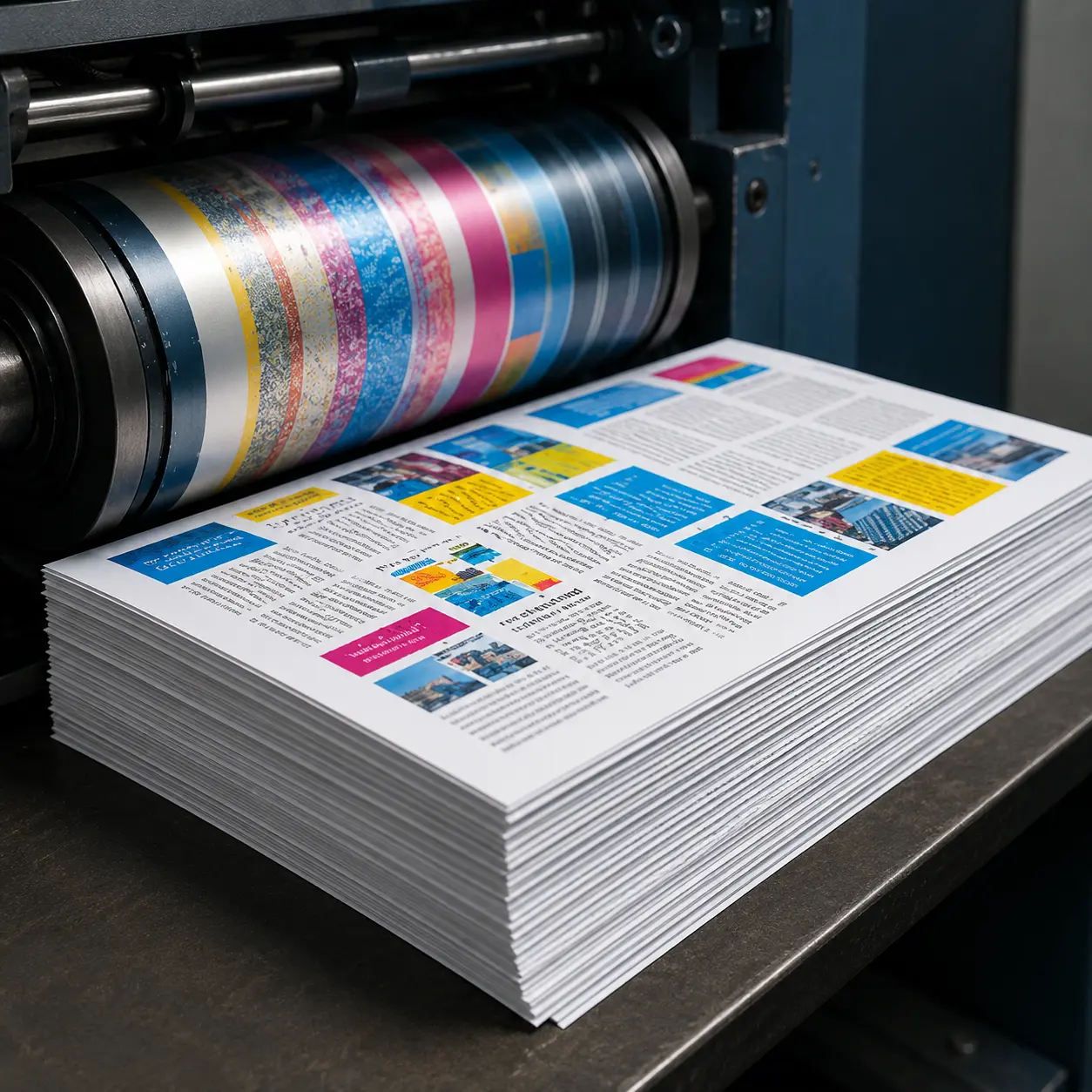
Industry-standard offset printing for high-volume runs with consistent color matching across bulk production.

Selective dimensional embellishment for premium B2B branding, tactile depth, and shelf differentiation.

Vibrant UV-cured printing suited for promotional packaging, event giveaways, and trade-show units.

High-visibility ink system engineered for shelf impact, retail displays, and wholesale point-of-sale units.
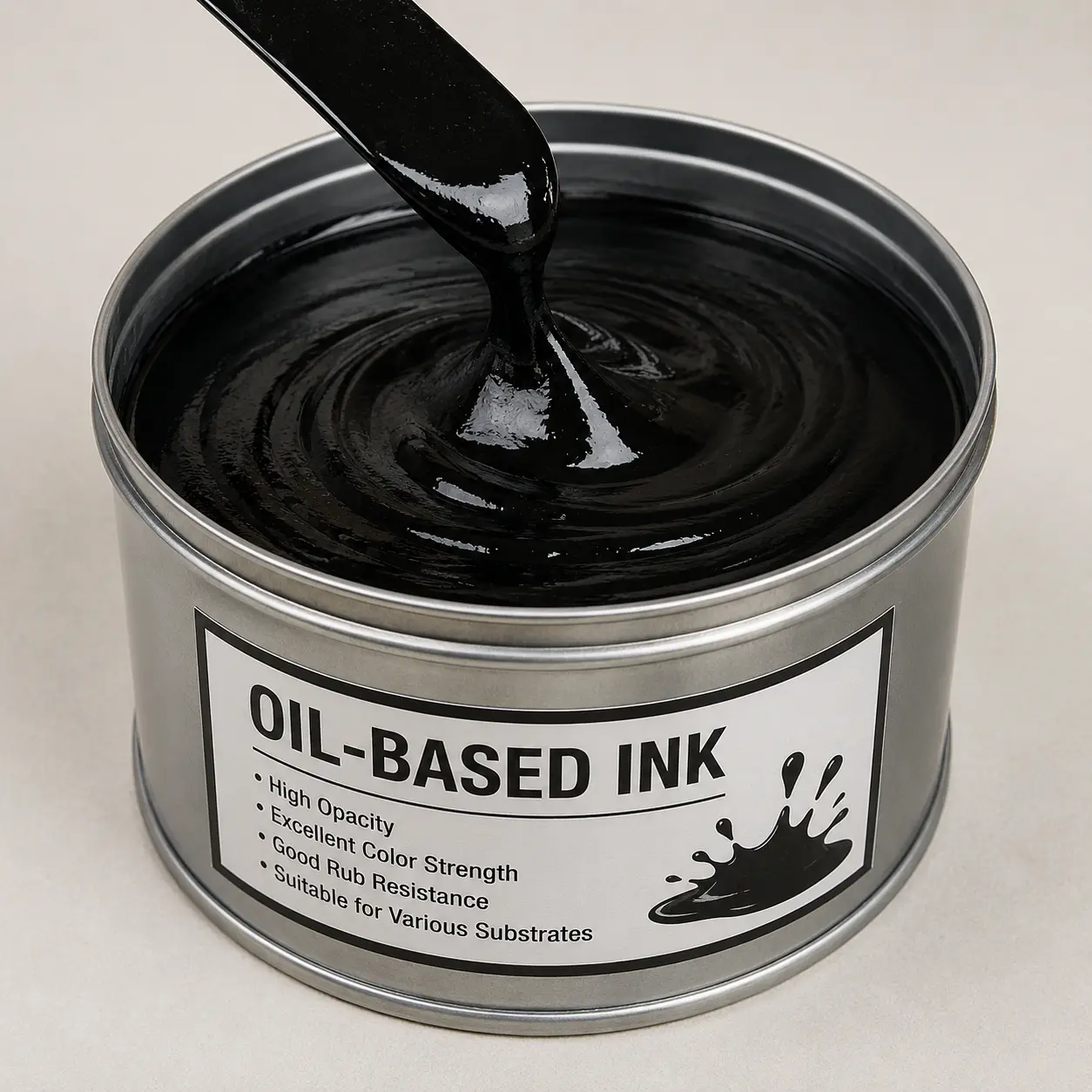
Industry-grade ink for durable, scuff-resistant production runs across long-haul distribution.

Spot-color matching to corporate brand standards — consistent identity across every SKU and reorder.

Sustainable plant-based ink for eco-certified packaging programs and ESG-aligned product launches.

Protective film extends shelf life and protects packaging during shipping and warehouse handling.

Water-based protective seal — fast-drying, food-safe-friendly finish for high-volume bulk production.

Premium tactile finish that elevates corporate gifting boxes and high-end B2B product lines.

Highlight logos and key artwork with selective gloss for maximum retail brand recognition.

Raised brand marks for tactile, premium identity on retail shelves and corporate packaging.

Pressed impressions for subtle, sophisticated branding on premium B2B product lines.

Metallic foil application — gold, silver, and custom finishes for luxury wholesale packaging.
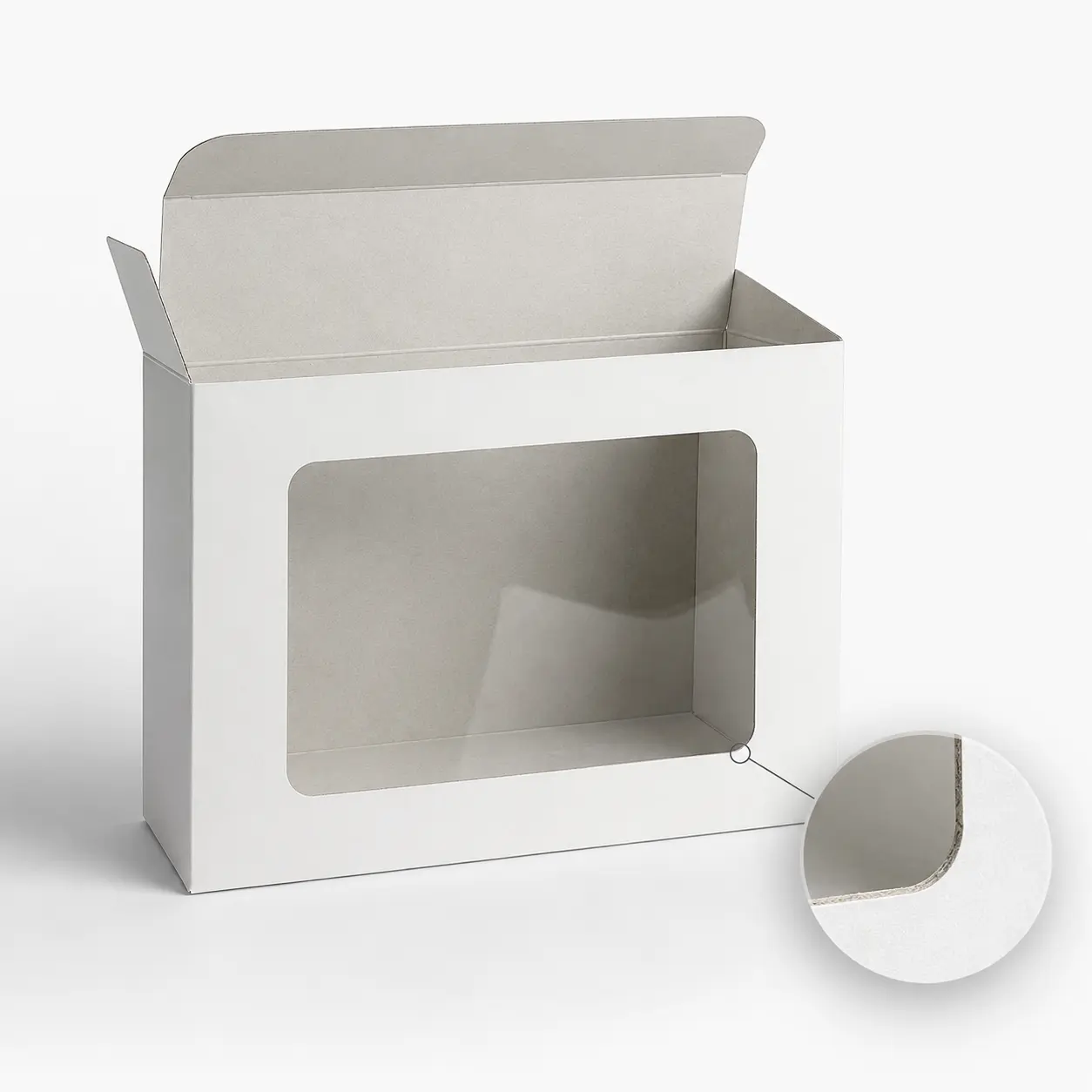
Precision die-cut openings that let customers view the product inside, with optional clear patching for better protection and presentation.
Simple, practical, and built around real B2B production needs.
Send product size, quantity, material preference, artwork, and delivery details.
Our team prepares a proof or 3D mockup so you can check design and structure.
Once approved, your packaging moves into printing, cutting, finishing, and packing.
Finished boxes are packed and shipped to your warehouse, retailer, or 3PL.
Explore similar packaging options that may fit your product line.
Reviews
There are no reviews yet.