
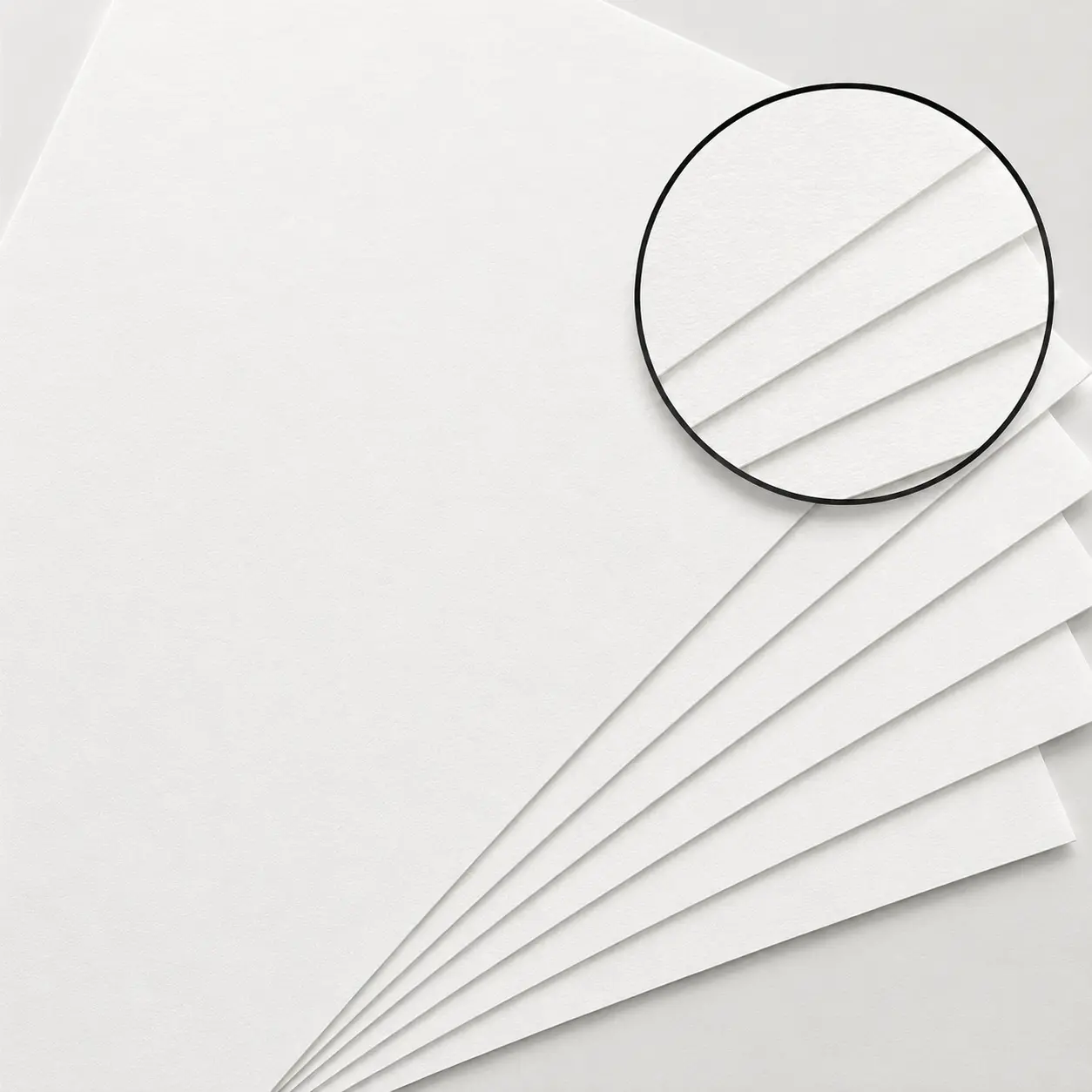
SBS Cardboard
Premium bleached substrate engineered for retail-ready packaging with sharp, high-resolution print performance across bulk SKUs.
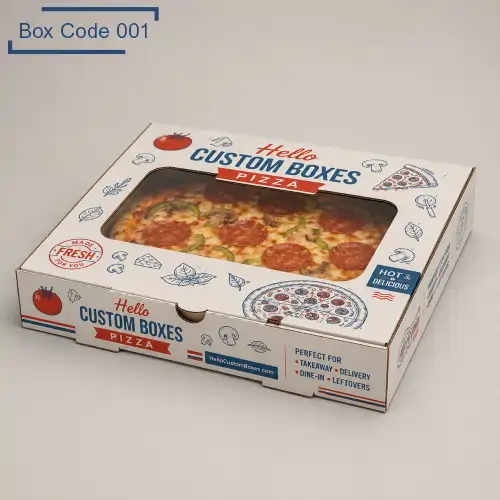
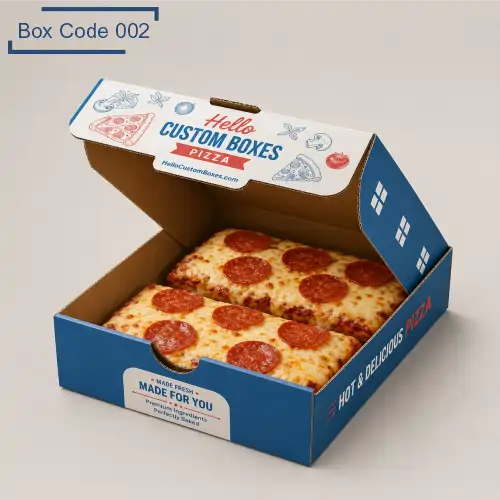
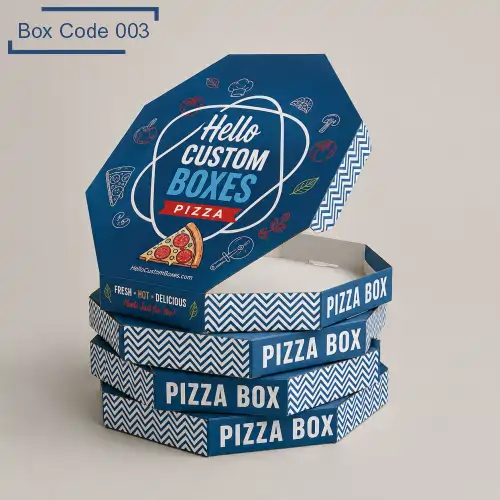
Custom pizza boxes are made around your pizza diameter, depth, serving format, and takeaway or delivery requirements. Choose box dimensions, board options, custom printing, and ventilation features suited to whole pizzas, individual slices, or specialty styles. Hello Custom Boxes supplies made-to-order printed pizza packaging for pizzerias, restaurants, food-service brands, and wholesale orders across the USA.
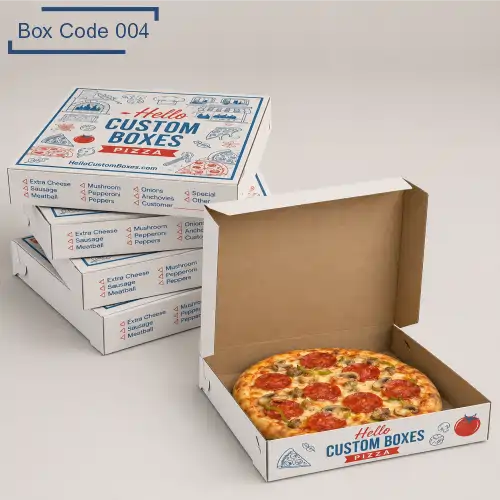
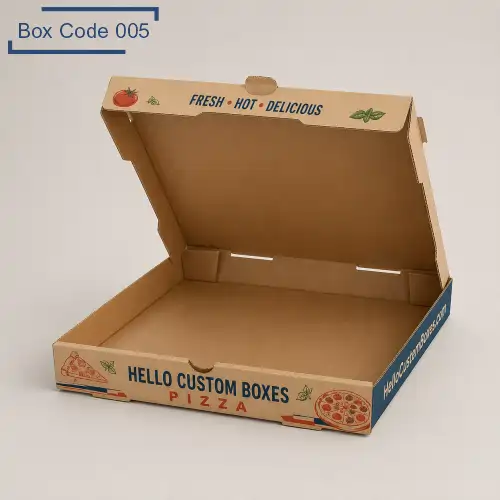
Tell us your specs and we'll send pricing within one business day.
Pizza diameter is the starting point for choosing a box, but it should not be the only measurement considered. Two pizzas sold under the same nominal size can have different crust profiles, topping heights, or finished dimensions.
The internal length and width should provide enough room to load and remove the pizza without forcing it against the side walls. Depth matters too, particularly for thick crusts, generous toppings, or pizzas with a higher finished profile.
For an existing menu, start with the actual finished pizza rather than selecting a box based only on standard pizza box sizes such as 10-inch, 12-inch, 14-inch, or 16-inch. If you already use a liner, tray, or another component inside the box, include that when establishing the required internal dimensions.
This gives us a more useful starting point for creating custom pizza boxes around the food you actually serve.
A pizza is usually packed while it is still hot, which creates different packaging conditions from those of many dry or room-temperature foods.
Steam continues to develop after the lid is closed. Grease and moisture can also interact with the board during holding, takeaway, or delivery. The appropriate box specification therefore depends on the pizza, how long it is expected to remain packed, and how the order reaches the customer.
Ventilation openings can be considered where airflow is part of the packaging requirement. Their number and position should work with the overall box structure rather than simply being added as a decorative feature.
Material selection is equally important. Tell us whether the box will hold the pizza directly or whether your packing setup uses a liner or other food-contact layer so the appropriate packaging specification can be discussed.
Length and width determine the footprint of a pizza box, but internal depth can make the difference between a practical fit and a carton that interferes with the food.
A relatively thin pizza may need less vertical clearance than a deep-dish or heavily topped pizza of the same diameter. If the box is too shallow, the inside of the lid may come too close to the toppings. An unnecessarily deep box, however, adds space that the product does not require.
Consider the complete packed profile, including:
These details are especially useful when standard stock dimensions do not suit the pizza style your business sells.
The same pizza box structure does not suit every order. A whole pizza going out for delivery has different packaging requirements from a single slice sold over the counter.
Whole-pizza cartons are typically planned around the finished diameter and depth of the pizza. Structural rigidity becomes increasingly important as the box footprint gets larger, particularly when orders are handled, carried, or stacked during takeaway and delivery.
Custom dimensions can also help businesses that sell pizza sizes or styles that do not fit comfortably inside standard stock cartons.
Individual slices need a much smaller packaging footprint. The shape and dimensions should follow the portion being served rather than reproducing a full-size pizza box at a smaller scale.
Slice packaging can be useful for takeaway counters, food-service locations, events, and businesses selling pizza by the slice. Branding can be printed on the main panels while keeping the package compact.
Deep-dish, stuffed, and thick-crust pizzas need more attention to internal depth.
Measure the finished product at its highest practical point, including toppings, rather than using diameter alone. This helps establish sufficient vertical space between the pizza and the inside of the lid.
Where the pizza is particularly large or heavy, the board and box structure should also be considered alongside its dimensions.
The right board depends on more than appearance. Pizza size, packed weight, box dimensions, handling, moisture exposure, delivery conditions, and the chosen structure all influence the specification.
Corrugated board can provide additional rigidity for larger pizza cartons and delivery-focused applications. Paperboard structures may be considered for smaller portions or serving formats where the product and intended use allow a lighter construction.
Kraft and white printable surfaces also create different visual results. Kraft provides a natural board appearance, while a white printing surface can provide a different base for colors and detailed branded artwork.
Instead of selecting material solely by name or appearance, it is better to match the board specification to the packed pizza and its distribution conditions.
Businesses looking beyond pizza packaging can also explore our custom food packaging options for other takeaway and food-service products.
A pizza box provides highly visible printing areas, particularly across the lid, but the artwork should still be planned around folds, closure points, ventilation openings, and the final assembled structure.
The lid can carry the primary logo and brand artwork, while side panels can be used for supporting information such as contact details, ordering information, social channels, or a QR code where appropriate.
Depending on the selected material and printing method, custom artwork may include brand colors, patterns, illustrations, promotional graphics, or other supplied content.
Before production, artwork should be positioned on the correct dieline so important elements do not fall across folds, cuts, locking areas, or other structural features.
If your design uses a specific brand color, provide the relevant artwork and color references when requesting your quote so the printing requirements can be reviewed with the box specification.
You do not need to know every technical packaging specification before requesting pricing. The most useful starting point is the pizza and the way you currently pack it.
For a more accurate custom pizza box quote, provide:
If you already have a pizza box that fits correctly, its dimensions or a physical sample can also provide a useful reference.
Hello Custom Boxes can use these details to review the required dimensions, structure, board, printing, and other customization options before your order moves forward.
| Option | Available Choices |
|---|---|
| Size | Made to required pizza dimensions |
| Formats | Whole pizza, slice and specialty pizza packaging |
| Board | Paperboard or corrugated options based on application |
| Printing | Custom logos, colors and supplied artwork |
| Ventilation | Available where required by the box design |
| Surface | Kraft or printable board options |
| Quantity | Custom and wholesale order quantities |
| Artwork | Customer-supplied or prepared to the approved dieline |
Choose from practical materials, print methods, inks, finishes, and add-ons for a better product presentation.
Premium bleached substrate engineered for retail-ready packaging with sharp, high-resolution print performance across bulk SKUs.
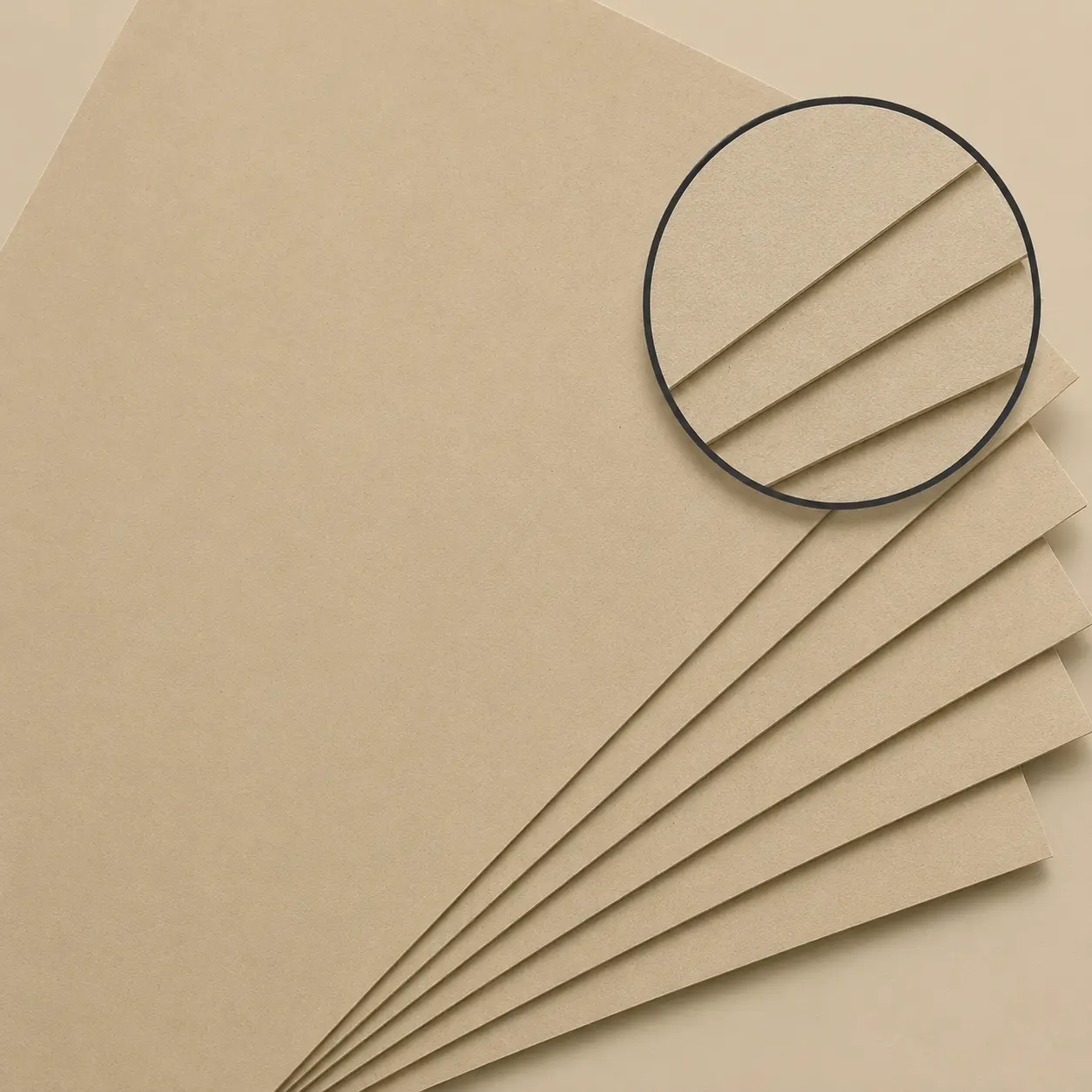
High-density rigid board built for wholesale cartons, structural strength, and stack-ready warehouse logistics.
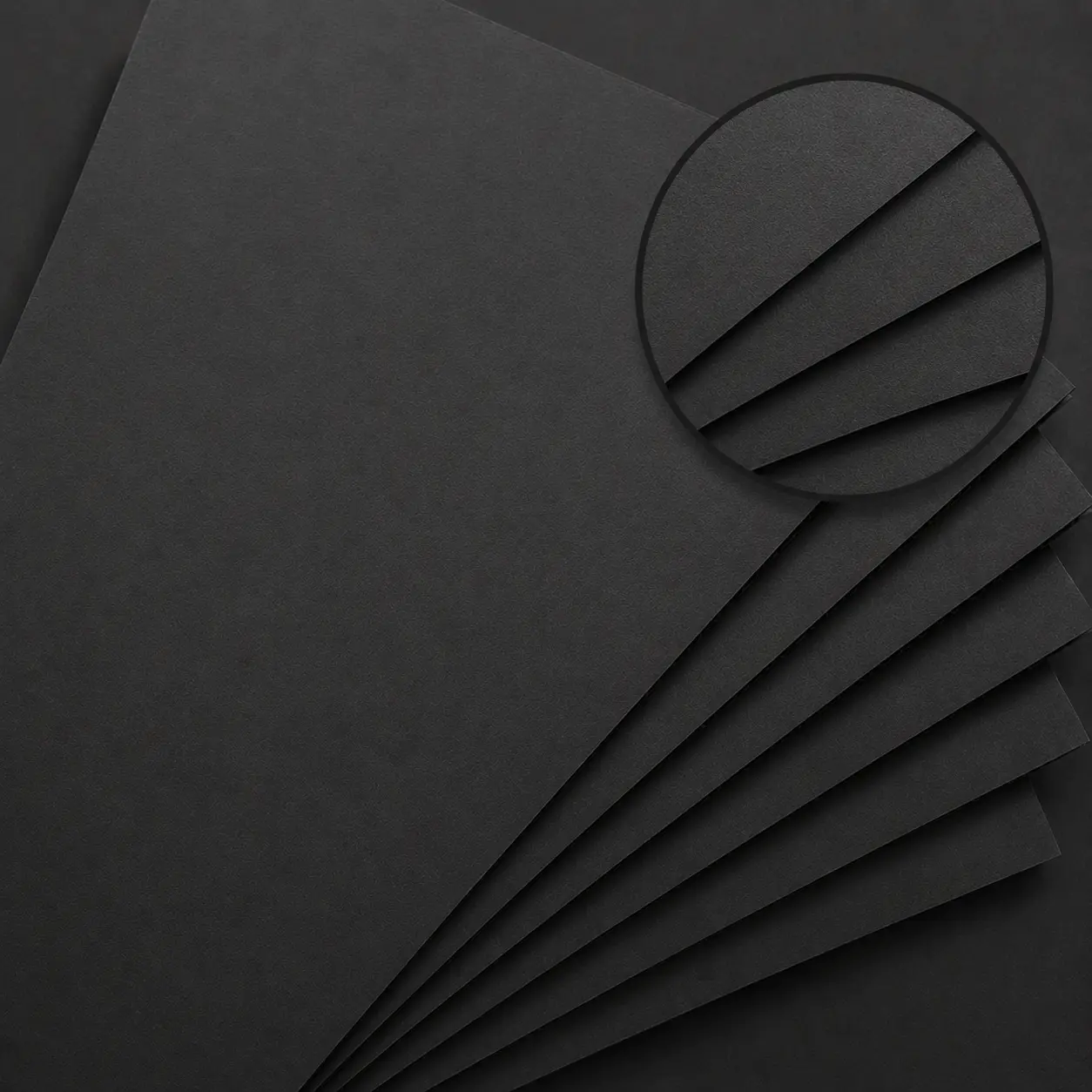
Eco-conscious black kraft for premium unboxing programs, corporate gifting, and limited-edition product lines.
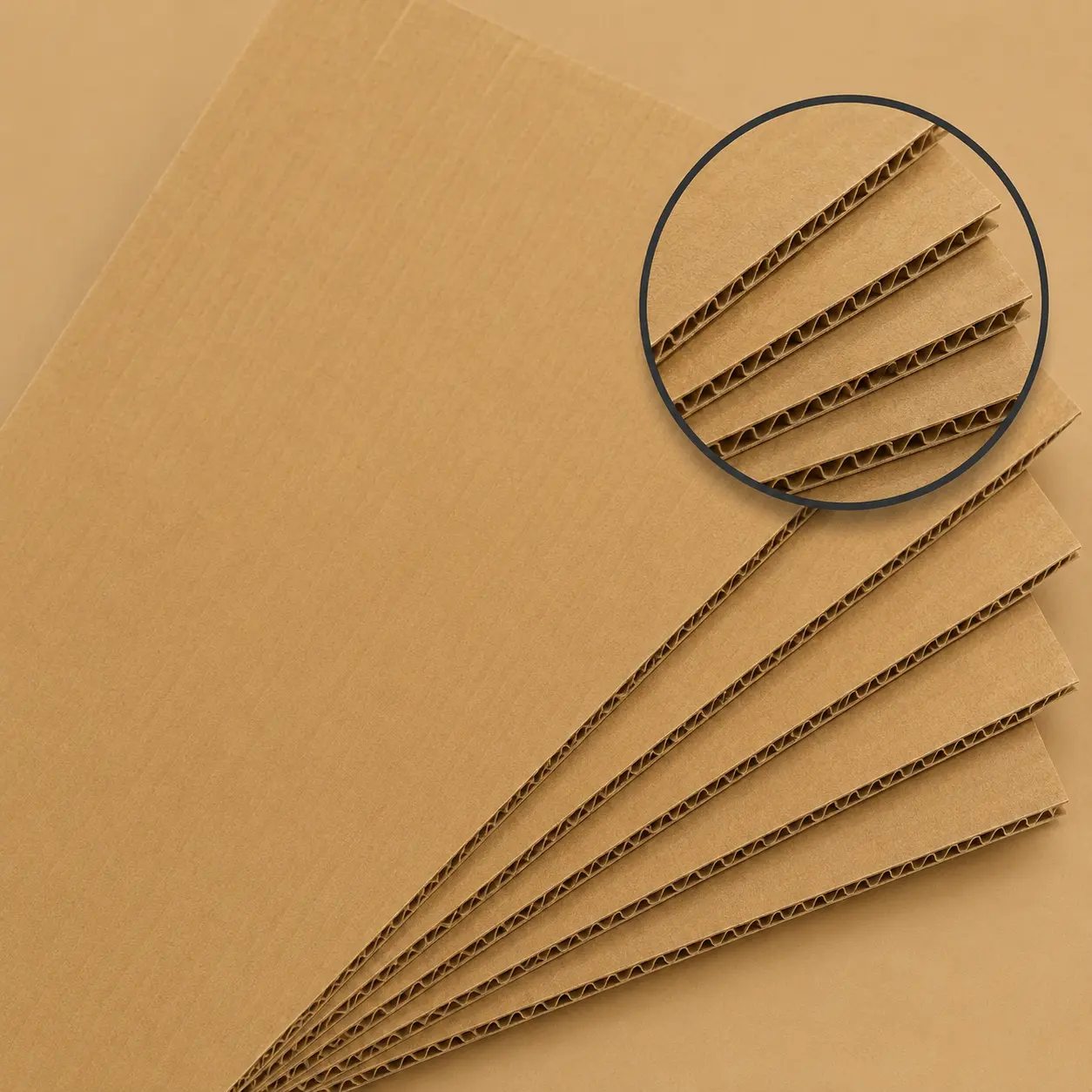
Multi-flute corrugated board built for protective shipping, e-commerce dispatch, and high-volume B2B fulfillment.
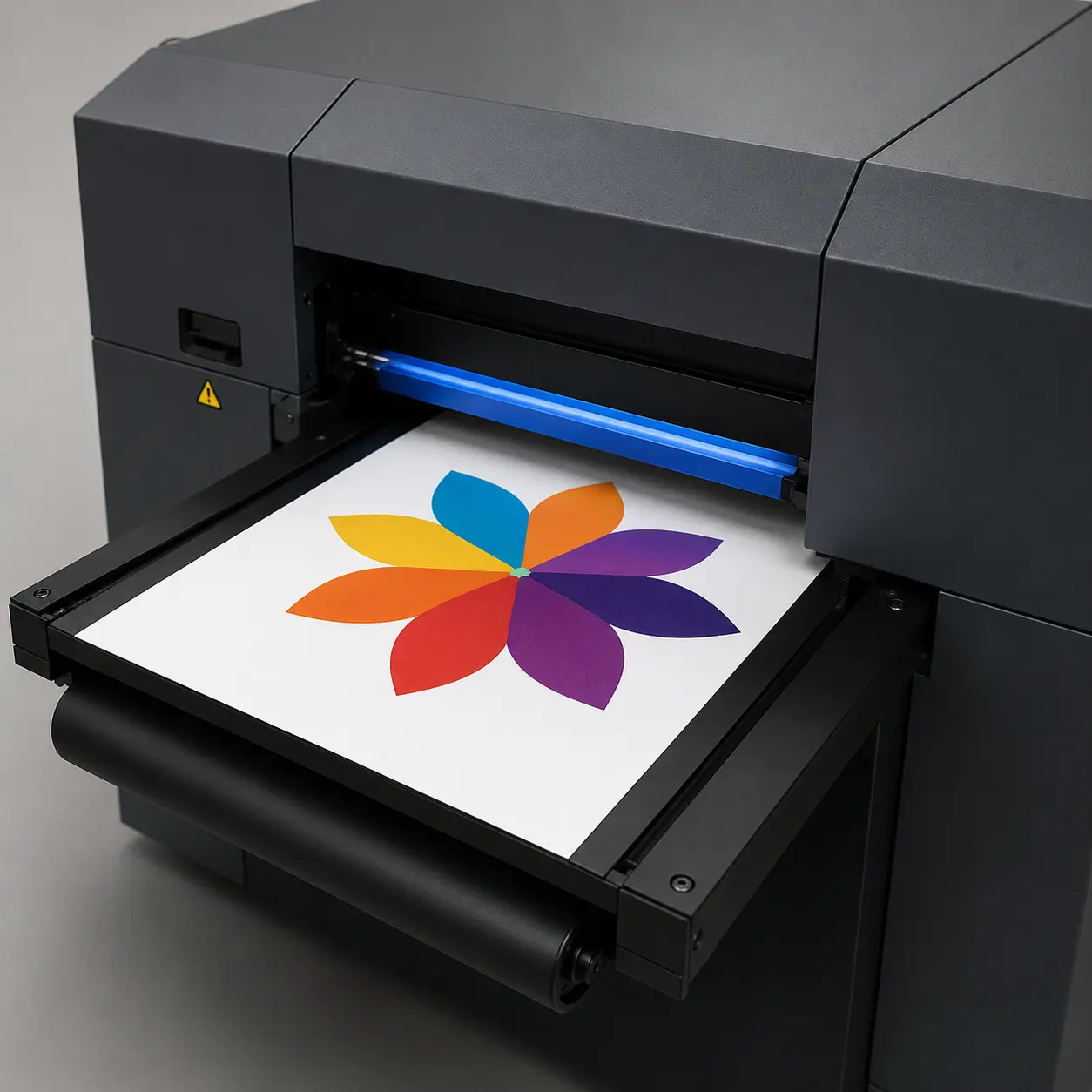
Short-run digital printing with no plate setup — ideal for prototypes, sample approvals, and quick reorders.
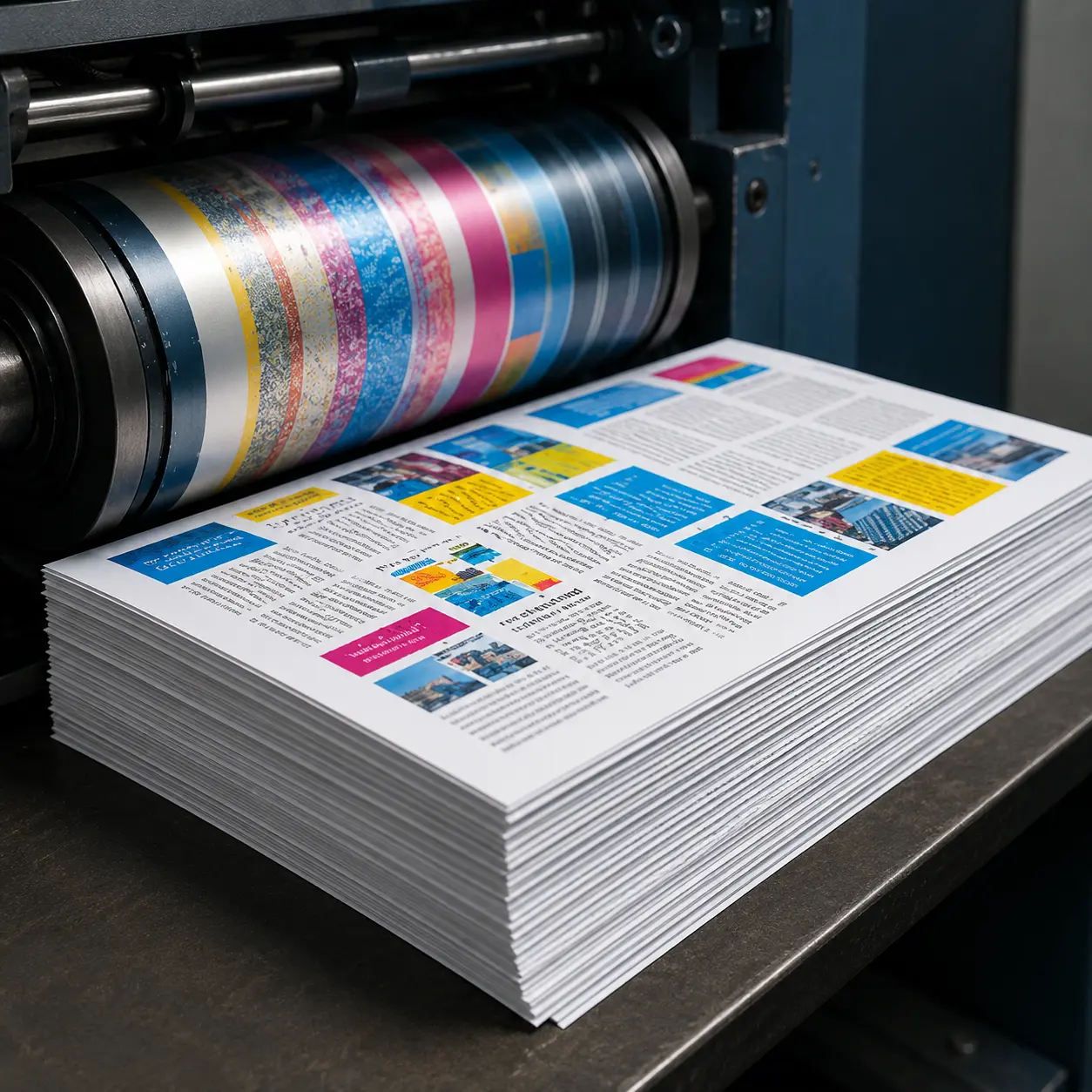
Industry-standard offset printing for high-volume runs with consistent color matching across bulk production.

Selective dimensional embellishment for premium B2B branding, tactile depth, and shelf differentiation.

Vibrant UV-cured printing suited for promotional packaging, event giveaways, and trade-show units.
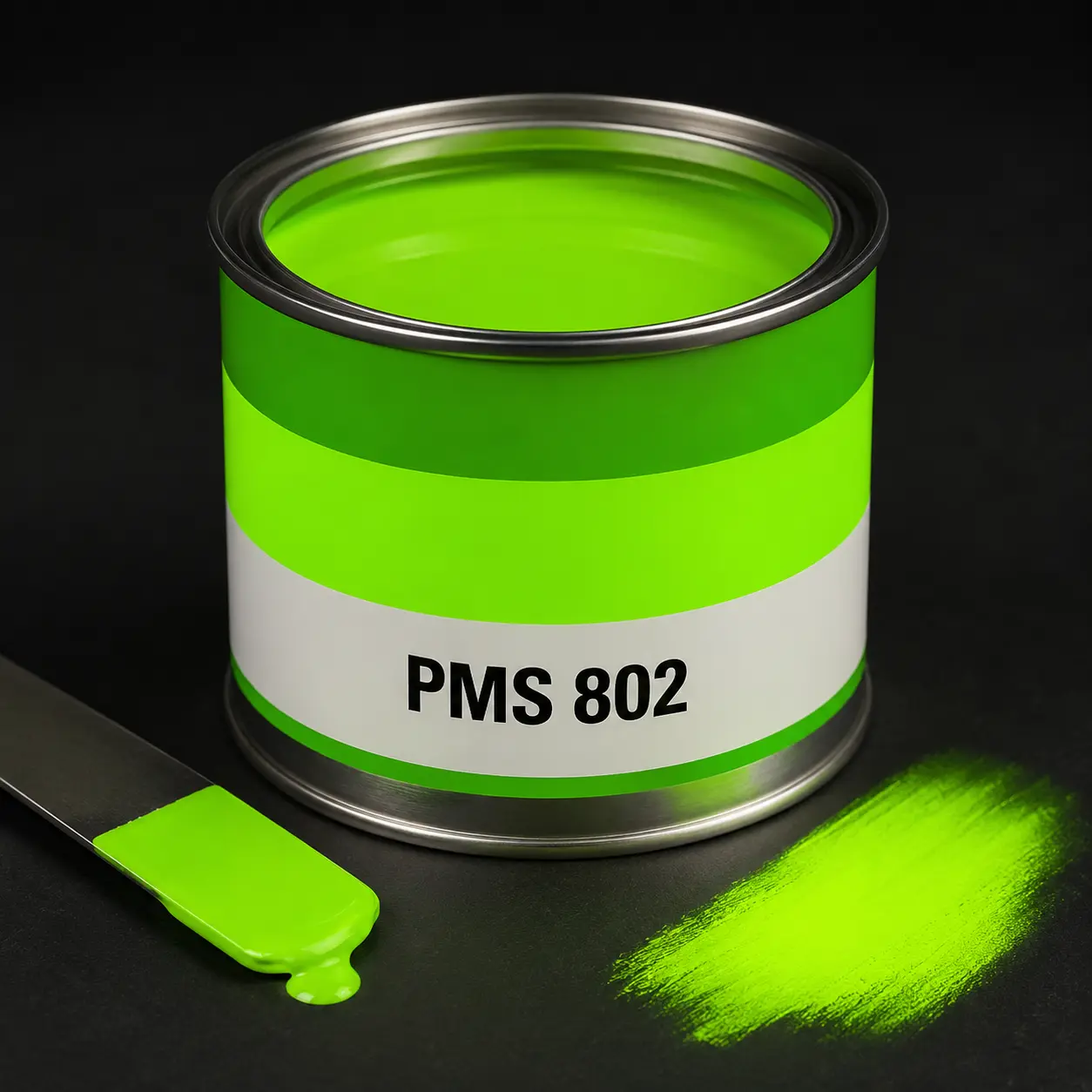
High-visibility ink system engineered for shelf impact, retail displays, and wholesale point-of-sale units.
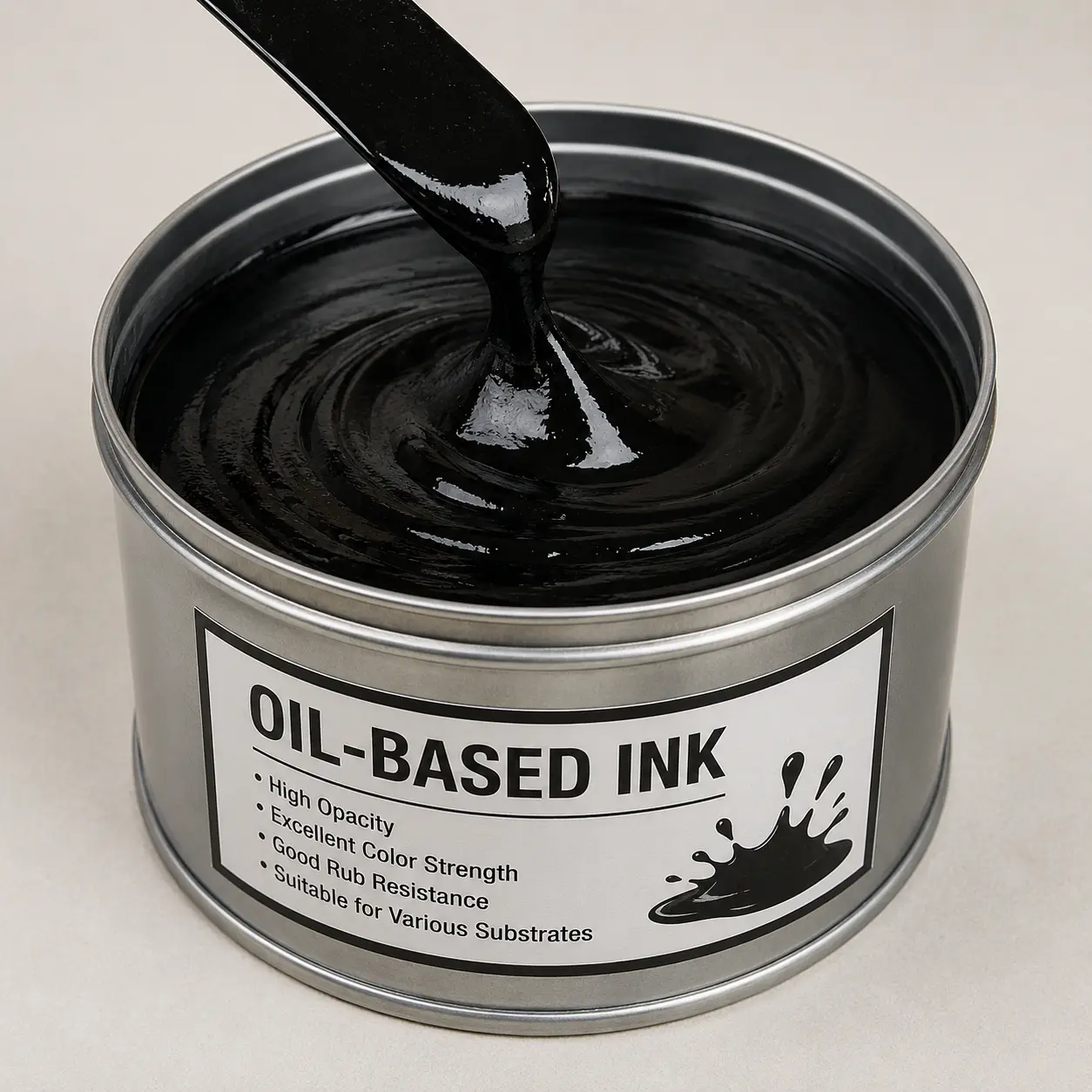
Industry-grade ink for durable, scuff-resistant production runs across long-haul distribution.

Spot-color matching to corporate brand standards — consistent identity across every SKU and reorder.

Sustainable plant-based ink for eco-certified packaging programs and ESG-aligned product launches.

Protective film extends shelf life and protects packaging during shipping and warehouse handling.

Water-based protective seal — fast-drying, food-safe-friendly finish for high-volume bulk production.

Premium tactile finish that elevates corporate gifting boxes and high-end B2B product lines.

Highlight logos and key artwork with selective gloss for maximum retail brand recognition.

Raised brand marks for tactile, premium identity on retail shelves and corporate packaging.

Pressed impressions for subtle, sophisticated branding on premium B2B product lines.

Metallic foil application — gold, silver, and custom finishes for luxury wholesale packaging.
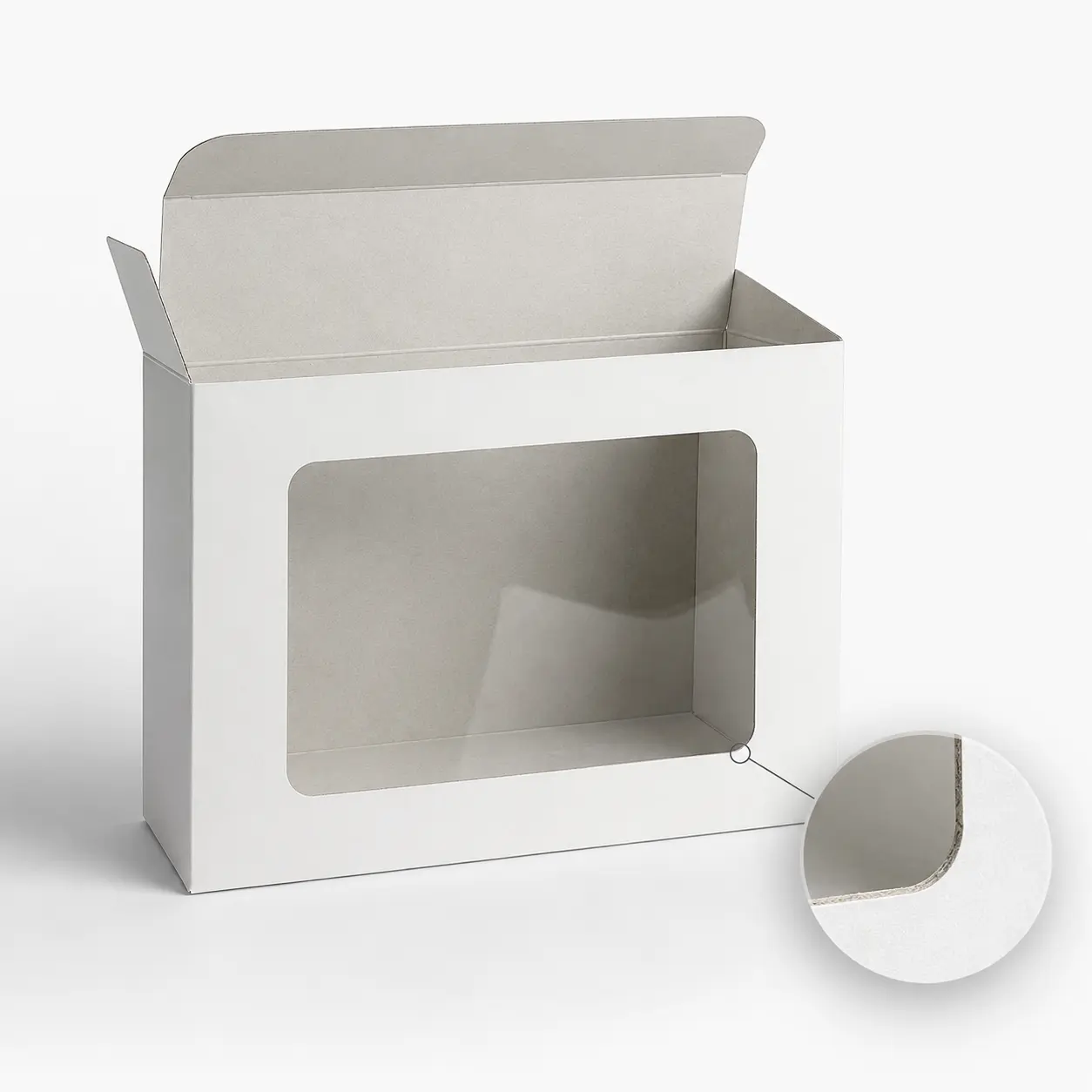
Precision die-cut openings that let customers view the product inside, with optional clear patching for better protection and presentation.
Simple, practical, and built around real B2B production needs.
Send product size, quantity, material preference, artwork, and delivery details.
Our team prepares a proof or 3D mockup so you can check design and structure.
Once approved, your packaging moves into printing, cutting, finishing, and packing.
Finished boxes are packed and shipped to your warehouse, retailer, or 3PL.
Explore similar packaging options that may fit your product line.



Reviews
There are no reviews yet.