
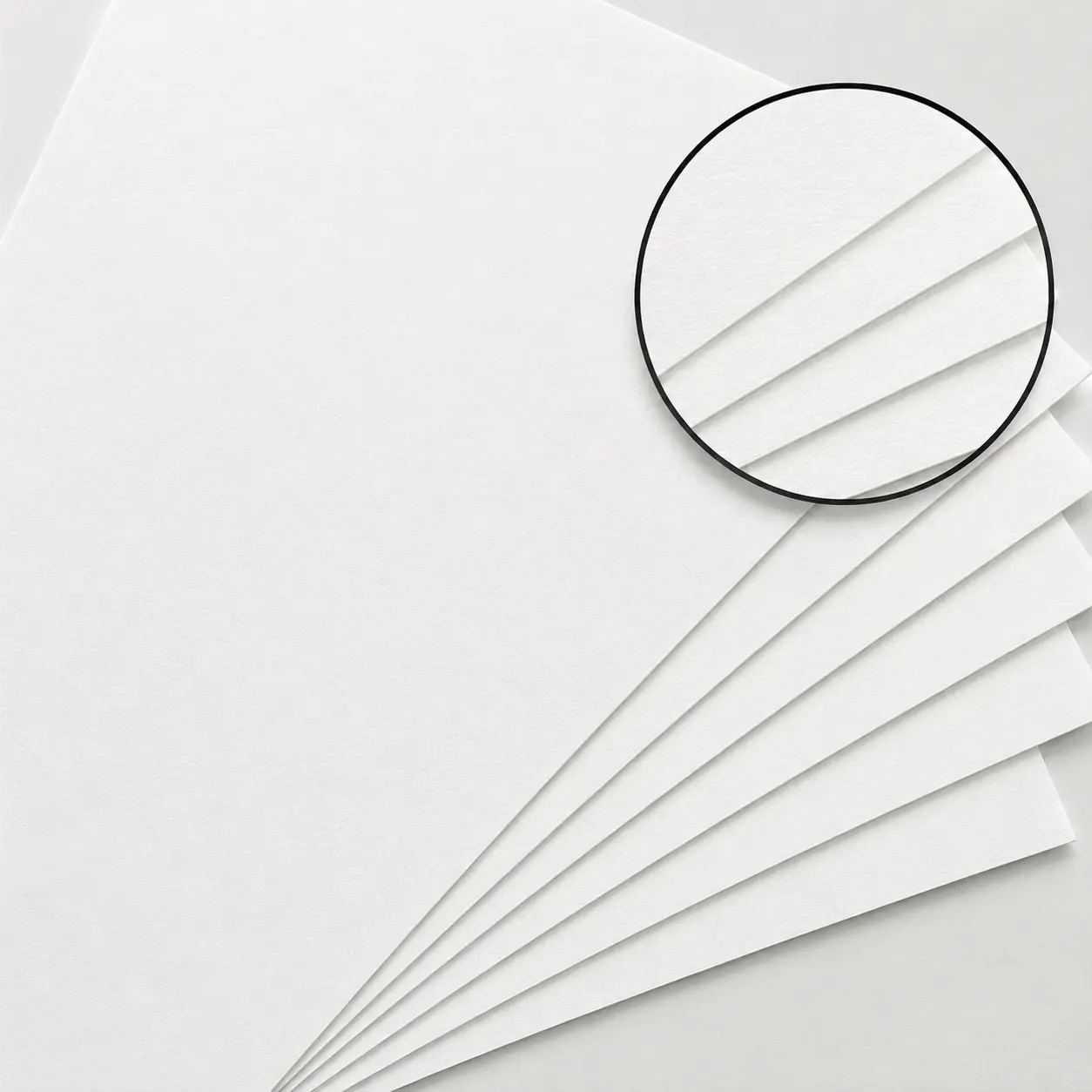
SBS Cardboard
Premium bleached substrate engineered for retail-ready packaging with sharp, high-resolution print performance across bulk SKUs.
Custom biscuit boxes can be sized around single biscuits, stacked packs, assortments, and gift collections. Box structure, board strength, printing, windows, and internal support can be matched to how the biscuits are displayed or shipped. Hello Custom Boxes supplies custom printed biscuit packaging for bakeries, food brands, retailers, and wholesale buyers across the USA.


Tell us your specs and we'll send pricing within one business day.
Looking for custom biscuit boxes that protect your product and strengthen your brand? We manufacture food-grade, custom-printed biscuit packaging in any size — from single packs and stacked biscuits to mixed assortments and premium gift collections.
Whether you need lightweight retail cartons, rigid gift boxes, or reinforced mailers for shipping, every box is built around your product dimensions, packed weight, and how it will be handled. Choose from SBS board, kraft, corrugated, and rigid options with full-color printing, windows, inserts, and protective coatings.
Hello Custom Boxes supplies wholesale biscuit packaging across the USA with free design support, low MOQs, and reliable coast-to-coast delivery.
A folding carton is often enough for biscuits moving from a retail shelf or bakery counter to the customer. It is lightweight, stores efficiently before assembly, and gives the brand plenty of printable surface.
Gift ranges usually call for something different. Two-piece and rigid formats create a more substantial presentation, while kraft cartons suit ranges where a simpler, natural look fits the brand.
Parcel delivery changes the priorities again. Once a biscuit pack enters an ecommerce or subscription shipping network, the outer structure has to cope with more handling and stacking. Corrugated mailers or reinforced cartons may make more sense here than increasing the weight of a standard retail carton.
The structure should reflect the journey the biscuits actually make.
A strong outer box will not solve everything if the biscuits are free to move inside it.
Mixed assortments are particularly sensitive to internal space. Different shapes can shift against one another, edges become chipped, and an arrangement that looked neat when packed may not look the same when opened.
Dividers create separate areas for different varieties. A fitted insert goes further by controlling the position of individual pieces or smaller groups. Neither needs to be more complicated than the product requires.
When biscuits already sit in a tray, wrapper, or sealed pouch, we work from those finished dimensions. That matters because the carton is ultimately fitting the complete packed product, not the biscuit on its own.
Paperboard works well for many lightweight retail biscuit cartons because it combines print quality with efficient construction. Kraft board offers a more natural appearance, while corrugated material provides extra support where packs are heavier or regularly shipped.
Premium gift boxes may justify thicker or rigid board, but more material is not automatically better packaging. A well-fitted lightweight carton can be more appropriate than an oversized heavy box.
Packed weight and handling conditions are more useful indicators than the biscuit category alone.
Food contact also needs to be considered separately from appearance. Biscuits packed inside a primary wrapper or tray present different material requirements from a product intended to contact the carton directly. Any required barrier or coating should be considered against that actual packaging setup.
For some products, seeing the biscuits does much of the selling. A die-cut window can expose part of the assortment while leaving enough board around it for the carton to remain practical.
Other ranges benefit more from uninterrupted print space. That gives artwork, product information, illustrations, and brand colors greater control over the front of the pack.
Finishes are another choice rather than a requirement. Foil, embossing, debossing, or selected surface treatments can suit premium and seasonal collections. Everyday retail packaging often benefits more from clean printing and a well-resolved structure.
The best result is usually the one where the print and finish support the product rather than competing with it.
Launching another flavor does not always mean starting the packaging again.
When several products share the same packed dimensions and internal arrangement, the underlying box structure may stay consistent while the artwork changes between SKUs. That can make a growing biscuit range easier to manage and gives related products a more consistent shelf presence.
Seasonal collections can work in much the same way. Christmas assortments, corporate gifting, wedding favors, or limited editions may use a proven structure with different graphics, sleeves, or selected finishes.
Where the contents change as well as the artwork, the internal layout needs another look. A mixed gift assortment with several biscuit sizes may need partitions even when its outer dimensions remain unchanged.
Accurate sizing comes first. For an existing pack, that may mean working from the current carton, tray, or wrapped product. For a new range, the product dimensions and intended arrangement establish the space the box needs to hold.
From there, the structure and board can be matched to the pack weight and how it will be handled. Windows, inserts, or partitions are incorporated at this stage so they belong to the construction rather than becoming later additions.
Once the structure is agreed, artwork is prepared against the box layout for review before production. This is particularly important where graphics need to align with folds, windows, or other structural features.
Wholesale pricing reflects the finished specification. Box size, construction, quantity, print requirements, and additional components such as inserts all play a part. Multiple artwork versions may also affect production even when they share the same structure.
For a useful quote, the essentials are straightforward: dimensions, quantity, what is being packed, and how the finished box will be used. Existing artwork or a reference box can be included where available.
| Feature | Details |
|---|---|
| Material Options | Food-grade SBS board, Kraft paperboard, Corrugated (for shipping), Rigid chipboard, Grease & moisture-resistant liners |
| Box Styles | Tuck-end cartons, Rigid two-piece gift boxes, Window boxes, Mailer boxes with inserts, Flat-pack folding cartons |
| Structural Features | Custom die-cut inserts, Partition trays, Reinforced edges, Secure tuck or seal closures, Optional ventilation |
| Protection Features | FDA-approved food contact materials, Grease & moisture barrier coatings, Crush-resistant construction, Shelf-stable barrier protection |
| Printing & Branding | Full CMYK & Pantone printing, Foil stamping, Embossing / Debossing, Matte, Gloss & Soft-touch finishes, Custom window cut-outs |
| Eco-Friendly Options | FSC-certified boards, Soy-based inks, Recyclable & compostable materials, Minimal plastic alternatives |
| Sizes & Dimensions | Fully custom sizes for single packs, stacked biscuits, assortments, mini packs & bulk orders |
| Applications | Retail shelves, Bakery counters, Gift packaging, Subscription boxes, Wholesale shipments, Wedding & event favors |
| Wholesale Benefits | Low MOQs, Volume-based pricing, Consistent Pantone matching, Fast reorders with saved dielines |
Choose from practical materials, print methods, inks, finishes, and add-ons for a better product presentation.
Premium bleached substrate engineered for retail-ready packaging with sharp, high-resolution print performance across bulk SKUs.
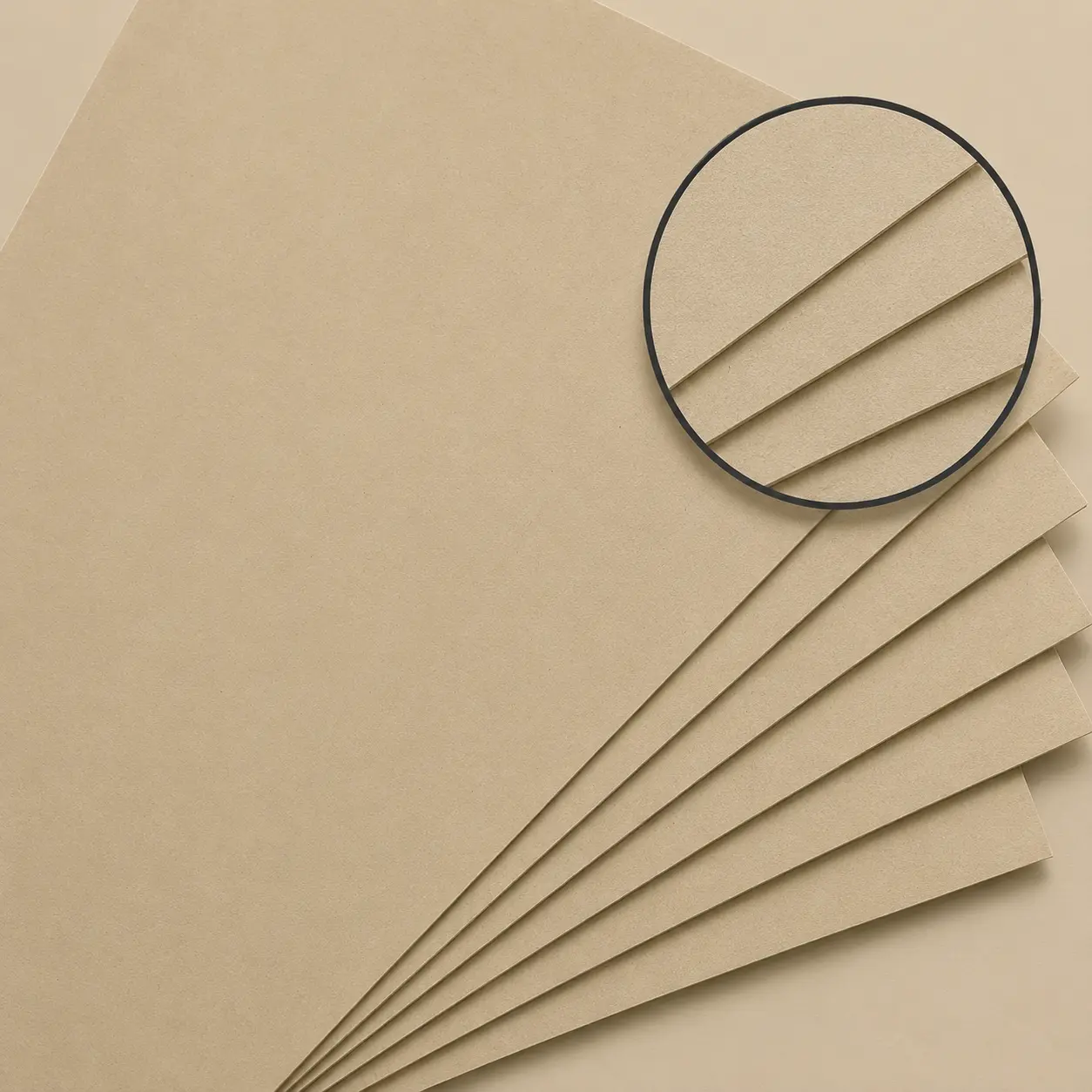
High-density rigid board built for wholesale cartons, structural strength, and stack-ready warehouse logistics.
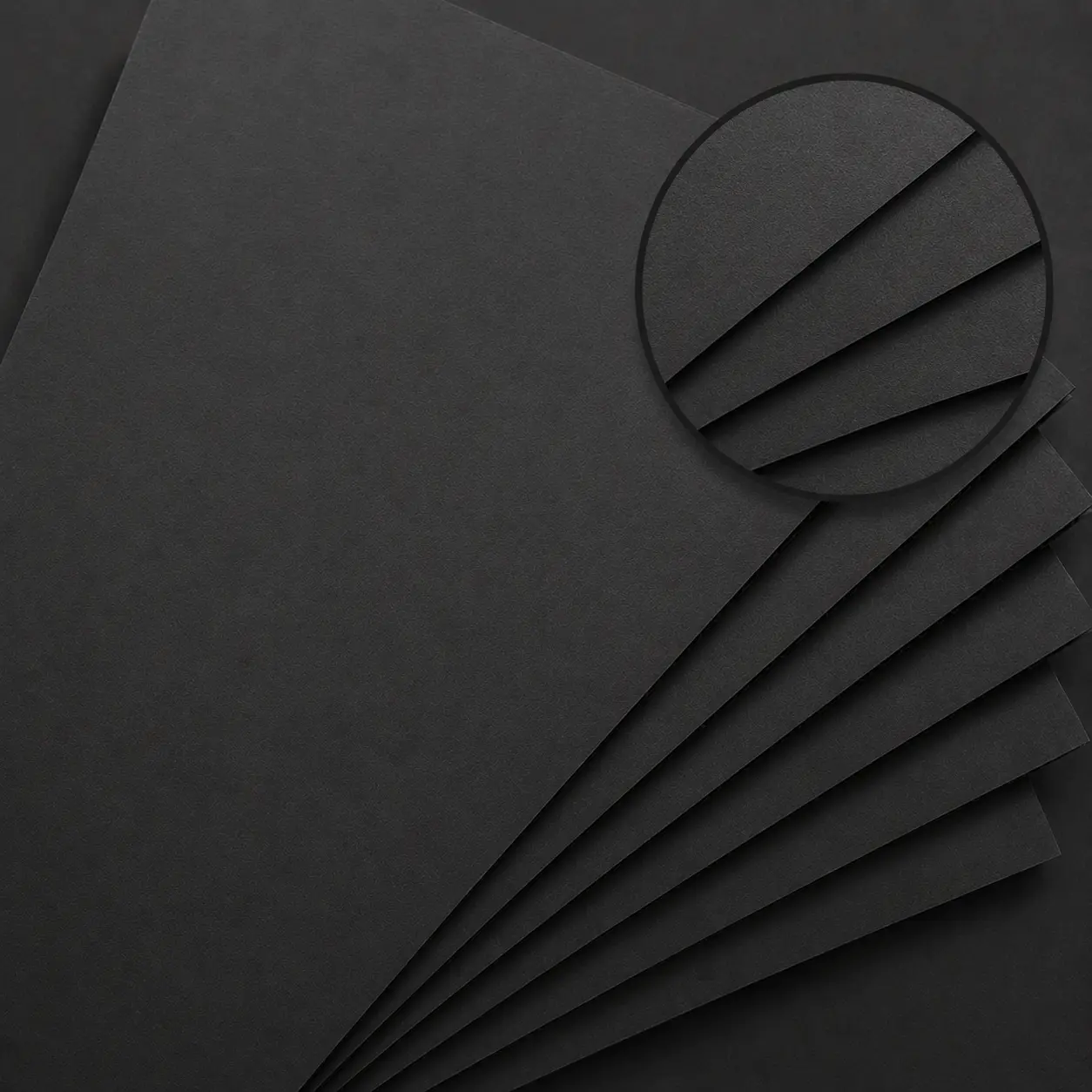
Eco-conscious black kraft for premium unboxing programs, corporate gifting, and limited-edition product lines.
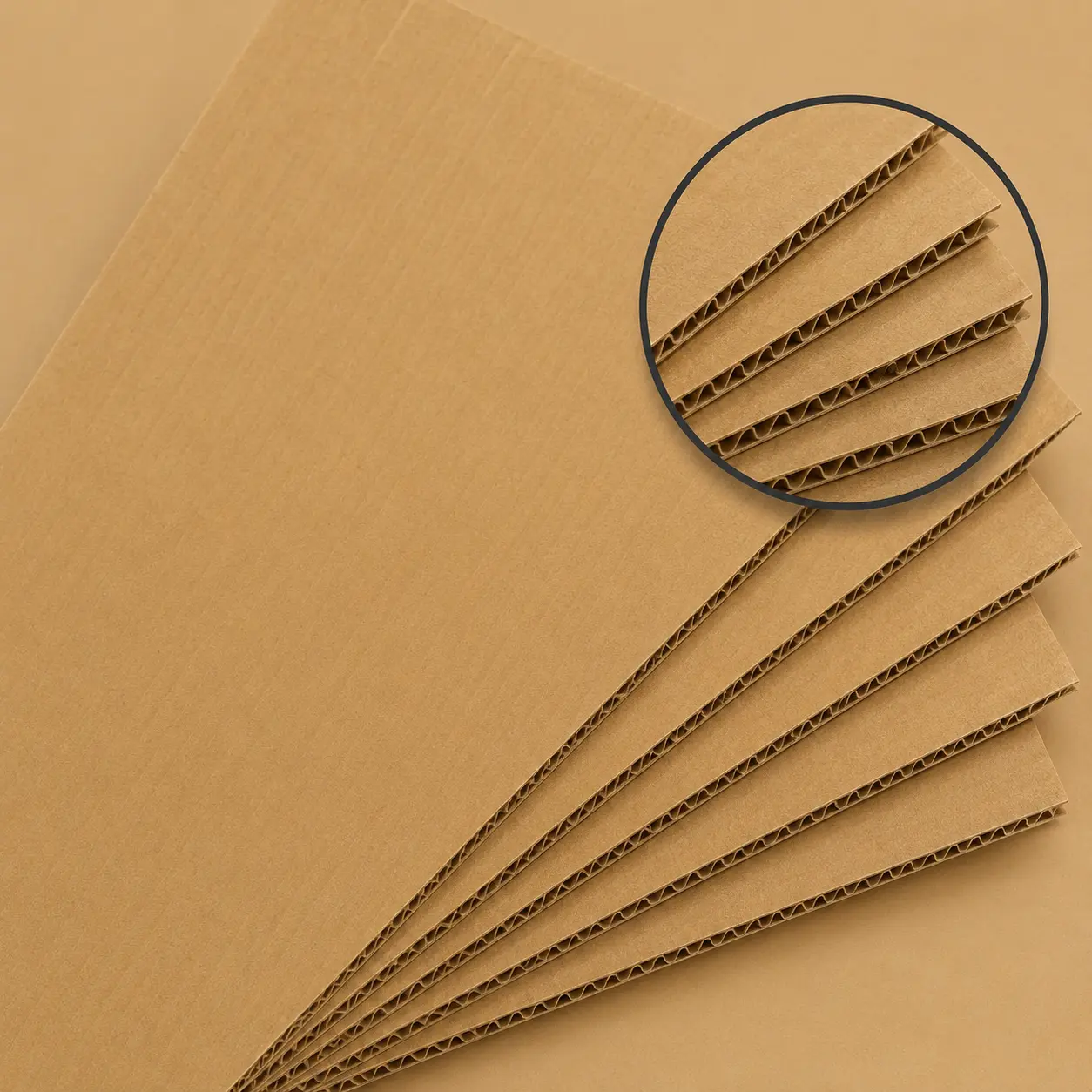
Multi-flute corrugated board built for protective shipping, e-commerce dispatch, and high-volume B2B fulfillment.
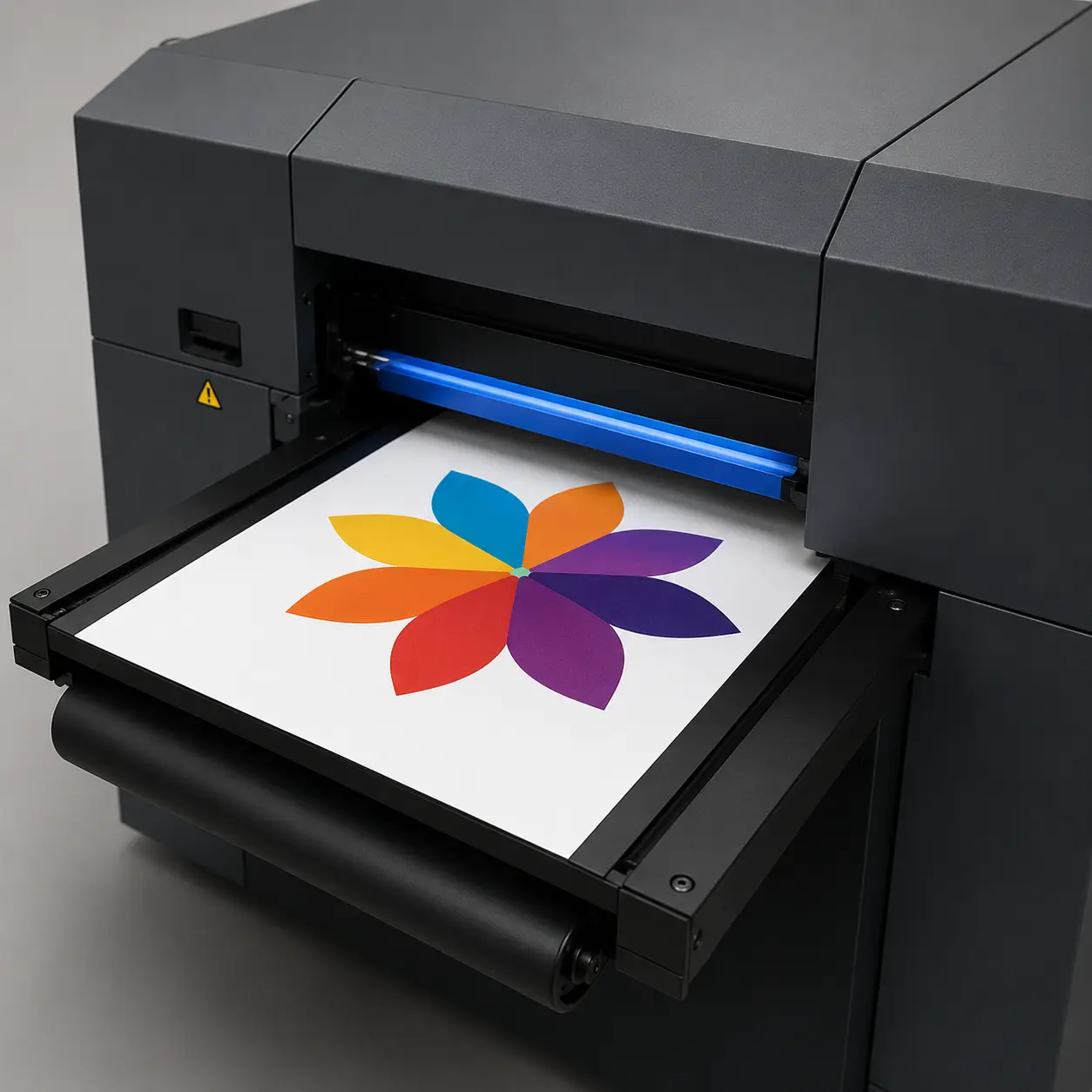
Short-run digital printing with no plate setup — ideal for prototypes, sample approvals, and quick reorders.
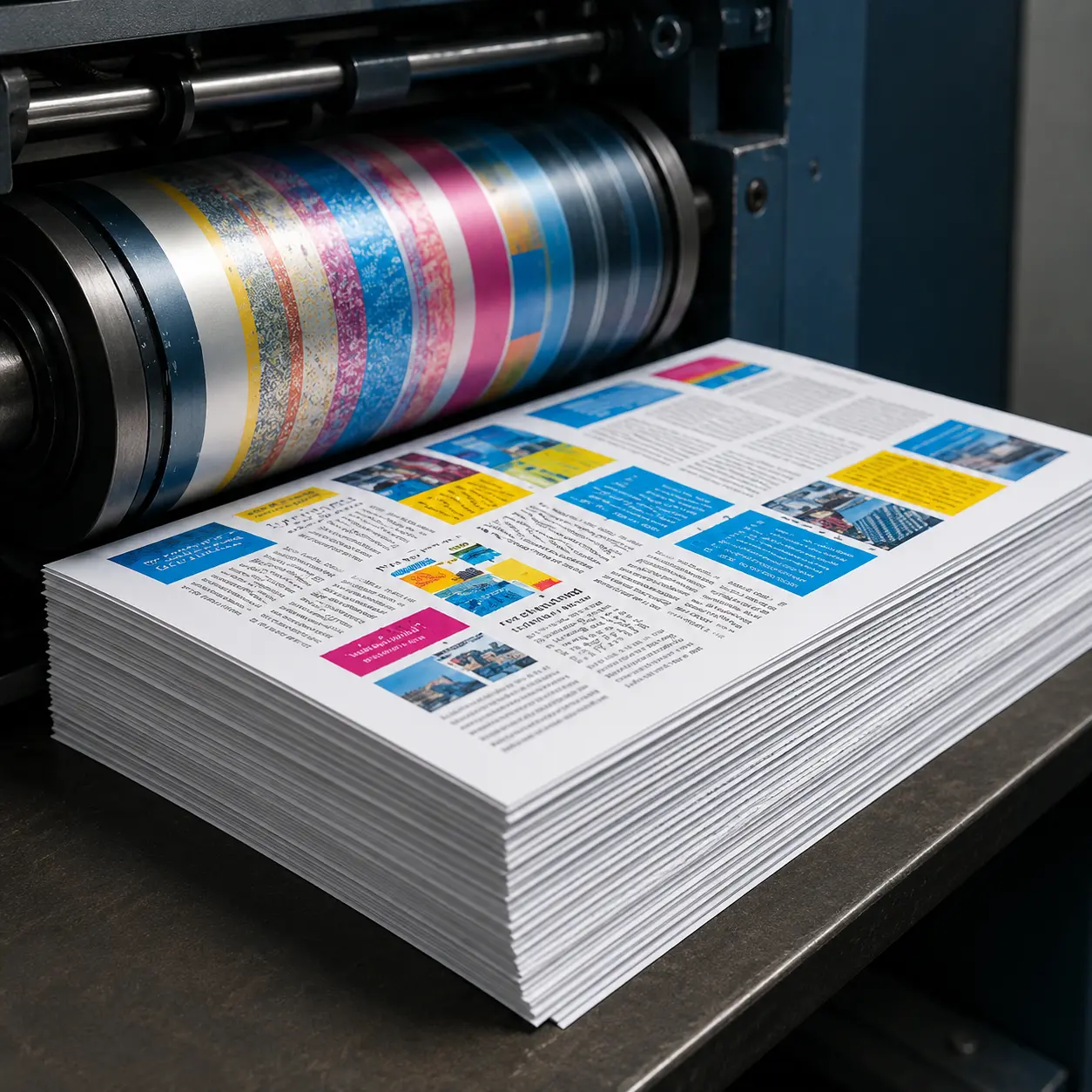
Industry-standard offset printing for high-volume runs with consistent color matching across bulk production.

Selective dimensional embellishment for premium B2B branding, tactile depth, and shelf differentiation.

Vibrant UV-cured printing suited for promotional packaging, event giveaways, and trade-show units.

High-visibility ink system engineered for shelf impact, retail displays, and wholesale point-of-sale units.
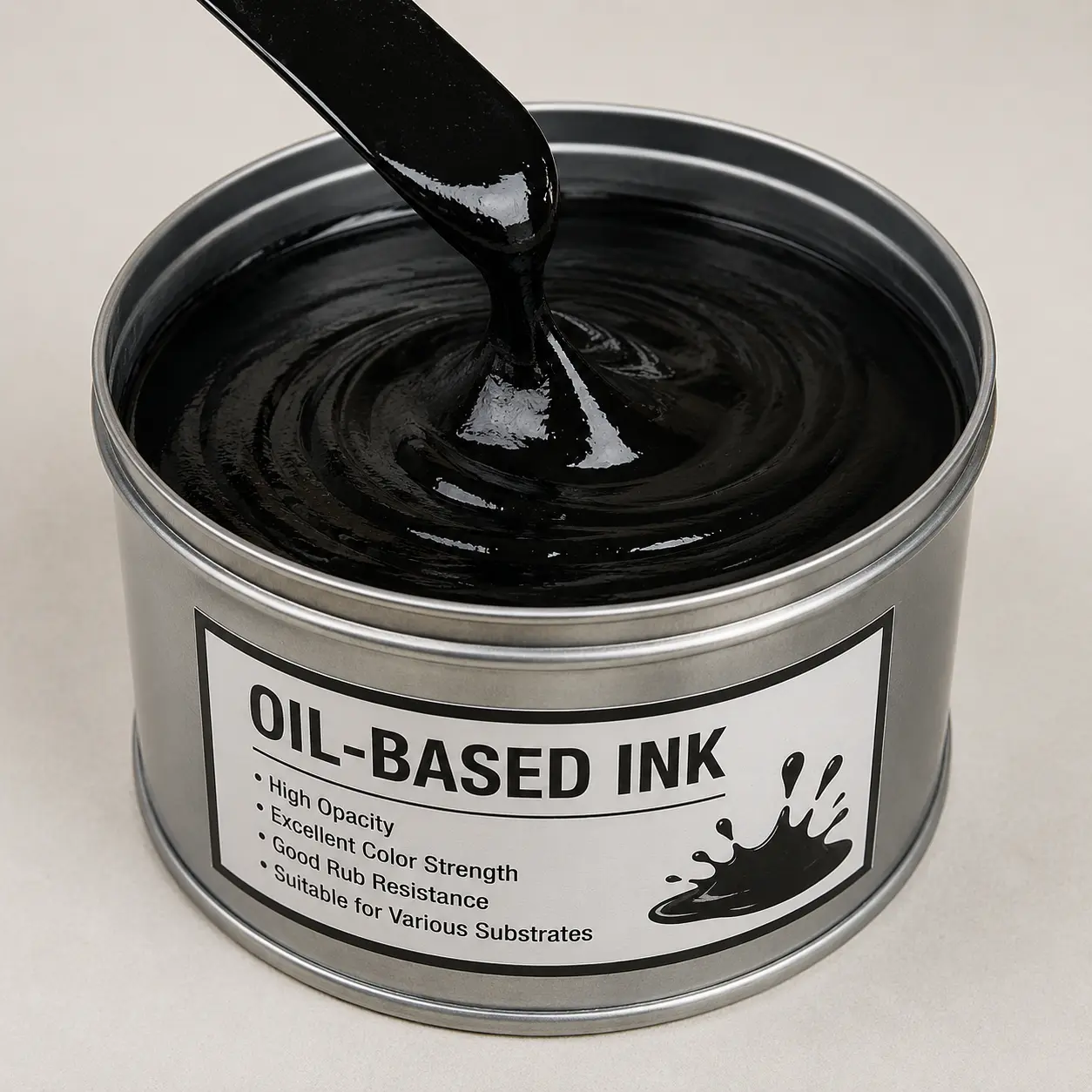
Industry-grade ink for durable, scuff-resistant production runs across long-haul distribution.

Spot-color matching to corporate brand standards — consistent identity across every SKU and reorder.

Sustainable plant-based ink for eco-certified packaging programs and ESG-aligned product launches.

Protective film extends shelf life and protects packaging during shipping and warehouse handling.

Water-based protective seal — fast-drying, food-safe-friendly finish for high-volume bulk production.

Premium tactile finish that elevates corporate gifting boxes and high-end B2B product lines.

Highlight logos and key artwork with selective gloss for maximum retail brand recognition.

Raised brand marks for tactile, premium identity on retail shelves and corporate packaging.

Pressed impressions for subtle, sophisticated branding on premium B2B product lines.

Metallic foil application — gold, silver, and custom finishes for luxury wholesale packaging.
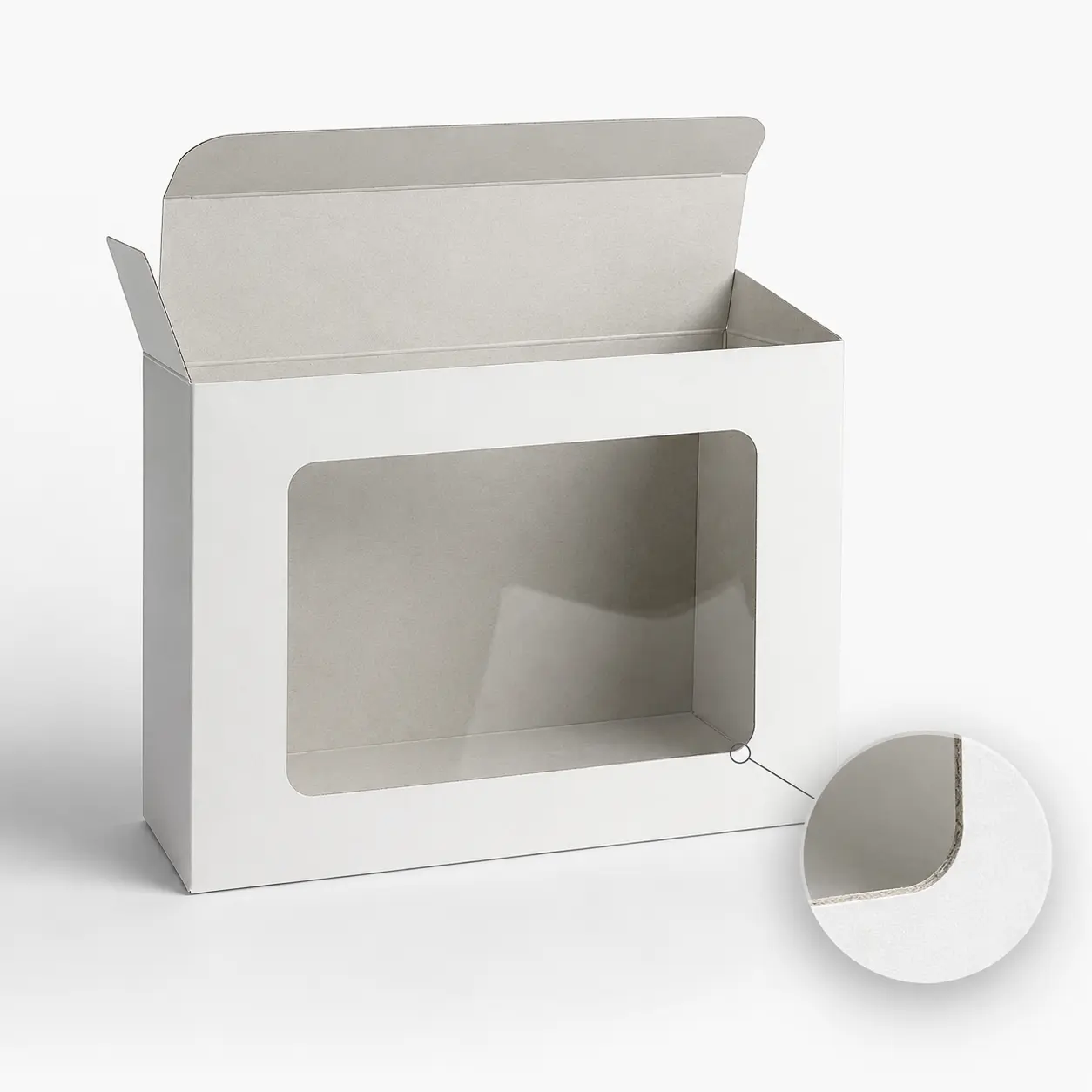
Precision die-cut openings that let customers view the product inside, with optional clear patching for better protection and presentation.
Simple, practical, and built around real B2B production needs.
Send product size, quantity, material preference, artwork, and delivery details.
Our team prepares a proof or 3D mockup so you can check design and structure.
Once approved, your packaging moves into printing, cutting, finishing, and packing.
Finished boxes are packed and shipped to your warehouse, retailer, or 3PL.
Explore similar packaging options that may fit your product line.


Reviews
There are no reviews yet.