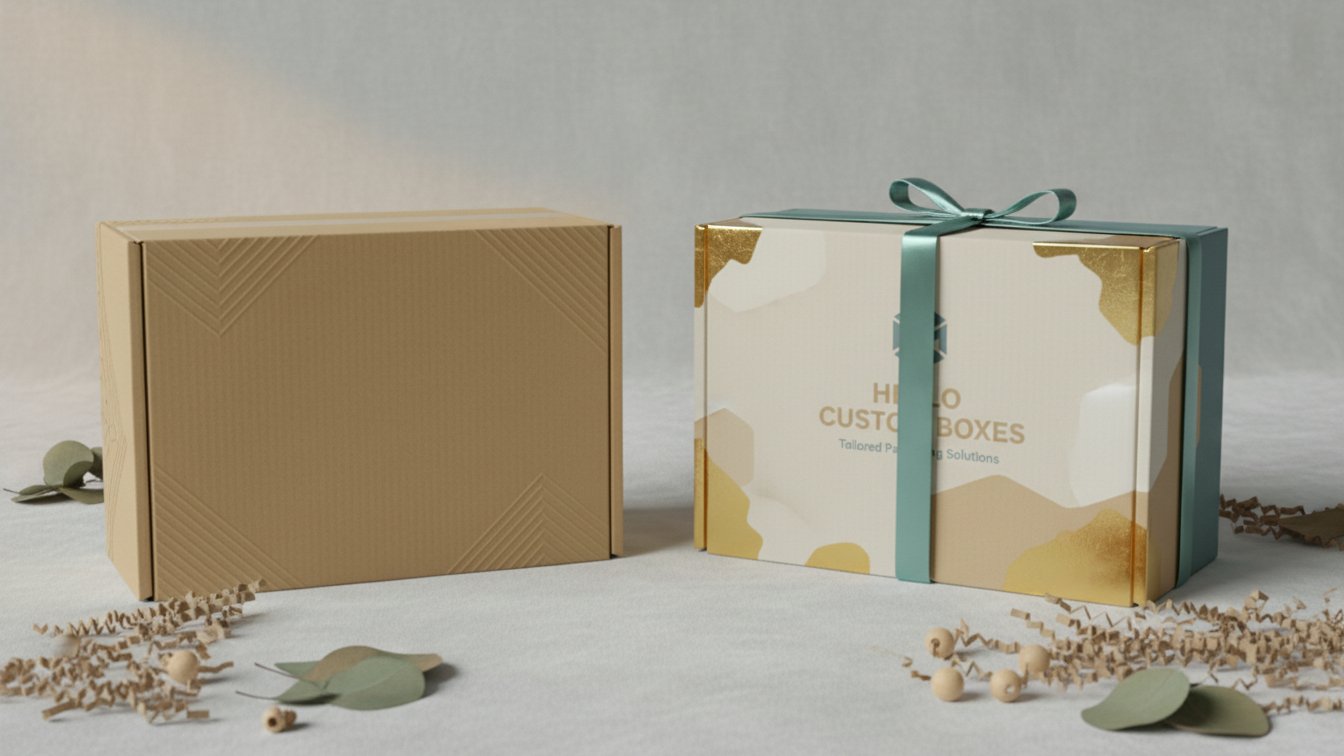
Choosing product packaging gets easier once you stop asking, “Which box looks best?” and start with a more practical question: What does this product need from its packaging?
A lightweight retail item, a fragile product shipped across the country, and a premium gift set can all need different structures even when their dimensions are similar. Size and weight matter, but so do movement, stacking, handling, presentation, and where the product will be sold.
The best way to choose packaging for a product is to work from those requirements outward. Define the product and its risks first. Then decide on the box style, material, internal fit, and finally the print and finishing details.
Start With the Product, Not the Box
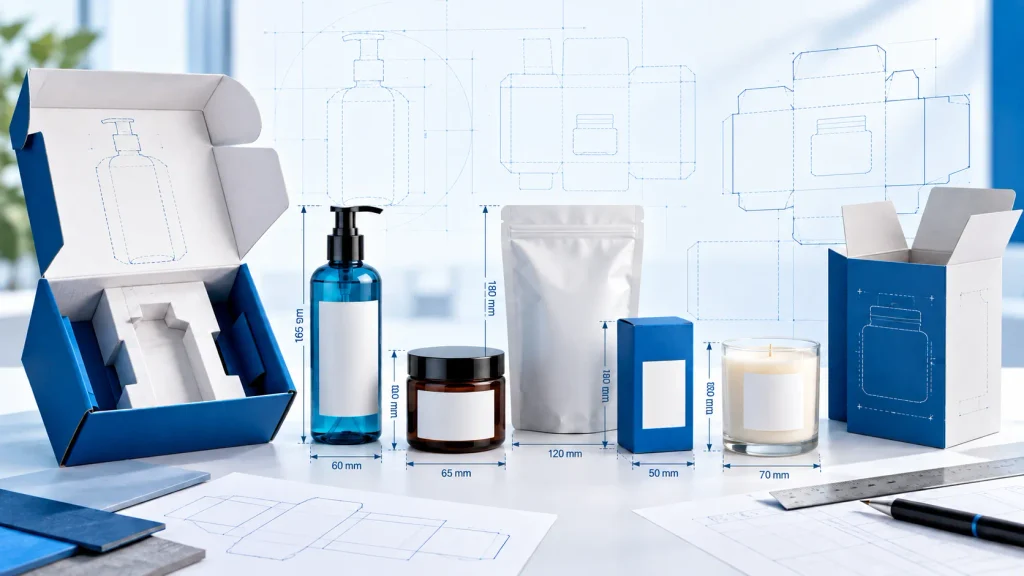
Before comparing paperboard, kraft, corrugated, or rigid boxes, write down what is actually being packed.
Measure the finished product rather than relying only on a listed product size. Include anything that will go inside the box, such as accessories or separate components.
Weight matters too. A structure that works for a lightweight cosmetic item may not be suitable for a heavier product of similar dimensions.
Then look at shape and vulnerable areas. Does the product have corners that can be damaged? Can its surface become scratched? Does it contain several pieces that need to stay separated?
These details give you a much better starting point than choosing a package from appearance alone.
Think About What Happens After Packing
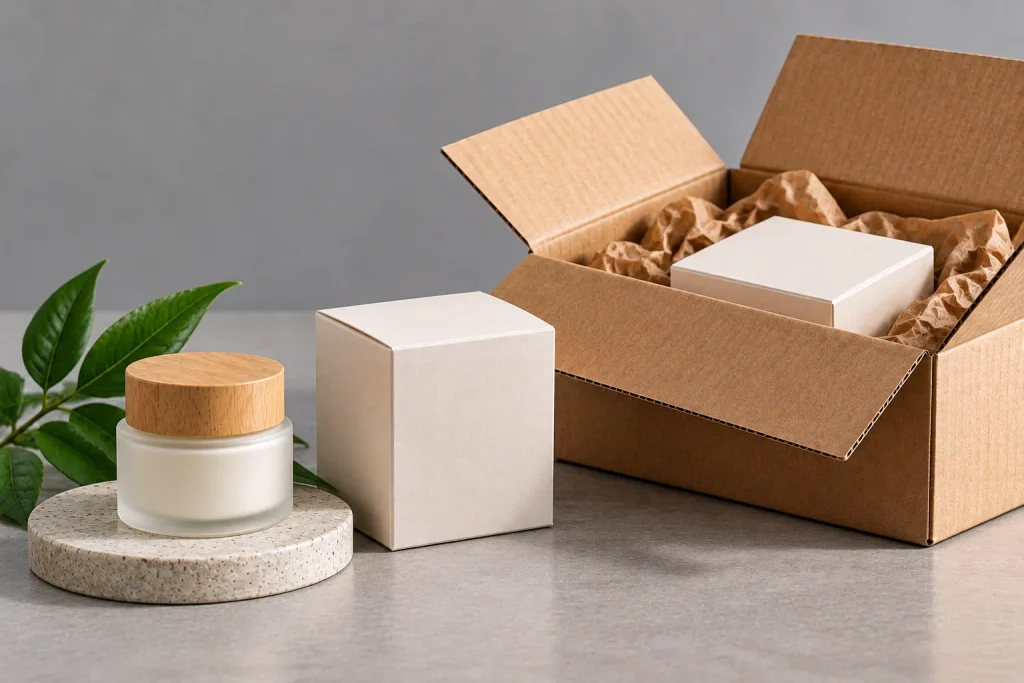
Packaging has to deal with the journey between packing and opening.
For a product going onto a retail shelf, that journey may be relatively controlled. Ecommerce packaging can face sorting, stacking, repeated handling, and movement alongside other parcels.
This changes the specification.
A fragile item may need cushioning or an insert to restrict movement. A box that will be stacked needs to handle compression. A product with a delicate printed surface may need protection from rubbing against another component.
The goal isn’t maximum protection at any cost. It is enough protection for the conditions the product is realistically expected to face.
Where Will the Product Be Sold?
The sales channel can change what the packaging needs to do.
Retail Packaging
Retail packaging has to protect the product while also working as part of the shelf presentation. Size, printed information, branding, opening style, and how easily the pack can be handled all matter.
A compact folding carton may make more sense here than a bulky shipping-style box.
Ecommerce Packaging
For ecommerce, the shipping journey carries more weight in the decision. The package should control movement, close securely, and avoid unnecessary empty space.
A corrugated mailer may work for many direct-to-consumer products, while larger or heavier shipments may need a conventional corrugated shipping carton.
Gift and Premium Packaging
Presentation becomes more important when the package is part of the experience. A rigid or presentation-style box can be appropriate for a premium set, but that doesn’t mean every higher-priced product needs one.
Use the structure because it serves the product and presentation—not simply because it appears more expensive.
Match the Box Style to the Job
Once the product and sales channel are clear, choosing a box structure becomes much simpler.
Folding cartons are useful for many lightweight retail products. They are compact and provide plenty of space for branding and product information.
Corrugated mailers add more structure and are widely suited to ecommerce and direct shipping applications.
Shipping cartons become relevant when protection, stacking, or larger packed dimensions are more important than an elaborate opening experience.
Rigid boxes are better suited to applications where structure and presentation are central to the package.
There are many more box styles, but listing all of them doesn’t help you make the first decision. Start with the job the box needs to perform and narrow the structure from there.
Choose the Material After You Know the Job
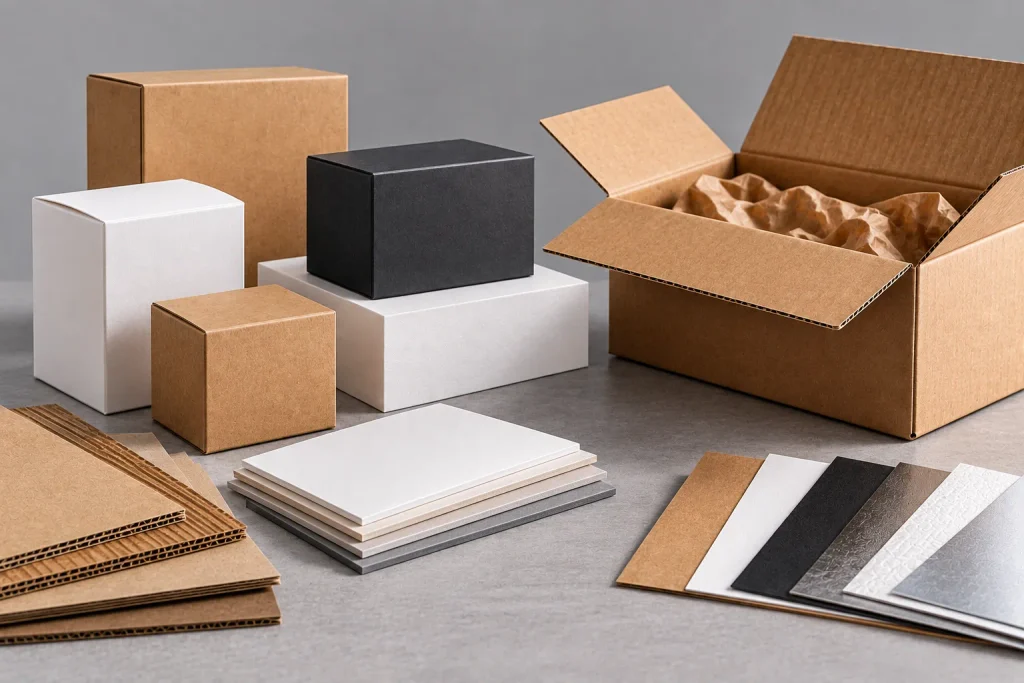
Material selection should follow the packaging requirements rather than lead them.
These are starting points, not fixed rules. The product’s weight, box dimensions, structure, and distribution conditions can change the appropriate specification.
If you’re comparing options in more detail, a guide to packaging materials for different products can help narrow the choice without turning this article into a material encyclopedia.
Give the Product Enough Room, But Not Too Much
Internal fit is one of the easiest packaging details to get wrong.
A box that is too tight can press against the product, damage corners, or make closing difficult. Too much room creates a different problem: the product can move during handling, and you’re paying to manufacture and potentially ship space that isn’t doing anything useful.
Measure the complete packed product and allow only the clearance required by the structure, product, and any protective components.
If you’re unsure where to begin, measuring the correct box dimensions before creating the dieline can prevent problems later.
Use Inserts When They Have a Job
Not every custom box needs an insert.
An insert becomes useful when it holds a product in position, separates several items, protects a vulnerable component, or organizes a set. It can also improve presentation when products need to appear in a specific arrangement after opening.
If the product already sits securely inside the box, adding another component simply because it looks premium can increase material, assembly time, and cost without solving a packaging problem.
Let the Structure Lead the Branding
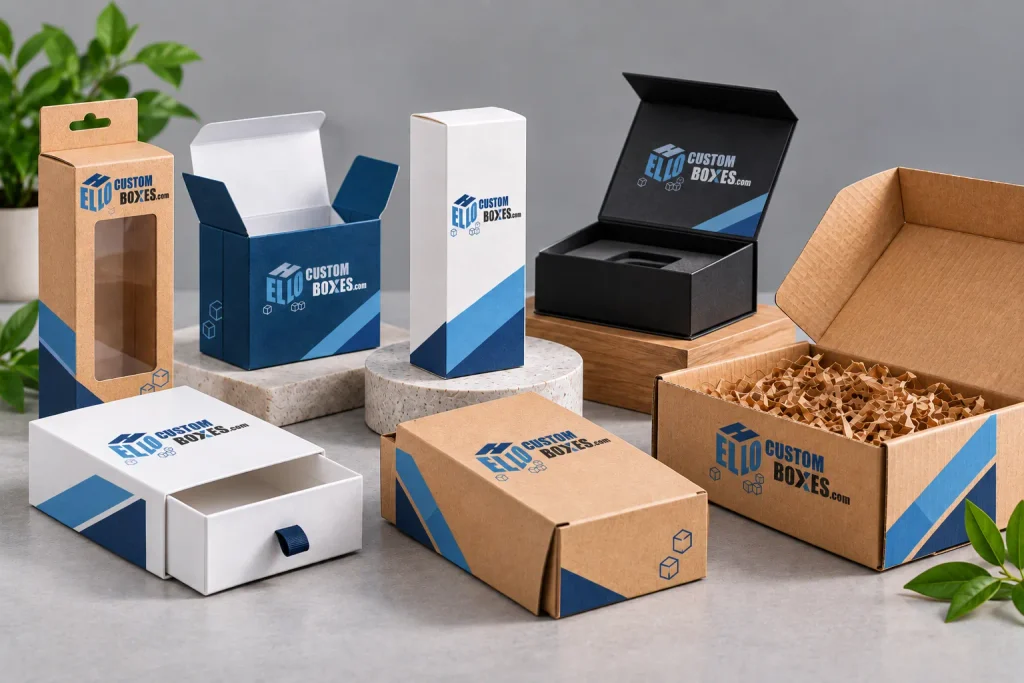
It’s tempting to begin with colors, logos, foil, or other finishes. The structure should be settled first.
Once the box dimensions and dieline are confirmed, artwork can be positioned around panels, folds, openings, and other structural features. This reduces the chance of important graphics ending up too close to a fold or being interrupted by the way the package closes.
Printing and finishes can then support the intended presentation. Detailed graphics may call for one print approach, while a simpler branded shipping box may need something different.
Good custom product packaging does not need every available finish. The branding should suit the product, audience, and way the package will actually be seen.
Cut Packaging Cost Without Cutting the Wrong Things
Packaging cost doesn’t come from material alone.
Dimensions, structure, printing, finishes, inserts, order quantity, and assembly can all change the final cost. That means switching to a weaker material isn’t necessarily the smartest way to save money.
Sometimes the better fix is a closer-fitting box. In another case, it may be removing an insert that serves no real purpose or limiting a premium finish to the part of the design where customers will actually notice it.
Keep the parts that protect the product and make the packaging function properly. Look for savings in the details that aren’t adding enough value.
Test the Packed Box, Not Just an Empty Sample
A box can look right on its own and behave differently once the product is inside.
Pack a sample as it will actually be used. Check whether the product moves, whether the closure works comfortably, and whether anything presses against a vulnerable area. Open it the way a customer would and inspect the product afterward.
For packaging used to ship products, the test should also reflect the handling and distribution conditions the box is expected to encounter.
This is the point where sizing, structure, material, and inserts either work together—or reveal what needs adjusting before a larger order is produced.
Quick Packaging Selection Guide
If you’re still narrowing down the options, use this as a starting point rather than a fixed specification.
The final specification still needs to account for the actual product, weight, dimensions, and distribution conditions.
Make the Packaging Fit the Product
The right packaging isn’t necessarily the thickest box, the most expensive material, or the design with the most finishes. It is the package that fits what the product actually needs.
Start with size, weight, fragility, and the journey from packing to customer. From there, choose the structure and material, get the internal fit right, add protection where it solves a real problem, and build the branding around the finished package.
That order keeps the decision practical—and helps avoid paying for packaging features the product never needed in the first place.