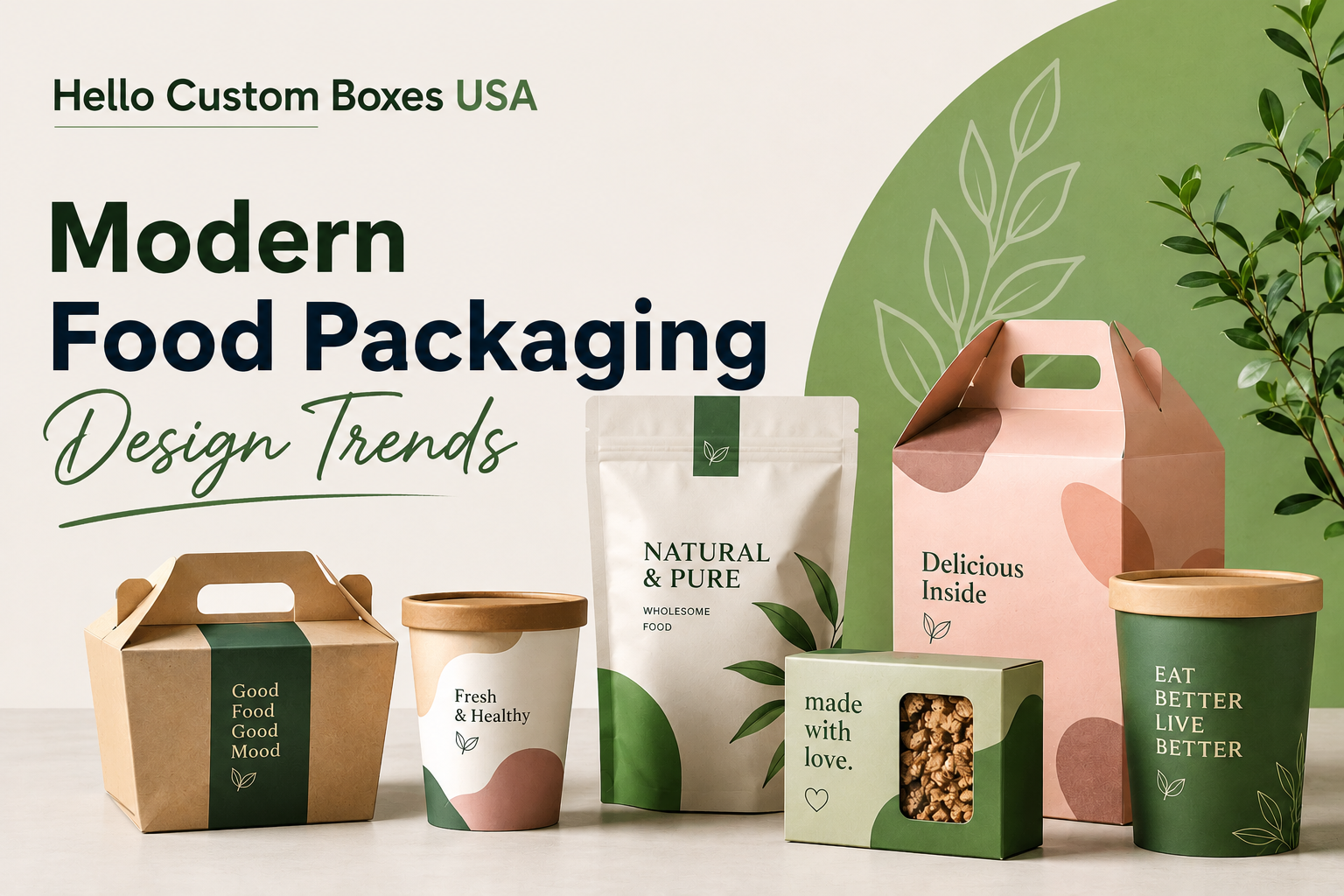
Modern Food Packaging Design Trends 2025
Walk into any supermarket in 2025, and it’s clear that food packaging design has moved beyond simple wrapping. Today, a box or label isn’t just there to protect food — it’s part of what sells it. Packaging now shapes brand identity, customer trust, and even buying decisions.
What’s New in Food Packaging This Year
This year is bringing quiet but clear changes to how brands pack and present their food items. Instead of chasing bold looks, most are focusing on function, honest materials, and small details that make packaging easier to use and easier to trust.
Food, Beverage Packaging Design Trends:
1. Clean, Simple Designs That Look Premium
The first big shift is toward simplicity. Brands are letting go of cluttered graphics and heavy text, choosing soft colours, neat layouts, and calm textures instead.
A clean design doesn’t just look modern — it also feels more trustworthy. One well-placed logo or an embossed name can do more than a page full of text. For snack foods, beverages, and health-focused products, this “less is more” approach creates a sense of quality and calm that customers respond to.
2. Sustainable Materials Are Now the Default
Sustainability has gone from being a marketing angle to a basic expectation. Most brands now choose recyclable paper, compostable trays and plant-based films as part of their core designed process.
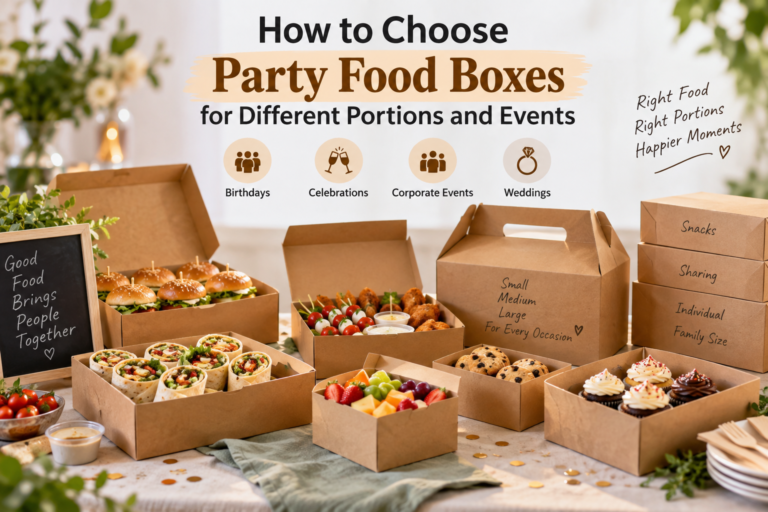
Cardboard and kraft packaging are leading the way — not only for their eco benefits but also for their natural, honest appearance. Even luxury products are moving toward greener options, proving that sustainable can also mean sophisticated.
For any brand learning how to design packaging for food, starting with responsible materials is no longer optional — it’s essential.
3. Smart Packaging with a Digital Touch
In many stores, you’ll notice new kinds of labels on food boxes. Small QR codes or chips now link straight to recipe ideas, storage advice, or details about where the ingredients came from. Some brands even share short clips from their farms or kitchens. It’s a clear way to earn trust and show what happens behind the scenes.
4. Bold Typography and Thoughtful Colour Choices
This year, designers are treating colour and typography as the real storytellers of a food label. Fonts have become larger and simpler, easy to recognise even from a distance. Instead of the usual bright chaos, packaging now leans on calm, neutral shades paired with one confident accent — a bit of coral, sage, or mustard. It’s a cleaner look that feels modern but still warm enough to draw attention naturally.
5. Functional Design That Puts Convenience First
Good packaging works as well as it looks. Food package designers are focusing on function — how the product opens, closes, and stores.
People now expect packaging that works without fuss. Bags that reseal, tabs that open cleanly, and lids that don’t pop off halfway through the day — these are no longer extras, they’re the basics. It’s all about making life easier while keeping the design neat and reliable.
6. Storytelling That Builds Connection
Today’s packaging is as much about story as it is about structure. Brands are using every surface — front, side, and even the inside flap — to share a message.
A short line about where the ingredients come from or who made the product can instantly make it feel more authentic. For smaller brands, this personal touch builds recognition. For established names, it reinforces trust. In both cases, storytelling has become a key part of effective food packaging design.
7. Transparency That Builds Trust
You’ll notice more brands showing what’s inside the pack. Clear windows and partial panels are popping up everywhere — on snack bags, bakery boxes, and even ready meals. When people can actually see the food, they feels more confident about buying it. It’s part of a bigger shift toward honesty in packaging — clean, simple and nothing to hide.
Conclusion: Packaging That Communicates Value
Packaging in 2025 isn’t just there to look nice — it’s meant to tell a story. The best food designs now balance looks, function, and responsibility in one clear idea.
Whether it’s a local café putting out its first product or a bigger brand refreshing its line, design choices say a lot about who you are. In the end, good packaging doesn’t just protect the food — it gives it a voice.