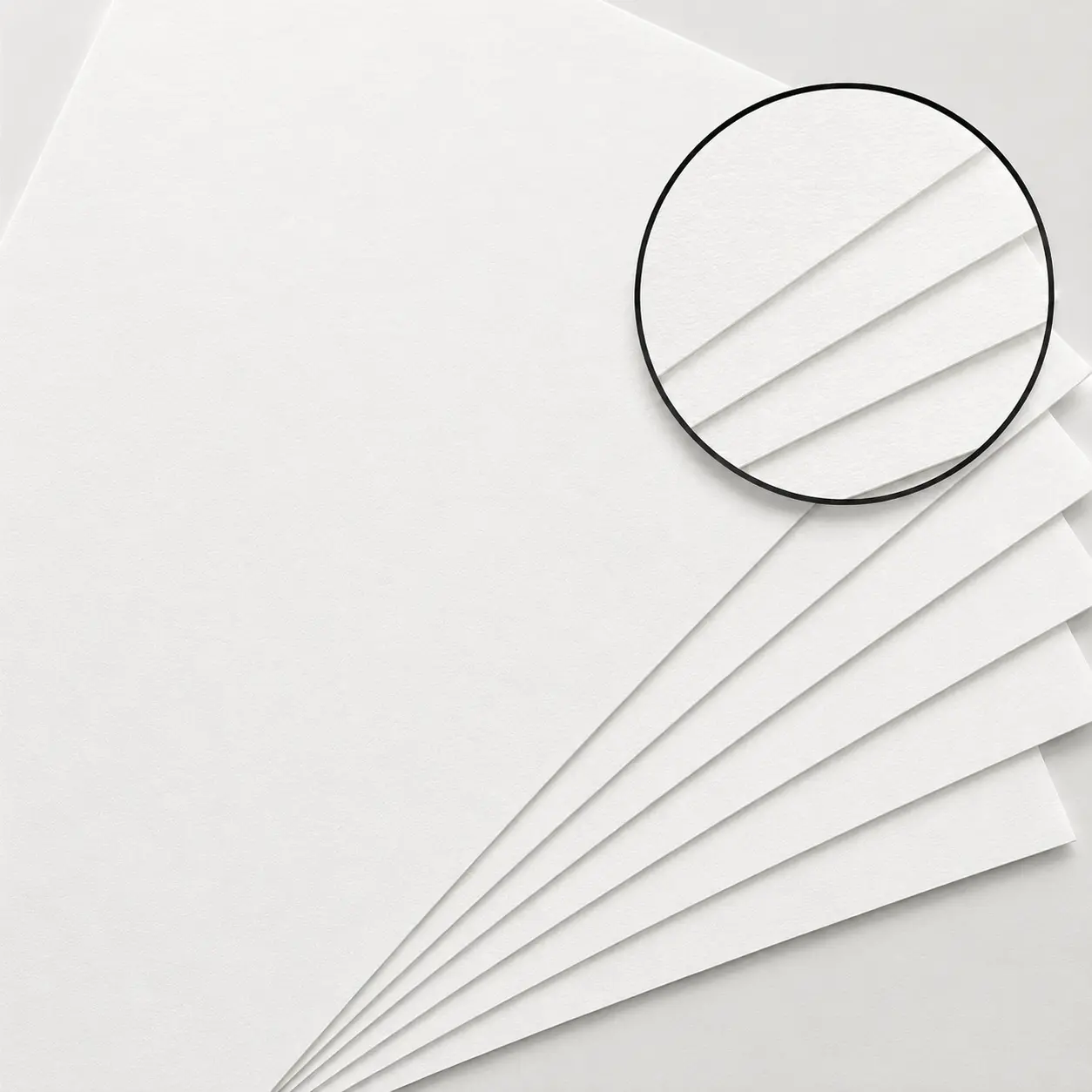
SBS Cardboard
Premium bleached substrate engineered for retail-ready packaging with sharp, high-resolution print performance across bulk SKUs.
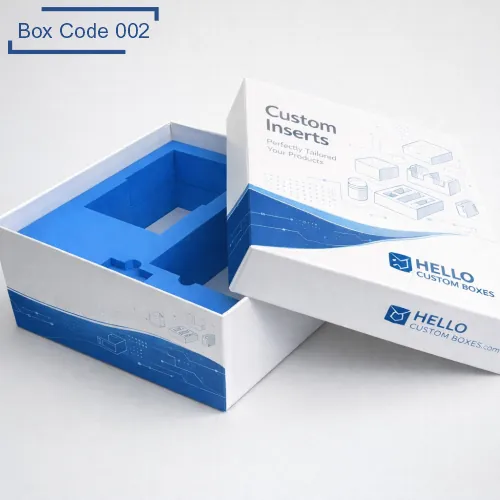
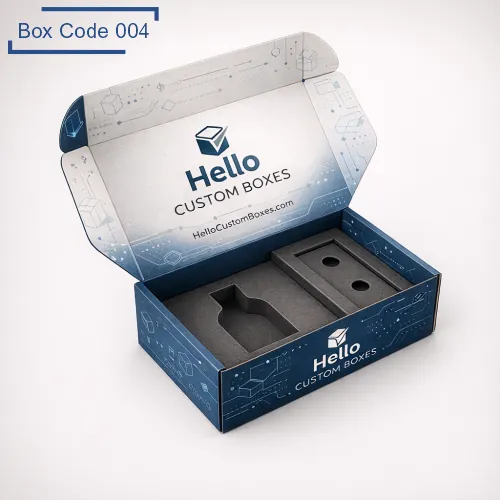
Custom packaging inserts are used to hold products in position inside a box during storage, shipping, and handling. These inserts prevent shifting, rubbing, and impact damage. Common across retail, eCommerce, cosmetics, electronics, and gift packaging, inserts focus on fit accuracy, load control, and repeat performance rather than decoration or unnecessary bulk inside the box.

Tell us your specs and we'll send pricing within one business day.
Most inserts fail because they are treated as fillers.
Extra space gets padded.
Movement gets ignored.
Fit is guessed, not measured.
When an insert is loose, the product still moves. When it is too tight, pressure damages edges and surfaces. Many inserts look fine during packing but fail after vibration, stacking, and transit, even inside otherwise strong custom boxes.
Inserts don’t exist to look neat.
They exist to control motion.
Products rarely break from one hit.
They break from repeated contact.
Edges rub.
Corners tap.
Weight shifts inside the box.
Without proper inserts, boxes absorb shock unevenly and transfer force directly to the product. Inserts must manage load paths, not just occupy space. Poor insert design increases returns even when outer boxes remain intact, especially in protective packaging solutions meant to prevent transit damage.
Custom packaging inserts exist to control energy, not clutter interiors.
We start with the product, not the box.
Every insert is designed around product shape, weight, and contact points. No stock layouts. No generic cavities. Cut lines and support areas are placed where the product can tolerate pressure.
Insert material thickness and geometry are adjusted so the product stays fixed without stress. If the item can move when the box is shaken, the insert is redesigned.
Fit comes first. Always.
Inserts vary depending on product behavior.
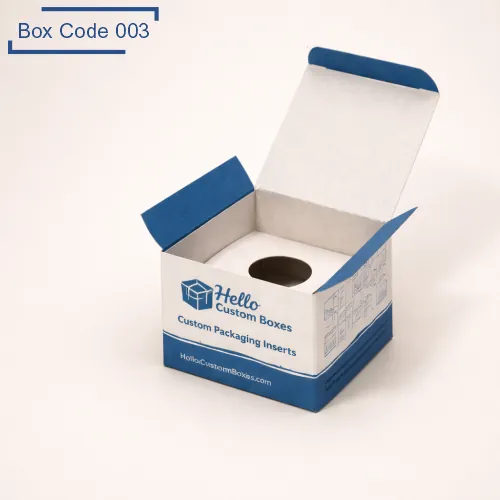
Die-cut inserts hold single items in fixed positions. Multi-cavity inserts separate sets or components. Layered inserts support stacked products. Tray-style inserts allow easy removal without disturbing alignment, a common requirement in gift packaging where presentation matters.
Each insert style is selected based on how the product is packed, shipped, and used.
Contact points must support weight evenly.
Cut tolerances control movement, not compression.
Material stiffness prevents sagging.
Insert depth protects edges and corners.
Clearance avoids surface abrasion.
Humidity tolerance matters because inserts soften before boxes do.
These details decide whether inserts protect products or just take up space.
Hello Custom Boxes produces custom packaging inserts for brands that ship fragile, valuable, or precision products.
We use approved cardboard and paperboard materials and review insert layouts for repeat handling and transit stress. Inserts expose design shortcuts quickly, so performance is tested before production.
Consistency matters more than complexity here.
Poor inserts create hidden costs.
Products arrive scratched.
Returns increase.
Packing slows down.
Well-built custom packaging inserts protect products, reduce damage claims, and speed up packing by holding items exactly where they belong. When inserts work properly, boxes feel engineered instead of improvised.
That reliability protects margins.
We review your product shape, weight, and handling method.
We design inserts that lock the product in place without stress.
You approve insert layout before production.
All packaging inserts are built to order, with dimensions and cut patterns adjusted per product, not pulled from stock designs.
Inserts shouldn’t be noticeable.
They should be effective.
That’s how we build them.
Packaging Insert Specifications |
|
|---|---|
| Insert Purpose | Custom packaging inserts designed to control product movement, manage load paths, and prevent internal contact during handling and transit. |
| Primary Function | Lock the product in a fixed position without compression, stress, or surface abrasion. |
| Main Failure Risk | Loose fit causing vibration damage, or over-tight fit creating pressure marks and edge wear. |
| Problems Addressed | Product shifting, edge rubbing, corner impact, surface scratching, uneven load transfer, and hidden transit damage. |
| Fit & Measurement | Insert cavities measured to exact product dimensions with controlled tolerances to prevent both rattle and compression. |
| Contact Point Design | Support areas positioned only where the product can safely absorb pressure, avoiding fragile edges or surfaces. |
| Material Selection | Cardboard and paperboard inserts selected for stiffness, shape retention, and resistance to sagging over time. |
| Insert Styles Available | Die-cut inserts, multi-cavity inserts, layered inserts, tray-style inserts, and component separation inserts. |
| Depth & Geometry | Insert depth and geometry engineered to protect corners, control vertical movement, and distribute weight evenly. |
| Humidity Consideration | Material and cut patterns selected to resist softening or deformation in varying humidity conditions. |
| Best Use Cases | Fragile items, precision products, gift sets, multi-component kits, electronics, cosmetics, and high-value goods. |
| Specification Lock | Insert dimensions, cavity layout, material thickness, and tolerances approved before production with no mid-run changes. |
Choose from practical materials, print methods, inks, finishes, and add-ons for a better product presentation.
Premium bleached substrate engineered for retail-ready packaging with sharp, high-resolution print performance across bulk SKUs.
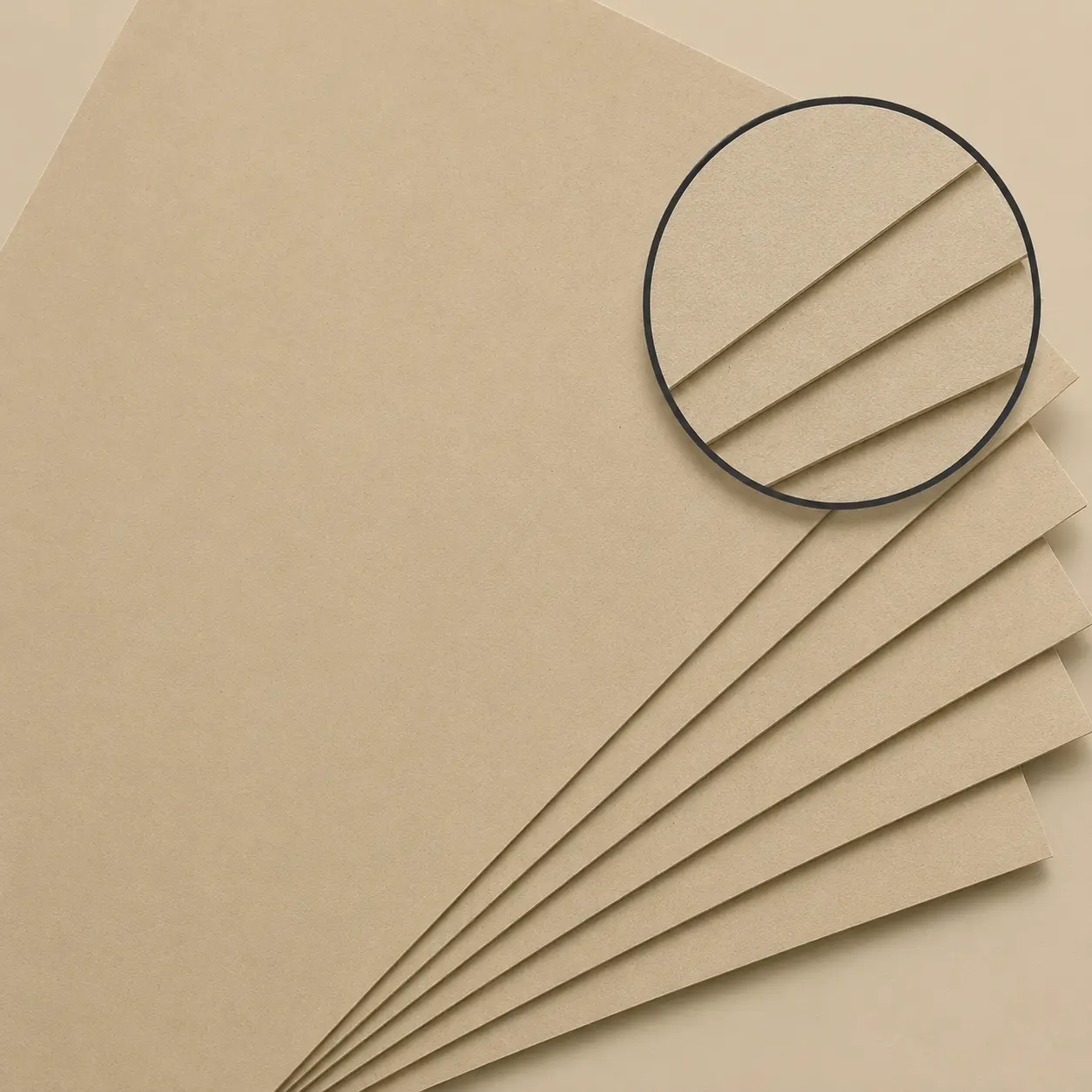
High-density rigid board built for wholesale cartons, structural strength, and stack-ready warehouse logistics.
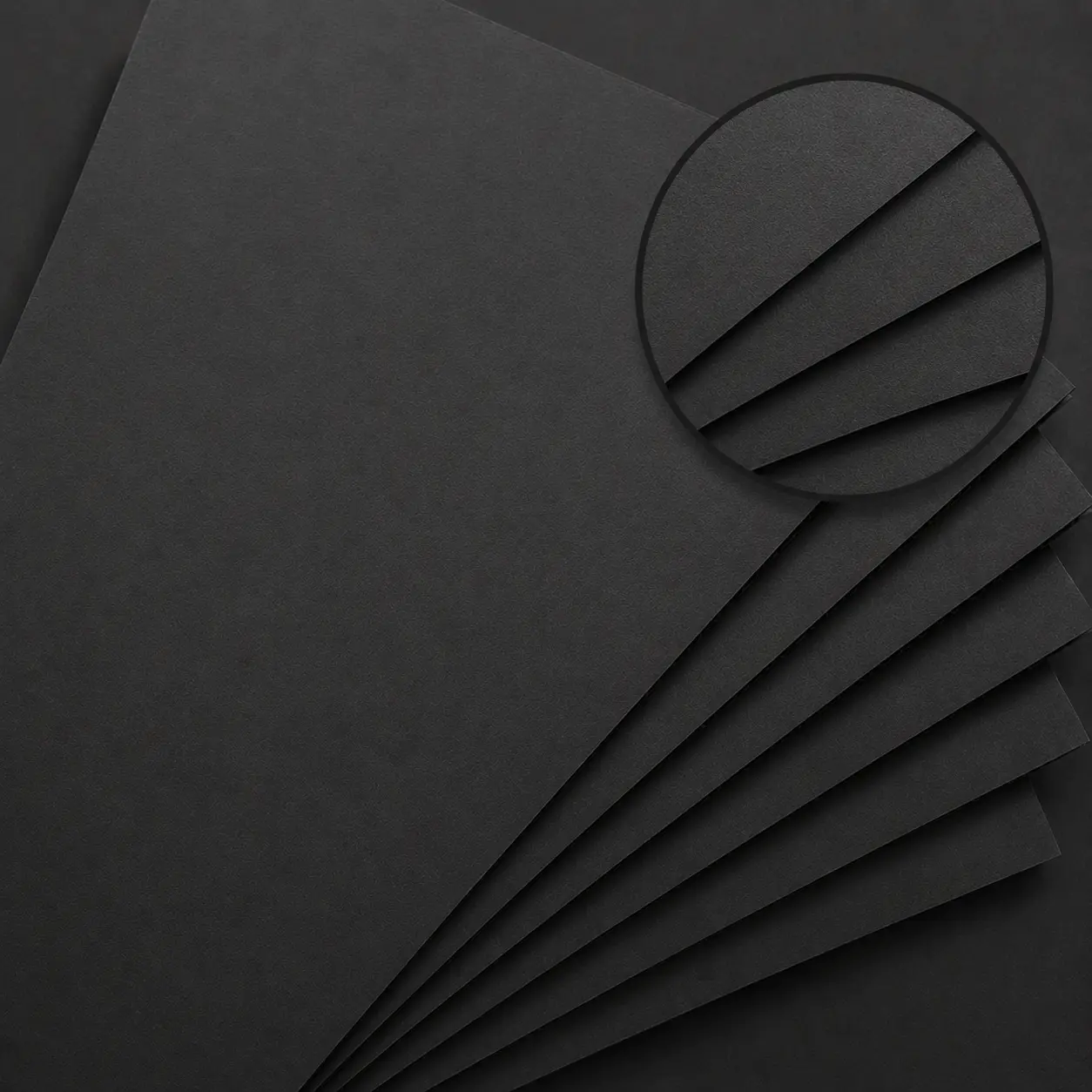
Eco-conscious black kraft for premium unboxing programs, corporate gifting, and limited-edition product lines.
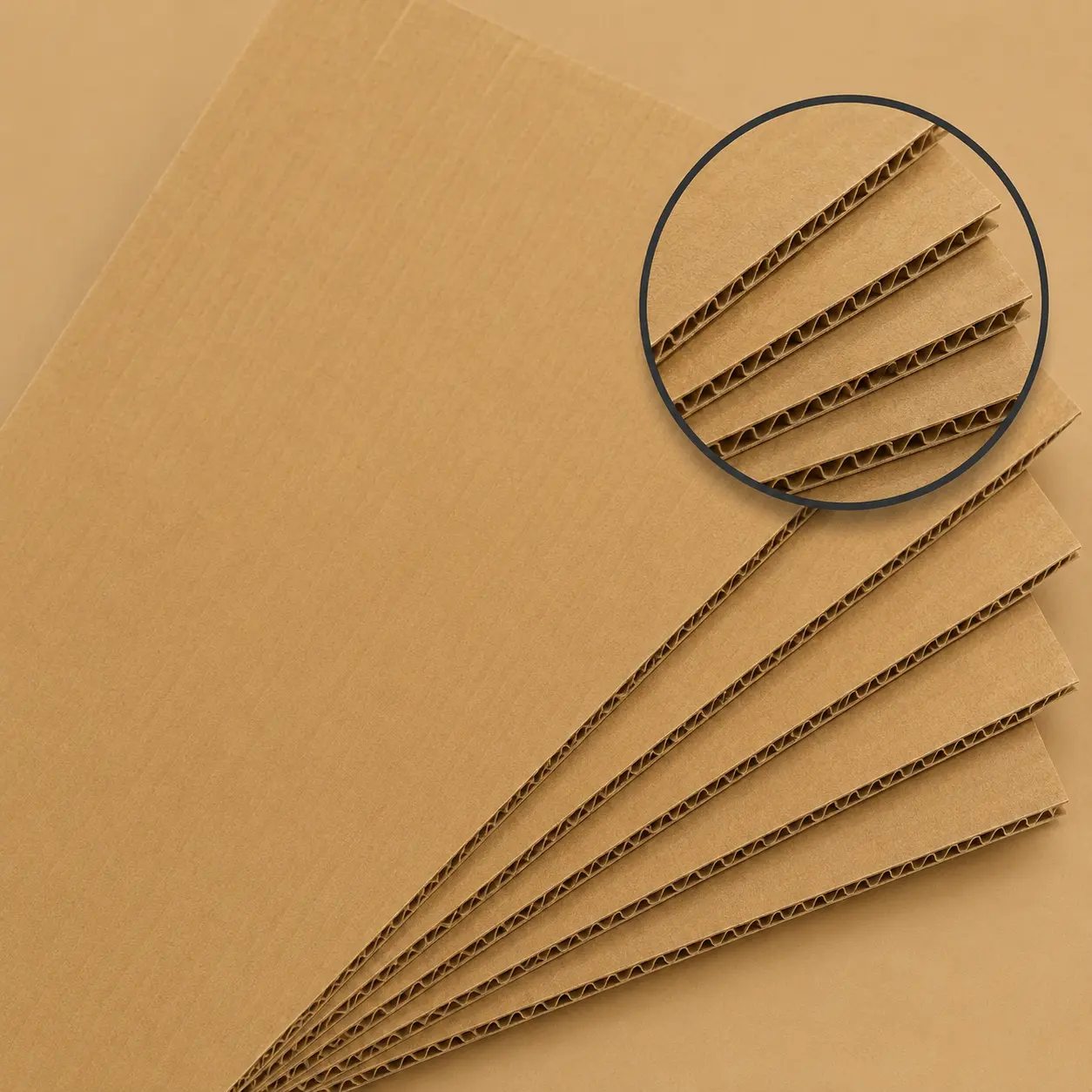
Multi-flute corrugated board built for protective shipping, e-commerce dispatch, and high-volume B2B fulfillment.
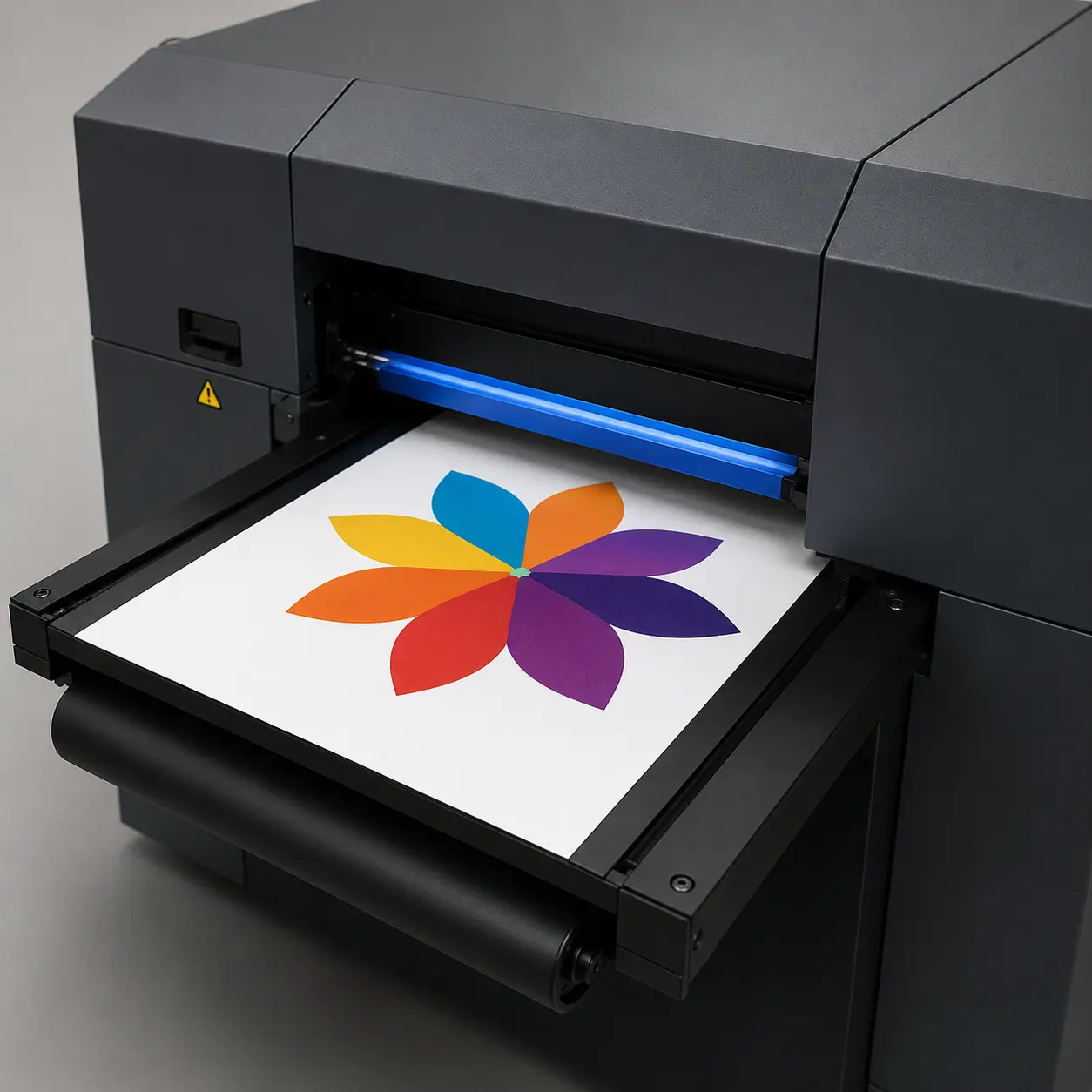
Short-run digital printing with no plate setup — ideal for prototypes, sample approvals, and quick reorders.
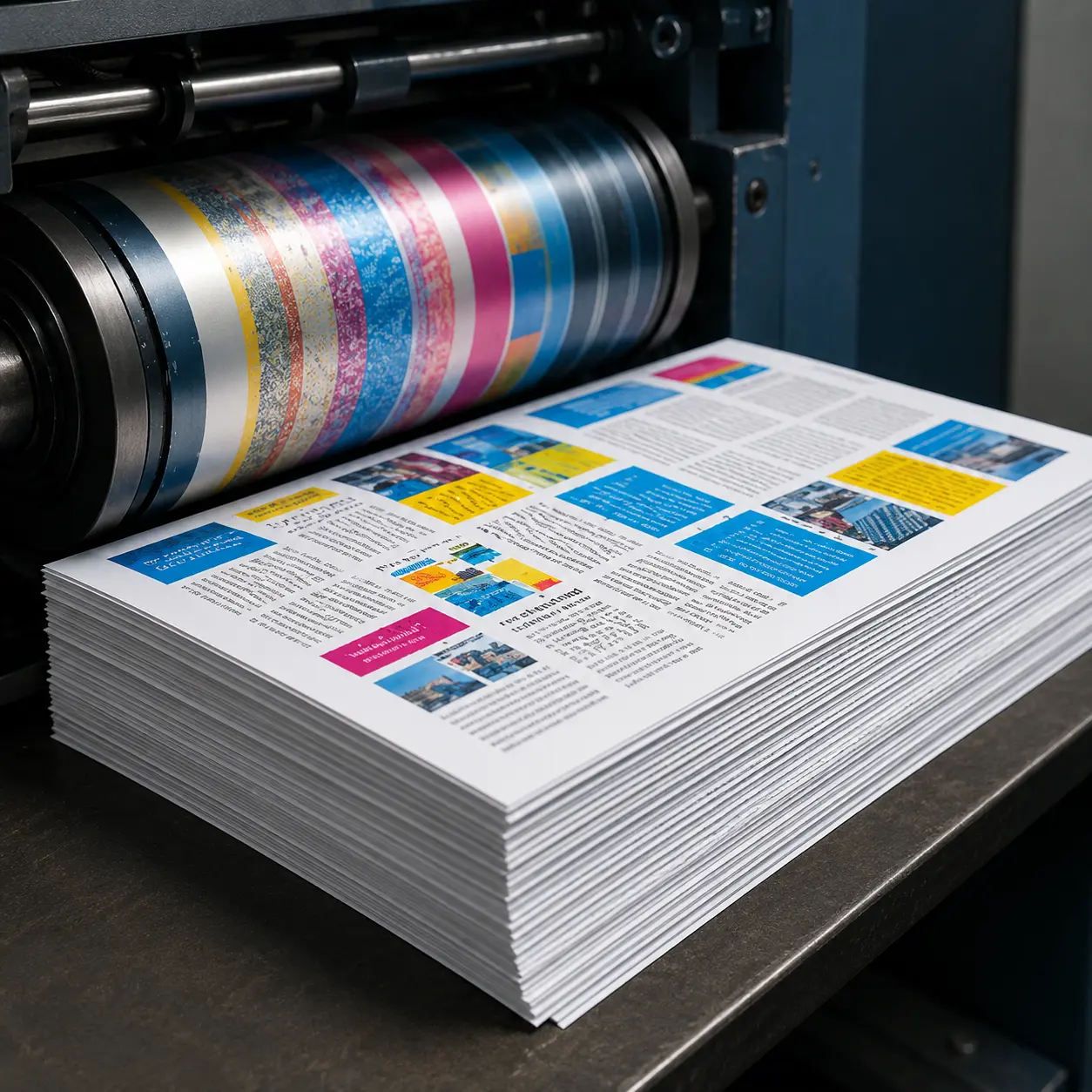
Industry-standard offset printing for high-volume runs with consistent color matching across bulk production.

Selective dimensional embellishment for premium B2B branding, tactile depth, and shelf differentiation.

Vibrant UV-cured printing suited for promotional packaging, event giveaways, and trade-show units.
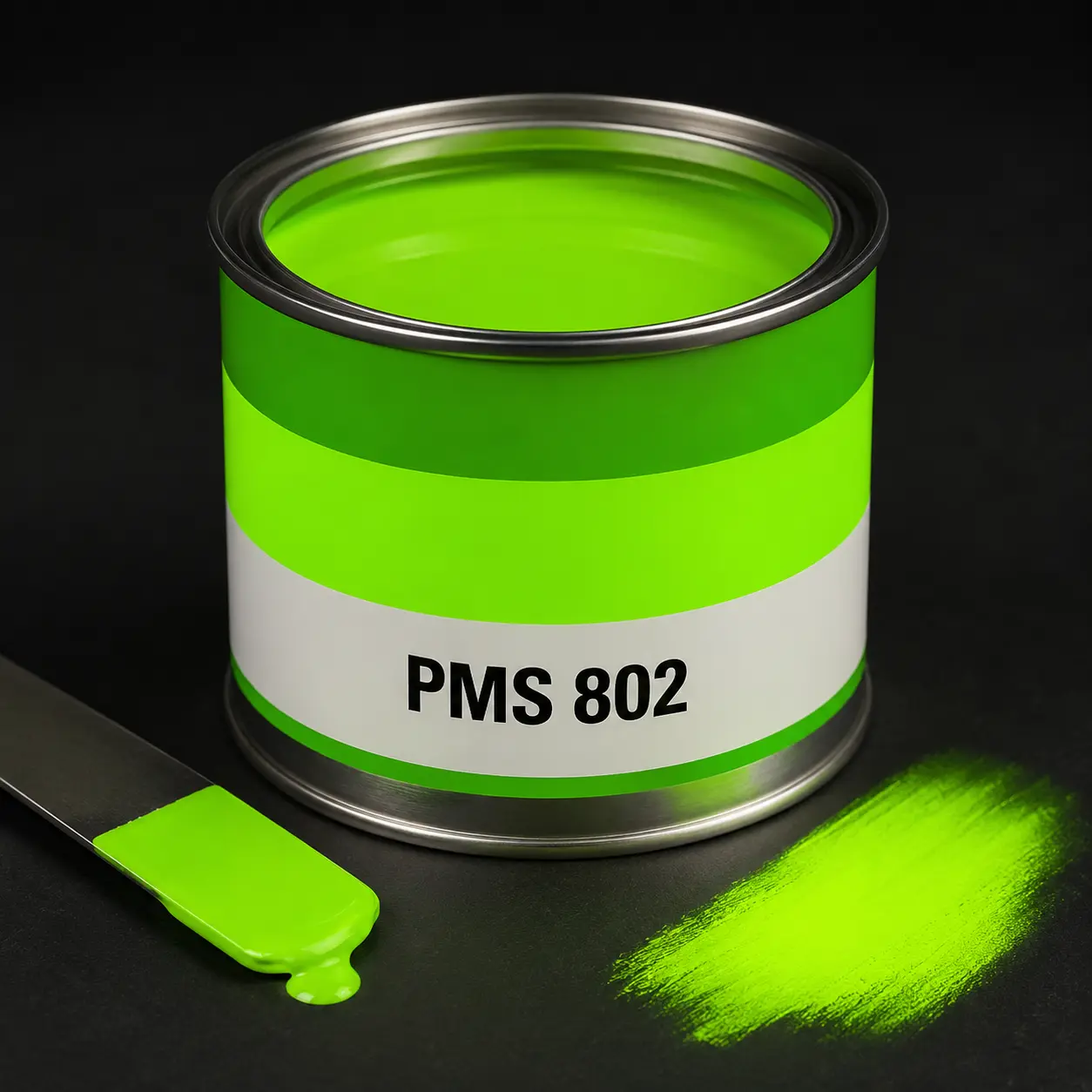
High-visibility ink system engineered for shelf impact, retail displays, and wholesale point-of-sale units.
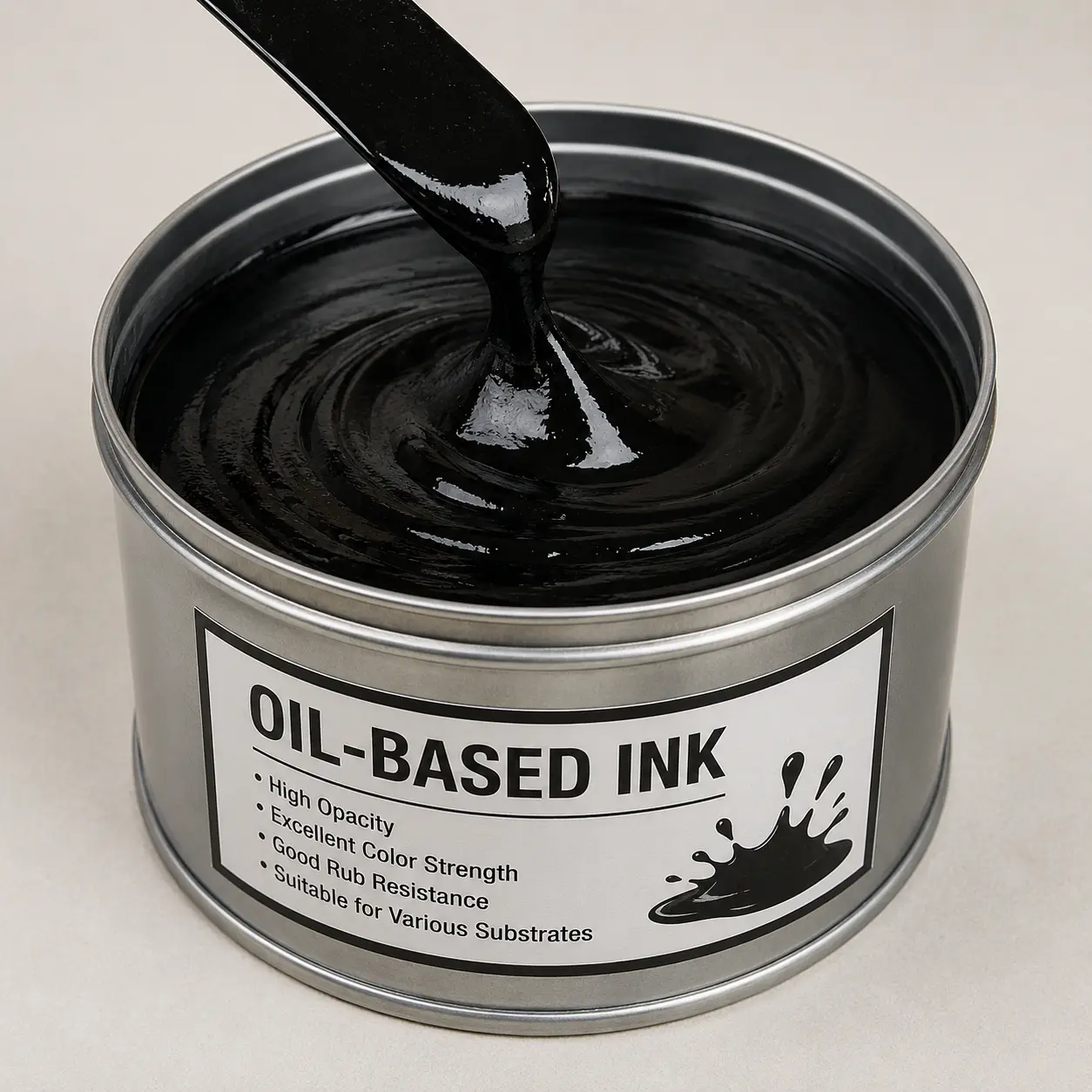
Industry-grade ink for durable, scuff-resistant production runs across long-haul distribution.

Spot-color matching to corporate brand standards — consistent identity across every SKU and reorder.

Sustainable plant-based ink for eco-certified packaging programs and ESG-aligned product launches.

Protective film extends shelf life and protects packaging during shipping and warehouse handling.

Water-based protective seal — fast-drying, food-safe-friendly finish for high-volume bulk production.

Premium tactile finish that elevates corporate gifting boxes and high-end B2B product lines.

Highlight logos and key artwork with selective gloss for maximum retail brand recognition.

Raised brand marks for tactile, premium identity on retail shelves and corporate packaging.

Pressed impressions for subtle, sophisticated branding on premium B2B product lines.

Metallic foil application — gold, silver, and custom finishes for luxury wholesale packaging.
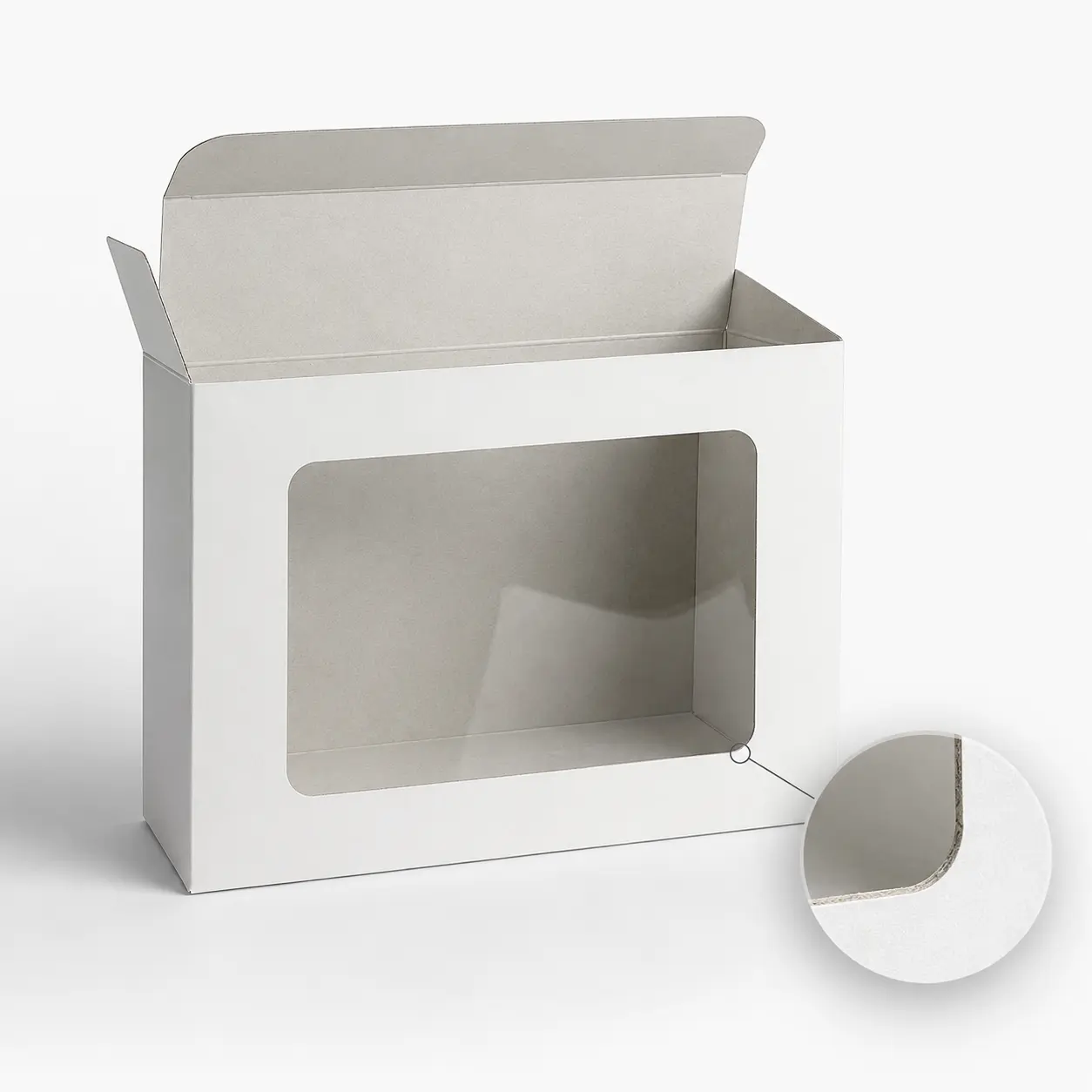
Precision die-cut openings that let customers view the product inside, with optional clear patching for better protection and presentation.
Simple, practical, and built around real B2B production needs.
Send product size, quantity, material preference, artwork, and delivery details.
Our team prepares a proof or 3D mockup so you can check design and structure.
Once approved, your packaging moves into printing, cutting, finishing, and packing.
Finished boxes are packed and shipped to your warehouse, retailer, or 3PL.
Explore similar packaging options that may fit your product line.


Reviews
There are no reviews yet.