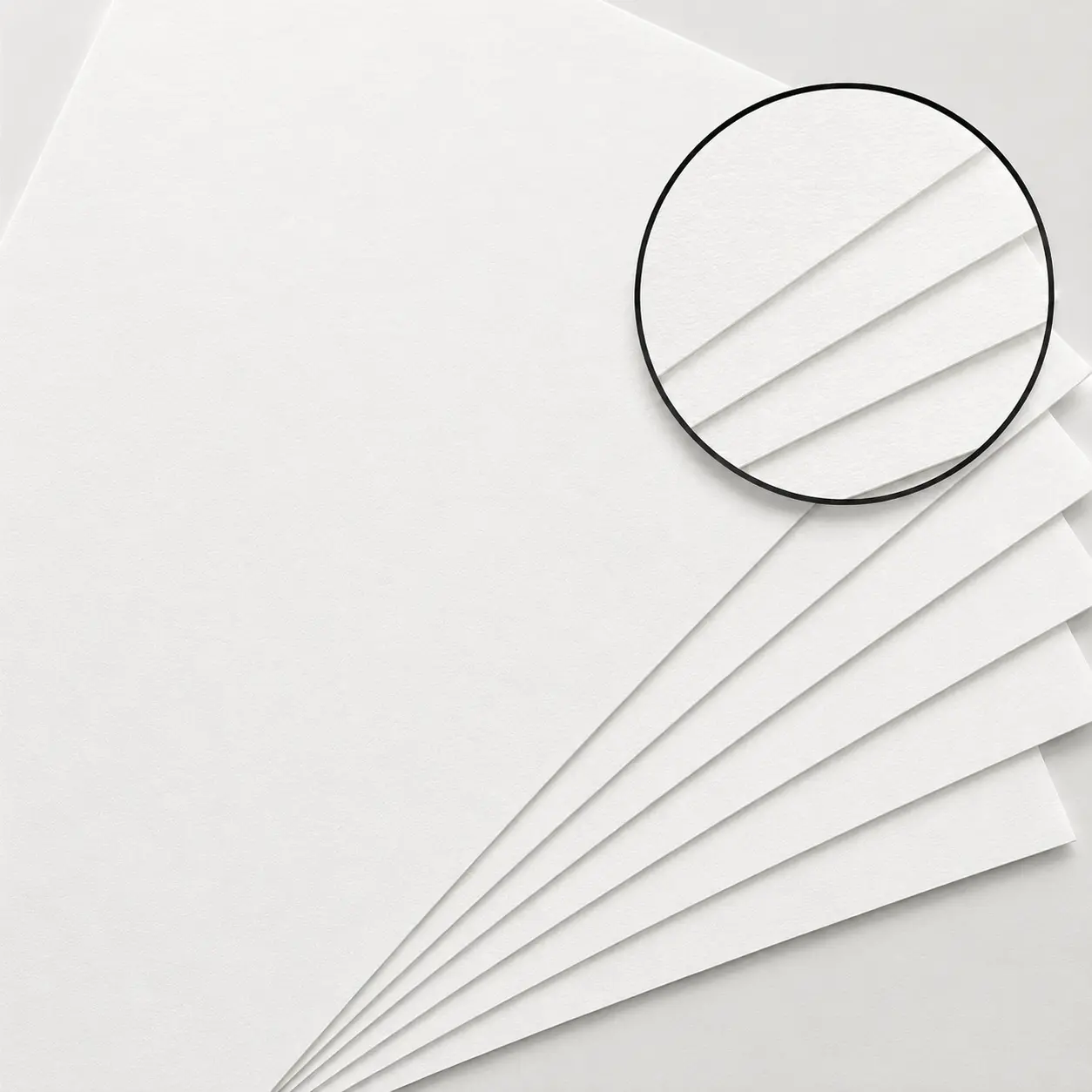
SBS Cardboard
Premium bleached substrate engineered for retail-ready packaging with sharp, high-resolution print performance across bulk SKUs.
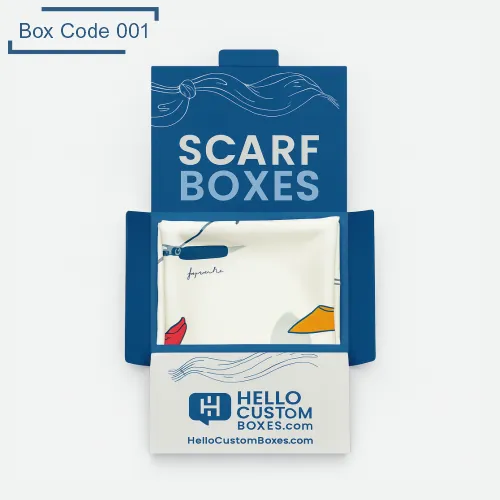
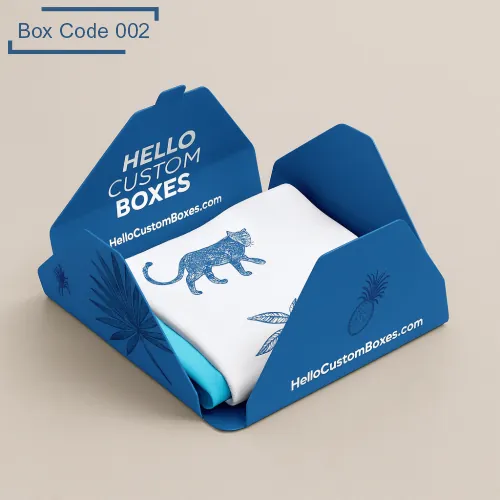
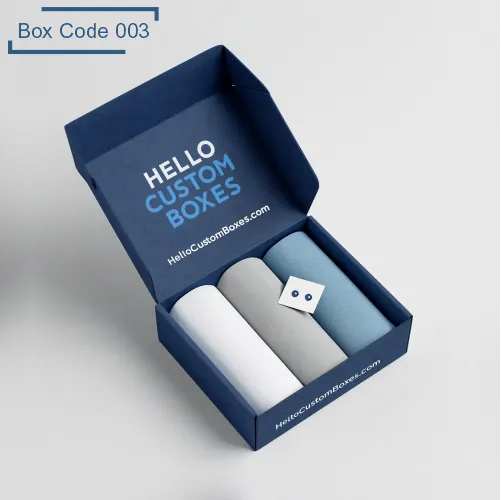
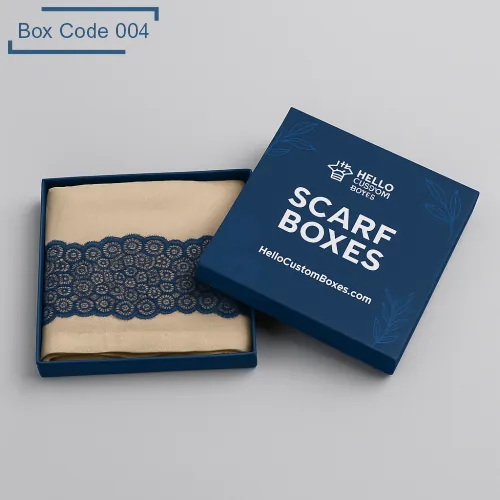
Scarves wrinkle fast, pick up dents from folding, and lose their clean look if the packaging isn’t structured right. These custom scarf boxes keep the fabric steady, prevent edge marks, and help the product look organized on shelves or after shipping. Whether you sell silk, wool, chiffon, or knitted scarves, the packaging protects their shape and makes unboxing feel more intentional.
Tell us your specs and we'll send pricing within one business day.
Custom scarf boxes are designed to hold scarves in the shape, fold, and presentation format used at the point of sale or delivery. They are commonly ordered by fashion retailers, apparel brands, subscription businesses, gift companies, and ecommerce sellers. The box needs to control fabric movement, provide enough room for tissue or printed inserts, and present the scarf without crushing fringes, embellishments, or thicker folds. A suitable structure depends less on the scarf’s open dimensions and more on how the finished product will actually be packed.
A scarf can look extremely thin when laid flat, but that measurement has little value when designing the box. The packaging supplier needs the scarf folded, rolled, tissue-wrapped, banded, or prepared exactly as the customer will receive it.
Silk, chiffon, wool, cashmere, and blended fabrics behave differently after folding. A lightweight silk scarf stays relatively flat but can slide around inside an oversized box. Chiffon compresses easily and may leave the pack looking underfilled. Wool and knitted scarves build more depth and can push upward against the lid.
Care cards, tissue paper, belly bands, hang tags, and promotional inserts also change the required internal dimensions. A box approved from an unwrapped sample can become too shallow once these parts are added.
Do not provide the scarf’s open length and width as the box size. Measure the final folded pack instead.
For accurate sizing, prepare:
The internal dimensions should allow the pack to sit naturally without looking squeezed or lost.
There is no single structure that works for every scarf collection. A compact retail scarf and a thick winter wrap place very different demands on the packaging.
Folding cartons are useful for lightweight scarves, seasonal fashion ranges, and products that need to be packed efficiently. They are supplied flat, which reduces warehouse space compared with assembled rigid boxes.
Tuck-end cartons, sleeve-and-tray boxes, and shallow two-piece paperboard boxes can all work for folded scarves. The correct choice depends on the depth of the pack and how the customer should open it.
A folding carton should not be treated as a rigid gift box. It provides a clean retail presentation, but the sidewalls and lid do not have the same resistance to handling pressure.
A scarf presentation box made from rigid board suits gift sets, premium fabrics, corporate gifts, and higher-value apparel products. The lid stays more stable, and the box keeps its shape after opening.
The trade-off is storage. Rigid scarf boxes are normally supplied assembled, so they occupy considerably more warehouse and shipping volume than flat folding cartons.
A deep rigid box is not automatically better. Excess depth allows a silk or chiffon scarf to drop into the cavity, which weakens the presentation. Tissue, a platform, or a fitted insert may be needed when the structure is intentionally deeper.
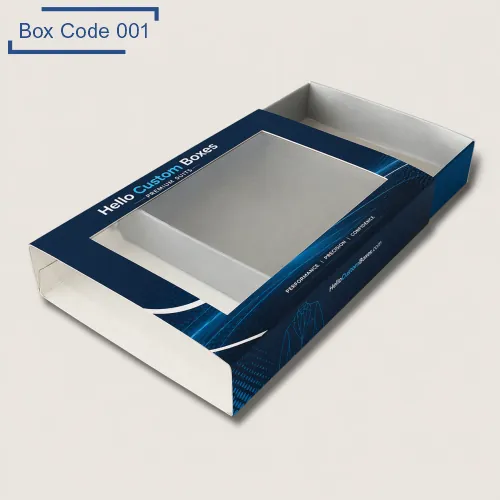
A sliding sleeve gives the scarf a controlled reveal and provides separate surfaces for branding. It also avoids visible tuck flaps on the front of the pack.
The tray must fit closely enough to prevent loose movement but still slide without excessive friction. Heavy lamination, board thickness, and tight tolerances can affect how smoothly the sleeve operates.
A sleeve that fits well before printing can feel tighter after finishing if the production allowance is too restricted.
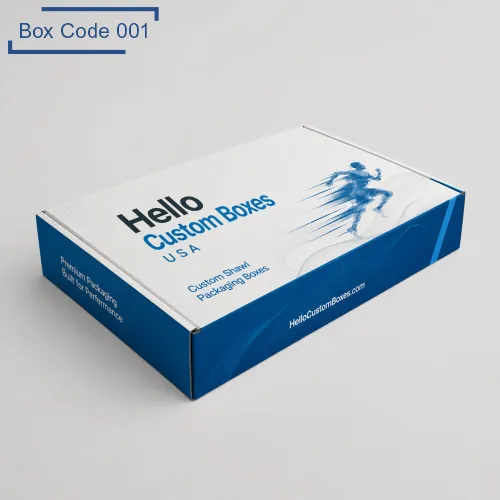
A mailer-style box works when the same pack is used for presentation and direct shipping. It is more suitable for courier handling than a lightweight retail carton, particularly when made from corrugated board.
That does not mean every scarf needs corrugated packaging. A small silk scarf inside an unnecessarily deep mailer can move from side to side throughout delivery. The shipping structure still needs to match the folded product.
Some brands use a printed scarf box inside a plain shipping carton. This separates presentation from transit protection and keeps courier labels away from the retail packaging.
Scarf box packaging needs to account for how the textile behaves after it is placed inside the box.
Silk and satin have smooth surfaces and tend to move inside loose cavities. A paper band, tissue wrap, or shallow insert can keep the fold centered without clamping the fabric.
Chiffon and other lightweight materials collapse easily. A box with too much headroom can make the scarf look smaller than it is. A shallow tray usually presents these fabrics more cleanly.
Wool, cashmere, and knitted scarves require greater depth. Compressing them into a tight carton can create a raised lid or distort the fold. The product should settle inside the box without being forced downward.
Fringed scarves need side clearance. Tassels trapped under a lid edge can crease, flatten, or catch when the customer opens the box.
Embellished scarves require more care. Beads, sequins, embroidery, and decorative stitching should not rub against exposed die-cut edges or a rough insert surface. A tissue layer or smooth-lined cavity prevents direct contact.
Rolled scarves need a different interior shape from square-folded scarves. A long narrow carton, curved support, or paper wrap may work better than placing the roll inside a wide square cavity.
These details are small during artwork approval. They become obvious once the first packed sample is assembled.
An insert is useful when it solves a movement or presentation problem. It should not be added simply because inserts are associated with premium packaging.
A shallow platform can raise the scarf closer to the lid and improve the opening presentation. Side supports can stop a small folded product from drifting inside a larger box. Paper bands and printed wraps can hold lightweight scarves without adding a full internal component.
For delicate fabrics, the contact surface matters. A tight die-cut slot may leave an impression on silk or pull against fringe. Rough corrugated edges should not sit directly against fine textiles.
An insert also increases packing steps. If warehouse staff must fold the insert, position the scarf, adjust tissue, and close several layers, the pack may look good but take longer to assemble.
Before adding an insert, answer three questions:
If the insert has no clear job, tissue or a simple band may be the better choice.
Using one scarf storage box for several product sizes can reduce the number of packaging components a brand needs to manage. It works best when the folded packs are close in length, width, and depth.
Problems appear when the size difference is too large. The smallest scarf can look lost inside the cavity, while the thickest product causes the lid to sit high.
A shared box can still work when the difference is controlled through:
Do not assume a single box will fit an entire collection because the scarves have similar open dimensions. Fabric thickness matters just as much.
A retailer selling silk squares and heavy winter scarves will normally need separate structures.
Artwork placement should begin after the dieline and box structure are approved. Designing the graphics first often leads to logos crossing fold lines, text entering glue areas, or foil details landing too close to a crease.
CMYK printing works for photographic patterns, gradients, and multicolor artwork. Pantone colors are useful when a specific brand color needs to remain consistent across a scarf collection.
Foil stamping is commonly placed on the lid, sleeve, or front panel. Small foil details can create a clear focal point, but thin borders near folds may lose consistency during conversion.
Embossing and debossing add physical depth to a logo or pattern. They require enough clear space around the design and should not interfere with a score line, edge, or closure.
Spot UV is most visible when it contrasts against a matte surface. On highly detailed scarf artwork, too many finishing effects can compete with the print rather than improve it.
Dark colors need practical consideration. Large black or navy areas can show fingerprints, surface rub, and handling marks more clearly than lighter colors. Matte and soft-touch surfaces also need to be evaluated against the expected packing and shipping process.
A scarf subscription box that passes through repeated handling needs a different surface decision from a presentation box placed directly into a retail bag.
A window allows the scarf color or pattern to remain visible while the product is inside the box. It can work well for retail shelves where buyers need to compare designs without opening every package.
The opening removes material from the panel, so its size and position matter. A large window placed too close to the edge can weaken a narrow lid or front panel.
The scarf also needs to stay in the correct position behind the window. Lightweight fabric can move away from the opening during transport, leaving tissue or an empty section visible instead.
Clear film keeps the product enclosed, while an open window provides direct access to the fabric. The better option depends on how the box will be displayed and handled.
For eco friendly scarf boxes, some buyers choose a smaller open cutout or remove the plastic film. That decision should be considered alongside dust exposure, retail handling, and the need to keep the folded fabric in position.
Scarf box storage is easy to overlook during design discussions.
Flat folding cartons take less warehouse space and can be assembled when needed. Rigid boxes arrive formed and require dedicated storage volume. Sleeve-and-tray structures may be supplied flat or partly assembled depending on the design.
A box that looks manageable as a sample can become difficult to store when ordered in wholesale quantities.
Packing speed also matters. A simple tuck carton is faster to prepare than a multi-part presentation pack with tissue, ribbon, insert, card, and sleeve. Subscription businesses handling repeated monthly fulfillment should test the full packing sequence before approving the structure.
Stacking should be checked with the scarf inside. An empty sample may hold its shape, while a soft packed product provides little internal support when several boxes are placed on top of one another.
Retail scarf boxes and ecommerce shipping packs should not be judged by the same standard. The first is mainly handled on shelves and at checkout. The second must deal with sorting systems, courier stacking, and movement inside the outer shipment.
A useful quotation request includes more than the required quantity and a logo.
Send the supplier enough information to understand the packed product and how the box will be used:
A physical packed sample is useful when the scarf is highly compressible, fringed, embellished, or difficult to measure consistently.
For custom scarf boxes wholesale, the sample approval should cover both appearance and packing. A box can meet the stated dimensions and still be awkward for the fulfillment team.
Do not review the box empty.
Pack it using the same scarf, tissue, insert, card, and folding method intended for regular orders. Then open and close it several times.
Check whether:
Place the packed box upright, flat, and on its side. Lightweight scarves sometimes move more than expected when the orientation changes.
The sample should also be reviewed under normal handling. Dark surfaces, delicate foil, and soft-touch finishes can look different after the box has been packed, stacked, and reopened.
Specifications |
|
|---|---|
| Description | Packaging boxes engineered specifically for scarves to preserve clean folds, prevent pressure marks, and protect delicate fabrics from handling and environmental damage while maintaining a premium presentation. |
| Key Benefits | Prevents creasing, reduces fabric shifting, protects edges, maintains fold structure, enhances perceived product value, and delivers a refined unboxing experience. |
| Best Uses | Silk scarves, wool scarves, chiffon wraps, satin scarves, cashmere pieces, knit scarves, boutique accessories, and premium gift-ready textile collections. |
| Box Styles Available | Rigid lift-off lid boxes, magnetic closure boxes, drawer-style boxes, kraft scarf packaging, window display boxes, and multi-scarf set boxes with dividers. |
| Material Options | Cardboard stock for lightweight packaging, rigid board for luxury presentation, kraft board for natural branding, black kraft for premium aesthetics, and buxboard for enhanced durability. |
| Structural Features | Balanced panel construction, smooth interiors, reinforced edges, secure closures, and precision sizing to prevent movement and over-compression. |
| Fabric Protection Details | Fabric-safe interiors, anti-static window options, controlled fold spacing, airflow consideration, and layouts designed to avoid pressure marks on delicate materials. |
| Finishes & Coatings | Matte, gloss, and soft-touch lamination, foil stamping, embossing, debossing, and spot UV finishes tailored for fashion and luxury branding. |
| Branding Surfaces | Lid panels, interior lids, side walls, sleeves, window areas, and insert surfaces suitable for logos, messaging, care instructions, and brand storytelling. |
| Customization Options | Custom sizing, internal supports, window cutouts, inside printing, multi-piece inserts, premium branding enhancements, and retail-ready structural modifications. |
| Retail & E-Commerce Compatibility | Designed for retail shelves, boutique displays, gift packaging, and e-commerce shipping while maintaining scarf presentation during storage and transit. |
| Eco-Friendly Options | Recyclable cardboard and kraft materials, eco-friendly inks, and sustainable packaging options aligned with environmental standards. |
| Applications | Fashion brands, apparel boutiques, luxury gift packaging, seasonal collections, online retailers, promotional campaigns, and premium textile product launches. |
Choose from practical materials, print methods, inks, finishes, and add-ons for a better product presentation.
Premium bleached substrate engineered for retail-ready packaging with sharp, high-resolution print performance across bulk SKUs.
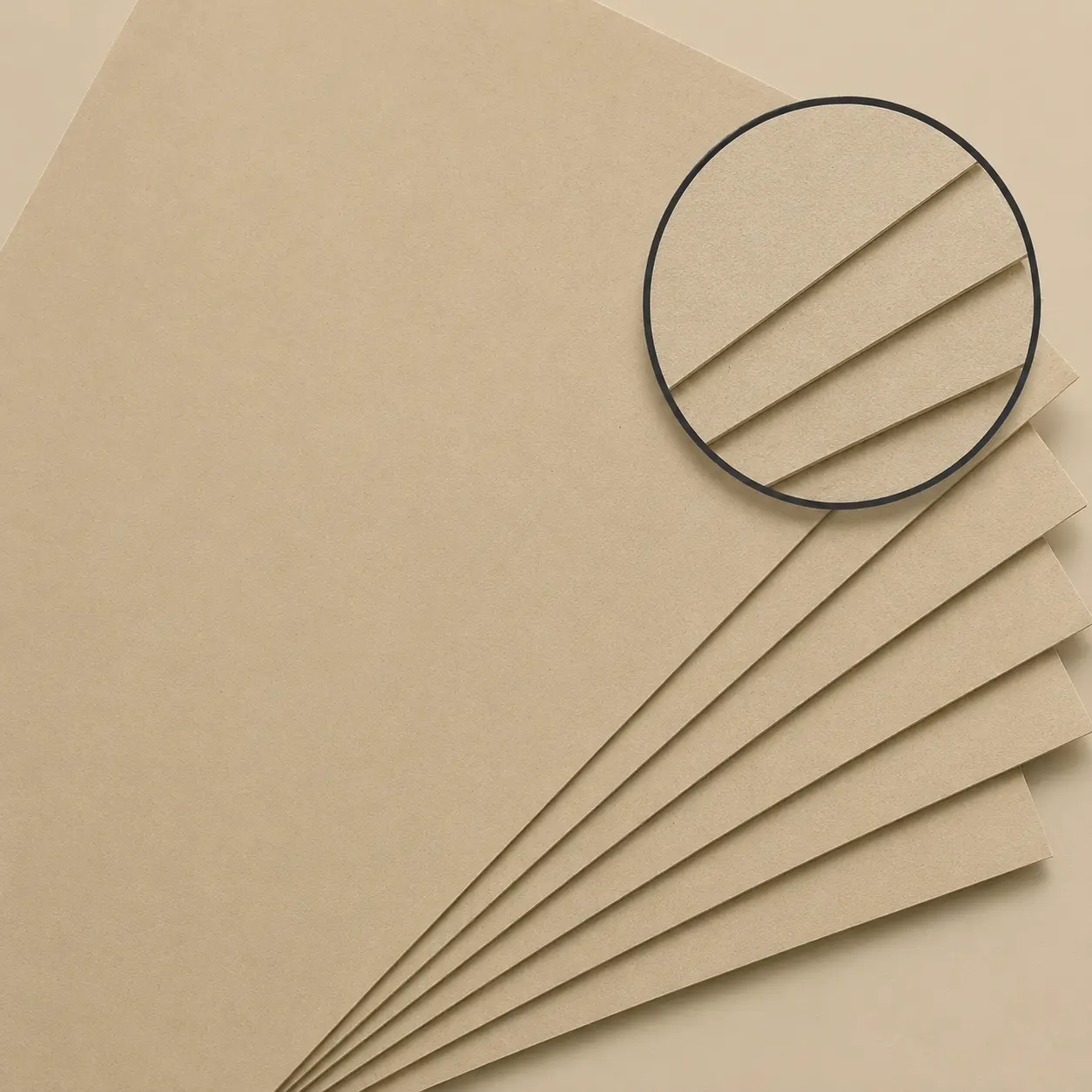
High-density rigid board built for wholesale cartons, structural strength, and stack-ready warehouse logistics.
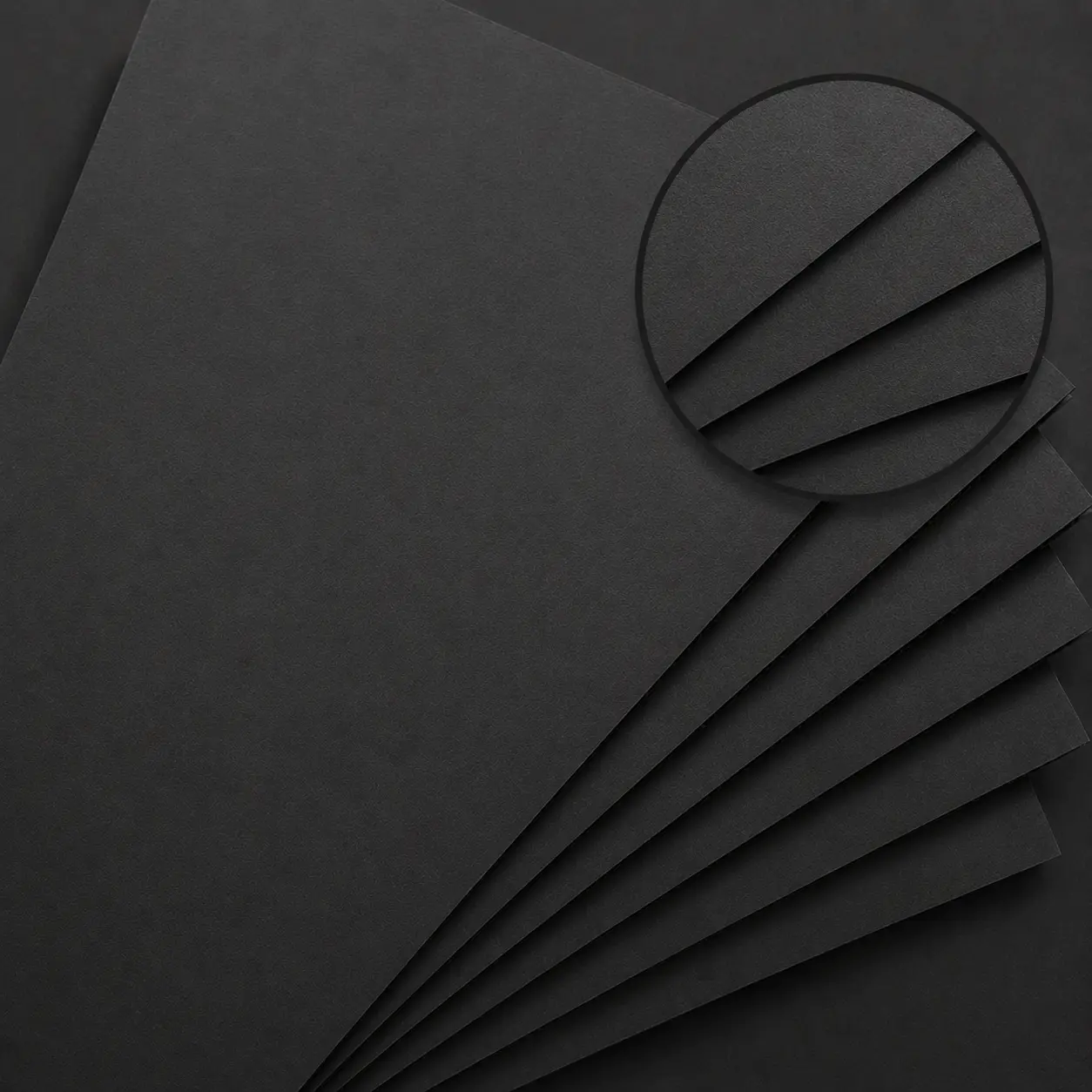
Eco-conscious black kraft for premium unboxing programs, corporate gifting, and limited-edition product lines.
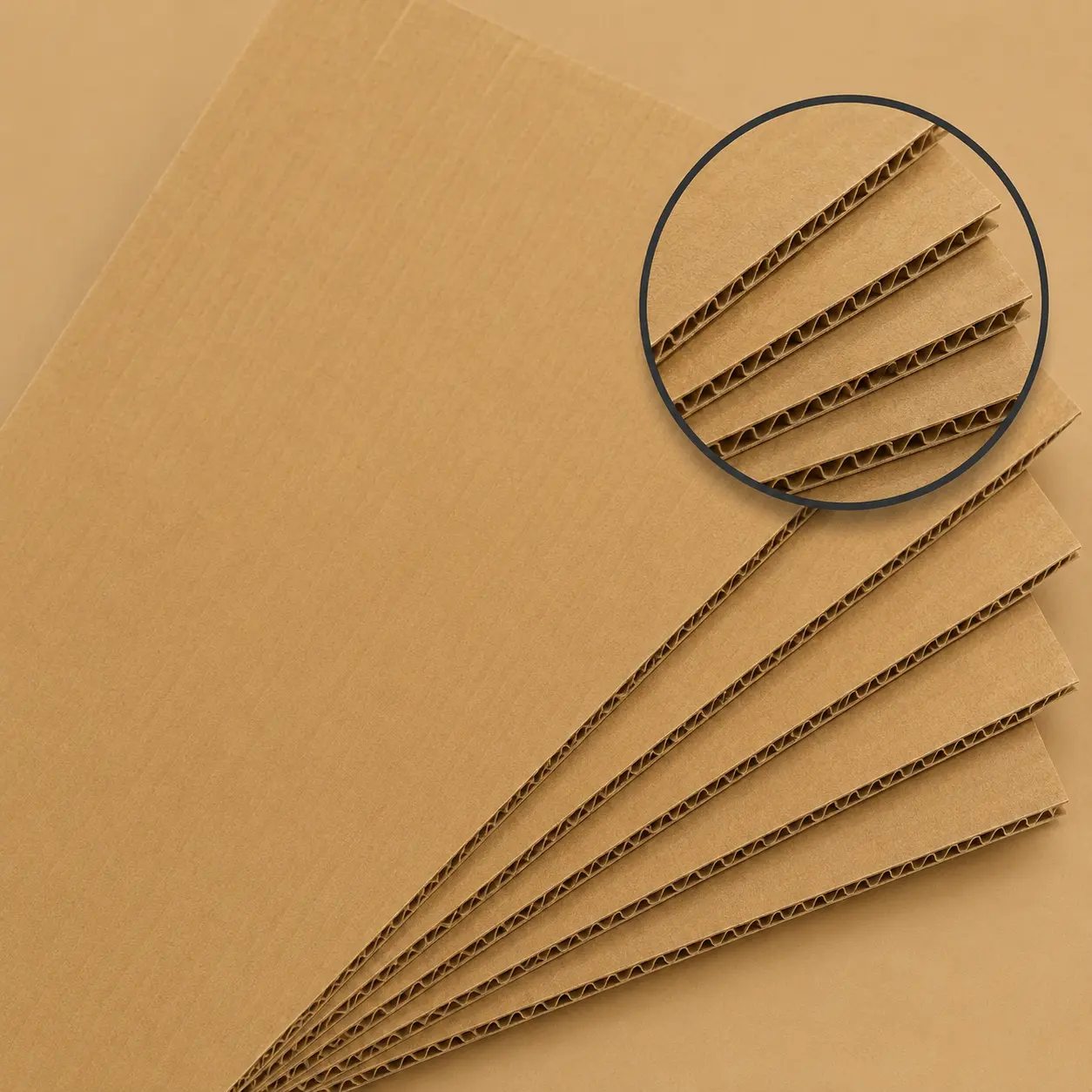
Multi-flute corrugated board built for protective shipping, e-commerce dispatch, and high-volume B2B fulfillment.
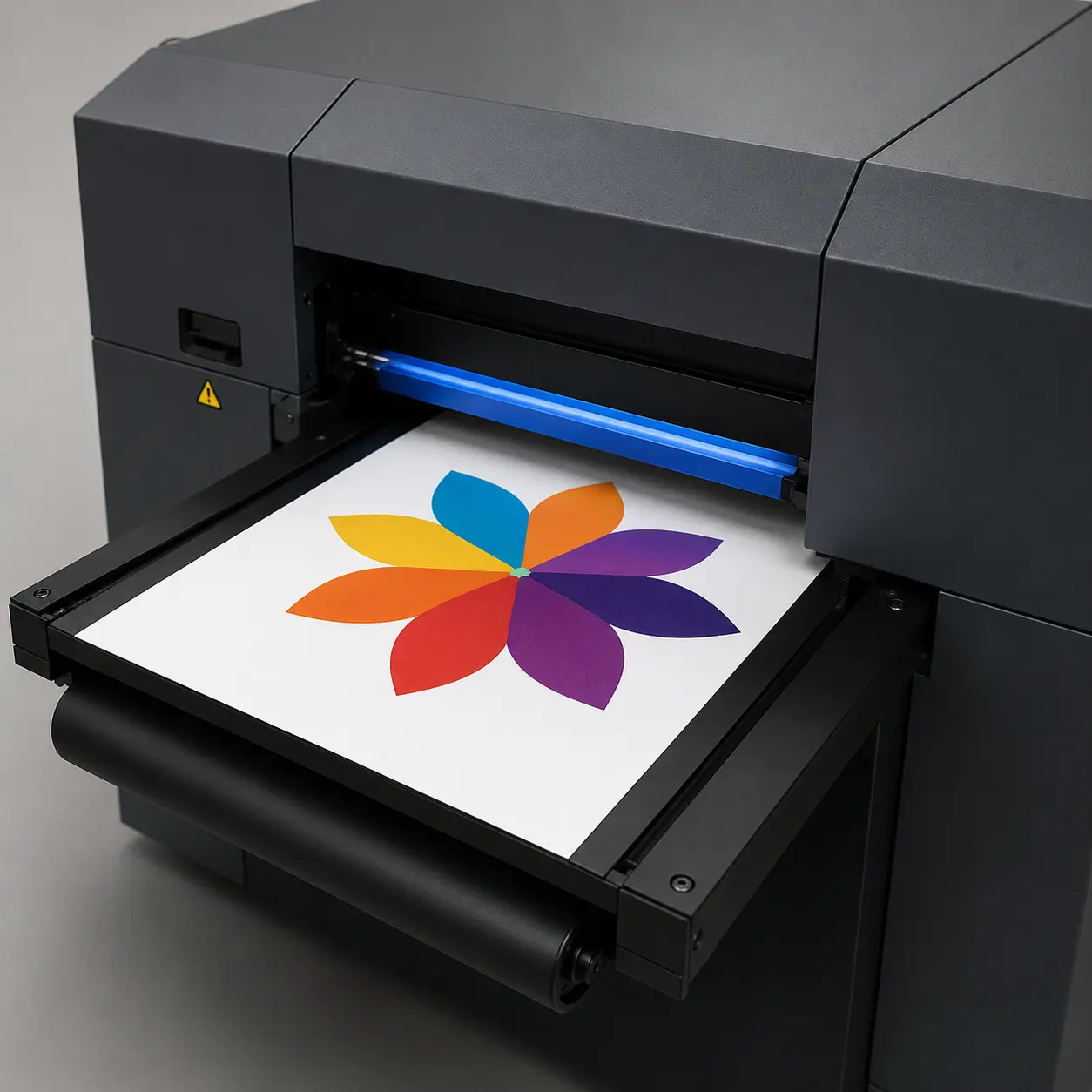
Short-run digital printing with no plate setup — ideal for prototypes, sample approvals, and quick reorders.
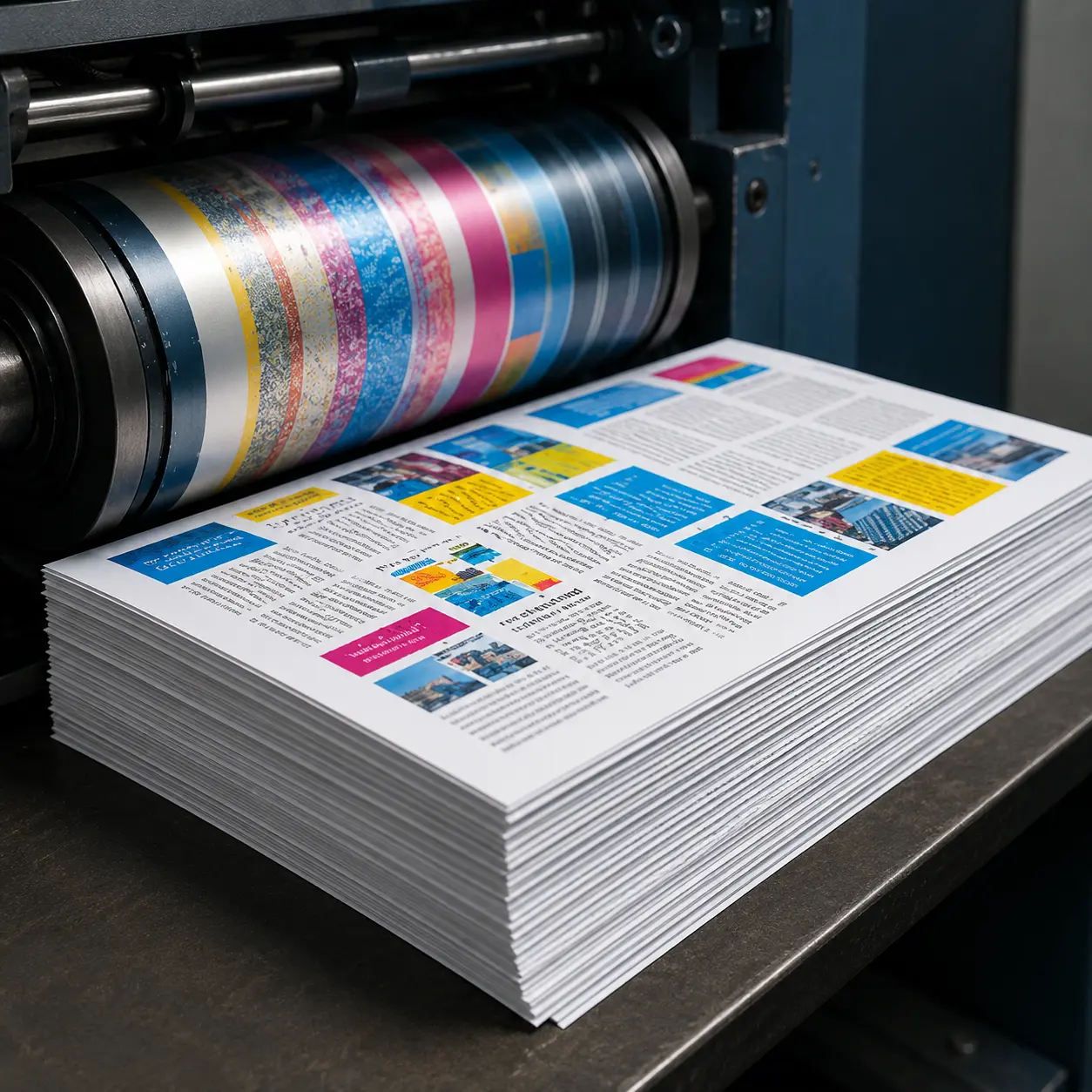
Industry-standard offset printing for high-volume runs with consistent color matching across bulk production.

Selective dimensional embellishment for premium B2B branding, tactile depth, and shelf differentiation.

Vibrant UV-cured printing suited for promotional packaging, event giveaways, and trade-show units.
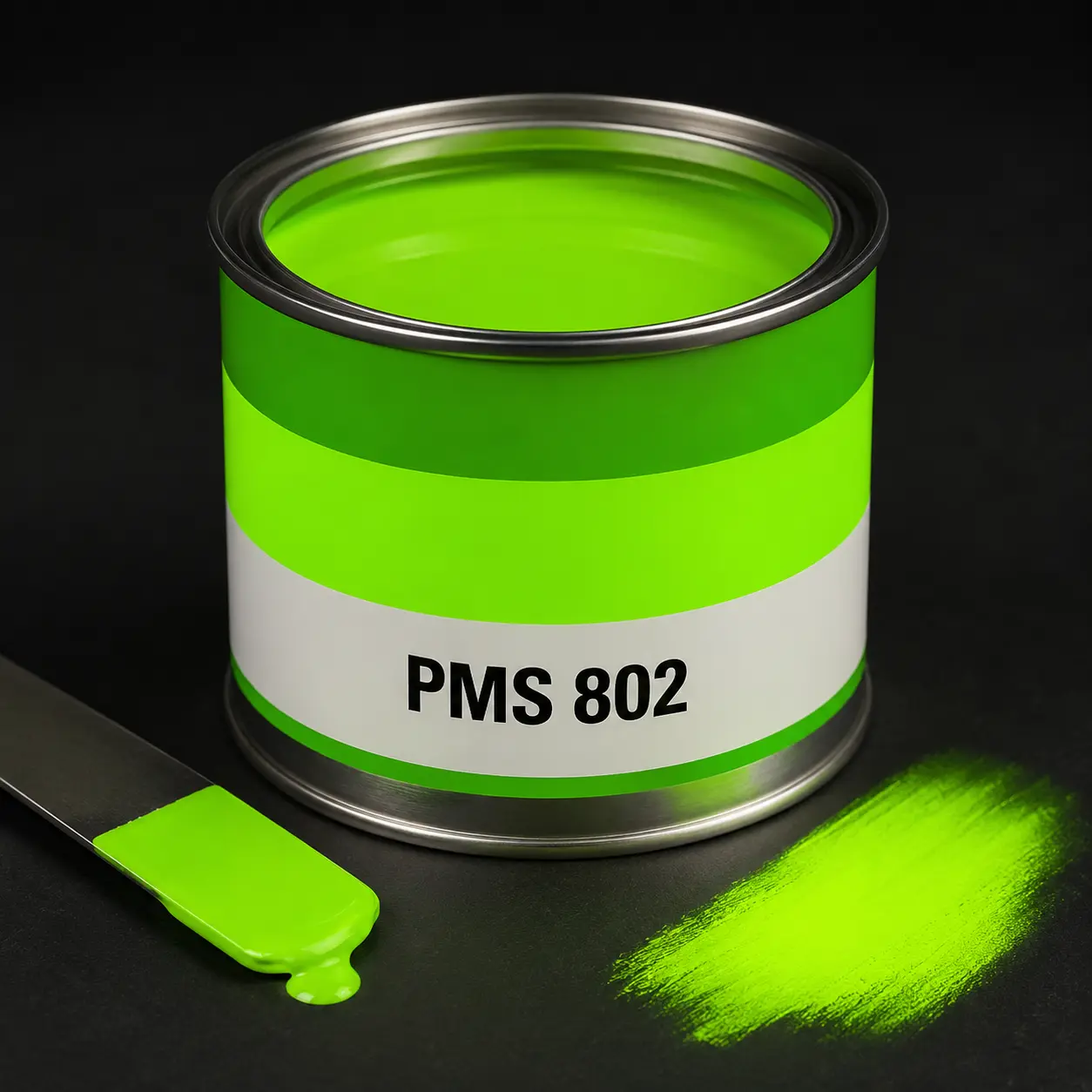
High-visibility ink system engineered for shelf impact, retail displays, and wholesale point-of-sale units.
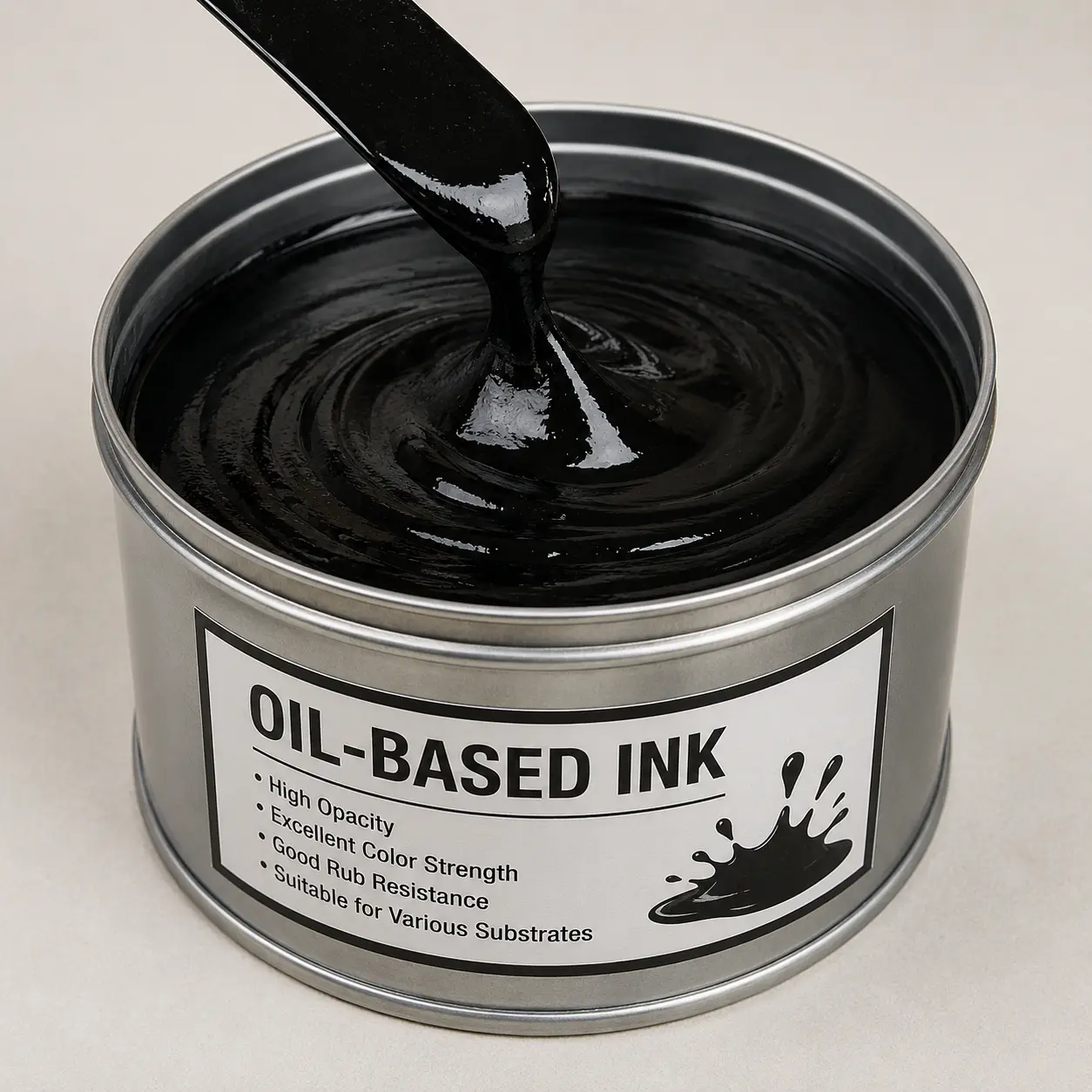
Industry-grade ink for durable, scuff-resistant production runs across long-haul distribution.

Spot-color matching to corporate brand standards — consistent identity across every SKU and reorder.

Sustainable plant-based ink for eco-certified packaging programs and ESG-aligned product launches.

Protective film extends shelf life and protects packaging during shipping and warehouse handling.

Water-based protective seal — fast-drying, food-safe-friendly finish for high-volume bulk production.

Premium tactile finish that elevates corporate gifting boxes and high-end B2B product lines.

Highlight logos and key artwork with selective gloss for maximum retail brand recognition.

Raised brand marks for tactile, premium identity on retail shelves and corporate packaging.

Pressed impressions for subtle, sophisticated branding on premium B2B product lines.

Metallic foil application — gold, silver, and custom finishes for luxury wholesale packaging.
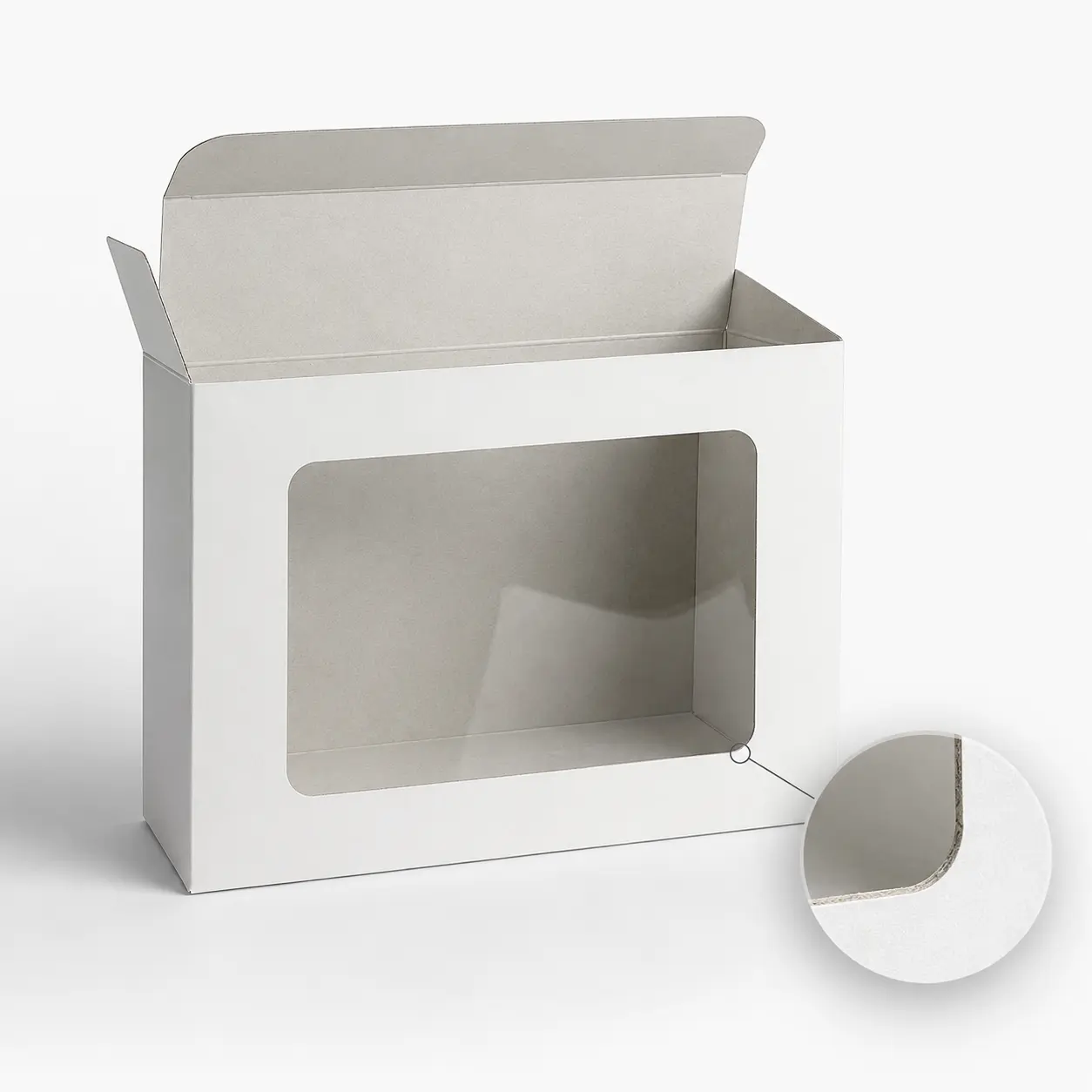
Precision die-cut openings that let customers view the product inside, with optional clear patching for better protection and presentation.
Simple, practical, and built around real B2B production needs.
Send product size, quantity, material preference, artwork, and delivery details.
Our team prepares a proof or 3D mockup so you can check design and structure.
Once approved, your packaging moves into printing, cutting, finishing, and packing.
Finished boxes are packed and shipped to your warehouse, retailer, or 3PL.
Explore similar packaging options that may fit your product line.
Reviews
There are no reviews yet.