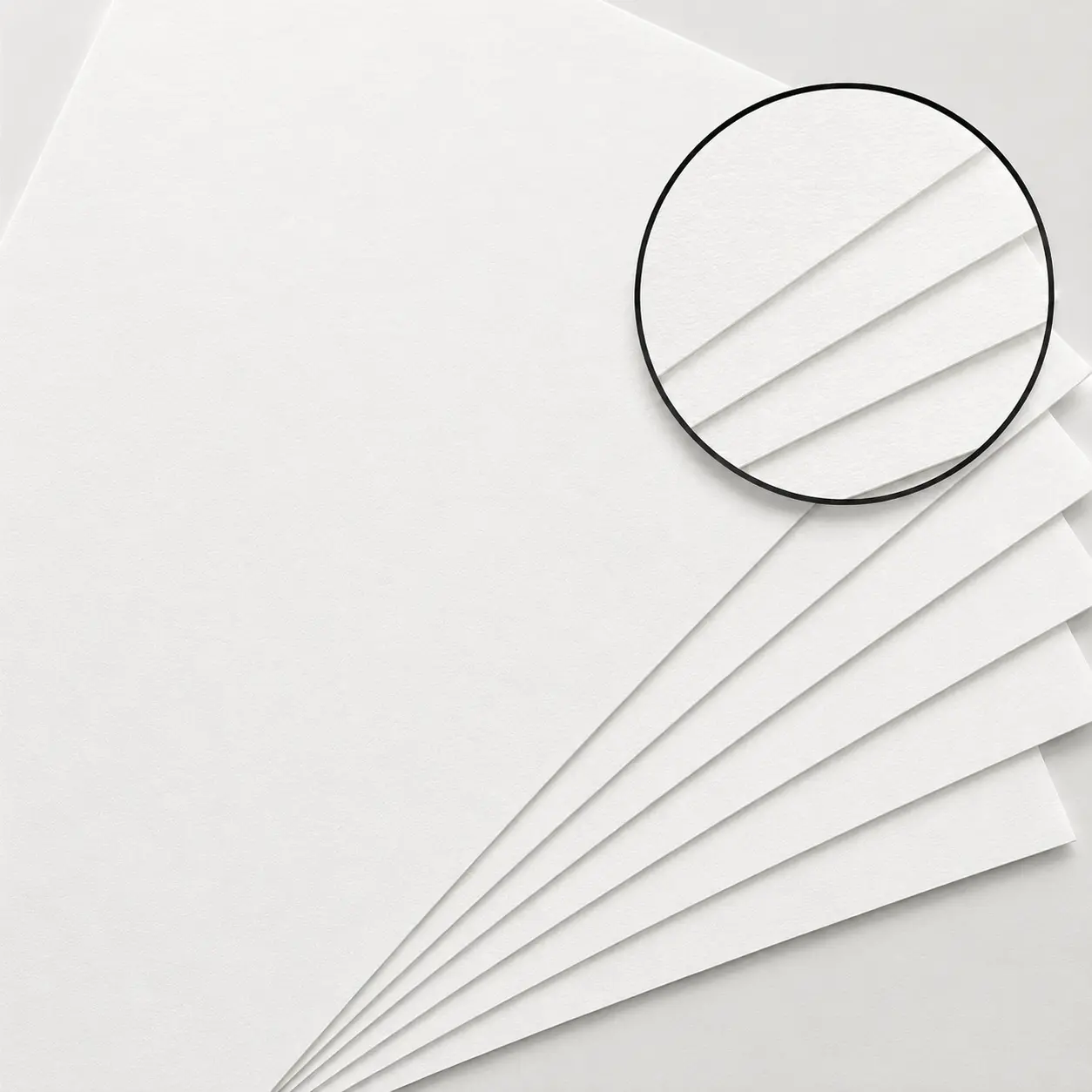
SBS Cardboard
Premium bleached substrate engineered for retail-ready packaging with sharp, high-resolution print performance across bulk SKUs.
Make every batch of brownies land as fresh and flawless as the moment they left your oven. At Hello Custom Boxes, we design custom brownie boxes that solve real bakery struggles—grease stains, crushed corners, fogged lids—without slowing down your production. Choose from classic tuck-end cartons, divider boxes, gift-ready drawer sleeves, or eco-friendly kraft options. Built food-safe, sized to fit, and branded to impress, our brownie packaging boxes protect your product, elevate your presentation, and keep customers coming back. Available in low MOQs, bulk wholesale, or fully tailored designs, we’re the packaging partner behind America’s fastest-growing bakeries.
Tell us your specs and we'll send pricing within one business day.
A brownie may look firm on the cooling rack and still create problems once packed. Dense fudge recipes carry more weight than lighter cake-style brownies. Caramel, ganache, nuts, and chocolate pieces add height, while a soft centre can make the product less tolerant of pressure from above.
That is why the outer print should not be the first decision.
The brownie dimensions, packed weight, surface finish, and route to the customer have a much greater effect on the final box. A carton intended for one plain square will not necessarily work for six topped brownies travelling in a delivery vehicle.
For hand packing, the box should open without fighting the folds and close without tape. This becomes noticeable during busy shifts, when staff may be assembling cartons while the next batch is already cooling.
Straight tuck and reverse tuck cartons often suit smaller retail portions. The flaps fold quickly, the packs store flat, and the structure is familiar to most packing teams.
Heavier brownie assortments need more support underneath. A locking base can keep the carton square while the product is inserted and reduce the chance of the bottom opening when the pack is lifted. It uses a more involved die-cut pattern, so it may cost more than a basic tuck carton.
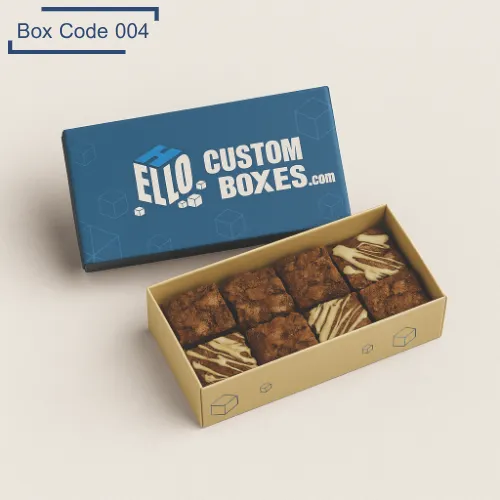
Sleeve-and-tray boxes work well for gift selections and premium printed brownie boxes. The brownies sit in the tray, then the printed sleeve slides over it. Presentation improves, but packing takes longer because two separate components must be handled.
A close-fitting single brownie often needs no insert. There is little room for the product to travel, provided the carton height is correct.
Several brownies in one box are different. Gaps allow the pieces to move, rotate, or rub against one another. Toppings may transfer onto the neighbouring brownie or mark the inside walls before the customer opens the pack.
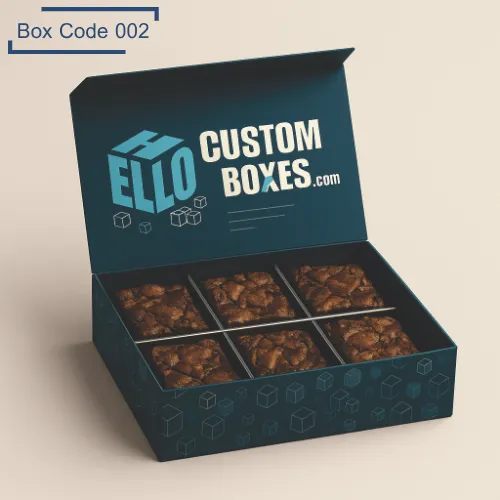
Brownie boxes with dividers separate each portion into its own space. Brownie boxes with inserts can also hold irregular arrangements, such as four large squares around two smaller pieces. Both options are useful for decorated products and courier orders.
They are not free of drawbacks. A tight insert gives better control, though staff must place each brownie more carefully. For high-volume manual packing, that extra step can slow the line.
Paperboard is suitable for many bakery counter packs. It folds cleanly, supports detailed printing, and does not add unnecessary thickness around a small number of brownies.
Its limit is compression strength.
If the brownies are heavy, the boxes are stacked several layers high, or the order moves through parcel delivery, a thin paperboard carton may bow or crease. The product weight is not the only issue; pressure from the boxes above also matters.
Corrugated board provides more resistance because the fluted layer sits between the liners. This makes it useful for brownie boxes for delivery, subscription packs, and wholesale orders travelling inside larger shipping cases.
The stronger construction takes up more room when stored flat and may feel oversized for a single retail brownie. Use it where the handling route justifies the additional material.
Butter and chocolate oils can migrate into untreated paper fibres. The result is usually a dark patch around the base or sides of the carton.
Some brownies show this quickly. Dense chocolate recipes, filled brownies, and pieces finished with oily nuts place more demand on the board than dry cake-style portions. Packing while the product is still warm can make matters worse because trapped heat introduces moisture as well as grease.
The barrier requirement should be based on the recipe and expected time inside the package. A brownie eaten shortly after bakery collection may need less protection than one stored for a subscription delivery.
Food-contact requirements also depend on whether the brownie touches the carton directly or sits in a liner, cup, or wrap. Those details should be confirmed before the board specification is approved.
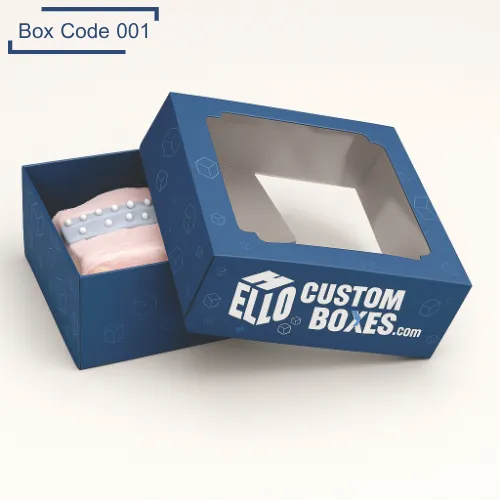
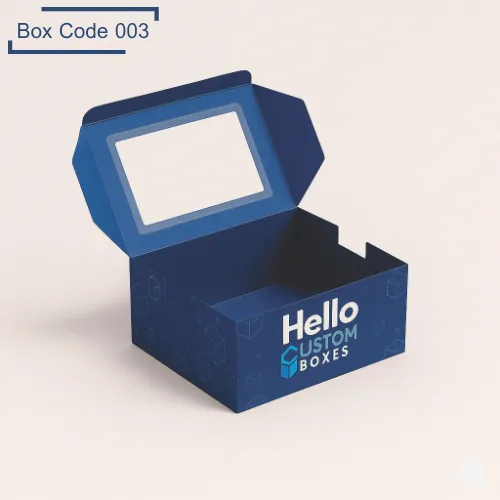
Brownie boxes with a window work well when customers choose by appearance. The opening lets them see layers, toppings, or mixed flavours without lifting the lid.
There is less room for print, however.
A large window can interrupt the front artwork and reduce the area available for ingredients, branding, or handling instructions. Its position must also avoid folds and locking tabs. On a small carton, even a modest opening changes the layout considerably.
For retail shelves and bakery counters, visibility may justify that compromise. For shipped orders, a solid panel offers more uninterrupted board and keeps the product hidden from light and handling marks.
The right printing process is influenced by order quantity, artwork coverage, colour matching, and how often the same design will be reordered.
Short production runs may favour a process that avoids costly setup. Repeat brownie boxes wholesale, especially where brand colours must remain stable across batches, may require a different approach. The exact recommendation cannot be made from the artwork alone.
Board colour matters too. White paperboard gives bright inks a cleaner base. Kraft board absorbs and mutes lighter shades, so pale artwork may lose contrast unless the design is adjusted.
Heavy dark ink coverage can look strong on premium packs, but scuffs and fold-line stress may be easier to see. Before production, the artwork should be checked against the dieline. Logos, small text, barcodes, and nutrition panels must stay clear of glue areas, cuts, and creases.
A counter sale is usually handled for a short distance. The buyer carries the brownies home, and the box may only need to remain presentable for a few hours.
Delivery creates a harsher route. Packs are placed in bags, moved between vehicles, and sometimes stacked beneath other orders. Closure strength and internal fit matter more here than they do for direct collection.
Brownie subscription boxes face another set of conditions. They may contain several flavours or share an outer shipping carton with cookies and other baked products. Dividers can keep the assortment organised, while a stronger outer structure helps prevent crushing.
Wholesale packs are often handled in larger quantities. Flat storage space, assembly speed, carton stacking, and case packing should all be considered before choosing the final style.
A reliable quotation requires the actual packed specification. Start with the brownie length, width, and finished height rather than the baking tray size.
The quantity per carton and approximate total weight are also needed. State whether the brownies are plain, iced, filled, or topped, since surface decoration affects the required clearance above and between pieces.
The intended route should be clear: bakery counter, local delivery, courier shipment, subscription order, or wholesale distribution. Buyers should also confirm whether they need a window, insert, divider, separate tray, grease protection, or a particular closure style.
Artwork files, required print coverage, colour expectations, and any food-contact arrangement should be supplied before production planning. With those details, the board, structure, print method, and internal fit can be matched to how the custom brownie boxes will actually be packed, stored, and delivered.
Brownie Box (Specs) |
|
|---|---|
| Materials | Premium SBS paperboard (300–450 gsm), white cardboard stock, kraft board, bux board, corrugated E-flute, FSC-certified recyclable materials. |
| Box Styles | Two-piece lid and base boxes, window-top brownie boxes, sleeve and tray packaging, tuck-top cartons, gable handle boxes, magnetic closure premium boxes. |
| Product Protection | Custom die-cut inserts, snug-fit compartments, food-safe liners, multi-tier packaging for brownie gift sets, freshness protection. |
| Surface Finish | Soft-touch matte lamination, gloss UV highlights, anti-scuff coating, smooth printable surface, kraft natural texture options. |
| Printing | CMYK & Pantone matching, offset/digital printing, foil stamping, emboss/deboss, spot UV, inside branding optional. |
| Retail Features | Window display options, shelf-ready packaging, counter display design, bakery and gift shop presentation ready. |
| Durability | Reinforced corners, crush-resistant structure, protective lamination, strong retail and shipping performance. |
| Sizes | Custom sizes for single and multi-brownie packs with flexible depth and layout options. |
| Wholesale | Low MOQ, bulk production, custom dieline development, sampling, strict quality control. |
| Sustainability | Recyclable materials, soy-based inks, plastic-free inserts, eco-friendly bakery packaging solutions. |
Choose from practical materials, print methods, inks, finishes, and add-ons for a better product presentation.
Premium bleached substrate engineered for retail-ready packaging with sharp, high-resolution print performance across bulk SKUs.
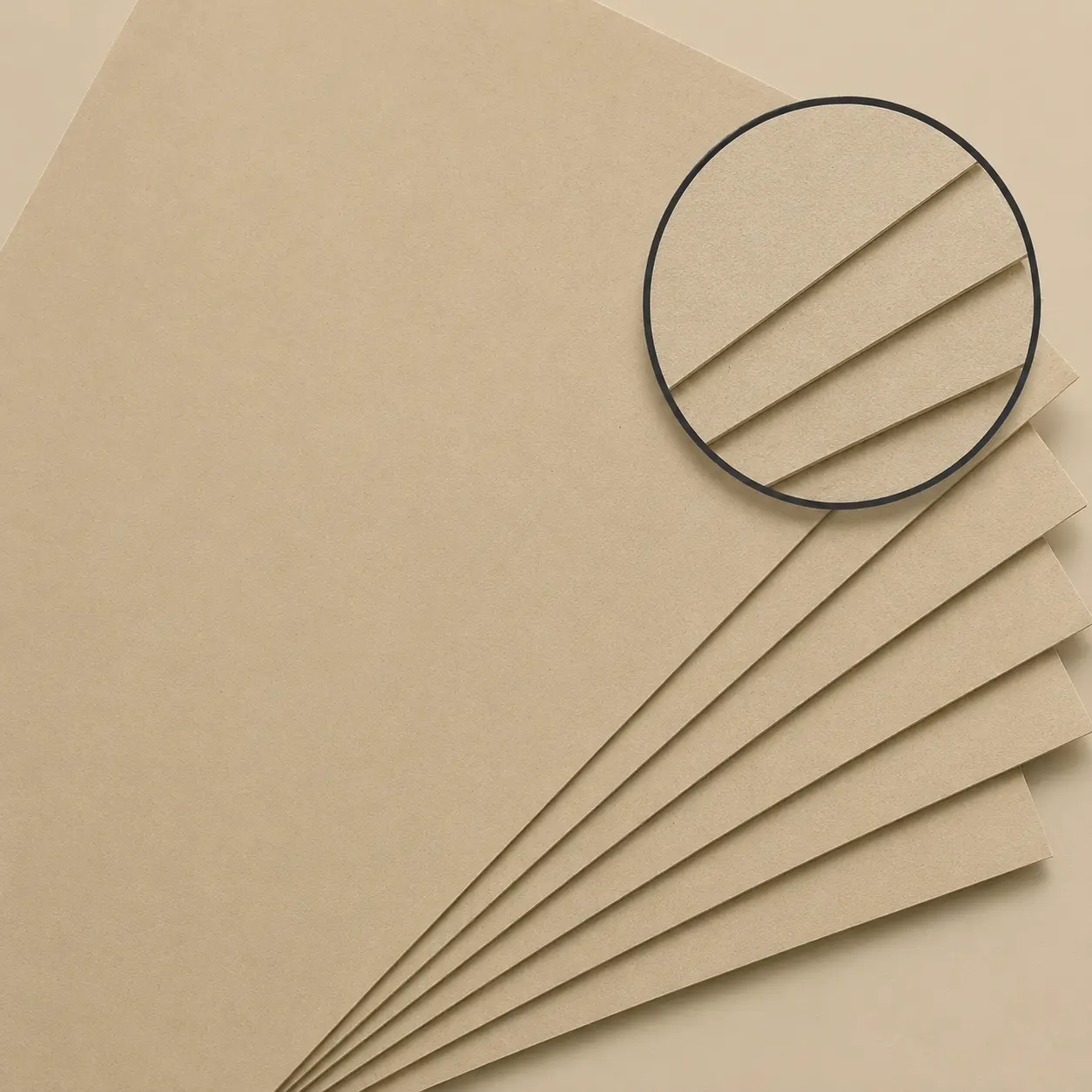
High-density rigid board built for wholesale cartons, structural strength, and stack-ready warehouse logistics.
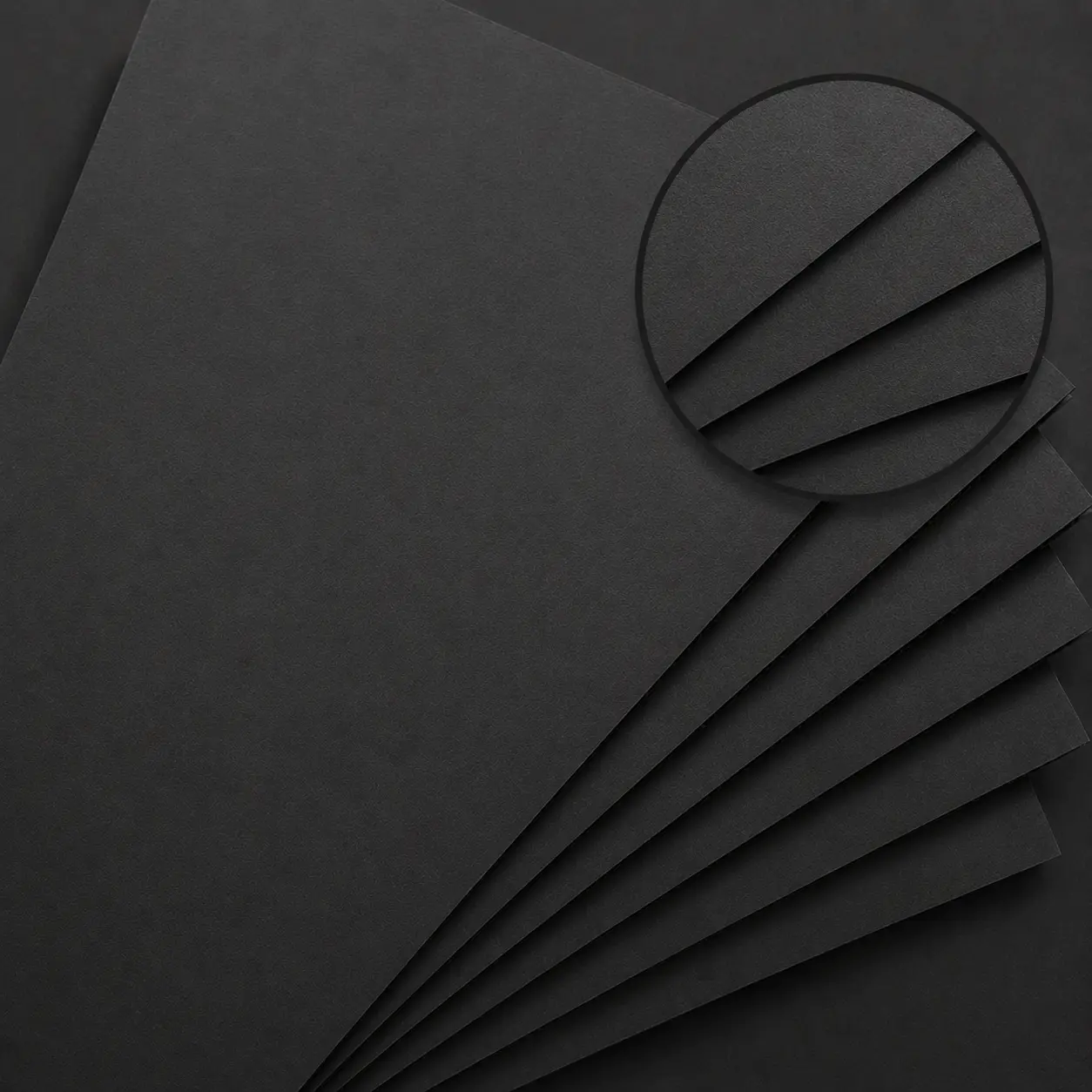
Eco-conscious black kraft for premium unboxing programs, corporate gifting, and limited-edition product lines.
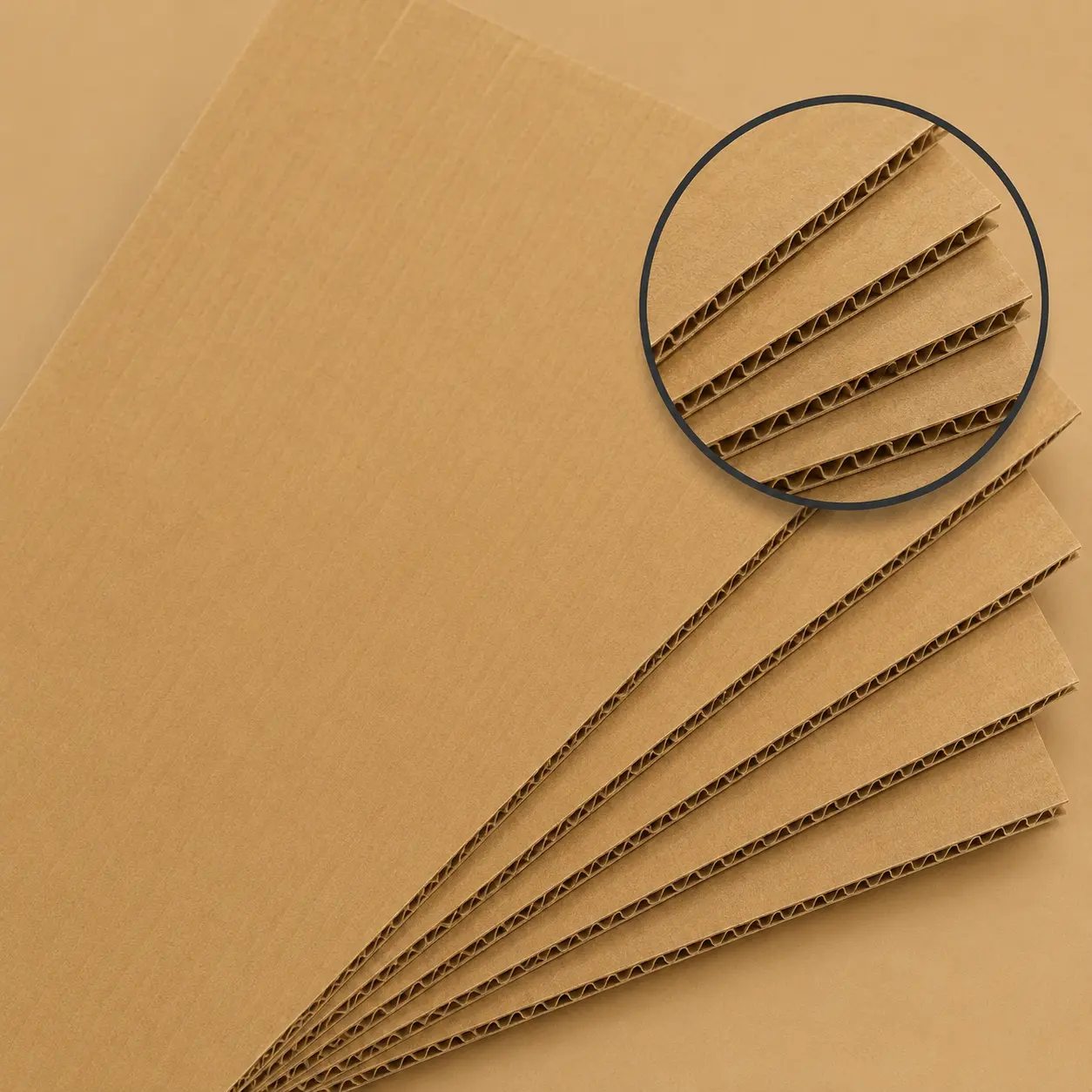
Multi-flute corrugated board built for protective shipping, e-commerce dispatch, and high-volume B2B fulfillment.
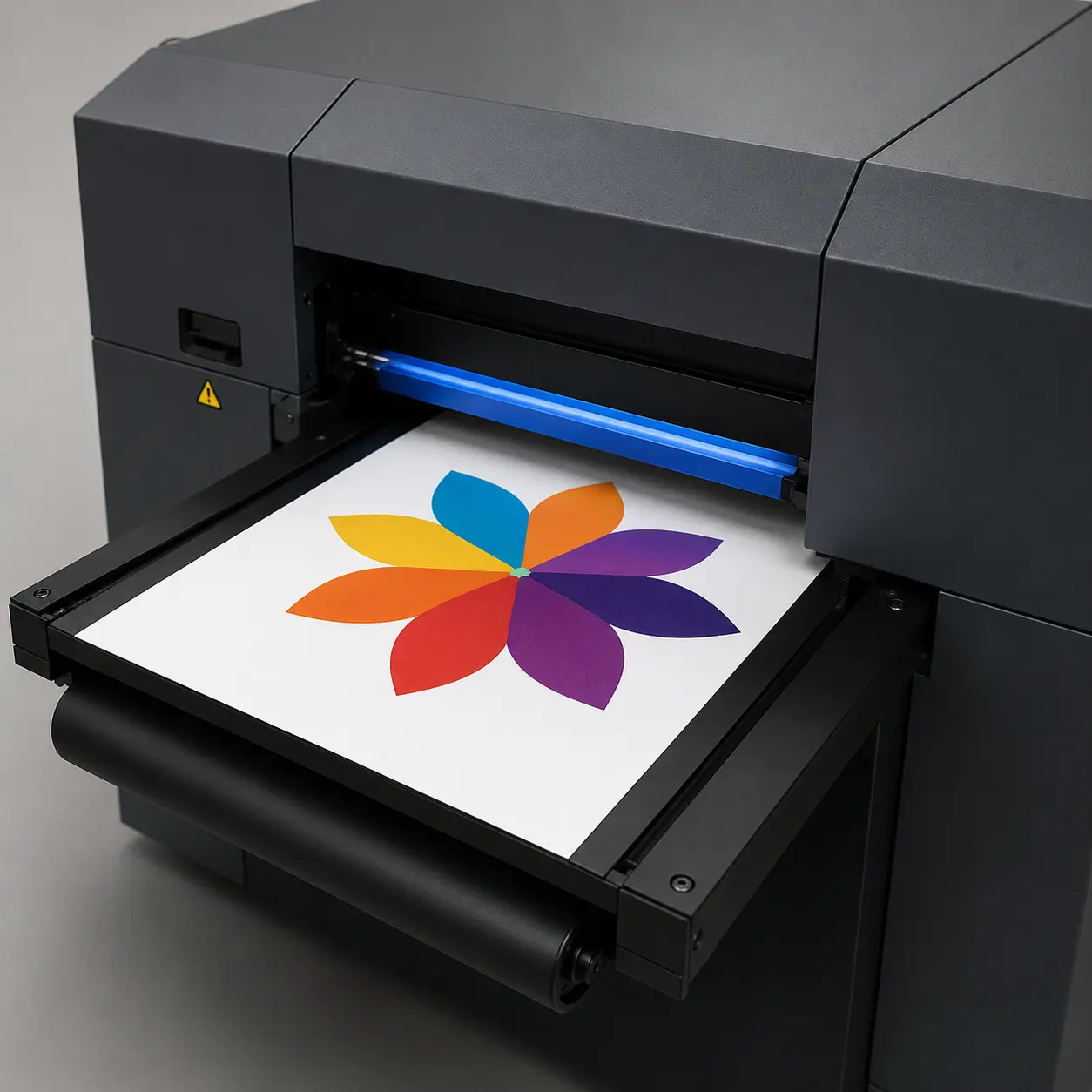
Short-run digital printing with no plate setup — ideal for prototypes, sample approvals, and quick reorders.
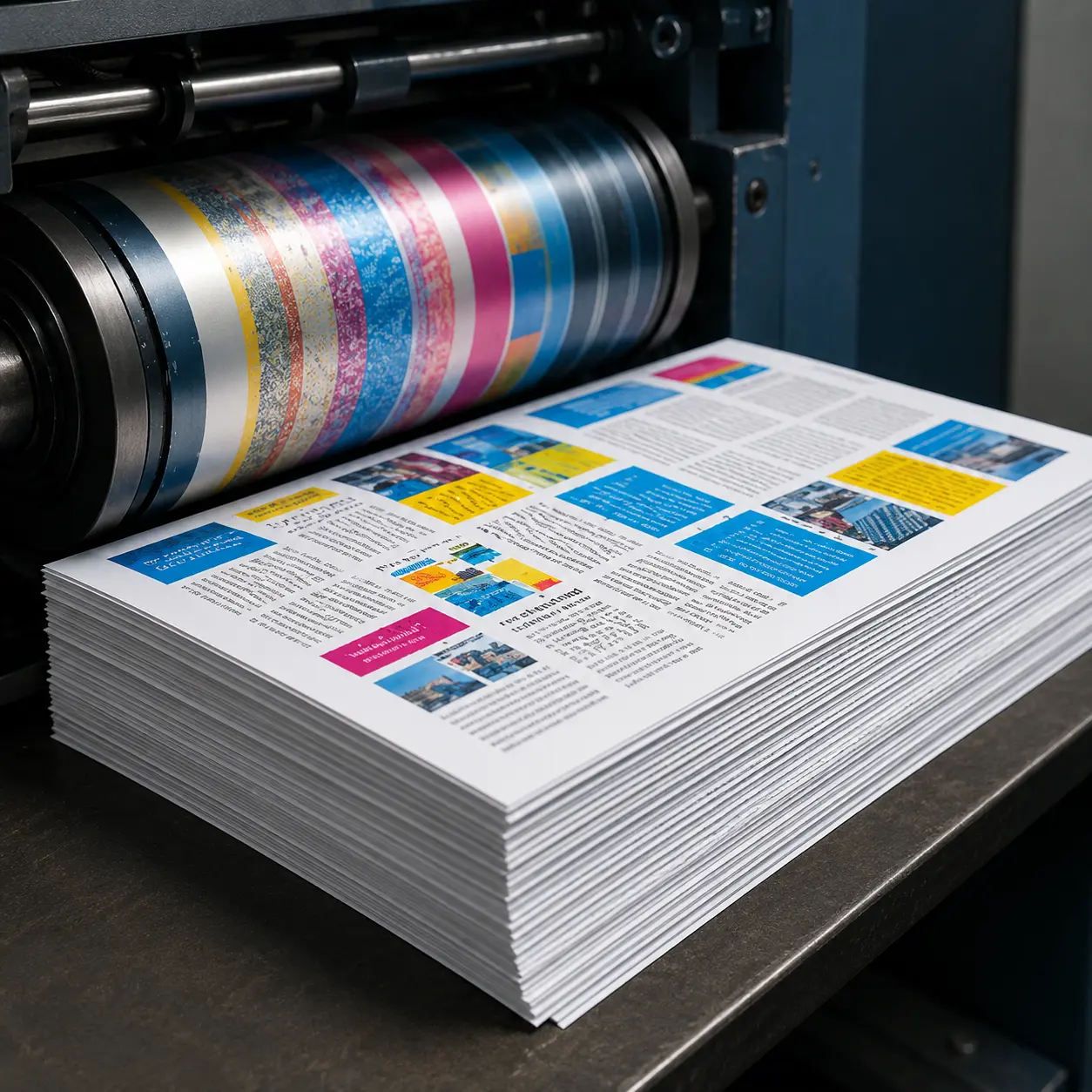
Industry-standard offset printing for high-volume runs with consistent color matching across bulk production.

Selective dimensional embellishment for premium B2B branding, tactile depth, and shelf differentiation.

Vibrant UV-cured printing suited for promotional packaging, event giveaways, and trade-show units.

High-visibility ink system engineered for shelf impact, retail displays, and wholesale point-of-sale units.
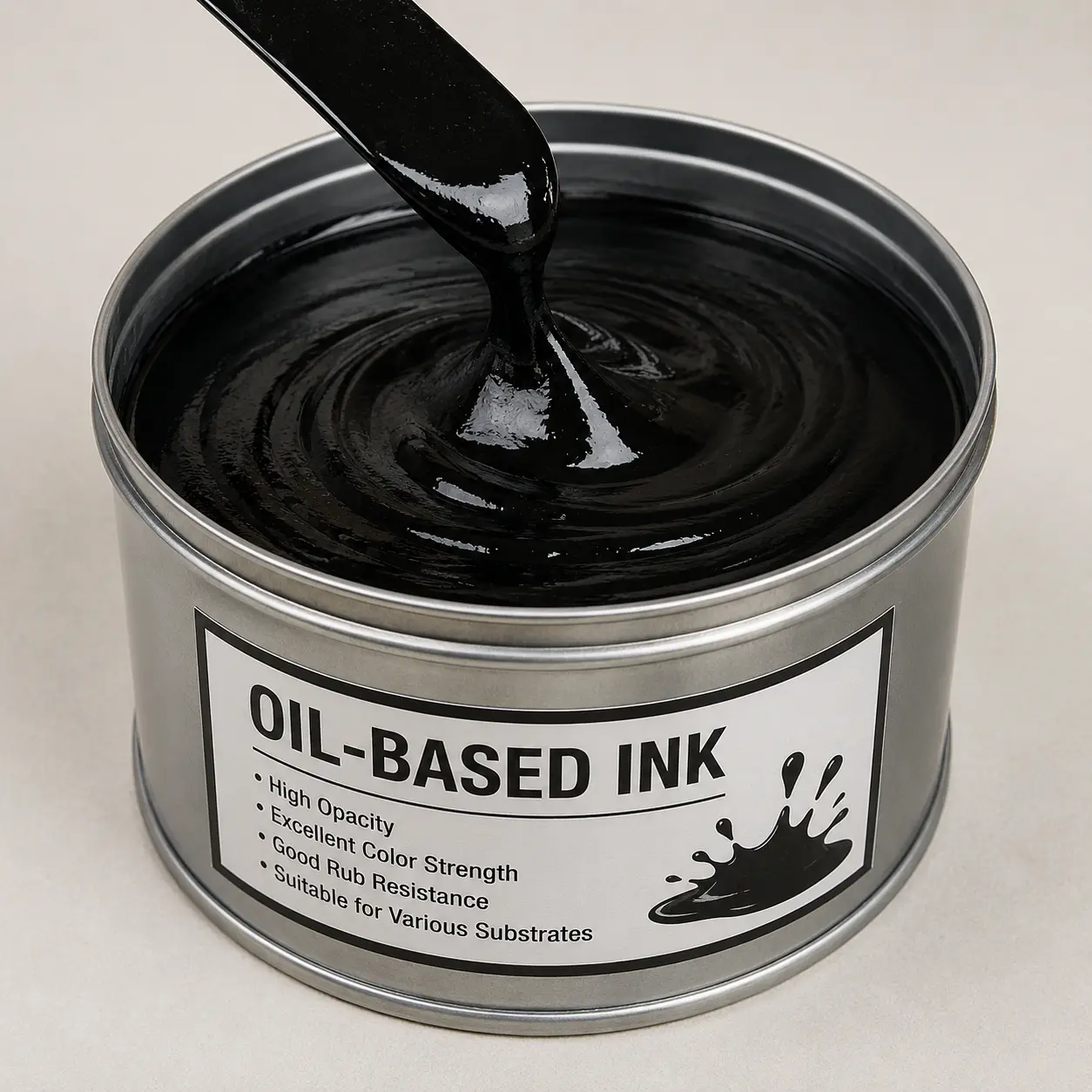
Industry-grade ink for durable, scuff-resistant production runs across long-haul distribution.

Spot-color matching to corporate brand standards — consistent identity across every SKU and reorder.

Sustainable plant-based ink for eco-certified packaging programs and ESG-aligned product launches.

Protective film extends shelf life and protects packaging during shipping and warehouse handling.

Water-based protective seal — fast-drying, food-safe-friendly finish for high-volume bulk production.

Premium tactile finish that elevates corporate gifting boxes and high-end B2B product lines.

Highlight logos and key artwork with selective gloss for maximum retail brand recognition.

Raised brand marks for tactile, premium identity on retail shelves and corporate packaging.

Pressed impressions for subtle, sophisticated branding on premium B2B product lines.

Metallic foil application — gold, silver, and custom finishes for luxury wholesale packaging.
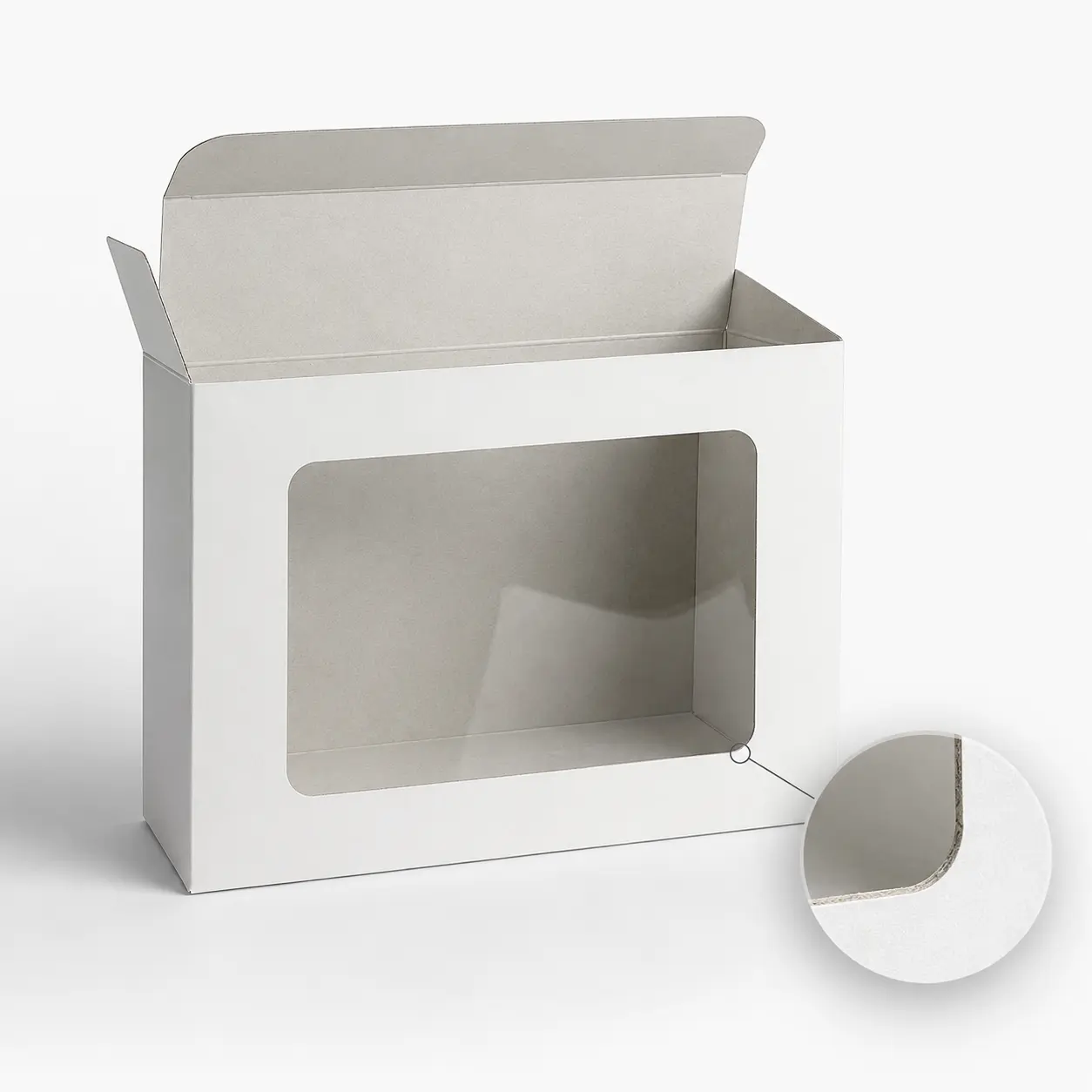
Precision die-cut openings that let customers view the product inside, with optional clear patching for better protection and presentation.
Simple, practical, and built around real B2B production needs.
Send product size, quantity, material preference, artwork, and delivery details.
Our team prepares a proof or 3D mockup so you can check design and structure.
Once approved, your packaging moves into printing, cutting, finishing, and packing.
Finished boxes are packed and shipped to your warehouse, retailer, or 3PL.
Explore similar packaging options that may fit your product line.

Reviews
There are no reviews yet.