Quick Answer
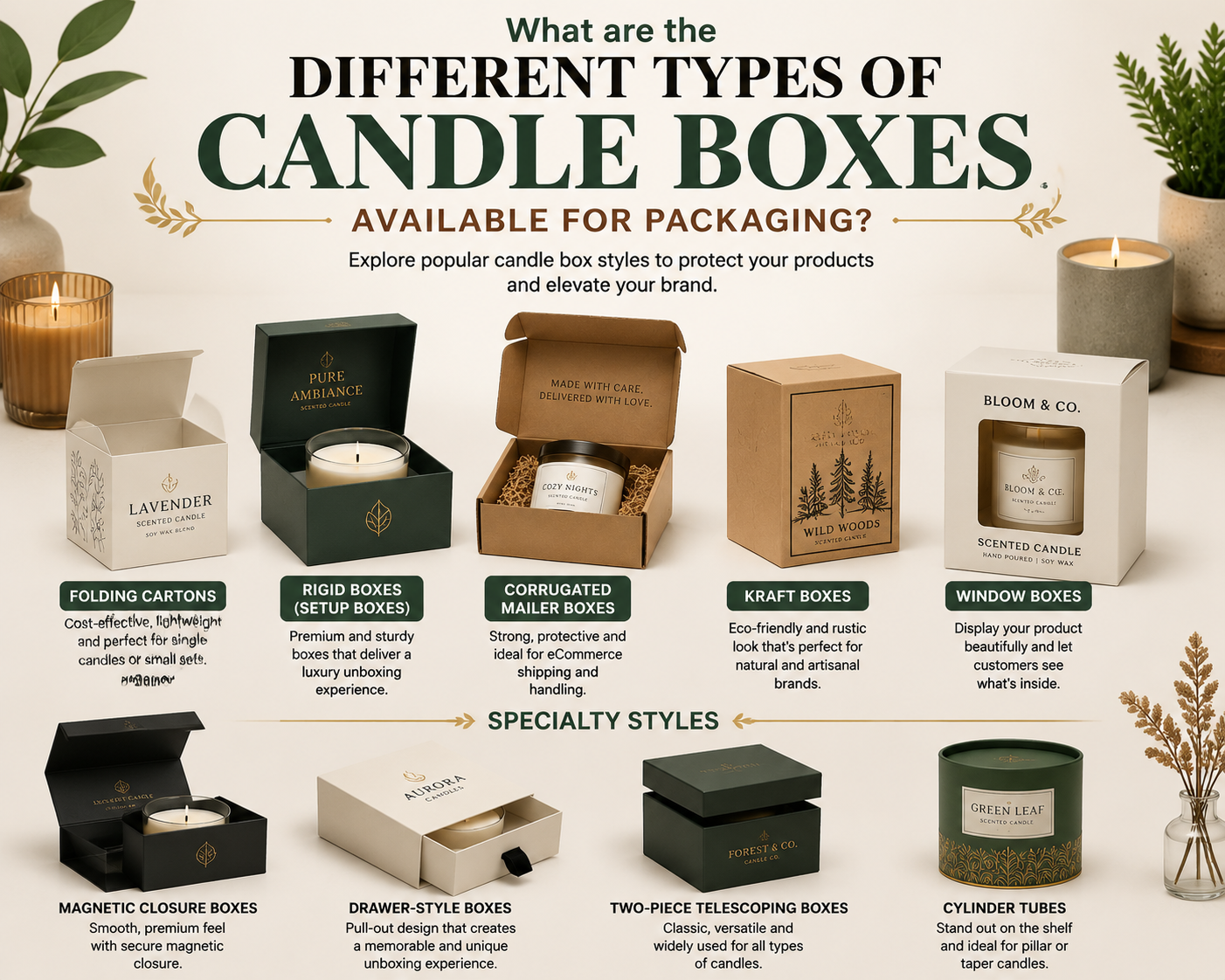
The main types of candle boxes include folding cartons, corrugated mailers, rigid boxes, two-piece boxes, drawer boxes, magnetic closure boxes, and cylindrical packaging. The right option depends on the candle’s dimensions, packed weight, container, fragility, and whether the package is intended for retail, gifting, or shipping.
Candle packaging has to account for more than appearance. A heavy glass jar, lightweight votive, pillar candle, and multi-candle gift set can place very different demands on a box. Product weight, dimensions, movement inside the pack, sales channel, and presentation all influence which structure makes sense.
For U.S. candle businesses, the useful question is therefore not simply which box looks best, but which structure fits the candle and the way it will be sold, packed, handled, or shipped. This guide compares the main candle box types and explains where each one fits.
Why Candle Packaging Matters More Than You Think
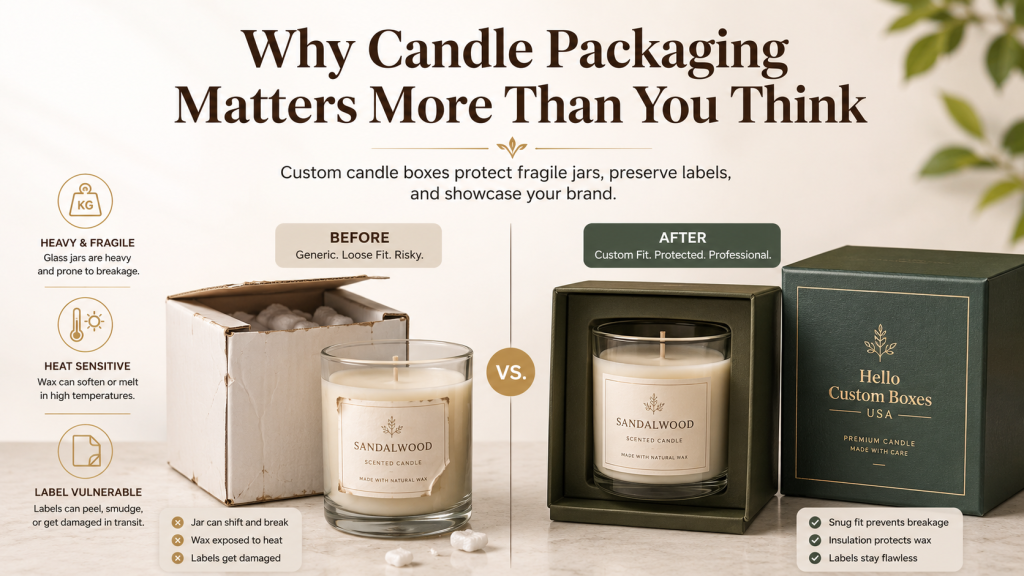
Candles are oddly tricky. Glass jars are heavy and fragile. Wax can soften in heat. Labels peel if the box rubs too much in transit. I’ve watched businesses lose repeat customers because a beautiful $35 candle arrived with dents or wax residue on the outside of the jar.
The good news? Modern custom candle boxes solve these issues while giving you room to showcase your brand. At Hello Custom Boxes USA, we build every box around your actual product dimensions—not a generic template—so the fit is precise and professional.
Common Types of Candle Boxes
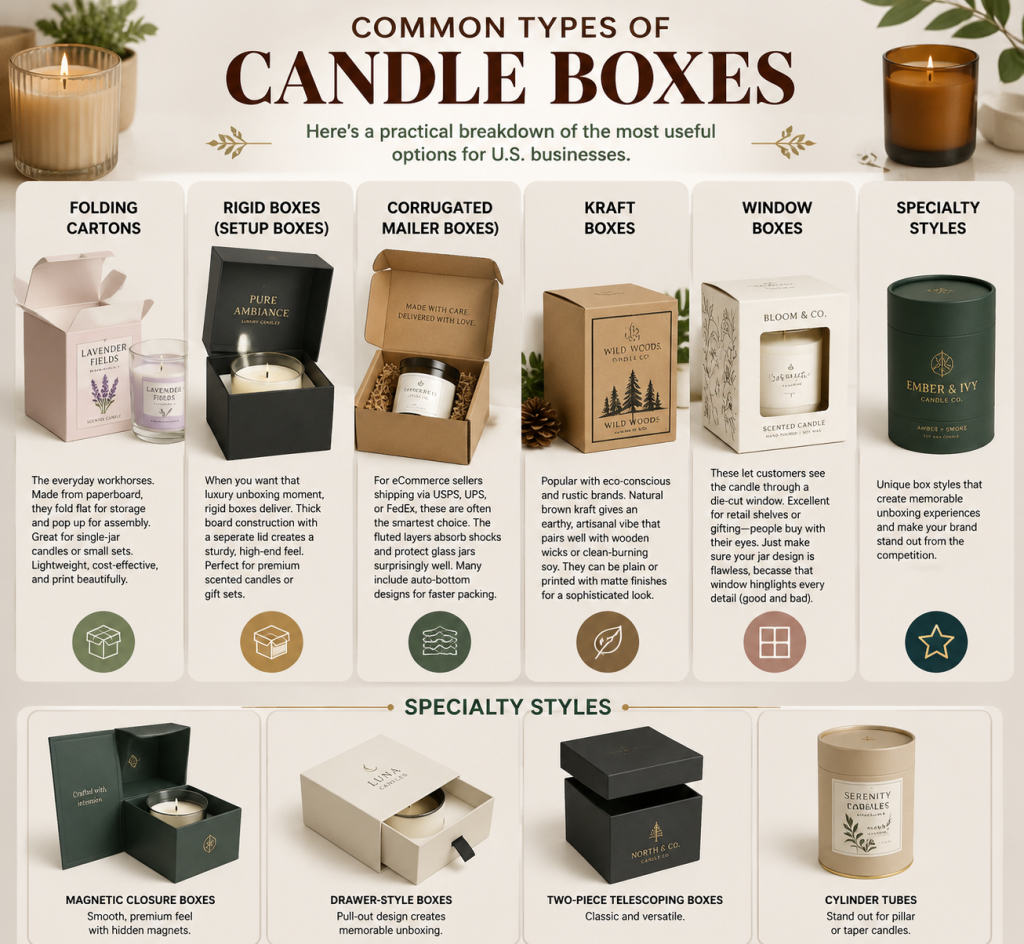
Here’s a practical breakdown of the most useful options for U.S. businesses.
Folding Cartons
These are the everyday workhorses. Made from paperboard, they fold flat for storage and pop up for assembly. Great for single-jar candles or small sets. They’re lightweight, cost-effective, and print beautifully with your designs. Downside: They offer less protection for heavy glass during long-haul shipping. Many sellers add internal inserts or padding here.
Rigid Boxes (Setup Boxes)
When you want that luxury unboxing moment, rigid boxes deliver. Thick board construction with a separate lid creates a sturdy, high-end feel. Perfect for premium scented candles or gift sets. They hold shape beautifully and protect against crushing far better than folding cartons. Expect higher per-unit cost, but they justify it in perceived value.
Corrugated Mailer Boxes
For eCommerce sellers shipping via USPS, UPS, or FedEx, these are often the smartest choice. The fluted layers absorb shocks and protect glass jars surprisingly well. Many include auto-bottom designs for faster packing. Real talk: In humid summer shipments across the South or rough handling in big sorting facilities, corrugated has saved countless orders from damage.
Kraft Boxes
Popular with eco-conscious and rustic brands. Natural brown kraft gives an earthy, artisanal vibe that pairs well with wooden wicks or clean-burning soy. They can be plain or printed with matte finishes for a sophisticated look.
Window Boxes
These let customers see the candle through a die-cut window. Excellent for retail shelves or gifting—people buy with their eyes. Just make sure your jar design is flawless, because that window highlights every detail (good and bad).
Specialty Styles
- Magnetic closure boxes: Smooth, premium feel with hidden magnets.
- Drawer-style boxes: Pull-out design creates memorable unboxing.
- Two-piece telescoping boxes: Classic and versatile.
- Cylinder tubes: Stand out for pillar or taper candles.
Materials and Technical Considerations
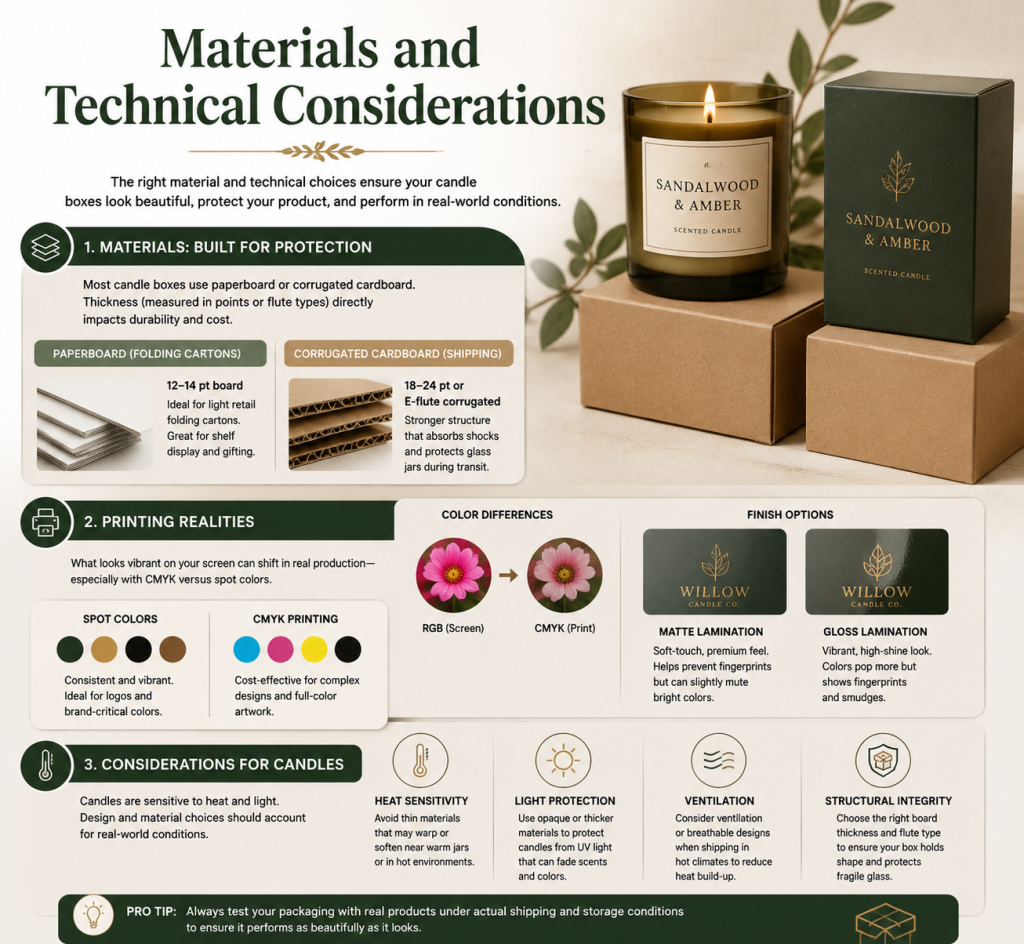
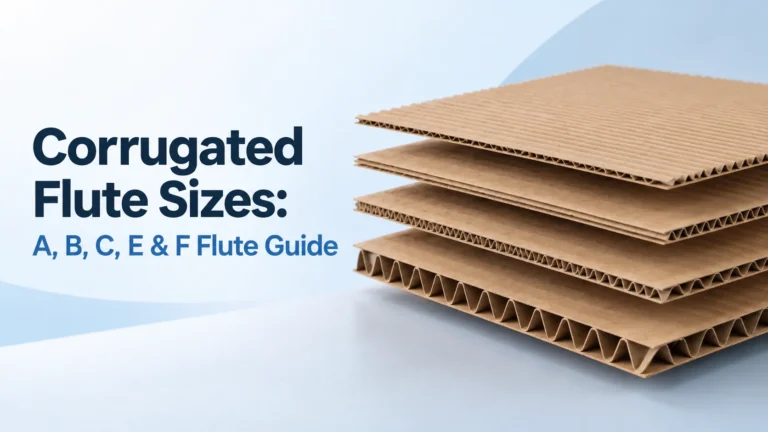
Most candle boxes use paperboard or corrugated cardboard. Thickness (measured in points or flute types) directly impacts durability and cost. A 12- or 14-point board might work for light retail folding cartons, while 18-24 point or E-flute corrugated handles shipping better.
Printing realities matter. What looks vibrant on your screen can shift in real production—especially with CMYK versus spot colors. Matte lamination helps prevent fingerprints and gives a soft-touch premium feel, but it can slightly mute bright colors. Gloss pops more but shows every smudge.
For candles specifically, consider heat and light sensitivity. Avoid thin materials that might warp near warm jars, and think about ventilation if shipping in hot climates.
Real-World Lessons from Packaging Orders
One common mistake: Ordering boxes based on external jar dimensions without accounting for the lid or wick height. The candle shifts, the glass knocks, and you get claims. Another: Choosing cheap thin board to save money, only to see boxes collapse in stacks or during transit.
We’ve seen startups switch from generic Amazon boxes to properly fitted custom options and cut damage rates dramatically. Inserts—whether molded pulp, cardboard die-cuts, or foam—make a huge difference for multi-jar sets.
Hello Custom Boxes USA focuses on these exact pain points. We measure your products, recommend the right structure, and test for real shipping conditions.
How to Choose the Right Candle Box for Your Business
- Budget-conscious startups: Start with quality folding cartons or kraft mailers.
- Premium brands: Rigid or magnetic styles.
- High-volume eCommerce: Corrugated mailers with strong branding.
- Retail/wholesale: Window or display-ready designs.
Factor in storage space, assembly time, and shipping weight too. Every extra ounce adds up on USPS Priority.
If you’re unsure, starting with a small test run is smart. See how they perform in actual shipping before committing to thousands.
Moving Forward with Better Packaging
Your candle box is often the first physical touchpoint customers have with your brand. It should protect the product, reflect your values, and encourage five-star reviews.
Ready to explore options built specifically for your candles? Check out our custom candle boxes for shipping-focused solutions.
Frequently Asked Questions
Corrugated mailers and rigid two-piece boxes lead for most U.S. sellers. Mailers win for pure shipping durability, while rigid boxes dominate gift and retail channels.
In my experience, yes. Off-the-shelf boxes often leave too much movement, leading to broken glass or scuffed labels. A snug custom fit reduces damage and looks far more professional.
Kraft paperboard, recycled content, and minimal printing are solid starts. Many businesses now use soy inks and avoid plastic coatings.
Absolutely. We work with startups who need just a few hundred boxes to test market response before scaling.
Matte lamination with spot UV on key elements (like your logo or scent name) creates nice contrast without looking cheap. Avoid heavy gloss on shipping boxes—it shows wear faster.