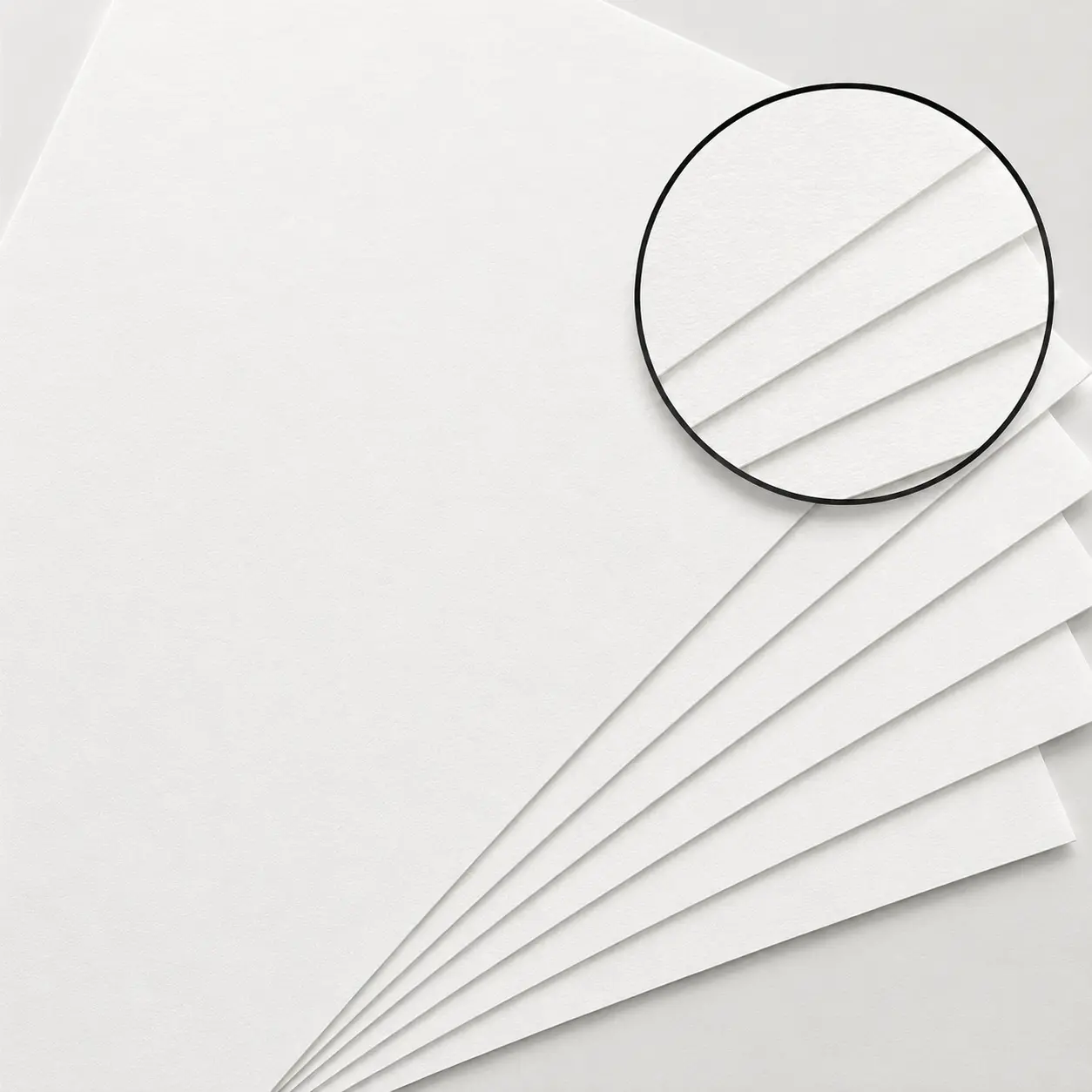
SBS Cardboard
Premium bleached substrate engineered for retail-ready packaging with sharp, high-resolution print performance across bulk SKUs.
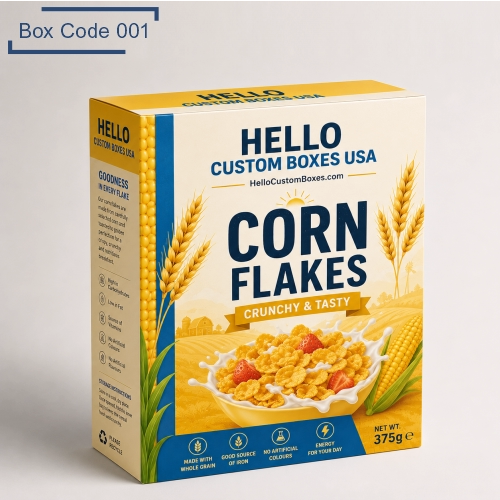
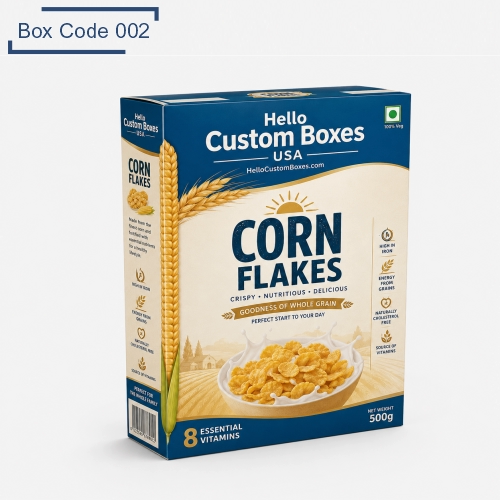
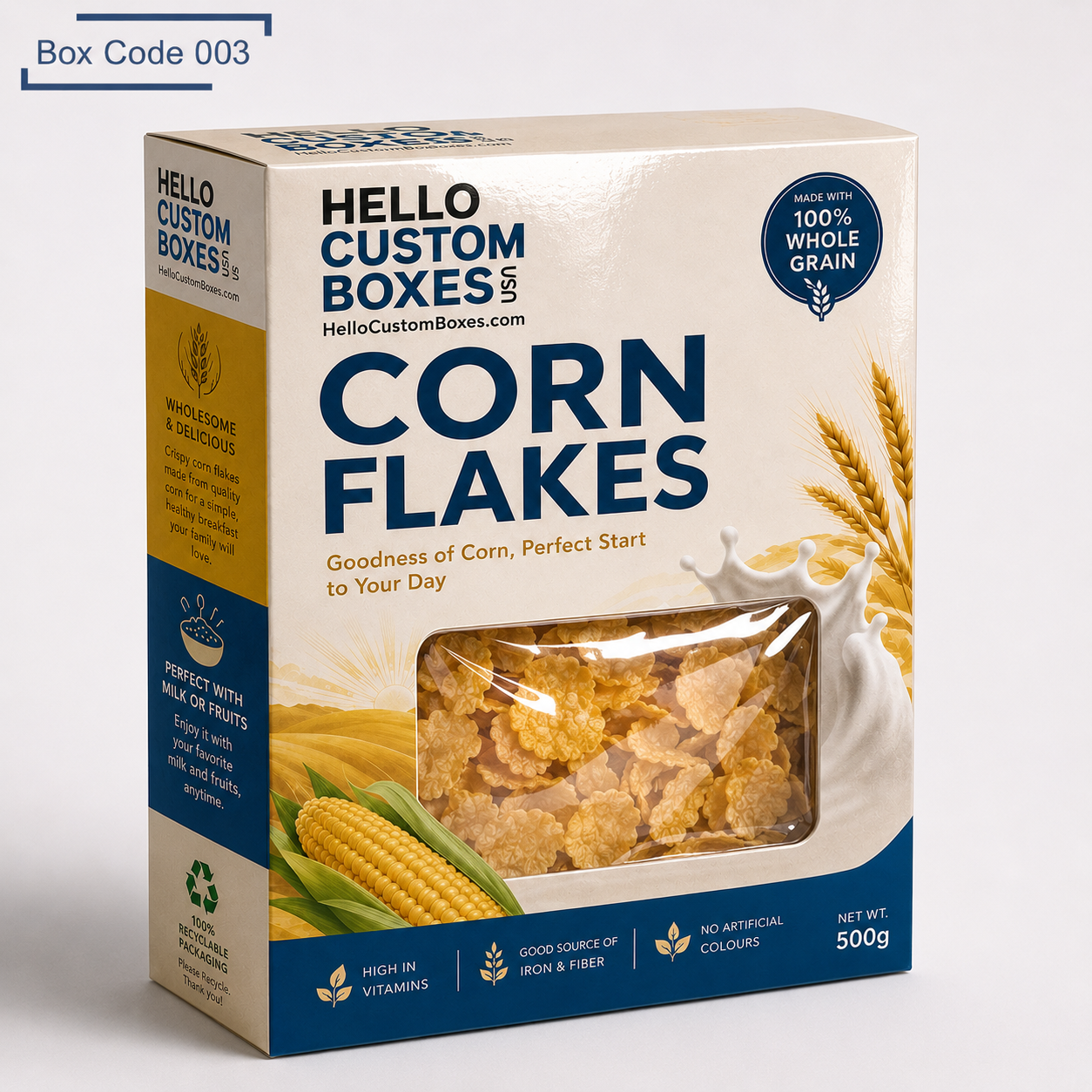
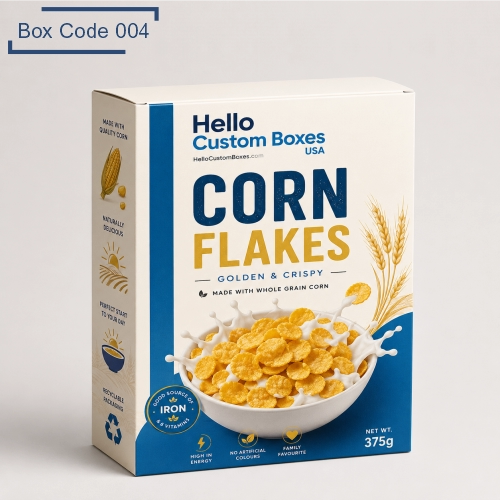
Custom corn flakes boxes keep light, fragile flakes from crushing and moisture uptake while providing clear panels for nutrition facts, recipes, and branding. Board grade and structure are set by settled product volume, warehouse stacking height, and whether the carton ships to retail shelves or through wholesale distribution. Correct fit prevents internal movement that turns whole flakes into dust before the pack reaches the consumer.
Tell us your specs and we'll send pricing within one business day.
Corn flakes drop into the carton loose, then settle once the pack is closed and handled. The volume that remains after that settling is the only measurement that matters for sizing.
Too much empty space lets flakes rattle and grind against each other on conveyors and pallets. Too little space forces the flaps open or weakens the glue joints. Outer dimensions for any corn flakes box therefore follow the settled fill, not the fluffy volume that first leaves the packing head.
Most everyday retail sizes stay on solid paperboard. The flakes are light, so the board only has to keep its shape under shelf pressure and normal pallet stacking.
Larger family or club-store formats change the picture. Side walls and tops start to carry real compressive load. At that point corrugated board with a suitable flute carries the weight better than solid paperboard of the same thickness. The downside is bulk: empty corrugated cartons take more storage room and add freight cost on every shipment of corn flakes packaging boxes.
Flakes pick up humidity fast. Plain uncoated board sitting in a damp warehouse or travelling through humid weather can soften at the scores and let moisture reach the product.
A light aqueous or grease-resistant coating on the inner surface slows that transfer without changing the outer print face. Full barrier films or polyethylene liners are rarely needed unless the pack also holds a moist ingredient or moves through chilled distribution. Check the coating against local recycling rules for the stores that will sell the product.
Manual packing lines usually run well with a simple tuck top and friction lock. Clean scores and consistent board thickness keep the flaps seating squarely.
Automated lines prefer crash-lock or auto-bottom styles that open and stay open without extra hand work. These bases speed filling but use more material and raise tooling cost. A window can show the flakes, yet it removes printable area and weakens the panel against side crush. Most brands keep the front solid and only add a window on a side panel if visual check is required on printed corn flakes boxes.
Clay-coated paperboard takes fine-screen graphics and the bright yellows and reds that dominate corn-flake packs. Kraft or recycled board mutes those lighter colours and can shift matching.
Short runs often stay digital so artwork can change without plate costs. Longer repeat orders move to offset or flexo once the design is locked. Heavy exterior ink coverage shows scuff marks from conveyors and pallet edges more clearly than designs that leave some open board.
A supermarket carton needs accurate colour, clean edges, and an uninterrupted back panel for the full nutrition facts, ingredients, and barcode.
A wholesale or club-store version needs higher stacking strength and larger face panels that stay readable from a distance on a warehouse rack. Both still face the same delivery handling: multiple hand-offs, conveyor drops, and possible side impact when pallets are broken down.
Supply a correct dieline with bleed, safe zones for text, and clear panel labels so the nutrition panel never lands on a score or glue flap. Proof approval locks colour and fit before the full run.
Board thickness and score depth tolerances affect how the carton erects and closes. Fix those details at the sampling stage so every later order matches the first.
Settled product volume or target outer dimensions
Those points set board grade, structure, closure, and finish without guesswork. The same details help when specifying other food packaging projects.
Corn Flakes Box (Specs) |
|
|---|---|
| Materials | Food-grade SBS paperboard, white cardboard stock, kraft paperboard, recyclable carton board, FSC-certified materials, moisture-resistant paper stock. |
| Box Styles | Reverse tuck end (RTE), straight tuck end (STE), auto-lock bottom cartons, dispenser-style cereal boxes, family-size cartons, retail folding cartons. |
| Food Protection | Designed to hold sealed cereal bags, moisture-resistant construction, dust protection, secure tuck closures, maintains package integrity during storage and transport. |
| Printing | Offset printing, digital printing, CMYK, Pantone color matching, nutritional panel printing, barcode printing, foil stamping, spot UV, embossing. |
| Surface Finish | Matte lamination, gloss lamination, soft-touch coating, aqueous coating, anti-scuff finish, smooth printable surface. |
| Retail Features | Shelf-ready packaging, high-impact product graphics, easy-opening top flaps, stackable structure, suitable for supermarkets and grocery stores. |
| Durability | Rigid folding carton construction, reinforced side panels, crush-resistant design, dependable performance during shipping, warehousing, and retail handling. |
| Custom Sizes | Single-serve, regular, family-size, bulk cereal cartons, custom dimensions, tailored capacity for various corn flakes packaging requirements. |
| Production | Low MOQ, custom dieline development, prototype sampling, wholesale manufacturing, bulk production, consistent print and structural quality control. |
| Sustainability | Recyclable paperboard, biodegradable packaging options, FSC-certified materials, food-safe inks, eco-friendly production processes. |
Choose from practical materials, print methods, inks, finishes, and add-ons for a better product presentation.
Premium bleached substrate engineered for retail-ready packaging with sharp, high-resolution print performance across bulk SKUs.
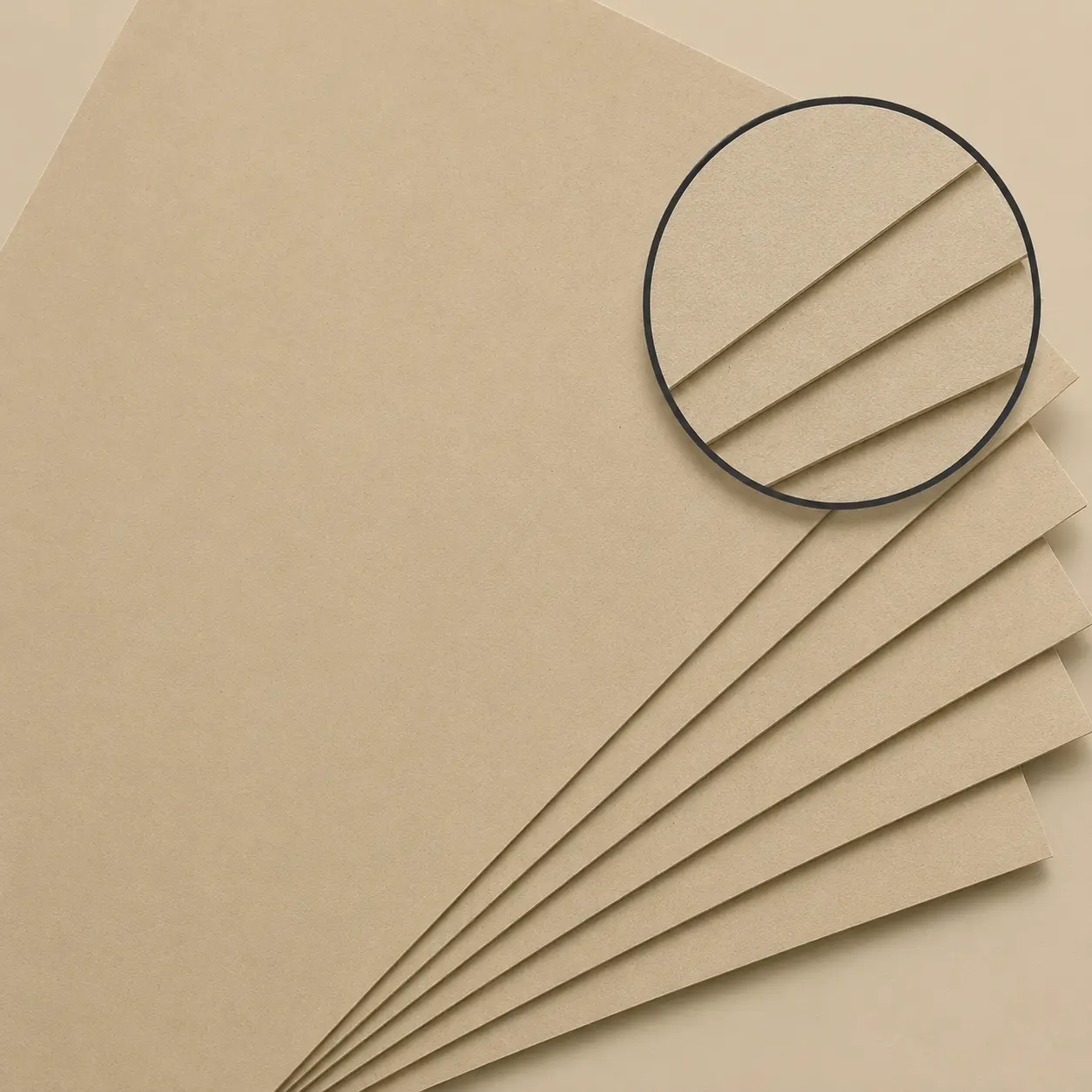
High-density rigid board built for wholesale cartons, structural strength, and stack-ready warehouse logistics.
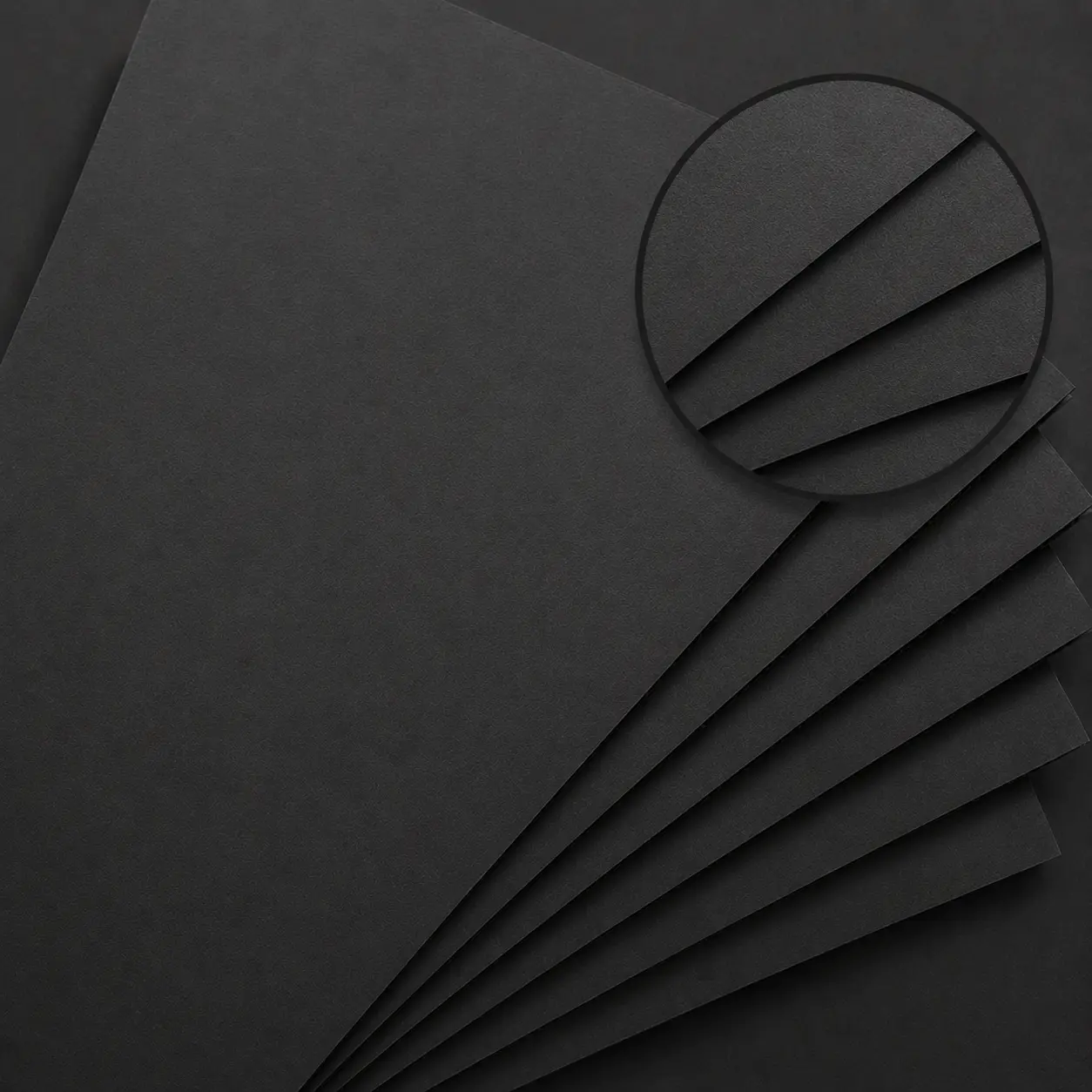
Eco-conscious black kraft for premium unboxing programs, corporate gifting, and limited-edition product lines.
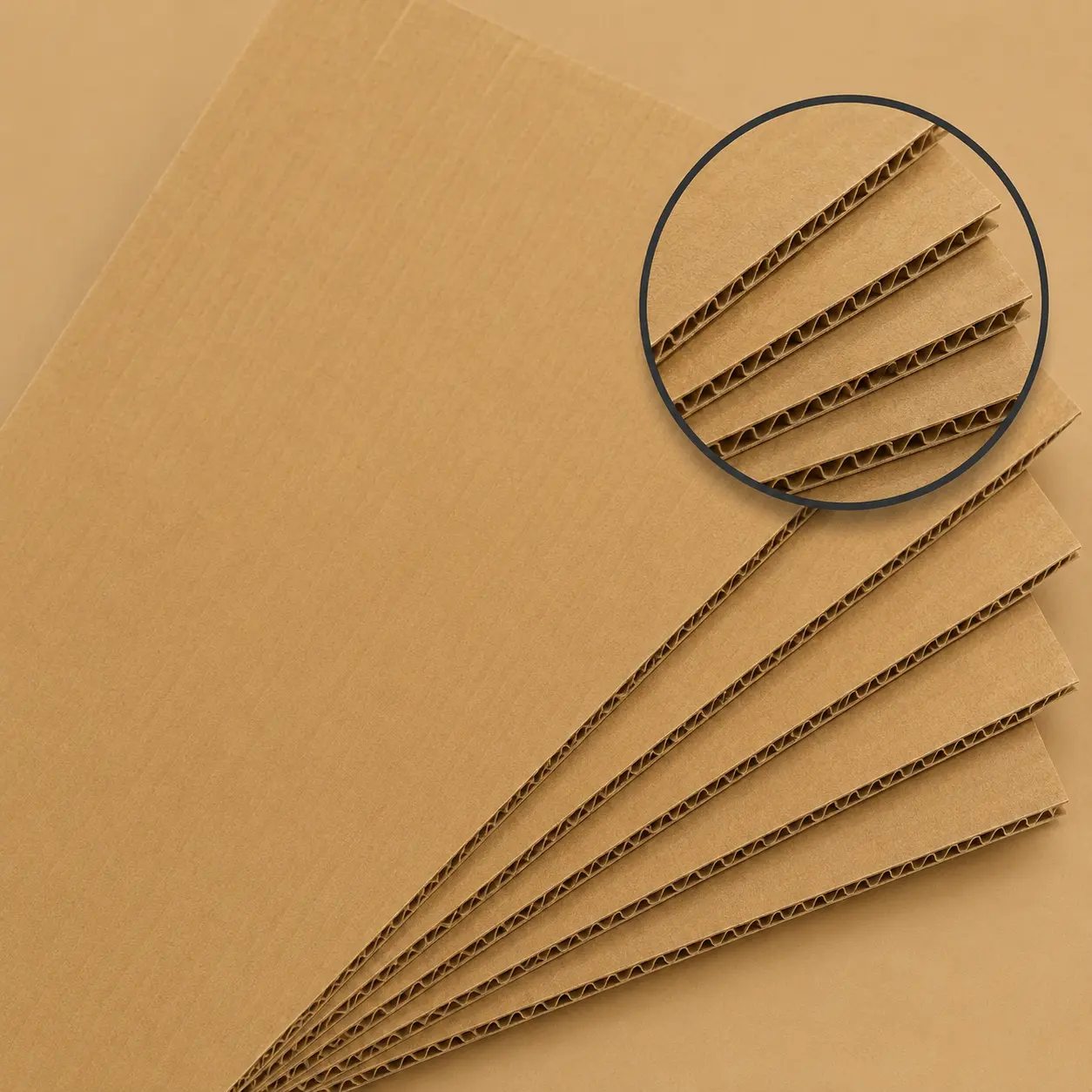
Multi-flute corrugated board built for protective shipping, e-commerce dispatch, and high-volume B2B fulfillment.
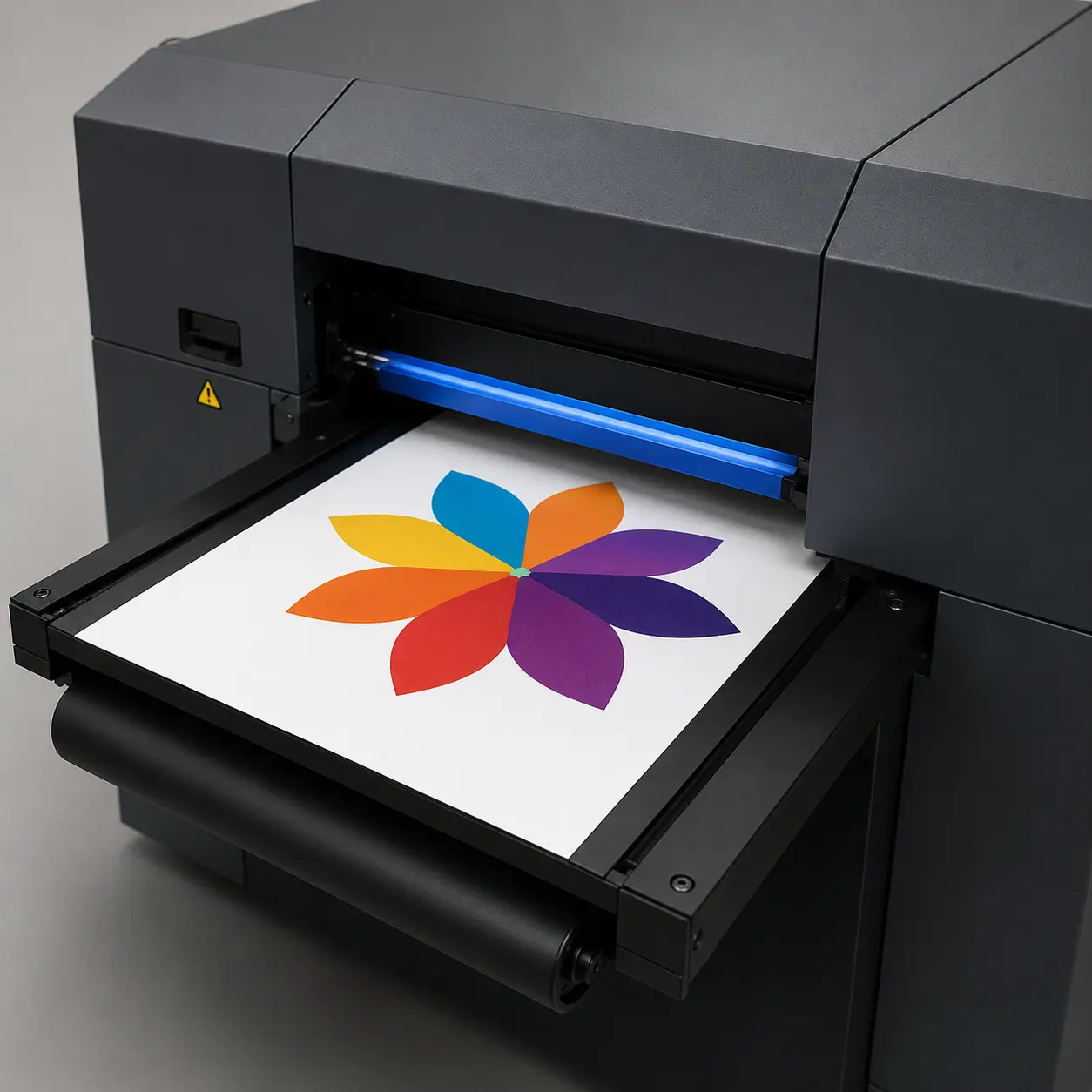
Short-run digital printing with no plate setup — ideal for prototypes, sample approvals, and quick reorders.
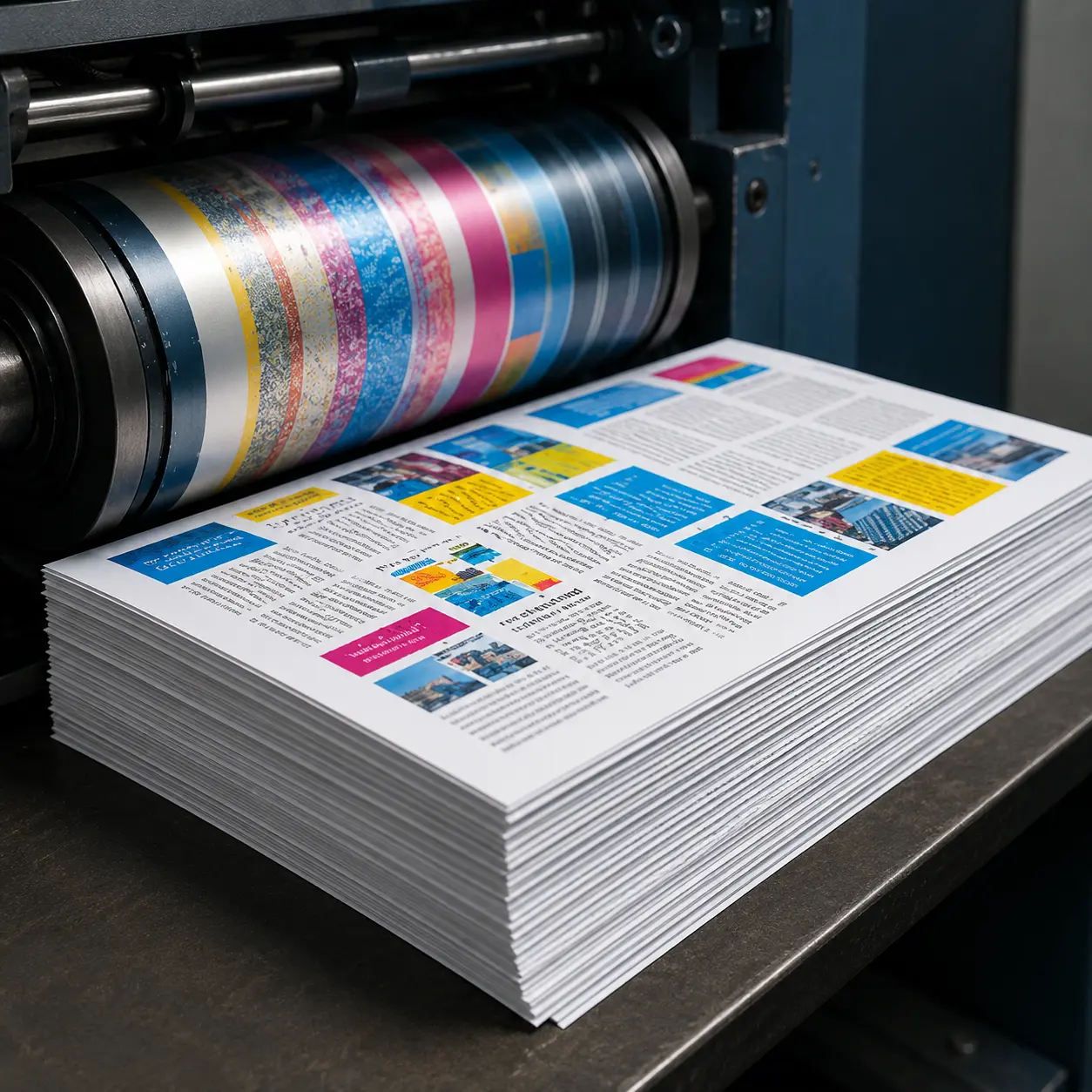
Industry-standard offset printing for high-volume runs with consistent color matching across bulk production.

Selective dimensional embellishment for premium B2B branding, tactile depth, and shelf differentiation.

Vibrant UV-cured printing suited for promotional packaging, event giveaways, and trade-show units.

High-visibility ink system engineered for shelf impact, retail displays, and wholesale point-of-sale units.
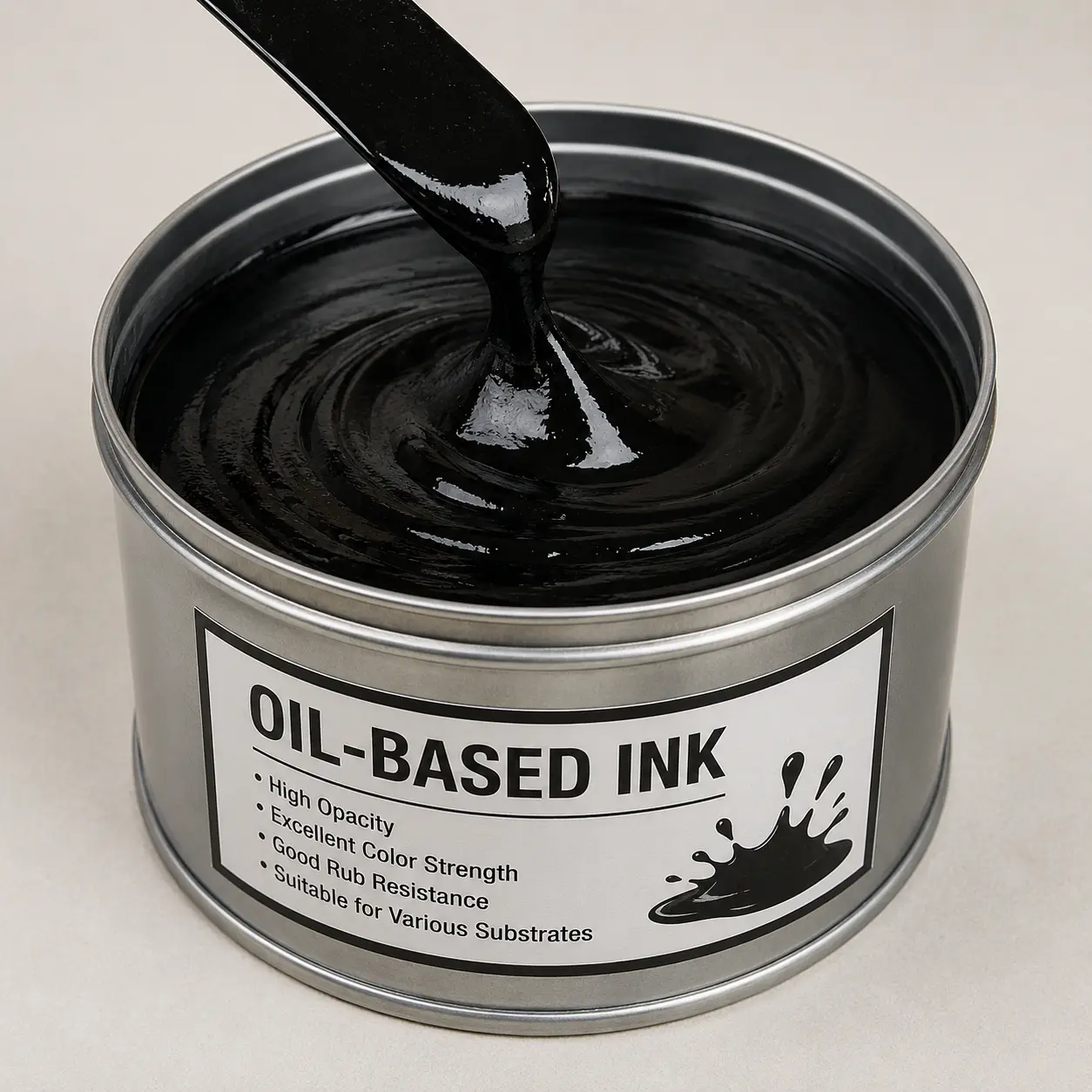
Industry-grade ink for durable, scuff-resistant production runs across long-haul distribution.

Spot-color matching to corporate brand standards — consistent identity across every SKU and reorder.

Sustainable plant-based ink for eco-certified packaging programs and ESG-aligned product launches.

Protective film extends shelf life and protects packaging during shipping and warehouse handling.

Water-based protective seal — fast-drying, food-safe-friendly finish for high-volume bulk production.

Premium tactile finish that elevates corporate gifting boxes and high-end B2B product lines.

Highlight logos and key artwork with selective gloss for maximum retail brand recognition.

Raised brand marks for tactile, premium identity on retail shelves and corporate packaging.

Pressed impressions for subtle, sophisticated branding on premium B2B product lines.

Metallic foil application — gold, silver, and custom finishes for luxury wholesale packaging.
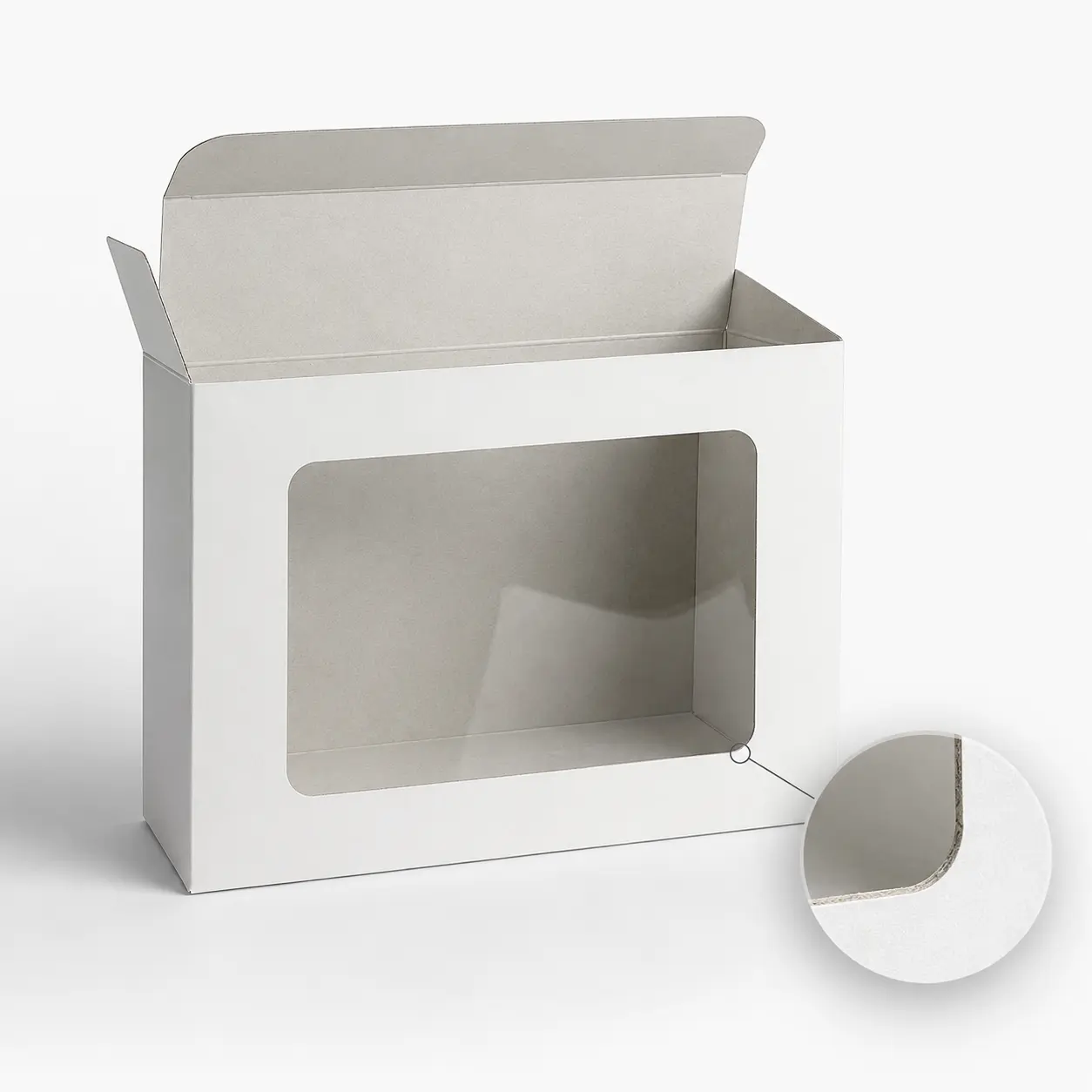
Precision die-cut openings that let customers view the product inside, with optional clear patching for better protection and presentation.
Simple, practical, and built around real B2B production needs.
Send product size, quantity, material preference, artwork, and delivery details.
Our team prepares a proof or 3D mockup so you can check design and structure.
Once approved, your packaging moves into printing, cutting, finishing, and packing.
Finished boxes are packed and shipped to your warehouse, retailer, or 3PL.
Explore similar packaging options that may fit your product line.

Reviews
There are no reviews yet.