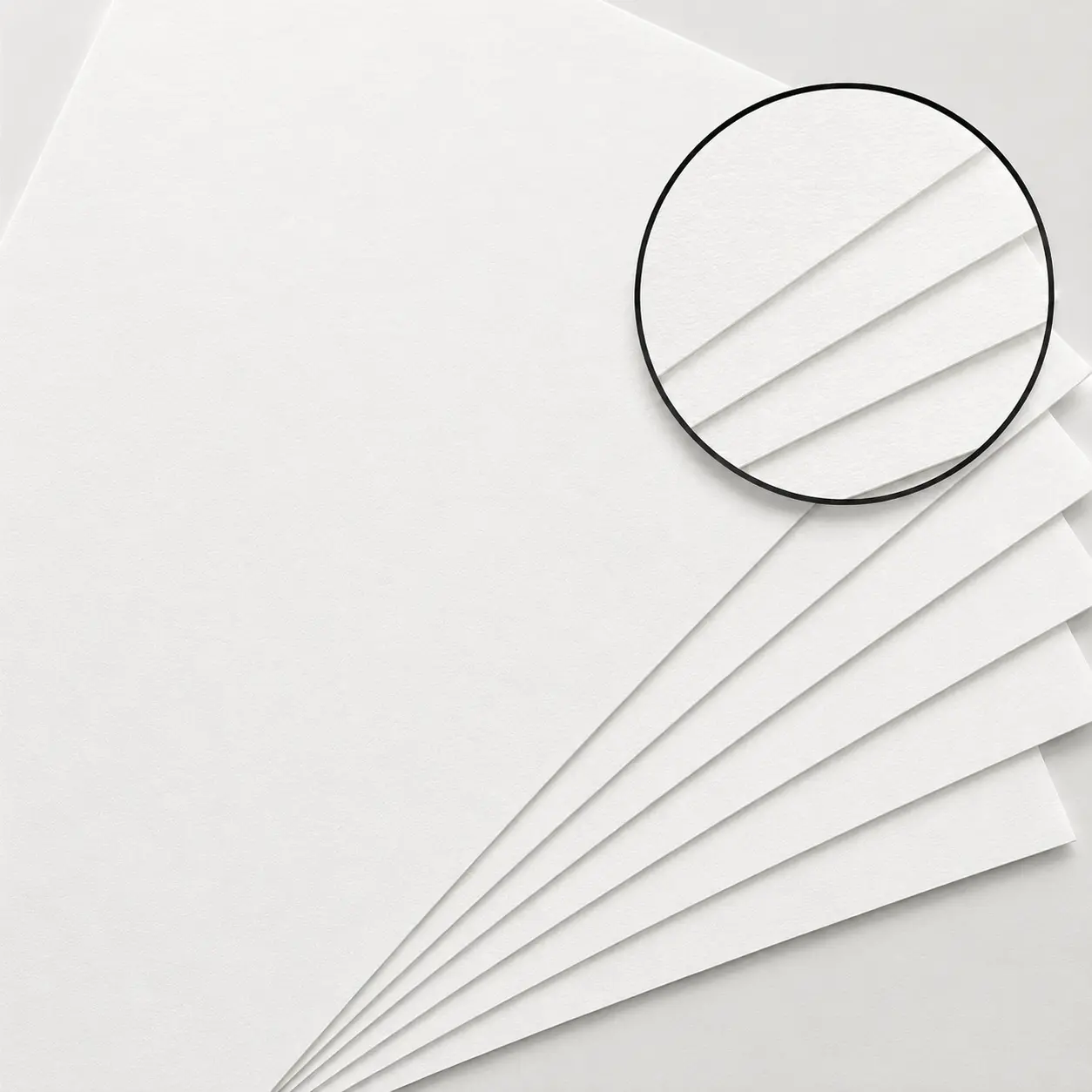
SBS Cardboard
Premium bleached substrate engineered for retail-ready packaging with sharp, high-resolution print performance across bulk SKUs.
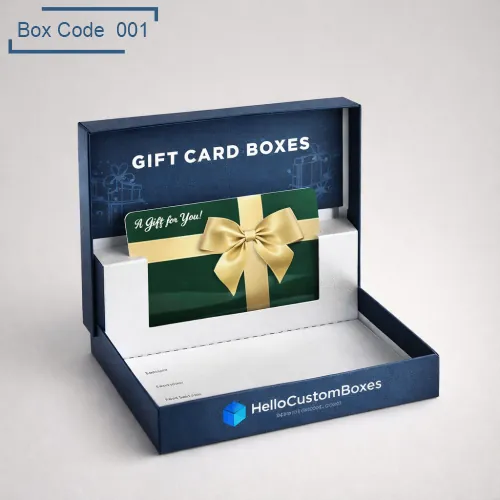
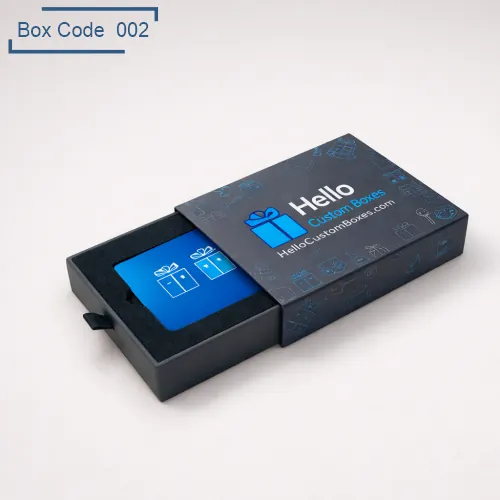
Gift card boxes protect small cards while making them feel like a real present. A well-made box turns a simple card into a thoughtful gift experience. Hello Custom Boxes creates sturdy, custom printed gift card boxes using quality cardboard and kraft materials that keep cards secure, easy to display, and attractive for retail stores, holiday promotions, and corporate gifting programs.
Tell us your specs and we'll send pricing within one business day.
A gift card is small. Sometimes it is nothing more than a thin card inside a paper sleeve.
Put that same card inside a properly fitted box and the presentation changes. It feels more like something chosen as a gift rather than simply a card handed to the recipient.
That difference matters for retail, seasonal promotions, corporate rewards, and special occasions.
Good gift card boxes adds structure around the card while giving the brand more room for artwork and presentation. The box also protects the card edges and keeps everything together until it reaches the customer.
The important part is getting the structure right. A decorative box does not help much if the card is loose inside it.
Gift card packaging looks simple until the fit is wrong.
A card can slide from side to side, move out of position behind a display opening, or arrive with damaged corners. On a retail display, poorly fitted packaging can also look untidy once customers start handling it.
These are small problems, but they affect how the finished pack feels.
That is why custom gift card boxes should be sized around the actual card rather than treated as a generic small carton.
A few measurements make a noticeable difference:
The insert should hold the card securely without making the customer struggle to take it out.
The insert does much of the work inside the box.
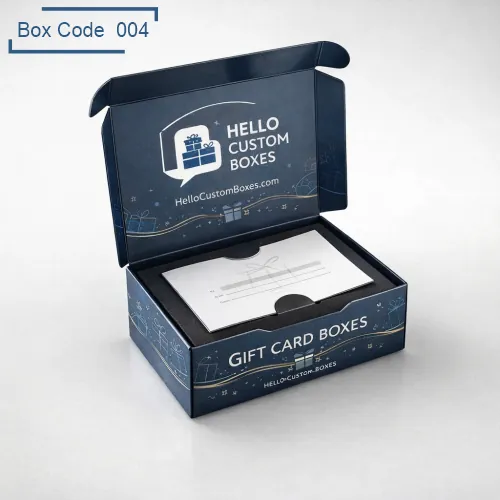
Small die-cut tabs or slots can hold the card at selected points while leaving the printed face visible. Other designs use a paperboard platform with a recessed area or fitted opening.
The right option depends on how the card needs to be presented.
A retail card may need the front artwork or value area clearly visible. A corporate gift card may sit deeper inside the box because presentation matters more than instant visibility.
The fit also needs enough tolerance for easy removal. Too much space allows movement; too little can bend the card or make it awkward to lift out.
For personalized gift card boxes, the insert can also be positioned around printed messages, logos, or other elements that appear when the customer opens the package.
Gift cards often compete for attention in relatively small retail spaces, particularly around checkout areas and dedicated card displays.
Packaging therefore needs to work from a distance as well as up close.
Printing and finishing can help establish that visibility without overcrowding the box.
Surface durability matters too. Darker artwork may make some handling marks less noticeable, but resistance to rubbing and scuffing also depends on the board, coating, and finish being used.
The best gift card packaging solutions consider both presentation and what happens after customers begin picking up and handling the packs.
There is no single structure that works for every gift card.
A box sold from a retail display has different requirements from one sent to an employee as part of a corporate reward program.
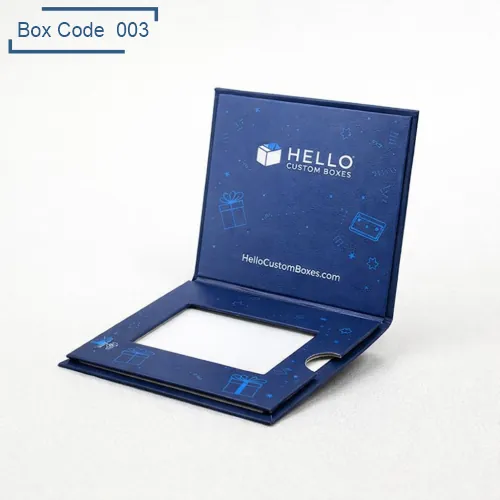
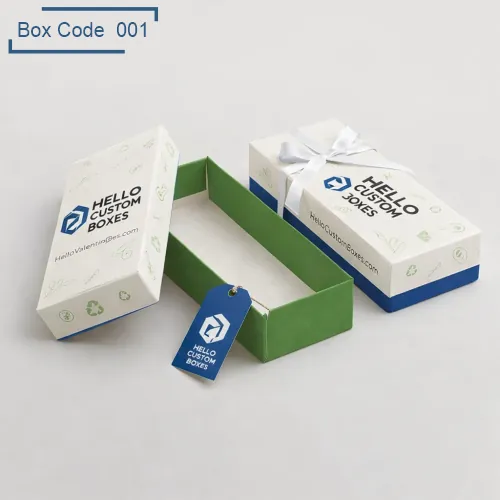
A sleeve-and-tray format keeps the card on an inner section while a printed outer sleeve covers it.
The structure gives brands useful printable space without making the package unnecessarily complicated. It can work particularly well when larger quantities need a consistent presentation.
Flip-top boxes open more like a small presentation case.
They suit gift cards where the opening experience is part of the presentation, including corporate gifts, loyalty rewards, and higher-value cards.
Depending on the construction, the lid may use a simple tuck closure. Premium rigid versions can use more substantial closure methods where required.
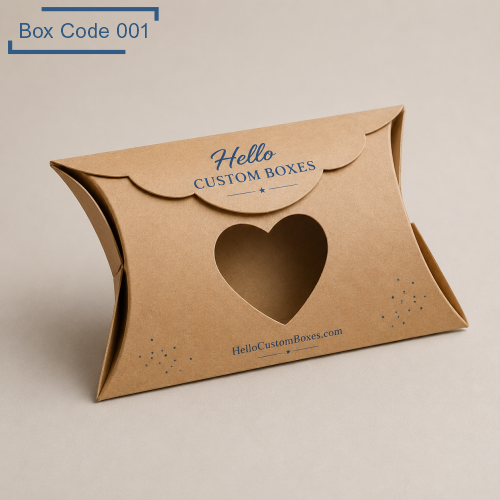
A carefully positioned die-cut opening can reveal part of the card artwork while keeping the presentation neat.
This can work well when the card itself carries important branding or when several designs are displayed together.
The opening position needs to be planned alongside the insert. If the card shifts behind it, the presentation can quickly start to look uneven.
The heaviest material is not automatically the best choice.
For many retail applications, folding paperboard provides enough support while remaining easy to print, fold, store, and assemble.
Common options include:
Cardboard
Smooth paperboard works well for detailed artwork and branded retail presentation. The required thickness depends on the box dimensions and structure.
Kraft Board
Kraft gives the packaging a more natural surface and works well where that appearance suits the brand. Its surface and color should be considered when preparing printed artwork.
Black Kraft
Black kraft can create a darker, understated presentation for beauty, fashion, corporate, and premium gifting applications.
Rigid Board
Not every gift card needs a rigid box. It becomes more relevant when the package is intended to feel like a presentation case or form part of a higher-value gift.
Brands considering this type of construction can also compare the requirements with rigid packaging before choosing the final format.
The material should ultimately match the structure, distribution method, and presentation expected from the finished package.
Gift cards are frequently connected to a specific campaign or occasion, so the artwork may change more often than it does on standard product packaging.
Brands may create designs for:
Personalized gift card boxes can carry logos, campaign artwork, recipient messaging, instructions, QR codes, or promotional information depending on the available panel space.
Finishes such as foil, embossing, debossing, and selected coatings can be added where they support the design.
Brands with several product lines may also coordinate the artwork with their wider custom gift packaging boxes so the gift card still feels connected to the rest of the brand.
Consistency is usually more useful than trying to fill every panel with graphics.
Larger quantities are common when gift cards are being prepared for multiple stores, seasonal campaigns, corporate programs, or promotional events.
In these situations, consistency becomes important.
Bulk gift card boxes should use the same insert position, dimensions, closure, and print placement across the run so staff are not dealing with slightly different packs during fulfillment or retail setup.
It is also worth deciding how the empty boxes will be stored and packed before they are filled. Folding cartons can usually be supplied flat, while more substantial presentation structures require additional storage space.
Thinking about that early can make a large packaging run easier to handle once it reaches the packing team.
Production starts with the card rather than the artwork.
We first need to understand what is going inside the box and how the finished package will be used.
Useful details include:
These details allow the dieline and insert to be planned around the actual product.
For custom gift card boxes, getting the internal fit right comes before decorative finishing. Once the structure is established, the printing and finishing can be planned around it.
That approach produces gift card packaging that does more than look finished. The card stays positioned properly, the box suits the way it will be handled, and the branding has enough space to do its job.
Specifications |
|
|---|---|
| Material Options | Premium SBS paperboard (300–400 gsm), white cardboard stock, natural kraft board for eco-friendly packaging, black kraft board for luxury gift presentation, rigid setup board for premium gift card packaging, and FSC-certified recyclable materials. |
| Box Styles Available | Tuck-end folding cartons, sleeve and tray gift card boxes, two-piece rigid lid and base boxes, magnetic closure gift boxes, wallet-style packaging, and window-cut gift card cartons. |
| Card Holder Inserts | Custom die-cut cardboard inserts, EVA foam inserts for premium presentation, secure slit holders for standard gift cards, and multi-card holder layouts for promotional gift bundles. |
| Surface Finish & Presentation | Smooth coated surface for high-quality printing, soft-touch matte lamination for a luxury feel, anti-scuff coating for shelf durability, and high-opacity board for vibrant branding. |
| Printing & Branding Options | Offset and digital printing, CMYK and Pantone color matching, foil stamping (gold, silver, rose gold), embossing/debossing, spot UV accents for logos and design highlights, and custom inside printing. |
| Window & Display Features | Optional clear PVC window patches, die-cut card display windows, transparent lid options for retail presentation, and elegant ribbon closures for special gift packaging. |
| Durability & Protection | Reinforced folding structure, corner-crush resistant rigid options, protective lamination against scratches and handling marks, and structural strength for shipping and retail display. |
| Custom Sizes & Dimensions | Designed for standard plastic gift cards and custom card sizes, multi-card holder layouts available, and custom box depth based on insert type and presentation style. |
| Retail Applications | Retail gift card packaging, promotional gift cards, corporate gifting, holiday gift packaging, boutique gift sets, and seasonal marketing campaigns. |
| Wholesale & Production | Low MOQs for small businesses and boutiques, bulk pricing for retail chains, custom dieline engineering for unique card layouts, pre-production sampling available, and strict color consistency control. |
| Sustainability Options | Recyclable cardboard materials, soy-based ink compatibility, plastic-free insert options, and minimal-waste die-cut layouts for eco-conscious packaging. |
Choose from practical materials, print methods, inks, finishes, and add-ons for a better product presentation.
Premium bleached substrate engineered for retail-ready packaging with sharp, high-resolution print performance across bulk SKUs.
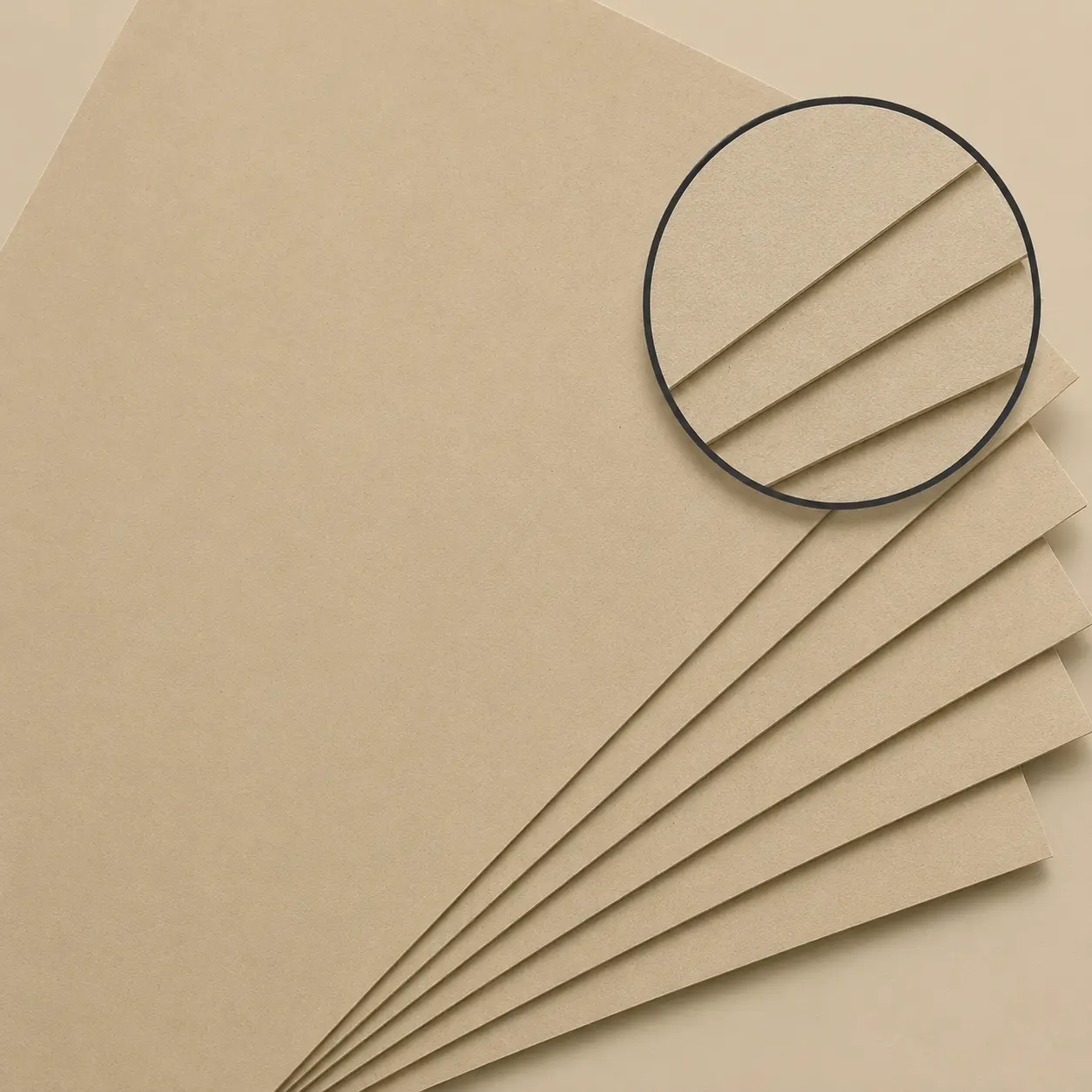
High-density rigid board built for wholesale cartons, structural strength, and stack-ready warehouse logistics.
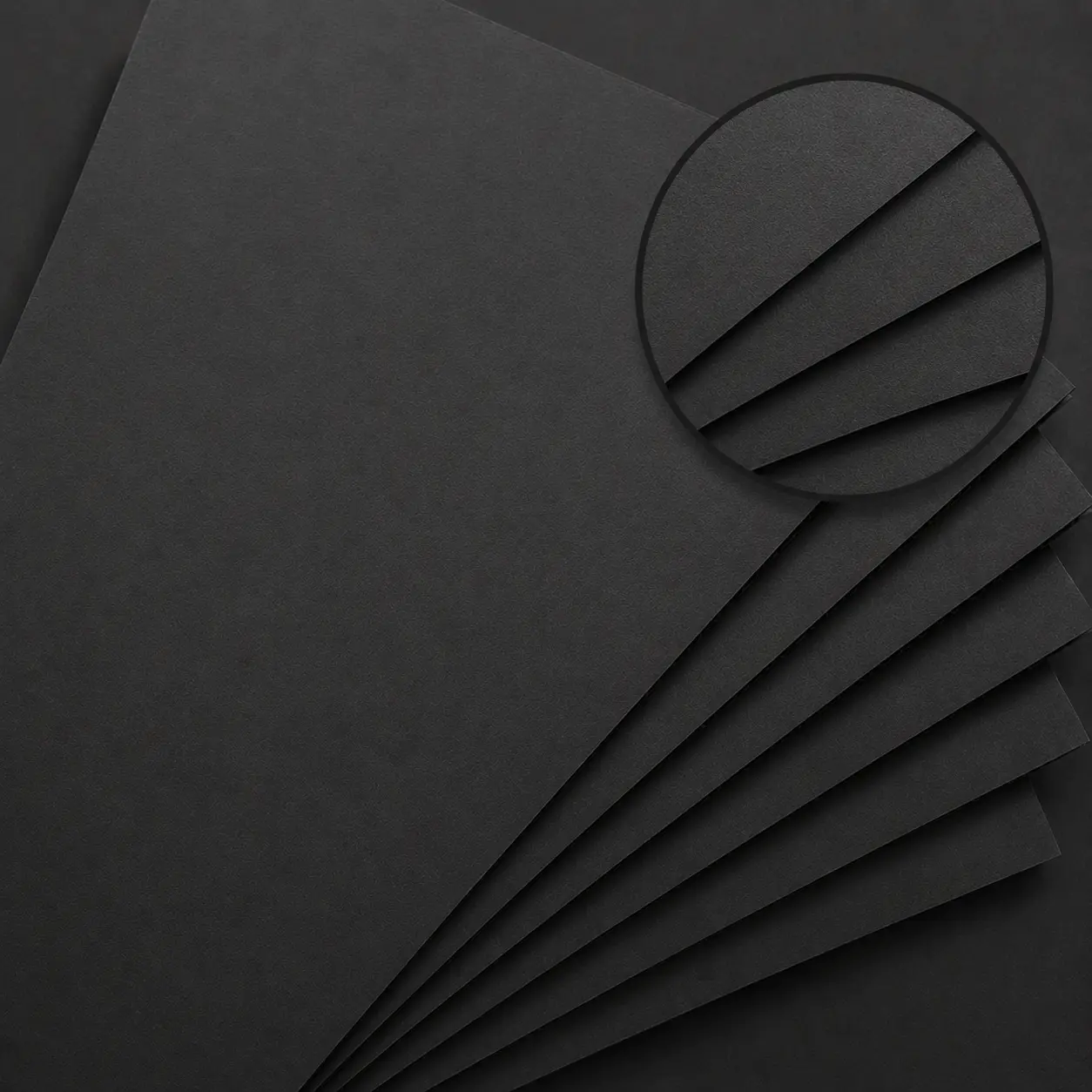
Eco-conscious black kraft for premium unboxing programs, corporate gifting, and limited-edition product lines.
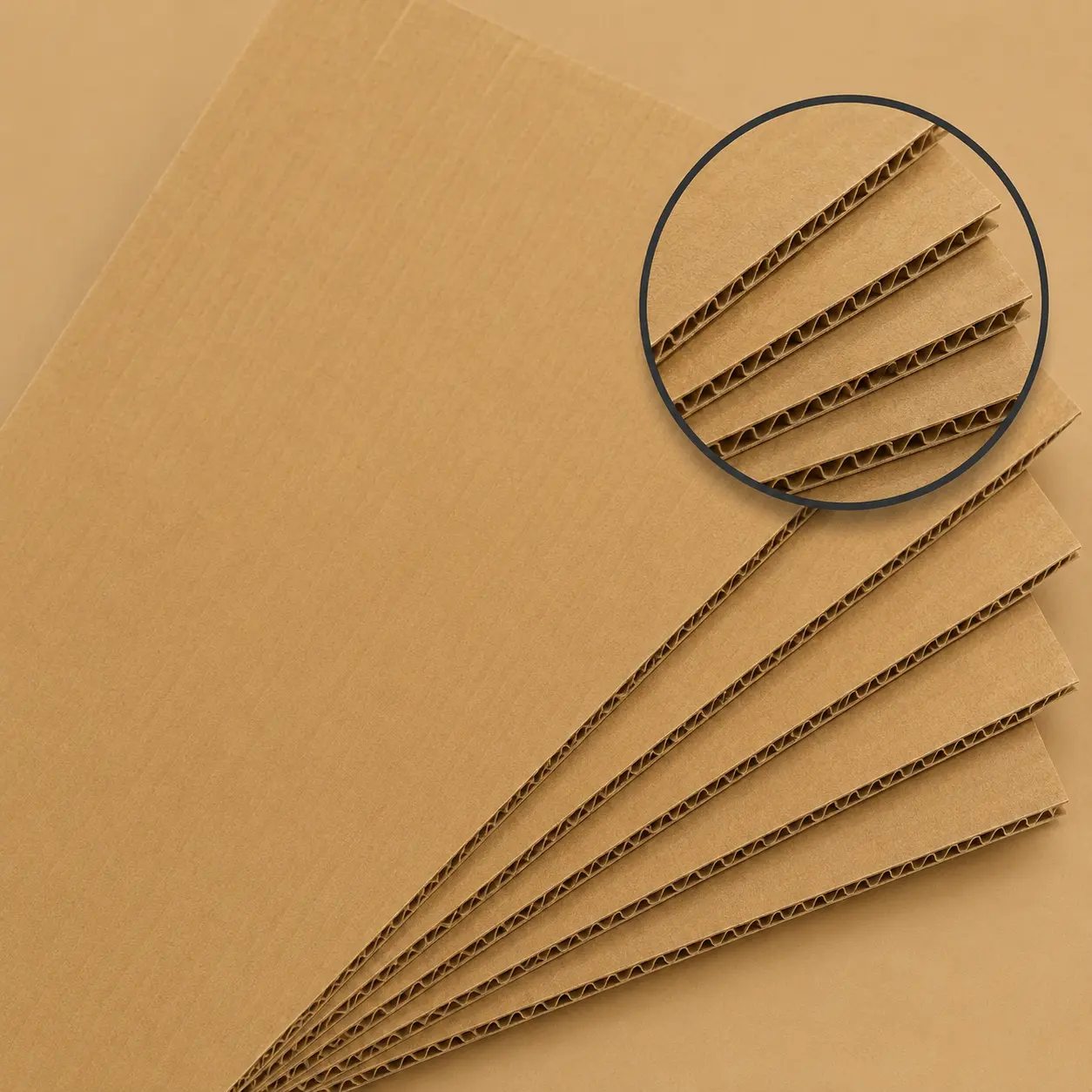
Multi-flute corrugated board built for protective shipping, e-commerce dispatch, and high-volume B2B fulfillment.
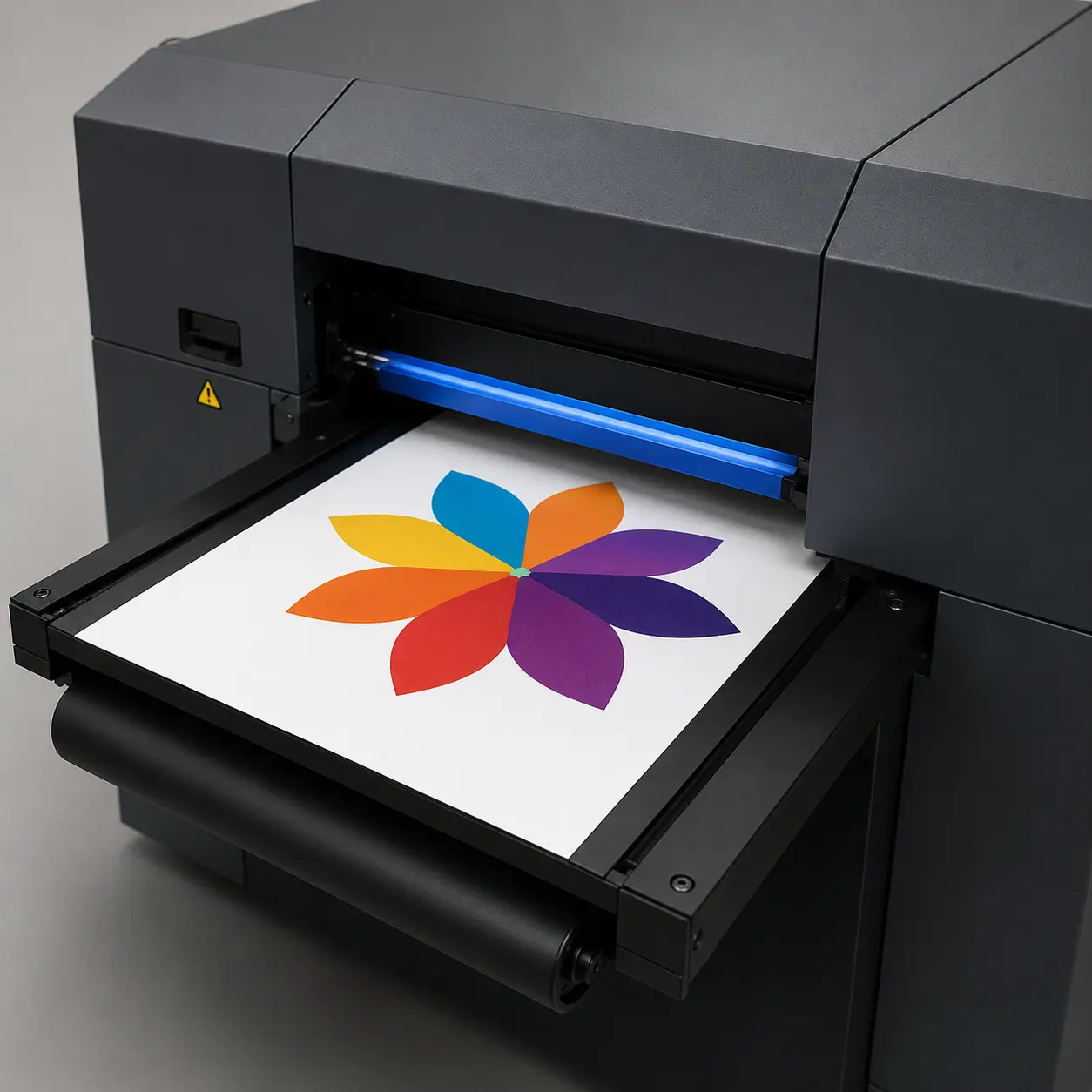
Short-run digital printing with no plate setup — ideal for prototypes, sample approvals, and quick reorders.
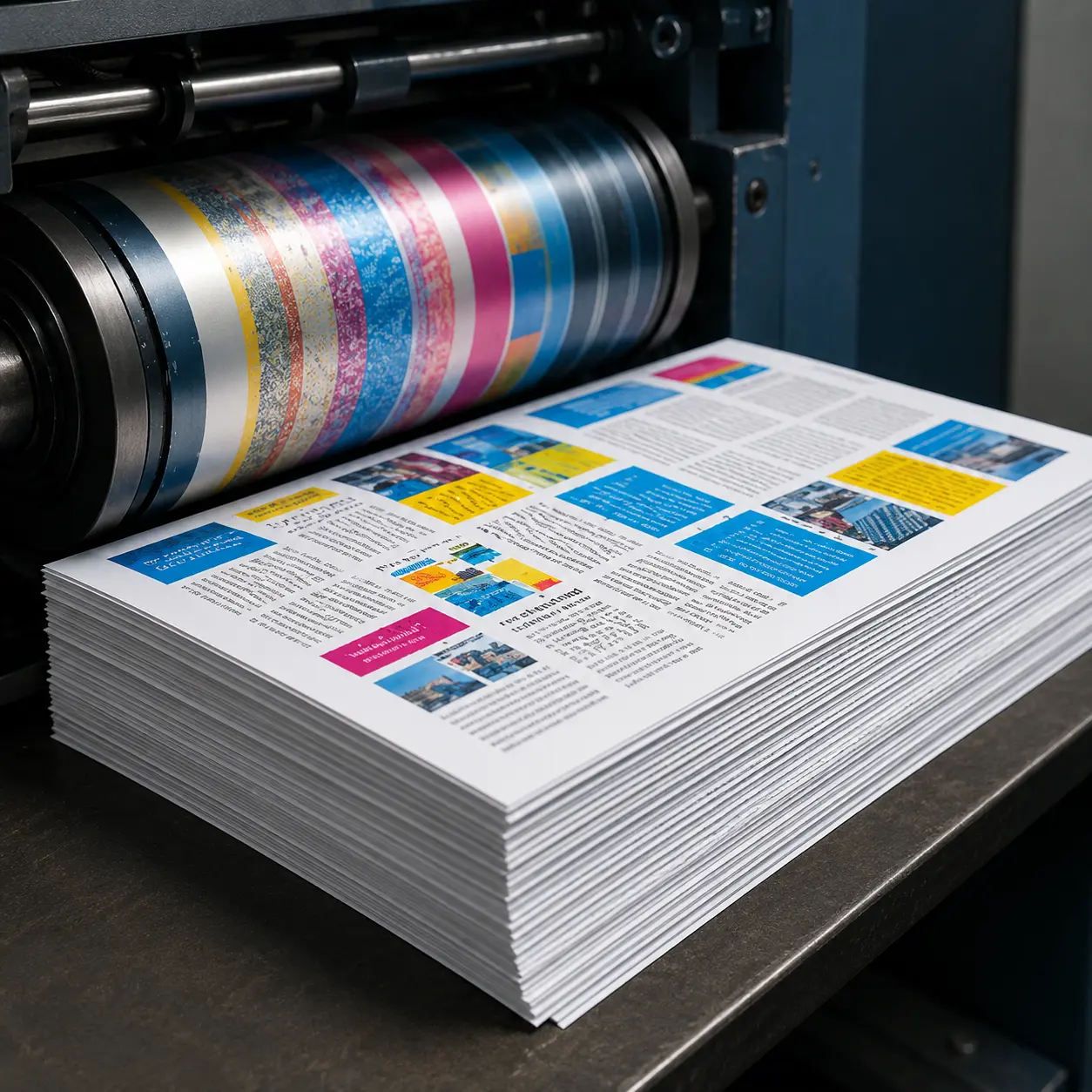
Industry-standard offset printing for high-volume runs with consistent color matching across bulk production.

Selective dimensional embellishment for premium B2B branding, tactile depth, and shelf differentiation.

Vibrant UV-cured printing suited for promotional packaging, event giveaways, and trade-show units.
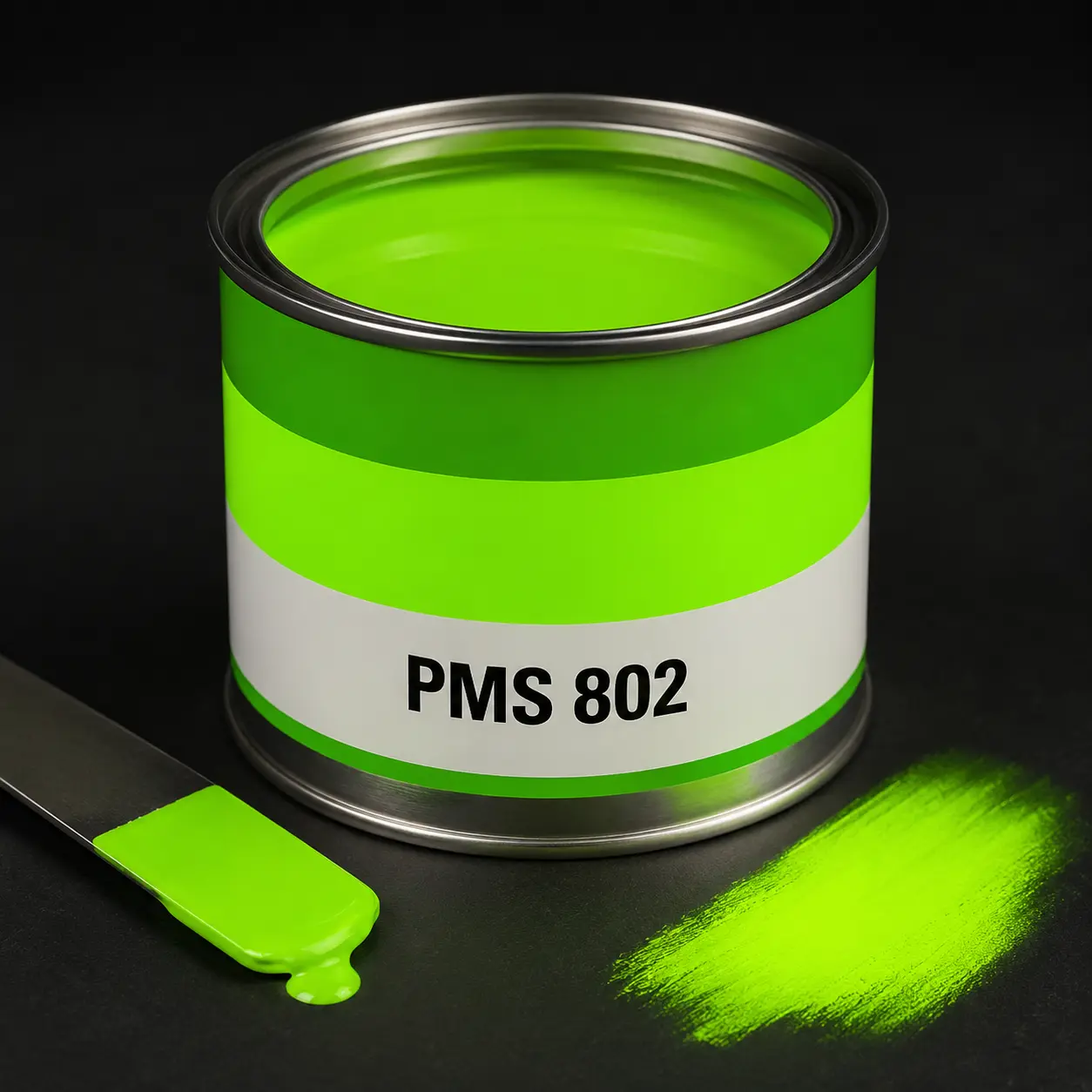
High-visibility ink system engineered for shelf impact, retail displays, and wholesale point-of-sale units.
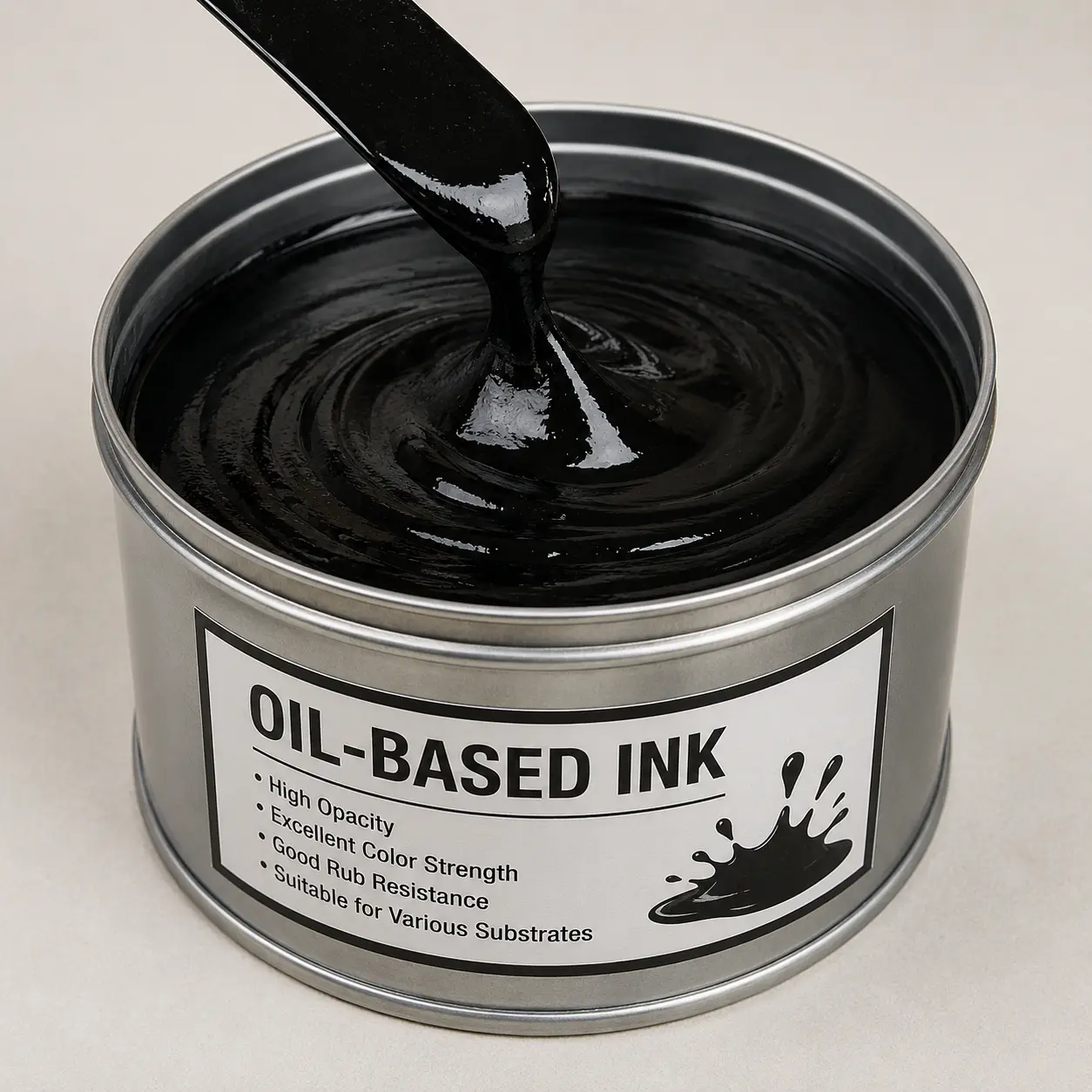
Industry-grade ink for durable, scuff-resistant production runs across long-haul distribution.

Spot-color matching to corporate brand standards — consistent identity across every SKU and reorder.

Sustainable plant-based ink for eco-certified packaging programs and ESG-aligned product launches.

Protective film extends shelf life and protects packaging during shipping and warehouse handling.

Water-based protective seal — fast-drying, food-safe-friendly finish for high-volume bulk production.

Premium tactile finish that elevates corporate gifting boxes and high-end B2B product lines.

Highlight logos and key artwork with selective gloss for maximum retail brand recognition.

Raised brand marks for tactile, premium identity on retail shelves and corporate packaging.

Pressed impressions for subtle, sophisticated branding on premium B2B product lines.

Metallic foil application — gold, silver, and custom finishes for luxury wholesale packaging.
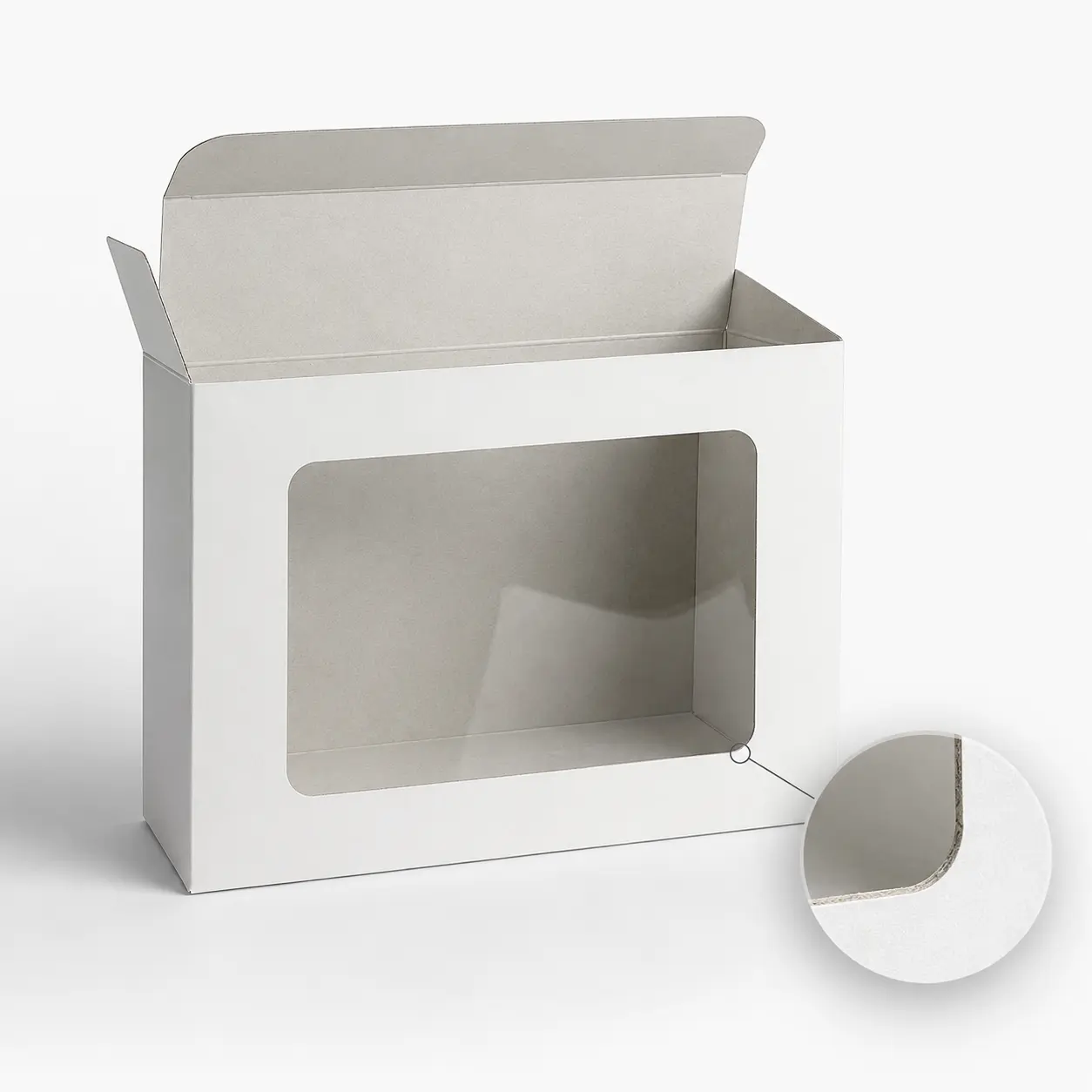
Precision die-cut openings that let customers view the product inside, with optional clear patching for better protection and presentation.
Simple, practical, and built around real B2B production needs.
Send product size, quantity, material preference, artwork, and delivery details.
Our team prepares a proof or 3D mockup so you can check design and structure.
Once approved, your packaging moves into printing, cutting, finishing, and packing.
Finished boxes are packed and shipped to your warehouse, retailer, or 3PL.
Explore similar packaging options that may fit your product line.
Reviews
There are no reviews yet.